The Story
Plant Bio
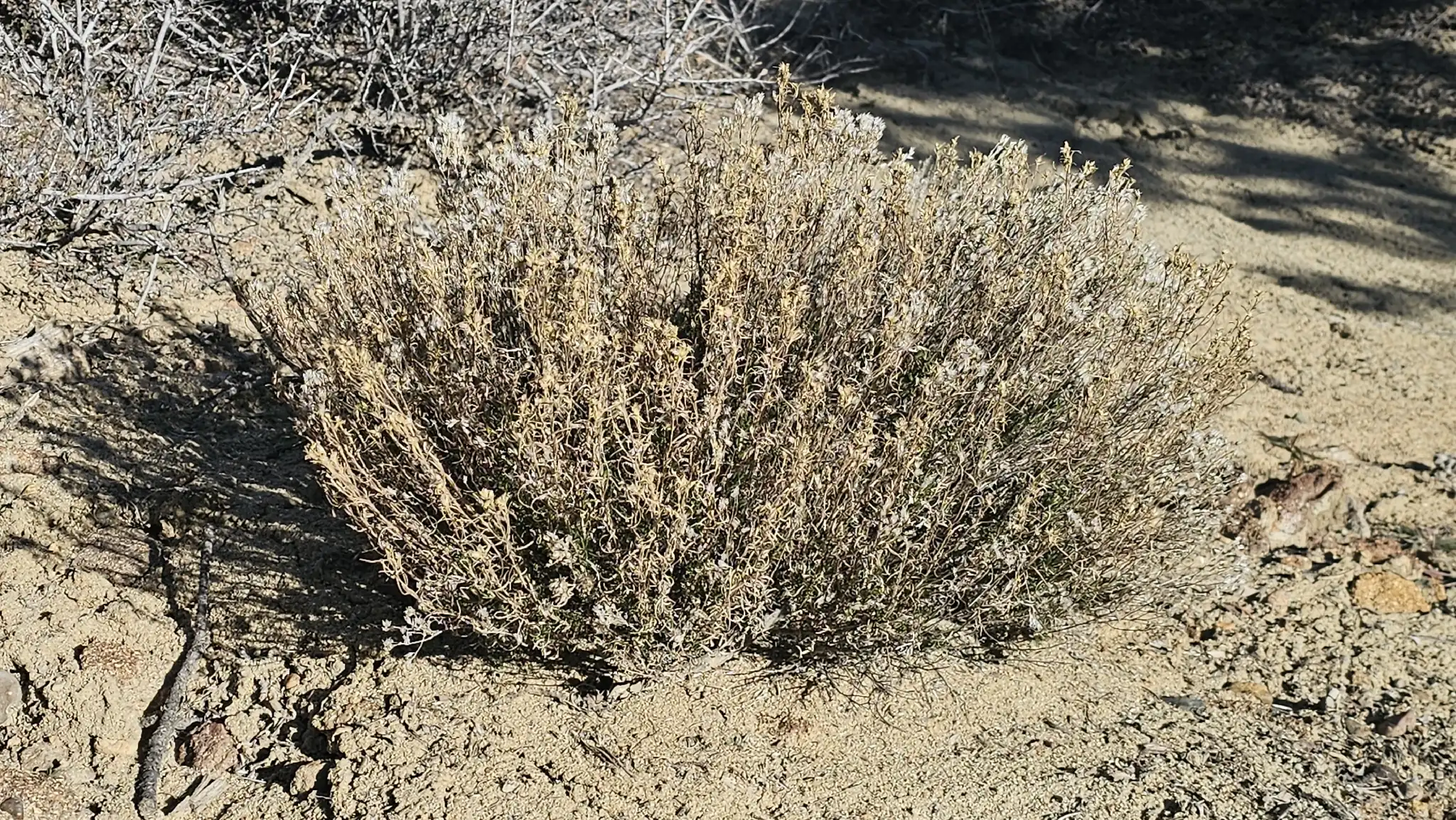
Gutierrezia sarothrae is a perennial subshrub from western North America that forms a broom-like mound of many slender stems 12 to 36 inches tall. The stems carry narrow yellow-green linear leaves about 1 to 2 inches long that are resinous and aromatic, and end in loose clusters of tiny yellow heads about a quarter-inch across.
It flowers from late summer into fall, when the crown flattens into a dome of yellow that feeds native bees, butterflies and seed-eating birds but not hummingbirds. It is separated from little-head snakeweed by heads with more than three ray flowers, and its saponin-rich foliage poisons cattle, sheep, goats and horses green or dried.
Uses & Benefits:
Essentials
At a Glance
Plant Type
Perennial
Height
24"
Width
24"
Light
Full Sun, Partial Sun
Zones
4, 5, 6, 7, 8, 9, 10
Water
Low
Humidity
Unknown
Lifespan
Perennial subshrub
Native To
Western North America
Toxicity
Toxic to livestock
Bloom period
Late summer – Fall
In flower about 4 months of the year
Planting
How to Grow
- Set plants in full sun in very well-drained sandy, gravelly or loamy soil with lime
- Space 24 inches apart to allow the broom-like crown to develop
- Water to settle in, then water only during prolonged drought
- Leave stems standing through winter and cut back dead tops in early spring
Pro Tip
Plant in lean, sharply drained soil and withhold summer water once established; rich soil and overwatering make it floppy and short-lived.
Keep It Thriving
Care Guide
Do
- Plant in full sun and lean, well-drained soil
- Allow fall heads to stand for seed-eating birds
- Start new plants from seed sown on the surface
Don't
- Do not fertilize or enrich the soil
- Do not overwater in summer
- Do not plant where cattle, sheep, goats or horses can browse it
Seasonal Care Calendar
| Task | Jan | Feb | Mar | Apr | May | Jun | Jul | Aug | Sep | Oct | Nov | Dec |
|---|---|---|---|---|---|---|---|---|---|---|---|---|
| Deadhead | ||||||||||||
| Pest Check | ||||||||||||
| Plant | ||||||||||||
| Propagate | ||||||||||||
| Spring Cleanup |
Watch Out For
Pests & Diseases
Common Pests
Common Diseases
In the Garden
Landscape Uses & Companions
Landscape Uses
Multiply
Propagation Methods
Good to Know
Common Questions
Broom Snakeweed questions
What zones can Broom Snakeweed grow in?
Broom Snakeweed is hardy in USDA Zones 4–10: in that range it survives winter in the ground.
When does Broom Snakeweed bloom?
Broom Snakeweed typically blooms from late summer to late fall. Exact timing shifts a week or two with your zone — Sow's bloom calendar maps it to your garden.
Does Broom Snakeweed need full sun?
Broom Snakeweed does best in full sun to part shade. In hot climates, afternoon shade keeps blooms fresher longer.
Is Broom Snakeweed drought tolerant?
Yes — once established (usually after the first full season), Broom Snakeweed handles dry spells with minimal watering. Water deeply its first year to build the root system that makes that possible.
Keep exploring
Explore the genus
Grow Broom Snakeweed with confidence
See it in a design of your actual yard, get zone-matched care reminders, and track it season by season in your garden journal.