The Story
Plant Bio
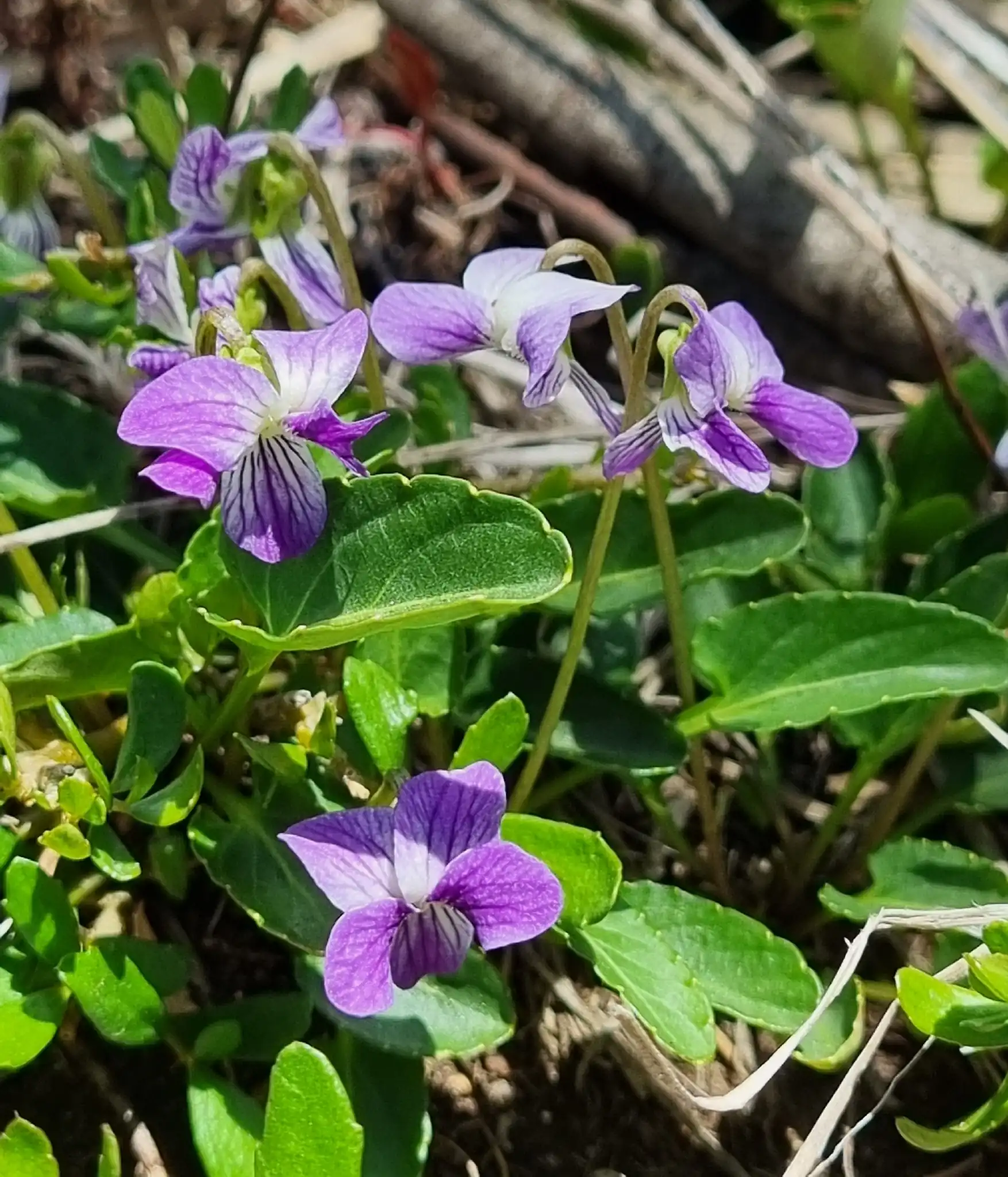
Viola betonicifolia is a stemless perennial herb forming a basal rosette of arrow-shaped leaves up to four inches long. Solitary five-petaled flowers in shades of violet and mauve with distinct darker veins open on slender leafless stalks from spring into summer.
Unlike spreading violets, this species maintains an upright, tufted growth habit and relies on seed propulsion rather than runners to colonize damp spots. The variable foliage frequently develops a purplish undersurface when grown in low-light environments.
Uses & Benefits:
Essentials
At a Glance
Plant Type
Perennial
Height
14"
Width
12"
Light
Partial Sun, Shade
Zones
7, 8, 9, 10
Water
Moderate to High
Humidity
Moderate to High
Lifespan
Perennial
Native To
Asia and Oceania
Toxicity
Non-toxic
Bloom period
Spring – Summer
In flower about 6 months of the year
Planting
How to Grow
- Select a planting site in partial to full shade with moist, humus-rich soil.
- Incorporate composted leaves or organic matter into the top six inches of soil.
- Set plants 8 to 10 inches apart, matching the container depth so the crown sits level with the soil.
- Water thoroughly and apply a light mulch to help retain consistent soil moisture.
Pro Tip
Maintain consistent moisture and shade; allowing the soil to dry out completely triggers premature leaf collapse and summer dormancy.
Keep It Thriving
Care Guide
Do
- Keep the soil uniformly moist throughout the spring and summer growing season.
- Remove dead or yellowed basal leaves individually to keep the rosette clean.
Don't
- Do not allow the root zone to dry out completely during warm weather.
- Do not bury the crown beneath excess mulch or heavy clay soil.
Seasonal Care Calendar
| Task | Jan | Feb | Mar | Apr | May | Jun | Jul | Aug | Sep | Oct | Nov | Dec |
|---|---|---|---|---|---|---|---|---|---|---|---|---|
| Fertilize | ||||||||||||
| Mulch | ||||||||||||
| Pest Check | ||||||||||||
| Plant | ||||||||||||
| Spring Cleanup |
Watch Out For
Pests & Diseases
Common Pests
Common Diseases
In the Garden
Landscape Uses & Companions
Landscape Uses
Companion Plants
Multiply
Propagation Methods
Good to Know
Common Questions
Arrowhead Violet questions
What zones can Arrowhead Violet grow in?
Arrowhead Violet is hardy in USDA Zones 7–10: in that range it survives winter in the ground. Colder than Zone 7, grow it in a container you can move to shelter for the winter, or as an annual.
Is Arrowhead Violet deer resistant?
Not reliably. Deer may browse Arrowhead Violet, especially tender spring growth — plan on repellents or fencing where pressure is high.
When does Arrowhead Violet bloom?
Arrowhead Violet typically blooms from spring to summer. Exact timing shifts a week or two with your zone — Sow's bloom calendar maps it to your garden.
Does Arrowhead Violet need full sun?
Arrowhead Violet does best in part shade.
More Viola to compare
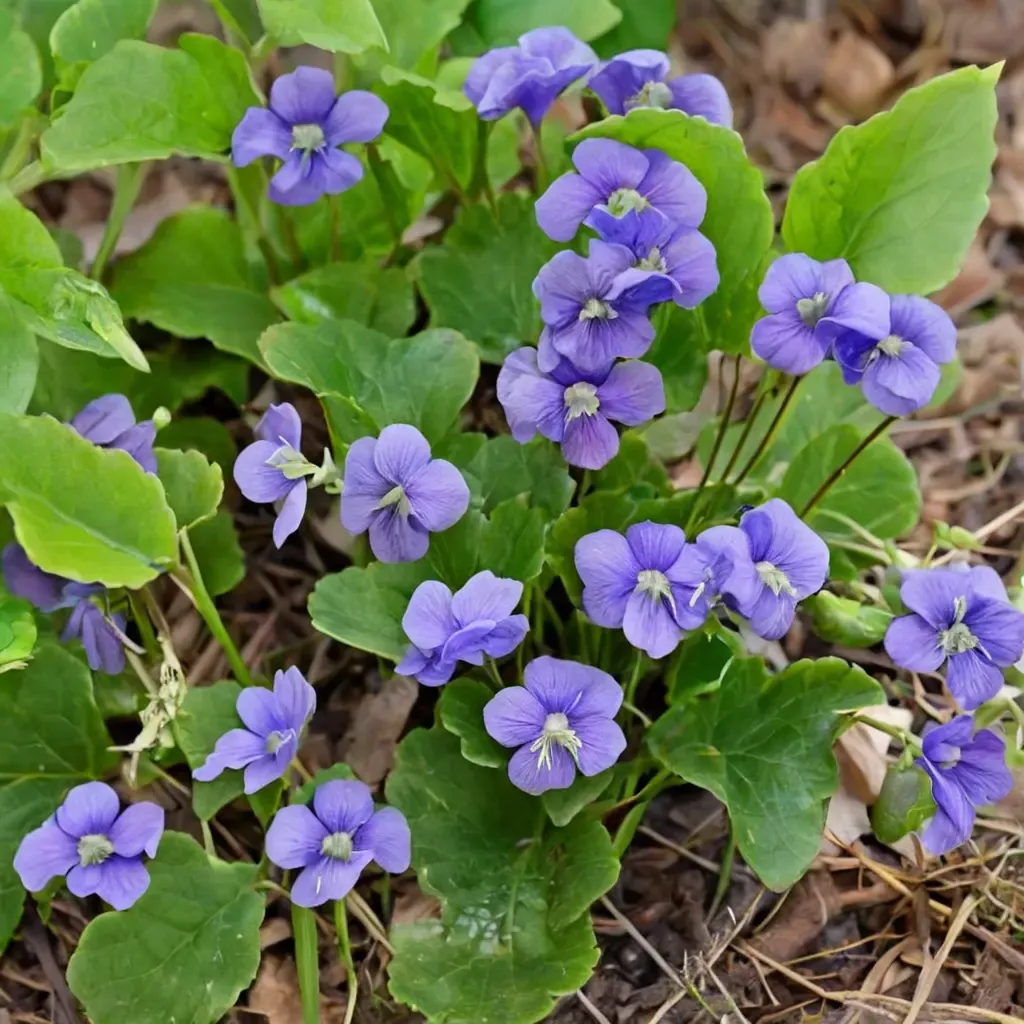
Common Blue Violet
Viola sororia
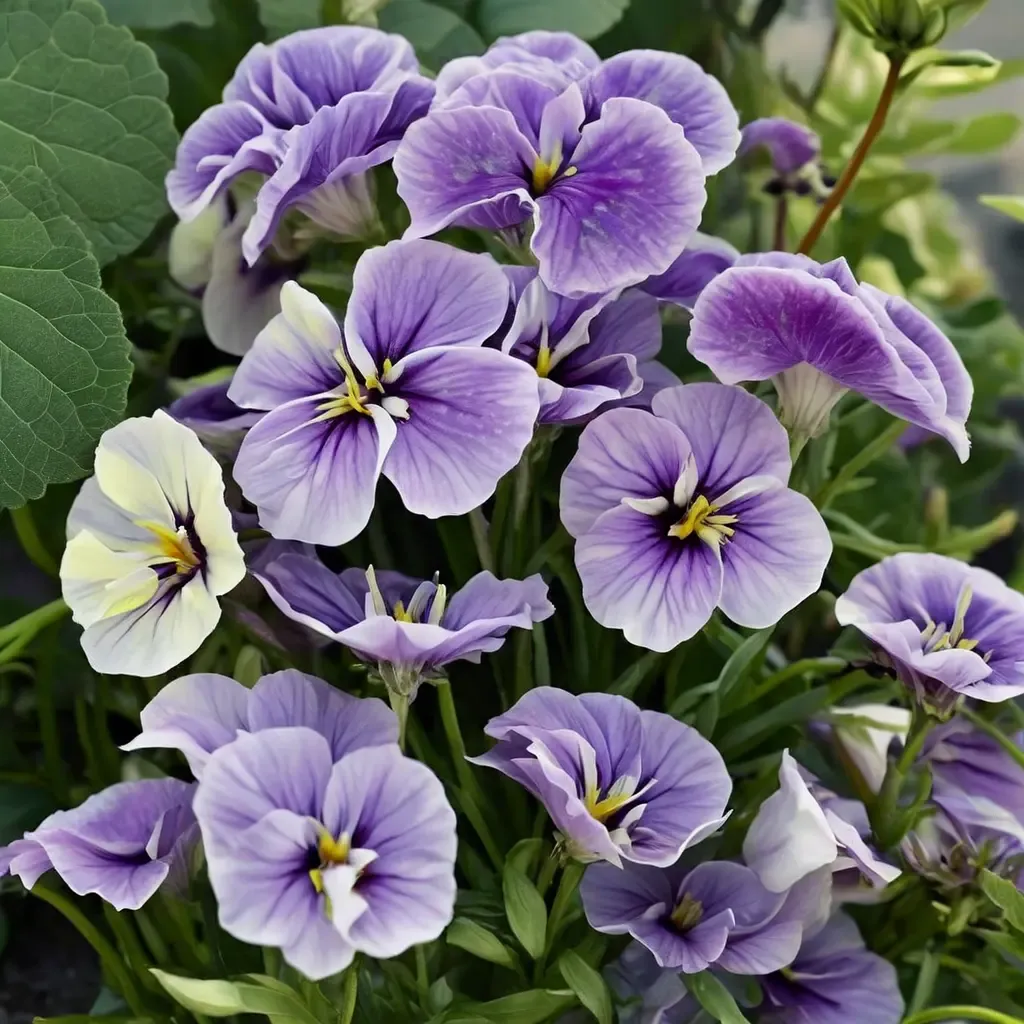
Painted Porcelain Pansy
Viola x wittrockiana 'Painted Porcelain'
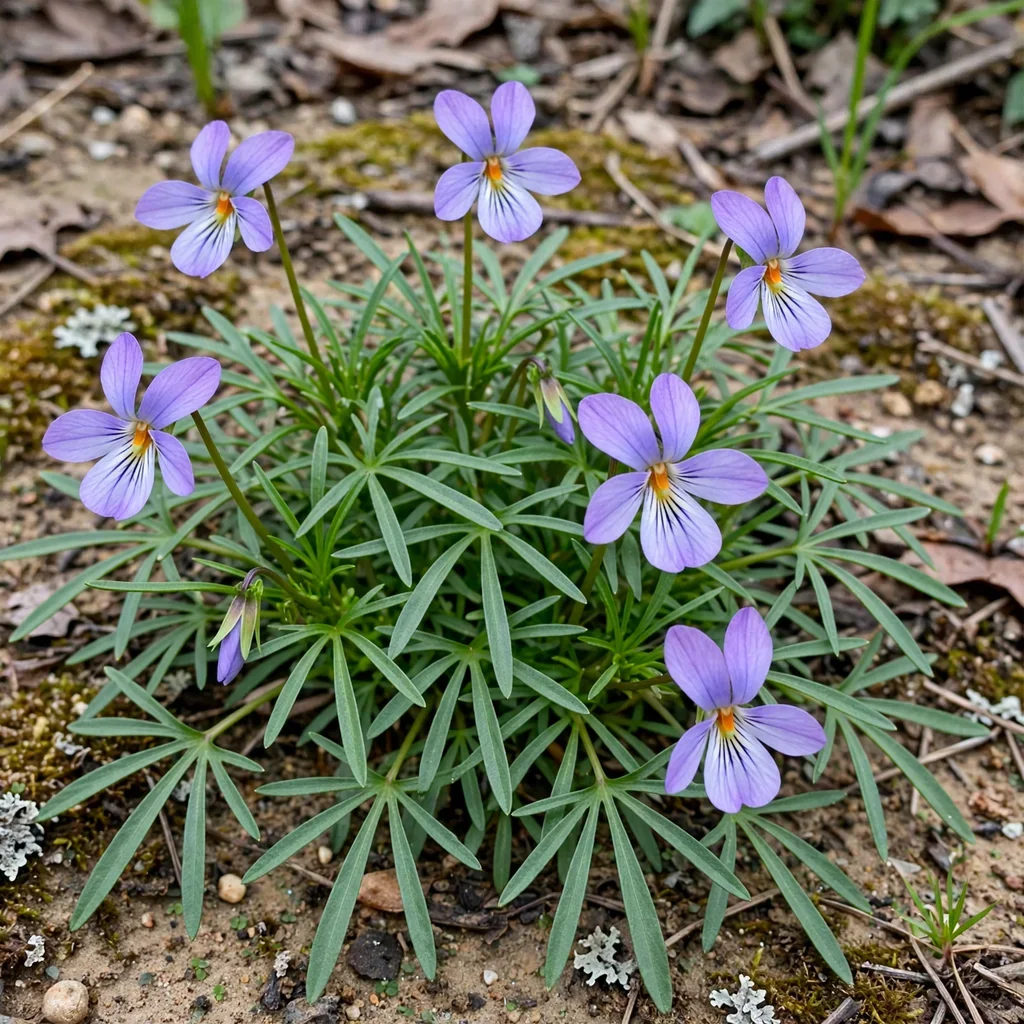
Bird's Foot Violet
Viola pedata
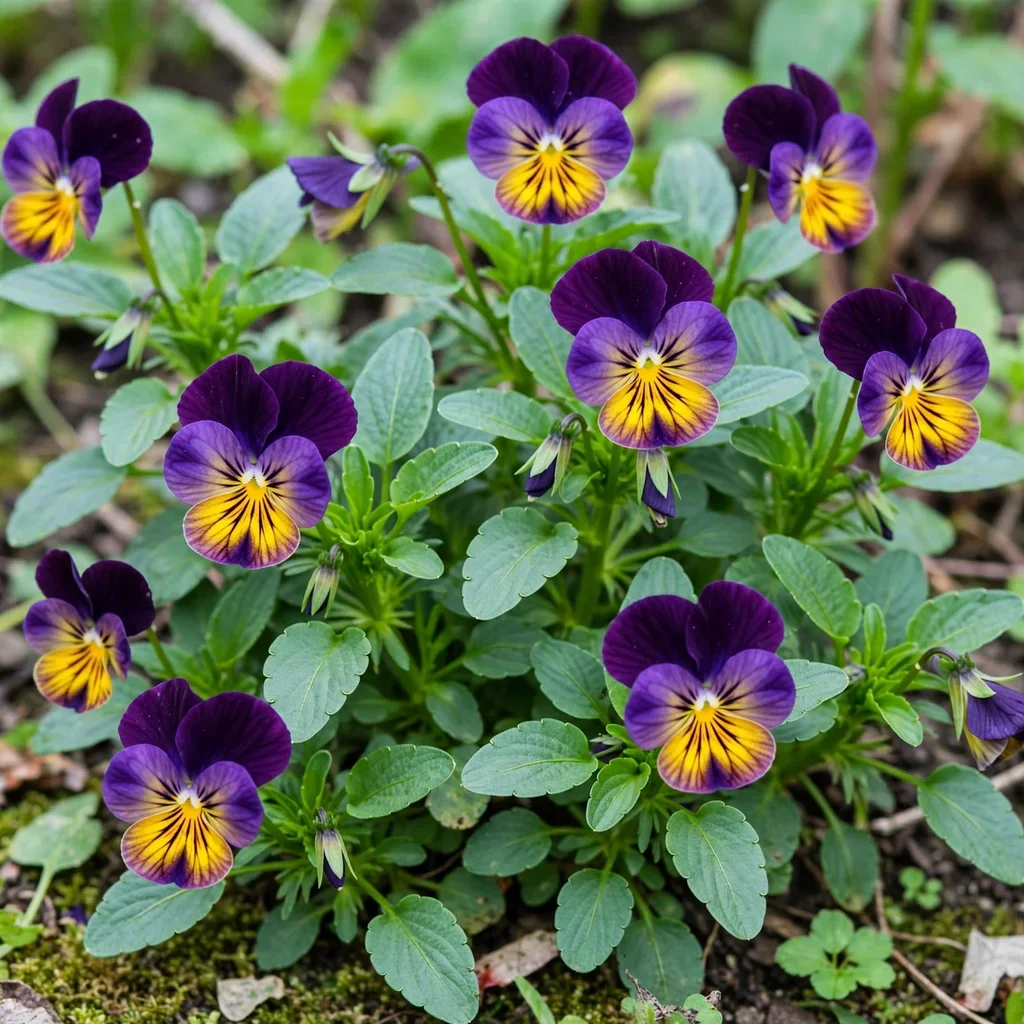
Northern Lights Horned Violet
Viola cornuta 'Northern Lights'
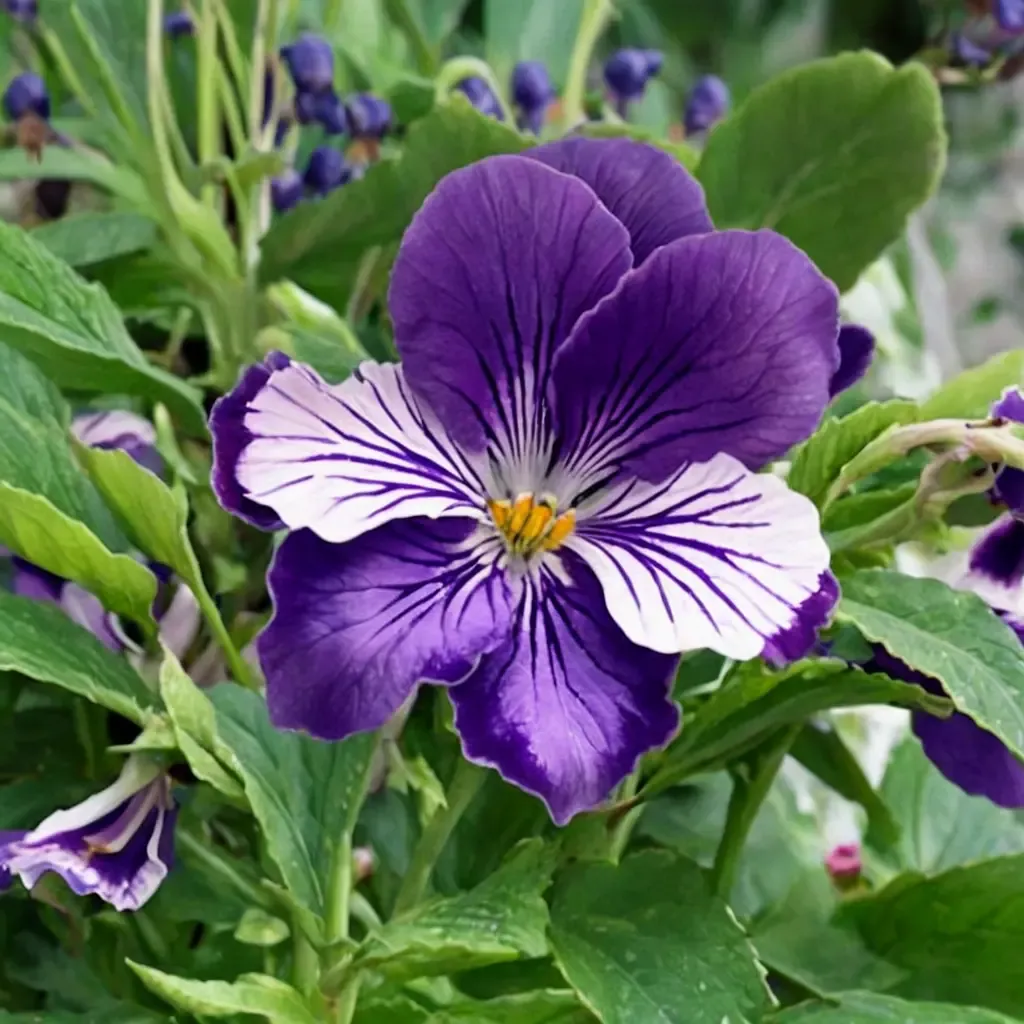
Whopping Purple Whiskers Pansy
Viola tricolor 'Whopping Purple Whiskers'
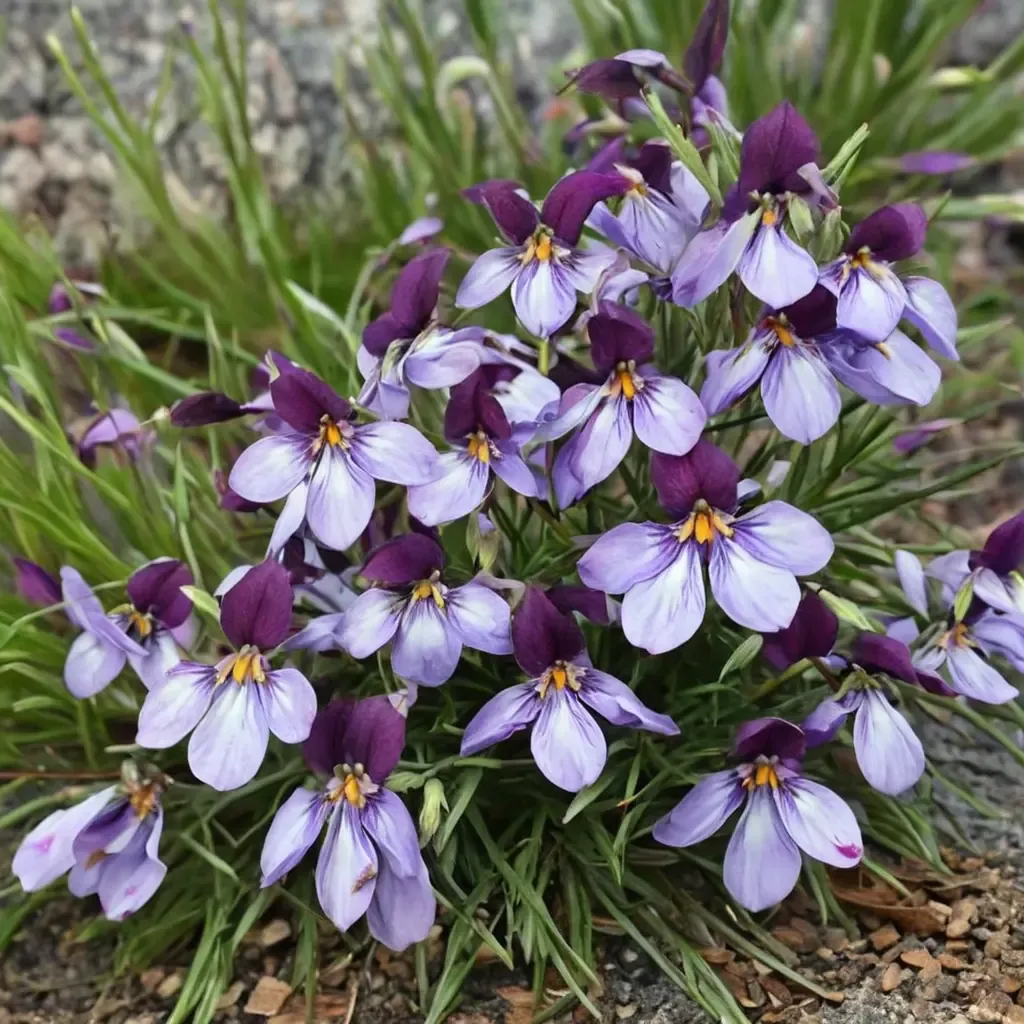
Birdfoot Violet
Viola pedata 'Eco Artist Palette'
Keep exploring
Explore the genus
Hardy in your zone?
Grow Arrowhead Violet with confidence
See it in a design of your actual yard, get zone-matched care reminders, and track it season by season in your garden journal.