The Story
Plant Bio
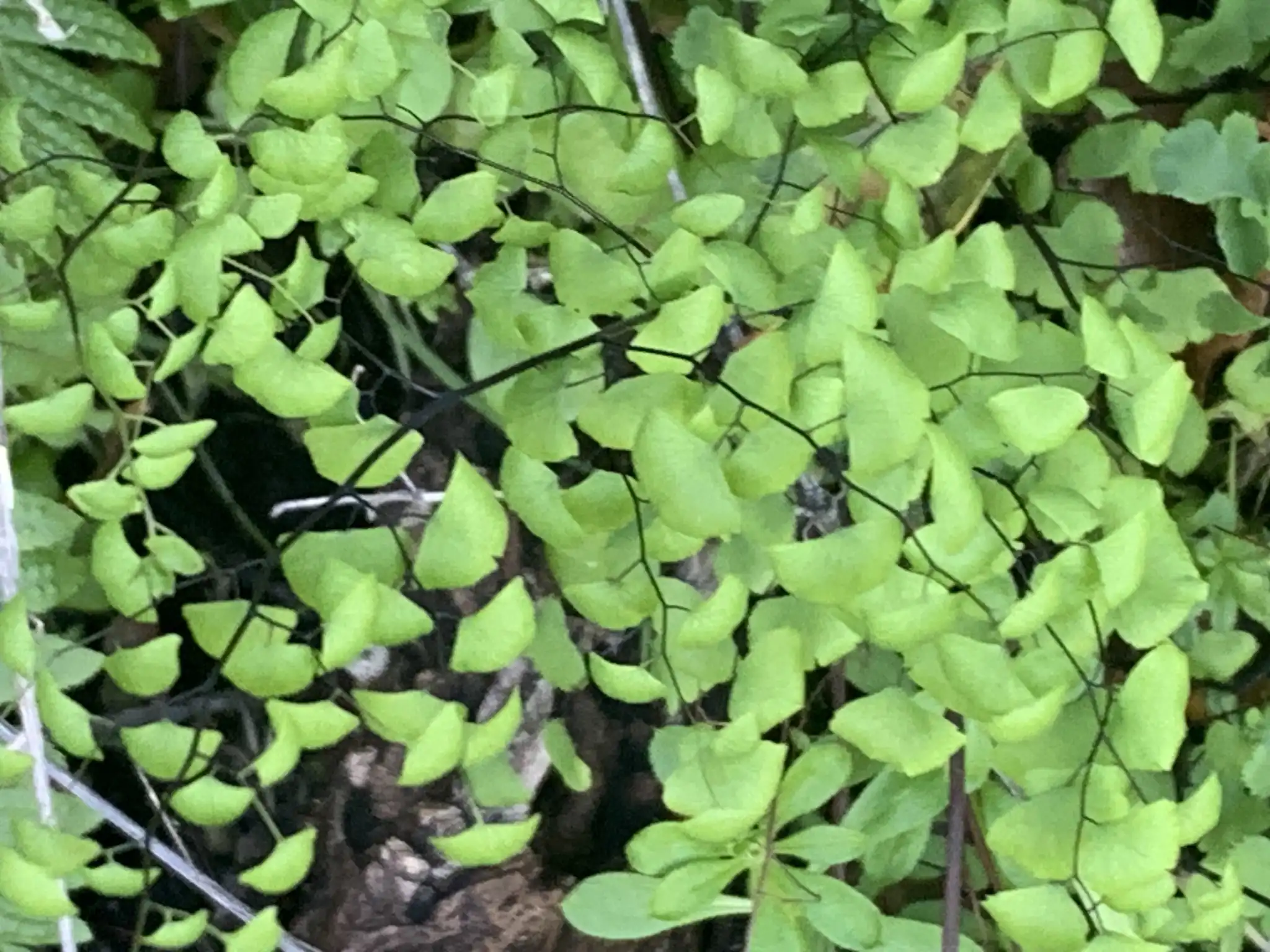
Adiantum jordanii, known as California maidenhair, is a summer-dormant fern native to shaded slopes and rocky woods of California, Oregon, and Baja California. It forms upright to arching clumps of delicate, fan-shaped pinnules borne on glossy, dark reddish-brown to black stipes.
Unlike tropical maidenhairs, this species adapts to Mediterranean climates by dropping its foliage and entering dormancy during dry summer periods. Fresh fronds unfurl rapidly from short rhizomes with the return of cool moisture in autumn or winter.
Uses & Benefits:
Essentials
At a Glance
Plant Type
Fern
Height
20"
Width
24"
Light
Partial Sun, Shade
Zones
7, 8, 9, 10
Water
Low to Medium
Humidity
Moderate
Lifespan
Perennial
Native To
Western North America
Toxicity
Non-toxic to pets and humans
Marketplace
Where to Buy
Shipping costs Year-round shipping Free shipping
Planting
How to Grow
- Select a site in partial to full shade with organic-rich soil that drains rapidly.
- Plant rhizomes shallowly, positioning the crown level with the surrounding soil surface.
- Water regularly during active growth in late winter and spring while fronds unfurl.
- Reduce watering in mid-to-late summer as fronds dry back to honor its natural dormant cycle.
Pro Tip
Withhold summer irrigation once foliage begins to yellow; keeping the root zone continuously wet during warm weather causes fatal Phytophthora root rot.
Keep It Thriving
Care Guide
Do
- Ensure sharp soil drainage using leaf mold or gravelly loam.
- Allow the plant a warm, drier rest period during late summer.
- Prune dead foliage back to the crown in late winter before new croziers break ground.
Don't
- Do not overwater during summer heat while the plant is resting.
- Do not plant in heavy, waterlogged clay soil.
- Do not expose foliage to direct afternoon sunlight.
Seasonal Care Calendar
| Task | Jan | Feb | Mar | Apr | May | Jun | Jul | Aug | Sep | Oct | Nov | Dec |
|---|---|---|---|---|---|---|---|---|---|---|---|---|
| Fertilize | ||||||||||||
| Mulch | ||||||||||||
| Pest Check | ||||||||||||
| Propagate | ||||||||||||
| Prune |
Watch Out For
Pests & Diseases
Common Pests
Common Diseases
In the Garden
Landscape Uses & Companions
Landscape Uses
Multiply
Propagation Methods
Good to Know
Common Questions
California Maidenhair questions
What zones can California Maidenhair grow in?
California Maidenhair is hardy in USDA Zones 7–10: in that range it survives winter in the ground. Colder than Zone 7, grow it in a container you can move to shelter for the winter, or as an annual.
Is California Maidenhair deer resistant?
Yes — California Maidenhair is rated deer-resistant. Deer typically pass it over, though extreme hunger can override any plant's defenses.
Does California Maidenhair need full sun?
California Maidenhair does best in part shade.
Is California Maidenhair drought tolerant?
Yes — once established (usually after the first full season), California Maidenhair handles dry spells with minimal watering. Water deeply its first year to build the root system that makes that possible.
More Adiantum to compare
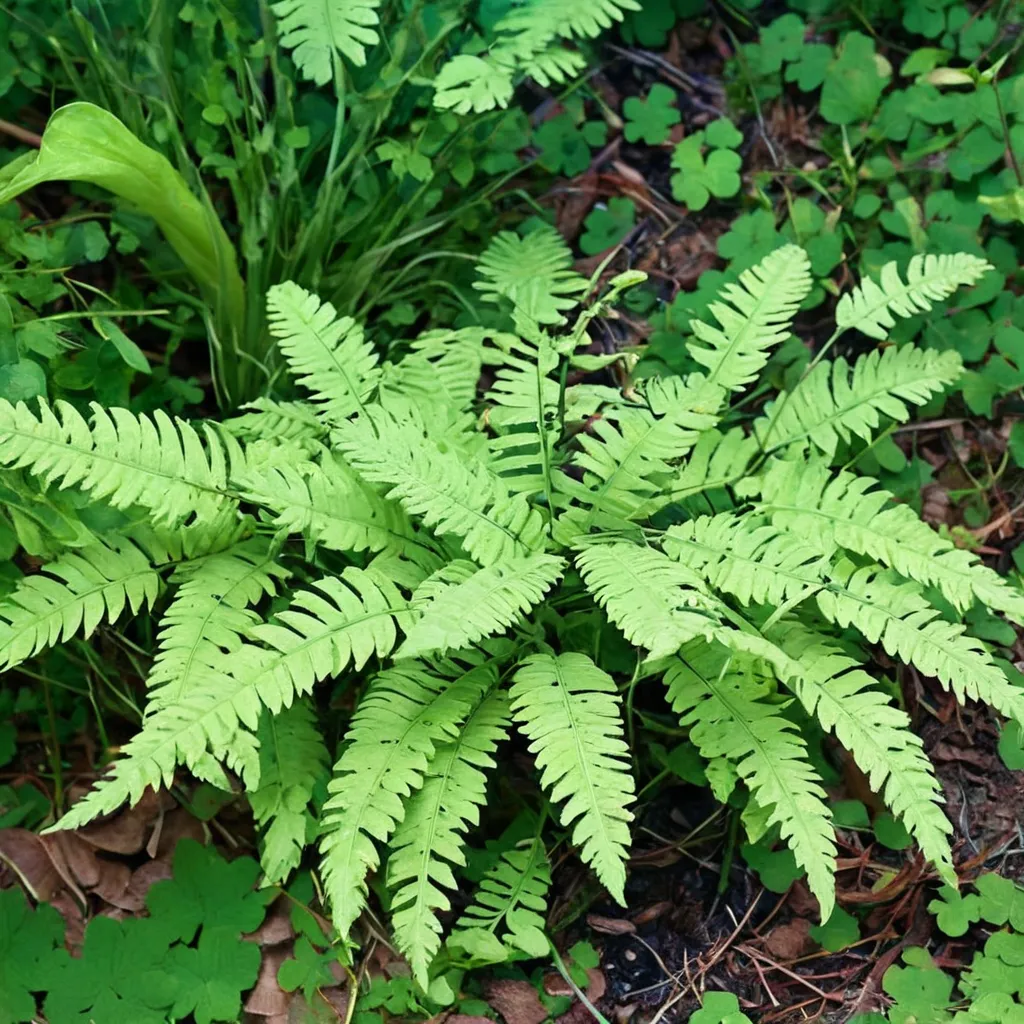
Northern Maidenhair Fern
Adiantum pedatum
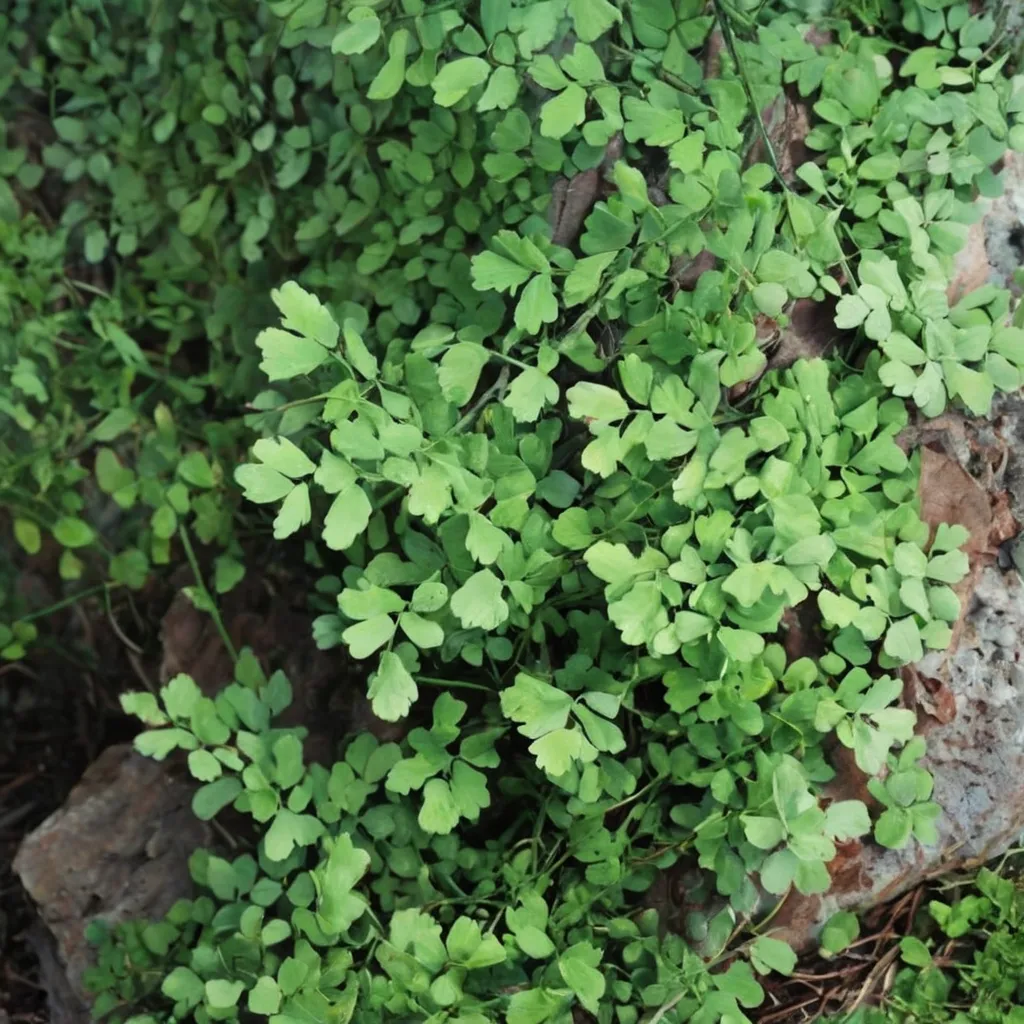
Maidenhair Fern
Adiantum capillus-veneris 'Rock Springs'
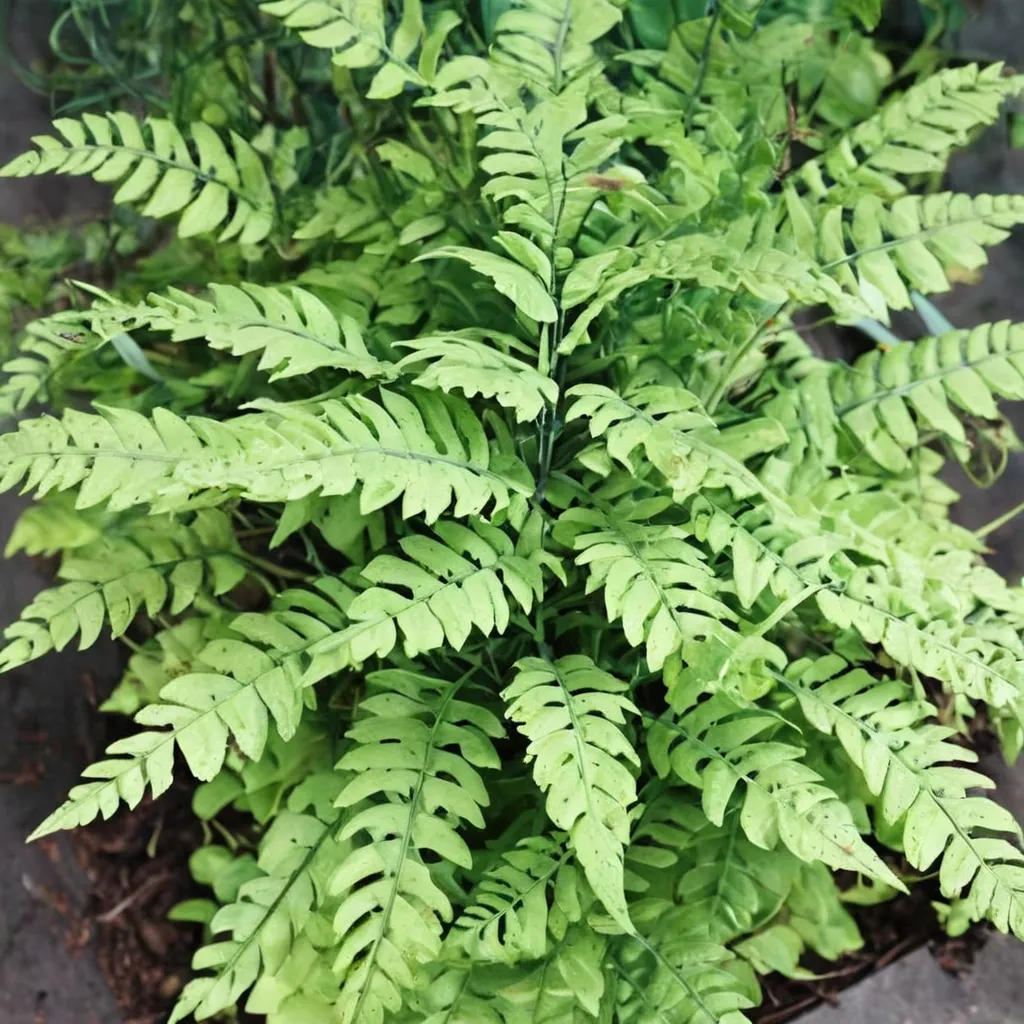
Maidenhair Fern Miss Sharples
Adiantum pedatum 'Miss Sharples'
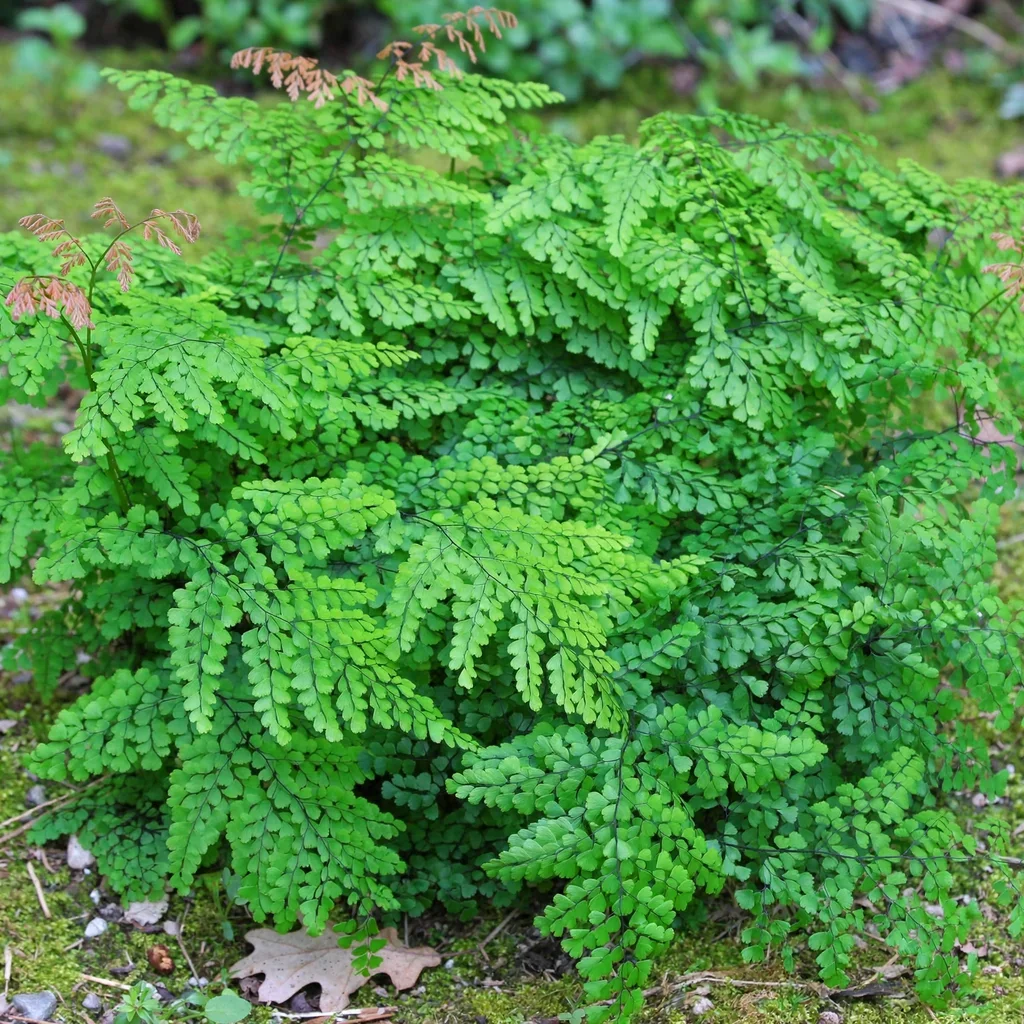
Himalayan Maidenhair Fern
Adiantum venustum
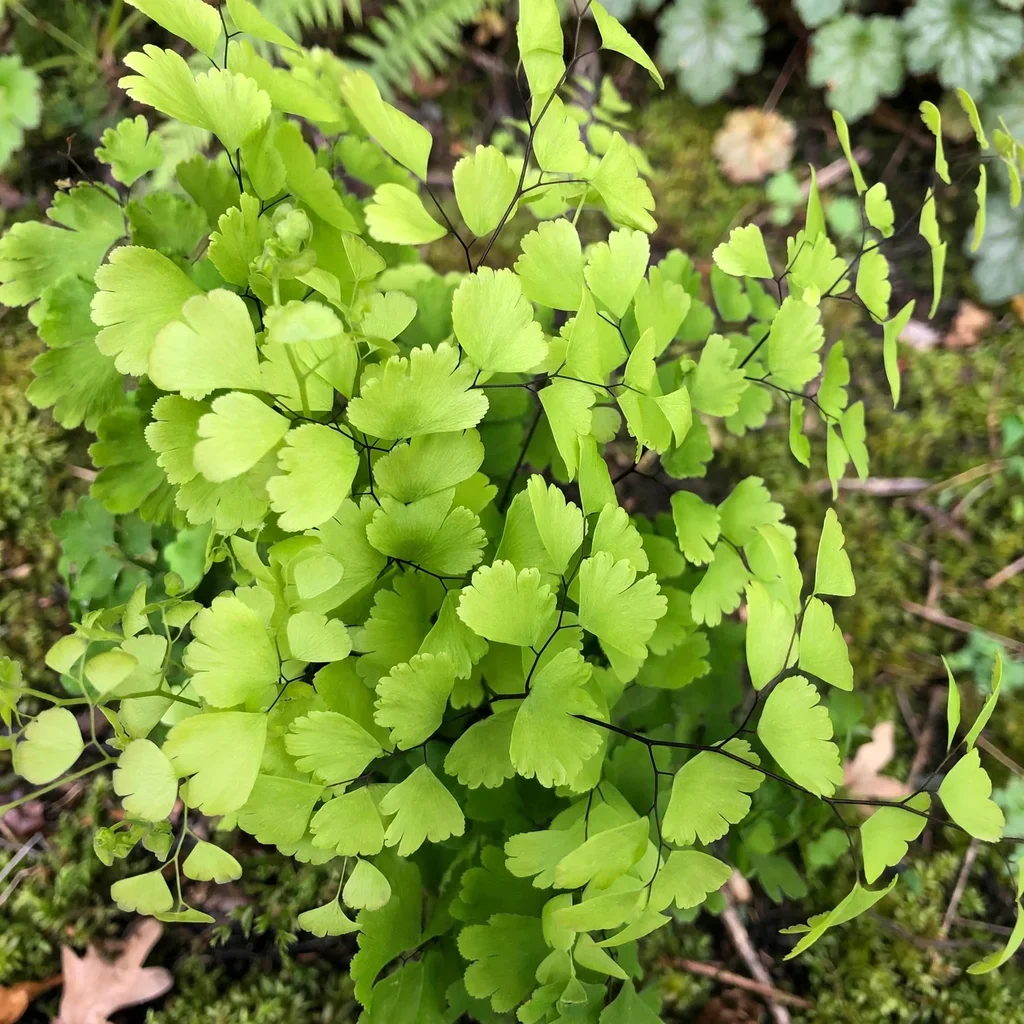
Mairis's Maidenhair Fern
Adiantum x mairisii
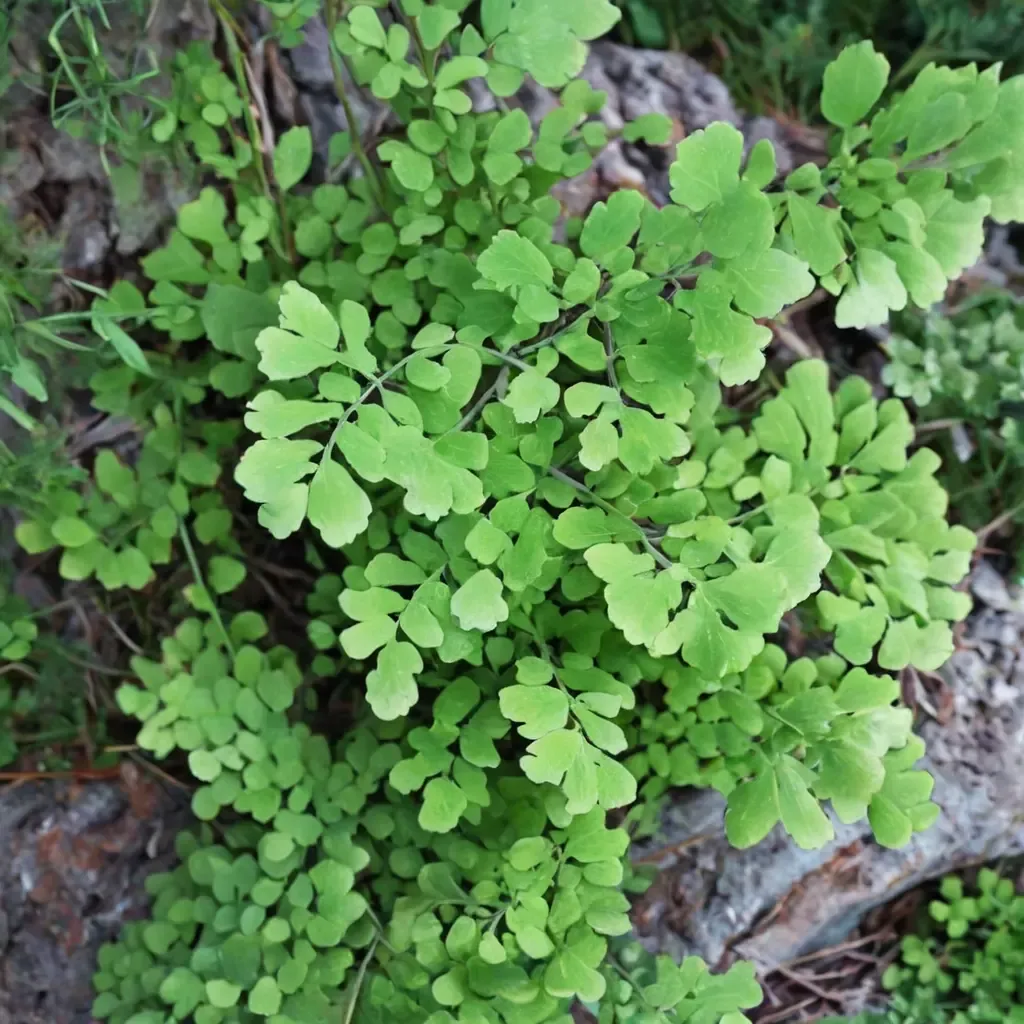
Southern Maidenhair Fern
Adiantum capillus-veneris
Keep exploring
Explore the genus
Hardy in your zone?
Grow California Maidenhair with confidence
See it in a design of your actual yard, get zone-matched care reminders, and track it season by season in your garden journal.