


The Story
Plant Bio
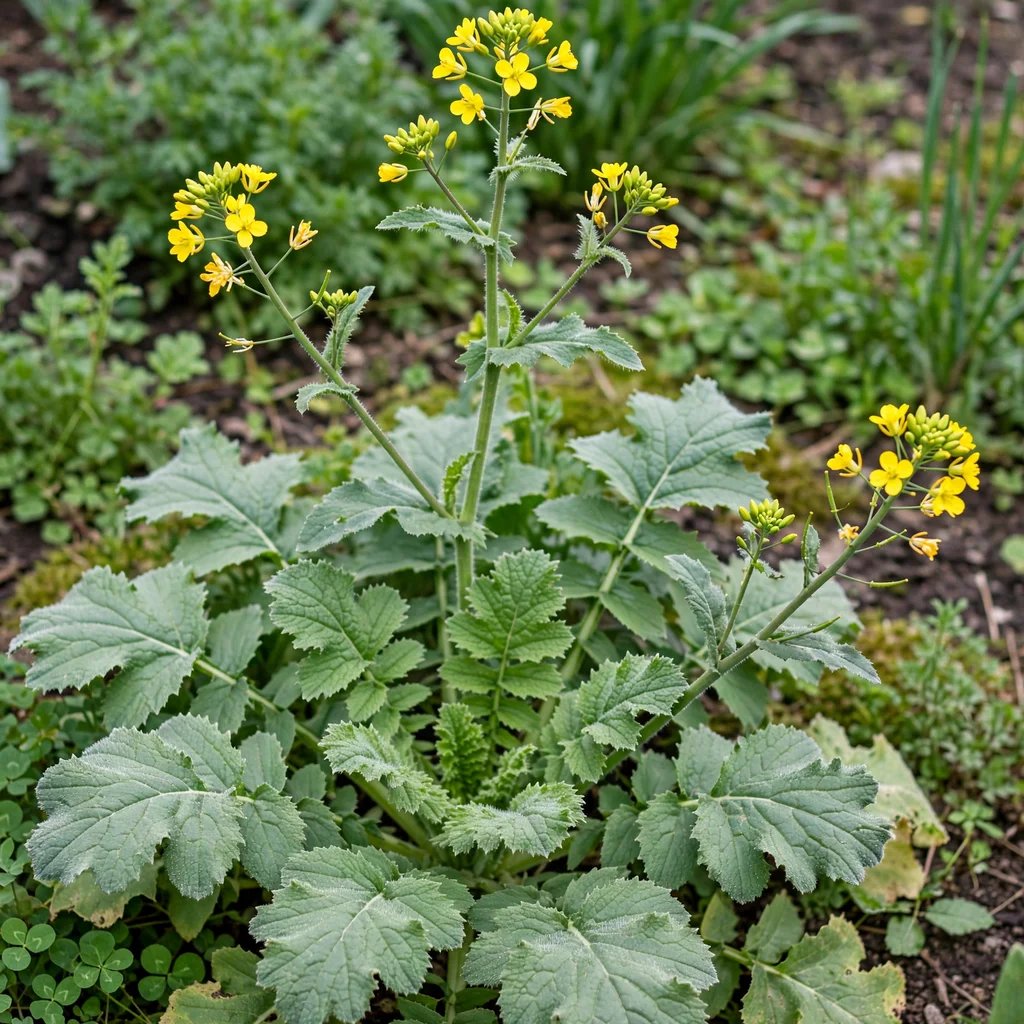
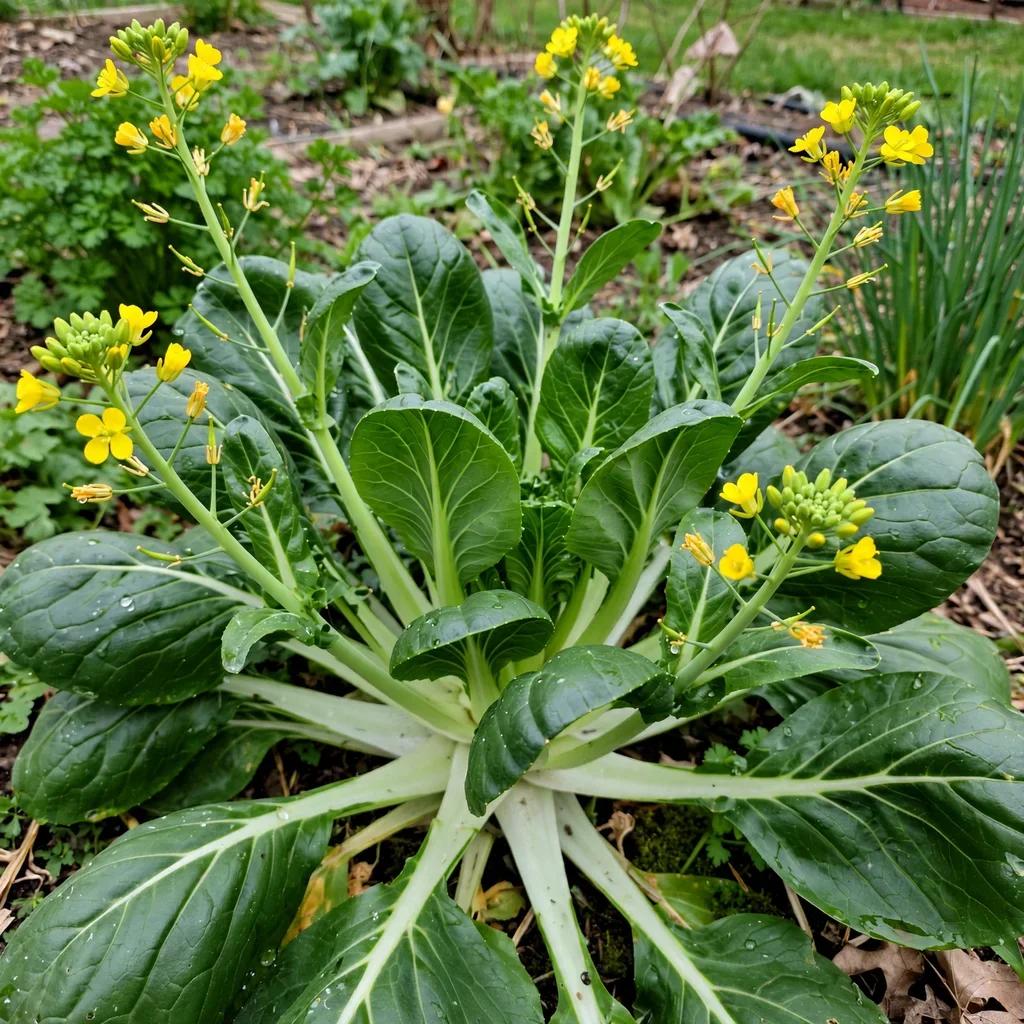
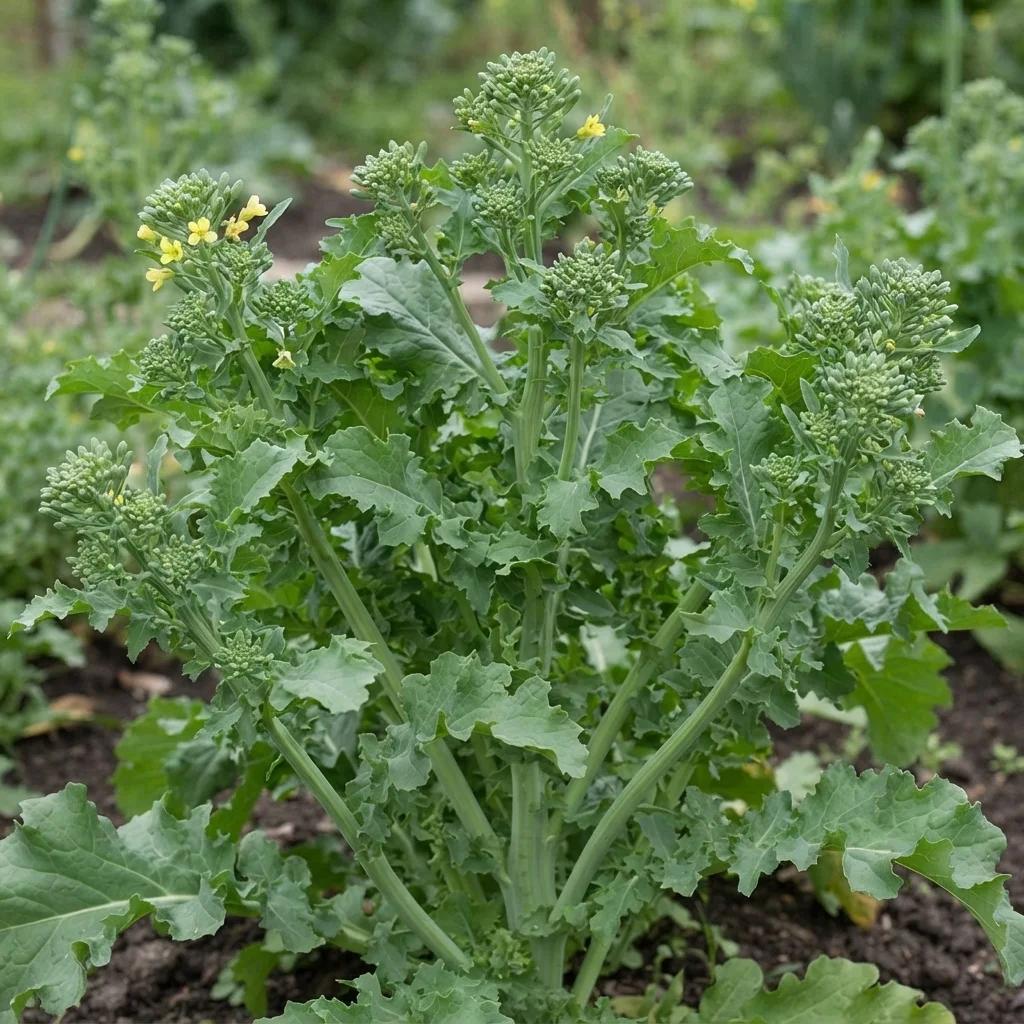
Brassica rapa is a fast-growing herbaceous species native to temperate Eurasia that functions as a cool-season annual or biennial. It develops a basal rosette of lobed, rough-hairy leaves before producing terminal racemes of yellow flowers on upright stems.
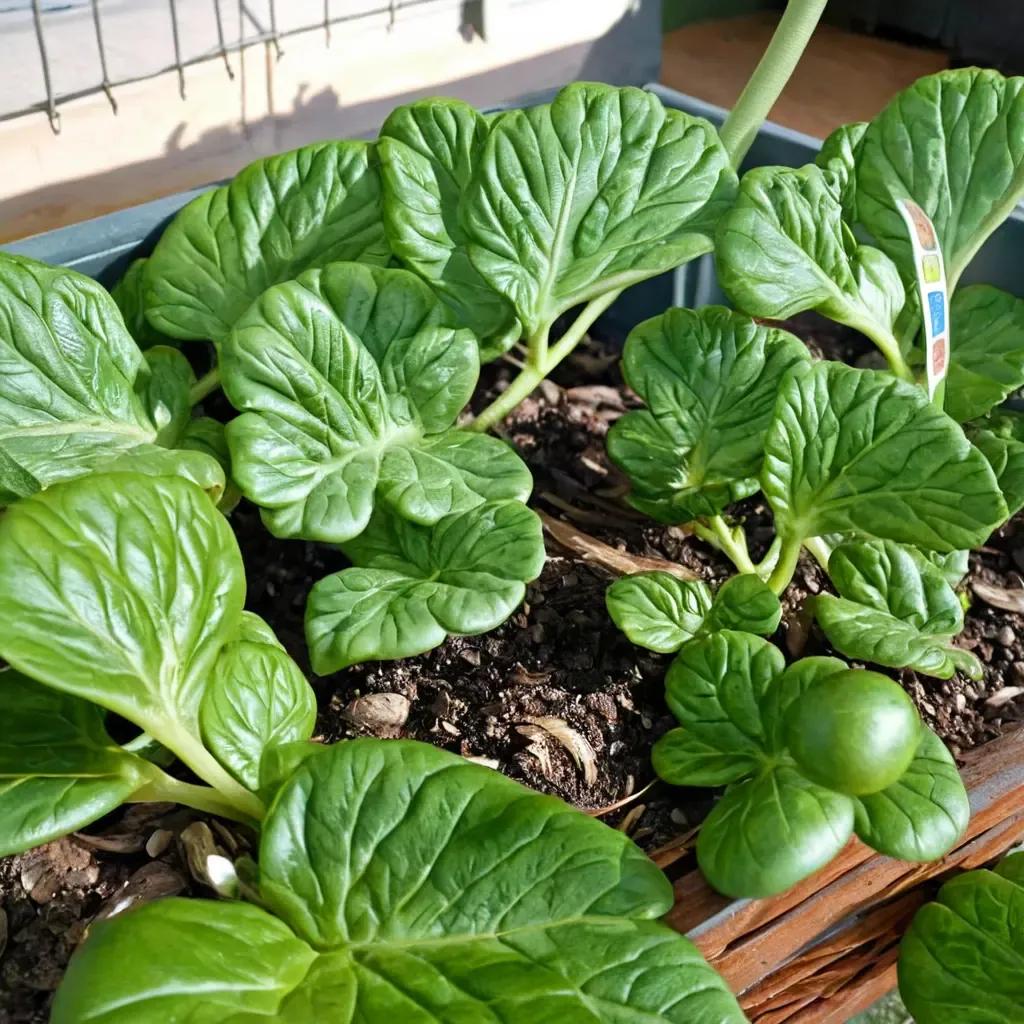
'Rapa' is the classic turnip form, grown primarily for its swollen, fleshy white-fleshed taproot and edible greens. The roots develop their best flavor and texture when matured during cool weather, as light frosts trigger the conversion of starches to sugars.
Uses & Benefits:
Essentials
At a Glance
Plant Type
Fruit Vegetable
Height
18"
Width
18"
Light
Full Sun, Partial Sun
Zones
4, 5, 6, 7, 8, 9, 10
Water
Consistent moisture
Humidity
Moderate
Lifespan
Annual or biennial
Native To
Temperate Eurasia
Toxicity
Non-toxic
Bloom period
Spring – Early summer
In flower about 4 months of the year
Planting
How to Grow
- Select a site with full sun and fertile, well-drained loamy soil with a pH between 6.0 and 7.5.
- Sow seeds directly into the garden 0.5 inches deep, spacing them 1 inch apart in rows.
- Thin emerging seedlings to a final spacing of 4 to 6 inches apart to allow adequate room for root expansion.
- Maintain consistent soil moisture throughout the growing period to prevent the roots from becoming woody and bitter.
Pro Tip
Avoid applying excessive nitrogen fertilizer, which stimulates lush leaf canopy growth at the direct expense of root bulb development.
Keep It Thriving
Care Guide
Do
- Thin seedlings early to ensure individual roots have space to swell.
- Water regularly to maintain even soil moisture and prevent premature bolting.
- Harvest roots promptly when they reach two to three inches in diameter.
Don't
- Do not transplant mature seedlings, as root disturbance causes deformed taproots.
- Do not over-fertilize with nitrogen, which inhibits root bulb development.
- Do not allow the soil to dry out completely during hot spells.
Seasonal Care Calendar
| Task | Jan | Feb | Mar | Apr | May | Jun | Jul | Aug | Sep | Oct | Nov | Dec |
|---|---|---|---|---|---|---|---|---|---|---|---|---|
| Fertilize | ||||||||||||
| Harvest | ||||||||||||
| Pest Check | ||||||||||||
| Plant |
Watch Out For
Pests & Diseases
Common Pests
Common Diseases
In the Garden
Landscape Uses & Companions
Landscape Uses
Companion Plants
Multiply
Propagation Methods
Good to Know
Common Questions
Turnip questions
What zones can Turnip grow in?
Turnip is hardy in USDA Zones 4–10. Inside that range it survives winter in the ground; outside it, grow it as an annual or a container plant you protect.
Is Turnip deer resistant?
Not reliably. Deer may browse Turnip, especially tender spring growth — plan on repellents or fencing where pressure is high.
When does Turnip bloom?
Turnip typically blooms in spring through early summer. Exact timing shifts a week or two with your zone — Sow's bloom calendar maps it to your garden.
Does Turnip need full sun?
Turnip does best in full sun to part shade. In hot climates, afternoon shade keeps blooms fresher longer.
More Brassica to compare
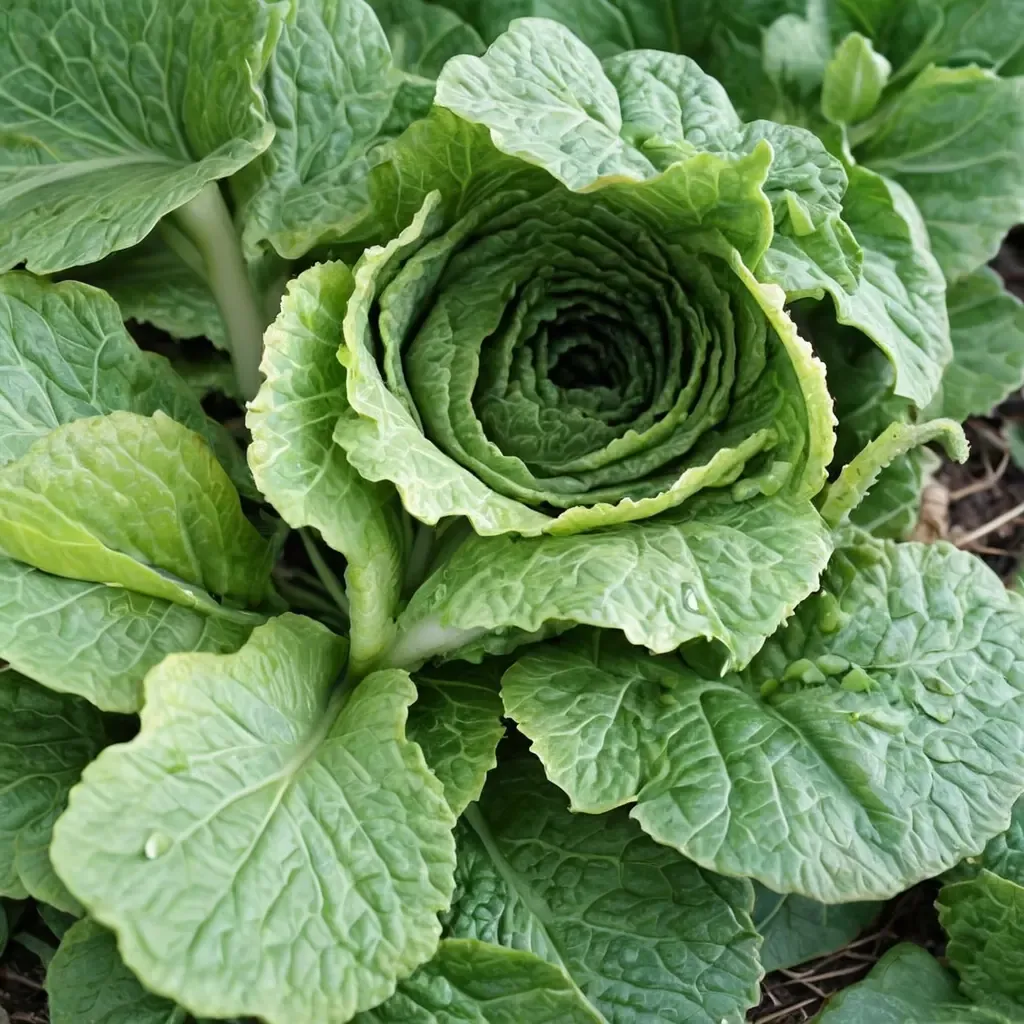
Chinese Cabbage
Brassica rapa 'Chinese Cabbage'
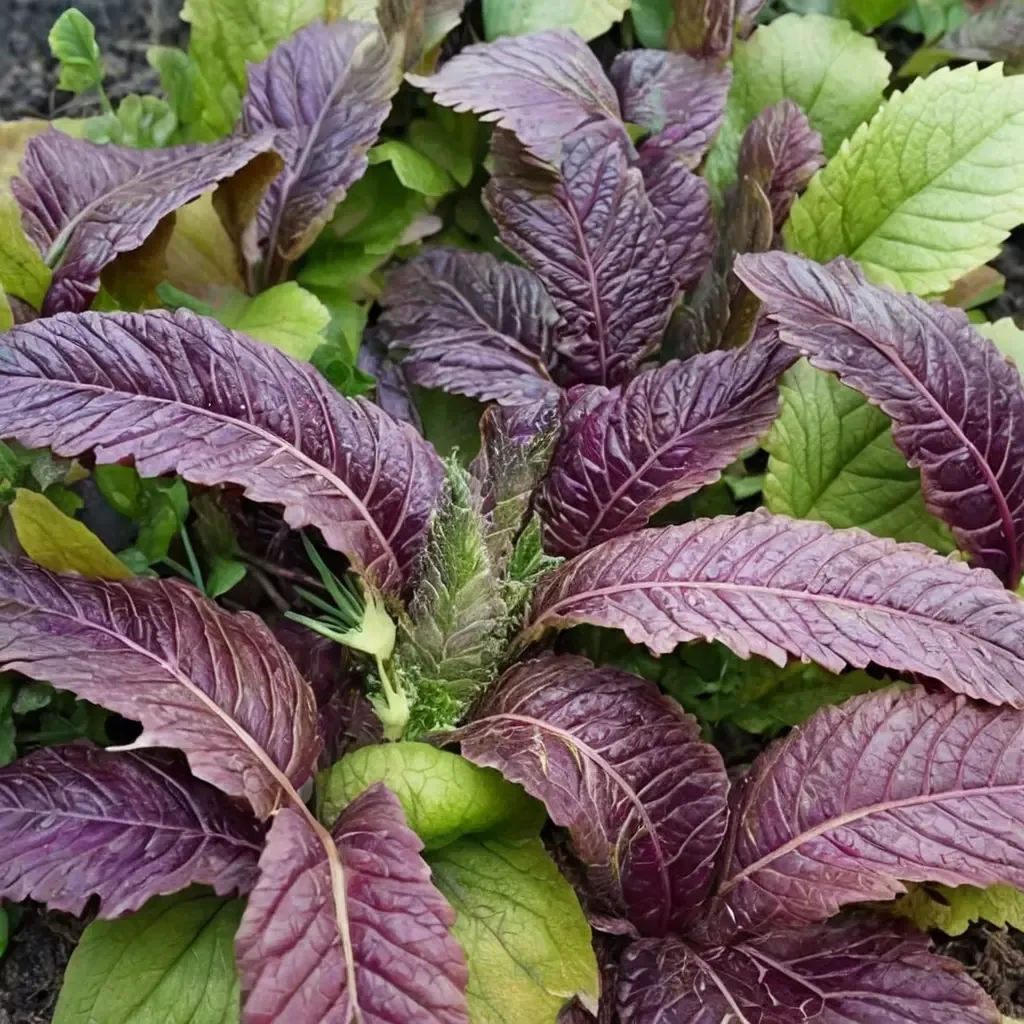
Osaka Purple Mustard
Brassica juncea 'Osaka Purple'
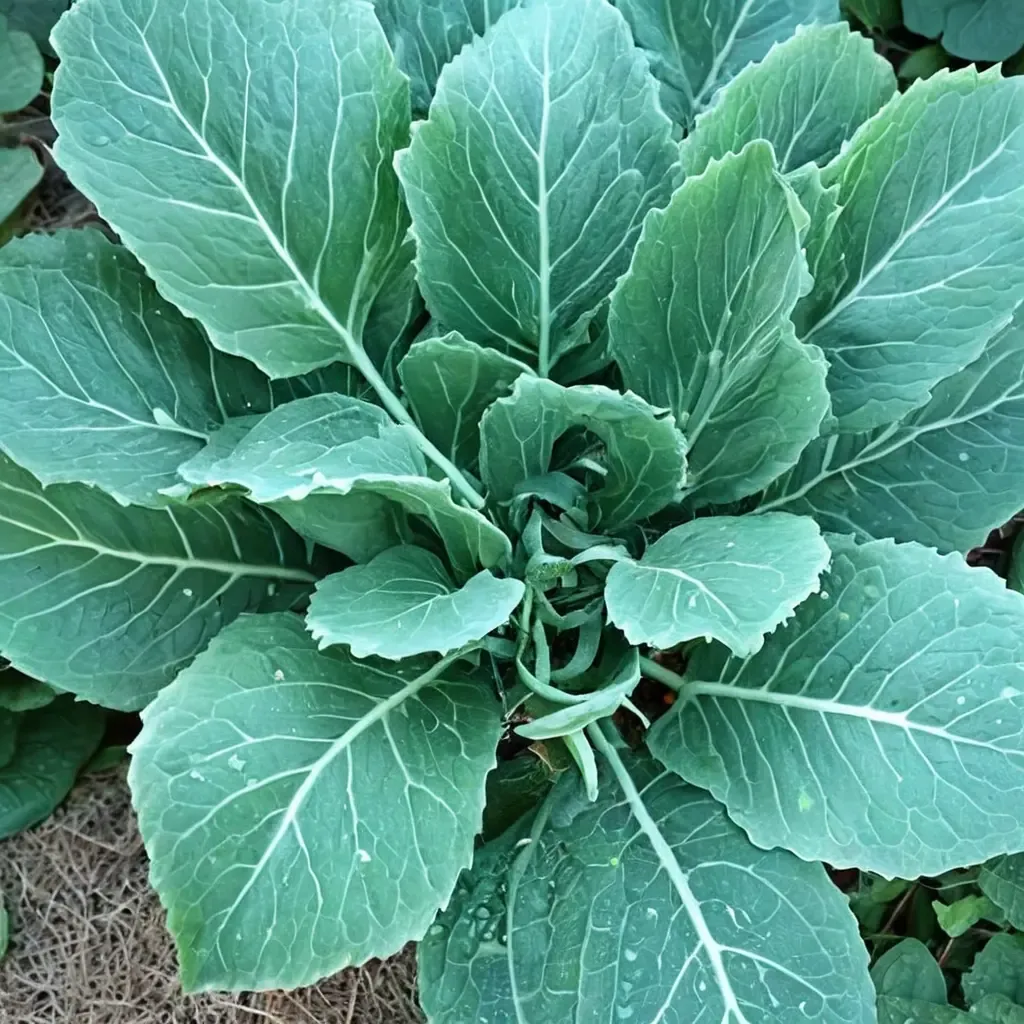
Vates Champion Collard Greens
Brassica oleracea 'Vates Champion'
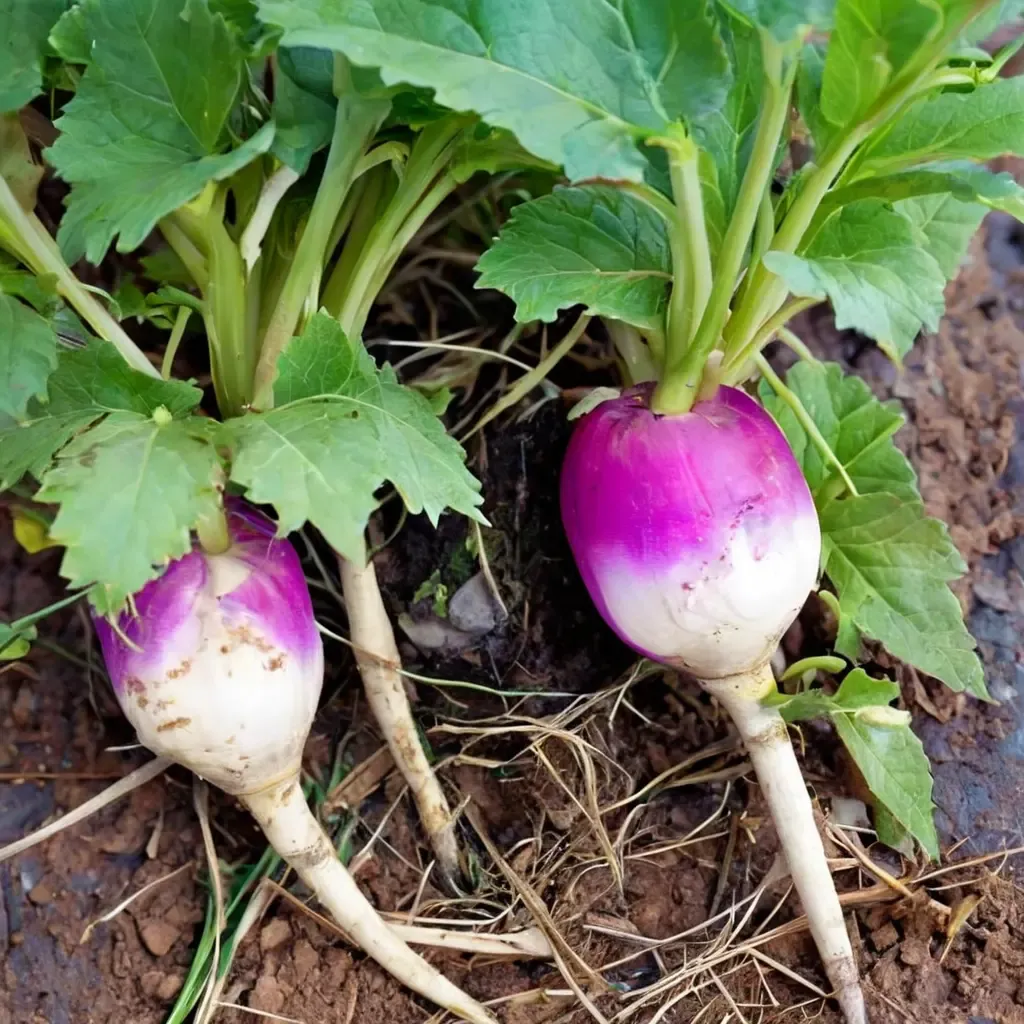
Purple Top Turnip
Brassica rapa 'Purple Top'
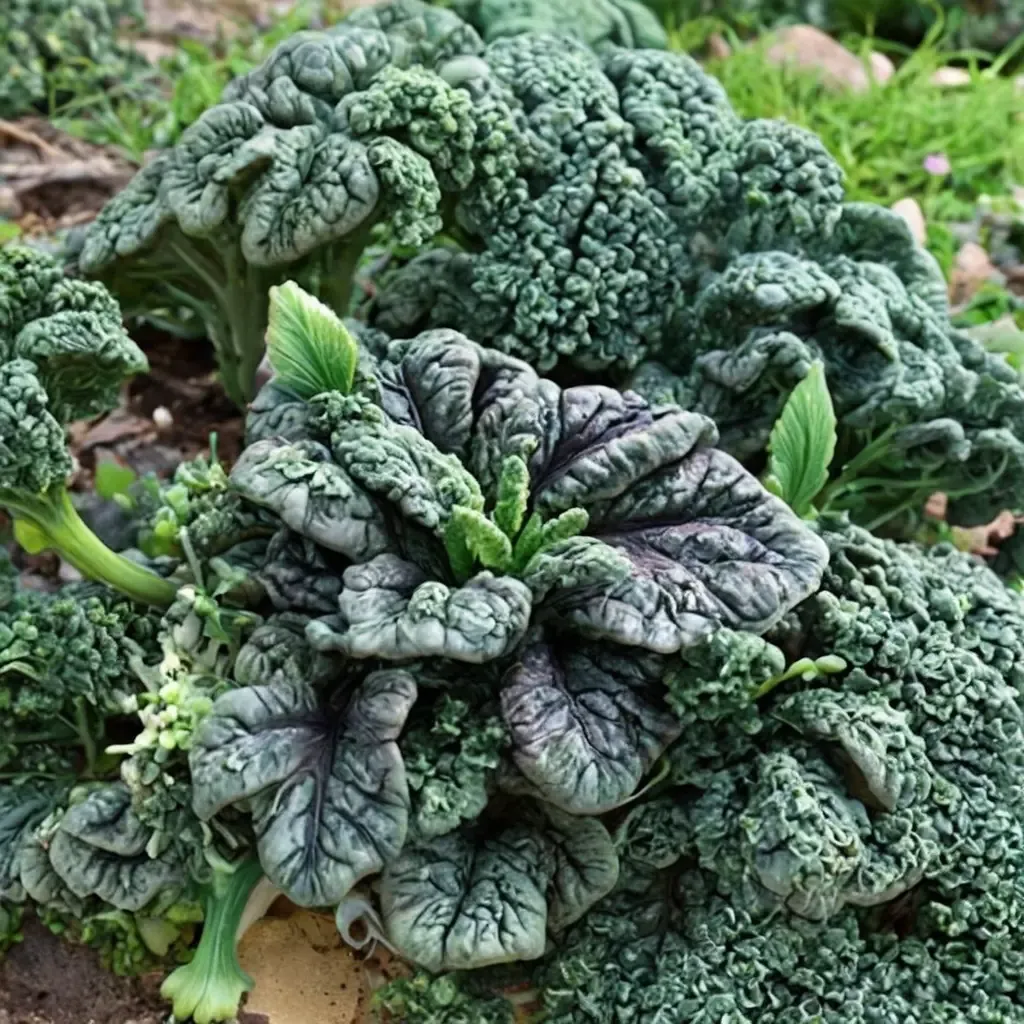
Darkibor Kale
Brassica oleracea 'Darkibor'
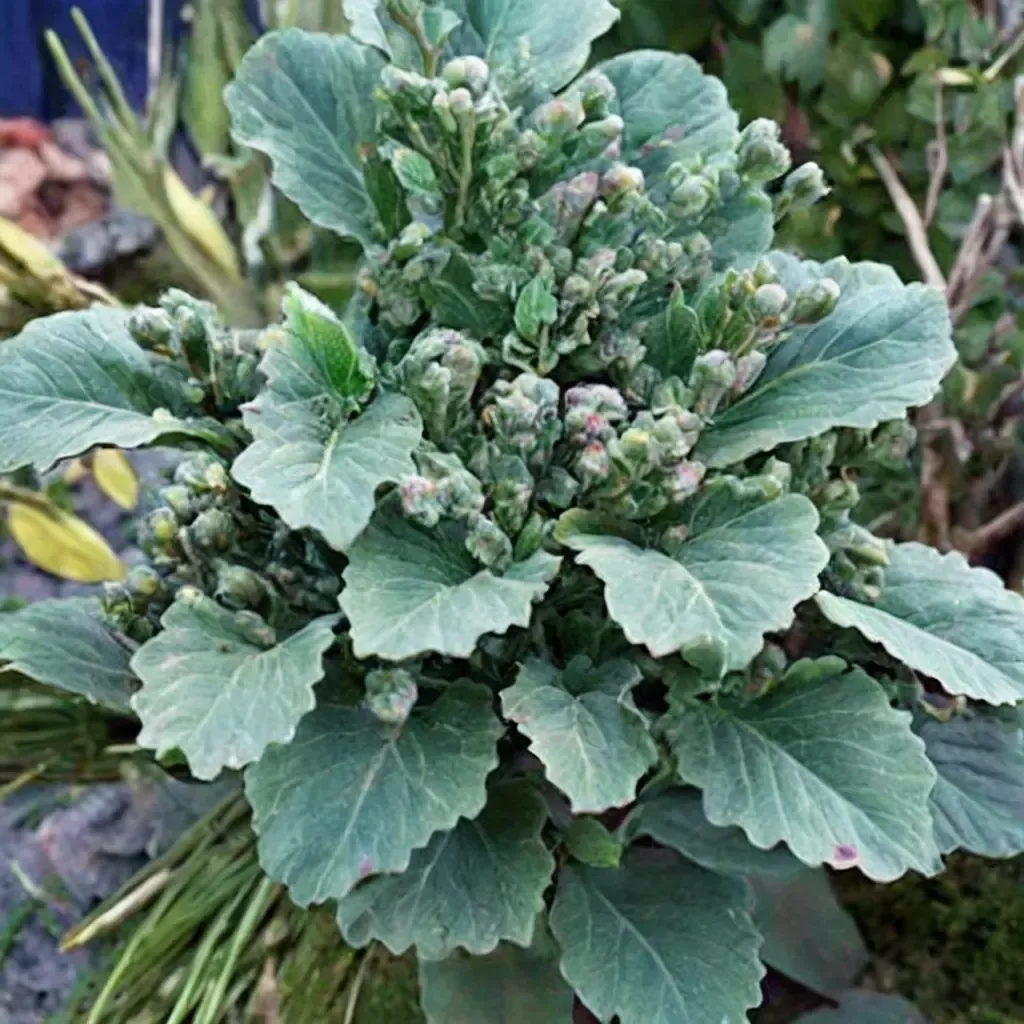
Ornamental Kale
Brassica oleracea 'Richmond's Pride'
Keep exploring
Explore the genus
Grow Turnip with confidence
See it in a design of your actual yard, get zone-matched care reminders, and track it season by season in your garden journal.