



The Story
Plant Bio
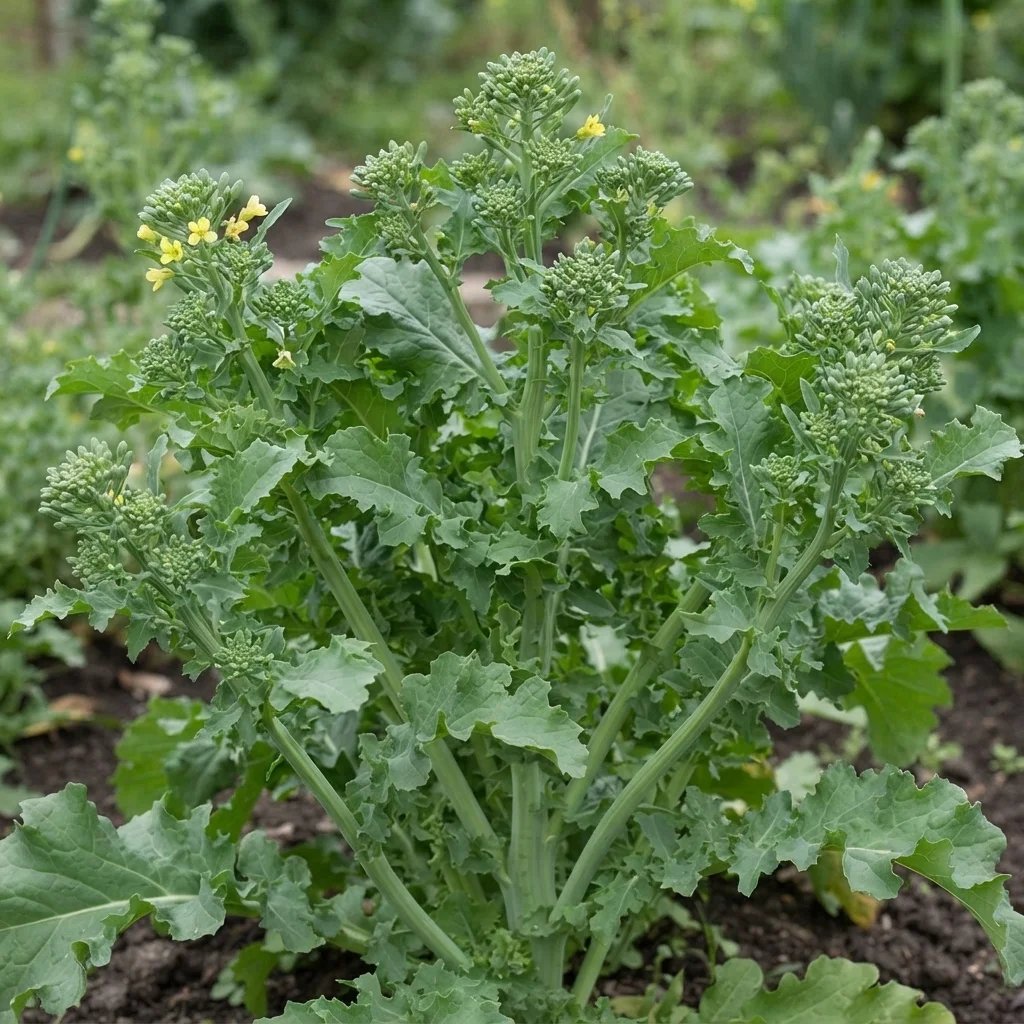
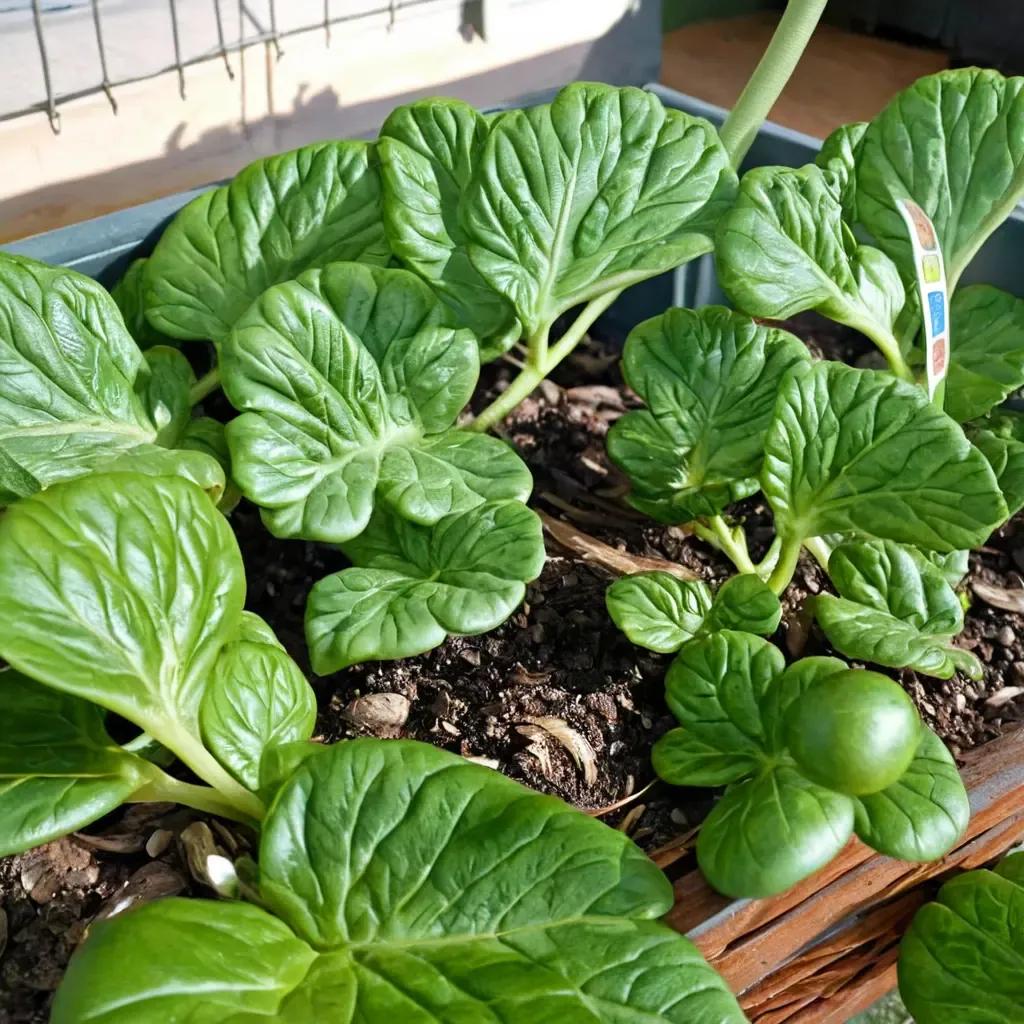
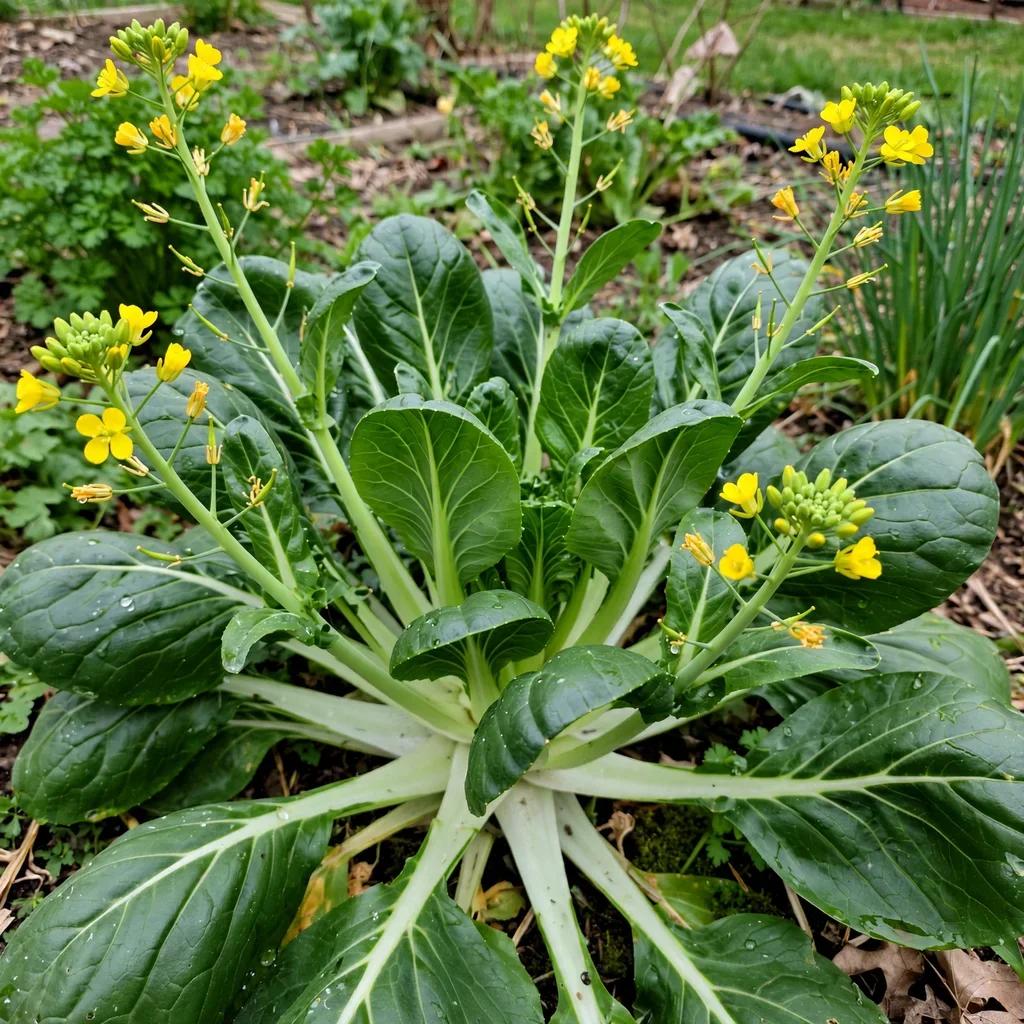
Brassica rapa is a highly diverse species of herbaceous plants native to Europe and the Mediterranean, encompassing many common cool-season agricultural crops. The species forms a basal rosette of lobed or wavy-edged green leaves before producing terminal clusters of small, four-petaled yellow flowers.
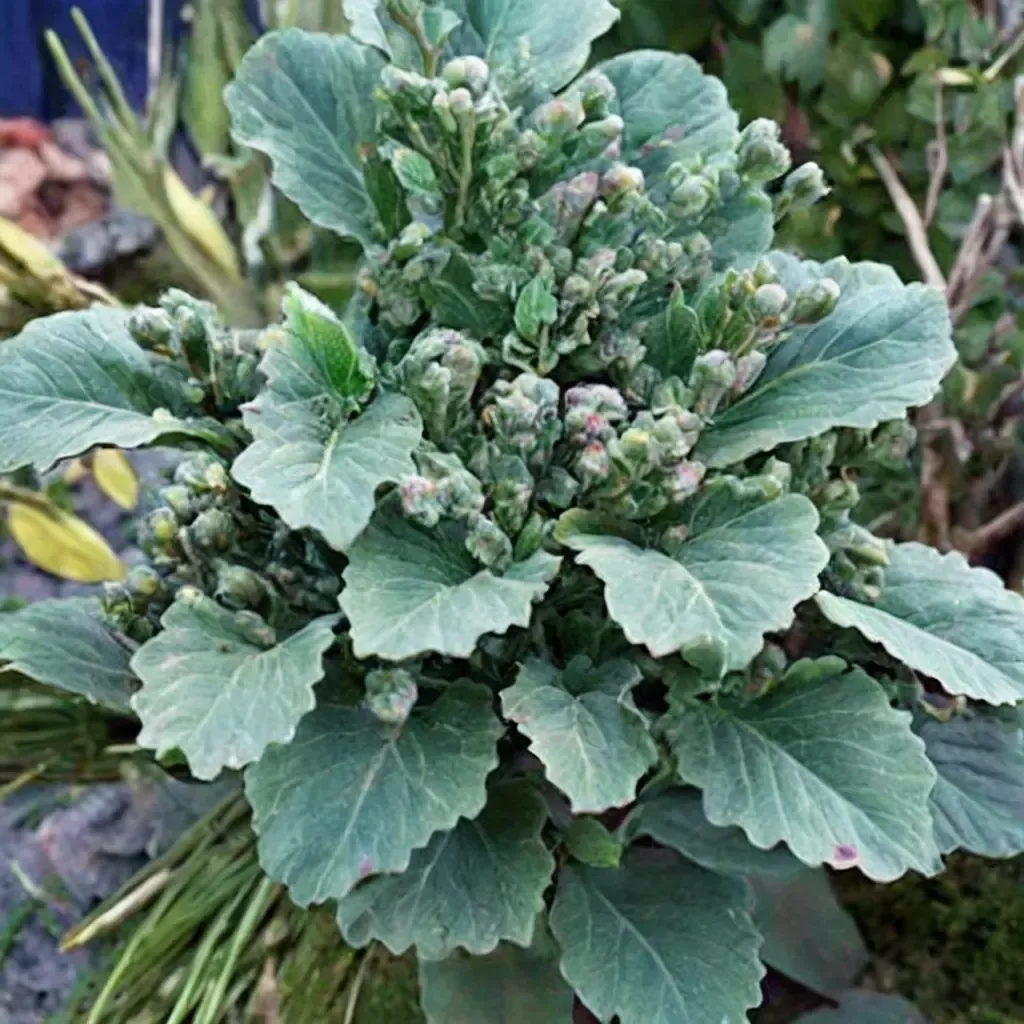
'Ruvo' is a fast-growing cultivar group grown primarily for its edible, peppery stems, leaves, and immature flower buds. It develops loose, broccoli-like bud clusters rather than a single dense head, maturing in just 40 to 50 days.
Uses & Benefits:
Essentials
At a Glance
Plant Type
Fruit Vegetable
Height
30"
Width
18"
Light
Full Sun, Partial Sun
Zones
4, 5, 6, 7, 8, 9, 10
Water
Regular
Humidity
Moderate
Lifespan
Annual
Native To
Europe, Mediterranean
Toxicity
Toxic to livestock
Bloom period
Spring – Autumn
In flower about 9 months of the year
Planting
How to Grow
- Sow seeds directly into fertile, well-drained soil in early spring or late summer, spacing them 1 to 2 inches apart and 1/4 inch deep.
- Thin seedlings to a final spacing of 6 to 12 inches once they develop their first set of true leaves.
- Maintain consistent soil moisture with regular watering to prevent the plants from becoming stressed, which triggers premature bolting and bitter flavors.
- Apply a balanced organic fertilizer prior to planting based on soil test recommendations to support rapid leaf development.
Pro Tip
Harvest the central shoot just as the first flower buds begin to swell but before they open; this prompt cutting stimulates the development of multiple tender side shoots for a continuous harvest.
Keep It Thriving
Care Guide
Do
- Keep the soil consistently moist to ensure tender growth and mild flavor.
- Use floating row covers immediately after planting to protect young crops from flea beetles and caterpillars.
- Harvest the stems and leaves regularly to encourage continuous side-shoot production.
Don't
- Do not allow the soil to dry out completely, as water stress triggers immediate flowering and ruins the crop's flavor.
- Do not plant in waterlogged or poorly drained soils where root rot can quickly destroy the root system.
- Do not let the flower buds fully open before harvesting, as the stems become tough and woody.
Seasonal Care Calendar
| Task | Jan | Feb | Mar | Apr | May | Jun | Jul | Aug | Sep | Oct | Nov | Dec |
|---|---|---|---|---|---|---|---|---|---|---|---|---|
| Fertilize | ||||||||||||
| Harvest | ||||||||||||
| Pest Check | ||||||||||||
| Plant |
Watch Out For
Pests & Diseases
Common Pests
Common Diseases
In the Garden
Landscape Uses & Companions
Landscape Uses
Multiply
Propagation Methods
Good to Know
Common Questions
Broccoli Raab questions
What zones can Broccoli Raab grow in?
Broccoli Raab is hardy in USDA Zones 4–10. Inside that range it survives winter in the ground; outside it, grow it as an annual or a container plant you protect.
Is Broccoli Raab deer resistant?
Not reliably. Deer may browse Broccoli Raab, especially tender spring growth — plan on repellents or fencing where pressure is high.
When does Broccoli Raab bloom?
Broccoli Raab typically blooms in spring through autumn. Exact timing shifts a week or two with your zone — Sow's bloom calendar maps it to your garden.
Does Broccoli Raab need full sun?
Broccoli Raab does best in full sun to part shade. In hot climates, afternoon shade keeps blooms fresher longer.
More Brassica to compare
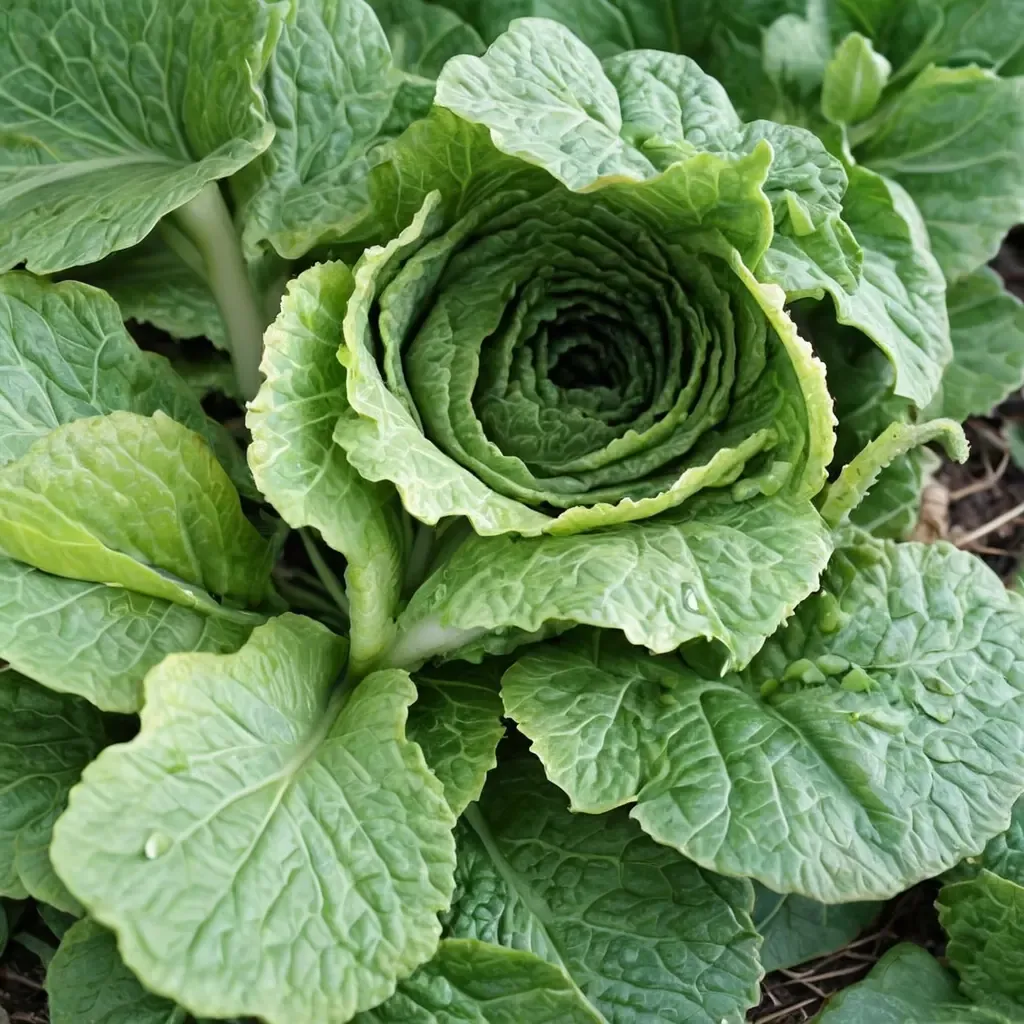
Chinese Cabbage
Brassica rapa 'Chinese Cabbage'
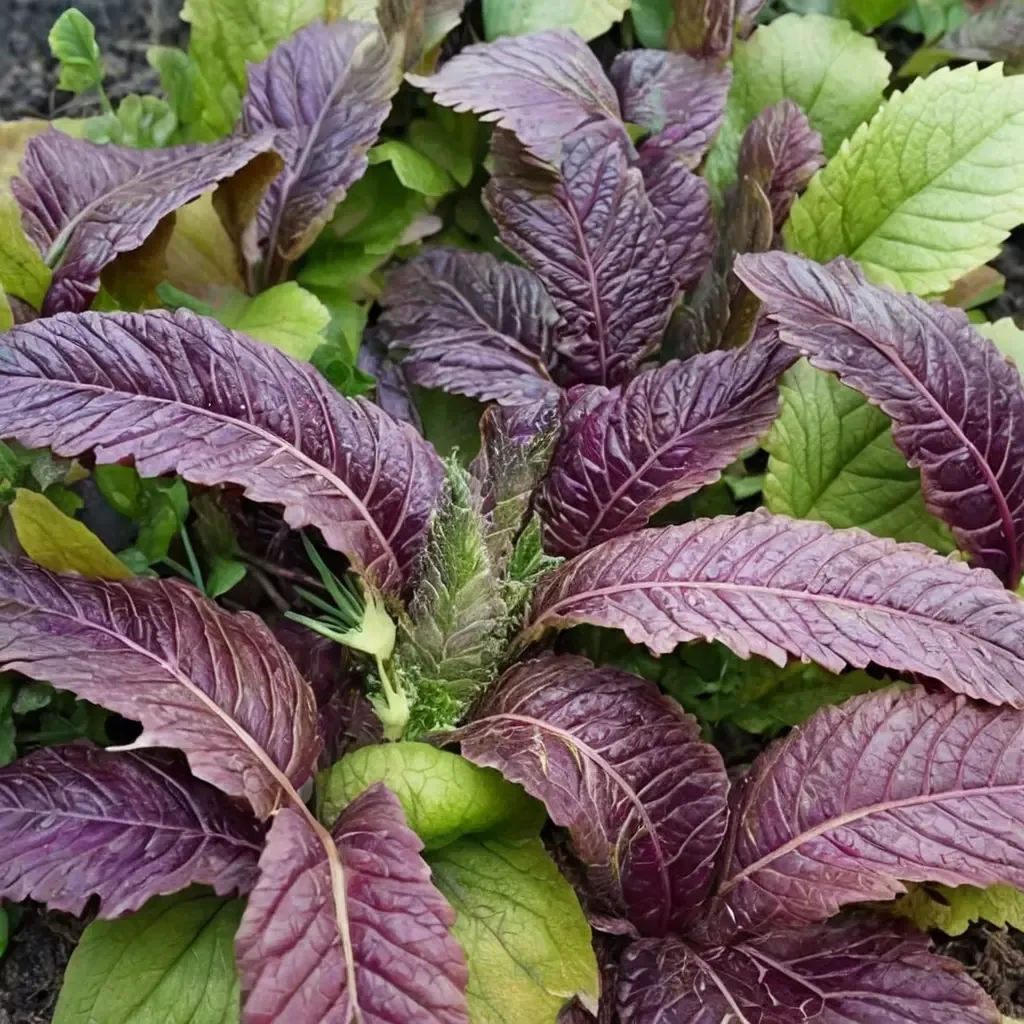
Osaka Purple Mustard
Brassica juncea 'Osaka Purple'
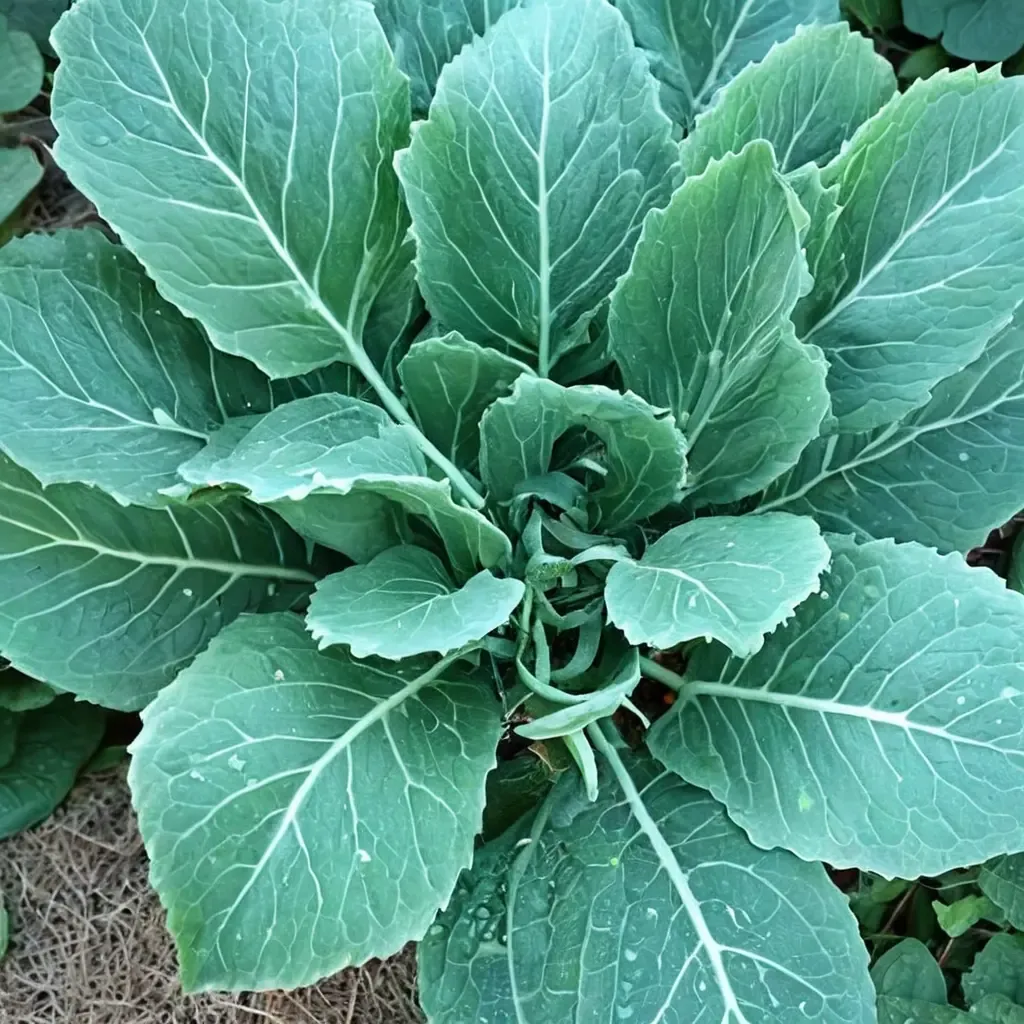
Vates Champion Collard Greens
Brassica oleracea 'Vates Champion'
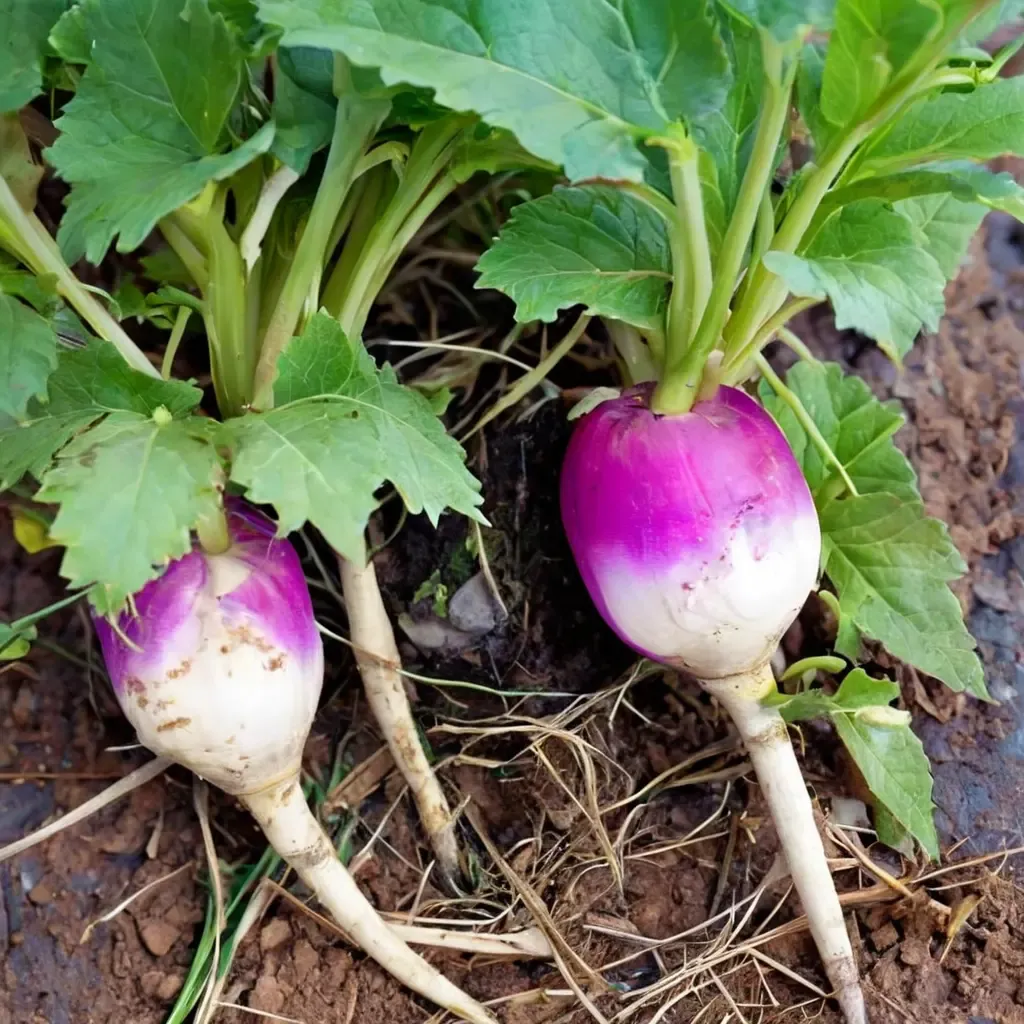
Purple Top Turnip
Brassica rapa 'Purple Top'
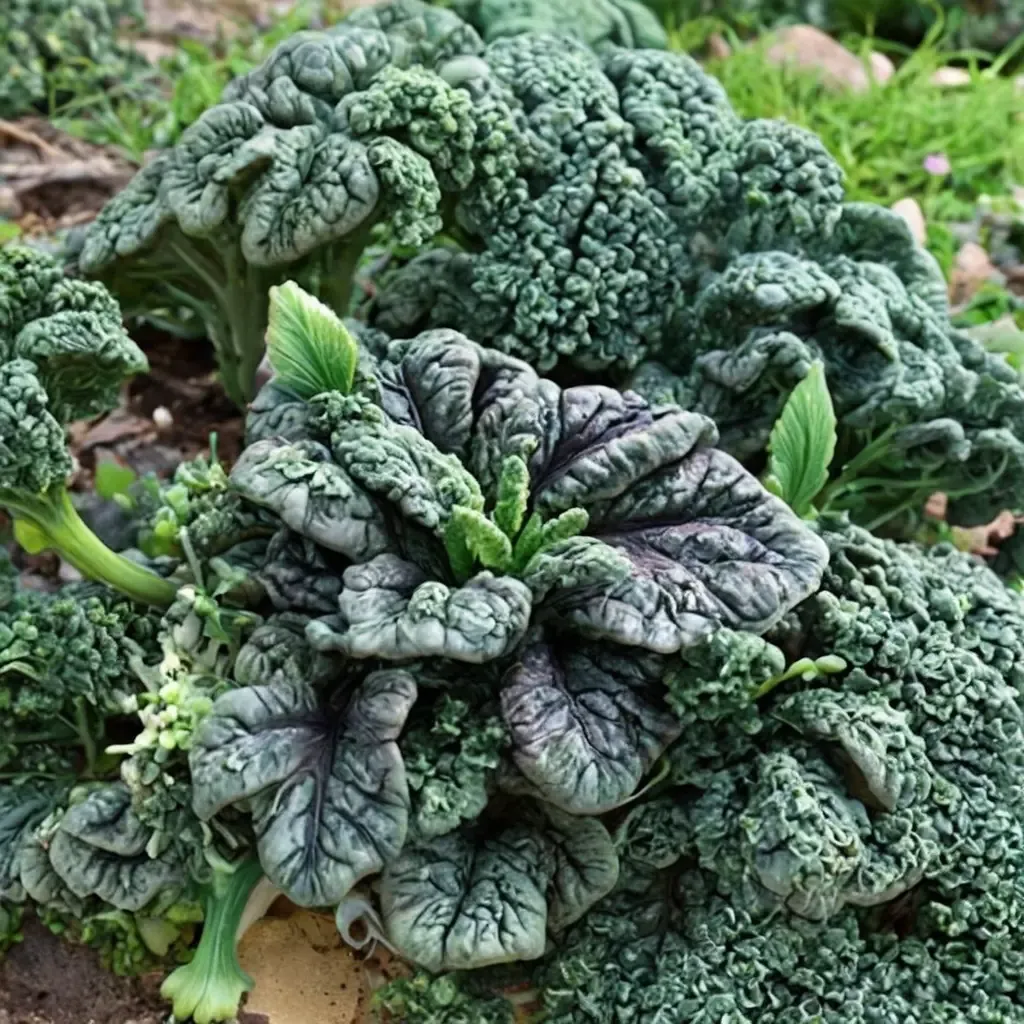
Darkibor Kale
Brassica oleracea 'Darkibor'
Ornamental Kale
Brassica oleracea 'Richmond's Pride'
Keep exploring
Explore the genus
Grow Broccoli Raab with confidence
See it in a design of your actual yard, get zone-matched care reminders, and track it season by season in your garden journal.