
Species
1 other cultivar

The Story
Plant Bio
Ilex × attenuata is a naturally occurring hybrid between dahoon holly (Ilex cassine) and American holly (Ilex opaca) native to the southeastern United States. It forms a dense, slender, pyramidal evergreen tree with dark green spiny leaves and small axillary spring flowers.
'Foster' is a parthenocarpic selection that sets heavy crops of bright red winter berries without requiring a male pollinator nearby. Its narrow, fine-textured habit and small leaves with one to five marginal spines make it an effective privacy screen and architectural accent.
Uses & Benefits:
Essentials
At a Glance
Plant Type
Tree
Height
360"
Width
180"
Light
Full Sun, Partial Sun
Zones
6, 7, 8, 9
Water
Moderate
Humidity
High
Lifespan
Perennial
Native To
Southeastern United States
Toxicity
Berries low severity toxicity if ingested
Bloom period
Spring – Late spring
In flower about 3 months of the year
Marketplace
Where to Buy
Shipping costs Year-round shipping Free shipping
Planting
How to Grow
- Select a planting location in full sun to partial shade with acidic, well-drained soil rich in organic matter.
- Dig a hole twice as wide as the root ball and equal in depth, ensuring the root flare sits level with the surrounding grade.
- Backfill with native soil, press firmly around the root mass, and water thoroughly to eliminate air pockets.
- Apply a 2- to 3-inch layer of organic mulch over the root zone, keeping it clear of the direct trunk base.
Pro Tip
Plant in acidic, well-drained soil, as soil pH above 6.5 causes iron chlorosis and yellowing foliage.
Keep It Thriving
Care Guide
Do
- Maintain a acidic soil pH between 5.5 and 6.5 to prevent nutrient chlorosis.
- Mulch the root zone to retain soil moisture and regulate ground temperature.
- Prune annually in late winter to maintain formal shape and interior density.
Don't
- Do not plant in poorly drained or waterlogged soils where root rot can develop.
- Do not shear aggressively into old, leafless wood where latent buds fail to break.
- Do not waste space planting male pollinator hollies, as this cultivar sets fruit independently.
Seasonal Care Calendar
| Task | Jan | Feb | Mar | Apr | May | Jun | Jul | Aug | Sep | Oct | Nov | Dec |
|---|---|---|---|---|---|---|---|---|---|---|---|---|
| Fertilize | ||||||||||||
| Mulch | ||||||||||||
| Pest Check | ||||||||||||
| Prune |
Watch Out For
Pests & Diseases
Common Pests
Common Diseases
In the Garden
Landscape Uses & Companions
Landscape Uses
Companion Plants
Multiply
Propagation Methods
Good to Know
Common Questions
Foster Holly questions
What zones can Foster Holly grow in?
Foster Holly is hardy in USDA Zones 6–9. Inside that range it survives winter in the ground; outside it, grow it as an annual or a container plant you protect.
Is Foster Holly deer resistant?
Yes — Foster Holly is rated deer-resistant. Deer typically pass it over, though extreme hunger can override any plant's defenses.
When does Foster Holly bloom?
Foster Holly typically blooms in spring through late spring. Exact timing shifts a week or two with your zone — Sow's bloom calendar maps it to your garden.
Does Foster Holly need full sun?
Foster Holly does best in full sun to part shade. In hot climates, afternoon shade keeps blooms fresher longer.
Is Foster Holly drought tolerant?
Yes — once established (usually after the first full season), Foster Holly handles dry spells with minimal watering. Water deeply its first year to build the root system that makes that possible.
More Ilex to compare
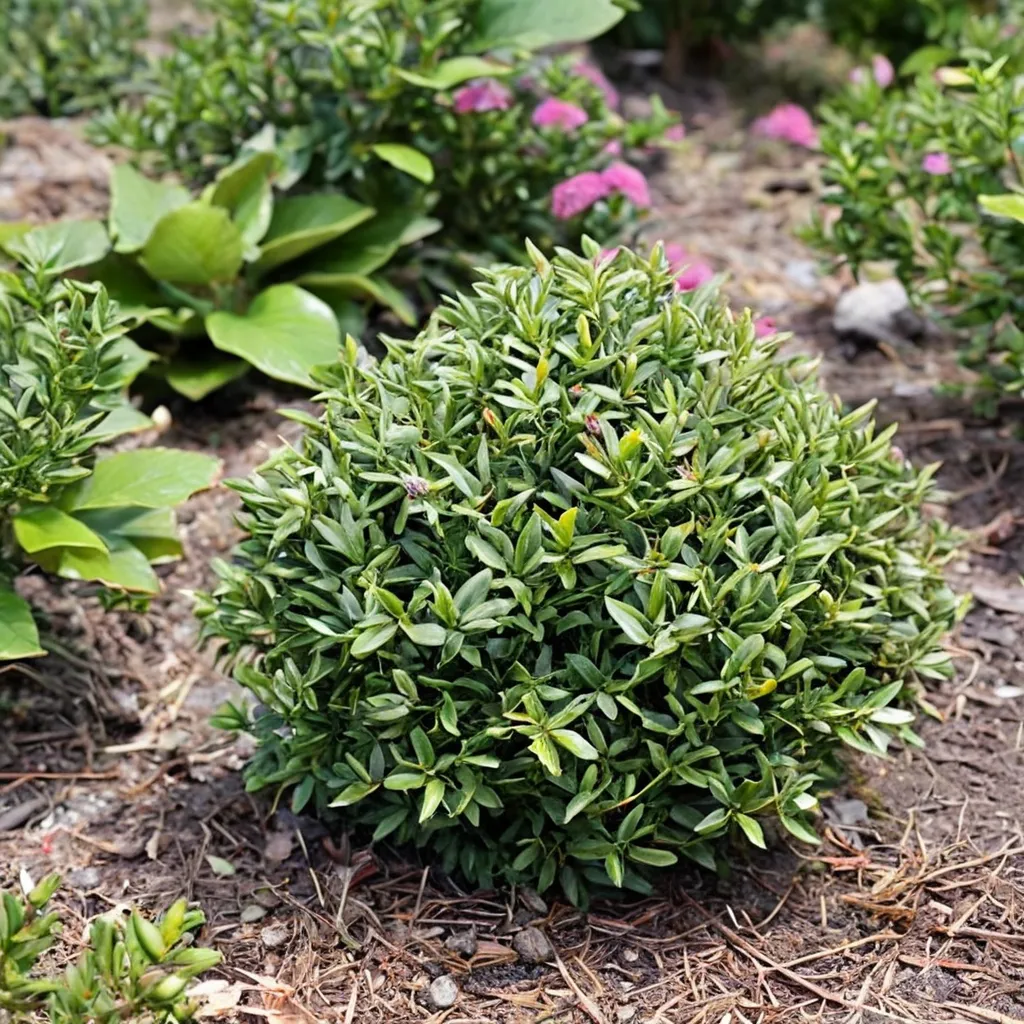
Gem Box Inkberry Holly
Ilex glabra 'Gem Box'
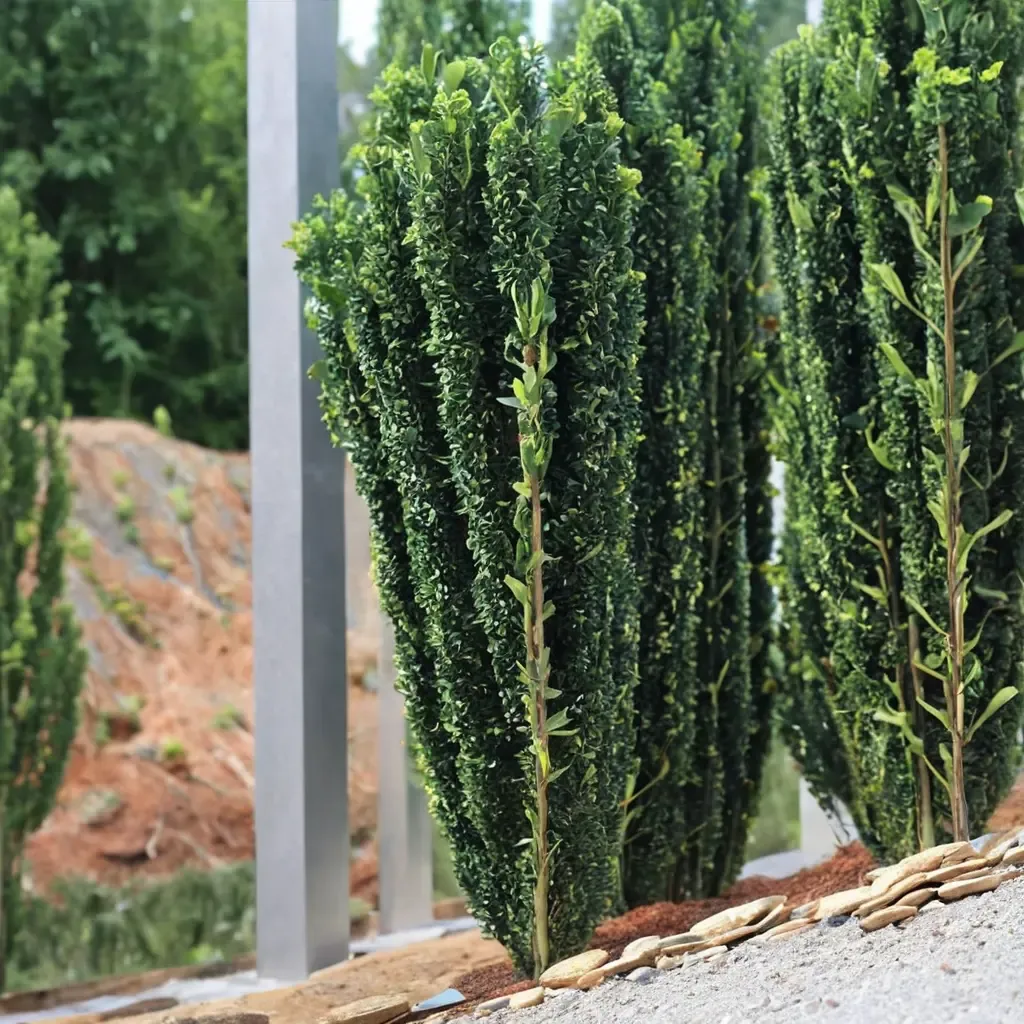
Sky Pencil Holly
Ilex crenata 'Sky Pencil'
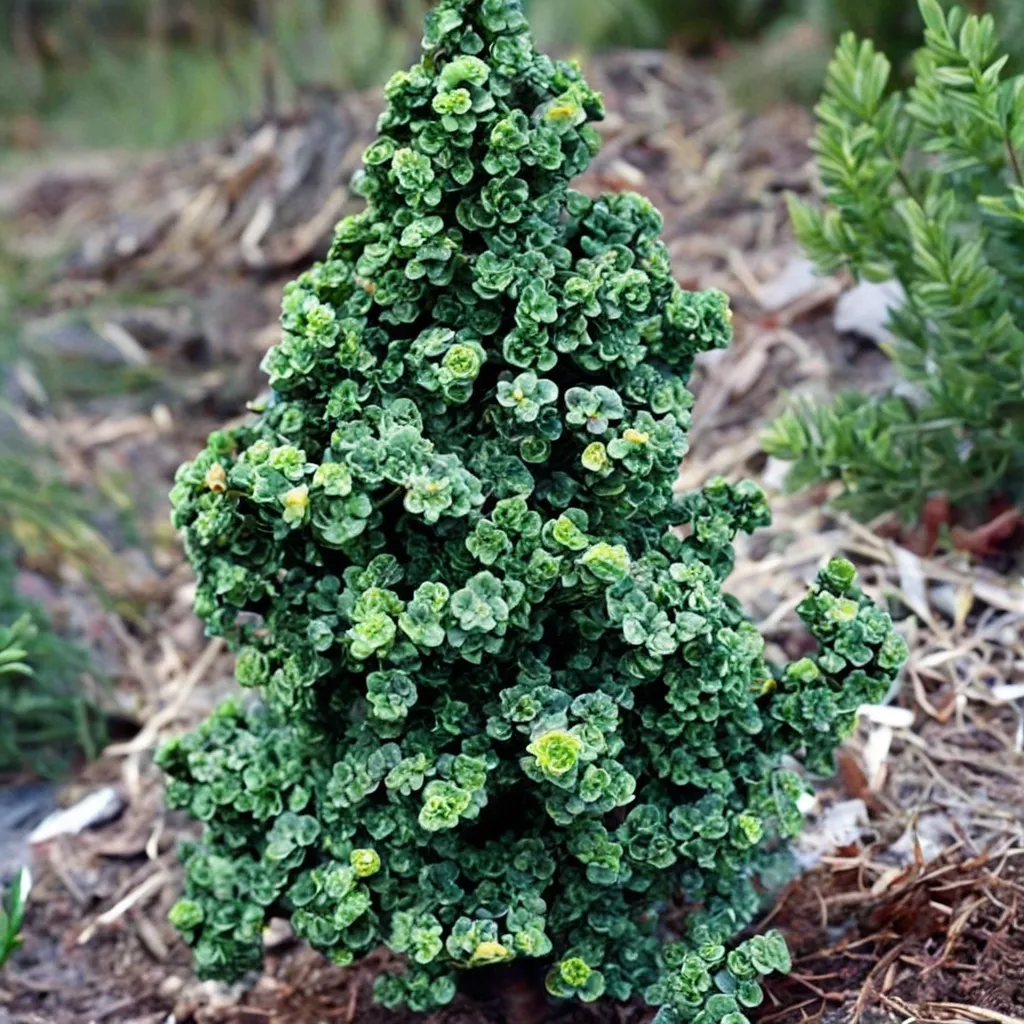
Dwarf Pagoda Holly
Ilex crenata 'Dwarf Pagoda'
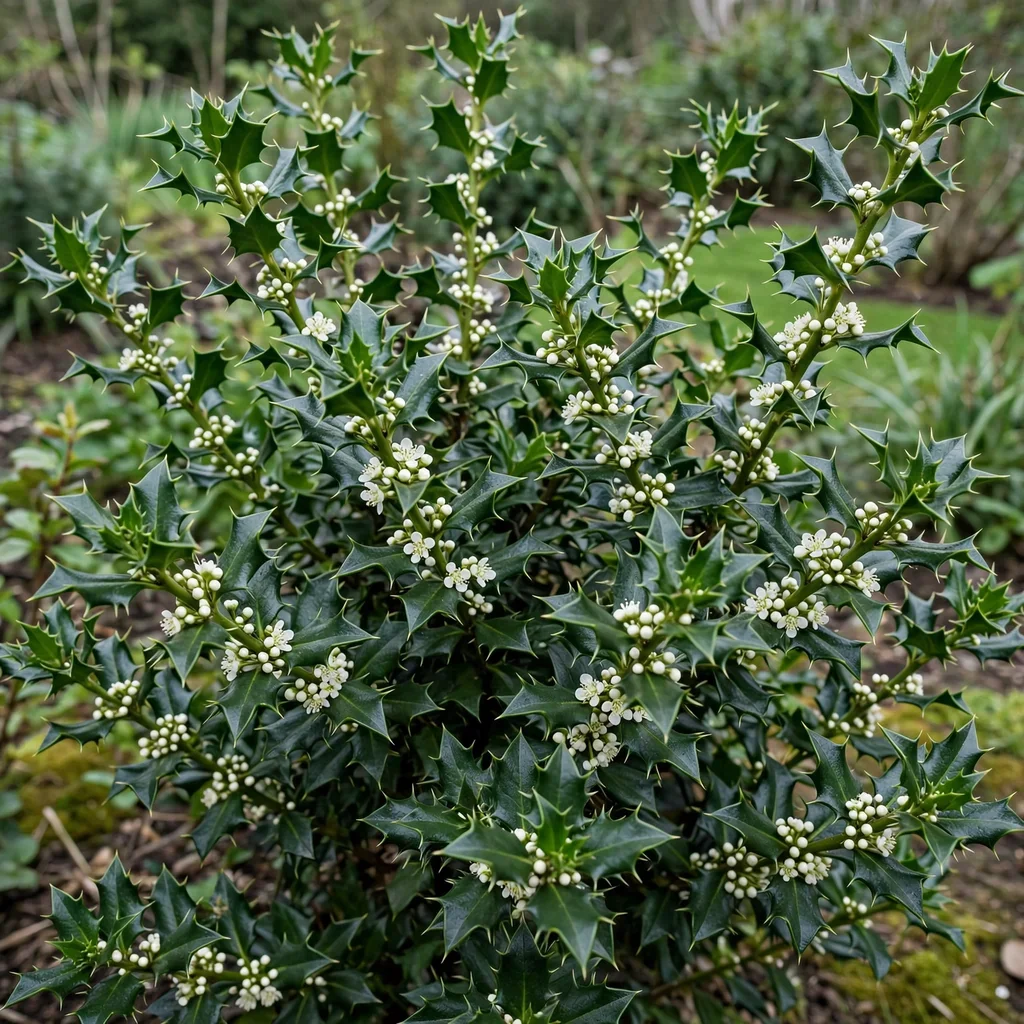
Mr Poppins Holly
Ilex x meserveae 'Mr Poppins'
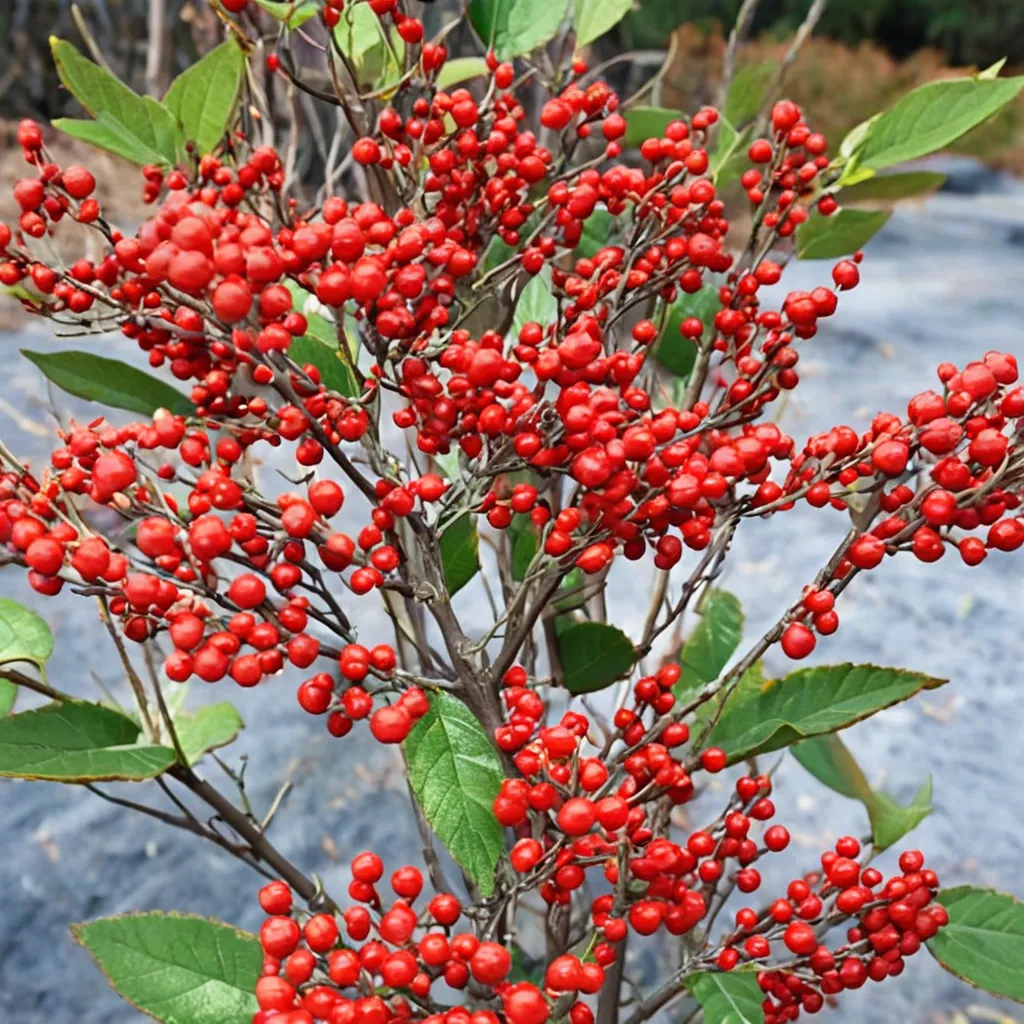
Blue Holly Berry Poppins
Ilex x meserveae 'Berry Poppins'
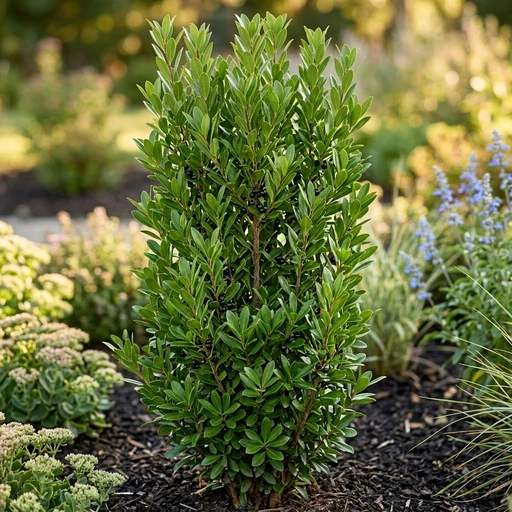
Squeeze Box Inkberry Holly
Ilex glabra 'Squeeze Box'
Keep exploring
Explore the genus
Hardy in your zone?
Grow Foster Holly with confidence
See it in a design of your actual yard, get zone-matched care reminders, and track it season by season in your garden journal.