

The Story
Plant Bio
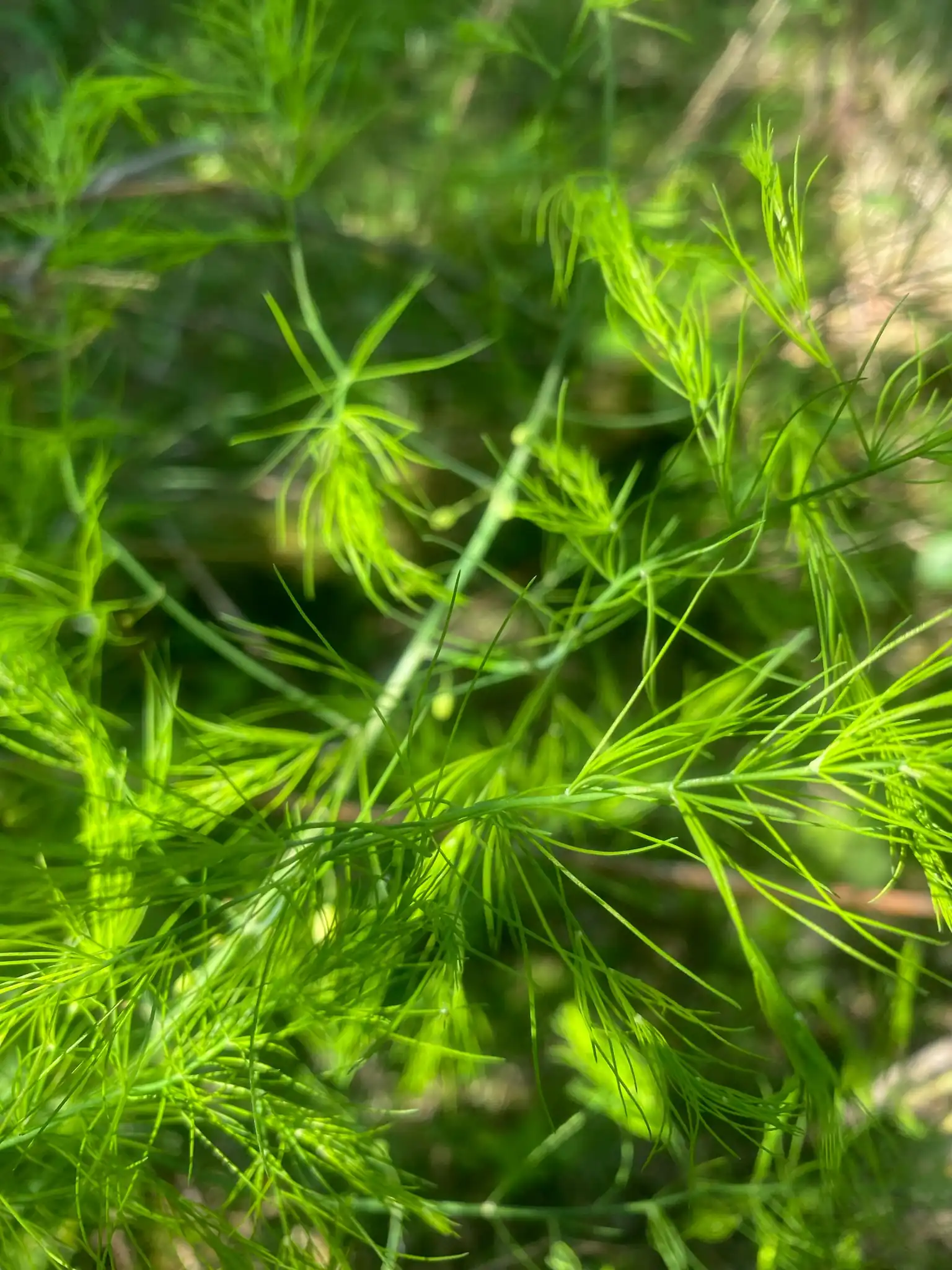
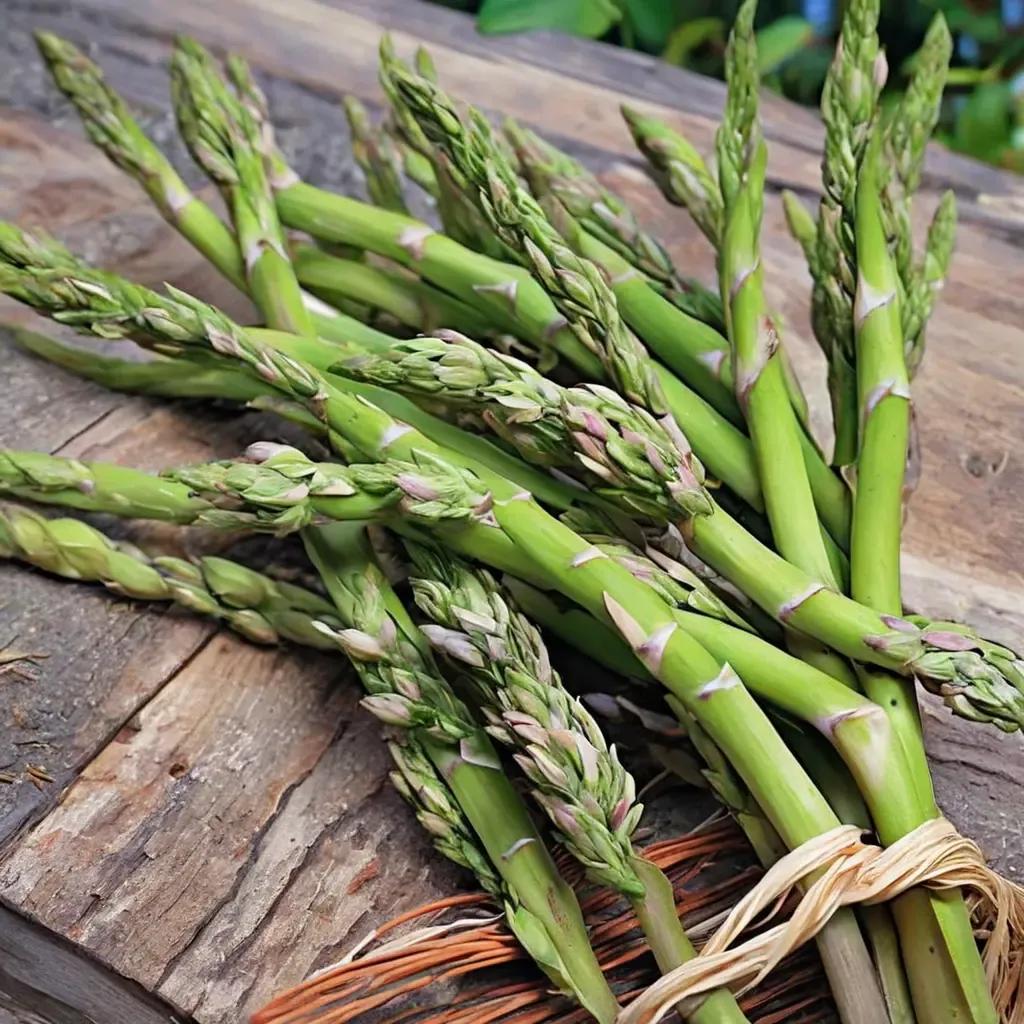
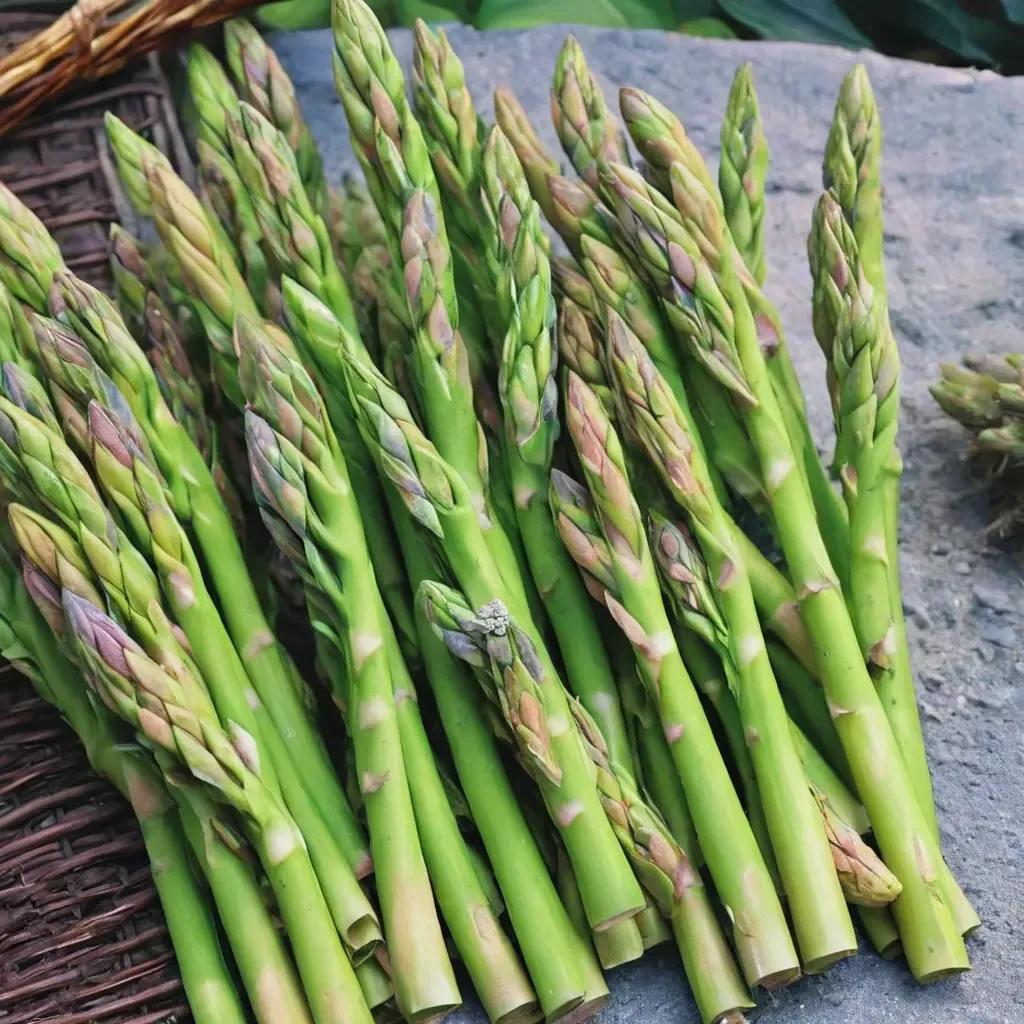
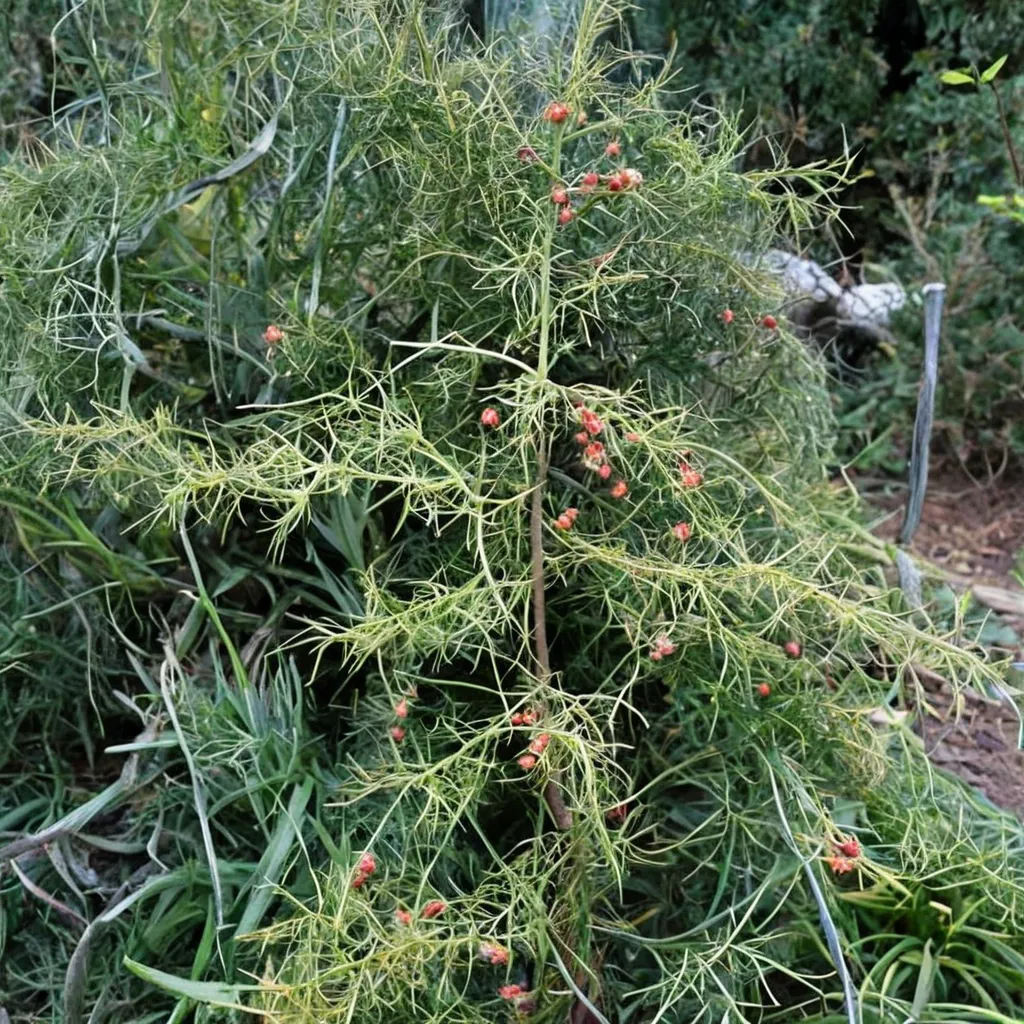
Asparagus officinalis is a long-lived perennial vegetable native to Europe, Asia and North Africa, reaching three to five feet once the ferny summer growth develops. The edible spears emerge directly from a crown in spring; left uncut they open into soft feathery foliage arranged in whorls, and female plants carry hard shiny red berries in late summer.
A well-managed bed crops for twenty years or more, which is why the first two seasons are spent building the crown rather than harvesting. The red berries on female plants are toxic despite the spears being a staple vegetable, and all-male cultivars are now preferred because they yield more and set no berries.
Uses & Benefits:
Essentials
At a Glance
Plant Type
Fruit Vegetable
Height
48"
Width
27"
Light
Full Sun
Zones
4, 5, 6, 7, 8
Water
Moderate
Humidity
Moderate
Lifespan
Perennial
Native To
Europe, Asia and North Africa
Toxicity
Berries toxic if ingested
Planting
How to Grow
- Plant dormant crowns in early spring in deep, well-drained soil.
- Choose full sun and a permanent position.
- Set crowns about six inches deep in a wide trench.
- Do not harvest at all in the first two years.
- Cut ferny growth down after it yellows in autumn.
- Mulch and feed annually; the bed lasts decades.
Pro Tip
Resist harvesting for the first two years — cutting early permanently weakens a crown that should crop for twenty.
Keep It Thriving
Care Guide
Do
- Choose a permanent site; beds last decades 🌱
- Wait two years before harvesting ⏳
- Cut the ferns down after they yellow ✂️
- Mulch and feed each spring 🍂
Don't
- Harvest in the first two years ❌
- Let the ferns be cut while still green ❌
- Eat the red berries; they are toxic ❌
Seasonal Care Calendar
| Task | Jan | Feb | Mar | Apr | May | Jun | Jul | Aug | Sep | Oct | Nov | Dec |
|---|---|---|---|---|---|---|---|---|---|---|---|---|
| Monitor | ||||||||||||
| Prune |
Watch Out For
Pests & Diseases
Common Pests
Common Diseases
In the Garden
Landscape Uses & Companions
Landscape Uses
Multiply
Propagation Methods
Good to Know
Common Questions
Asparagus questions
What zones can Asparagus grow in?
Asparagus is hardy in USDA Zones 4–8. Inside that range it survives winter in the ground; outside it, grow it as an annual or a container plant you protect.
Is Asparagus deer resistant?
Yes — Asparagus is rated deer-resistant. Deer typically pass it over, though extreme hunger can override any plant's defenses.
When does Asparagus bloom?
Asparagus typically blooms in late spring through early summer. Exact timing shifts a week or two with your zone — Sow's bloom calendar maps it to your garden.
Does Asparagus need full sun?
Asparagus does best in full sun (6+ hours).
Is Asparagus drought tolerant?
Yes — once established (usually after the first full season), Asparagus handles dry spells with minimal watering. Water deeply its first year to build the root system that makes that possible.
More Asparagus to compare
Jersey Supreme Asparagus
Asparagus officinalis 'Jersey Supreme'
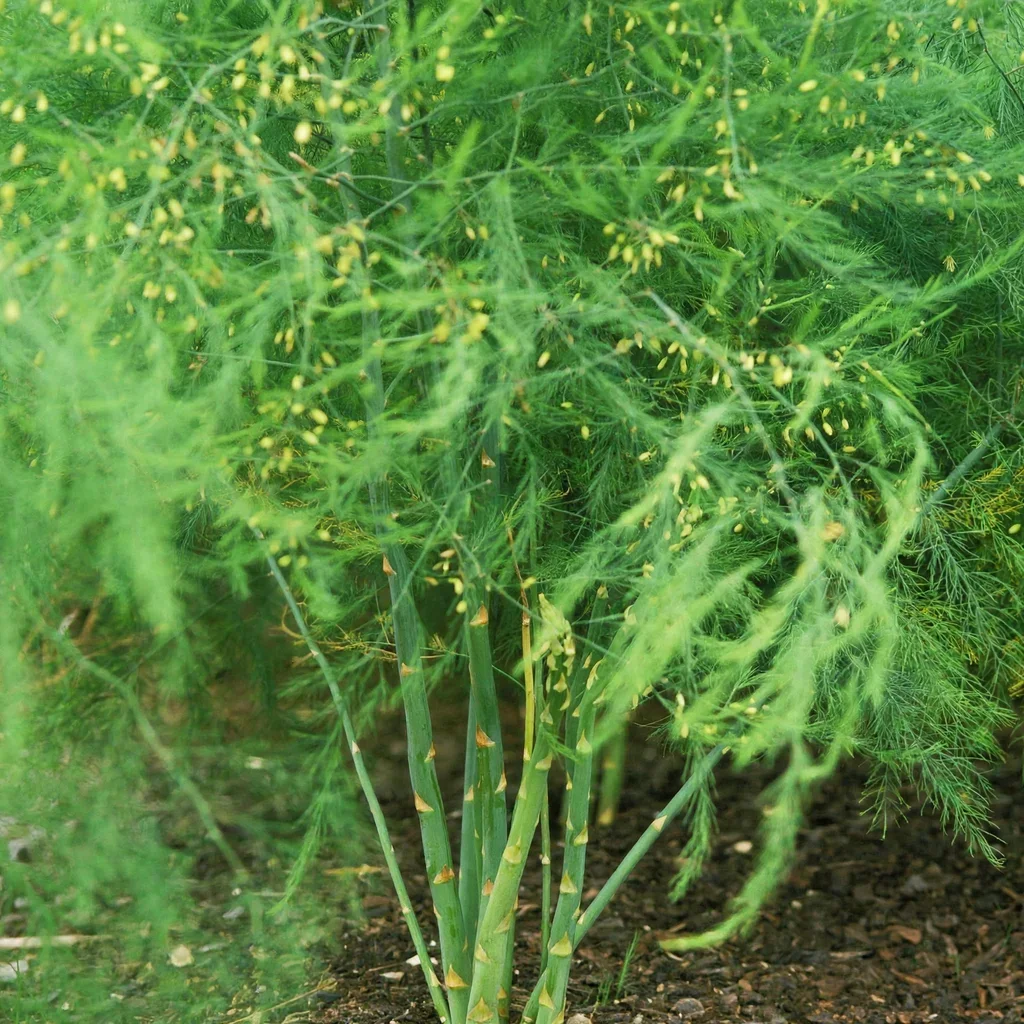
Mary Washington Asparagus
Asparagus officinalis 'Mary Washington'
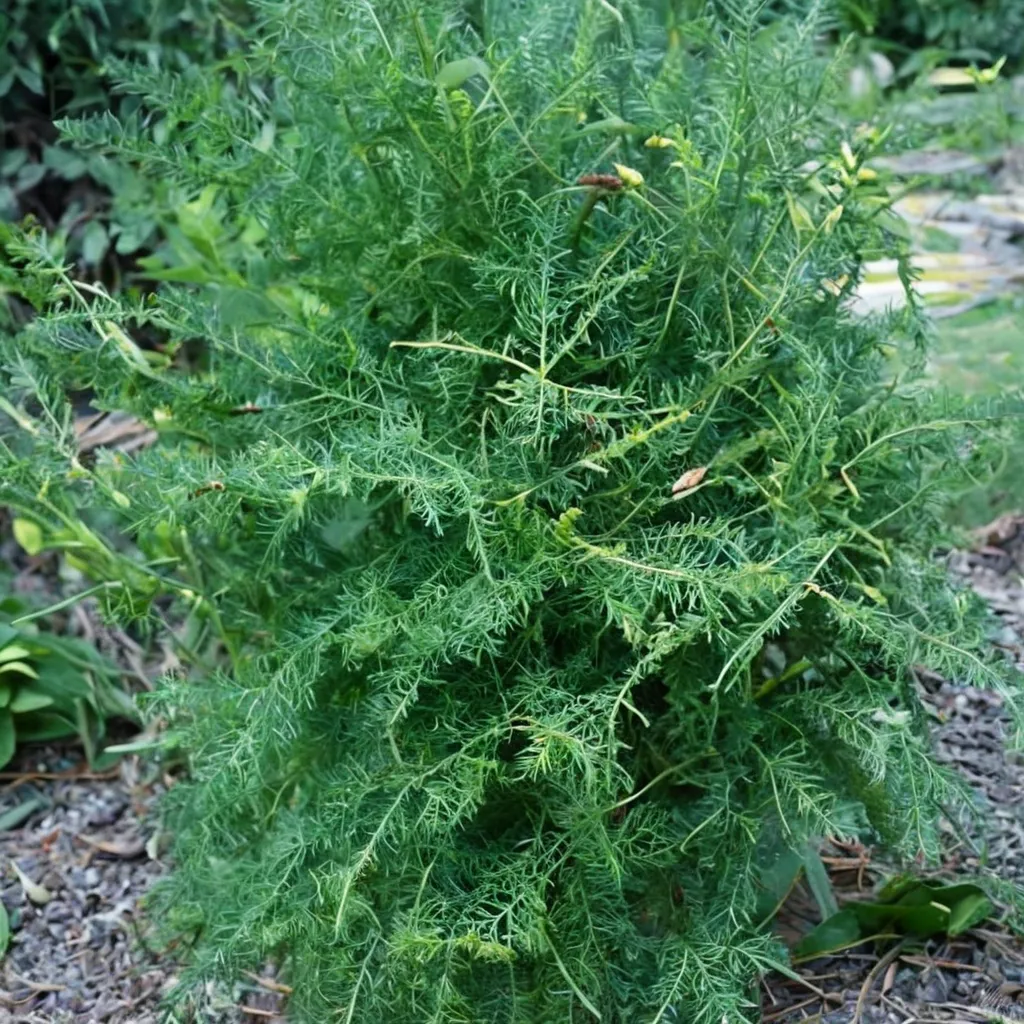
Chinese Asparagus 'Chuwang'
Asparagus cochinchinensis 'Chuwang'
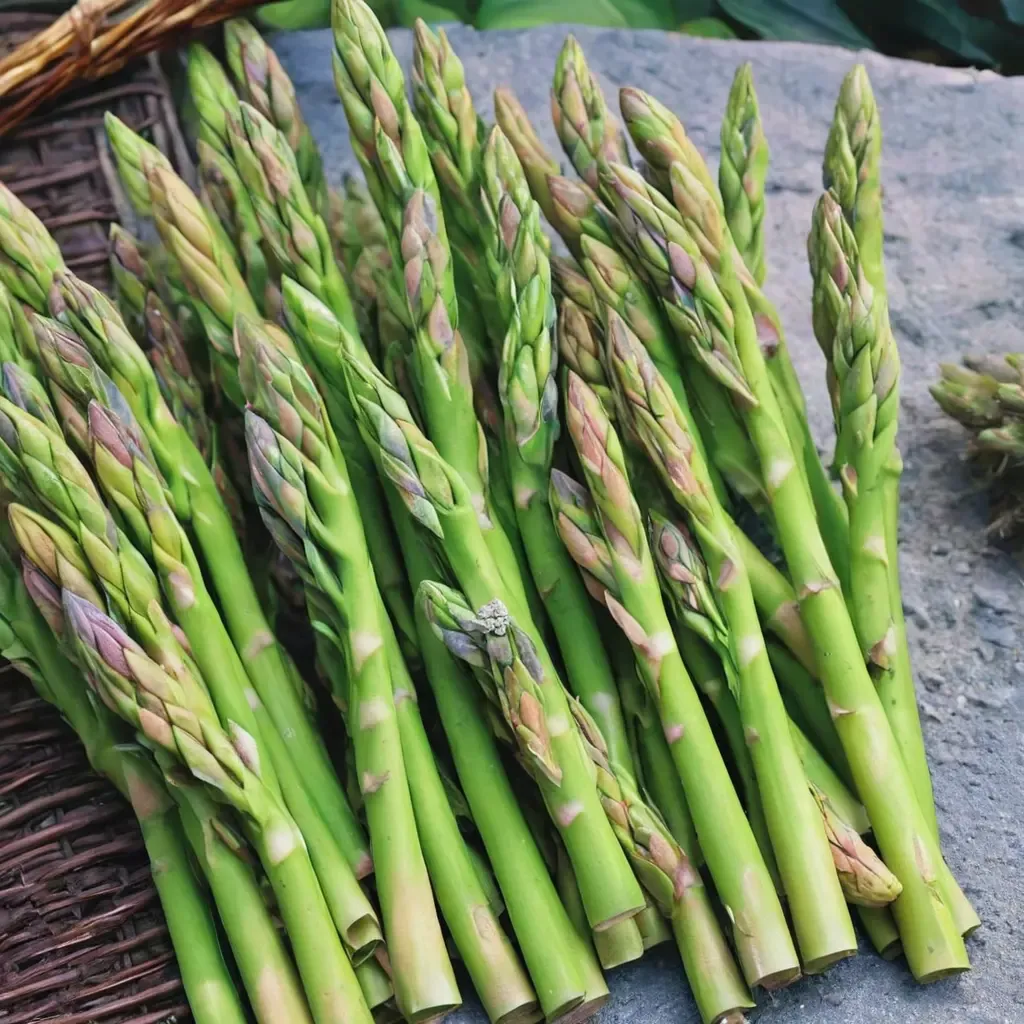
Jersey Knight Asparagus
Asparagus officinalis 'Jersey Knight'
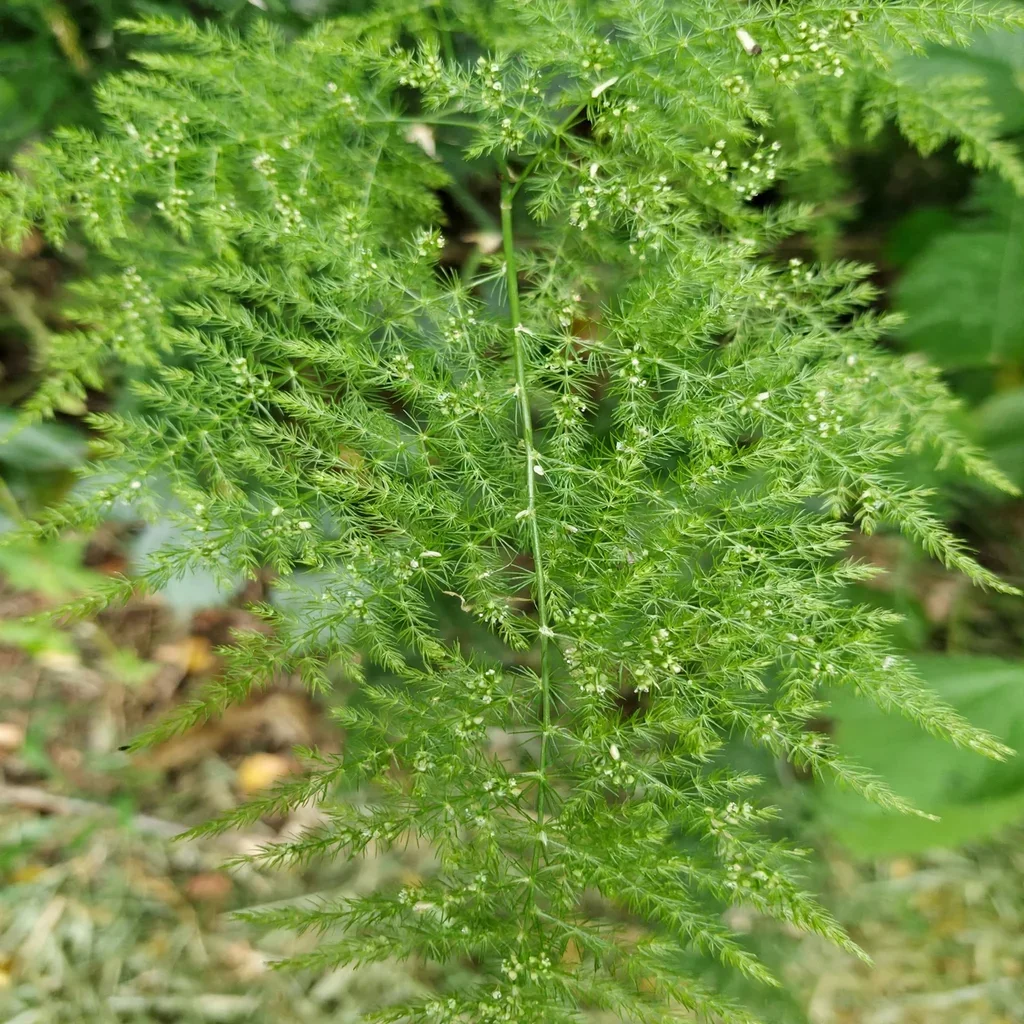
Asparagus officinalis Pseudoscaber
Asparagus officinalis 'pseudoscaber'
Climbing Asparagus Fern
Asparagus verticillatus
Keep exploring
Explore the genus
Hardy in your zone?
Grow Asparagus with confidence
See it in a design of your actual yard, get zone-matched care reminders, and track it season by season in your garden journal.