The Story
Plant Bio
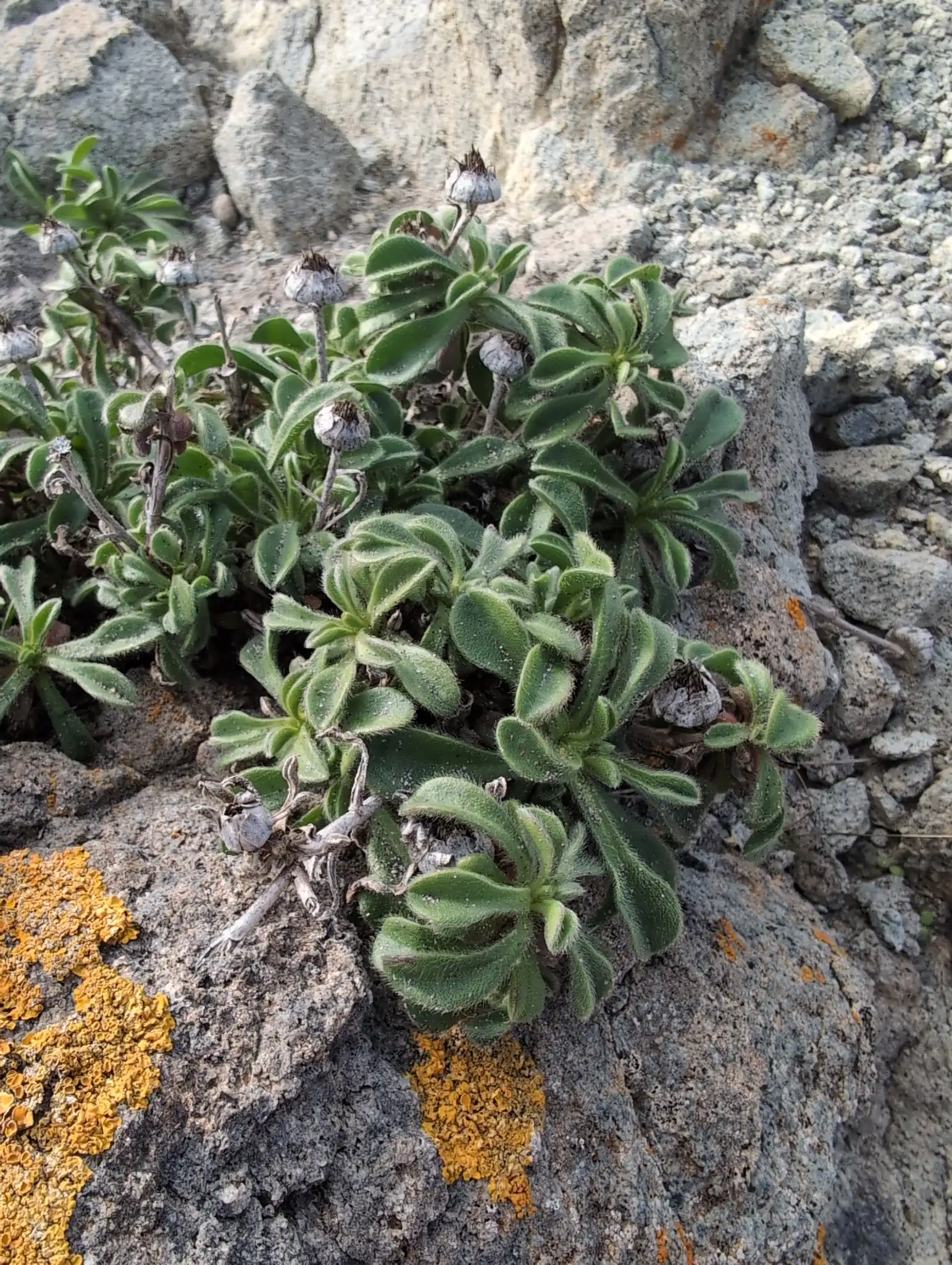
Pallenis maritima is an evergreen subshrub from sandy and rocky coasts around the western Mediterranean, forming a low cushion of woody branching stems to about a foot high. The foliage is small, spoon-shaped and green to silvery-green, densely clothing the mound through the year.
It bears solitary daisy heads one to one and a half inches wide, with bright golden-yellow rays around a darker yellow disk from spring into summer. Plants hold through drought, salt spray and frost to about 20F, persisting as a perennial in zones 8-10 and grown as an annual where winters are colder.
Uses & Benefits:
Essentials
At a Glance
Plant Type
Perennial
Height
12"
Width
36"
Light
Full Sun
Zones
7, 8, 9, 10
Water
Low
Humidity
Low
Lifespan
Perennial, annual in cold zones
Native To
Western Mediterranean to Greece and North Africa
Toxicity
Unknown
Bloom period
Spring – Summer
In flower about 6 months of the year
Planting
How to Grow
- Plant in full sun with 8 or more hours of direct sun in average, sandy, rocky or limestone soil that drains sharply.
- Space 18 to 36 inches apart to allow the mound to spread and air to move around the crown.
- Water to settle in, then water sparingly and let soil dry between waterings; established plants tolerate drought.
- Deadhead faded heads and lightly shear to keep the cushion dense and extend bloom.
- North of zone 8 grow as a spring-planted annual or move containers to a frost-free spot for winter.
Pro Tip
Plant lean in full sun with sharp drainage and water sparingly once established; wet soil rots the crown, and stock still sold as Asteriscus maritimus is an annual north of zone 8.
Keep It Thriving
Care Guide
Do
- Give 8 or more hours of full sun
- Provide sandy, rocky or limestone soil with sharp drainage
- Deadhead faded flowers to prolong bloom
- Water infrequently once established
Don't
- Do not overwater or set in waterlogged clay
- Do not cut hard back into old leafless wood
- Do not plant in shade or humid, poorly aired spots
Seasonal Care Calendar
| Task | Jan | Feb | Mar | Apr | May | Jun | Jul | Aug | Sep | Oct | Nov | Dec |
|---|---|---|---|---|---|---|---|---|---|---|---|---|
| Deadhead | ||||||||||||
| Pest Check | ||||||||||||
| Plant | ||||||||||||
| Prune | ||||||||||||
| Winter Prep |
Watch Out For
Pests & Diseases
Common Pests
Common Diseases
In the Garden
Landscape Uses & Companions
Landscape Uses
Multiply
Propagation Methods
Good to Know
Common Questions
Gold Coin Daisy questions
What zones can Gold Coin Daisy grow in?
Gold Coin Daisy is hardy in USDA Zones 7–10: in that range it survives winter in the ground. Colder than Zone 7, grow it in a container you can move to shelter for the winter, or as an annual.
Is Gold Coin Daisy deer resistant?
Yes — Gold Coin Daisy is rated deer-resistant. Deer typically pass it over, though extreme hunger can override any plant's defenses.
When does Gold Coin Daisy bloom?
Gold Coin Daisy typically blooms from spring to summer. Exact timing shifts a week or two with your zone — Sow's bloom calendar maps it to your garden.
Does Gold Coin Daisy need full sun?
Gold Coin Daisy does best in full sun (6+ hours).
Is Gold Coin Daisy drought tolerant?
Yes — once established (usually after the first full season), Gold Coin Daisy handles dry spells with minimal watering. Water deeply its first year to build the root system that makes that possible.
Keep exploring
Explore the genus
Hardy in your zone?
Grow Gold Coin Daisy with confidence
See it in a design of your actual yard, get zone-matched care reminders, and track it season by season in your garden journal.