The Story
Plant Bio
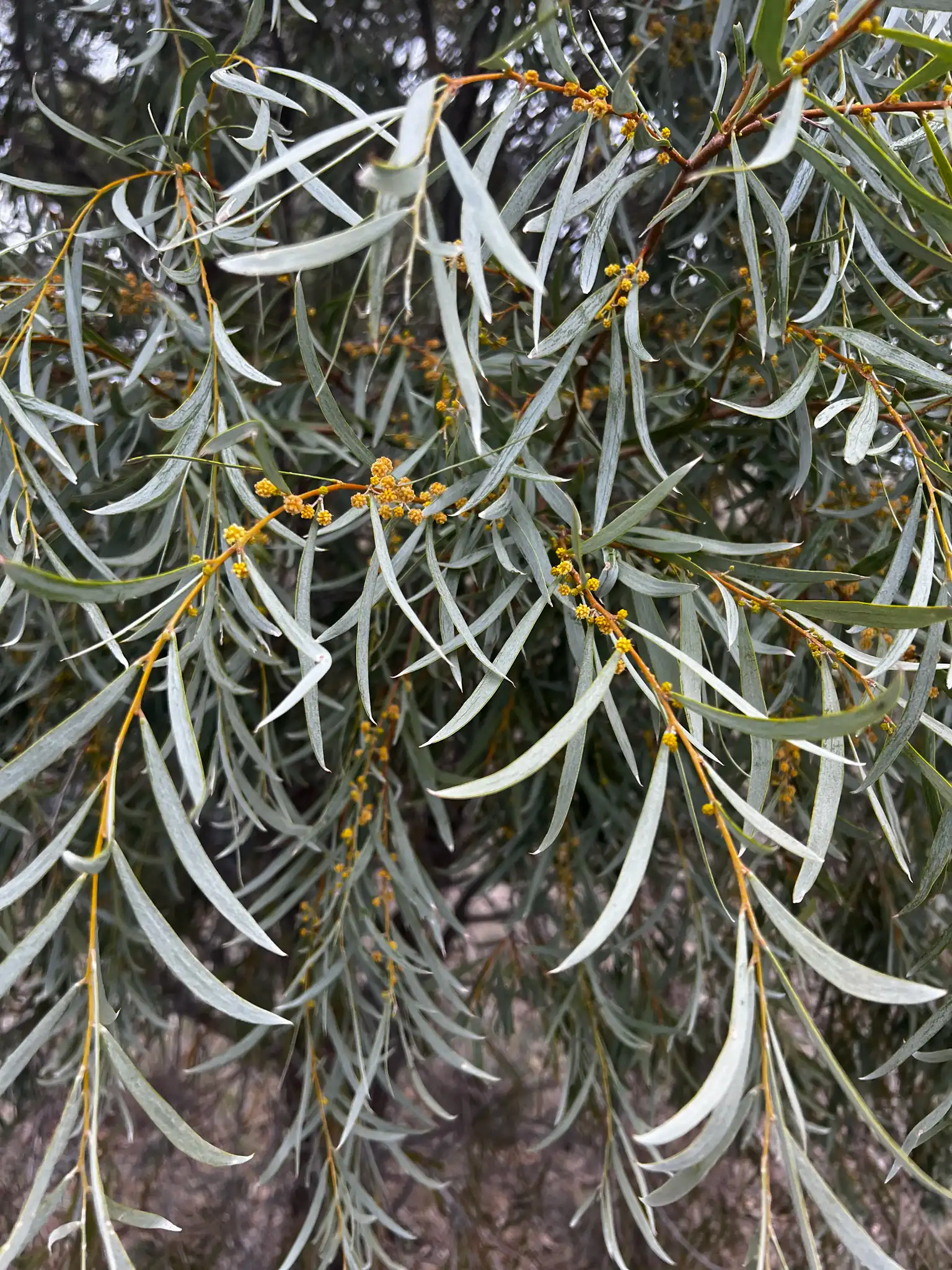
Acacia pendula, commonly known as weeping myall, is an evergreen Australian tree growing 16 to 40 feet tall with a pendulous branch habit and dense canopy. Its narrow, silver-grey leaf-like phyllodes reach up to four inches long, providing year-round foliage contrast before spherical bright yellow flower clusters open in spring.
The distinctly weeping branchlets create a cascading canopy covered in fine silvery hairs on young foliage. Bright yellow ball-shaped flower heads form along the drooping stems, providing vivid contrast against the metallic leaves.
Uses & Benefits:
Essentials
At a Glance
Plant Type
Tree
Height
512"
Width
315"
Light
Full Sun
Zones
8, 9, 10
Water
Low
Humidity
Low
Lifespan
Perennial
Native To
Australia
Toxicity
Non-toxic
Bloom period
Spring – Late spring
In flower about 3 months of the year
Planting
How to Grow
- Select a fully exposed site receiving at least six hours of direct daily sunlight.
- Dig a planting hole twice as wide as the root ball and equal in depth, ensuring the site drains properly.
- Position the tree at the same depth as in its nursery pot and backfill with native soil, firming gently.
- Water deeply at planting and monitor soil moisture until established, allowing the soil to dry between applications.
Pro Tip
Prune only young shoots to establish initial structure; cutting back into old, leafless wood prevents re-sprouting and permanently damages the framework.
Keep It Thriving
Care Guide
Do
- Plant in well-drained soil in full sun exposure.
- Shape lightly while young to establish a central leader.
- Provide deep, infrequent watering during the first growing season.
Don't
- Do not prune hard into old, bare wood.
- Do not plant in poorly drained or waterlogged soils.
- Avoid applying heavy amounts of nitrogen fertilizer.
Seasonal Care Calendar
| Task | Jan | Feb | Mar | Apr | May | Jun | Jul | Aug | Sep | Oct | Nov | Dec |
|---|---|---|---|---|---|---|---|---|---|---|---|---|
| Mulch | ||||||||||||
| Pest Check | ||||||||||||
| Plant | ||||||||||||
| Prune |
Watch Out For
Pests & Diseases
Common Pests
Common Diseases
In the Garden
Landscape Uses & Companions
Landscape Uses
Multiply
Propagation Methods
Good to Know
Common Questions
Weeping Myall questions
What zones can Weeping Myall grow in?
Weeping Myall is hardy in USDA Zones 8–10: in that range it survives winter in the ground. Colder than Zone 8, winters are too cold for it to survive outdoors.
Is Weeping Myall deer resistant?
Not reliably. Deer may browse Weeping Myall, especially tender spring growth — plan on repellents or fencing where pressure is high.
When does Weeping Myall bloom?
Weeping Myall typically blooms in spring. Exact timing shifts a week or two with your zone — Sow's bloom calendar maps it to your garden.
Does Weeping Myall need full sun?
Weeping Myall does best in full sun (6+ hours).
Is Weeping Myall drought tolerant?
Yes — once established (usually after the first full season), Weeping Myall handles dry spells with minimal watering. Water deeply its first year to build the root system that makes that possible.
More Acacia to compare
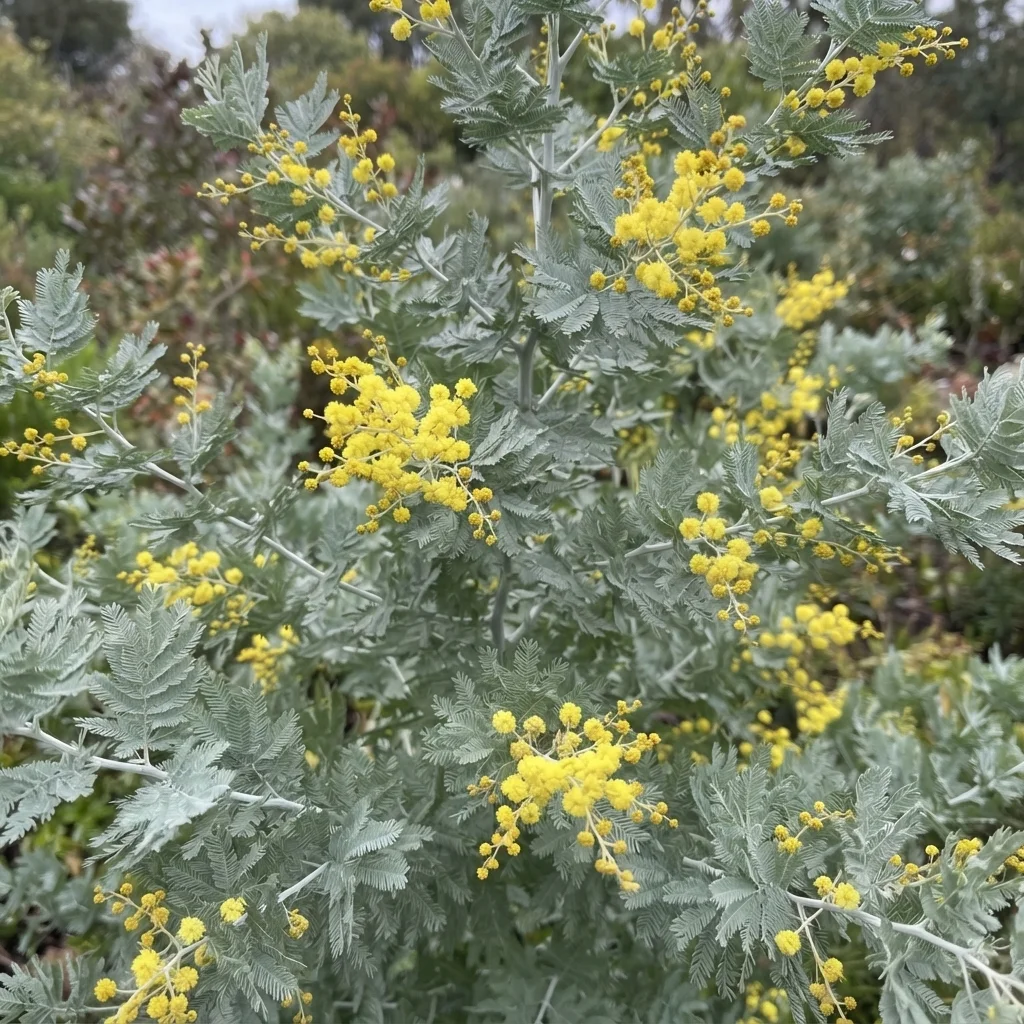
Silver wattle
Acacia dealbata
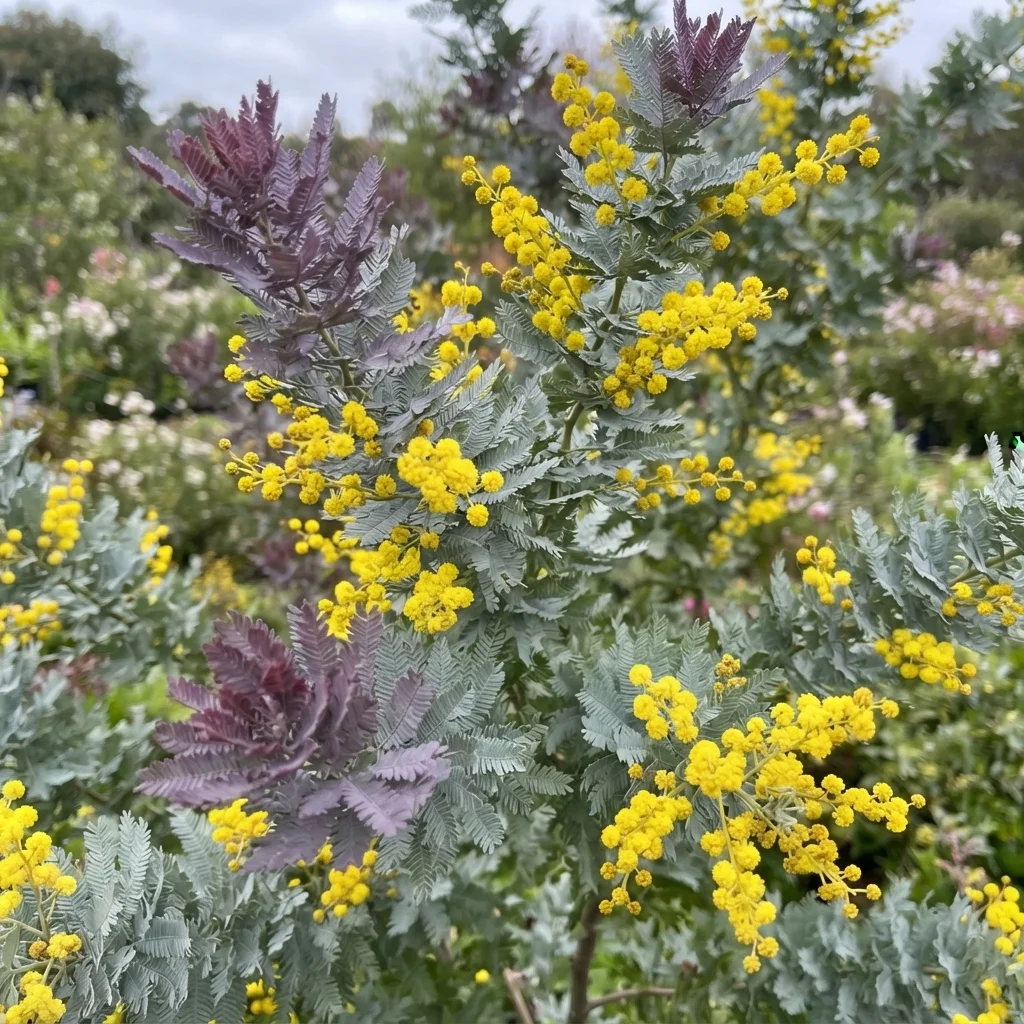
Cootamundra Wattle 'Purpurea'
Acacia baileyana 'Purpurea'
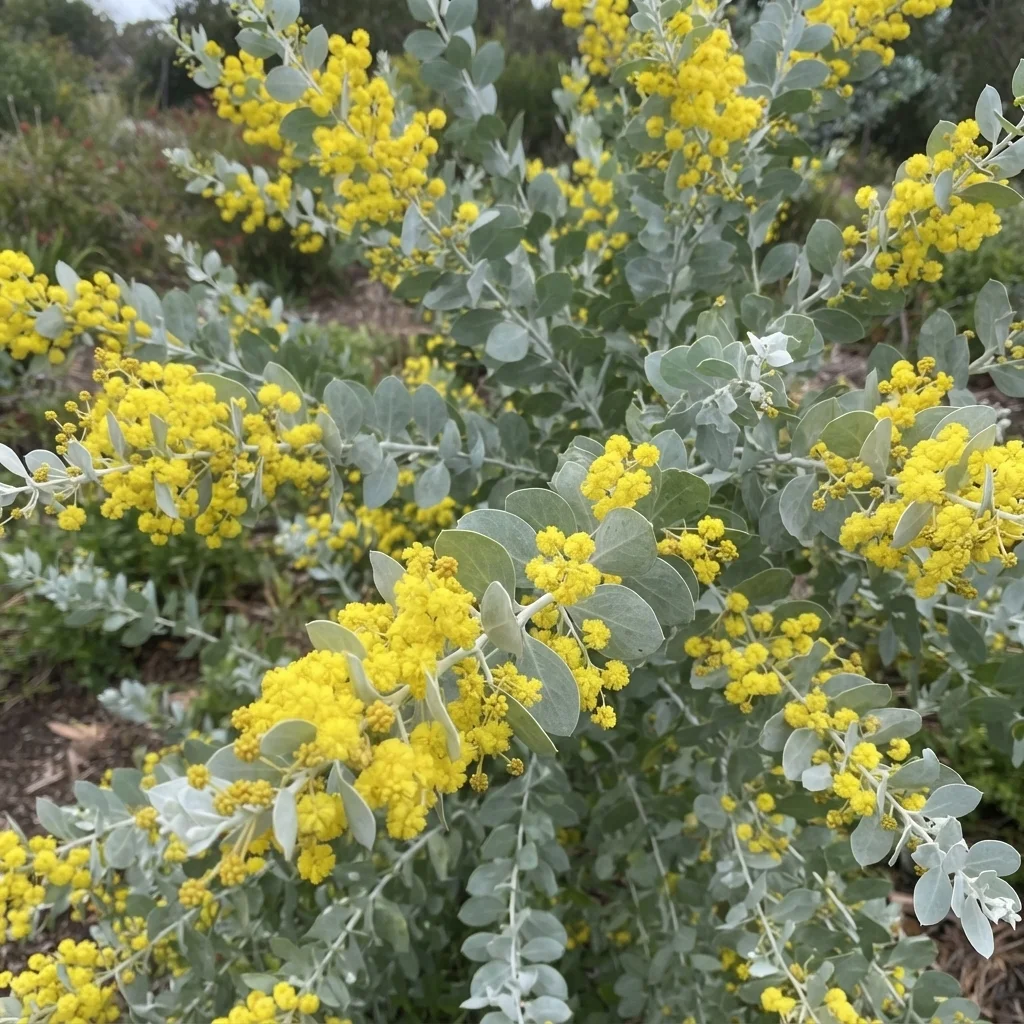
Pearl Acacia
Acacia podalyriifolia
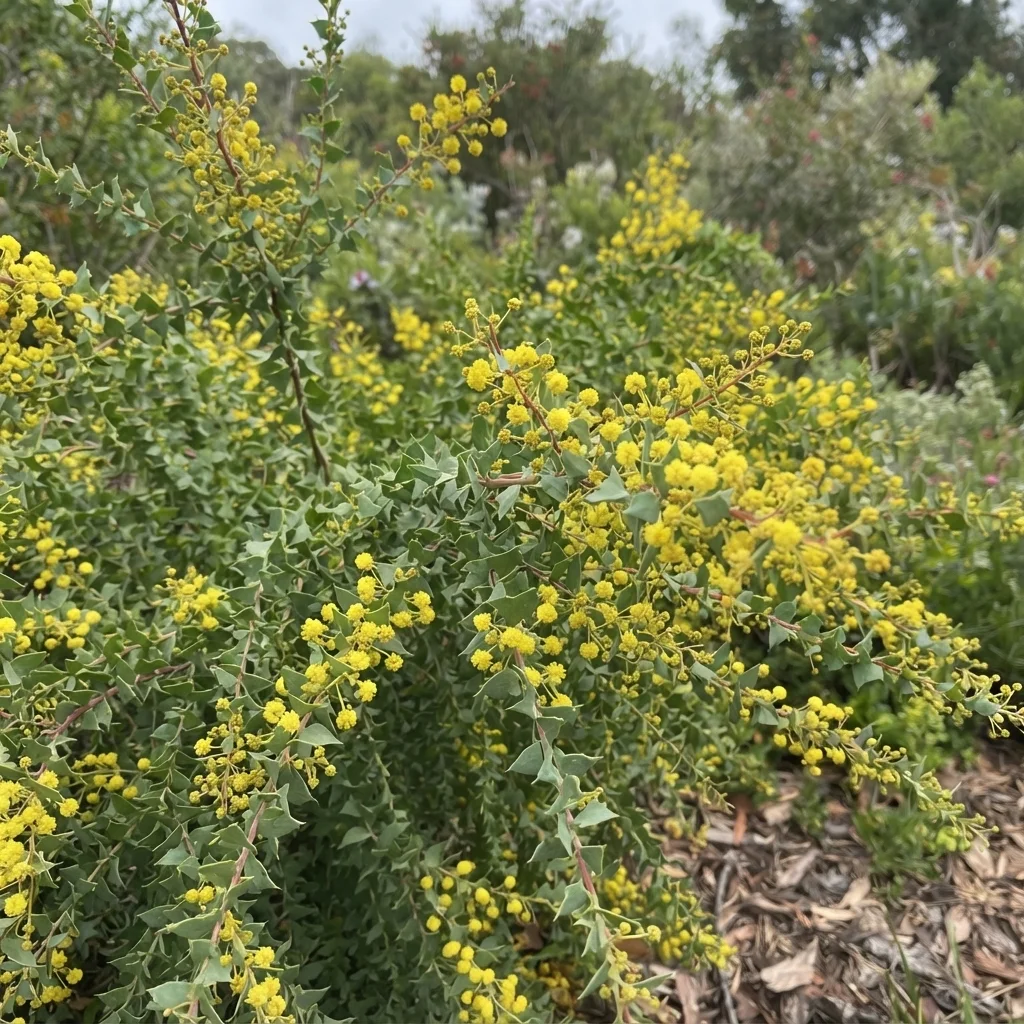
Ovens Wattle
Acacia pravissima
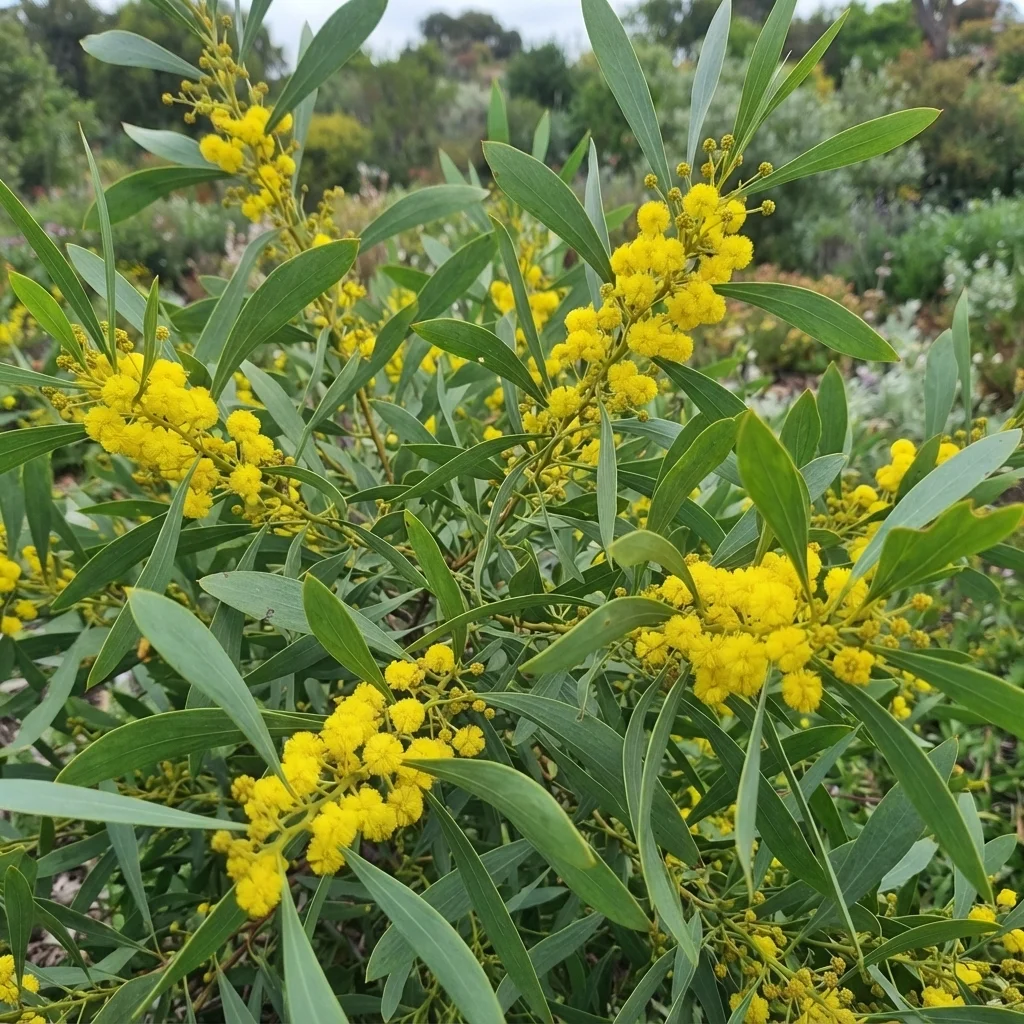
Golden Wreath Wattle
Acacia saligna
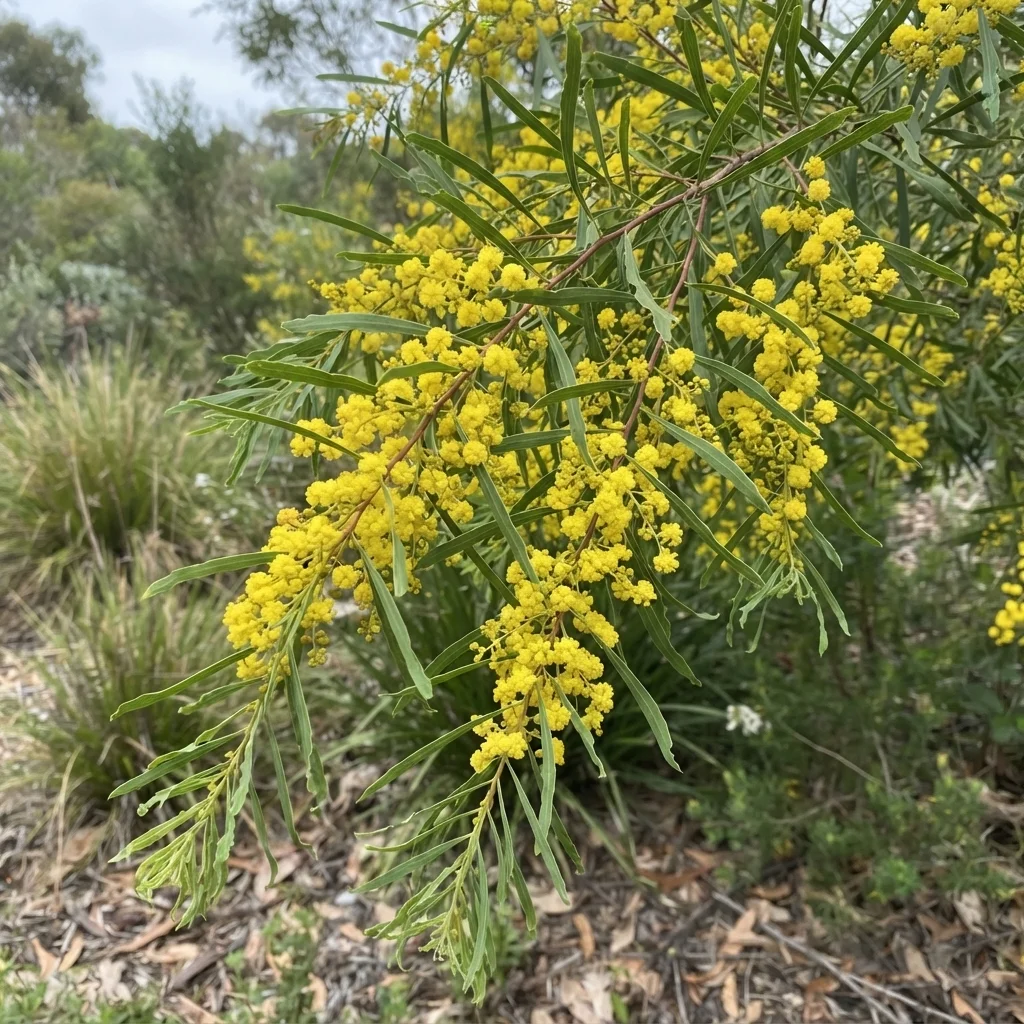
Fringed Wattle
Acacia fimbriata
Keep exploring
Explore the genus
Hardy in your zone?
Grow Weeping Myall with confidence
See it in a design of your actual yard, get zone-matched care reminders, and track it season by season in your garden journal.