The Story
Plant Bio
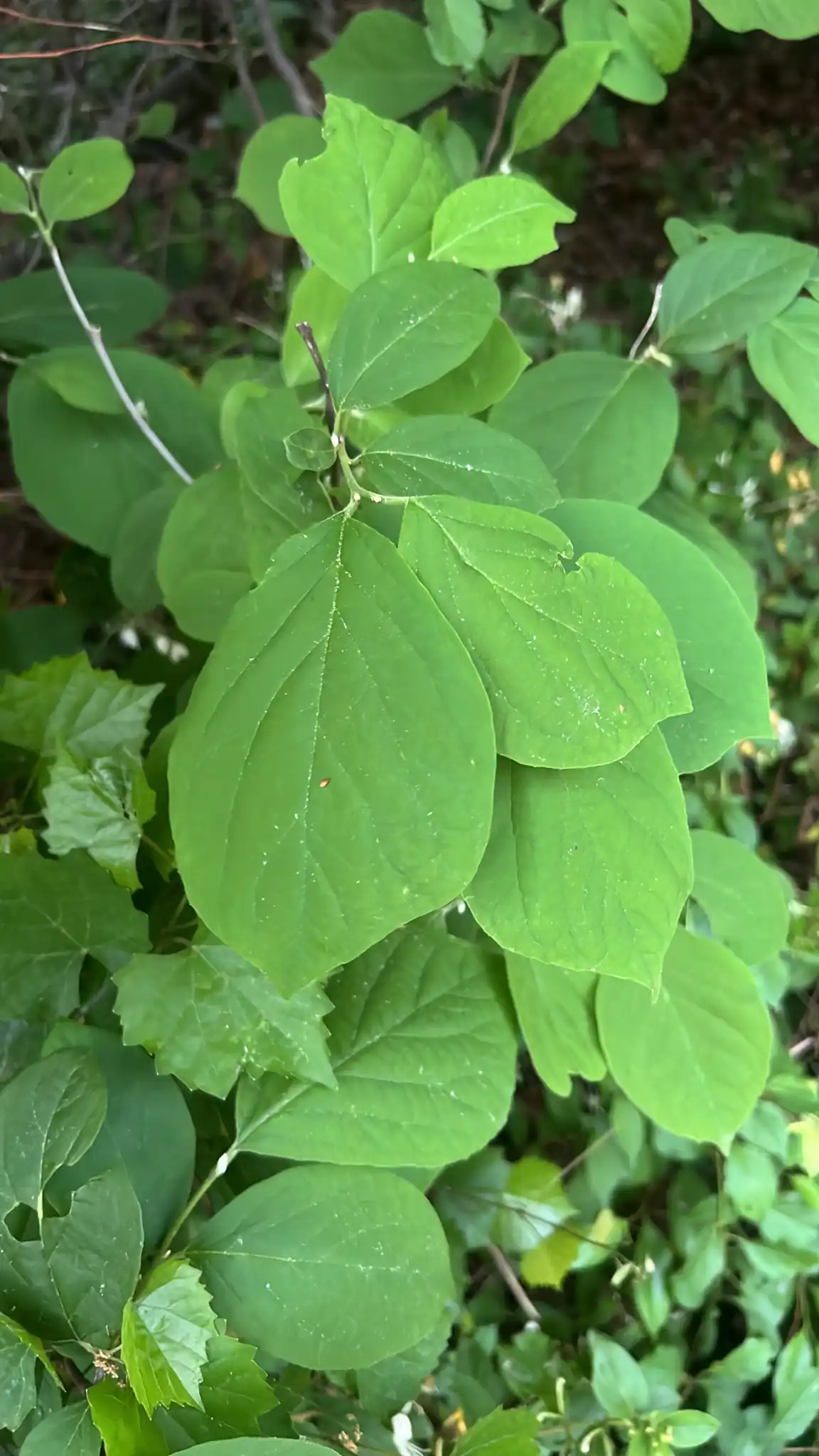
Styrax grandifolius is a deciduous shrub or multi-stemmed understory tree native to the southeastern United States, reaching up to 25 feet in height. In late spring, terminal racemes bear nodding, bell-shaped white flowers beneath broad leaves that feature silvery-grey downy undersides.
This species is distinguished by its exceptionally large leaves—up to 8 inches long—and superior heat tolerance relative to other snowbells. It forms naturalized thickets via root suckers when established in moist woodland soils.
Uses & Benefits:
Essentials
At a Glance
Plant Type
Shrub
Height
300"
Width
180"
Light
Full Sun, Partial Sun, Shade
Zones
6, 7, 8, 9
Water
Moderate
Humidity
High
Lifespan
Long-lived
Native To
Southeastern United States
Toxicity
Non-toxic
Bloom period
Spring – Early summer
In flower about 4 months of the year
Planting
How to Grow
- Select a site with partial shade to filtered morning sun and well-drained, organic-rich soil.
- Dig a hole twice as wide as the root container and set the crown level with the surrounding soil surface.
- Water thoroughly at planting and cover the root zone with 2 to 3 inches of organic mulch.
- Provide supplemental water during dry spells to maintain consistent soil moisture.
Pro Tip
Prune lightly right after flowering to maintain shape; avoid cutting into old bare wood as regeneration from mature stems is poor.
Keep It Thriving
Care Guide
Do
- Plant multiple distinct specimens together to enable cross-pollination and seed set.
- Apply organic mulch to retain root moisture and replicate natural forest floor conditions.
- Ensure soil remains well-draining to prevent root fungal issues.
Don't
- Do not plant in waterlogged soils or heavy clays lacking adequate drainage.
- Do not shear or heavily prune into thick, leafless old wood.
- Do not allow young plants to undergo severe drought stress in summer.
Seasonal Care Calendar
| Task | Jan | Feb | Mar | Apr | May | Jun | Jul | Aug | Sep | Oct | Nov | Dec |
|---|---|---|---|---|---|---|---|---|---|---|---|---|
| Mulch | ||||||||||||
| Pest Check | ||||||||||||
| Prune | ||||||||||||
| Winter Prep |
Watch Out For
Pests & Diseases
Common Pests
Common Diseases
In the Garden
Landscape Uses & Companions
Landscape Uses
Multiply
Propagation Methods
Good to Know
Common Questions
Bigleaf Snowbell questions
What zones can Bigleaf Snowbell grow in?
Bigleaf Snowbell is hardy in USDA Zones 6–9. Inside that range it survives winter in the ground; outside it, grow it as an annual or a container plant you protect.
Is Bigleaf Snowbell deer resistant?
Not reliably. Deer may browse Bigleaf Snowbell, especially tender spring growth — plan on repellents or fencing where pressure is high.
When does Bigleaf Snowbell bloom?
Bigleaf Snowbell typically blooms in spring through early summer. Exact timing shifts a week or two with your zone — Sow's bloom calendar maps it to your garden.
Does Bigleaf Snowbell need full sun?
Bigleaf Snowbell does best in full sun to part shade. In hot climates, afternoon shade keeps blooms fresher longer.
More Styrax to compare
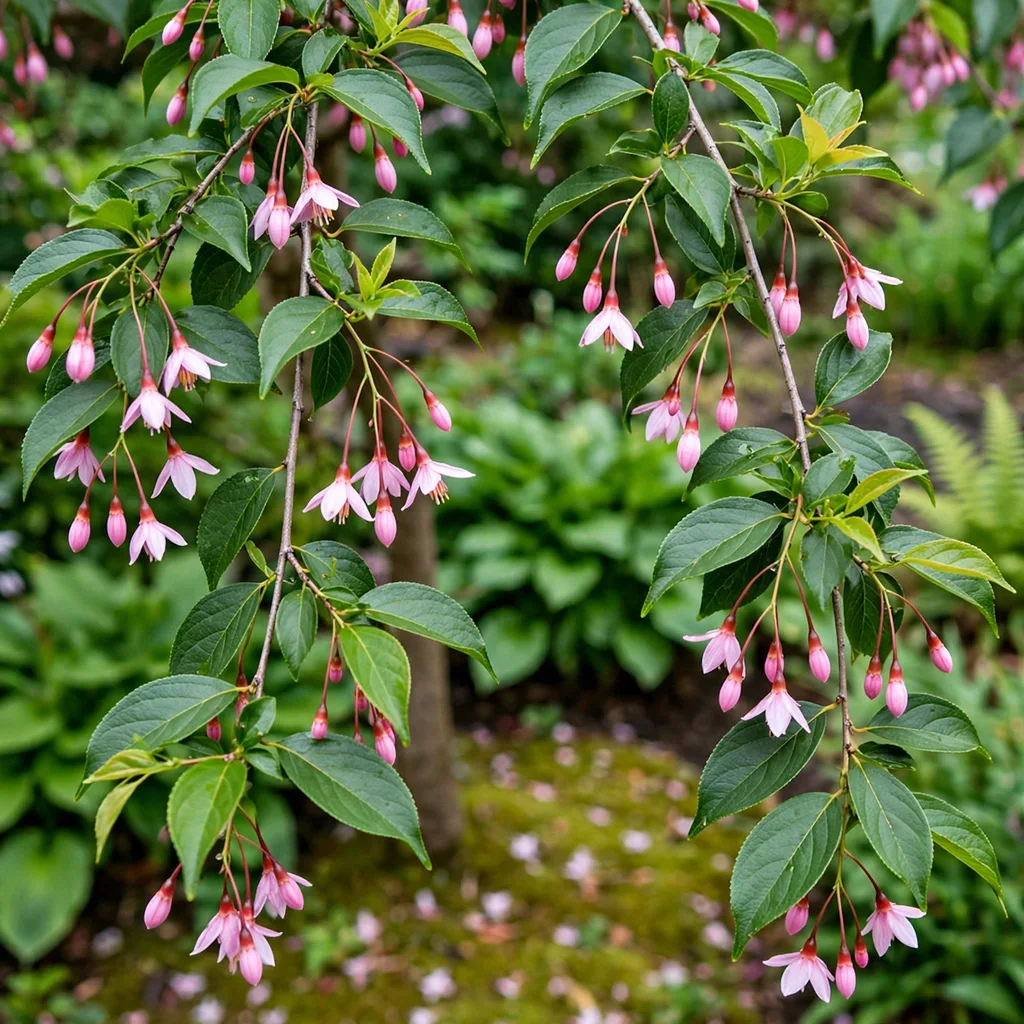
Marley's Pink Japanese Snowbell
Styrax japonicus 'Marley's Pink'
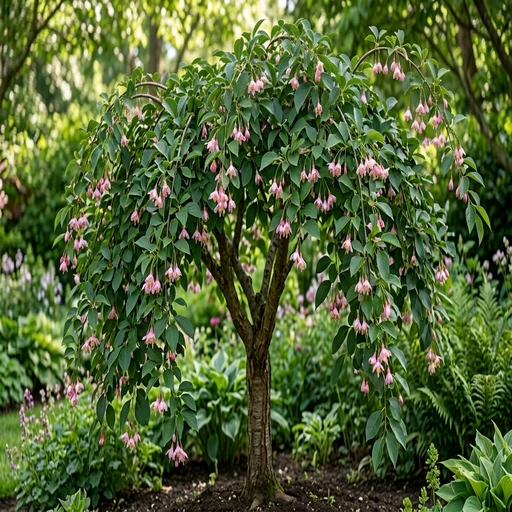
Marley's Pink Parasol Japanese Snowbell
Styrax japonicus 'Marley'S Pink Parasol'
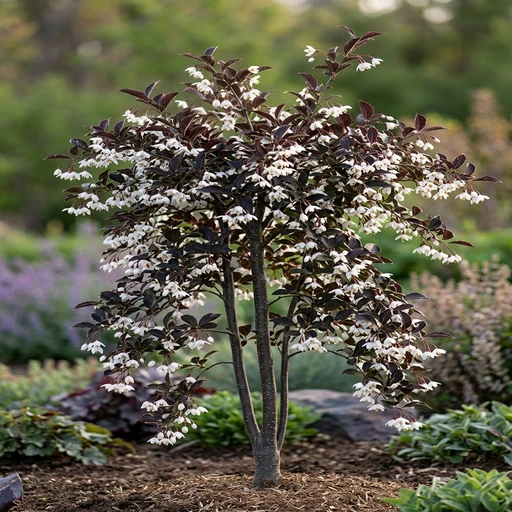
Evening Light Japanese Snowbell
Styrax japonicus 'Evening Light'
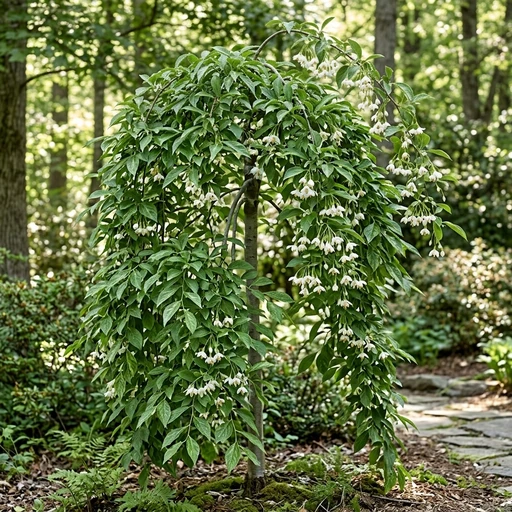
Fragrant Fountain Japanese Snowbell
Styrax japonicus 'Fragrant Fountain'
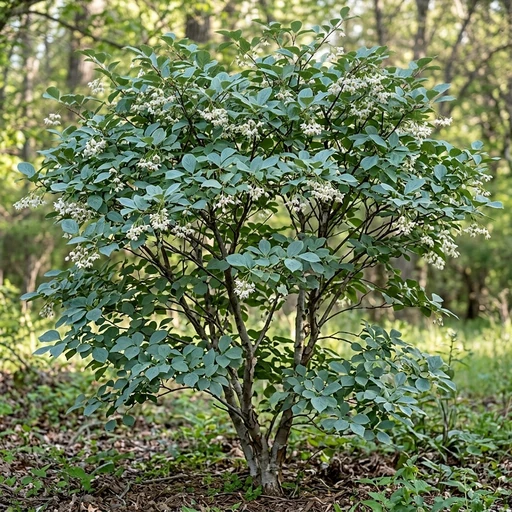
Snow Cone Japanese Snowbell
Styrax japonicus 'Snow Cone'
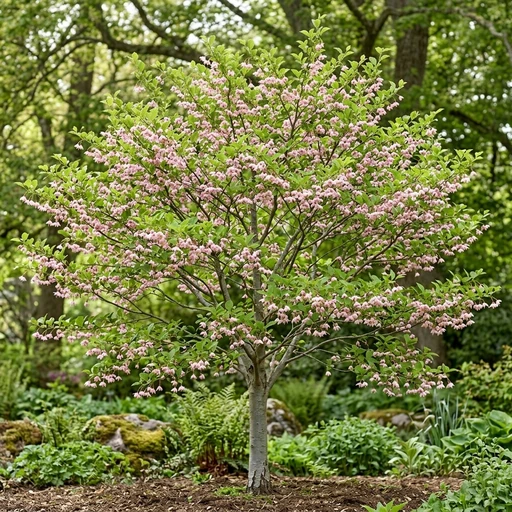
Pink Chimes Japanese Snowbell
Styrax japonicus 'Pink Chimes'
Keep exploring
Explore the genus
Hardy in your zone?
Grow Bigleaf Snowbell with confidence
See it in a design of your actual yard, get zone-matched care reminders, and track it season by season in your garden journal.