The Story
Plant Bio
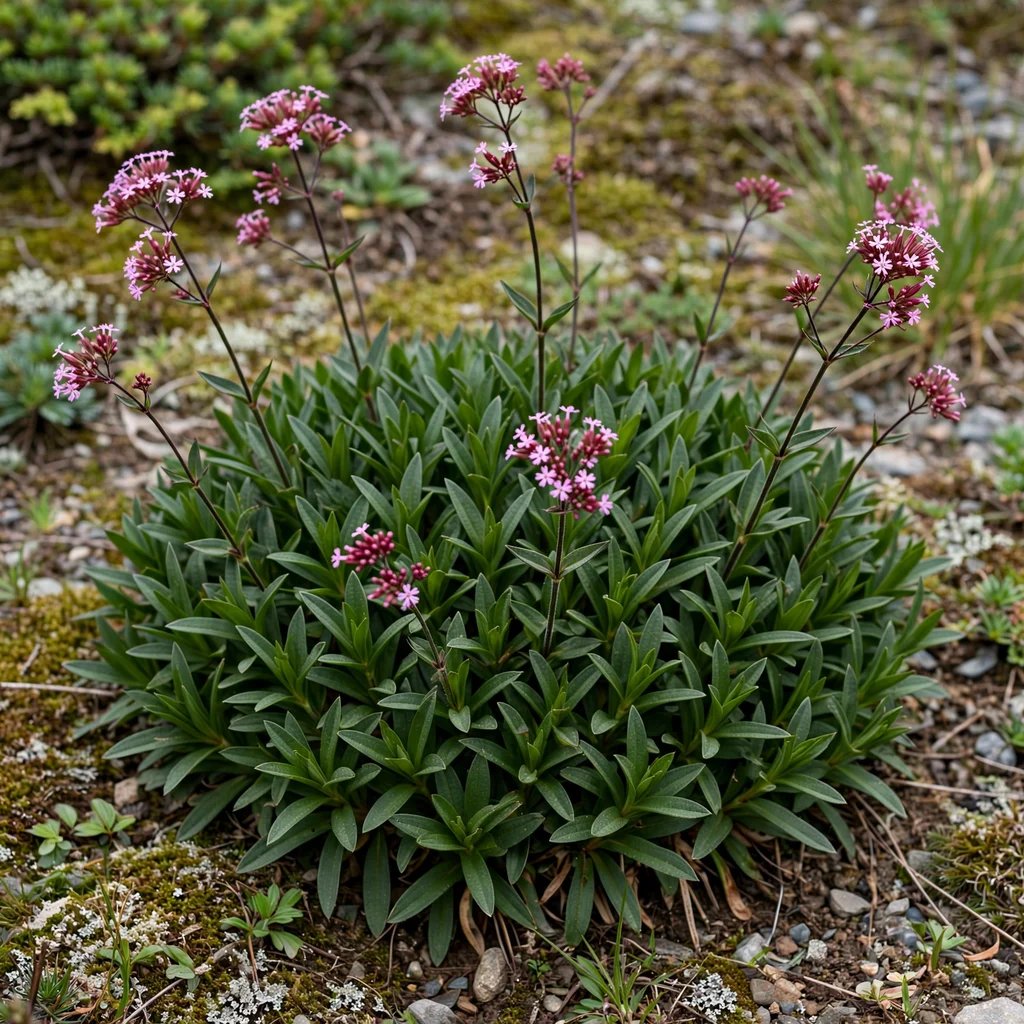
Lychnis alpina is a dwarf tufted perennial that forms a compact clump to about six inches high, with mostly basal oblong to lance-shaped dark green leaves. Its purple-pink to crimson flowers have five deeply cleft petals and are packed into dense rounded clusters at the stem tips in late spring to early summer.
This is the four-inch rockery catchfly, not the taller Lychnis viscaria it is often confused with under the names Viscaria alpina and Silene suecica. It is short-lived but self-sows where drainage is sharp, and it fails in wet winter soil or over lime.
Uses & Benefits:
Essentials
At a Glance
Plant Type
Perennial
Height
6"
Width
6"
Light
Full Sun, Partial Sun
Zones
4, 5, 6, 7, 8
Water
Low to moderate
Humidity
Low to moderate
Lifespan
Short-lived perennial
Native To
N. Europe, Iceland, Greenland, E. Canada
Toxicity
Unknown - no toxicity records
Bloom period
Late spring – Early summer
In flower about 2 months of the year
Planting
How to Grow
- Plant in spring after hard frost in full sun to light shade.
- Dig in coarse grit and set the crown level or slightly high for drainage.
- Water in once, then water sparingly; let the top inch dry between waterings.
- Deadhead after the June flush to extend bloom and control self-seeding.
- Top-dress with gravel in fall to keep the crown dry over winter.
Pro Tip
Set the crown slightly high in gritty, lean soil in full sun and keep winter water away from it; cold does not kill it, standing wet does.
Keep It Thriving
Care Guide
Do
- Grow in lean, well-drained rocky soil in a sunny rock garden or trough
- Deadhead after flowering to encourage rebloom
- Allow some seedlings to replace short-lived parent plants
Don't
- Do not plant in heavy clay or wet low ground
- Do not enrich with rich compost or overfertilize
- Do not lime the soil; it dislikes calcareous conditions
Seasonal Care Calendar
| Task | Jan | Feb | Mar | Apr | May | Jun | Jul | Aug | Sep | Oct | Nov | Dec |
|---|---|---|---|---|---|---|---|---|---|---|---|---|
| Deadhead | ||||||||||||
| Pest Check | ||||||||||||
| Plant | ||||||||||||
| Propagate | ||||||||||||
| Winter Prep |
Watch Out For
Pests & Diseases
Common Pests
Common Diseases
In the Garden
Landscape Uses & Companions
Landscape Uses
Multiply
Propagation Methods
Good to Know
Common Questions
Alpine Catchfly questions
What zones can Alpine Catchfly grow in?
Alpine Catchfly is hardy in USDA Zones 4–8: in that range it survives winter in the ground. Warmer than Zone 8, winter isn't the problem: it prefers colder winters, and summer heat can shorten its life.
When does Alpine Catchfly bloom?
Alpine Catchfly typically blooms from late spring to early summer. Exact timing shifts a week or two with your zone — Sow's bloom calendar maps it to your garden.
Does Alpine Catchfly need full sun?
Alpine Catchfly does best in full sun to part shade. In hot climates, afternoon shade keeps blooms fresher longer.
Is Alpine Catchfly drought tolerant?
Yes — once established (usually after the first full season), Alpine Catchfly handles dry spells with minimal watering. Water deeply its first year to build the root system that makes that possible.
More Lychnis to compare
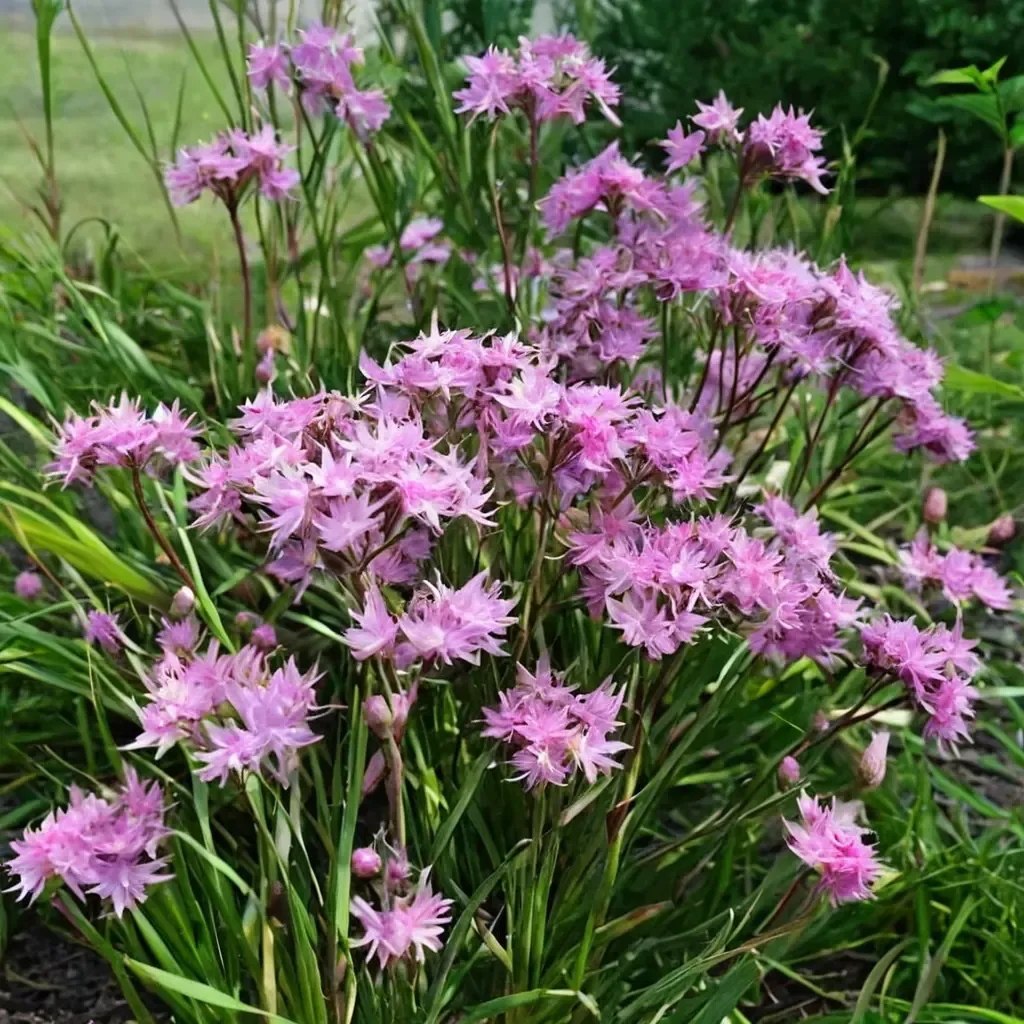
Petite Jenny Ragged Robin
Lychnis flos-cuculi 'Petite Jenny'
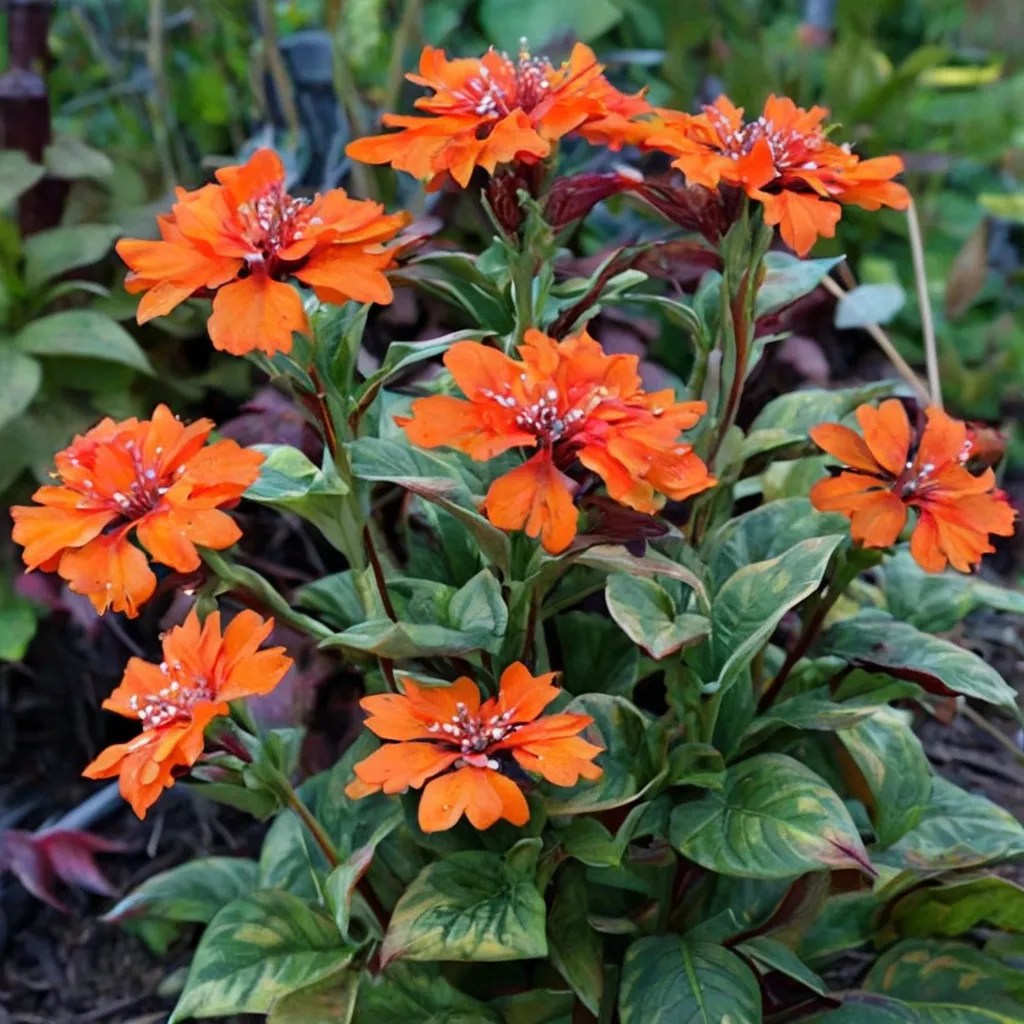
Lychnis x arkwrightii Orange Zwerg
Lychnis x arkwrightii 'Orange Zwerg'
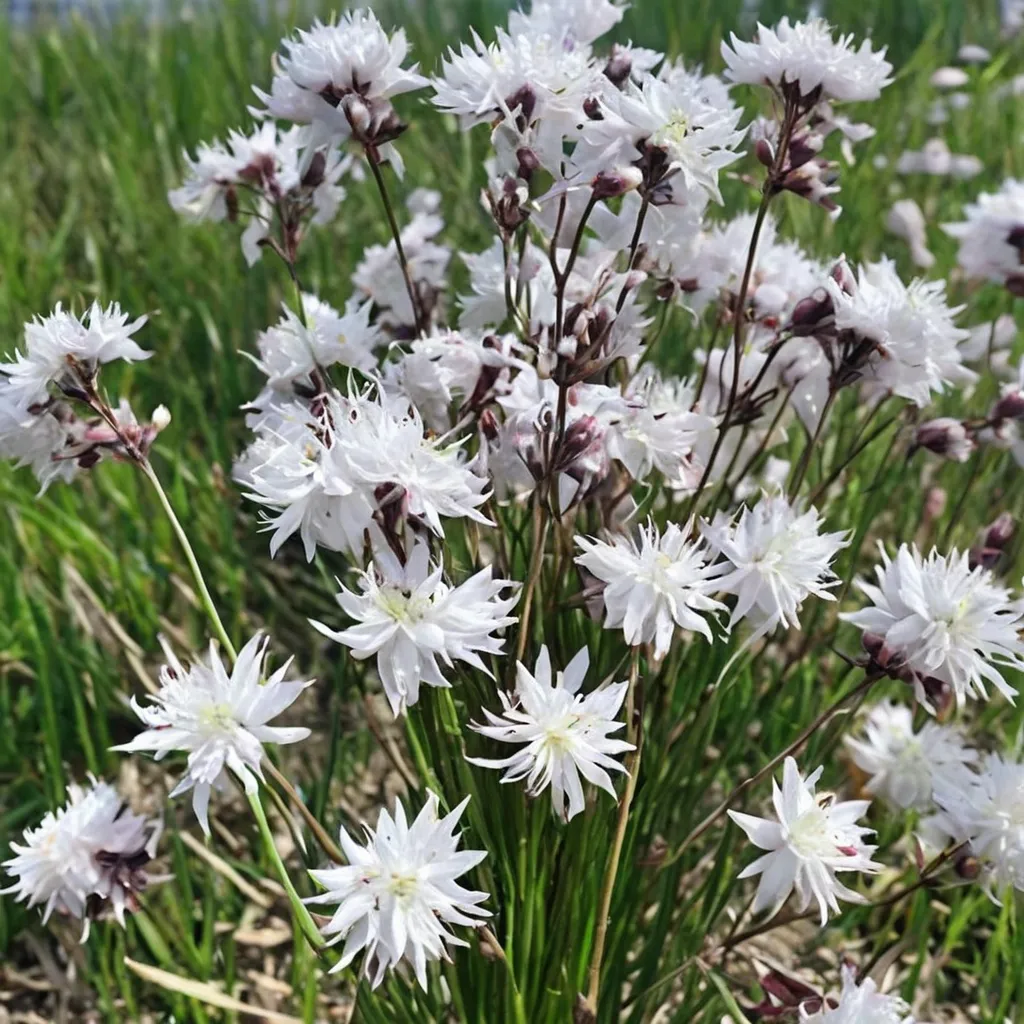
Cuckoo Flower
Lychnis flos-cuculi 'Petite Henri'
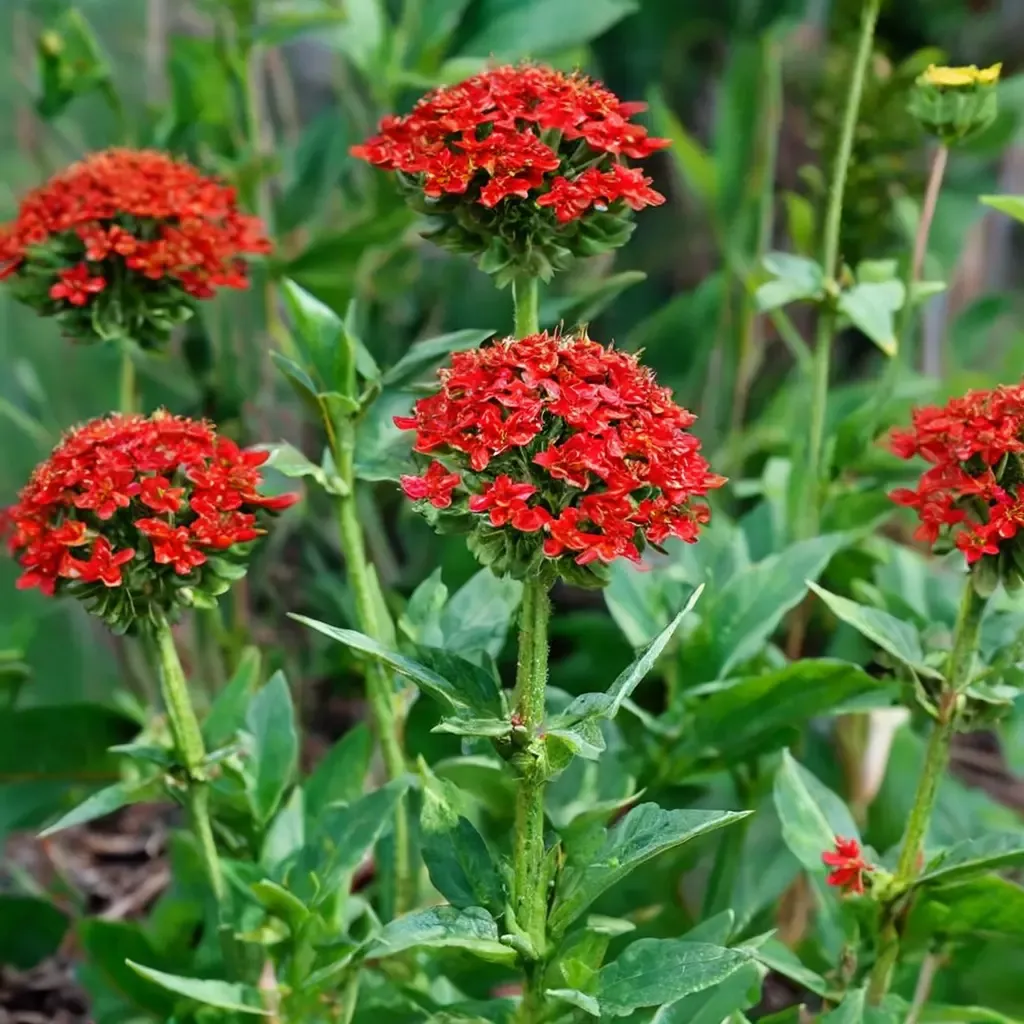
Maltese Cross
Lychnis chalcedonica
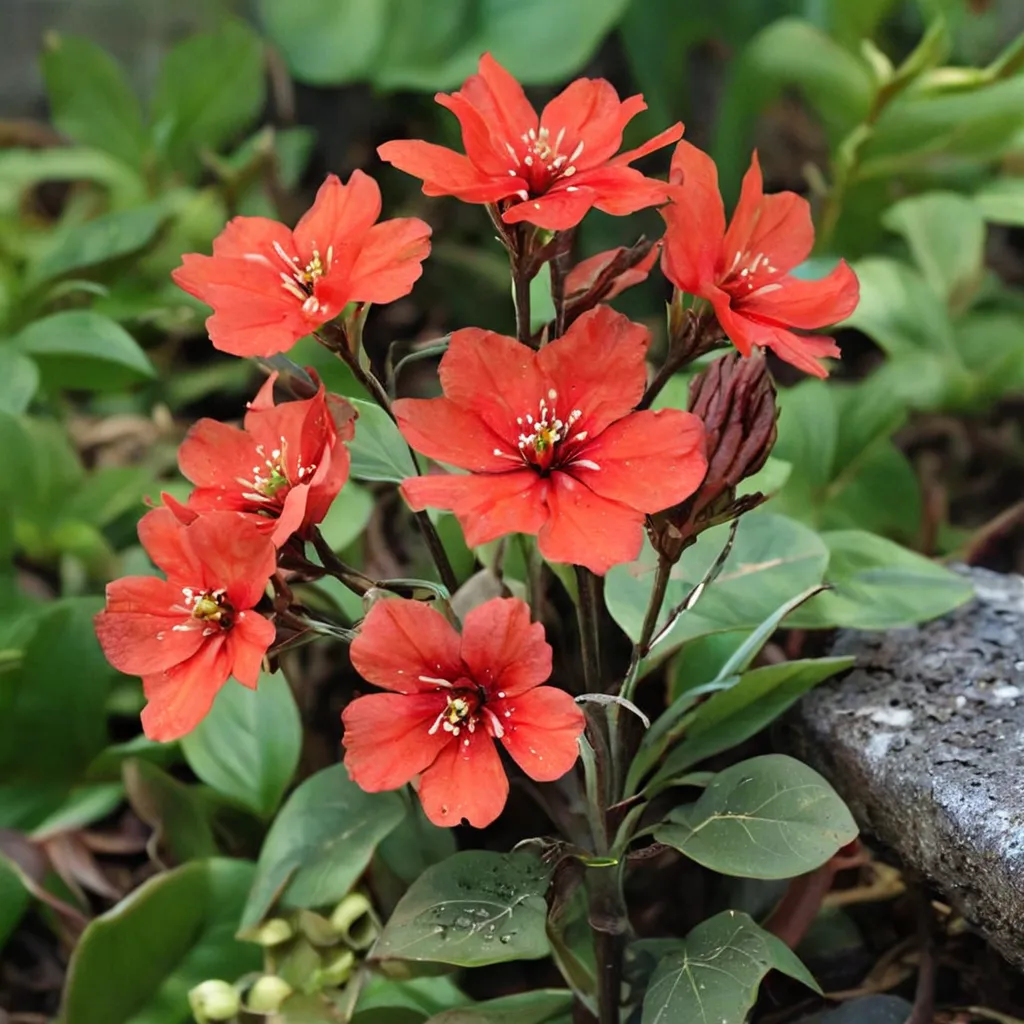
Siebold's Campion
Lychnis sieboldii
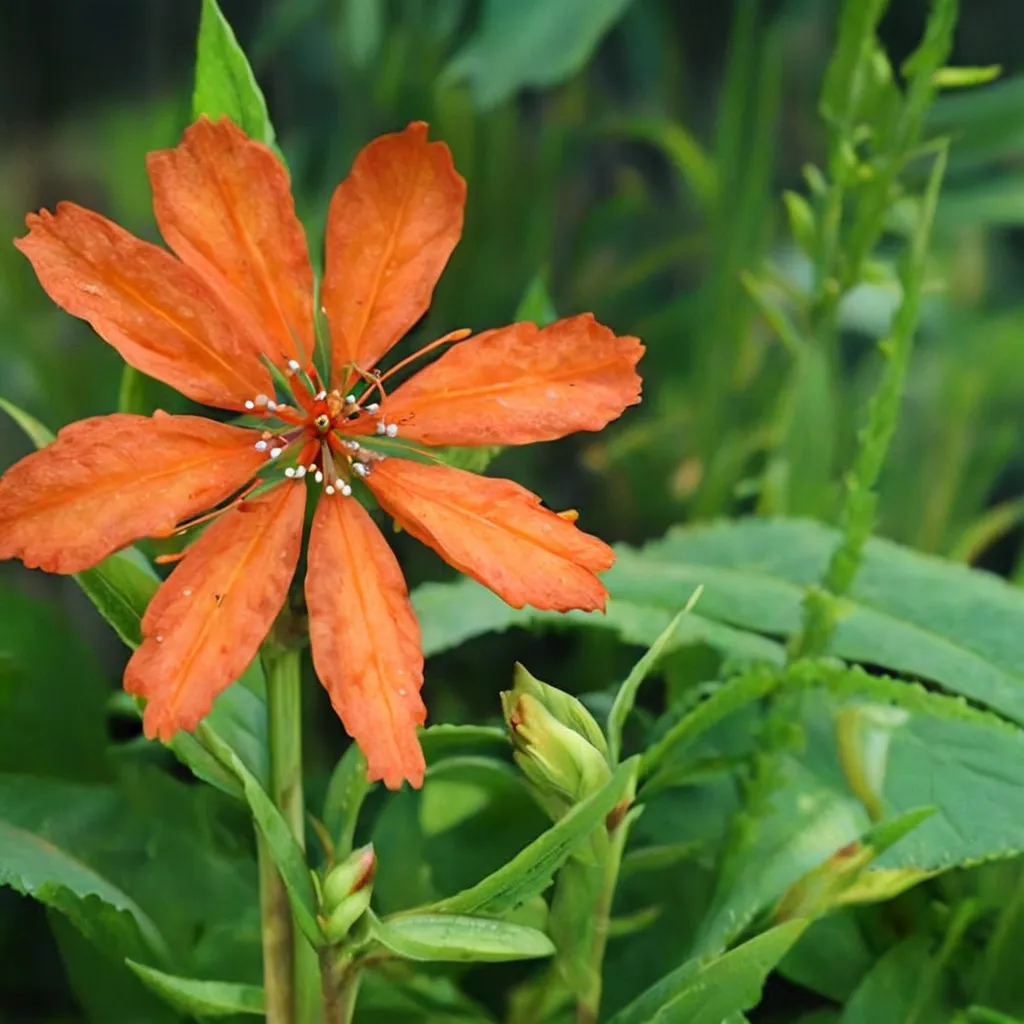
Sweet Orange Campion
Lychnis cognata 'Sweet Orange'
Keep exploring
Explore the genus
Hardy in your zone?
Grow Alpine Catchfly with confidence
See it in a design of your actual yard, get zone-matched care reminders, and track it season by season in your garden journal.