The Story
Plant Bio
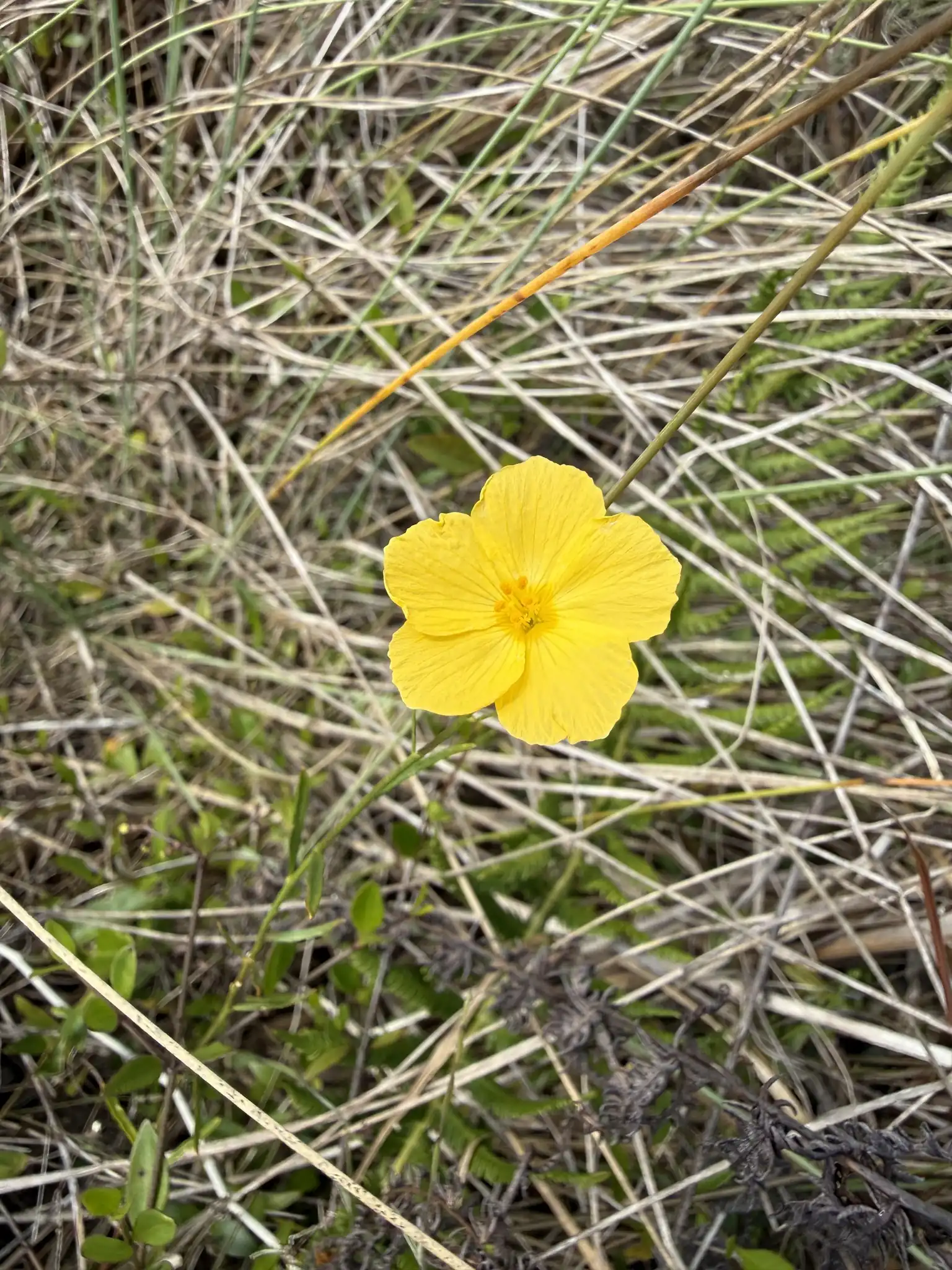
Piriqueta cistoides is a low perennial forb and subshrub from the Southeast, forming a mound of multiple stems from the base and suckering into small colonies. The alternate leaves are narrow, toothed and dark green with fine hairs that give a coppery cast, and mature plants stand 10 to 12 inches tall with stems ranging from prostrate to erect.
Plants grown in the Southeast are subsp. caroliniana, with bright yellow five-petaled flowers about 3/4 inch wide, five stamens and three frilly stigmas. Each flower matures into a three-parted capsule that splits open to fling striped pitted seeds tipped with an ant-dispersed food body.
Uses & Benefits:
Essentials
At a Glance
Plant Type
Perennial
Height
12"
Width
12"
Light
Full Sun, Partial Sun
Zones
7, 8, 9, 10
Water
Dry to medium
Humidity
Average
Lifespan
Perennial
Native To
Southeastern U.S.
Toxicity
Unknown
Bloom period
Spring – Fall
In flower about 9 months of the year
Planting
How to Grow
- Plant in spring after last frost in full sun and sharply drained sandy soil.
- Set crowns level with the soil surface and water in to settle sand around roots.
- Mulch lightly with pine straw to hold moisture without holding water against stems.
- Water during the first summer to establish, then water only during extended dry spells.
Pro Tip
Collect capsules just as they start to split and sow fresh, and plant in clusters to let suckers knit into a low colony.
Keep It Thriving
Care Guide
Do
- Plant in full sun with sandy, well-drained soil.
- Group plants to form a low front-edge colony.
- Leave capsules to split if you want ants to disperse seed.
Don't
- Do not plant in waterlogged or heavily irrigated beds.
- Do not cut back into old leafless bases expecting dense regrowth.
- Do not expect hummingbird visits; flowers serve bees and butterflies.
Seasonal Care Calendar
| Task | Jan | Feb | Mar | Apr | May | Jun | Jul | Aug | Sep | Oct | Nov | Dec |
|---|---|---|---|---|---|---|---|---|---|---|---|---|
| Pest Check | ||||||||||||
| Plant | ||||||||||||
| Propagate | ||||||||||||
| Spring Cleanup |
Watch Out For
Pests & Diseases
Common Pests
Common Diseases
In the Garden
Landscape Uses & Companions
Landscape Uses
Multiply
Propagation Methods
Good to Know
Common Questions
Pitted Stripeseed questions
What zones can Pitted Stripeseed grow in?
Pitted Stripeseed is hardy in USDA Zones 7–10: in that range it survives winter in the ground. Colder than Zone 7, grow it in a container you can move to shelter for the winter, or as an annual.
When does Pitted Stripeseed bloom?
Pitted Stripeseed typically blooms from spring to fall. Exact timing shifts a week or two with your zone — Sow's bloom calendar maps it to your garden.
Does Pitted Stripeseed need full sun?
Pitted Stripeseed does best in full sun to part shade. In hot climates, afternoon shade keeps blooms fresher longer.
Keep exploring
Explore the genus
Hardy in your zone?
Grow Pitted Stripeseed with confidence
See it in a design of your actual yard, get zone-matched care reminders, and track it season by season in your garden journal.