1 named cultivar

The Story
Plant Bio
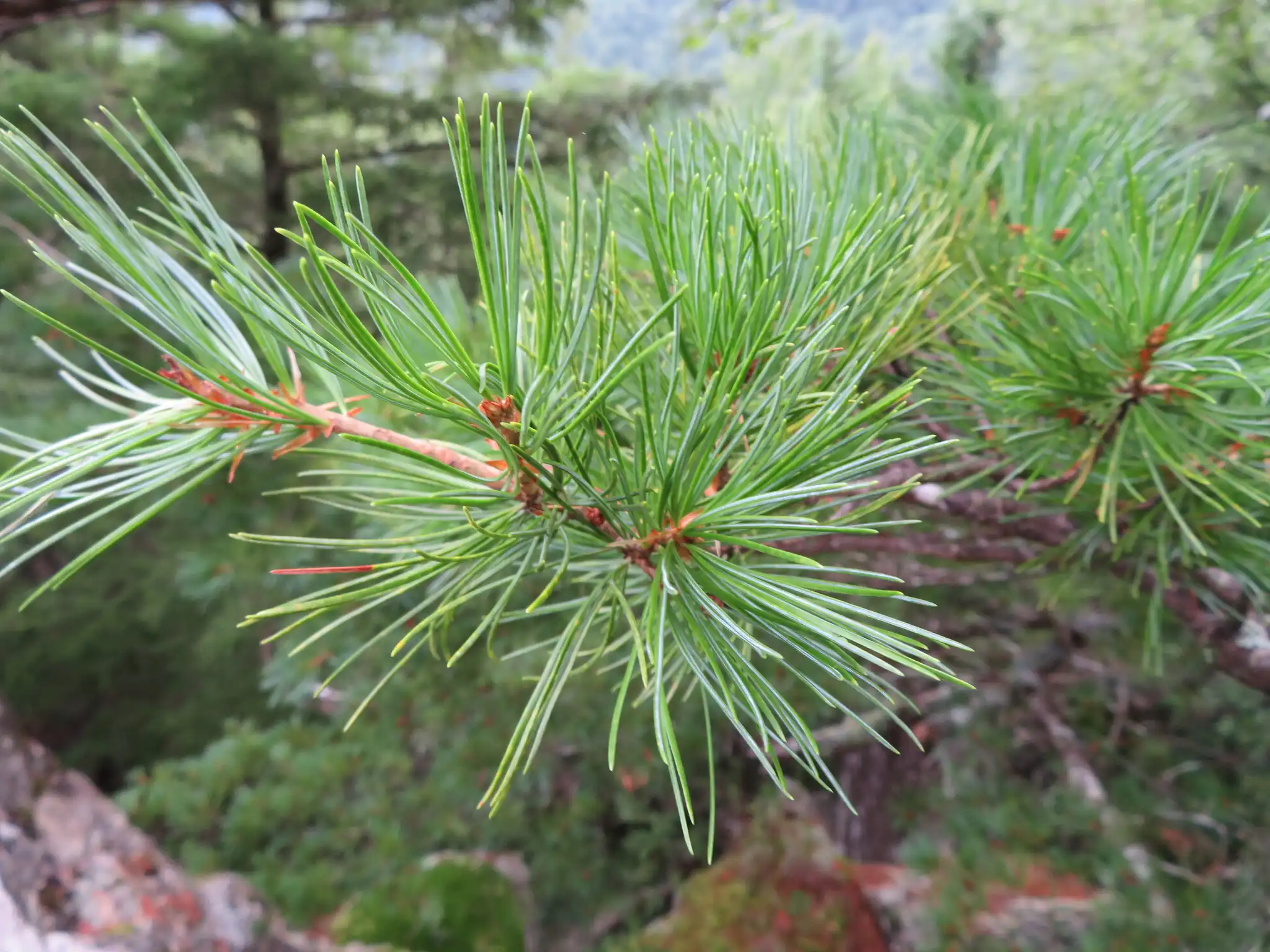
Pinus parviflora, Japanese white pine, is a slow-growing needled evergreen from Japan and Korea, reaching twenty to fifty feet with an irregular, often wide-spreading crown. Slightly twisted needles in bundles of five carry white stripes on their inner faces, giving the whole tree a blue-green cast, and smooth grey bark darkens and scales with age.
It is grown as much for its irregular layered form as for the foliage, and that habit plus its slow growth make it one of the classic bonsai and Japanese-garden pines. Most plants sold are grafted cultivars rather than seedlings, so the eventual size depends entirely on which one you buy — some stay under ten feet, others reach fifty.
Uses & Benefits:
Essentials
At a Glance
Plant Type
Tree
Height
480"
Width
420"
Light
Full Sun
Zones
4, 5, 6, 7
Water
Low to moderate
Humidity
Moderate
Lifespan
Perennial
Native To
Japan and Korea
Toxicity
Non-toxic
Marketplace
Where to Buy
Shipping costs Year-round shipping Free shipping
Planting
How to Grow
- Plant in full sun in freely drained soil.
- Check the cultivar's mature size before siting it.
- Avoid wet ground; it will not tolerate it.
- Water through the first few summers only.
- Pinch the spring candles to shape it.
- Leave the lower branches; the layered form is the point.
Pro Tip
Almost every plant sold is a grafted cultivar, so the label decides whether you get a ten-foot shrub or a fifty-foot tree.
Keep It Thriving
Care Guide
Do
- Give it full sun and sharp drainage ☀️
- Check the cultivar's mature size 🏷️
- Pinch candles in spring to shape ✂️
- Leave the low branches on 🌲
Don't
- Plant it in wet or heavy soil ❌
- Shear it like a hedge ❌
- Assume the label size is the species size ❌
Seasonal Care Calendar
| Task | Jan | Feb | Mar | Apr | May | Jun | Jul | Aug | Sep | Oct | Nov | Dec |
|---|---|---|---|---|---|---|---|---|---|---|---|---|
| Inspect | ||||||||||||
| Prune |
Watch Out For
Pests & Diseases
Common Pests
Common Diseases
In the Garden
Landscape Uses & Companions
Landscape Uses
Companion Plants
Multiply
Propagation Methods
Good to Know
Common Questions
Japanese White Pine questions
What zones can Japanese White Pine grow in?
Japanese White Pine is hardy in USDA Zones 4–7. Inside that range it survives winter in the ground; outside it, grow it as an annual or a container plant you protect.
Is Japanese White Pine deer resistant?
Yes — Japanese White Pine is rated deer-resistant. Deer typically pass it over, though extreme hunger can override any plant's defenses.
When does Japanese White Pine bloom?
Japanese White Pine typically blooms in mid spring through mid-spring. Exact timing shifts a week or two with your zone — Sow's bloom calendar maps it to your garden.
Does Japanese White Pine need full sun?
Japanese White Pine does best in full sun (6+ hours).
Is Japanese White Pine drought tolerant?
Yes — once established (usually after the first full season), Japanese White Pine handles dry spells with minimal watering. Water deeply its first year to build the root system that makes that possible.
More Pinus to compare
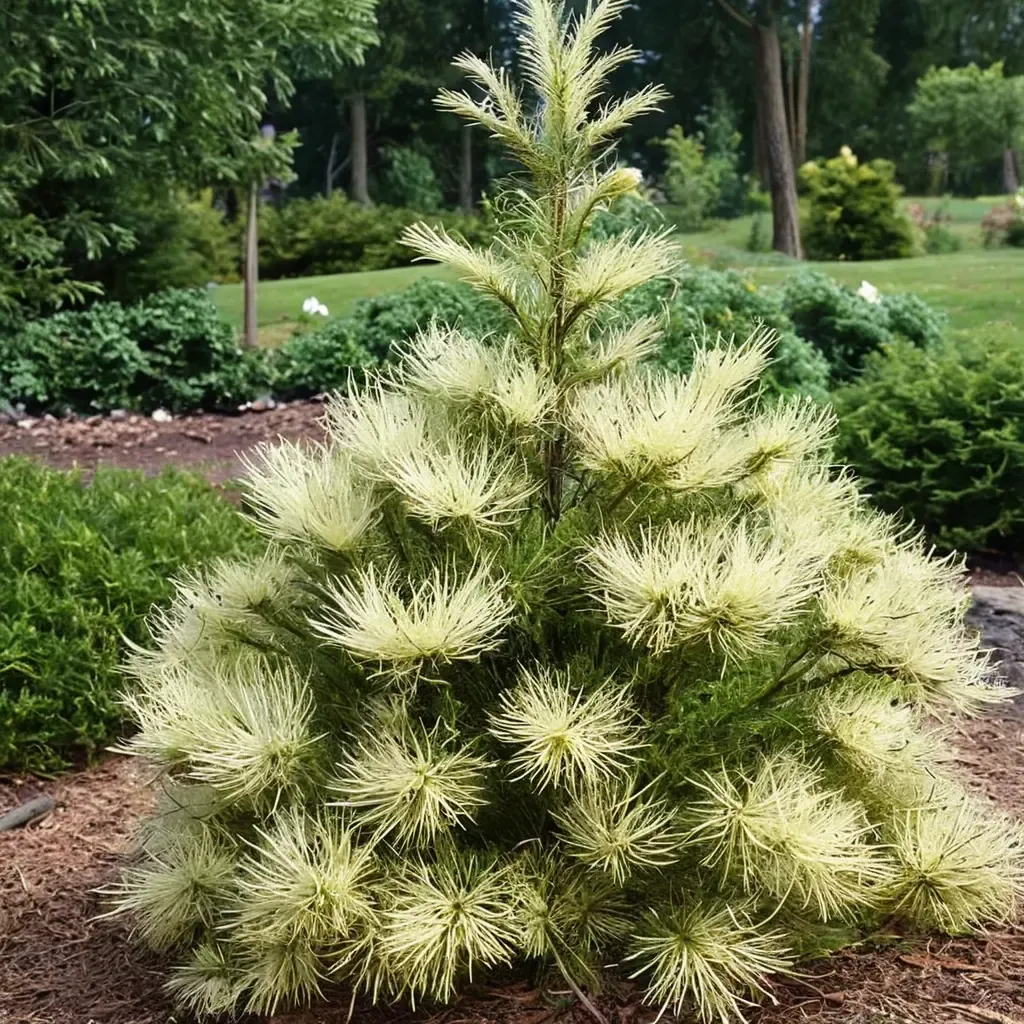
Golden Ghost Pine
Pinus densiflora 'Golden Ghost'
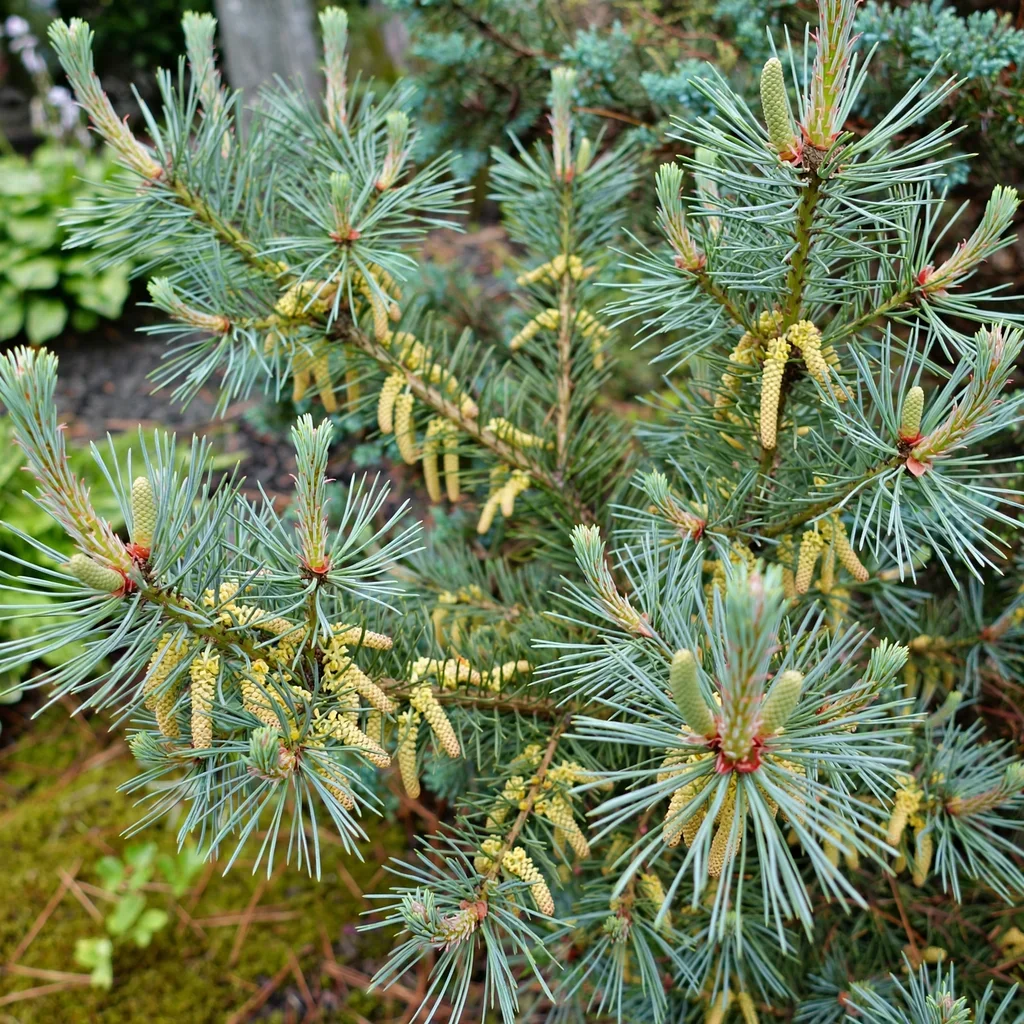
Eastern White Pine
Pinus strobus
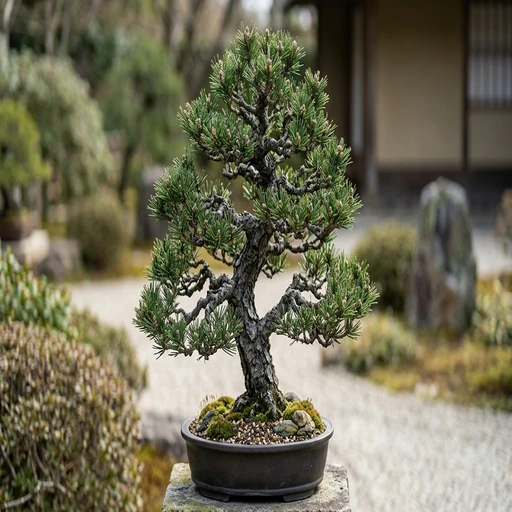
Thunderhead Japanese Black Pine
Pinus thunbergii 'Thunderhead'
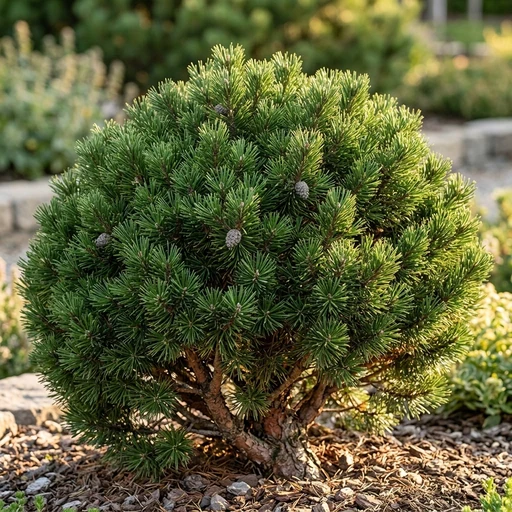
Slowmound Mugo Pine
Pinus mugo 'Slowmound'
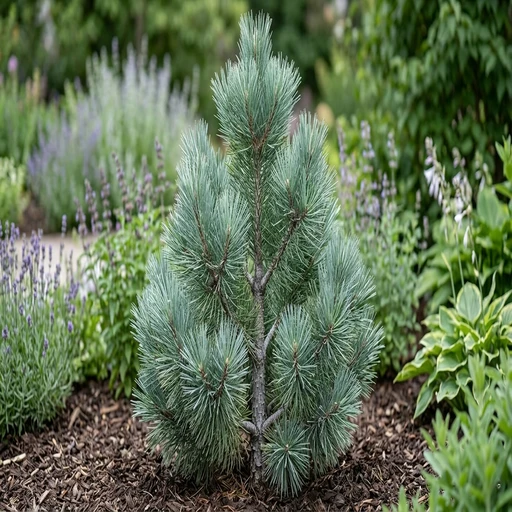
Vanderwolf's Pyramid Limber Pine
Pinus flexilis 'Vanderwolf'
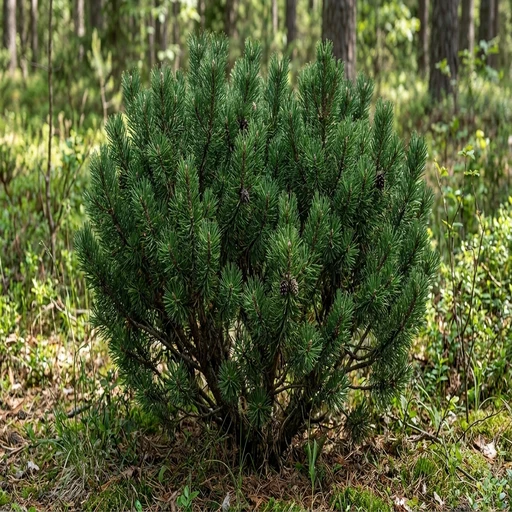
Mugo Pine
Pinus mugo
Keep exploring
Explore the genus
Hardy in your zone?
Grow Japanese White Pine with confidence
See it in a design of your actual yard, get zone-matched care reminders, and track it season by season in your garden journal.