The Story
Plant Bio
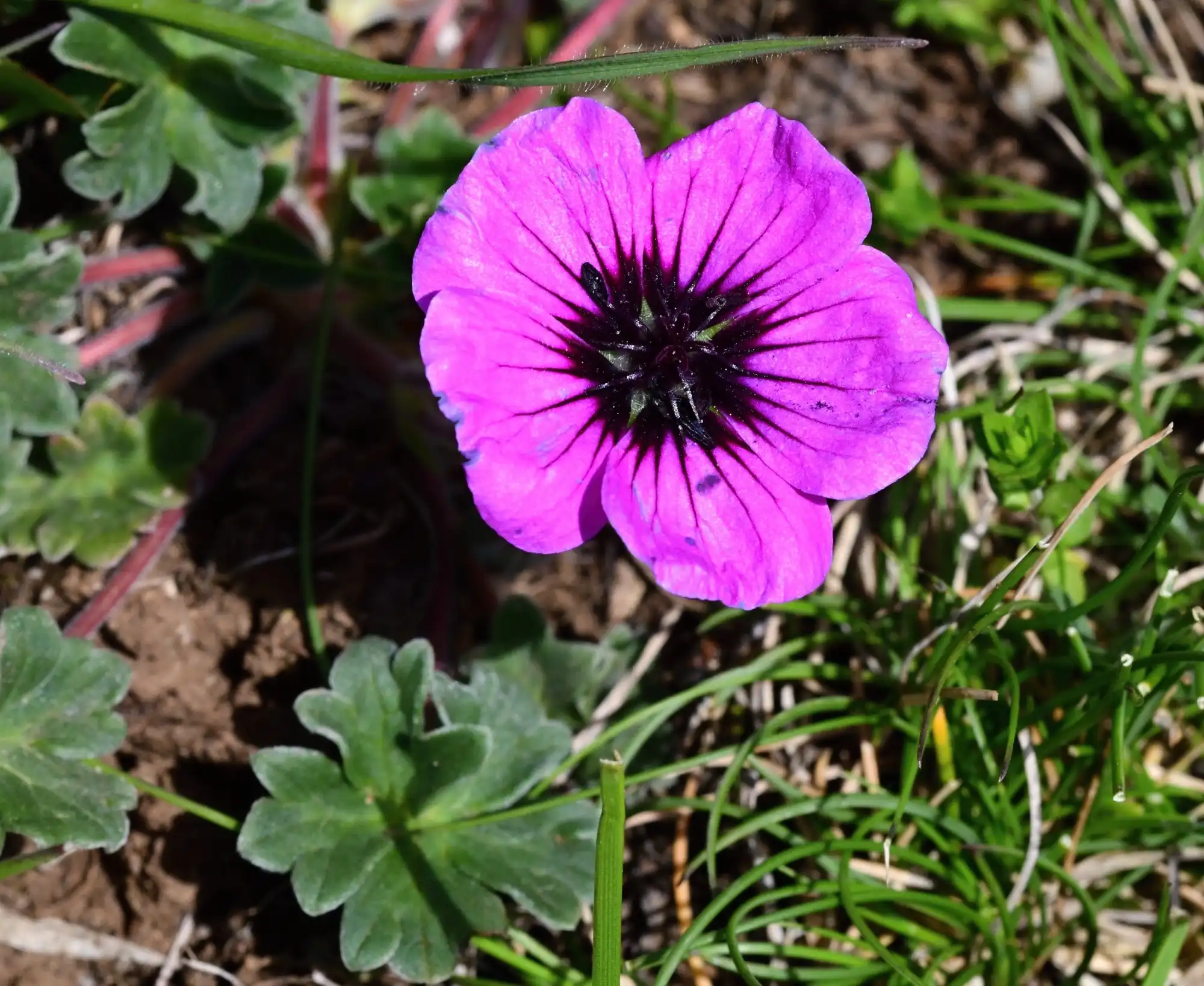
Geranium subcaulescens is a stemless herbaceous perennial that forms a low, mounded rosette to about 8 inches tall and 12 inches wide. The leaves are rounded and dark gray-green, divided into five to seven wedge-shaped lobes held close to the ground.
It bears solitary 1-inch flowers of deep magenta with a near-black center held just above the foliage in spring. Unlike taller border cranesbills, it stays compact and demands sharp drainage and cool summers, failing where heat and humidity persist.
Uses & Benefits:
Essentials
At a Glance
Plant Type
Perennial
Height
8"
Width
12"
Light
Full Sun, Partial Sun
Zones
5, 6, 7
Water
Dry-medium
Humidity
Low; needs cool summers
Lifespan
Perennial
Native To
Balkan Peninsula, SE Europe
Toxicity
Unknown
Bloom period
Spring – Early summer
In flower about 4 months of the year
Planting
How to Grow
- Set plants in full sun to part shade in average, well-drained soil amended with grit or coarse sand.
- Plant at crown level about 12 inches apart, firming soil and watering once to settle roots.
- Water sparingly through the first summer, then only during extended dry spells; established clumps tolerate drought.
- Shear spent flowers after the spring flush to tidy rosettes and encourage sparse fall rebloom.
- Top-dress with gravel rather than rich mulch to keep crowns dry over winter.
Pro Tip
Plant high in gritty, fast-draining soil in full sun to part shade and withhold summer water once established; heat plus wet crowns kills it faster than cold.
Keep It Thriving
Care Guide
Do
- Provide sharp drainage and air circulation.
- Shear after bloom to keep rosettes tight.
- Water deeply but infrequently in dry spells.
Don't
- Do not plant in wet clay or low spots.
- Do not overwater or overfeed in summer heat.
- Do not divide often; leave clumps undisturbed.
Seasonal Care Calendar
| Task | Jan | Feb | Mar | Apr | May | Jun | Jul | Aug | Sep | Oct | Nov | Dec |
|---|---|---|---|---|---|---|---|---|---|---|---|---|
| Deadhead | ||||||||||||
| Pest Check | ||||||||||||
| Plant | ||||||||||||
| Propagate | ||||||||||||
| Winter Prep |
Watch Out For
Pests & Diseases
Common Pests
Common Diseases
In the Garden
Landscape Uses & Companions
Landscape Uses
Multiply
Propagation Methods
Good to Know
Common Questions
Gray Cranesbill questions
What zones can Gray Cranesbill grow in?
Gray Cranesbill is hardy in USDA Zones 5–7: in that range it survives winter in the ground. Colder than Zone 5, grow it in a container you can move to shelter for the winter, or as an annual. Warmer than Zone 7, winter isn't the problem: it prefers colder winters, and summer heat can shorten its life.
Is Gray Cranesbill deer resistant?
Yes — Gray Cranesbill is rated deer-resistant. Deer typically pass it over, though extreme hunger can override any plant's defenses.
When does Gray Cranesbill bloom?
Gray Cranesbill typically blooms from early spring to early summer. Exact timing shifts a week or two with your zone — Sow's bloom calendar maps it to your garden.
Does Gray Cranesbill need full sun?
Gray Cranesbill does best in full sun to part shade. In hot climates, afternoon shade keeps blooms fresher longer.
Is Gray Cranesbill drought tolerant?
Yes — once established (usually after the first full season), Gray Cranesbill handles dry spells with minimal watering. Water deeply its first year to build the root system that makes that possible.
More Geranium to compare
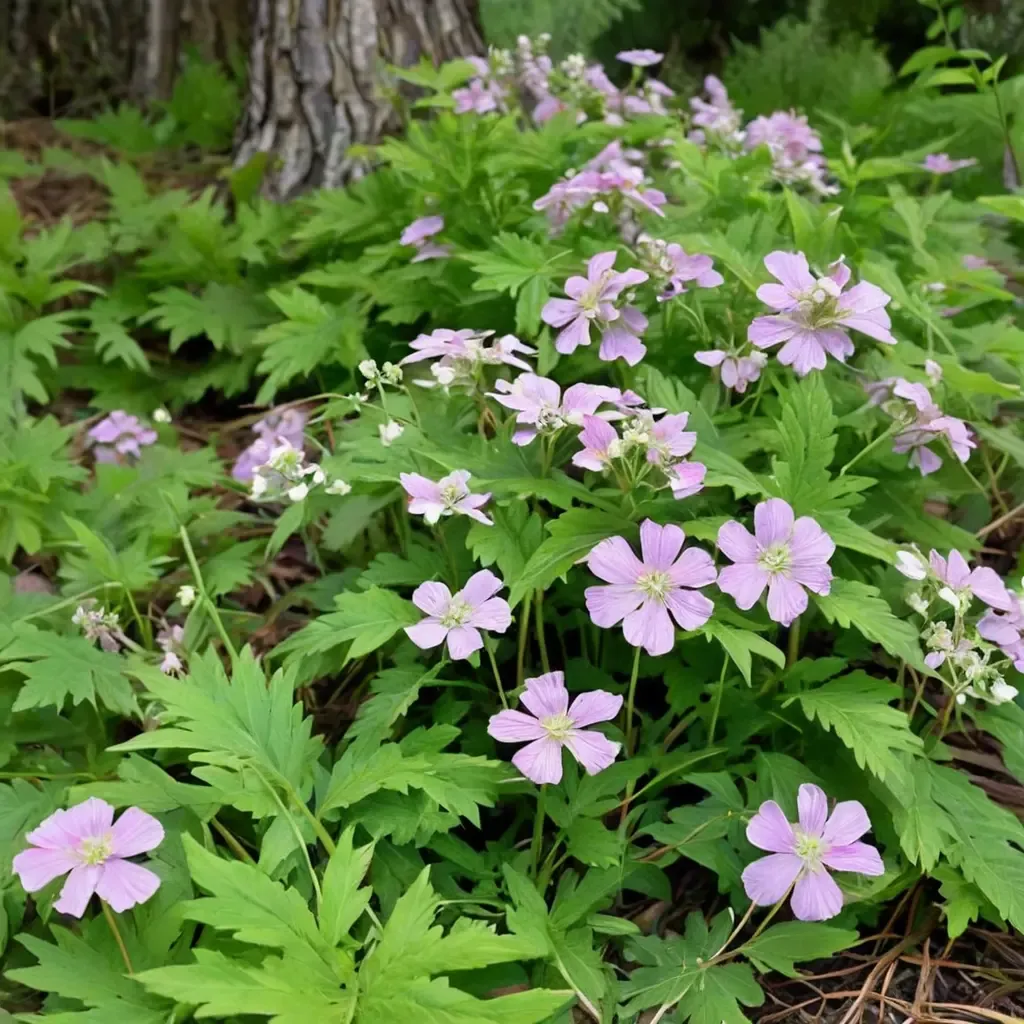
Wild Geranium
Geranium maculatum
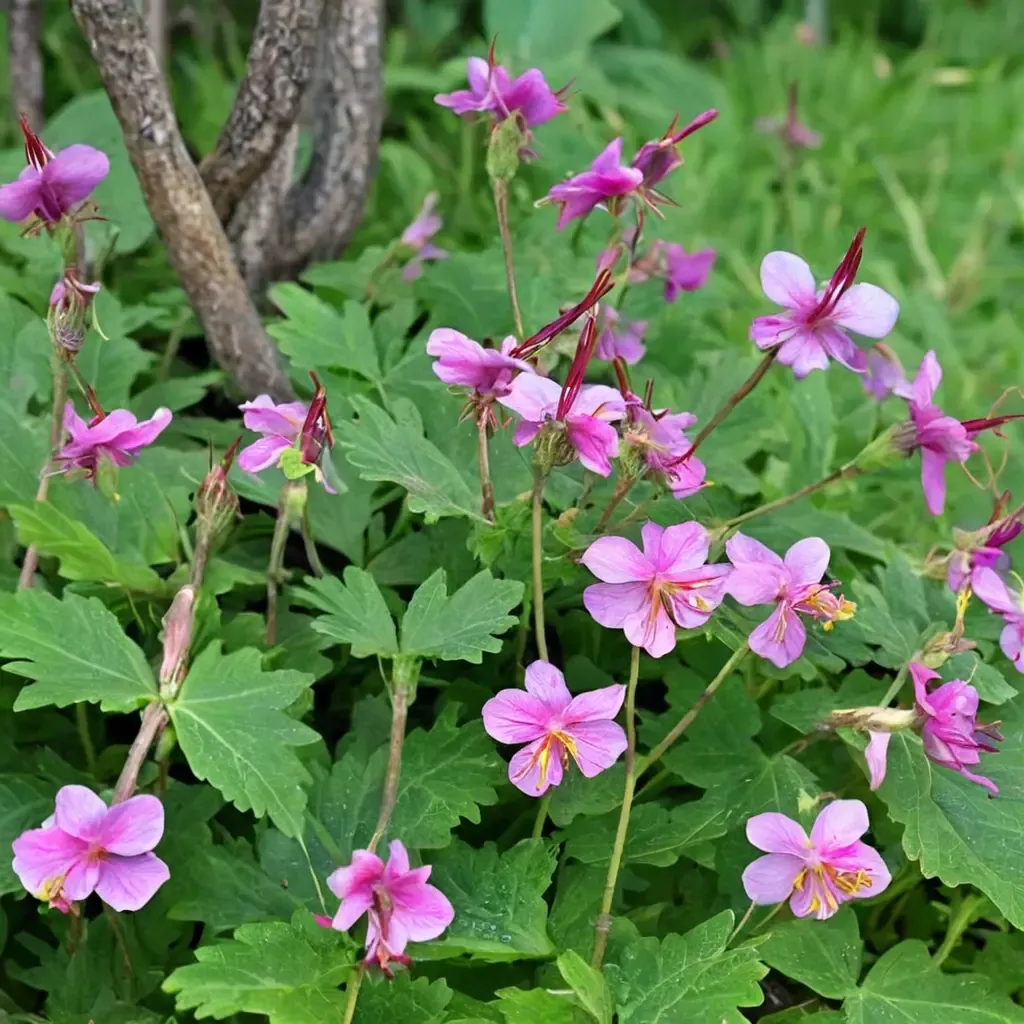
Bigroot Geranium
Geranium macrorrhizum
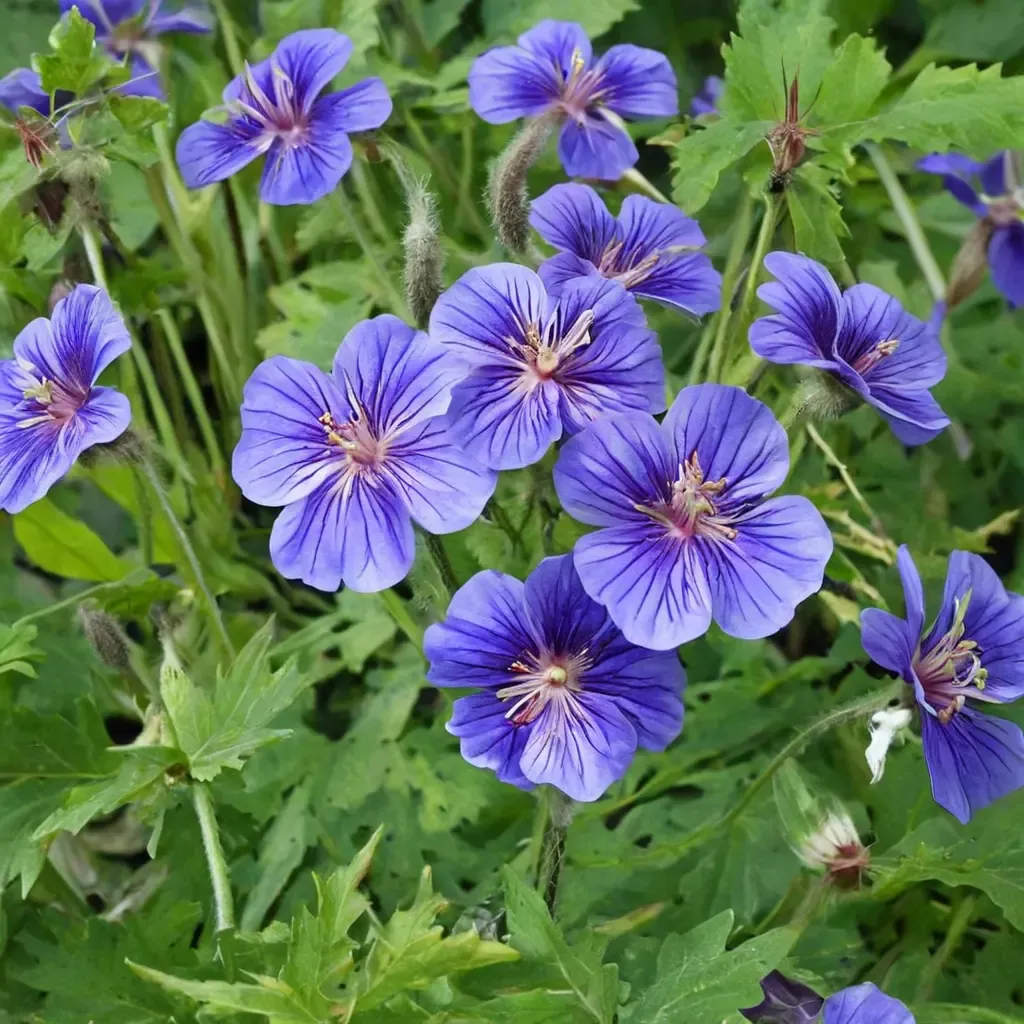
Cranesbill 'Rozanne'
Geranium x magnificum 'Rozanne'
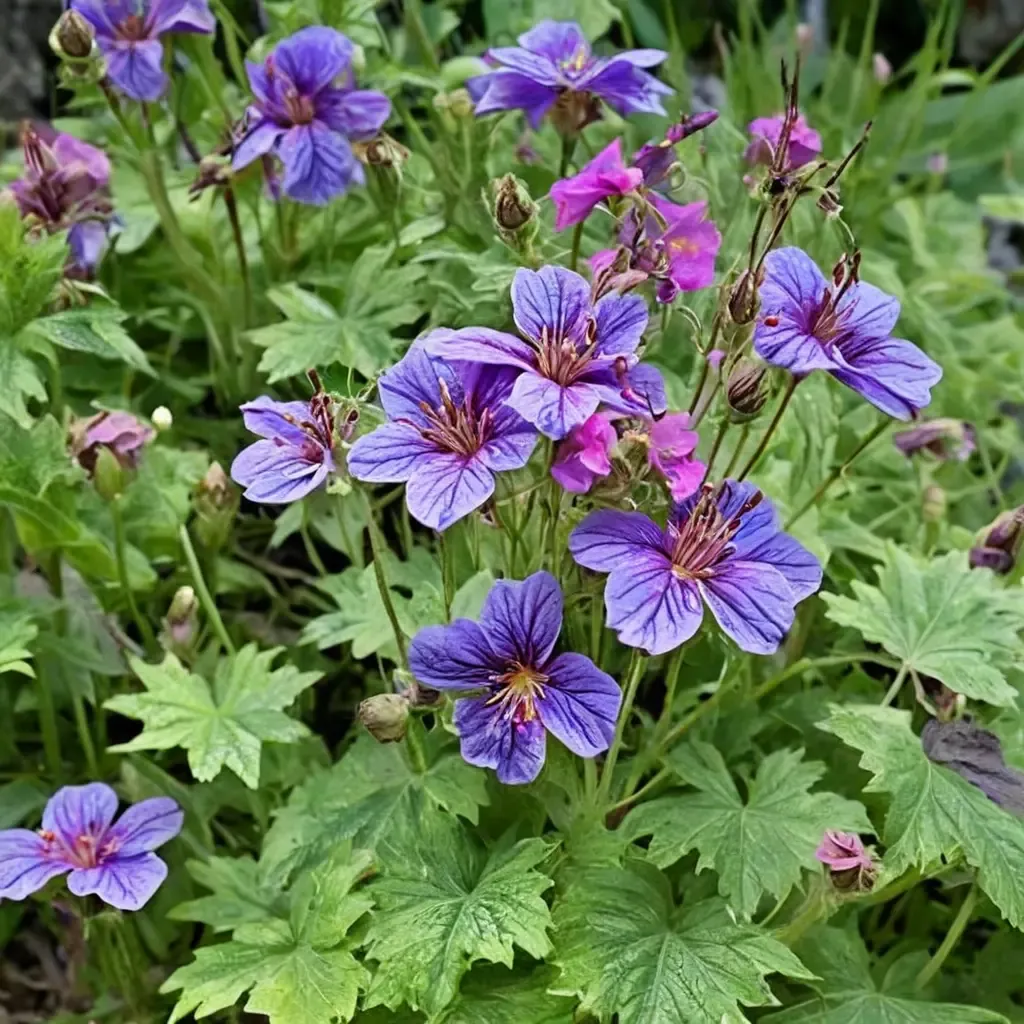
Showy Cranesbill
Geranium x magnificum 'Bevan's Variety'
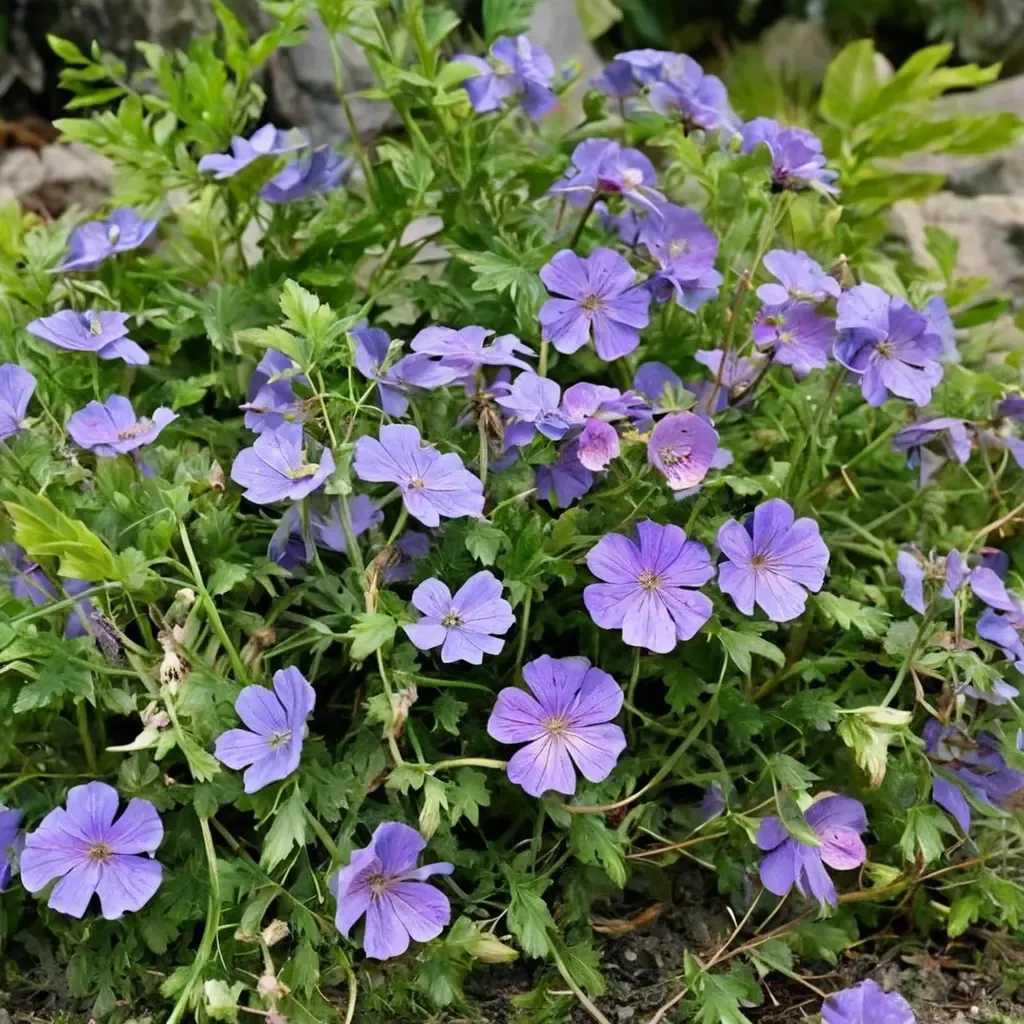
Azure Rush Geranium
Geranium incanum 'Azure Rush'
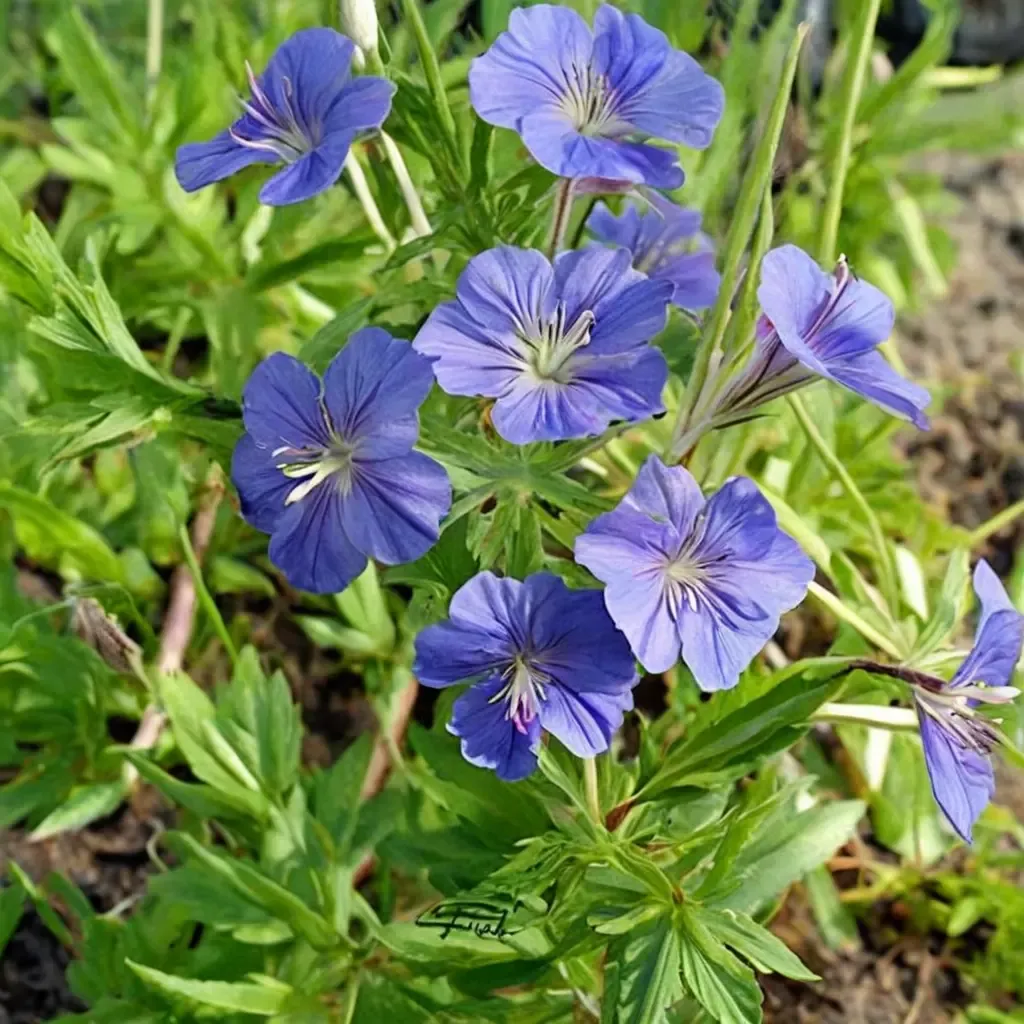
Cranesbill 'Orion'
Geranium maculatum 'Orion'
Keep exploring
Hardy in your zone?
Grow Gray Cranesbill with confidence
See it in a design of your actual yard, get zone-matched care reminders, and track it season by season in your garden journal.