The Story
Plant Bio
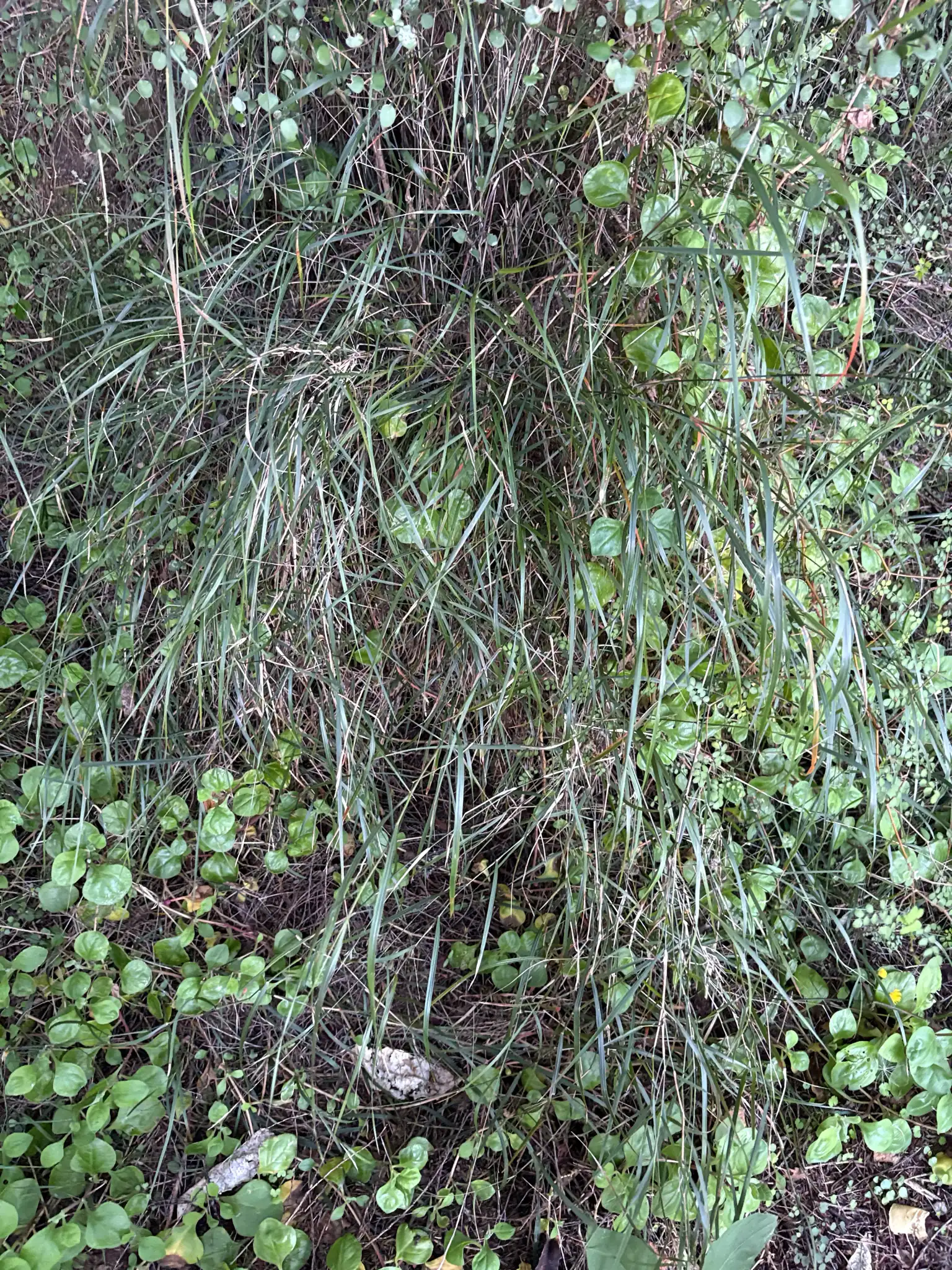
Anemanthele lessoniana is a dense, arching tussock grass from New Zealand that forms an evergreen to semi-evergreen mound two to three feet tall and four feet wide. The fine narrow leaves emerge green and ripen to golden orange, bronze and red in sun and cool weather, topped in summer by open feathery panicles of cream-tan spikelets tinged pink.
It is a monotypic genus distinguished by foliage color that deepens in full sun and cool months and stays greener in partial shade. Established clumps tolerate drought, wind and some salt, and the slender seed heads sway in wind and hold interest into fall.
Uses & Benefits:
Essentials
At a Glance
Plant Type
Grass
Height
36"
Width
48"
Light
Full Sun, Partial Sun
Zones
8, 9, 10
Water
Low to moderate
Humidity
Tolerant
Lifespan
Perennial
Native To
New Zealand
Toxicity
Unknown
Bloom period
Summer – Fall
In flower about 6 months of the year
Planting
How to Grow
- Plant in full sun to light shade in average loam, sand or clay that drains freely.
- Space plants three feet apart to allow arching form and air movement.
- Water deeply at planting, then water sparingly once roots establish.
- Comb out dead leaves with fingers in spring; cut back only if winter kills foliage.
- Deadhead ripening panicles if self-sowing is unwanted.
Pro Tip
Give it full sun, sharp drainage and space for air flow; color comes with sun and cool nights, and crowded, wet or heavily sheared crowns stay green and rot.
Keep It Thriving
Care Guide
Do
- Plant in full sun for best fall color
- Provide sharp drainage and air flow
- Space to allow full arching form
Don't
- Do not overwater or plant in waterlogged soil
- Do not shear the crown hard into live growth
- Do not crowd between shrubs where air is still
Seasonal Care Calendar
| Task | Jan | Feb | Mar | Apr | May | Jun | Jul | Aug | Sep | Oct | Nov | Dec |
|---|---|---|---|---|---|---|---|---|---|---|---|---|
| Deadhead | ||||||||||||
| Divide | ||||||||||||
| Mulch | ||||||||||||
| Plant | ||||||||||||
| Spring Cleanup |
Watch Out For
Pests & Diseases
Common Pests
Common Diseases
In the Garden
Landscape Uses & Companions
Landscape Uses
Multiply
Propagation Methods
Good to Know
Common Questions
Pheasant's Tail Grass questions
What zones can Pheasant's Tail Grass grow in?
Pheasant's Tail Grass is hardy in USDA Zones 8–10: in that range it survives winter in the ground. Colder than Zone 8, grow it in a container you can move to shelter for the winter, or as an annual.
Is Pheasant's Tail Grass deer resistant?
Yes — Pheasant's Tail Grass is rated deer-resistant. Deer typically pass it over, though extreme hunger can override any plant's defenses.
When does Pheasant's Tail Grass bloom?
Pheasant's Tail Grass typically blooms from summer to fall. Exact timing shifts a week or two with your zone — Sow's bloom calendar maps it to your garden.
Does Pheasant's Tail Grass need full sun?
Pheasant's Tail Grass does best in full sun to part shade. In hot climates, afternoon shade keeps blooms fresher longer.
Is Pheasant's Tail Grass drought tolerant?
Yes — once established (usually after the first full season), Pheasant's Tail Grass handles dry spells with minimal watering. Water deeply its first year to build the root system that makes that possible.
Keep exploring
Explore the genus
Hardy in your zone?
Grow Pheasant's Tail Grass with confidence
See it in a design of your actual yard, get zone-matched care reminders, and track it season by season in your garden journal.