The Story
Plant Bio
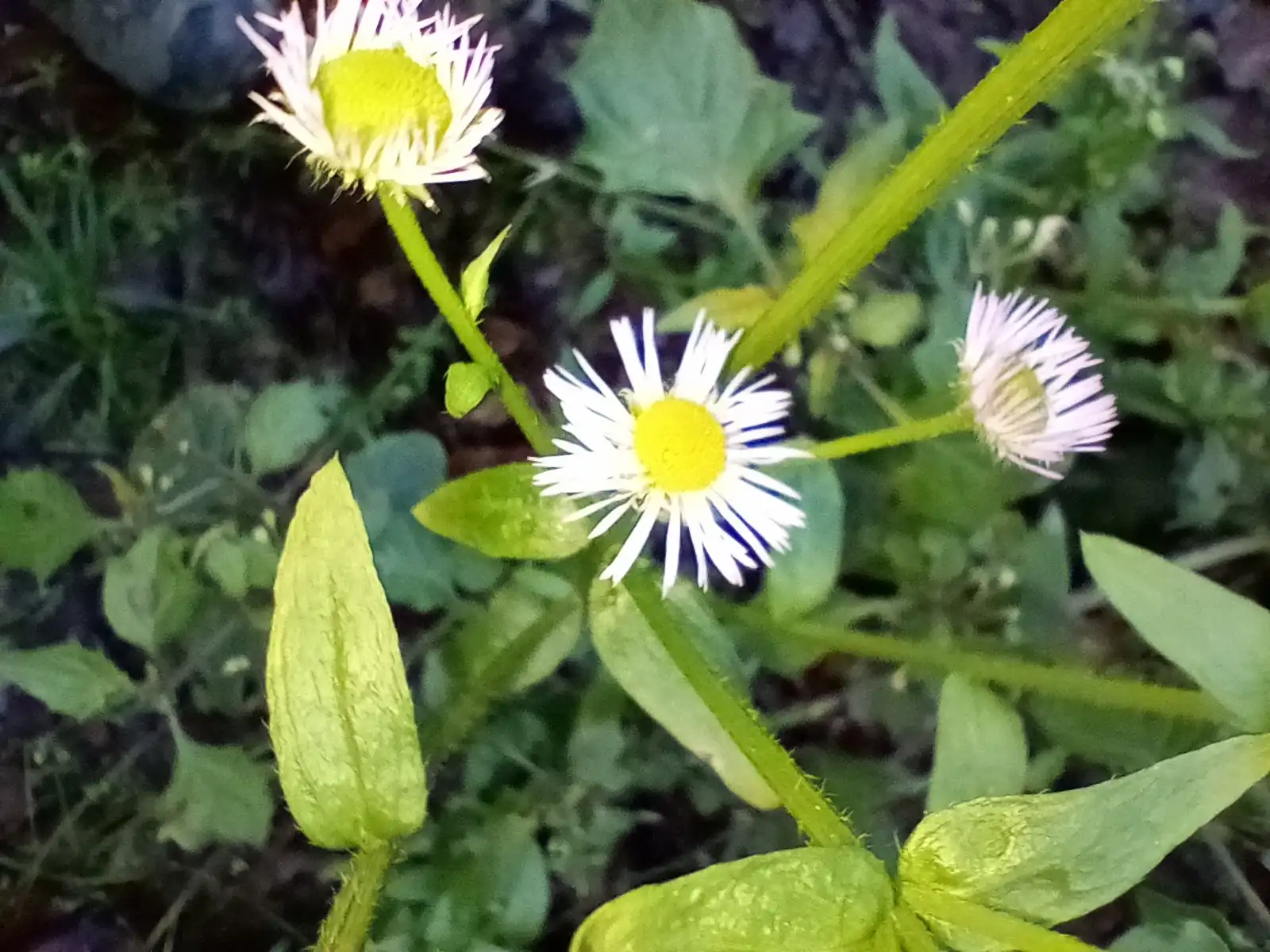
Erigeron annuus is an upright, branching annual or biennial wildflower native to North American fields and disturbed areas, developing from a basal rosette into a coarse, hairy-stemmed form. From spring through fall, it produces flat-topped clusters of small, daisy-like flower heads featuring numerous white ray florets surrounding a yellow central disc.
This species is distinguished from the closely related Erigeron strigosus by its broader, coarsely toothed leaves and spreading stem hairs rather than appressed, upward-pointing hairs. Its prolific self-seeding habit allows it to rapidly colonize open ground, making it an excellent pioneer species for naturalistic meadows but a potential weed in formal borders.
Uses & Benefits:
Essentials
At a Glance
Plant Type
Annual
Height
60"
Width
24"
Light
Full Sun, Partial Sun
Zones
4, 5, 6, 7, 8, 9
Water
Moderate
Humidity
Moderate
Lifespan
Annual or biennial
Native To
North America
Toxicity
Non-toxic
Bloom period
Spring – Fall
In flower about 9 months of the year
Planting
How to Grow
- Sow seeds directly onto a prepared, weed-free seedbed in spring or fall, pressing them lightly into the soil surface as they require light to germinate.
- Water the area lightly to keep the soil surface moist until seedlings emerge, which typically occurs within two weeks.
- Thin young seedlings to stand twelve inches apart to allow adequate air circulation and branching.
- Provide minimal supplemental water once established, as the plants adapt well to average rainfall and poor soils.
Pro Tip
To prevent aggressive self-seeding in garden settings, pull or cut back the entire plant immediately after the first flush of flowers before seed heads mature. Avoid pruning into old woody tissue, as this herbaceous species relies entirely on fresh growth from the basal rosette or seed germination.
Keep It Thriving
Care Guide
Do
- Deadhead spent flower clusters promptly if you wish to limit self-seeding.
- Grow in poor or unfertilized soil to keep the stems sturdy and prevent leggy, floppy growth.
- Ensure excellent soil drainage to prevent root rot during wet seasons.
Don't
- Do not apply nitrogen-rich fertilizers, which trigger weak, excessive foliage at the expense of flowers.
- Do not plant in highly formal garden beds where its rapid spreading cannot be easily managed.
- Do not overwater, as saturated soils quickly lead to fungal root rot.
Seasonal Care Calendar
| Task | Jan | Feb | Mar | Apr | May | Jun | Jul | Aug | Sep | Oct | Nov | Dec |
|---|---|---|---|---|---|---|---|---|---|---|---|---|
| Pest Check | ||||||||||||
| Propagate | ||||||||||||
| Prune | ||||||||||||
| Spring Cleanup |
Watch Out For
Pests & Diseases
Common Pests
Common Diseases
In the Garden
Landscape Uses & Companions
Landscape Uses
Companion Plants
Multiply
Propagation Methods
Good to Know
Common Questions
Annual Fleabane questions
What zones can Annual Fleabane grow in?
Annual Fleabane is hardy in USDA Zones 4–9. Inside that range it survives winter in the ground; outside it, grow it as an annual or a container plant you protect.
Is Annual Fleabane deer resistant?
Not reliably. Deer may browse Annual Fleabane, especially tender spring growth — plan on repellents or fencing where pressure is high.
When does Annual Fleabane bloom?
Annual Fleabane typically blooms in spring through fall. Exact timing shifts a week or two with your zone — Sow's bloom calendar maps it to your garden.
Does Annual Fleabane need full sun?
Annual Fleabane does best in full sun to part shade. In hot climates, afternoon shade keeps blooms fresher longer.
Is Annual Fleabane drought tolerant?
Yes — once established (usually after the first full season), Annual Fleabane handles dry spells with minimal watering. Water deeply its first year to build the root system that makes that possible.
More Erigeron to compare
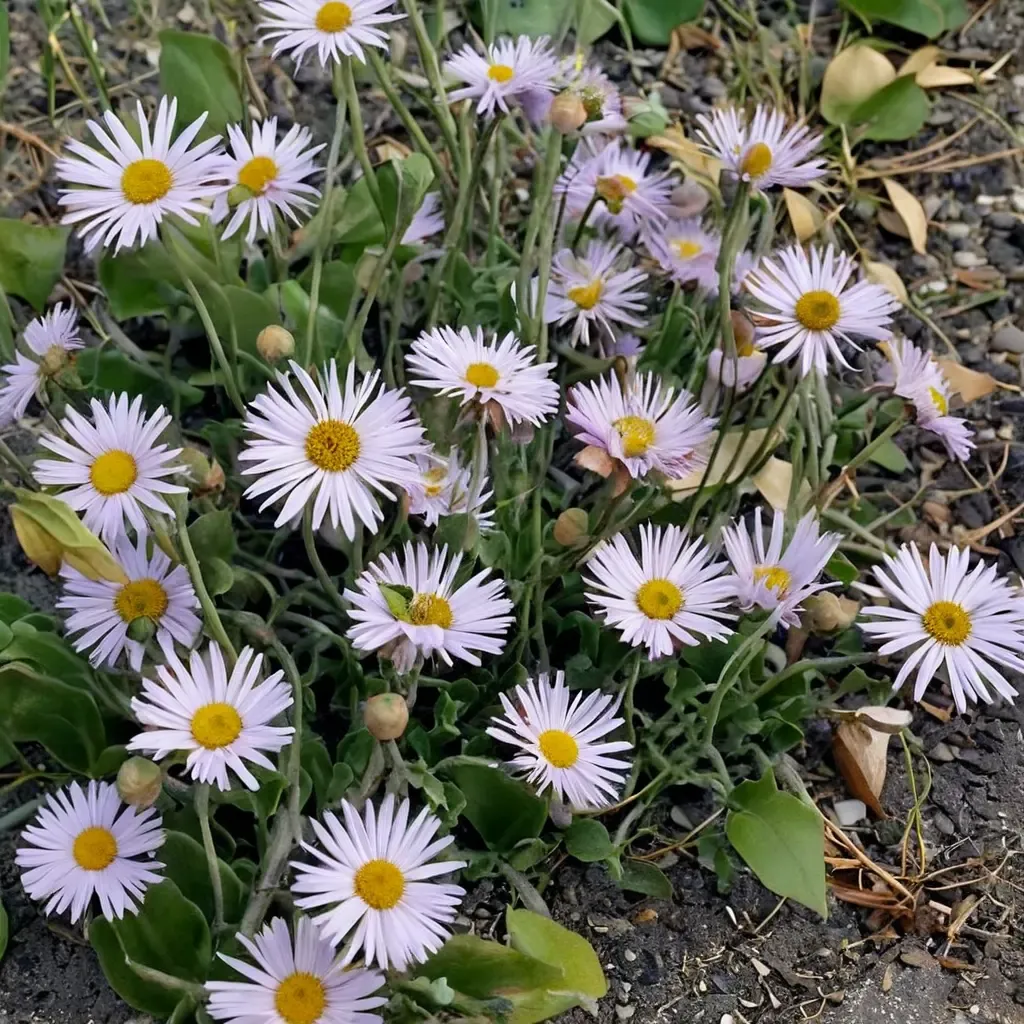
Robin's Plantain 'Meadow Muffin'
Erigeron pulchellus 'Meadow Muffin'
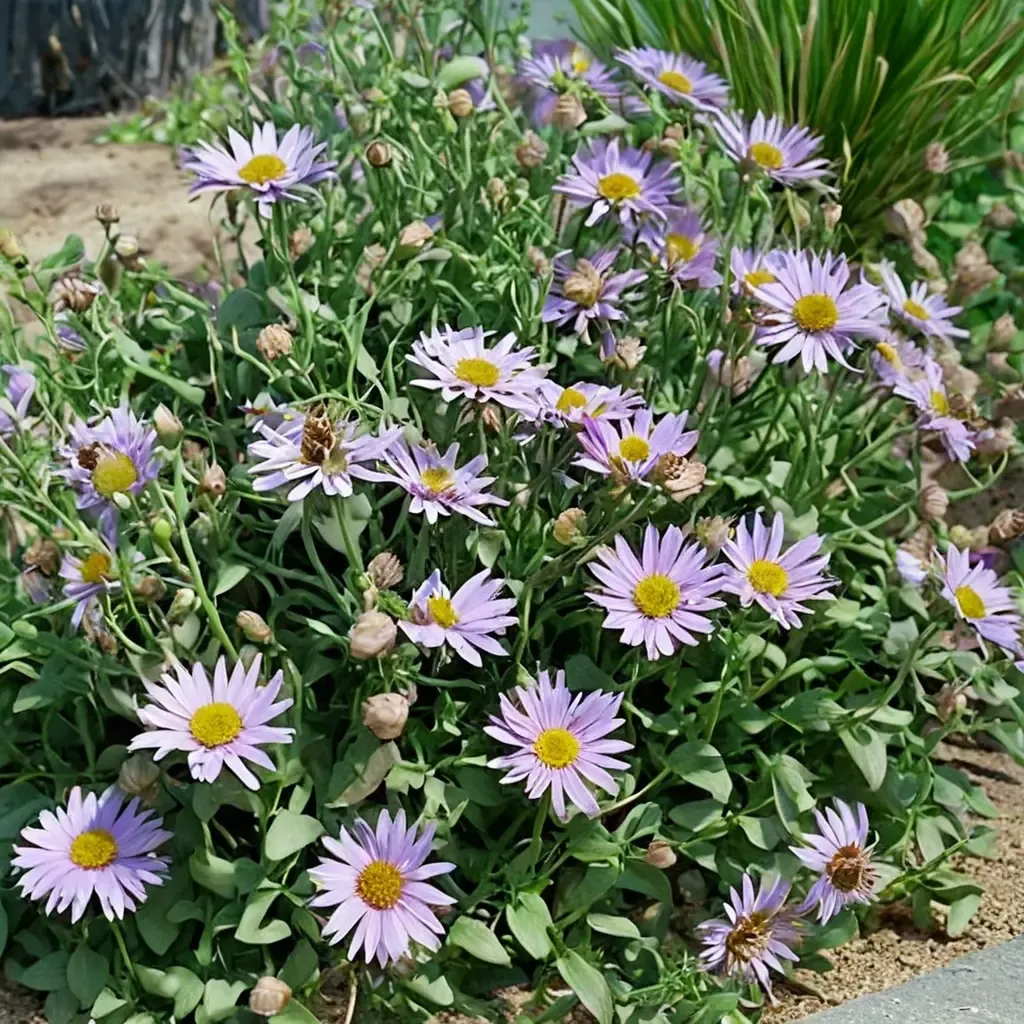
Wayne Roderick fleabane
Erigeron glaucus 'Wayne Roderick'
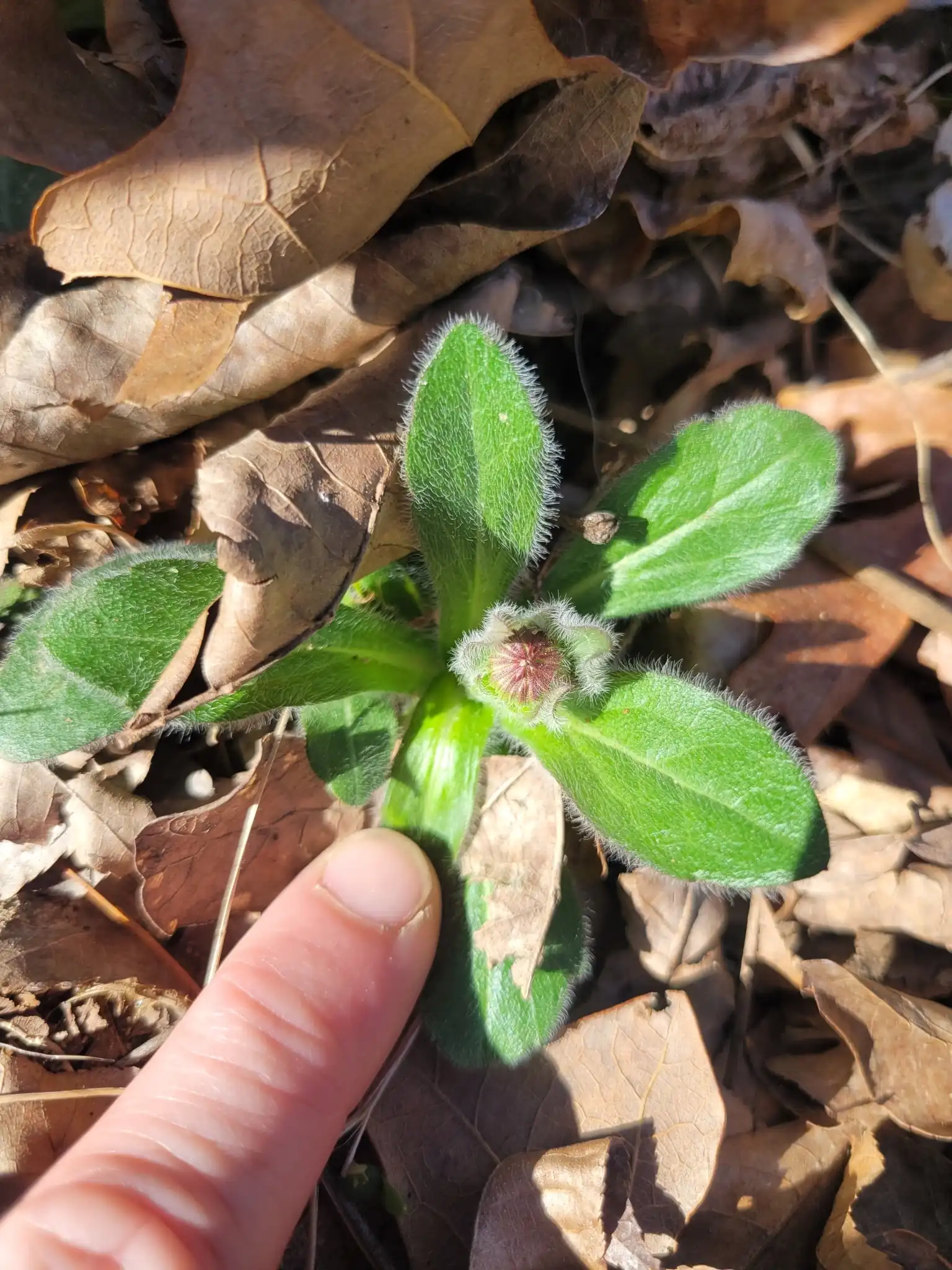
Robin's Plantain
Erigeron pulchellus
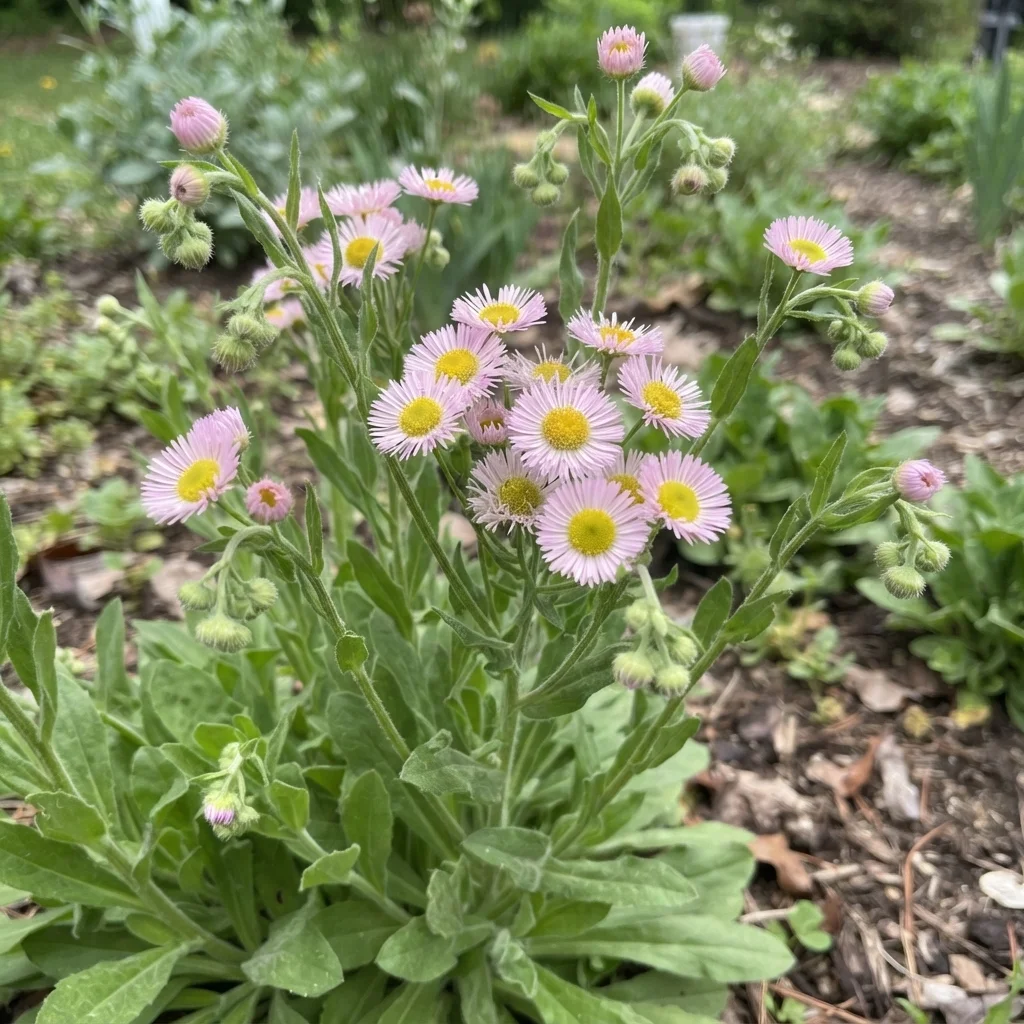
Philadelphia Fleabane
Erigeron philadelphicus
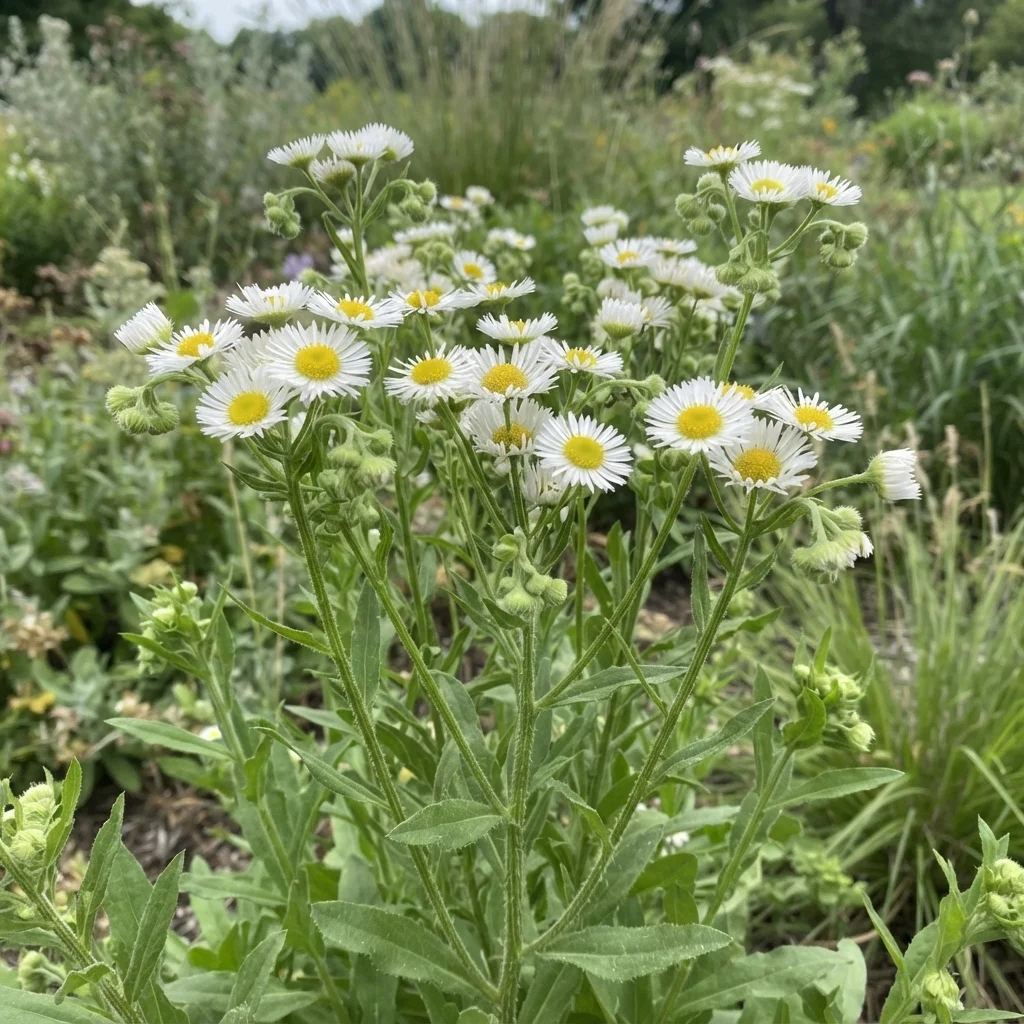
Prairie Fleabane
Erigeron strigosus
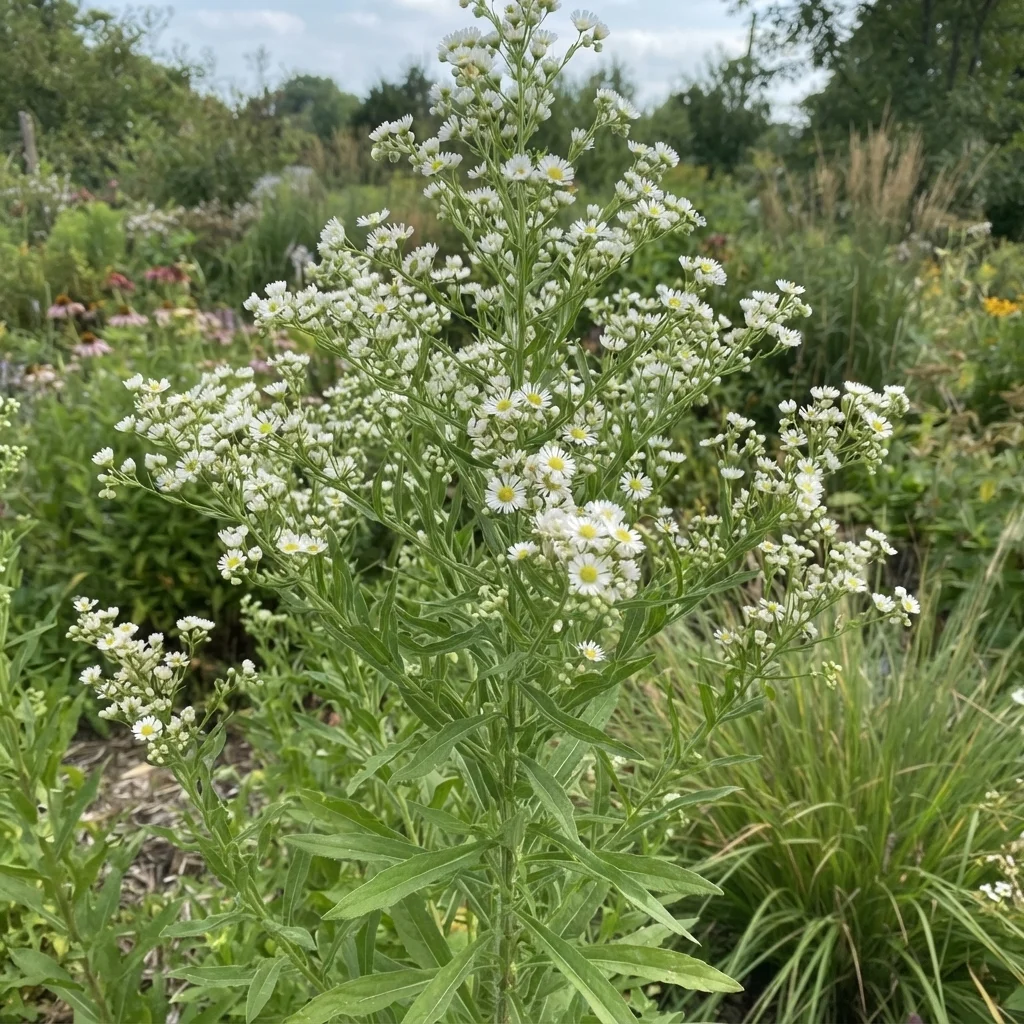
Horseweed
Erigeron canadensis
Keep exploring
Explore the genus
Grow Annual Fleabane with confidence
See it in a design of your actual yard, get zone-matched care reminders, and track it season by season in your garden journal.