The Story
Plant Bio
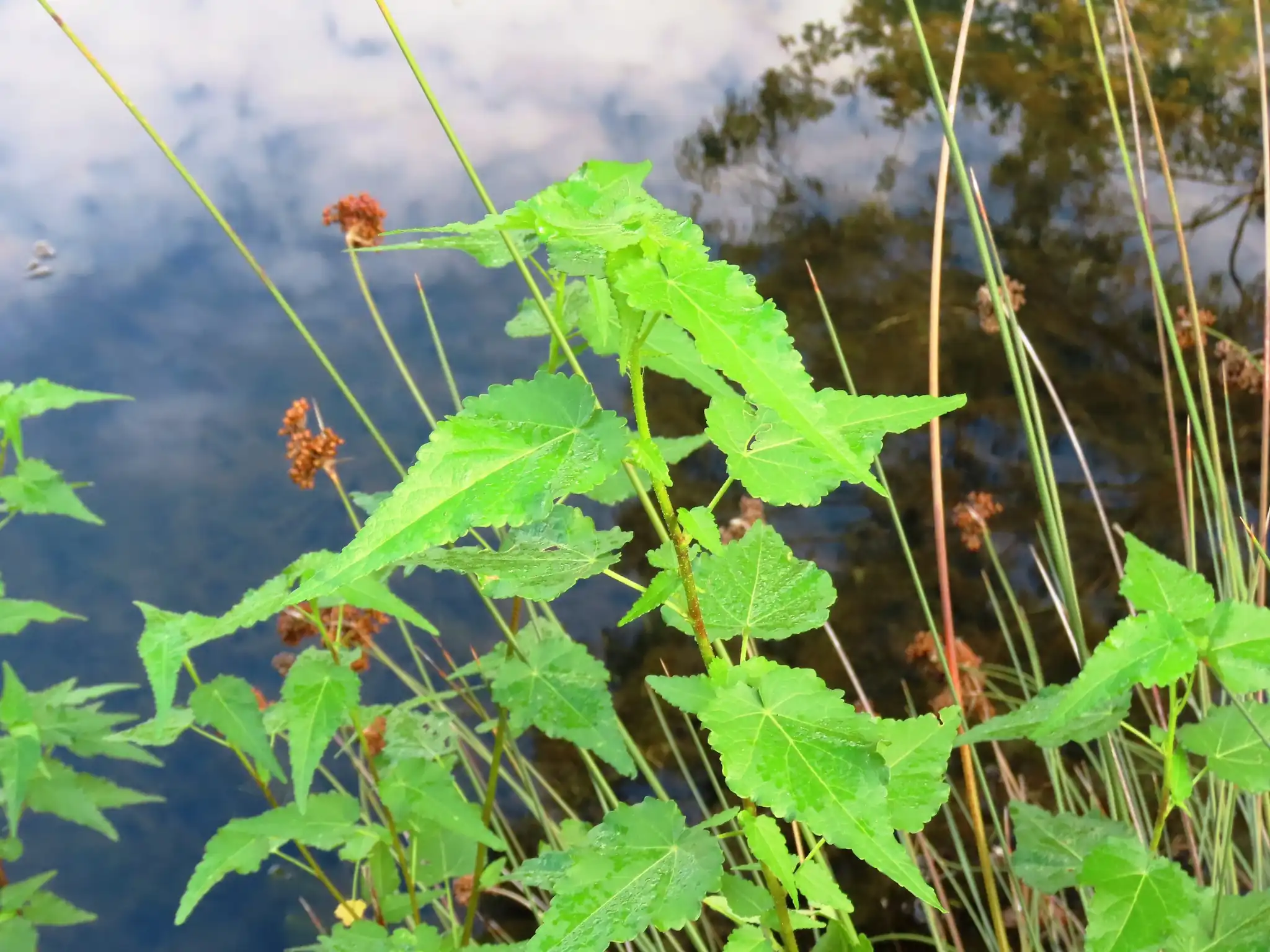
Gynatrix pulchella is an evergreen, open-branched shrub or small tree native to damp streamsides and forest margins in southeastern Australia. Its narrow, heart-based leaves feature shallowly toothed margins and a pale underside covered in fine stellate hairs.
This species is strictly dioecious, bearing separate male and female plants with small, fragrant cream to greenish-white flowers clustered along the leaf axils in spring. Male plants produce showier blooms with larger petals and longer pedicels than female plants.
Uses & Benefits:
Essentials
At a Glance
Plant Type
Shrub
Height
197"
Width
118"
Light
Full Sun, Partial Sun
Zones
9, 10
Water
Moderate
Humidity
Moderate
Lifespan
Perennial
Native To
Australia
Toxicity
Non-toxic
Bloom period
Spring – Late spring
In flower about 3 months of the year
Planting
How to Grow
- Select a planting site in full sun to partial shade with moist, well-draining soil.
- Dig a hole twice as wide as the root ball and set the crown flush with the surrounding soil level.
- Water thoroughly at planting and maintain consistent moisture, particularly during dry weather.
- Apply a 2-inch layer of organic mulch around the base, keeping it clear of the main stem.
Pro Tip
Prune lightly into leafy growth immediately after flowering to prevent a straggly habit; cutting back into hard, leafless wood prevents re-sprouting.
Keep It Thriving
Care Guide
Do
- Keep soil consistently moist, especially during dry summer periods.
- Prune light foliage tips annually after spring flowering to maintain shape.
Don't
- Do not allow soil to dry out completely, which causes foliage scorch.
- Do not cut stems back into bare, old wood that lacks active leaves.
Seasonal Care Calendar
| Task | Jan | Feb | Mar | Apr | May | Jun | Jul | Aug | Sep | Oct | Nov | Dec |
|---|---|---|---|---|---|---|---|---|---|---|---|---|
| Fertilize | ||||||||||||
| Mulch | ||||||||||||
| Pest Check | ||||||||||||
| Prune |
Watch Out For
Pests & Diseases
Common Pests
Common Diseases
In the Garden
Landscape Uses & Companions
Landscape Uses
Multiply
Propagation Methods
Good to Know
Common Questions
Fragrant Hempbush questions
What zones can Fragrant Hempbush grow in?
Fragrant Hempbush is hardy in USDA Zones 9–10: in that range it survives winter in the ground. Colder than Zone 9, grow it in a container you can move to shelter for the winter.
Is Fragrant Hempbush deer resistant?
Not reliably. Deer may browse Fragrant Hempbush, especially tender spring growth — plan on repellents or fencing where pressure is high.
When does Fragrant Hempbush bloom?
Fragrant Hempbush typically blooms in spring. Exact timing shifts a week or two with your zone — Sow's bloom calendar maps it to your garden.
Does Fragrant Hempbush need full sun?
Fragrant Hempbush does best in full sun to part shade. In hot climates, afternoon shade keeps blooms fresher longer.
Keep exploring
Explore the genus
Hardy in your zone?
Grow Fragrant Hempbush with confidence
See it in a design of your actual yard, get zone-matched care reminders, and track it season by season in your garden journal.