The Story
Plant Bio
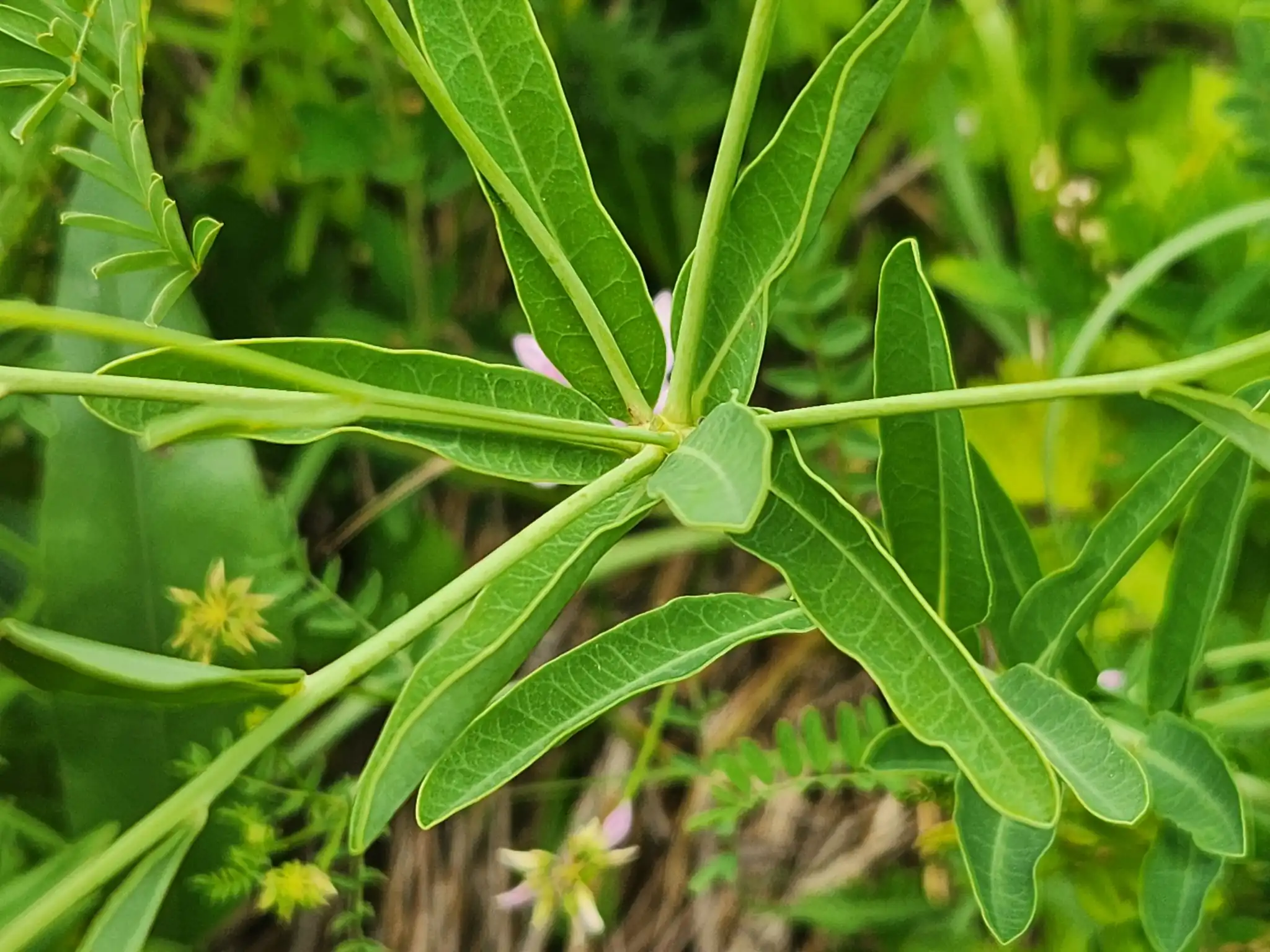
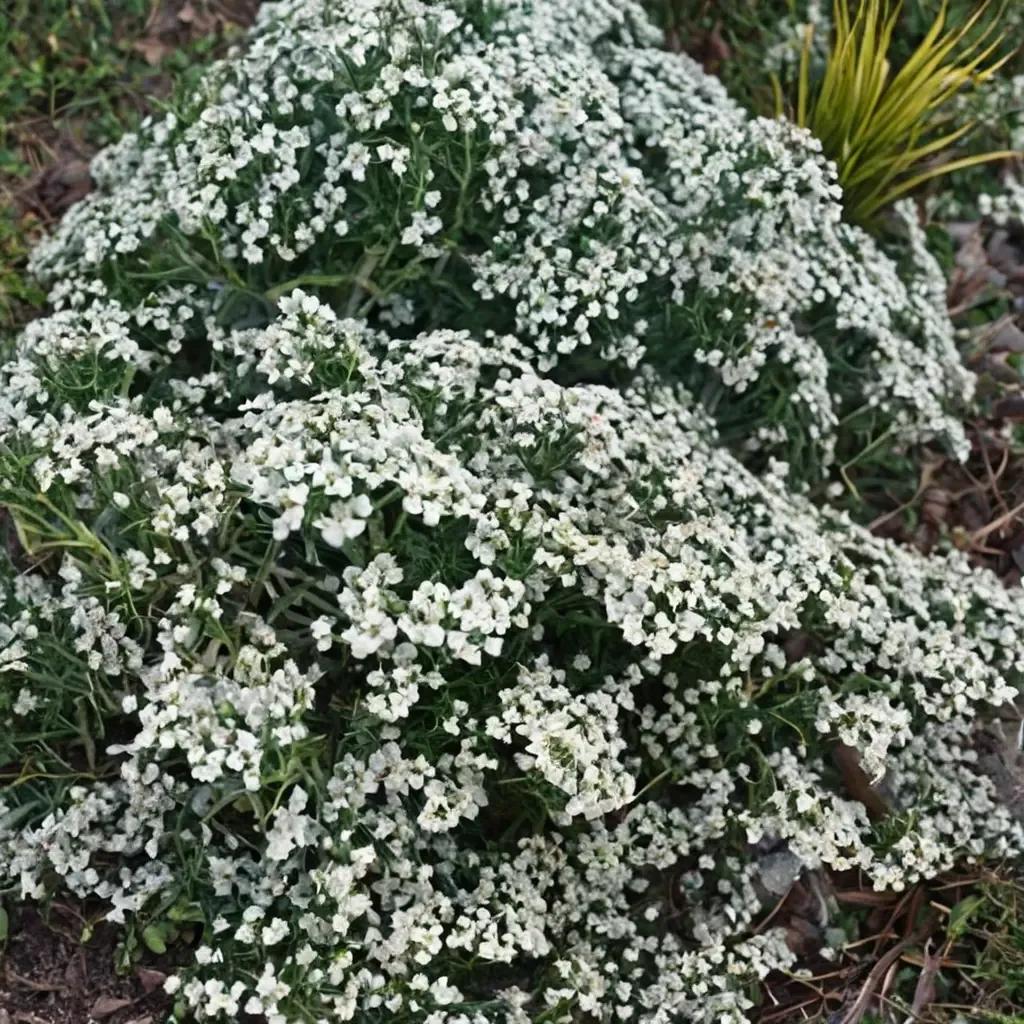
Euphorbia corollata, flowering spurge, is an upright clumping perennial native from southeastern Canada through the central and eastern United States, reaching two to three feet. Airy sprays of small white flowers open from summer into autumn on thin wiry stems, giving an effect much like baby's breath. Narrow blue-green leaves turn red and orange in autumn.
What look like petals are bracts, as in all spurges, and the stems bleed a milky sap that irritates skin and eyes — worth gloves when cutting. It is exceptionally drought-tolerant once its deep taproot is down, and that same taproot means it resents being moved after its first year.
Uses & Benefits:
Essentials
At a Glance
Plant Type
Perennial
Height
30"
Width
30"
Light
Full Sun, Partial Sun
Zones
4, 5, 6, 7, 8, 9
Water
Low
Humidity
Low
Lifespan
Perennial
Native To
Southeastern Canada to the central and eastern United States
Toxicity
Toxic if ingested
Planting
How to Grow
- Plant in spring in well-drained, even poor soil.
- Choose full sun to partial shade.
- Site it where it can stay; the taproot dislikes moving.
- Water to establish, then leave it alone.
- Do not feed; lean ground keeps it upright.
- Cut back in late winter.
Pro Tip
Plant it once and leave it — the deep taproot makes an established plant almost impossible to transplant successfully.
Keep It Thriving
Care Guide
Do
- Give it full sun and sharp drainage ☀️
- Wear gloves when cutting stems 🧤
- Leave it unfed in lean soil 🌱
- Use it as an airy filler in a meadow border ✨
Don't
- Move an established plant ❌
- Let sap contact skin or eyes ❌
- Overwater or overfeed it ❌
Seasonal Care Calendar
| Task | Jan | Feb | Mar | Apr | May | Jun | Jul | Aug | Sep | Oct | Nov | Dec |
|---|---|---|---|---|---|---|---|---|---|---|---|---|
| Monitor | ||||||||||||
| Prune |
Watch Out For
Pests & Diseases
Common Pests
Common Diseases
In the Garden
Landscape Uses & Companions
Landscape Uses
Multiply
Propagation Methods
Good to Know
Common Questions
Flowering Spurge questions
What zones can Flowering Spurge grow in?
Flowering Spurge is hardy in USDA Zones 4–9. Inside that range it survives winter in the ground; outside it, grow it as an annual or a container plant you protect.
Is Flowering Spurge deer resistant?
Yes — Flowering Spurge is rated deer-resistant. Deer typically pass it over, though extreme hunger can override any plant's defenses.
When does Flowering Spurge bloom?
Flowering Spurge typically blooms in summer to fall through early fall. Exact timing shifts a week or two with your zone — Sow's bloom calendar maps it to your garden.
Does Flowering Spurge need full sun?
Flowering Spurge does best in full sun to part shade. In hot climates, afternoon shade keeps blooms fresher longer.
Is Flowering Spurge drought tolerant?
Yes — once established (usually after the first full season), Flowering Spurge handles dry spells with minimal watering. Water deeply its first year to build the root system that makes that possible.
More Euphorbia to compare
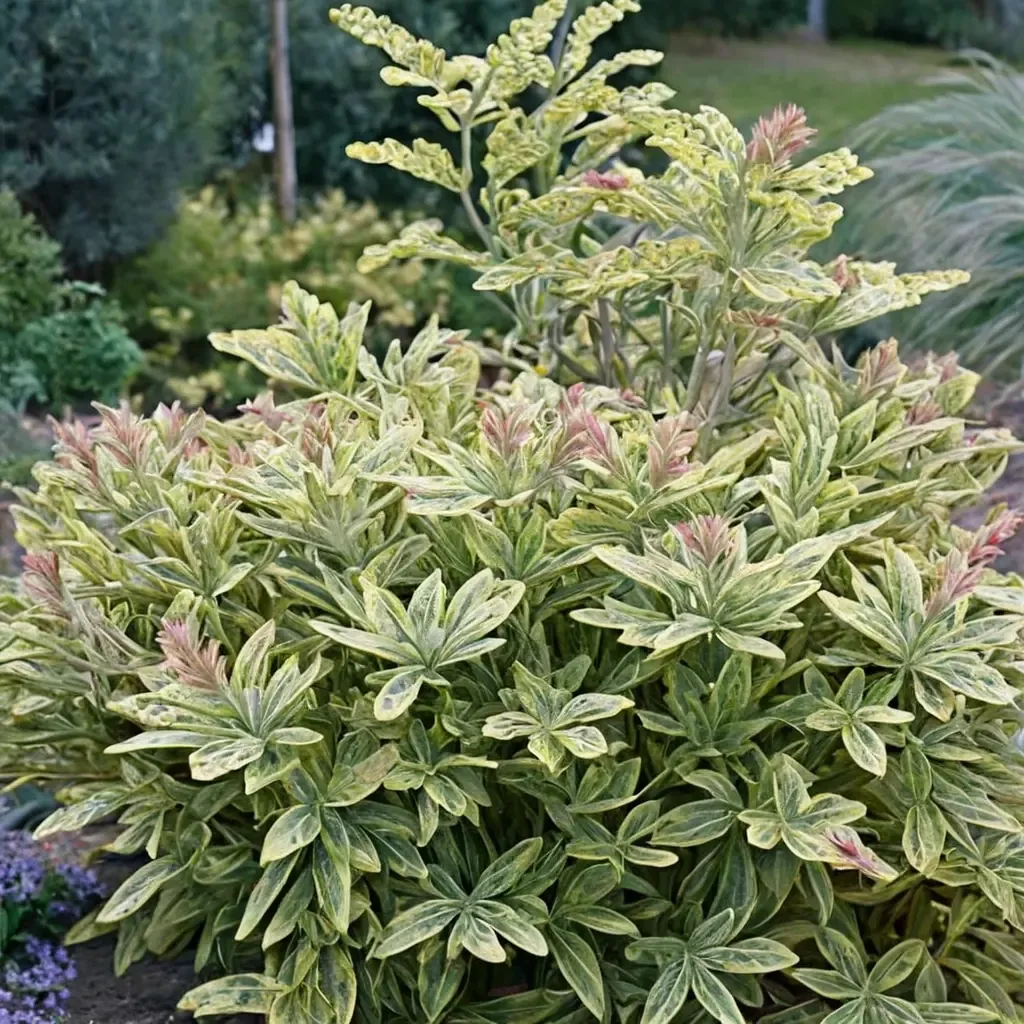
Ascot Rainbow Spurge
Euphorbia x hybrida 'Ascot Rainbow'
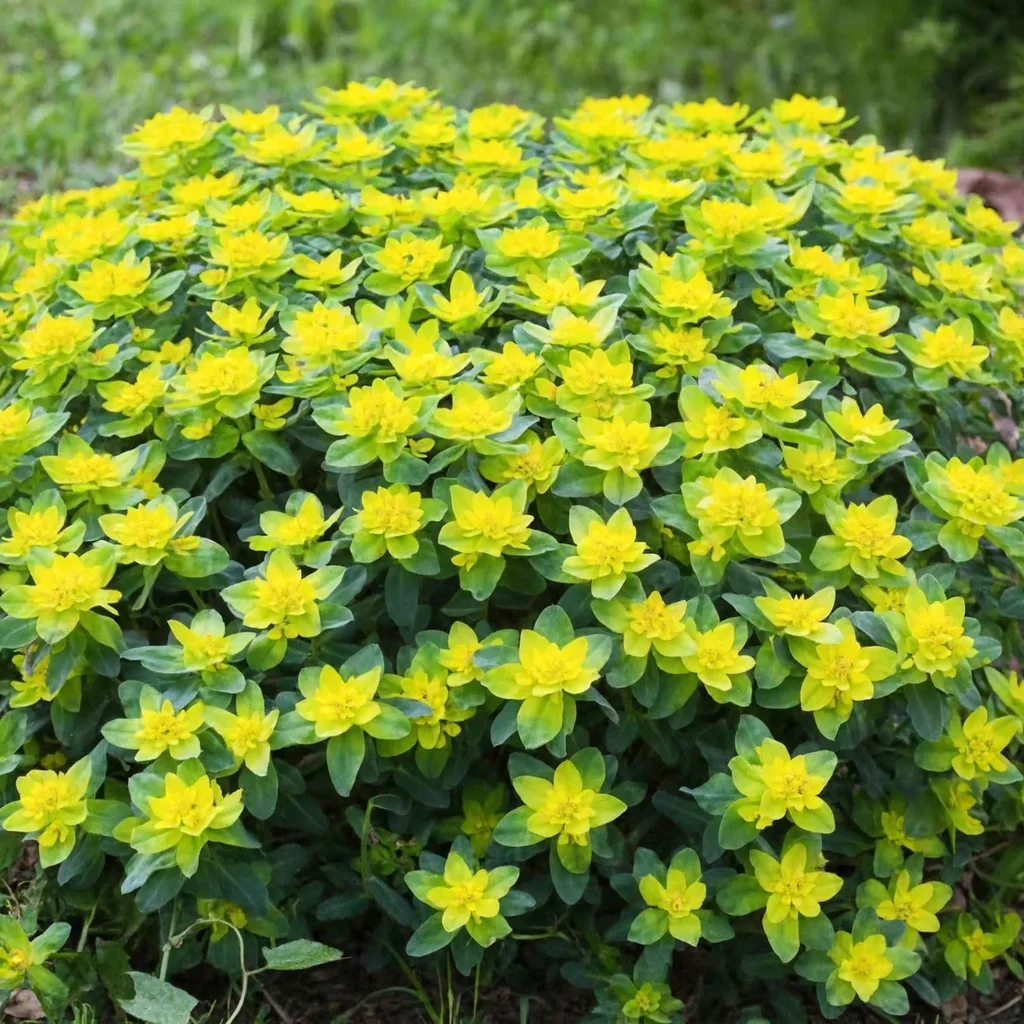
Mediterranean Spurge
Euphorbia polychroma
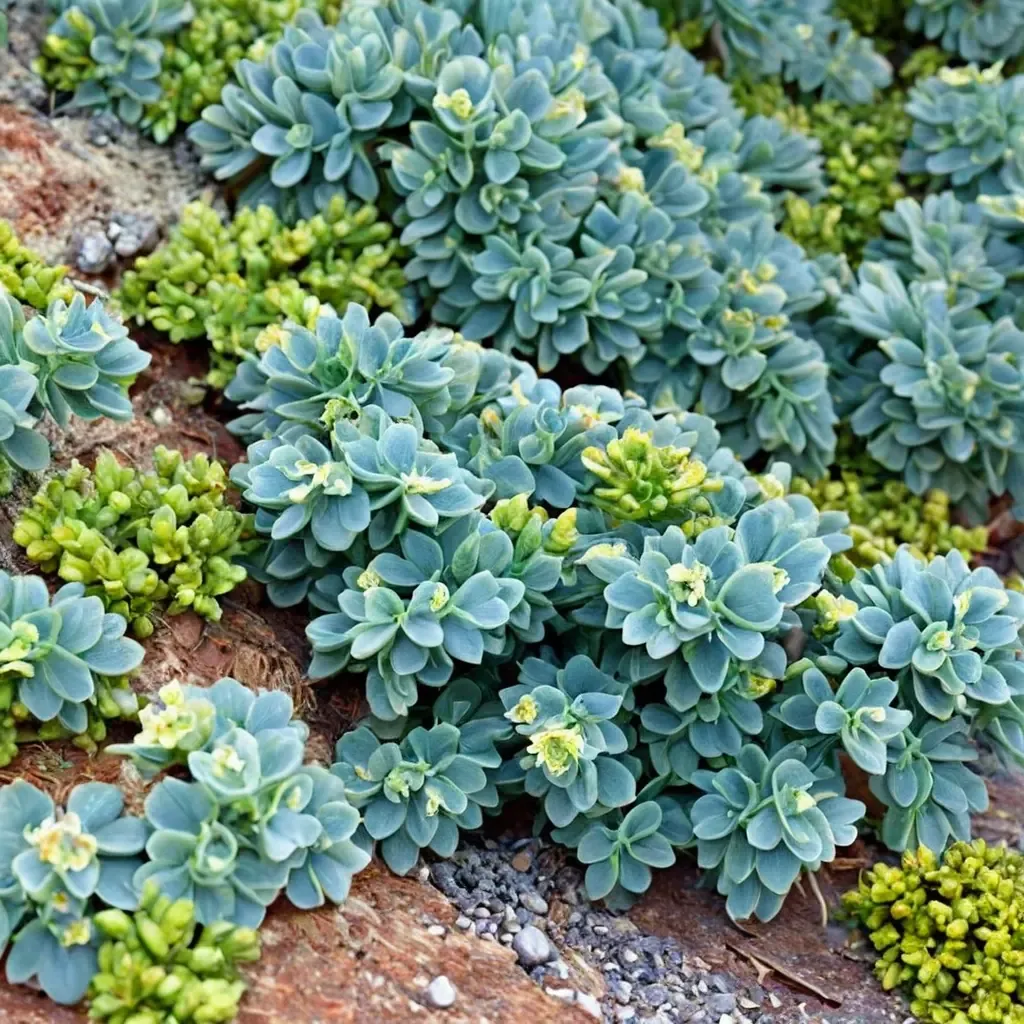
Myrtle Spurge
Euphorbia myrsinites
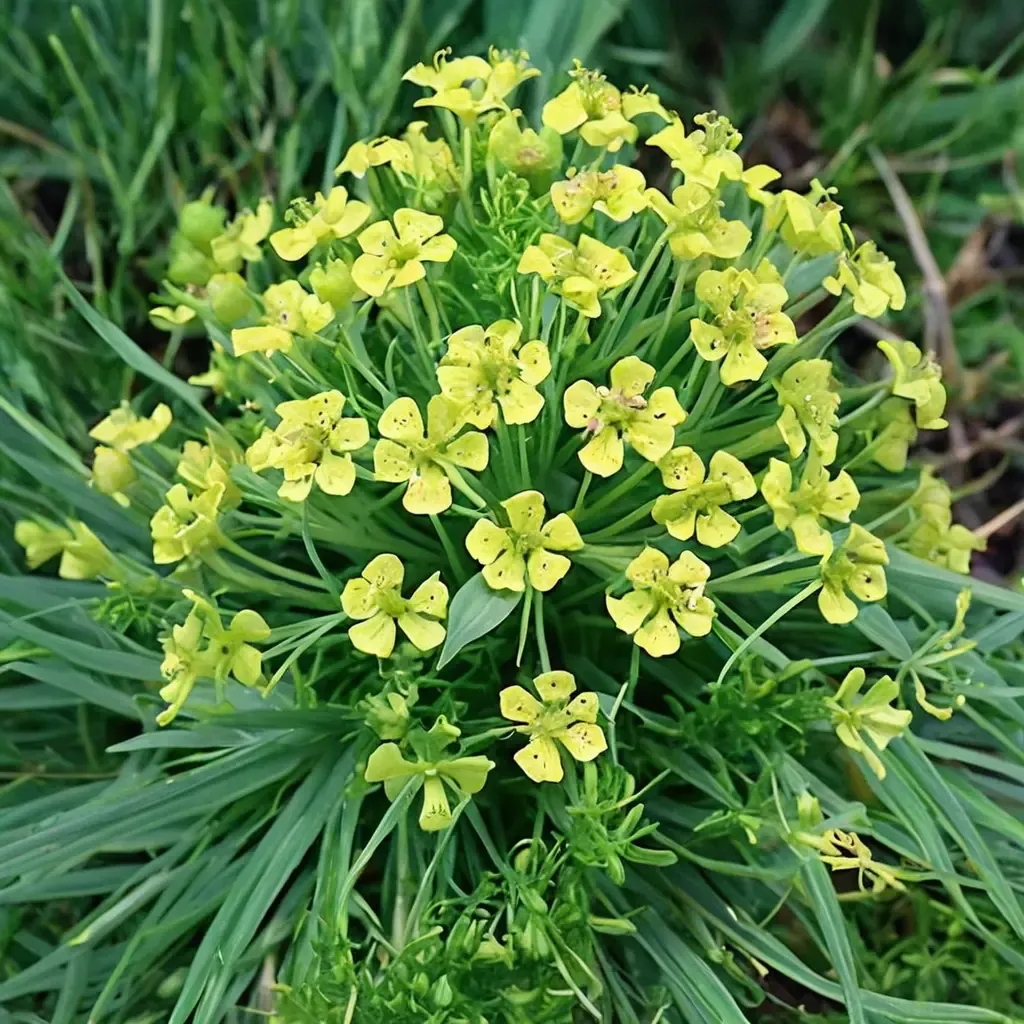
Cypress Spurge
Euphorbia cyparissias
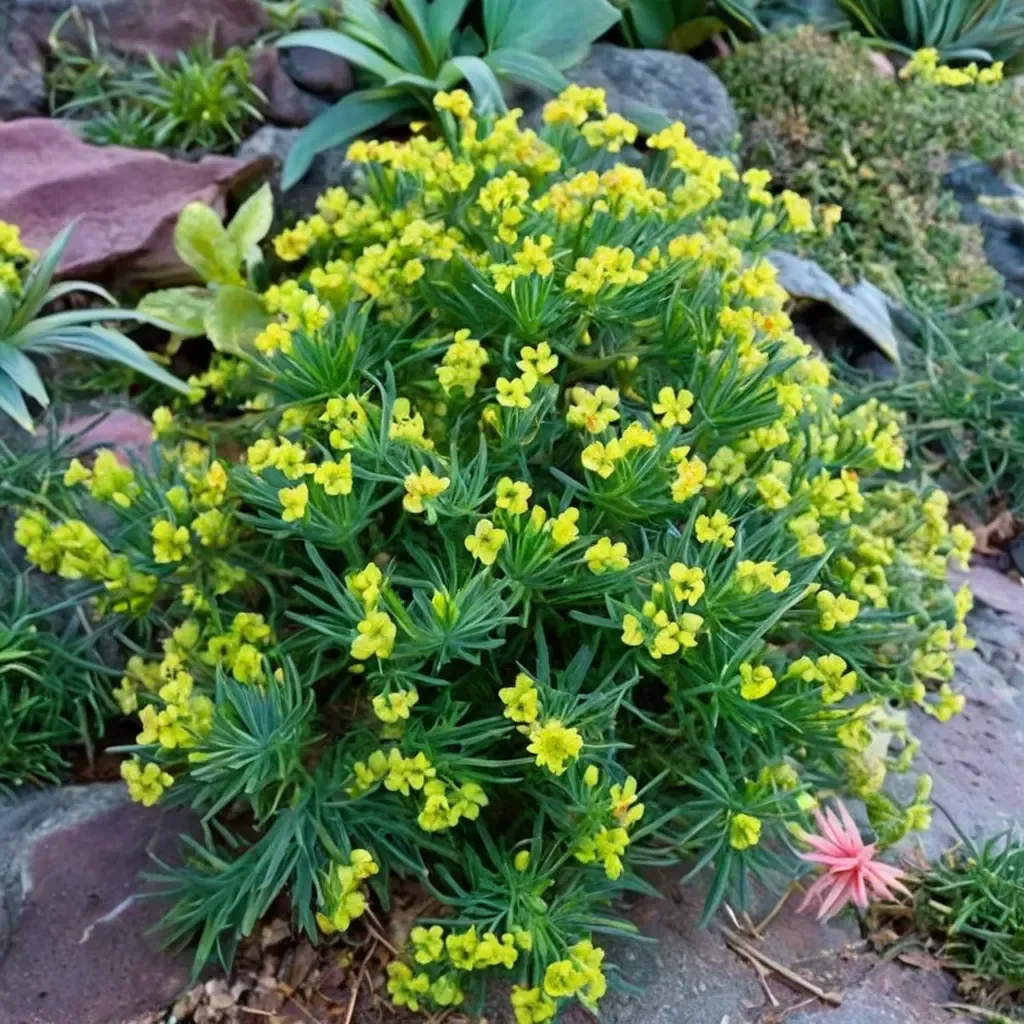
Ruby Spurge
Euphorbia cyparissias 'Fens Ruby'
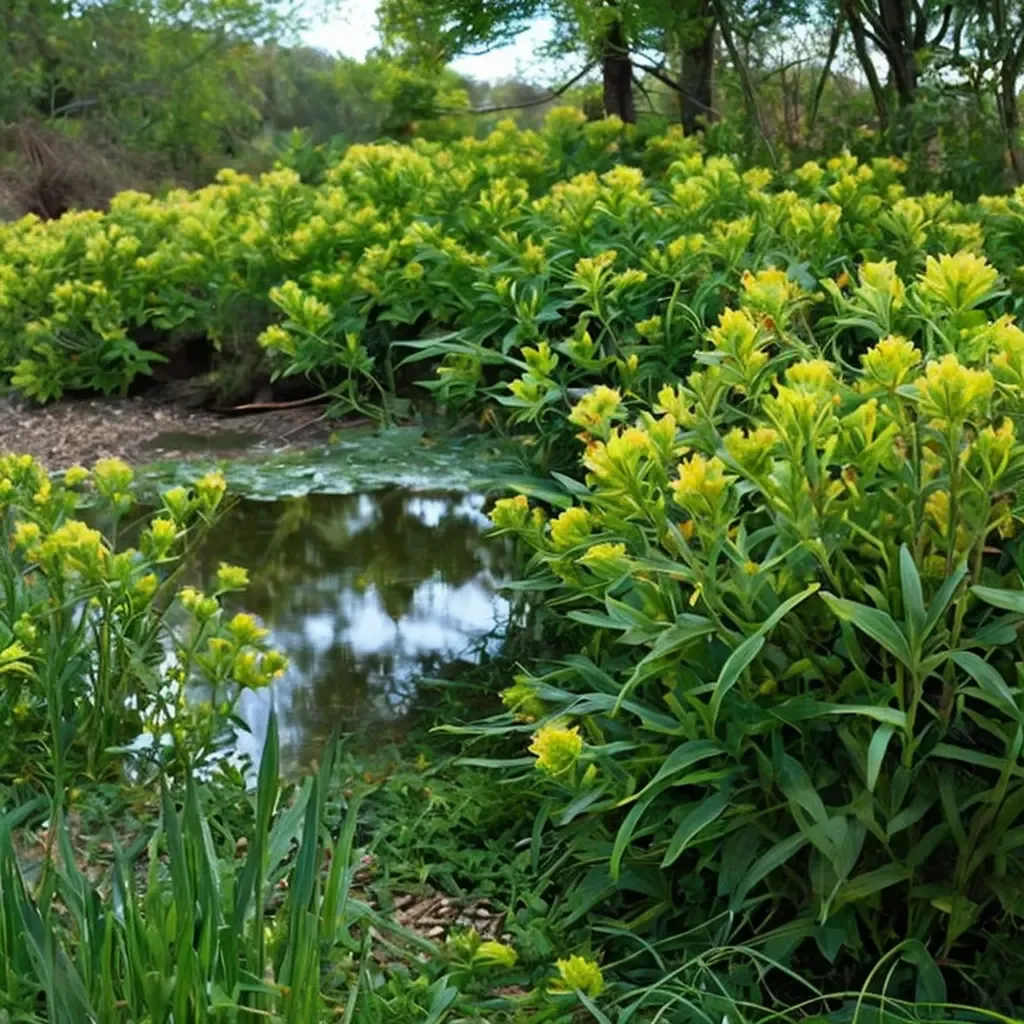
Marsh Spurge
Euphorbia palustris
Keep exploring
Explore the genus
Grow Flowering Spurge with confidence
See it in a design of your actual yard, get zone-matched care reminders, and track it season by season in your garden journal.