
The Story
Plant Bio
Oenothera berlandieri is a low spreading perennial from rocky prairies and plains of Texas to northern Mexico, forming a semi-woody mat of narrow linear-lanceolate green leaves. The bowl-shaped flowers open in daylight from spring into fall, each with four broad petals around a yellow eye.
Nursery stock sold under this name is the pink Mexican-primrose type, with fragrant pale pink 2-inch cups rather than the yellow cups of the wild sundrops form. It spreads by underground roots to make a fast groundcover that stays compact in poor dry soil but turns floppy and aggressive where water and fertilizer are rich.
Uses & Benefits:
Essentials
At a Glance
Plant Type
Perennial
Height
10"
Width
18"
Light
Full Sun, Partial Sun
Zones
4, 5, 6, 7, 8
Water
Low
Humidity
Unknown
Lifespan
Perennial
Native To
South-central United States to northern Mexico
Toxicity
Unknown
Bloom period
Spring – Fall
In flower about 9 months of the year
Planting
How to Grow
- Set plants 12 to 18 inches apart in full sun in poor, sandy or rocky soil with sharp drainage.
- Water in once, then water sparingly until new growth shows; established clumps need water only in extended drought.
- Top with gravel rather than bark to keep crowns dry and stems upright.
- Edge runners in spring and remove spent flowers through summer to hold the boundary.
Pro Tip
Grow it hard in lean sand and withhold summer water once rooted; rich soil and extra water make rank stems that flop and root outward.
Keep It Thriving
Care Guide
Do
- Grow in lean, fast-draining soil in full sun.
- Let soil dry between waterings once established.
- Contain runners each spring to hold the planting footprint.
Don't
- Do not enrich with rich compost or frequent fertilizer.
- Do not overwater or plant in heavy clay that stays wet.
- Do not divide often; disturb roots only to control spread.
Seasonal Care Calendar
| Task | Jan | Feb | Mar | Apr | May | Jun | Jul | Aug | Sep | Oct | Nov | Dec |
|---|---|---|---|---|---|---|---|---|---|---|---|---|
| Deadhead | ||||||||||||
| Pest Check | ||||||||||||
| Plant | ||||||||||||
| Prune |
Watch Out For
Pests & Diseases
Common Pests
Common Diseases
In the Garden
Landscape Uses & Companions
Landscape Uses
Multiply
Propagation Methods
Good to Know
Common Questions
Berlandier's Sundrops questions
What zones can Berlandier's Sundrops grow in?
Berlandier's Sundrops is hardy in USDA Zones 4–8: in that range it survives winter in the ground. Warmer than Zone 8, winter isn't the problem: it prefers colder winters, and summer heat can shorten its life.
When does Berlandier's Sundrops bloom?
Berlandier's Sundrops typically blooms from spring to fall. Exact timing shifts a week or two with your zone — Sow's bloom calendar maps it to your garden.
Does Berlandier's Sundrops need full sun?
Berlandier's Sundrops does best in full sun to part shade. In hot climates, afternoon shade keeps blooms fresher longer.
Is Berlandier's Sundrops drought tolerant?
Yes — once established (usually after the first full season), Berlandier's Sundrops handles dry spells with minimal watering. Water deeply its first year to build the root system that makes that possible.
More Oenothera to compare
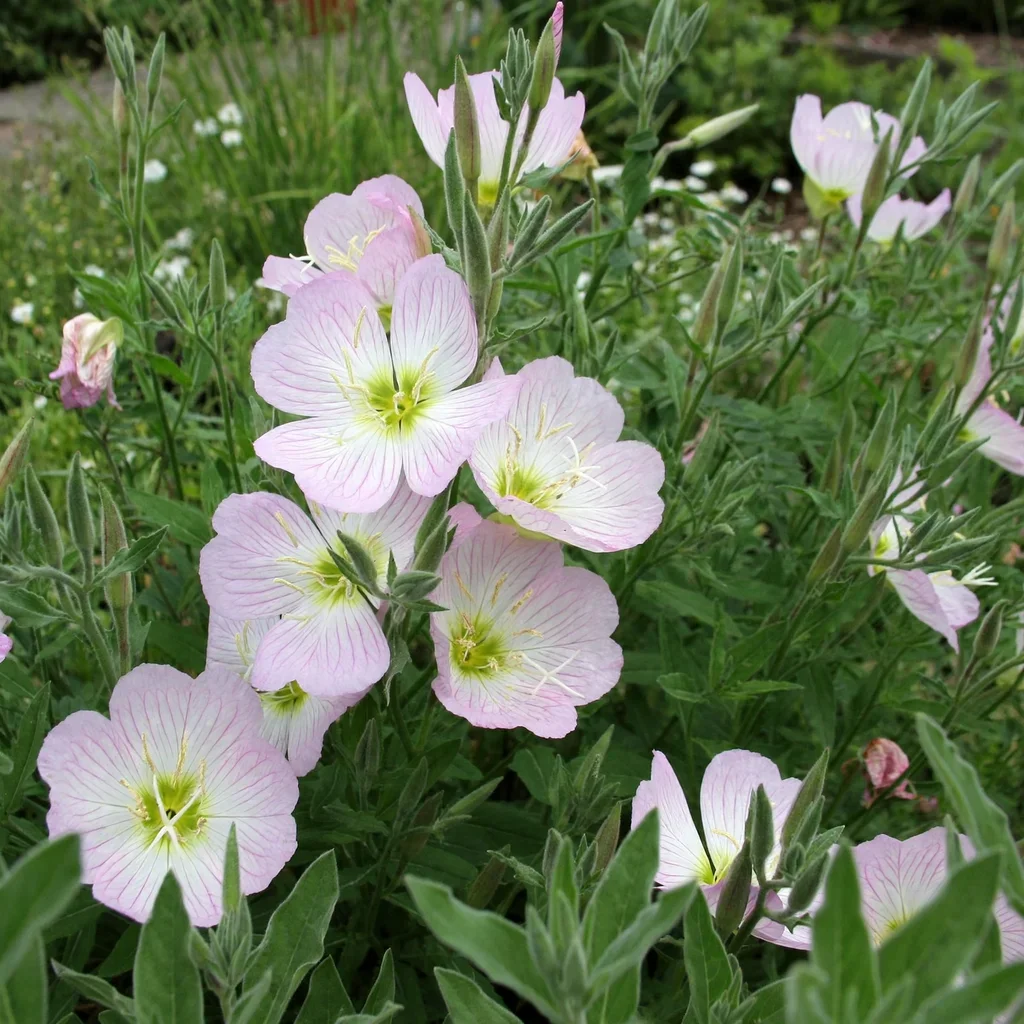
Pink Evening Primrose
Oenothera speciosa
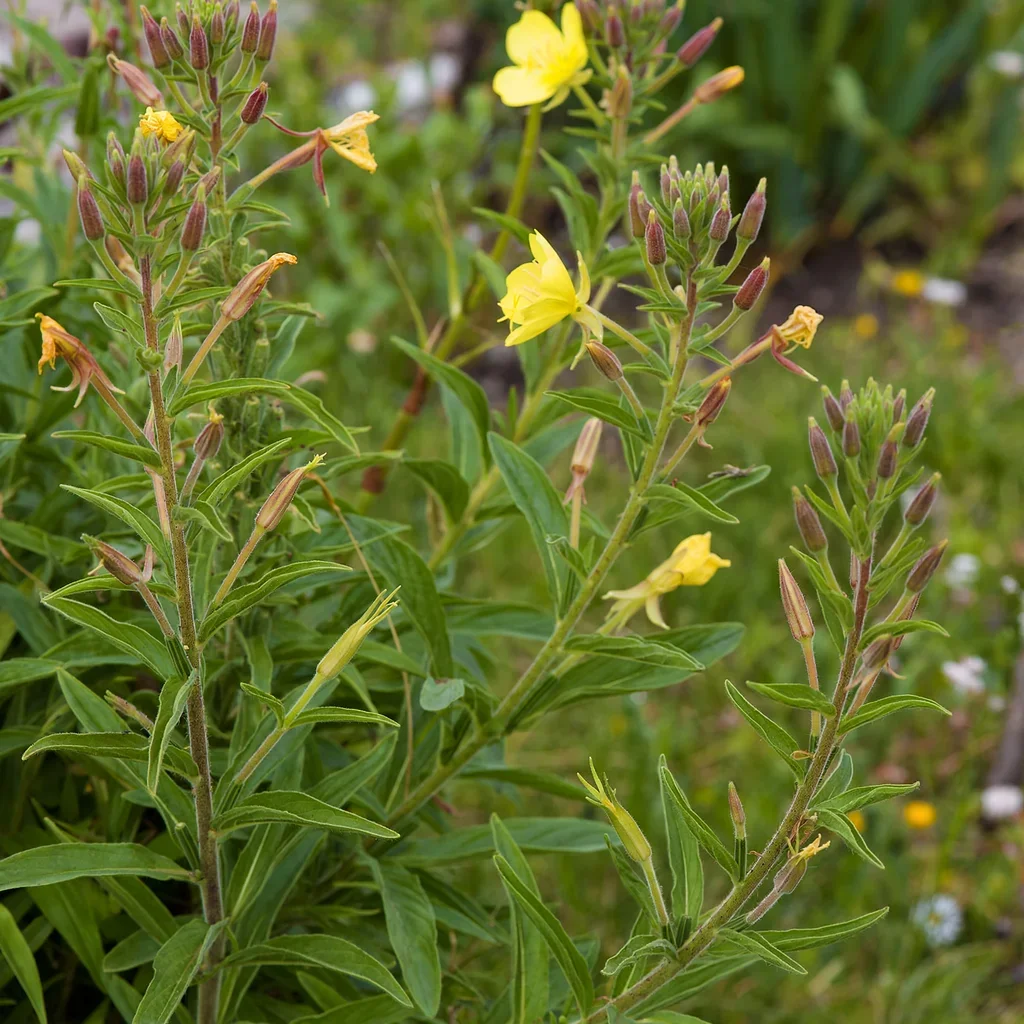
Evening Primrose
Oenothera biennis
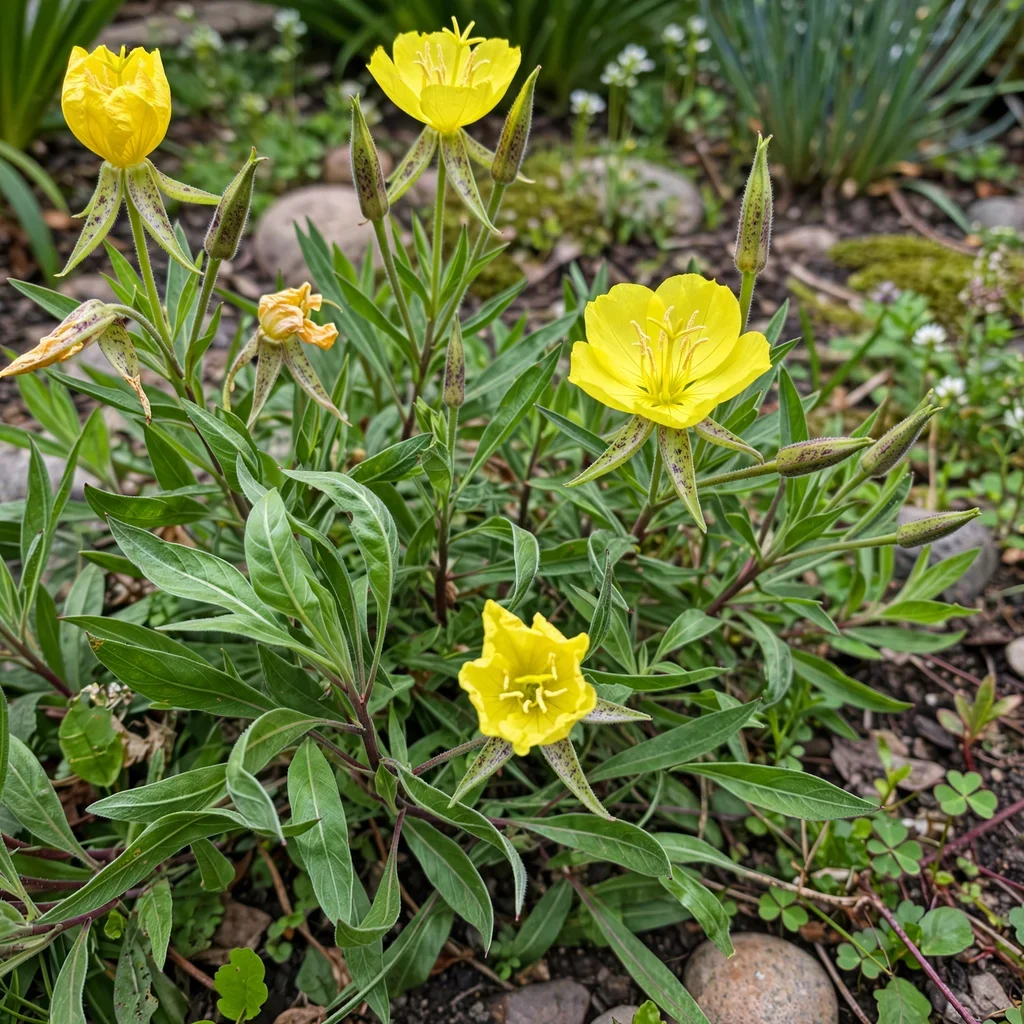
Missouri Evening Primrose Giant Evening Primrose
Oenothera macrocarpa
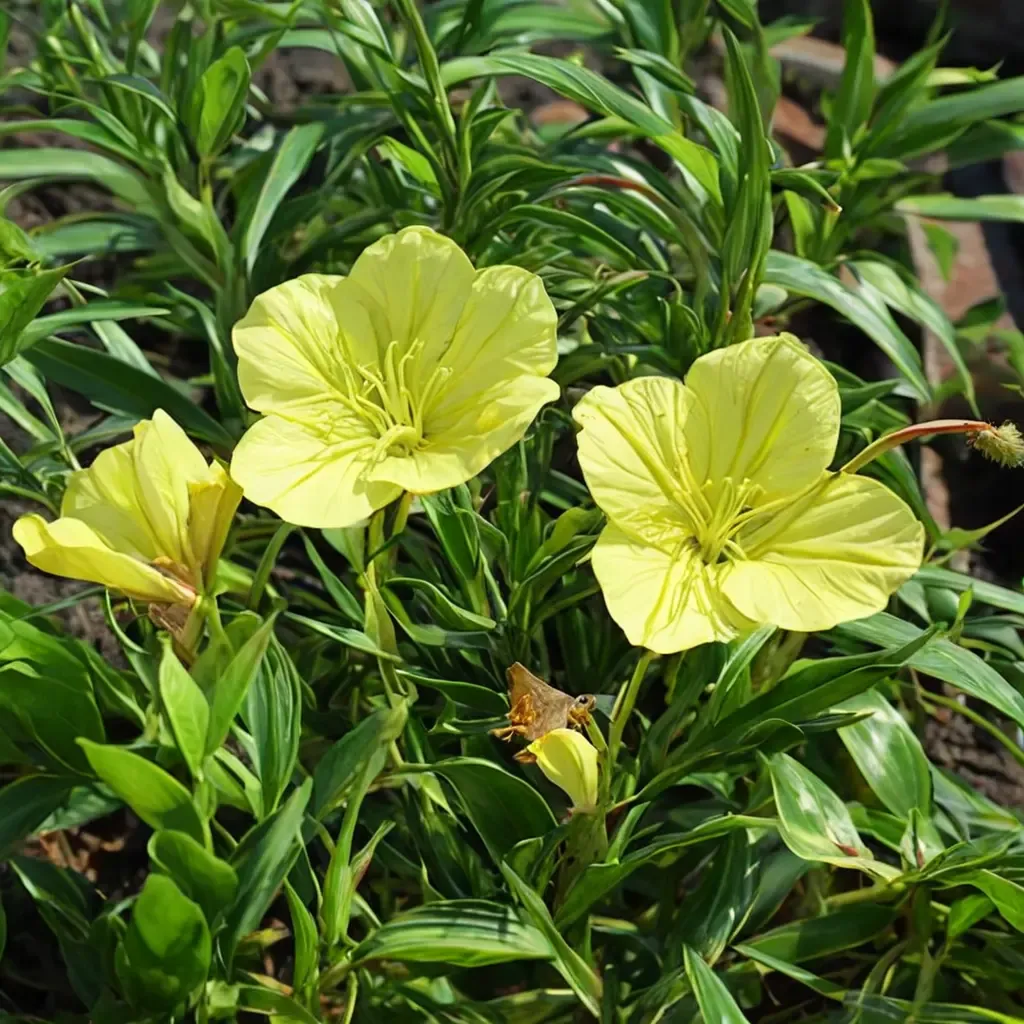
Ozark Sundrop
Oenothera missouriensis 'Ozark Sundrop'
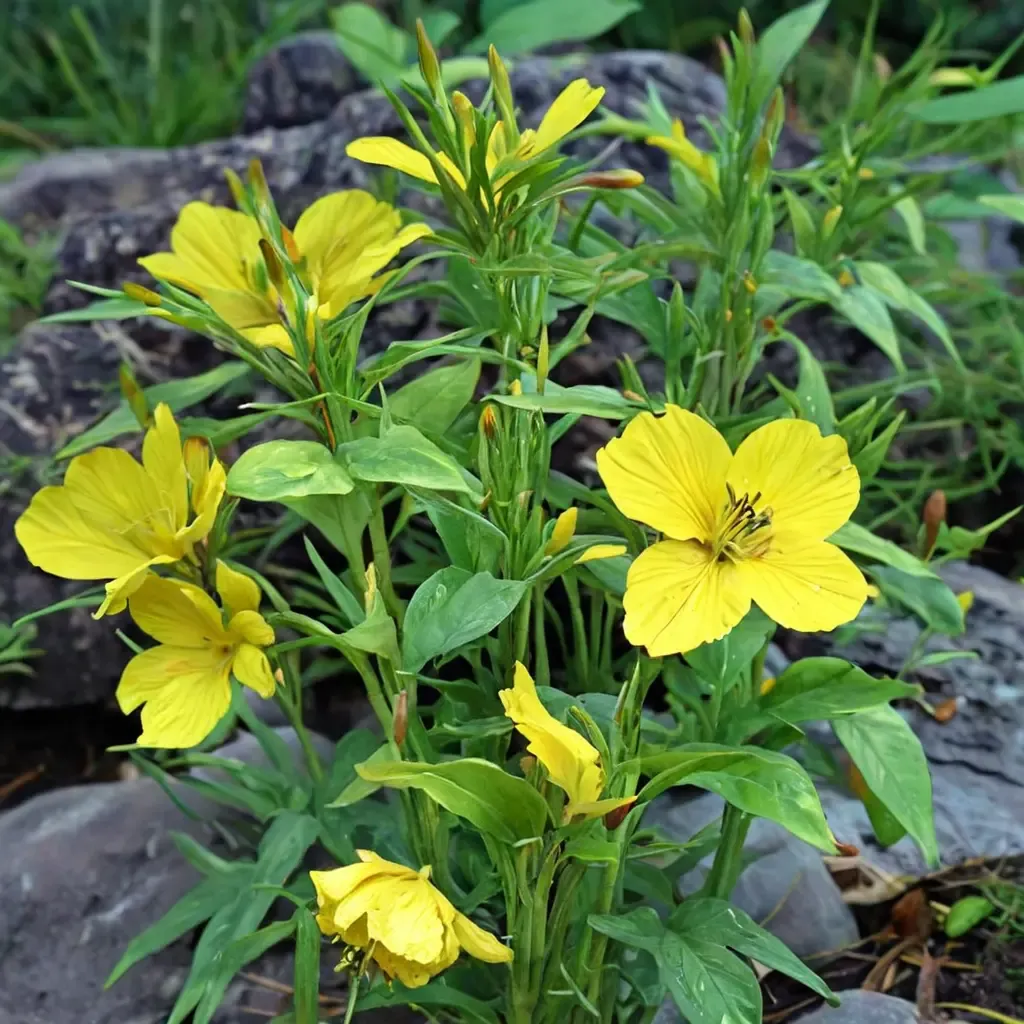
Native Yellow Sundrops
Oenothera fruticosa 'Native Yellow Bellflower'
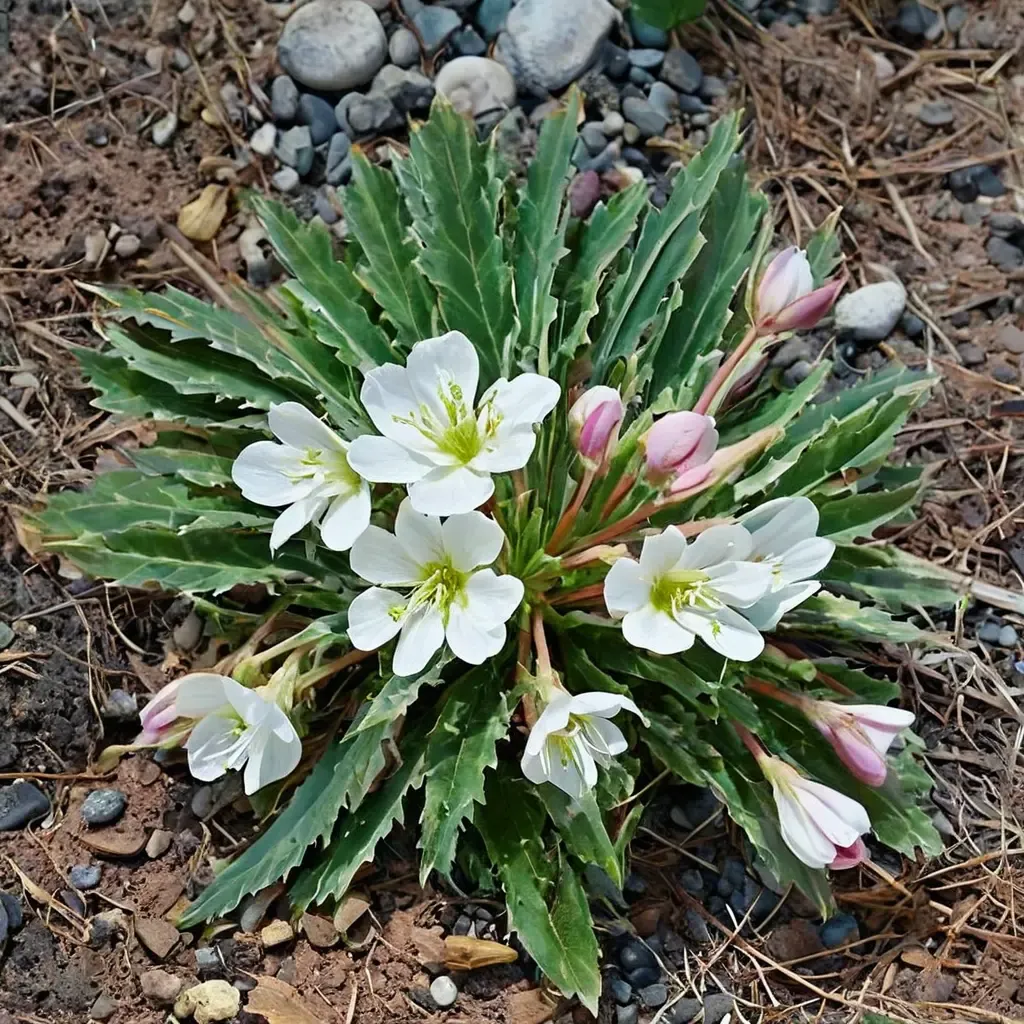
Tufted Evening Primrose
Oenothera caespitosa
Keep exploring
Explore the genus
Hardy in your zone?
Grow Berlandier's Sundrops with confidence
See it in a design of your actual yard, get zone-matched care reminders, and track it season by season in your garden journal.