1 named cultivar
The Story
Plant Bio
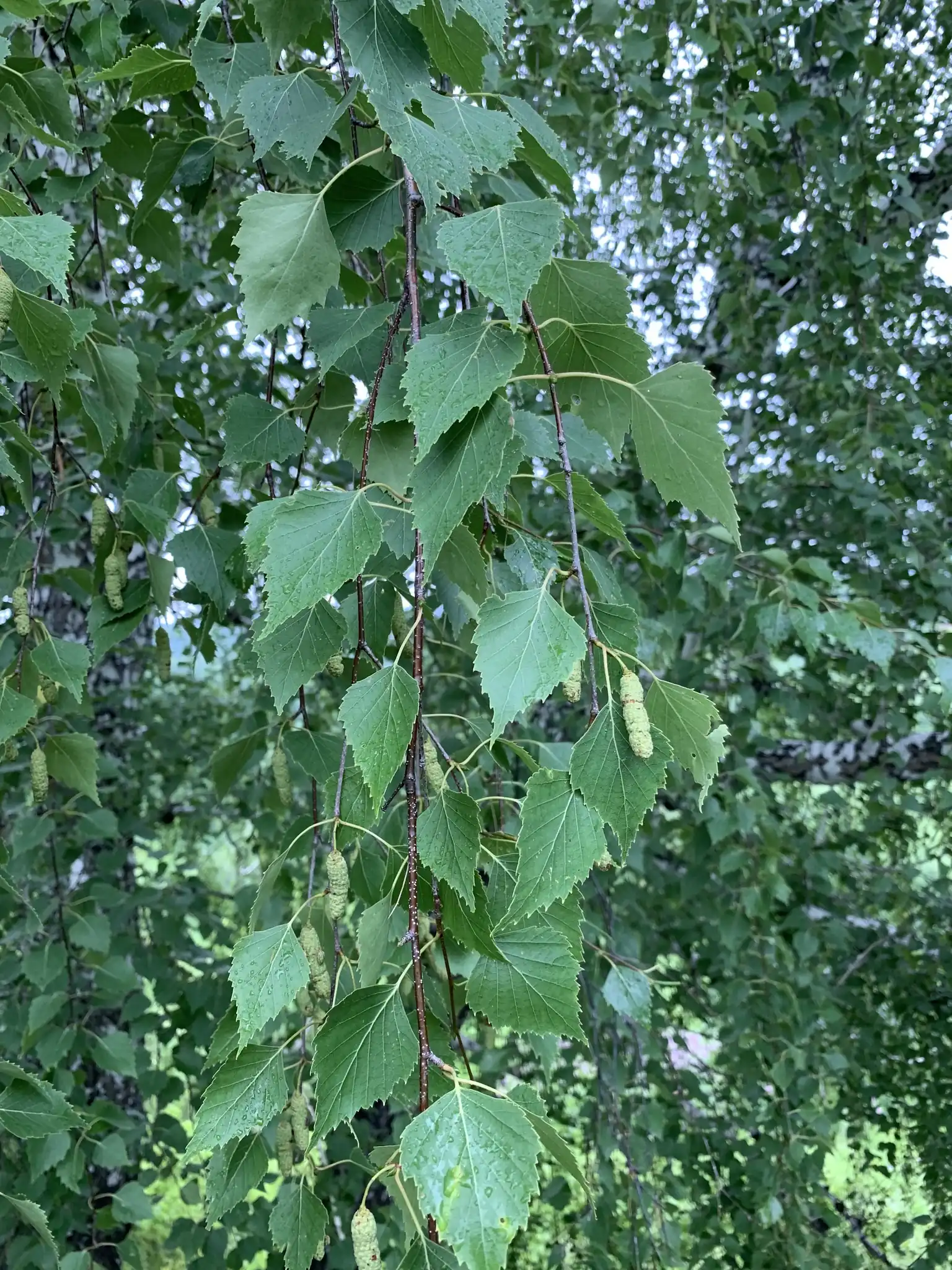
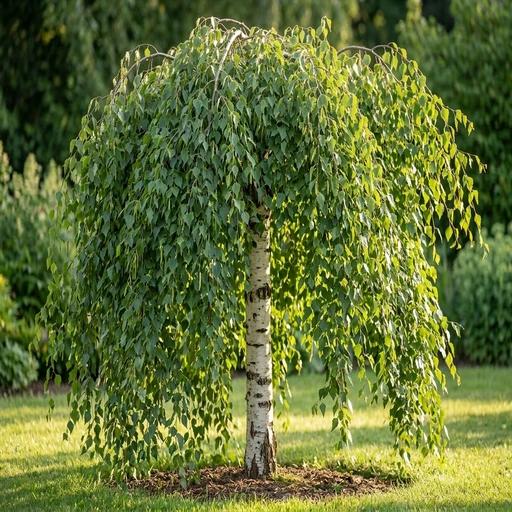
Betula pendula, silver birch, is a fast slender deciduous tree from Europe and Asia, reaching thirty to fifty feet with an oval to pyramidal crown and characteristically drooping young twigs. The smooth white bark develops early and is the reason it is planted; glossy tapered leaves turn clear yellow in autumn, and drooping catkins follow the spring flowers.
Bronze birch borer is what decides whether this tree lives, and it attacks stressed trees above all — drought, compaction and hot exposed sites are effectively an invitation. In much of North America the native river birch is the sounder choice; if you plant silver birch, give it cool moist roots and never let it go dry in its first summers.
Uses & Benefits:
Essentials
At a Glance
Plant Type
Tree
Height
480"
Width
144"
Light
Full Sun, Partial Sun
Zones
4, 5, 6, 7
Water
Moderate
Humidity
Moderate
Lifespan
Perennial
Native To
Europe and Asia
Toxicity
Non-toxic; the sap is traditionally tapped
Marketplace
Where to Buy
Shipping costs Year-round shipping Free shipping
Planting
How to Grow
- Choose a cool site with moist, well-drained soil.
- Avoid hot, dry, compacted or reflected-heat positions.
- Mulch generously to keep the roots cool.
- Water deeply through drought, especially when young.
- Prune only in summer; birches bleed heavily in spring.
- Watch for thinning in the upper crown.
Pro Tip
Bronze birch borer takes stressed trees first, so mulch and water are the real defence — there is no spray that saves a drought-weakened birch.
Keep It Thriving
Care Guide
Do
- Keep the roots cool and mulched 🍂
- Water deeply in dry spells 💧
- Prune in summer, never spring ✂️
- Consider native river birch instead 🌳
Don't
- Plant it in a hot dry spot ❌
- Prune it in spring — it bleeds badly ❌
- Let it go dry while establishing ❌
Seasonal Care Calendar
| Task | Jan | Feb | Mar | Apr | May | Jun | Jul | Aug | Sep | Oct | Nov | Dec |
|---|---|---|---|---|---|---|---|---|---|---|---|---|
| Mulch | ||||||||||||
| Prune |
Watch Out For
Pests & Diseases
Common Pests
Common Diseases
In the Garden
Landscape Uses & Companions
Landscape Uses
Companion Plants
Multiply
Propagation Methods
Good to Know
Common Questions
Silver Birch questions
What zones can Silver Birch grow in?
Silver Birch is hardy in USDA Zones 4–7. Inside that range it survives winter in the ground; outside it, grow it as an annual or a container plant you protect.
Is Silver Birch deer resistant?
Yes — Silver Birch is rated deer-resistant. Deer typically pass it over, though extreme hunger can override any plant's defenses.
When does Silver Birch bloom?
Silver Birch typically blooms in early spring through mid-spring. Exact timing shifts a week or two with your zone — Sow's bloom calendar maps it to your garden.
Does Silver Birch need full sun?
Silver Birch does best in full sun to part shade. In hot climates, afternoon shade keeps blooms fresher longer.
More Betula to compare
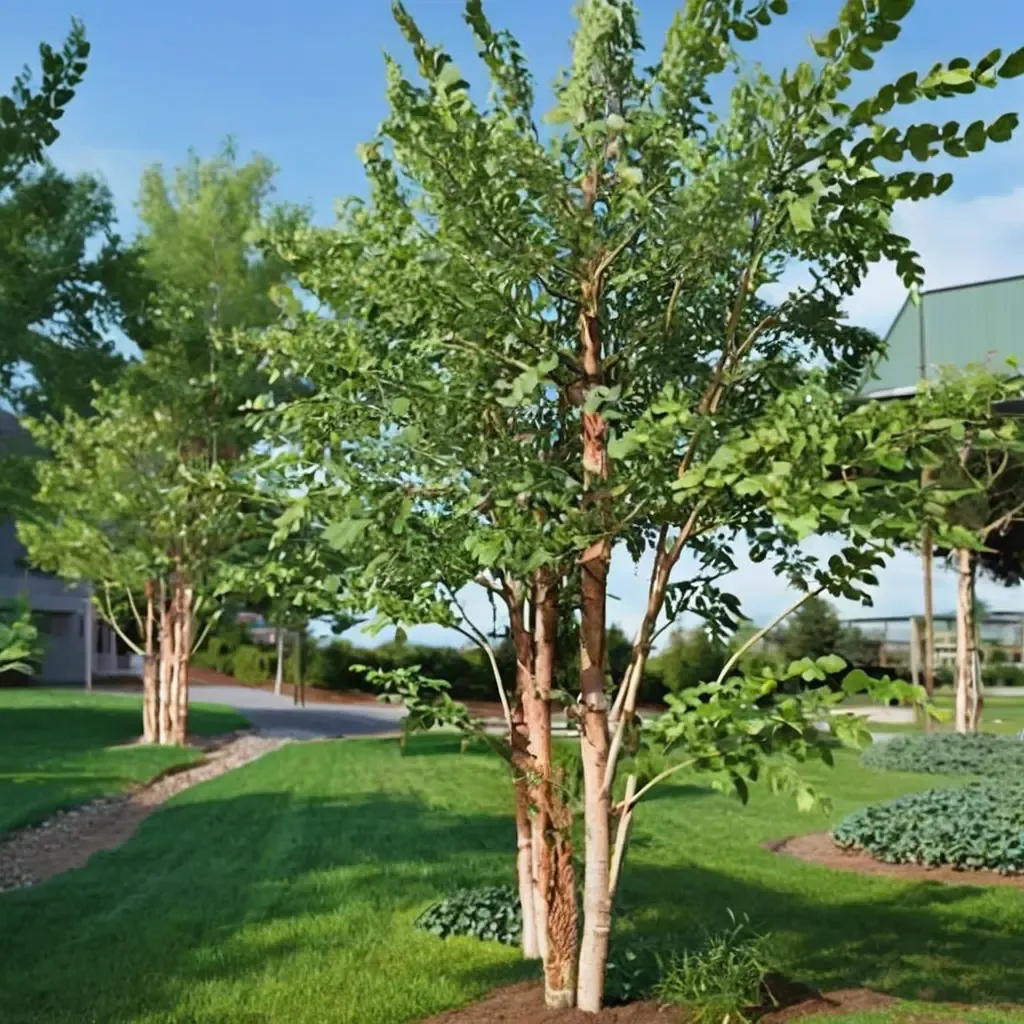
River Birch
Betula nigra
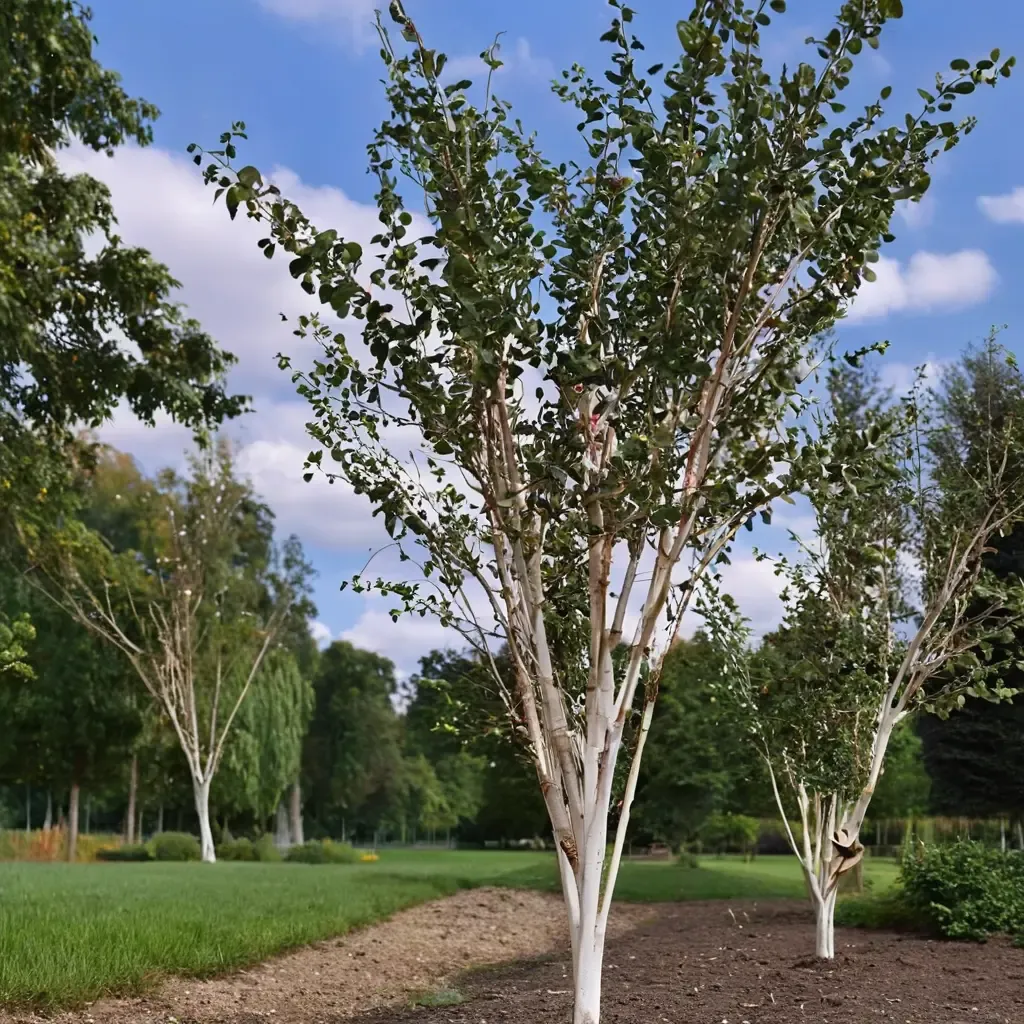
Himalayan Birch
Betula utilis
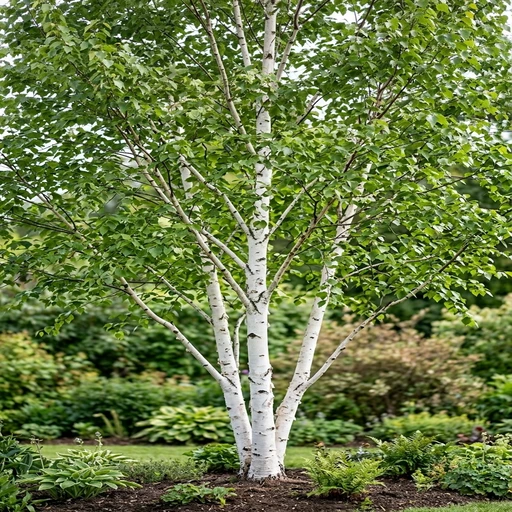
Paper Birch
Betula papyrifera
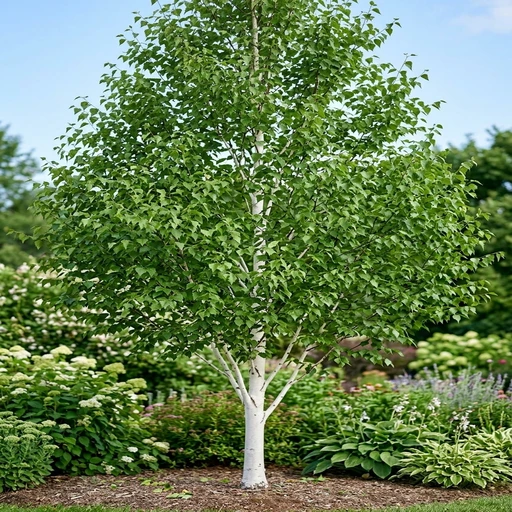
Whitespire Birch
Betula platyphylla 'Whitespire'
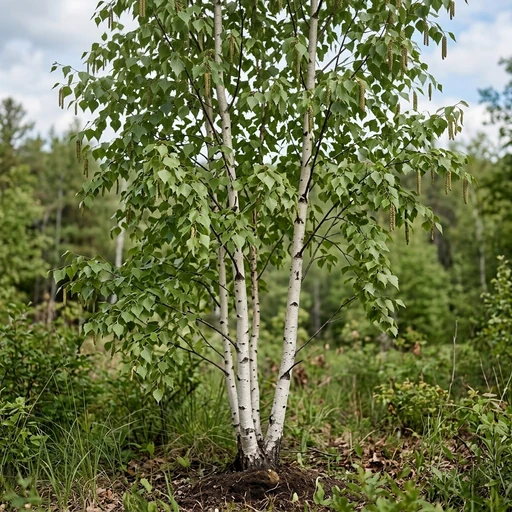
Gray Birch
Betula populifolia
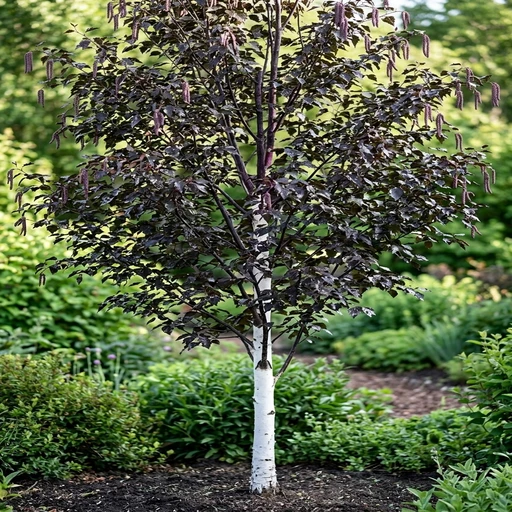
Birch
Betula x hybrida 'Royal Frost'
Keep exploring
Explore the genus
Hardy in your zone?
Grow Silver Birch with confidence
See it in a design of your actual yard, get zone-matched care reminders, and track it season by season in your garden journal.