The Story
Plant Bio
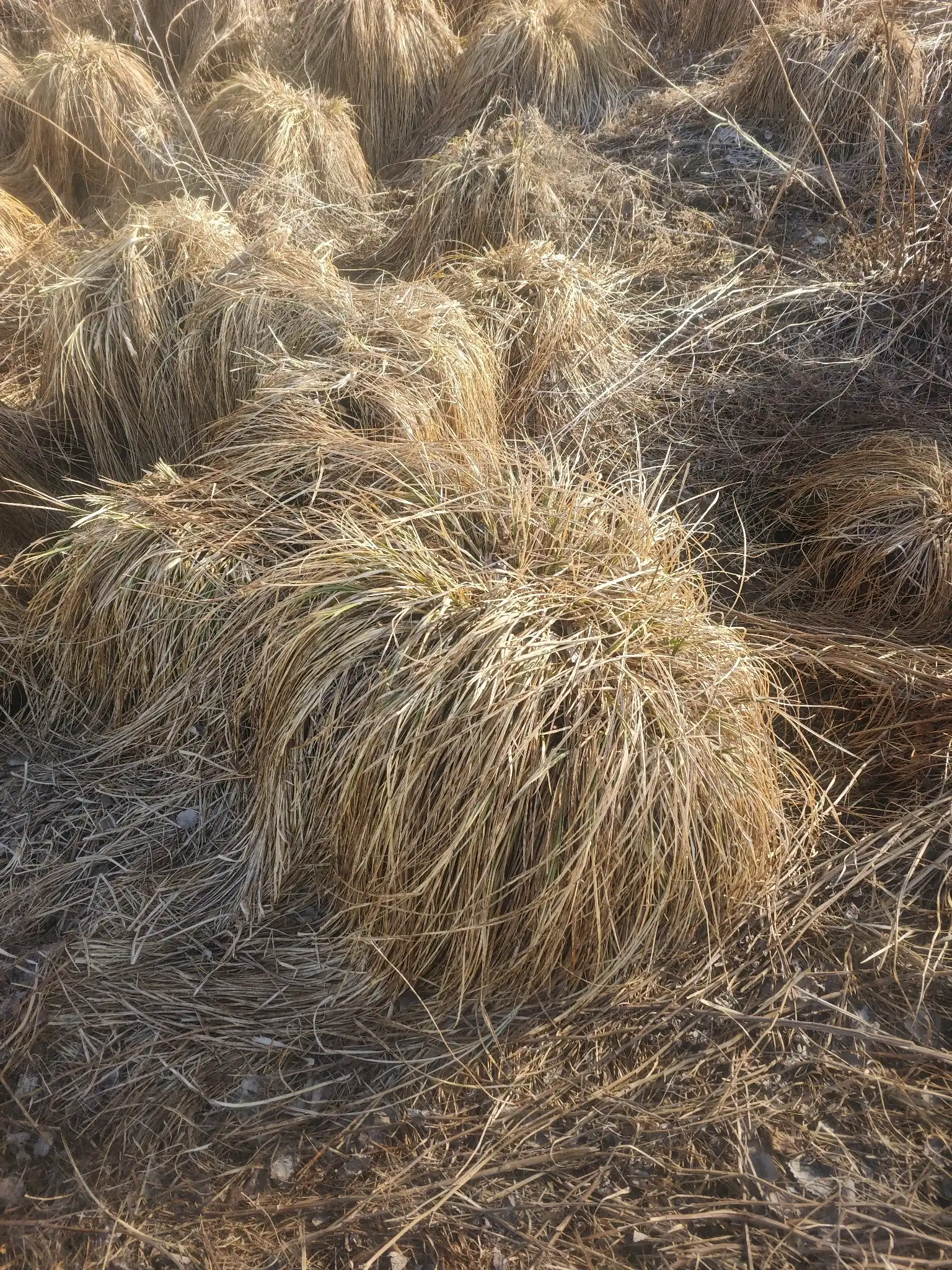
Carex paniculata, the greater tussock-sedge, is a robust, densely tufted perennial sedge native to Europe, western Asia, and North Africa that forms massive, woody pedestal-like stools over time. The stiff, dark green leaves are linear and folded along the midvein, featuring sharp, rough margins due to high silica content.
This species is distinguished by its large, heavily branched compound panicles of brownish-green spikelets that rise up to five feet tall from late spring through summer. Unlike many smaller sedges, its persistent dead foliage and root mass accumulate to build a prominent elevated trunk or tussock in wet soils.
Uses & Benefits:
Essentials
At a Glance
Plant Type
Grass
Height
59"
Width
59"
Light
Full Sun, Partial Sun
Zones
5, 6, 7, 8, 9
Water
High
Humidity
High
Lifespan
Long-lived
Native To
Europe, Western Asia, North Africa
Toxicity
Non-toxic
Bloom period
Late spring – Late summer
In flower about 4 months of the year
Planting
How to Grow
- Select a site with full sun to partial shade and consistently wet, organic, or peaty soil.
- Dig a hole twice the width of the root ball and set the plant at the same depth it was growing in its container.
- Water thoroughly immediately after planting to settle the soil around the roots.
- Maintain constant soil moisture, ensuring the ground never dries out completely during establishment.
Pro Tip
Never shear this sedge down to the ground or cut into the woody, leafless stool at the base; pruning into this old wood prevents regeneration and will kill the plant.
Keep It Thriving
Care Guide
Do
- Keep the soil consistently damp or wet to mimic its natural fen and bog habitats.
- Clear away dead or tattered outer leaves in early spring by gently pulling them from the base.
- Use organic mulch like composted leaf mold to help retain soil moisture around the root zone.
Don't
- Do not cut back into the old, woody pedestal or stool, as it cannot regenerate from bare wood.
- Do not apply heavy synthetic fertilizers, which can cause rapid nutrient stress and foliage burn.
- Do not allow the soil to dry out completely, especially during hot summer periods.
Seasonal Care Calendar
| Task | Jan | Feb | Mar | Apr | May | Jun | Jul | Aug | Sep | Oct | Nov | Dec |
|---|---|---|---|---|---|---|---|---|---|---|---|---|
| Divide | ||||||||||||
| Pest Check | ||||||||||||
| Propagate | ||||||||||||
| Spring Cleanup |
Watch Out For
Pests & Diseases
Common Pests
Common Diseases
In the Garden
Landscape Uses & Companions
Landscape Uses
Companion Plants
Multiply
Propagation Methods
Good to Know
Common Questions
Greater Tussock-Sedge questions
What zones can Greater Tussock-Sedge grow in?
Greater Tussock-Sedge is hardy in USDA Zones 5–9. Inside that range it survives winter in the ground; outside it, grow it as an annual or a container plant you protect.
When does Greater Tussock-Sedge bloom?
Greater Tussock-Sedge typically blooms in late spring through late summer. Exact timing shifts a week or two with your zone — Sow's bloom calendar maps it to your garden.
Does Greater Tussock-Sedge need full sun?
Greater Tussock-Sedge does best in full sun to part shade. In hot climates, afternoon shade keeps blooms fresher longer.
More Carex to compare
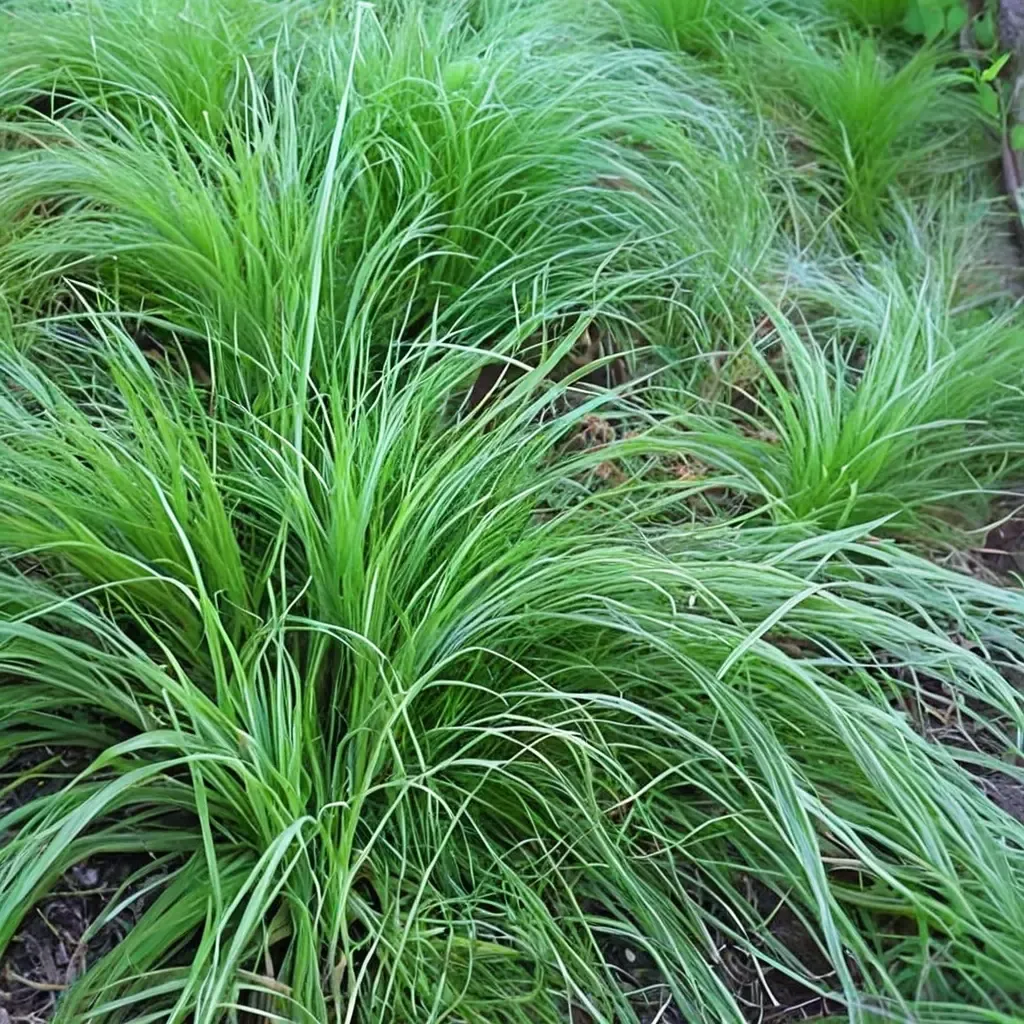
Pennsylvania Sedge
Carex pensylvanica
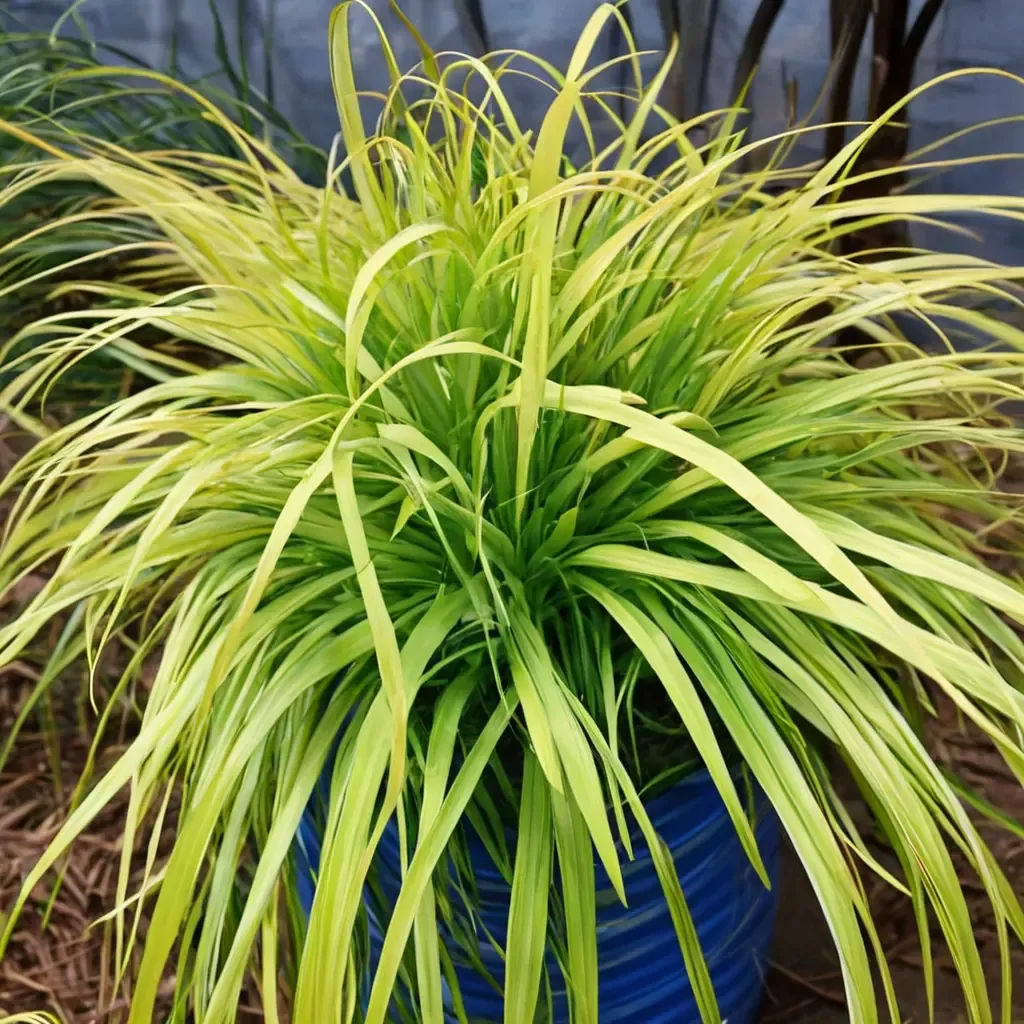
Everillo Sedge
Carex oshimensis 'Everillo'
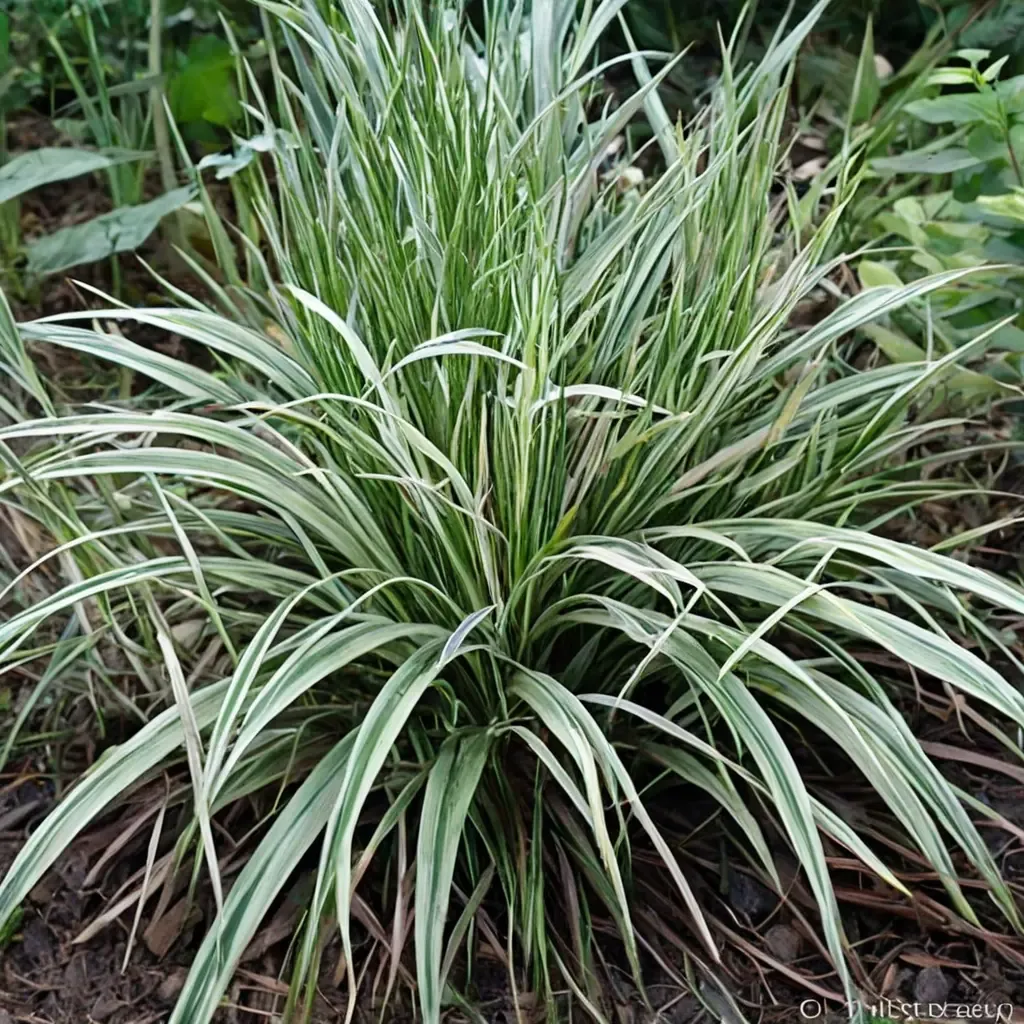
Japanese Sedge
Carex morrowii
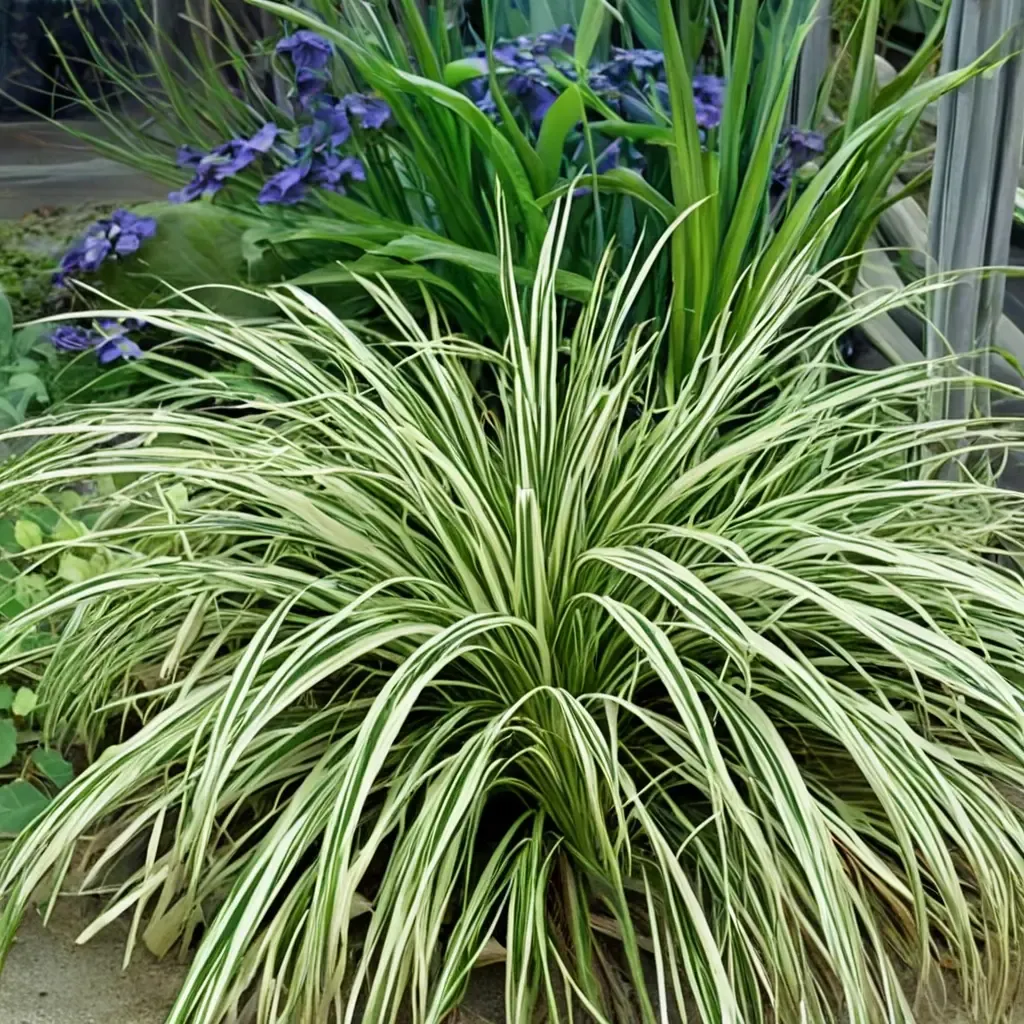
Evergold Japanese Sedge
Carex oshimensis 'Evergold'
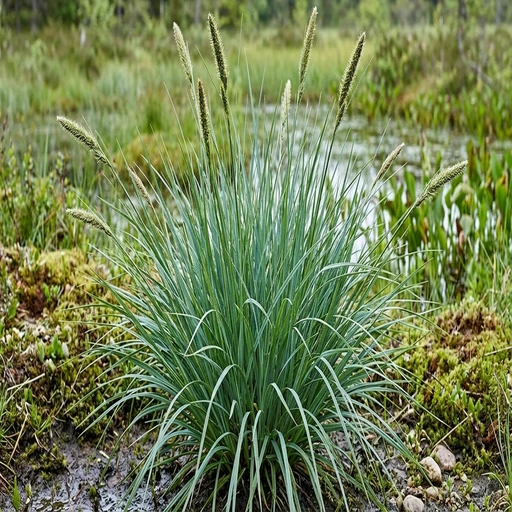
Comosa Sedge
Carex comosa
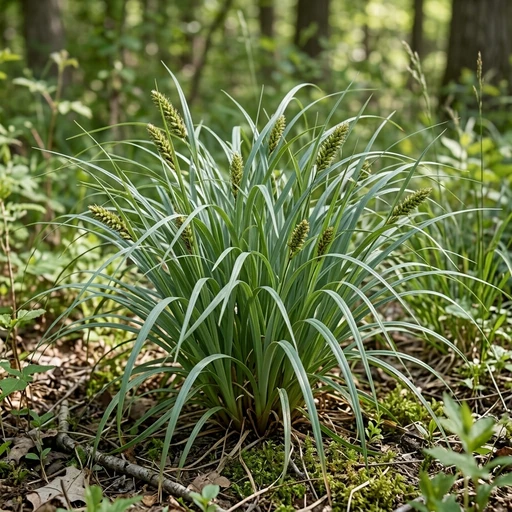
Shortbeak Sedge
Carex brevior
Keep exploring
Explore the genus
Hardy in your zone?
Grow Greater Tussock-Sedge with confidence
See it in a design of your actual yard, get zone-matched care reminders, and track it season by season in your garden journal.