The Story
Plant Bio
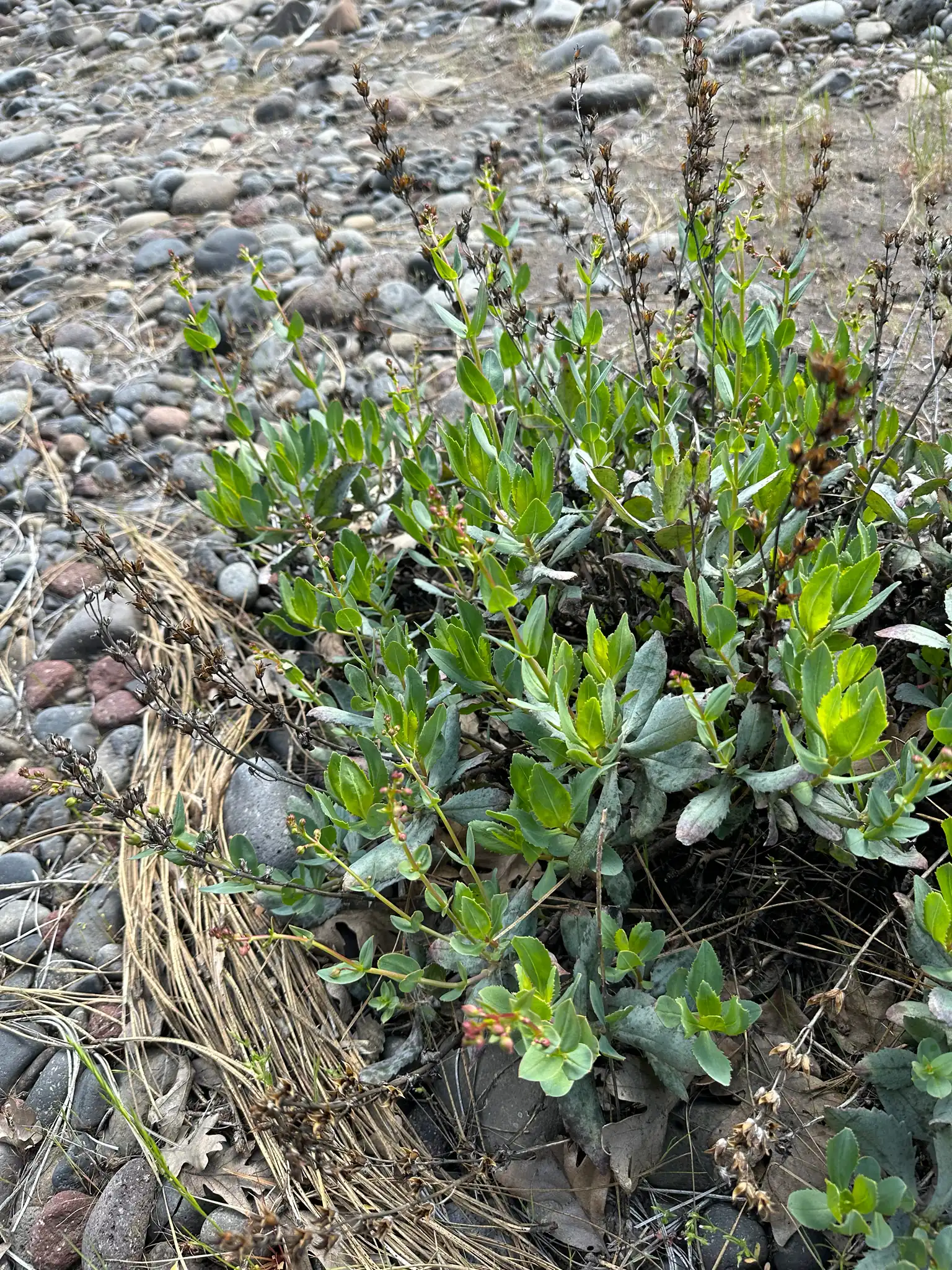
Penstemon barrettiae, Barrett's penstemon, is an evergreen subshrub native to basalt cliffs and rock outcrops along the Columbia River Gorge. Spreading woody stems form dense clumps clad in thick, blue-green leathery leaves, topped in late spring by tubular rose-pink flower spikes.
The thick, glaucous leaves provide year-round texture and maintain an attractive mounding habit across dry seasons. Its tubular flowers offer high wildlife value, supplying nectar to hummingbirds, bumblebees, and butterflies.
Uses & Benefits:
Essentials
At a Glance
Plant Type
Perennial
Height
20"
Width
18"
Light
Full Sun, Partial Sun
Zones
6, 7, 8
Water
Low
Humidity
Low to Moderate
Lifespan
Perennial
Native To
Pacific Northwest USA
Toxicity
Non-toxic
Bloom period
Late spring – Early summer
In flower about 2 months of the year
Planting
How to Grow
- Select a full sun location with gritty, mineral-rich soil that drains rapidly.
- Plant on a slope, elevated rock garden, or crevice where excess moisture drains away immediately.
- Water moderately during the first season to establish, allowing soil to dry completely between waterings.
- Deadhead spent flower spikes after blooming to maintain a tidy evergreen mound.
Pro Tip
Plant in coarse, lean gravel or wall crevices with rapid drainage, and never cut back into old bare wood, as mature stems will not resprout.
Keep It Thriving
Care Guide
Do
- Provide sharp, mineral drainage using grit or crushed gravel
- Deadhead spent flower stems promptly after blooming
- Position in full sun for compact, tight growth
Don't
- Do not prune deep into leafless woody stems
- Do not plant in rich, water-retentive garden loam
- Do not overwater during winter or summer dormancy
Seasonal Care Calendar
| Task | Jan | Feb | Mar | Apr | May | Jun | Jul | Aug | Sep | Oct | Nov | Dec |
|---|---|---|---|---|---|---|---|---|---|---|---|---|
| Deadhead | ||||||||||||
| Fertilize | ||||||||||||
| Propagate | ||||||||||||
| Spring Cleanup | ||||||||||||
| Winter Prep |
Watch Out For
Pests & Diseases
Common Pests
Common Diseases
In the Garden
Landscape Uses & Companions
Landscape Uses
Multiply
Propagation Methods
Good to Know
Common Questions
Barrett's Penstemon questions
What zones can Barrett's Penstemon grow in?
Barrett's Penstemon is hardy in USDA Zones 6–8: in that range it survives winter in the ground. Colder than Zone 6, grow it in a container you can move to shelter for the winter, or as an annual. Warmer than Zone 8, winter isn't the problem: it prefers colder winters, and summer heat can shorten its life.
Is Barrett's Penstemon deer resistant?
Yes — Barrett's Penstemon is rated deer-resistant. Deer typically pass it over, though extreme hunger can override any plant's defenses.
When does Barrett's Penstemon bloom?
Barrett's Penstemon typically blooms from late spring to early summer. Exact timing shifts a week or two with your zone — Sow's bloom calendar maps it to your garden.
Does Barrett's Penstemon need full sun?
Barrett's Penstemon does best in full sun to part shade. In hot climates, afternoon shade keeps blooms fresher longer.
Is Barrett's Penstemon drought tolerant?
Yes — once established (usually after the first full season), Barrett's Penstemon handles dry spells with minimal watering. Water deeply its first year to build the root system that makes that possible.
More Penstemon to compare
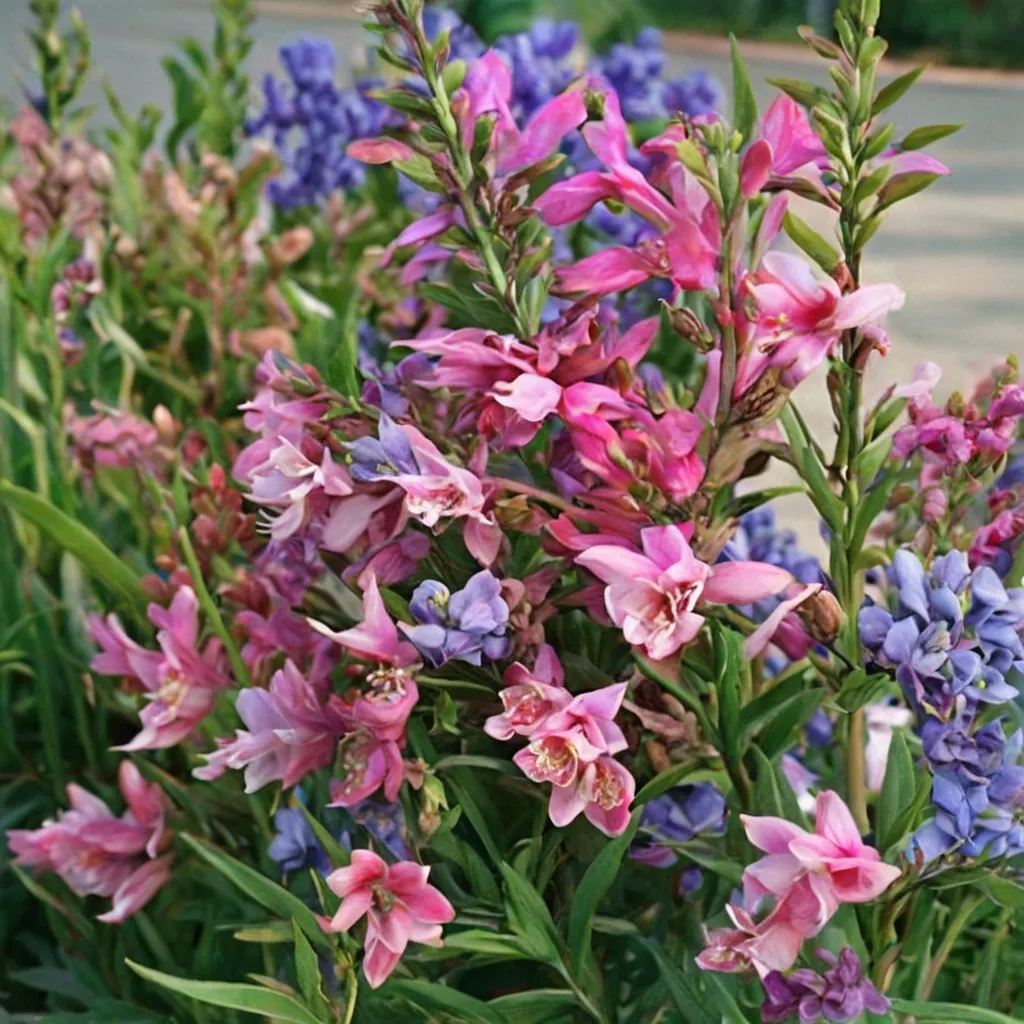
Beardtongue Rondo
Penstemon barbatus 'Rondo'
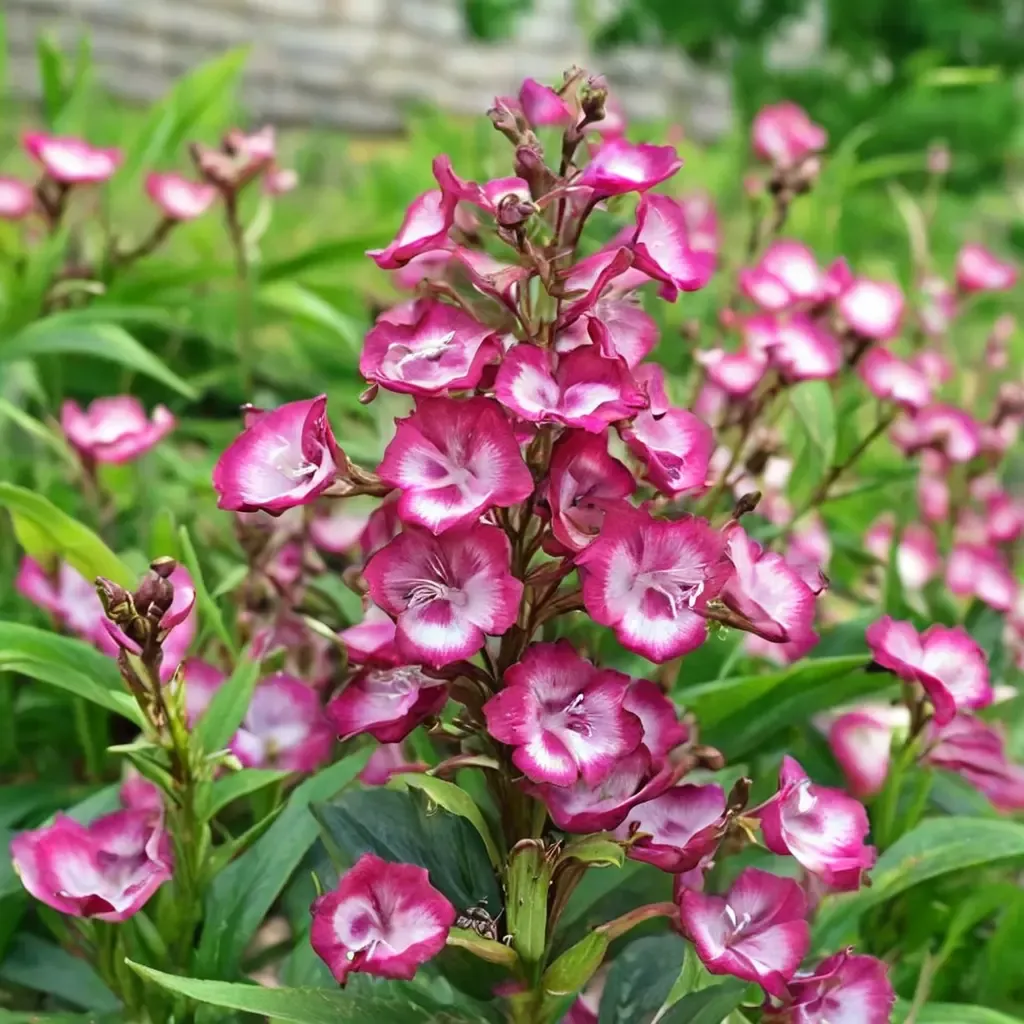
George Home Penstemon
Penstemon digitalis 'George Home'
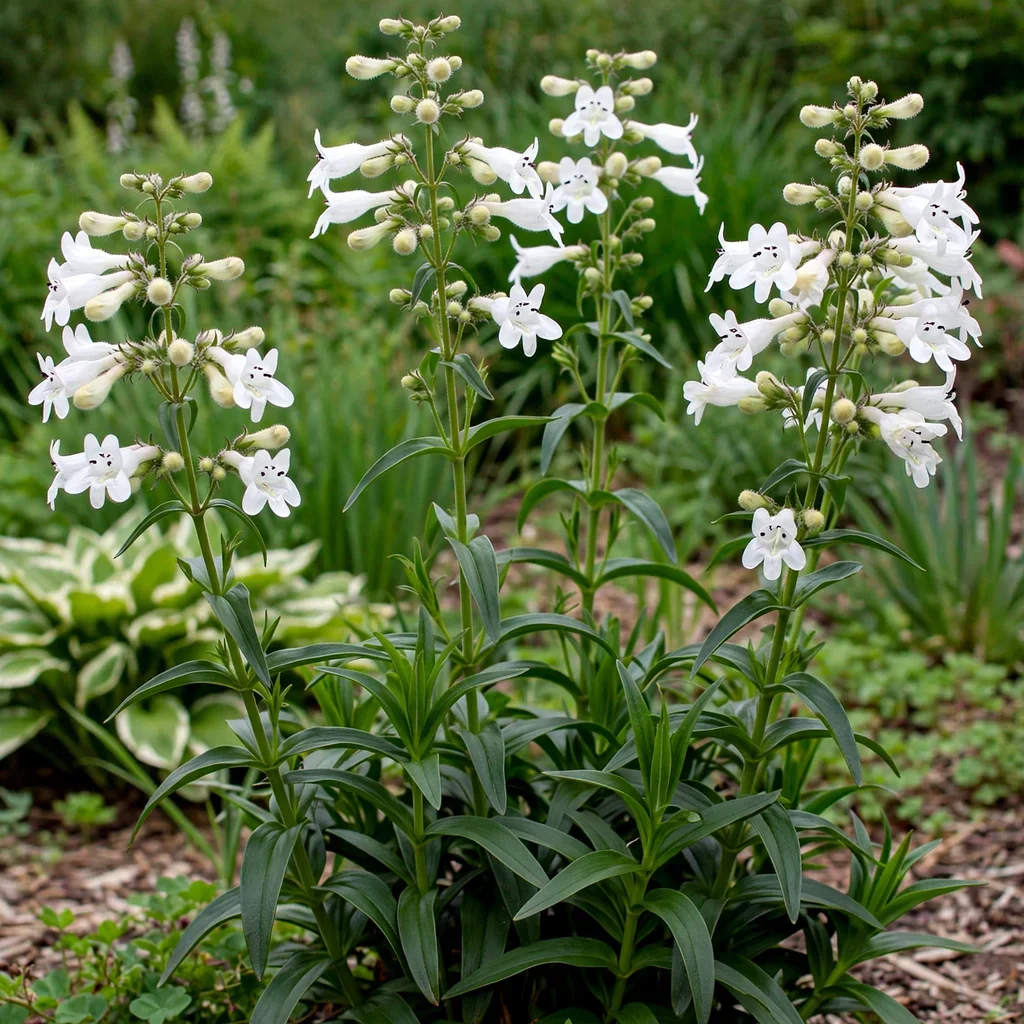
Foxglove Beardtongue
Penstemon digitalis
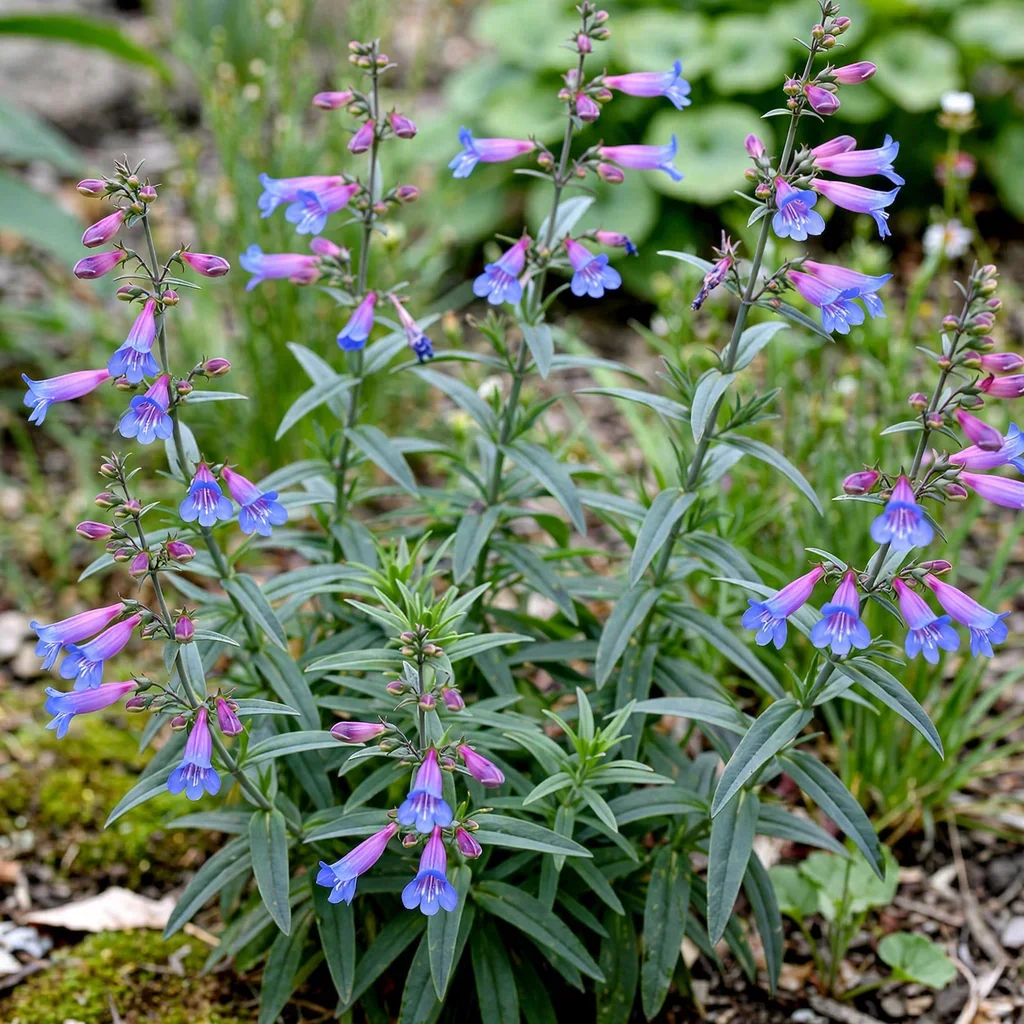
Blue Springs Penstemon
Penstemon heterophyllus 'Blue Springs'
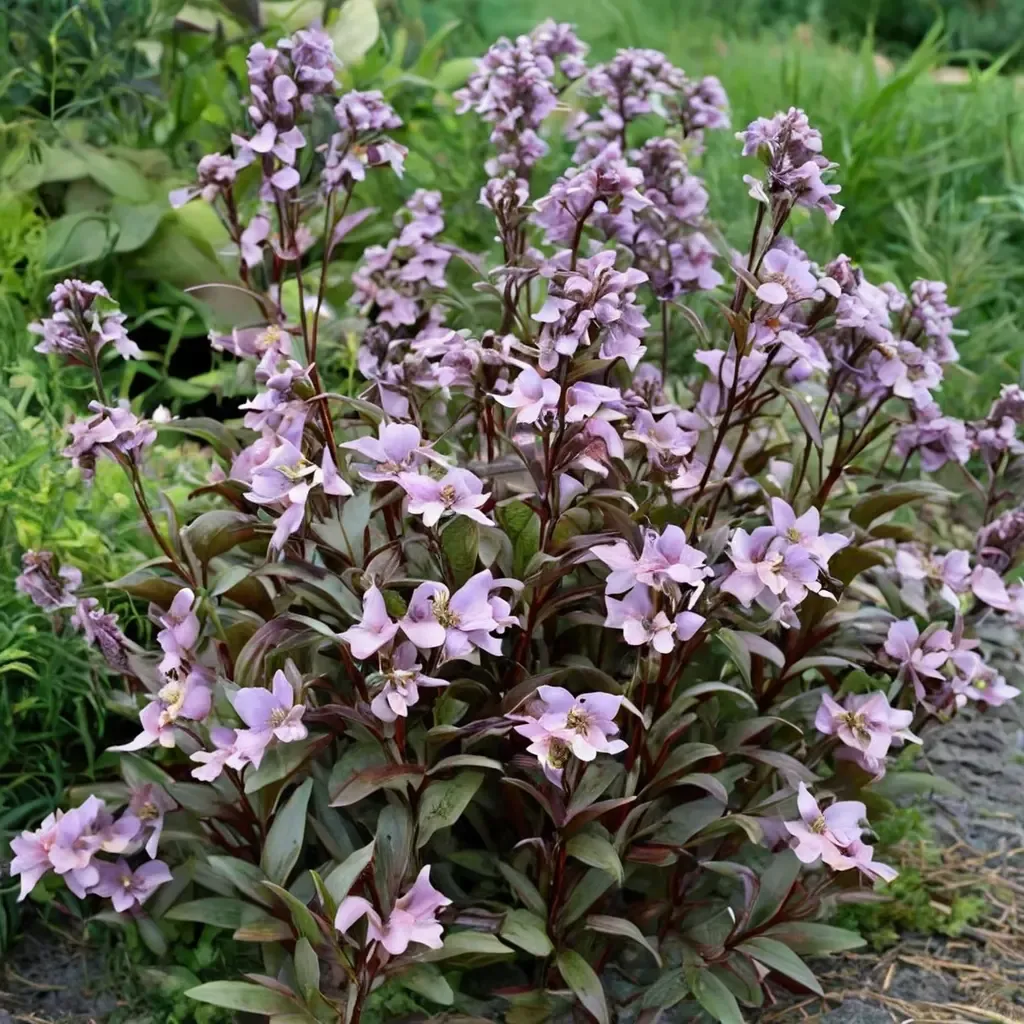
Blackbeard Beardtongue
Penstemon digitalis 'Blackbeard'
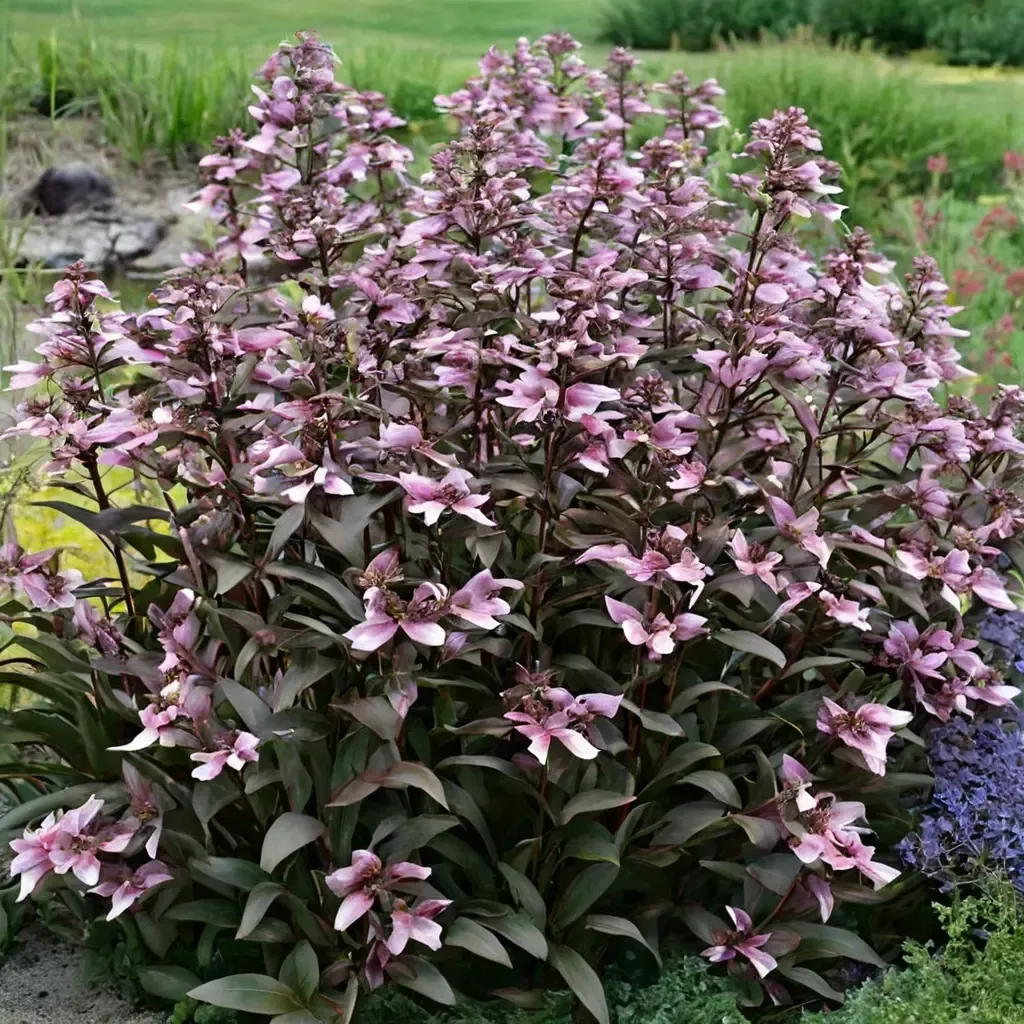
Dark Towers Penstemon
Penstemon digitalis 'Dark Towers'
Keep exploring
Explore the genus
Hardy in your zone?
Grow Barrett's Penstemon with confidence
See it in a design of your actual yard, get zone-matched care reminders, and track it season by season in your garden journal.