The Story
Plant Bio
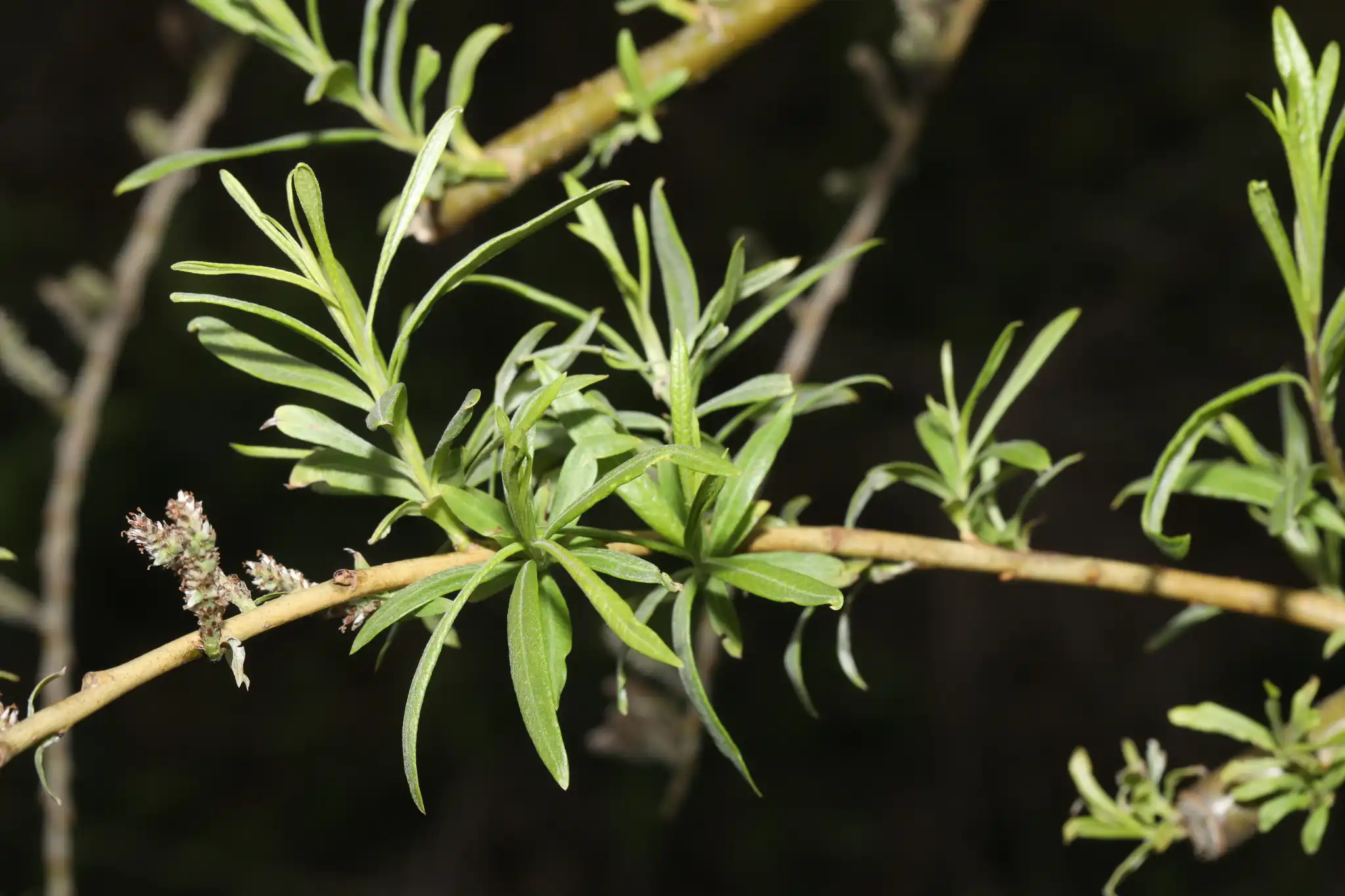
Salix viminalis, commonly known as the basket willow, is a vigorous deciduous shrub or small multi-stemmed tree characterized by its exceptionally long, straight, and flexible olive-green to yellowish twigs. The narrow, linear leaves are dull green on their upper surfaces and densely covered with silky, silver hairs underneath, creating a shimmering effect in the wind.
This species is highly valued for its rapid production of straight, unbranched whips when cut back hard, making it the premier choice for traditional basketry and living willow structures. In early spring, before the leaves emerge, the bare stems produce upright, cylindrical catkins that provide an important early nectar source for emerging bees.
Uses & Benefits:
Essentials
At a Glance
Plant Type
Shrub
Height
236"
Width
157"
Light
Full Sun, Partial Sun
Zones
4, 5, 6, 7, 8, 9
Water
High
Humidity
Moderate
Lifespan
Moderate
Native To
Europe and Asia
Toxicity
Non-toxic
Bloom period
Spring
In flower about 3 months of the year
Planting
How to Grow
- Select a site in full sun to partial shade with consistently moist, deep, and poorly drained soil.
- Plant bare-root whips or live stakes in late winter or early spring by pushing them directly into prepared, wet soil.
- Water deeply and regularly during the first growing season to ensure the root system establishes without drying out.
- Cut the entire plant back to a low framework or stool near ground level in late winter to stimulate straight, vigorous new growth.
Pro Tip
To maintain a dense supply of flexible, high-quality weaving whips, coppice the plant down to a low stool within a few inches of the ground every winter; leaving it unpruned results in a sparse, woody, and structurally weak canopy.
Keep It Thriving
Care Guide
Do
- Coppice or pollard the plant annually in late winter to maintain flexible stems and a tidy habit.
- Plant in wet, low-lying areas, rain gardens, or near water bodies where soil moisture is reliable.
- Clear fallen leaves in autumn to reduce the carryover of willow rust spores.
Don't
- Do not plant near sewer lines, septic fields, or foundations, as the water-seeking roots can cause structural damage.
- Do not let the soil dry out completely, as this species has very low drought tolerance.
- Avoid light, sporadic pruning, which leads to weak, twiggy, and unattractive growth.
Seasonal Care Calendar
| Task | Jan | Feb | Mar | Apr | May | Jun | Jul | Aug | Sep | Oct | Nov | Dec |
|---|---|---|---|---|---|---|---|---|---|---|---|---|
| Pest Check | ||||||||||||
| Plant | ||||||||||||
| Propagate | ||||||||||||
| Prune | ||||||||||||
| Spring Cleanup |
Watch Out For
Pests & Diseases
Common Pests
Common Diseases
In the Garden
Landscape Uses & Companions
Landscape Uses
Companion Plants
Multiply
Propagation Methods
Good to Know
Common Questions
Common osier questions
What zones can Common osier grow in?
Common osier is hardy in USDA Zones 4–9. Inside that range it survives winter in the ground; outside it, grow it as an annual or a container plant you protect.
Is Common osier deer resistant?
Not reliably. Deer may browse Common osier, especially tender spring growth — plan on repellents or fencing where pressure is high.
When does Common osier bloom?
Common osier typically blooms in spring through spring. Exact timing shifts a week or two with your zone — Sow's bloom calendar maps it to your garden.
Does Common osier need full sun?
Common osier does best in full sun to part shade. In hot climates, afternoon shade keeps blooms fresher longer.
More Salix to compare
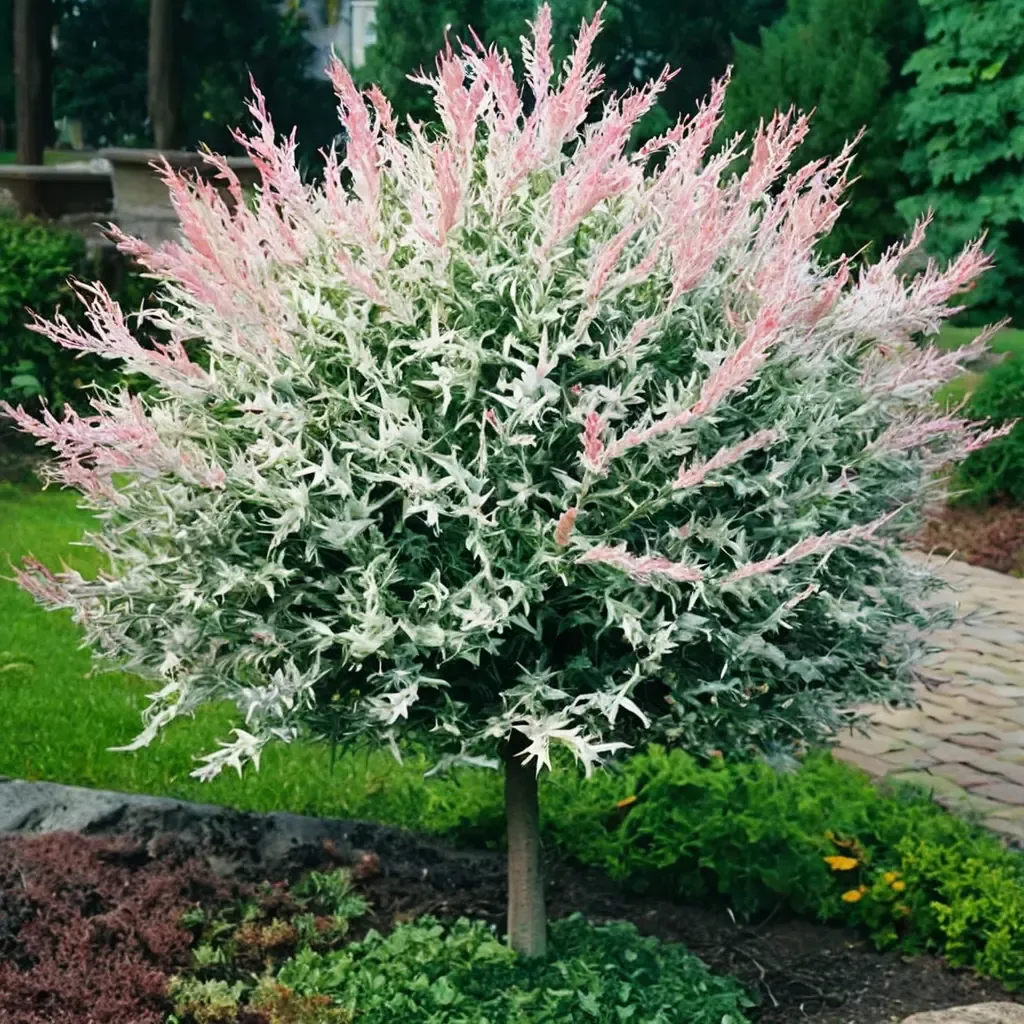
Dappled Willow
Salix integra 'Hakuro-nishiki'
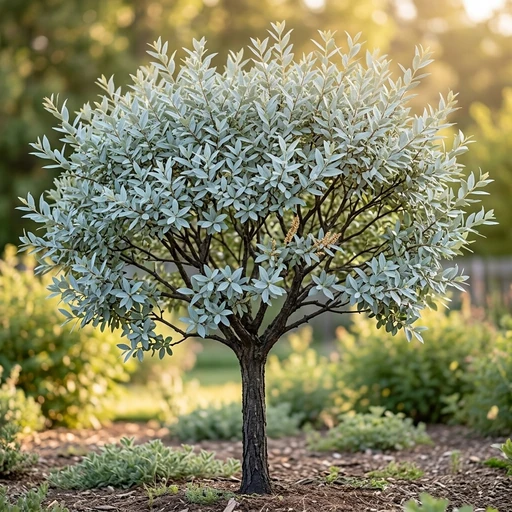
Black Willow
Salix nigra
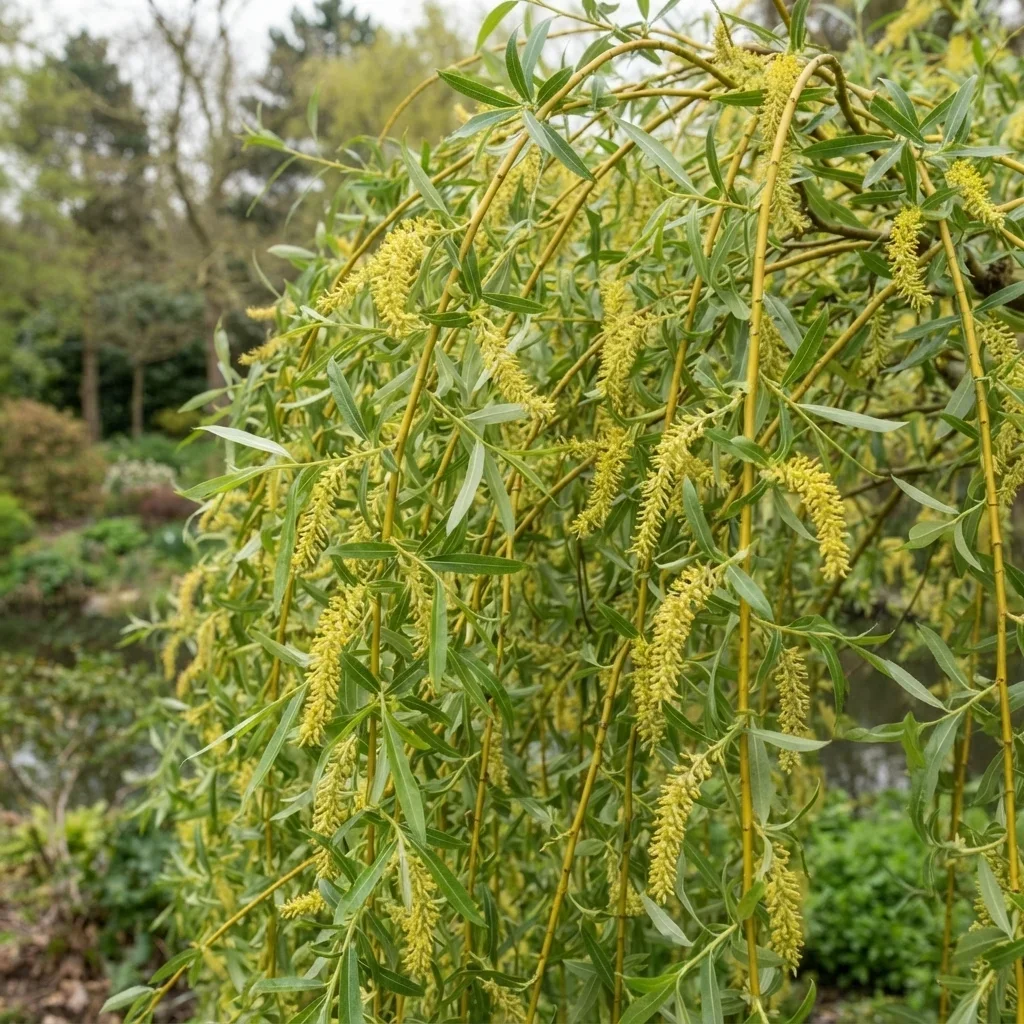
Weeping Willow
Salix x sepulcralis 'Mix'
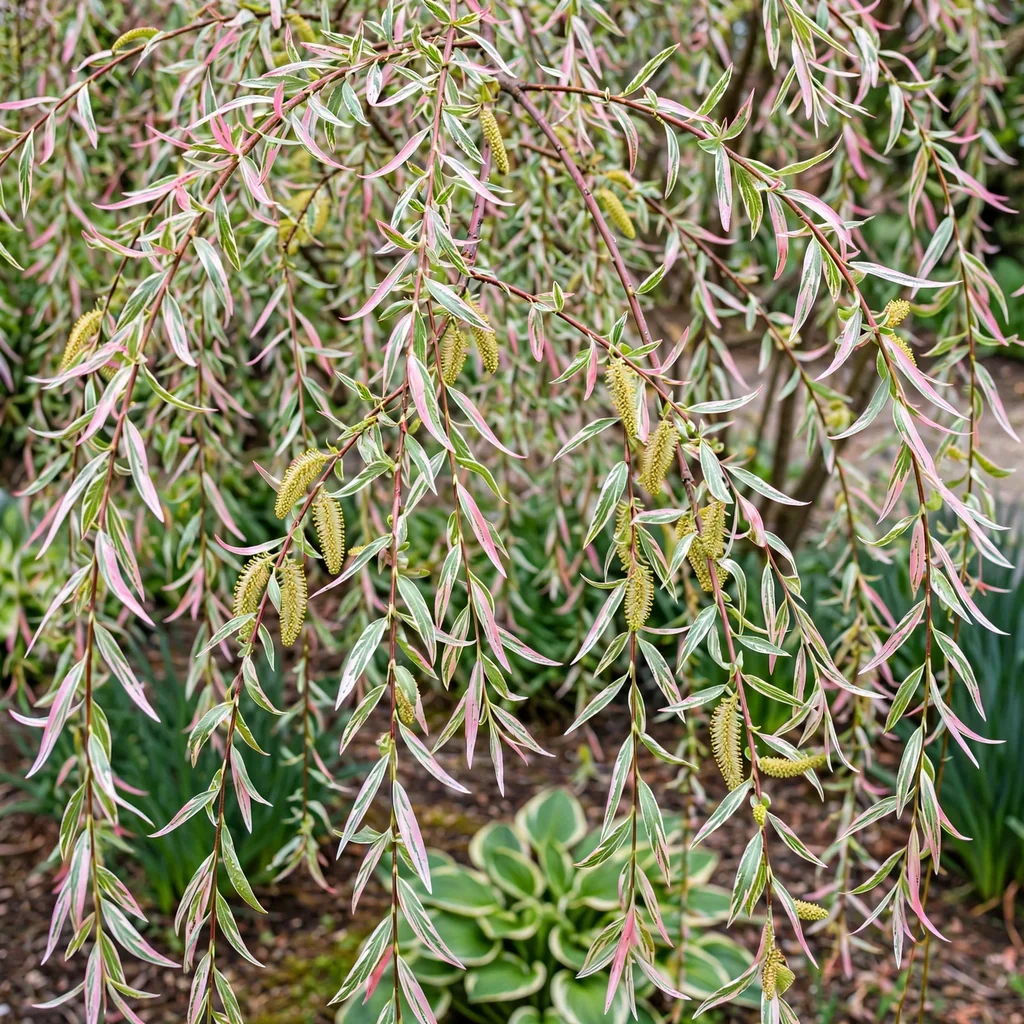
Flamingo Dappled Willow
Salix integra 'Flamingo'
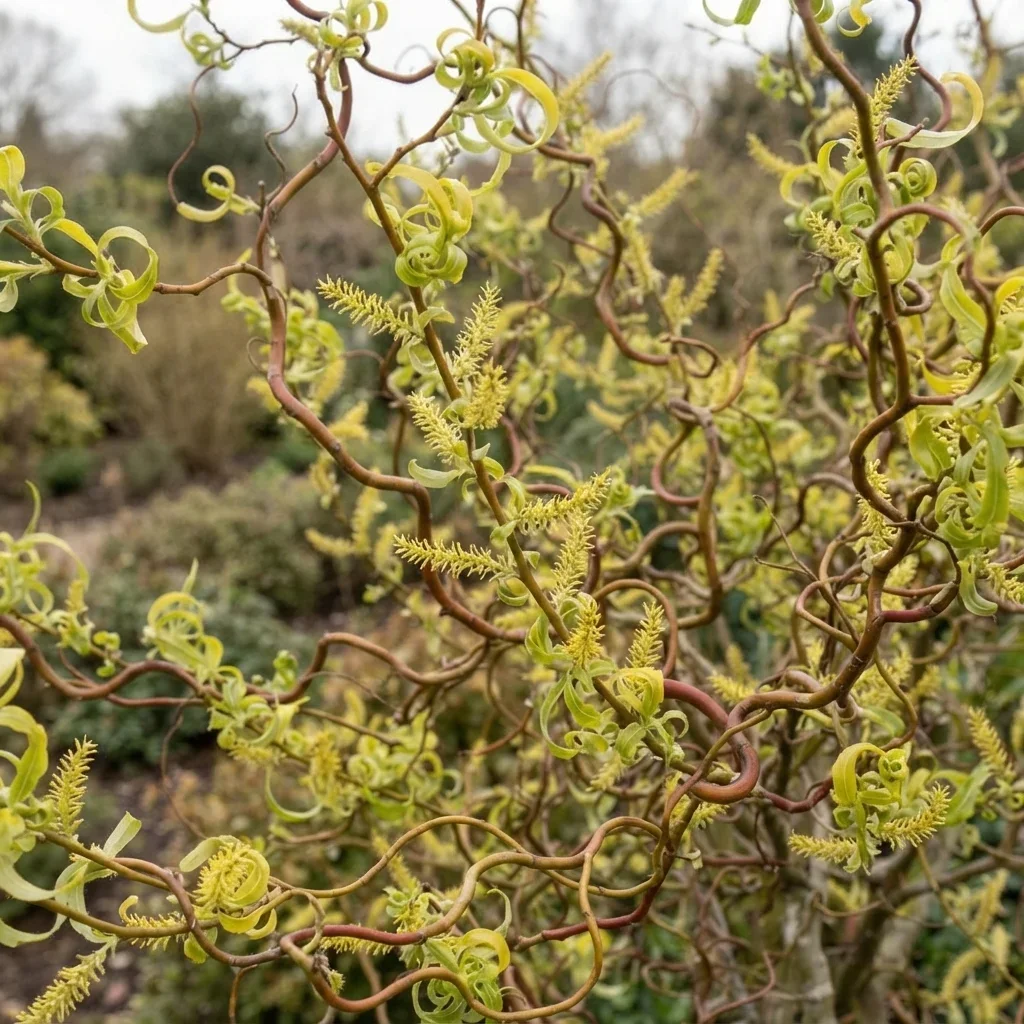
Corkscrew Willow
Salix babylonica 'Tortuosa'
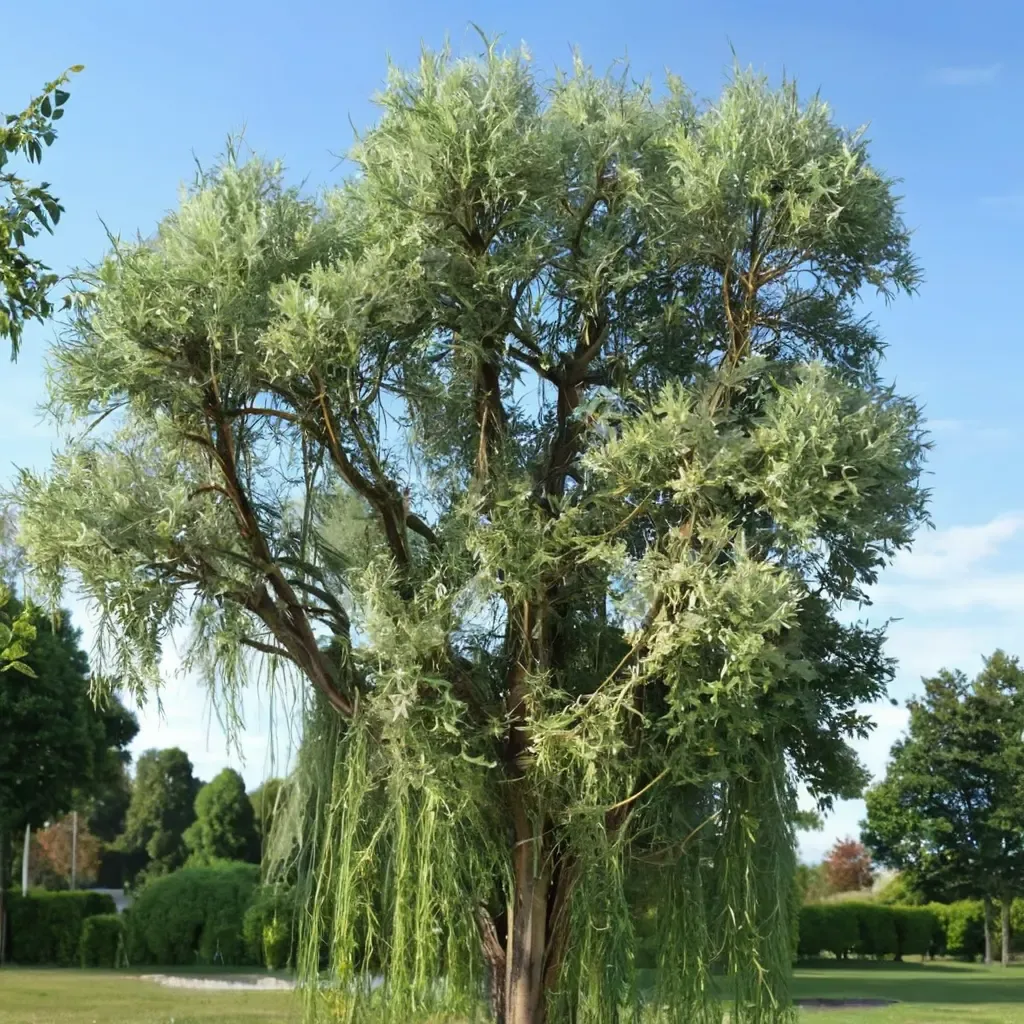
White Willow
Salix alba
Keep exploring
Explore the genus
Grow Common osier with confidence
See it in a design of your actual yard, get zone-matched care reminders, and track it season by season in your garden journal.