1 named cultivar
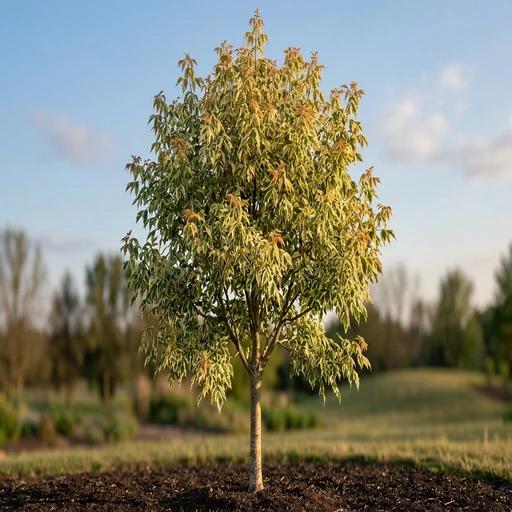
The Story
Plant Bio
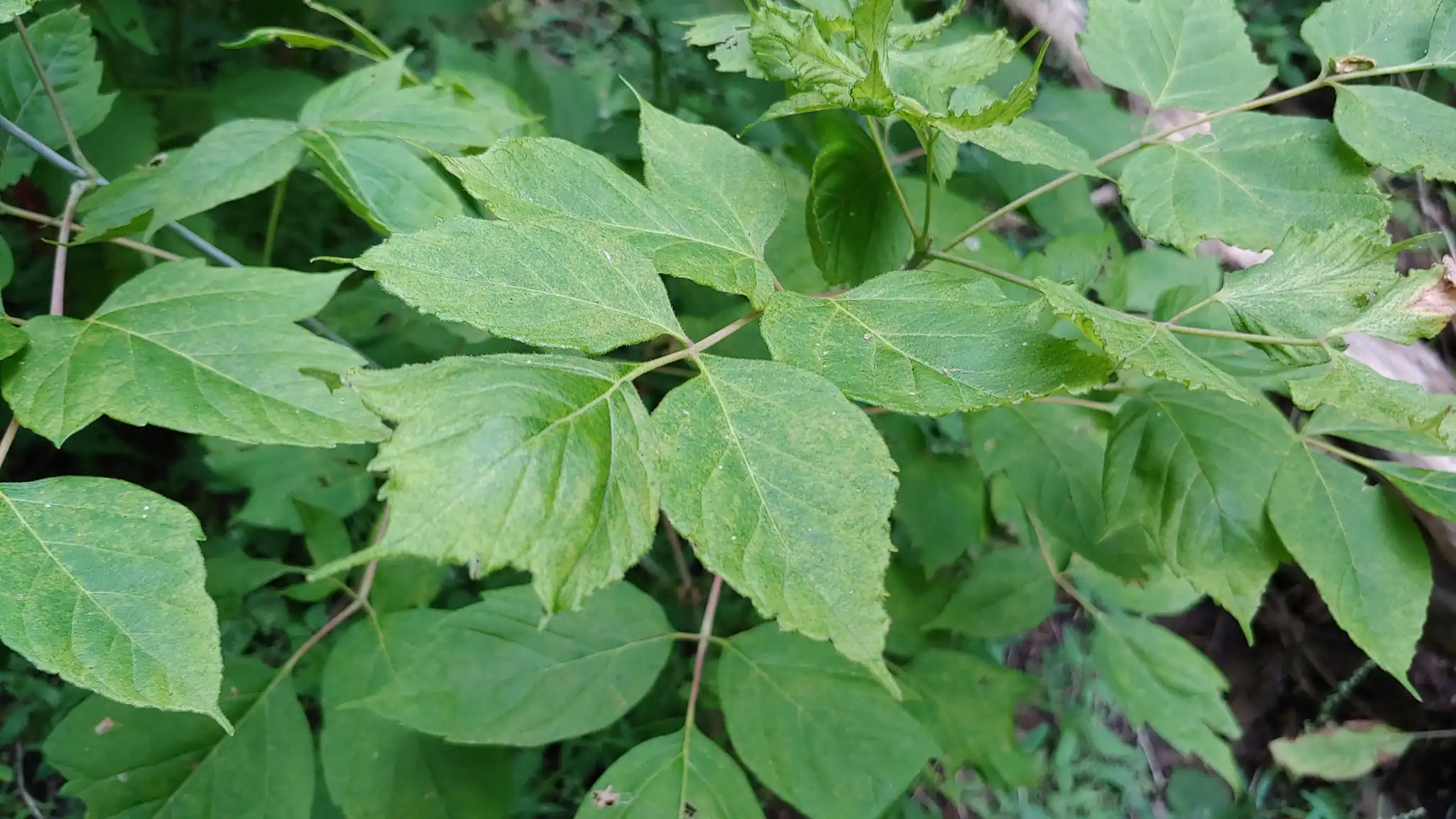
Acer negundo, boxelder, is a fast-growing deciduous maple native across central and eastern North America. Unusually for a maple its leaves are pinnately compound with three to five leaflets, closely resembling poison ivy. Trees are dioecious, and the winged samaras on female trees hang on well into winter.
Its virtue is toughness: it establishes quickly on difficult sites, tolerates both standing water and periodic drought, and grows where better trees will not. That speed comes at a cost in weak, brittle wood, a short life and heavy self-seeding, so it is best used where those traits matter least.
Uses & Benefits:
Essentials
At a Glance
Plant Type
Tree
Height
480"
Width
480"
Light
Full Sun, Partial Sun
Zones
4, 5, 6, 7, 8, 9
Water
Moderate
Humidity
Moderate
Lifespan
Perennial
Native To
Central and North America
Toxicity
Non-toxic
Planting
How to Grow
- Plant in autumn or early spring in almost any soil.
- Choose full sun to partial shade; it is not fussy about aspect.
- Allow generous space, as it reaches 30 to 50 feet tall and wide.
- Water through the first season; established trees rarely need it.
- Remove crossing and weak branches early to build sound structure.
- Pull unwanted seedlings while small, as they appear readily.
Pro Tip
Choose a male tree where you can: females shed heavy crops of samaras and seed themselves around freely.
Keep It Thriving
Care Guide
Do
- Use it for fast shade on difficult sites 🌳
- Prune young trees to build strong branch structure ✂️
- Site it away from buildings and parked cars 🏠
- Pull volunteer seedlings while they are small 🌱
Don't
- Plant it as a long-lived specimen tree ❌
- Site it where brittle limbs could fall on structures ❌
- Expect it to stay put; it self-seeds freely ❌
Seasonal Care Calendar
| Task | Jan | Feb | Mar | Apr | May | Jun | Jul | Aug | Sep | Oct | Nov | Dec |
|---|---|---|---|---|---|---|---|---|---|---|---|---|
| Monitor | ||||||||||||
| Prune |
Watch Out For
Pests & Diseases
Common Pests
Common Diseases
In the Garden
Landscape Uses & Companions
Landscape Uses
Multiply
Propagation Methods
Good to Know
Common Questions
Boxelder questions
What zones can Boxelder grow in?
Boxelder is hardy in USDA Zones 4–9. Inside that range it survives winter in the ground; outside it, grow it as an annual or a container plant you protect.
Is Boxelder deer resistant?
Yes — Boxelder is rated deer-resistant. Deer typically pass it over, though extreme hunger can override any plant's defenses.
When does Boxelder bloom?
Boxelder typically blooms in spring through early spring. Exact timing shifts a week or two with your zone — Sow's bloom calendar maps it to your garden.
Does Boxelder need full sun?
Boxelder does best in full sun to part shade. In hot climates, afternoon shade keeps blooms fresher longer.
Is Boxelder drought tolerant?
Yes — once established (usually after the first full season), Boxelder handles dry spells with minimal watering. Water deeply its first year to build the root system that makes that possible.
More Acer to compare
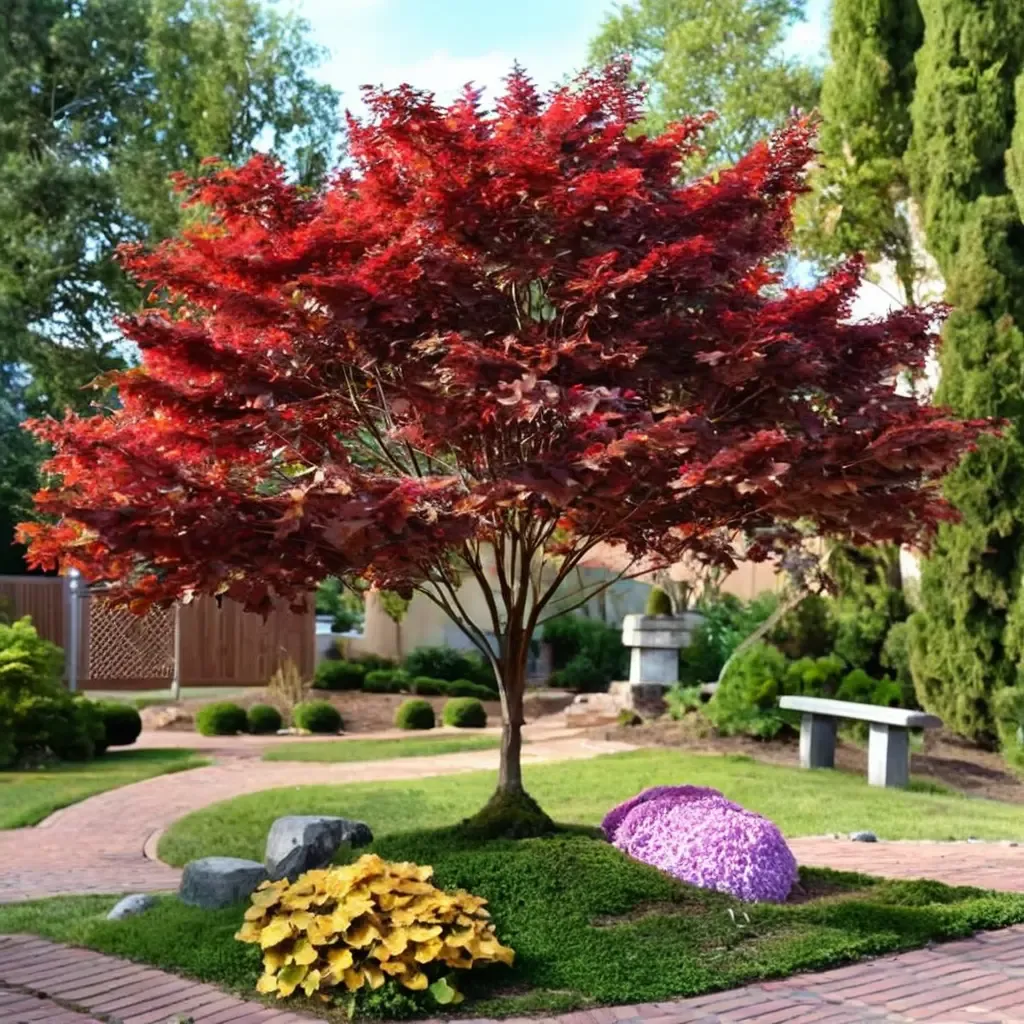
Bloodgood Japanese Maple
Acer palmatum 'Bloodgood'
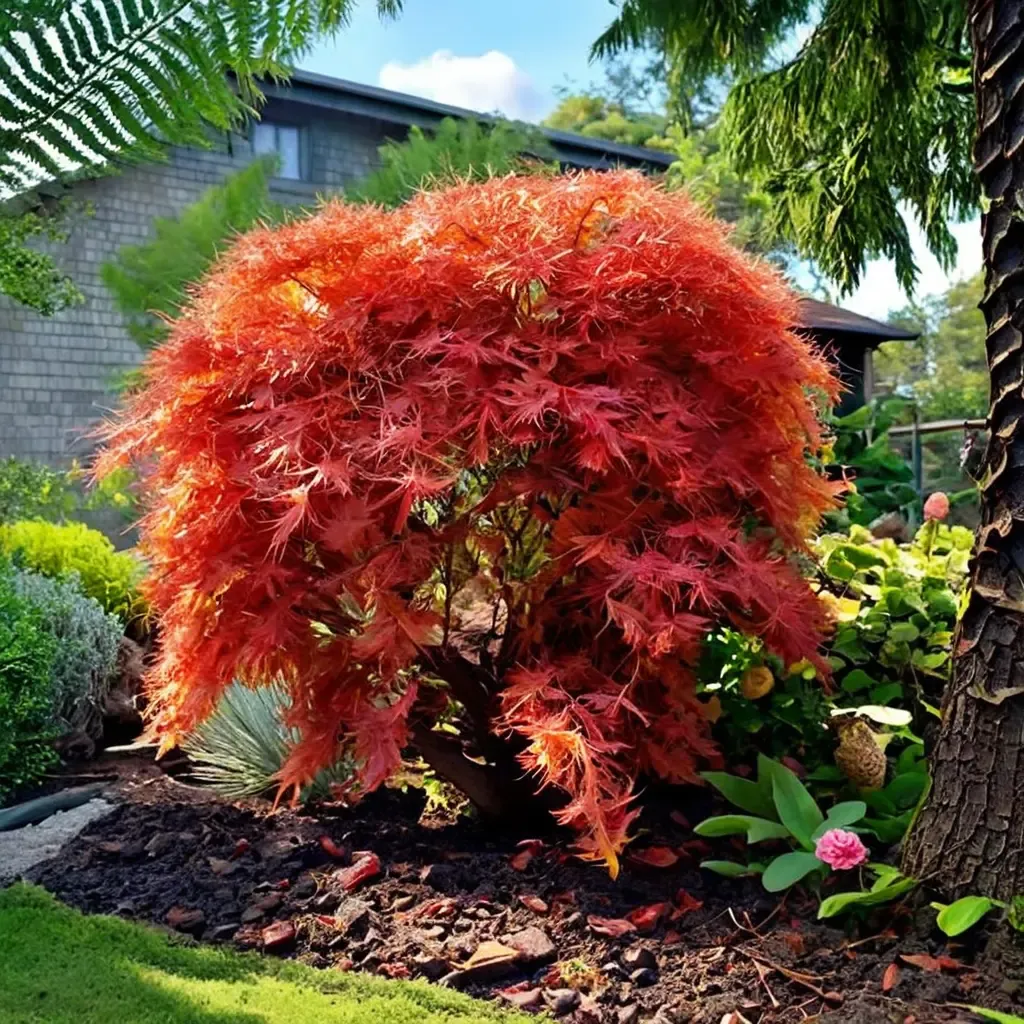
Orangeola Japanese Maple
Acer palmatum 'Orangeola'
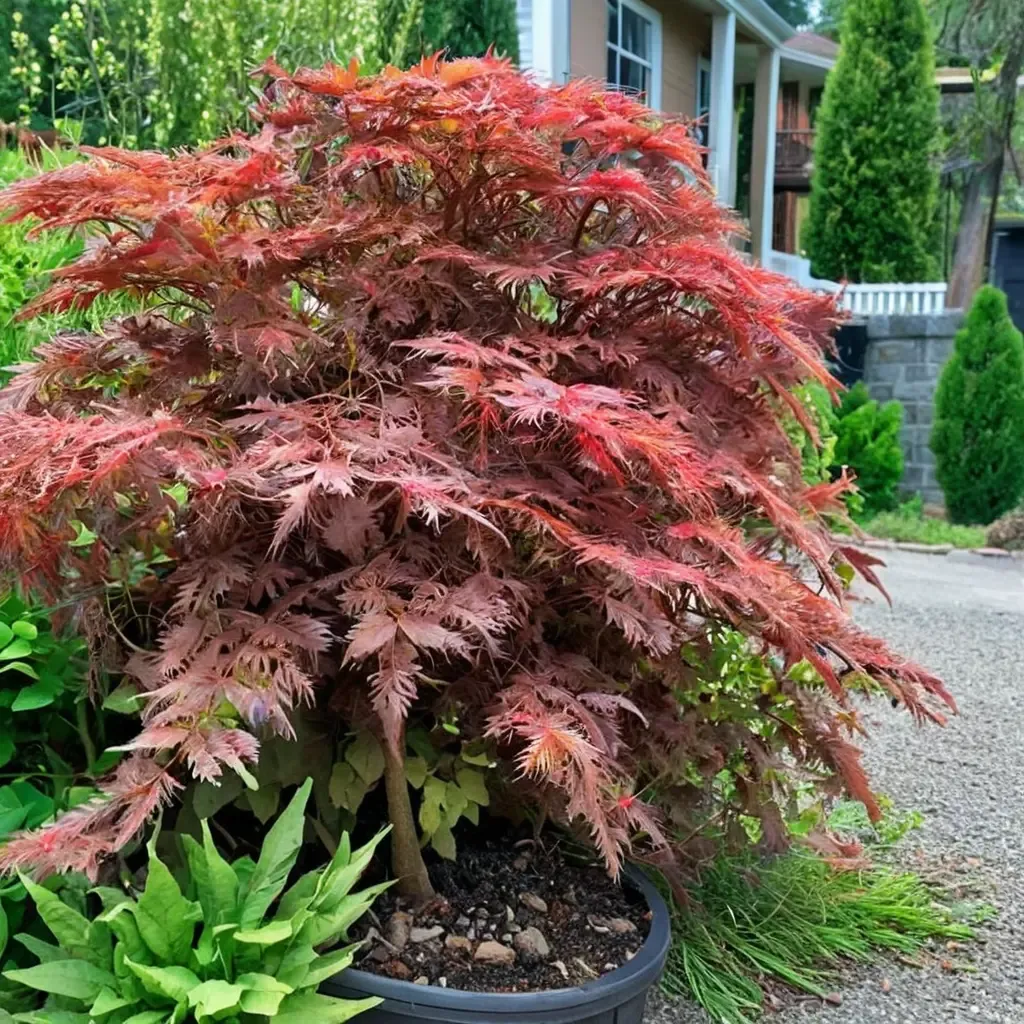
Crimson Queen Japanese Maple
Acer palmatum 'Crimson Queen'
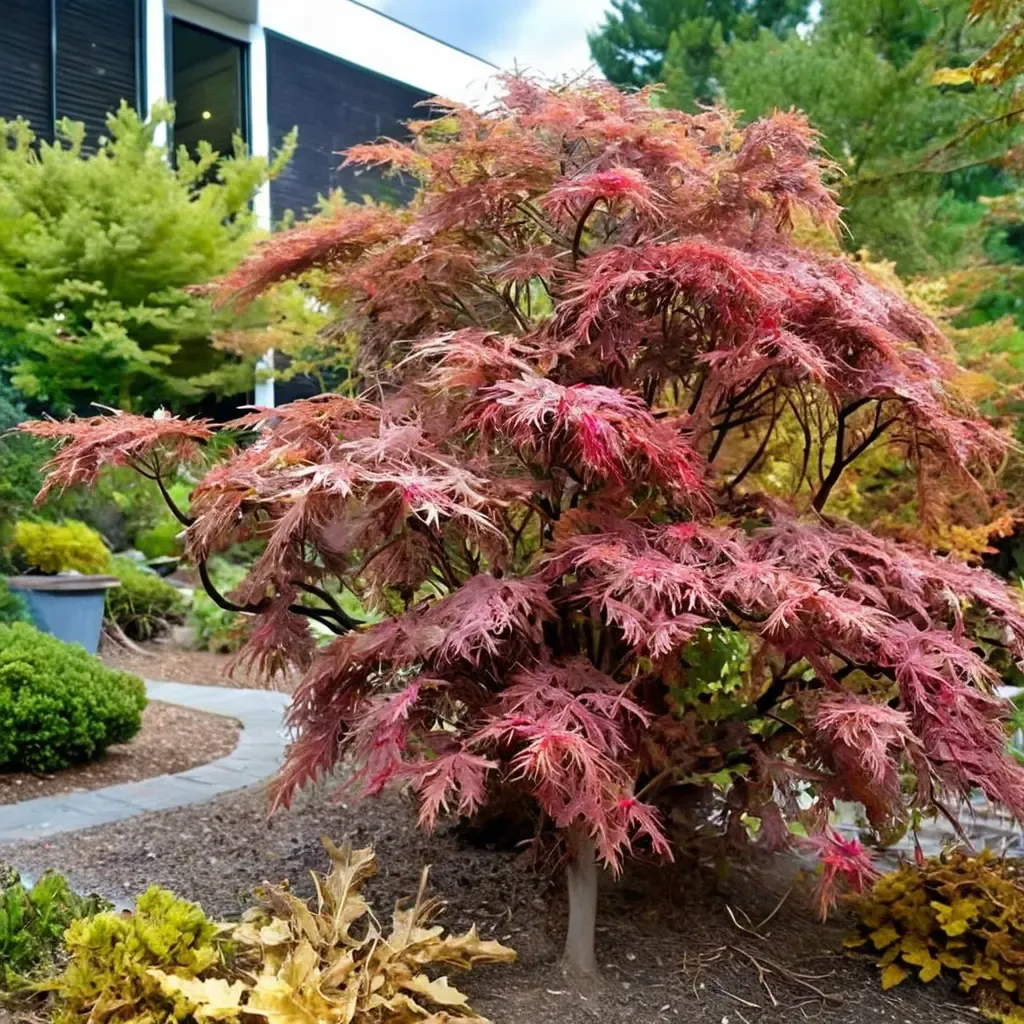
Weeping Japanese Maple
Acer palmatum 'Shidare'
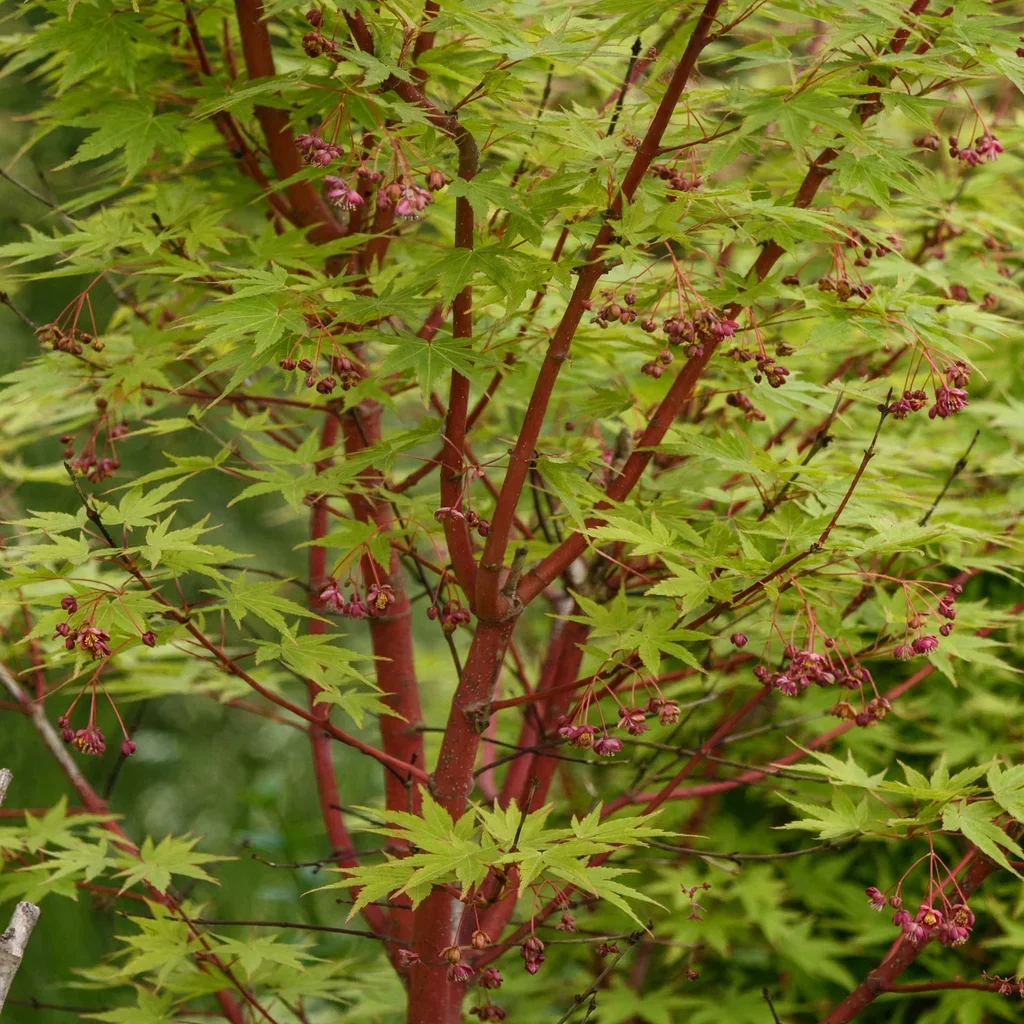
Coral Bark Maple
Acer palmatum 'Sango-Kaku'
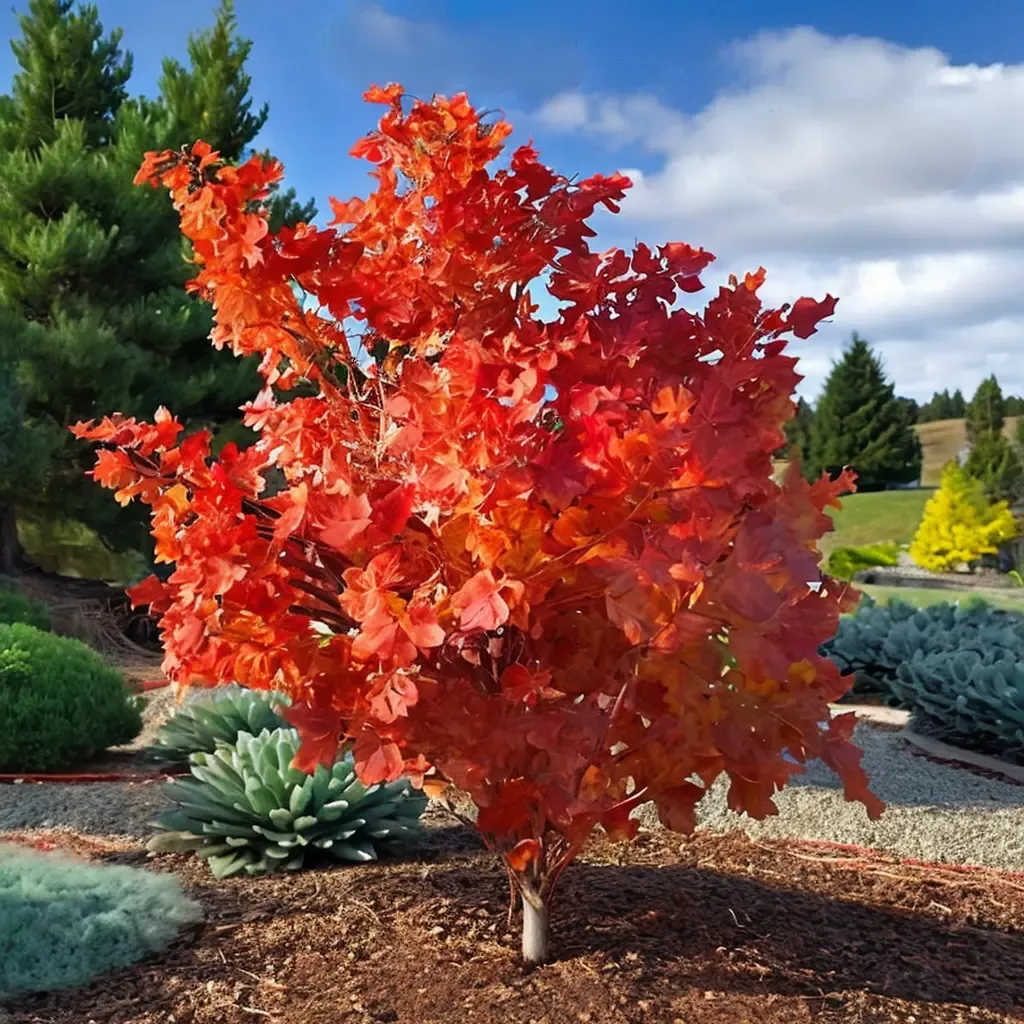
Final Fire Japanese Maple
Acer palmatum 'Final Fire'
Keep exploring
Explore the genus
Grow Boxelder with confidence
See it in a design of your actual yard, get zone-matched care reminders, and track it season by season in your garden journal.