
The Story
Plant Bio
Origanum x majoricum is a woody-based perennial subshrub forming an upright, bushy mound of branching stems clothed in soft, oval green leaves. The foliage releases a marjoram-oregano scent when bruised, and the stems are topped in summer by clustered spikes of small white flowers.
This sterile hybrid of sweet marjoram and oregano holds larger, softer leaves than Greek oregano, with a flavor milder than oregano and stronger than sweet marjoram. It stays hardy to Zone 6 where sweet marjoram is killed, but seed will not come true and stock must be increased by cuttings or division.
Uses & Benefits:
Essentials
At a Glance
Plant Type
Perennial
Height
24"
Width
24"
Light
Full Sun, Partial Sun
Zones
6, 7, 8, 9
Water
Low
Humidity
Low
Lifespan
Perennial
Native To
Western Mediterranean - Spain
Toxicity
Non-toxic
Bloom period
Summer – Late summer
In flower about 3 months of the year
Planting
How to Grow
- Plant in full sun after last frost in average, dry to medium, sandy or loamy soil with pH near 6.5 to 7.5.
- Set the crown level with the soil surface in a raised or gritty spot that drains fast after rain.
- Pinch shoot tips through spring and harvest leaves through summer to keep plants dense.
- Shear off spent white flower spikes after summer bloom and thin the center for air flow.
- Divide or take cuttings to renew clumps; do not rely on seed, which will not come true.
Pro Tip
Site it for winter drainage first and cold second — a raised, gritty spot keeps the crown alive where flat wet soil rots it.
Keep It Thriving
Care Guide
Do
- Give full sun and sharp drainage to prevent crown and root rot
- Harvest and pinch regularly in the growing season to keep growth bushy
- Apply only a thin 0.5 inch compost top-dress; avoid heavy feeding and overwatering
Don't
- Do not plant in heavy clay or low spots that stay wet in winter
- Do not grow from seed expecting true Italian oregano
- Do not overhead water or mulch wet against the crown
Seasonal Care Calendar
| Task | Jan | Feb | Mar | Apr | May | Jun | Jul | Aug | Sep | Oct | Nov | Dec |
|---|---|---|---|---|---|---|---|---|---|---|---|---|
| Deadhead | ||||||||||||
| Harvest | ||||||||||||
| Plant | ||||||||||||
| Propagate | ||||||||||||
| Winter Prep |
Watch Out For
Pests & Diseases
Common Pests
Common Diseases
In the Garden
Landscape Uses & Companions
Landscape Uses
Multiply
Propagation Methods
Good to Know
Common Questions
Italian Oregano questions
What zones can Italian Oregano grow in?
Italian Oregano is hardy in USDA Zones 6–9: in that range it survives winter in the ground. Colder than Zone 6, grow it in a container you can move to shelter for the winter, or as an annual. Warmer than Zone 9, winter isn't the problem: it prefers colder winters, and summer heat can shorten its life.
Is Italian Oregano deer resistant?
Yes — Italian Oregano is rated deer-resistant. Deer typically pass it over, though extreme hunger can override any plant's defenses.
When does Italian Oregano bloom?
Italian Oregano typically blooms in summer. Exact timing shifts a week or two with your zone — Sow's bloom calendar maps it to your garden.
Does Italian Oregano need full sun?
Italian Oregano does best in full sun to part shade. In hot climates, afternoon shade keeps blooms fresher longer.
Is Italian Oregano drought tolerant?
Yes — once established (usually after the first full season), Italian Oregano handles dry spells with minimal watering. Water deeply its first year to build the root system that makes that possible.
More Origanum to compare
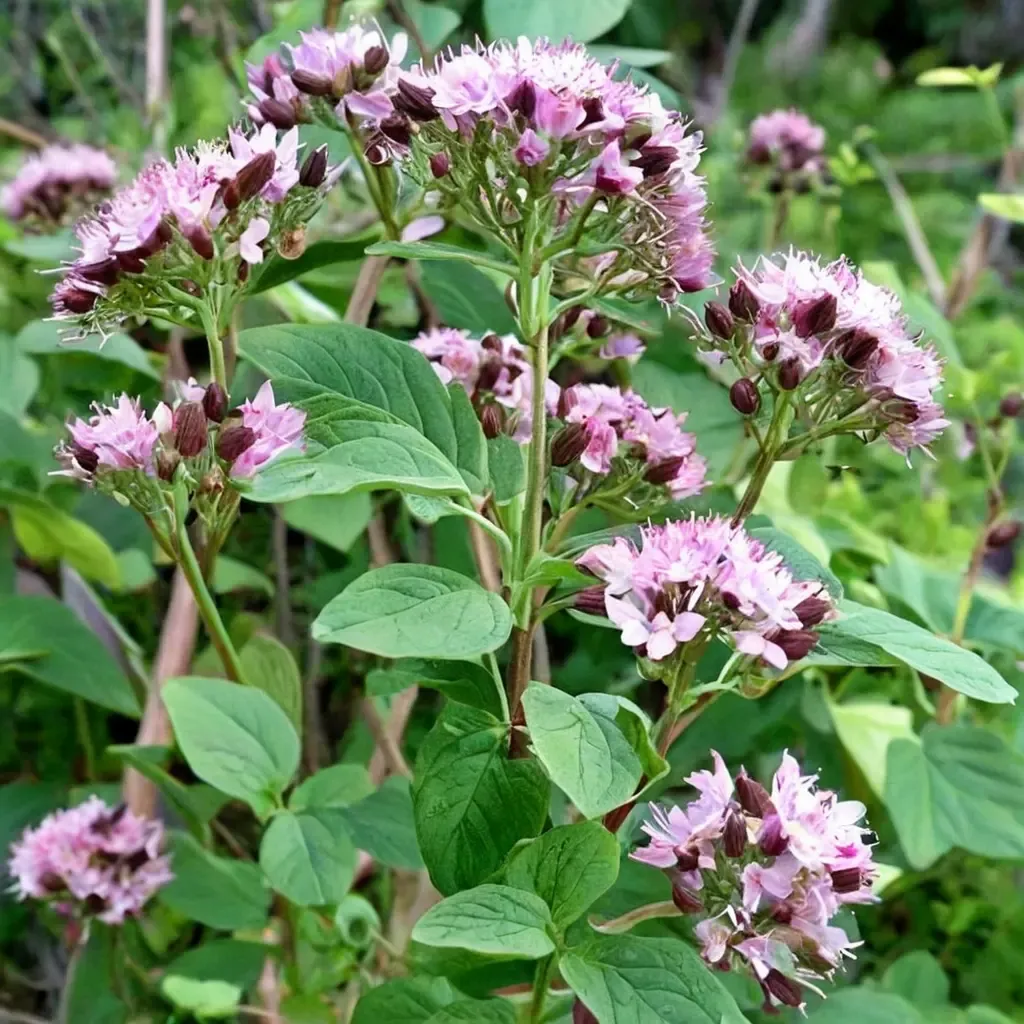
Oregano
Origanum vulgare
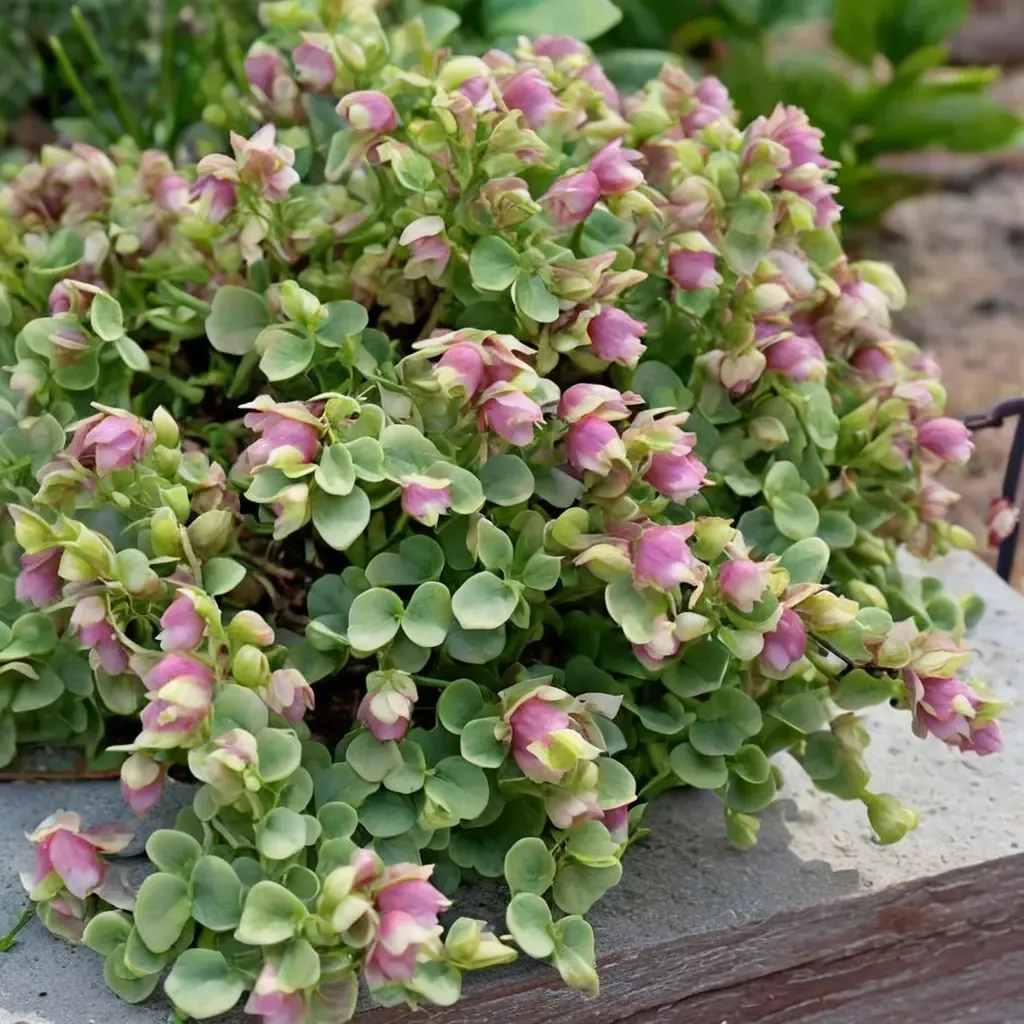
Kirigami Oregano
Origanum vulgare 'Kirigami'
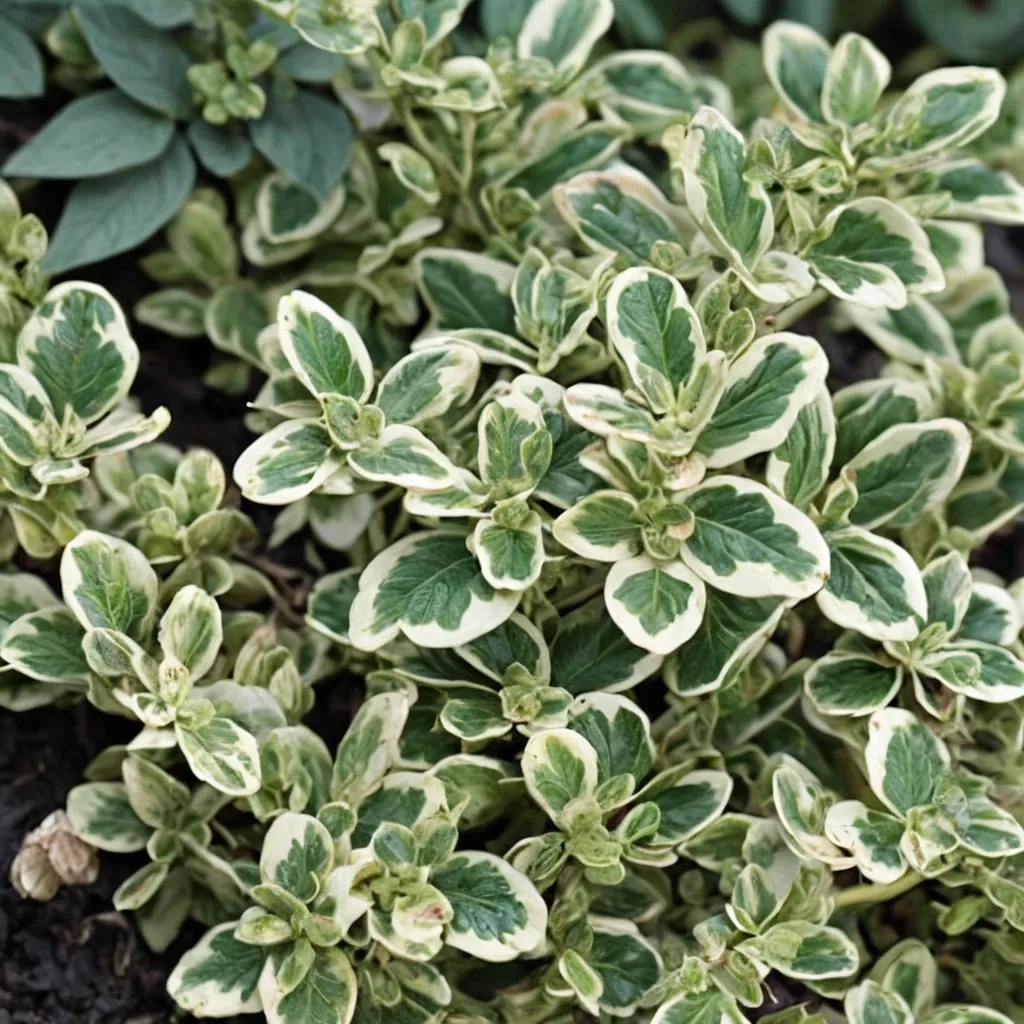
Variegated Oregano
Origanum vulgare 'Variegata'
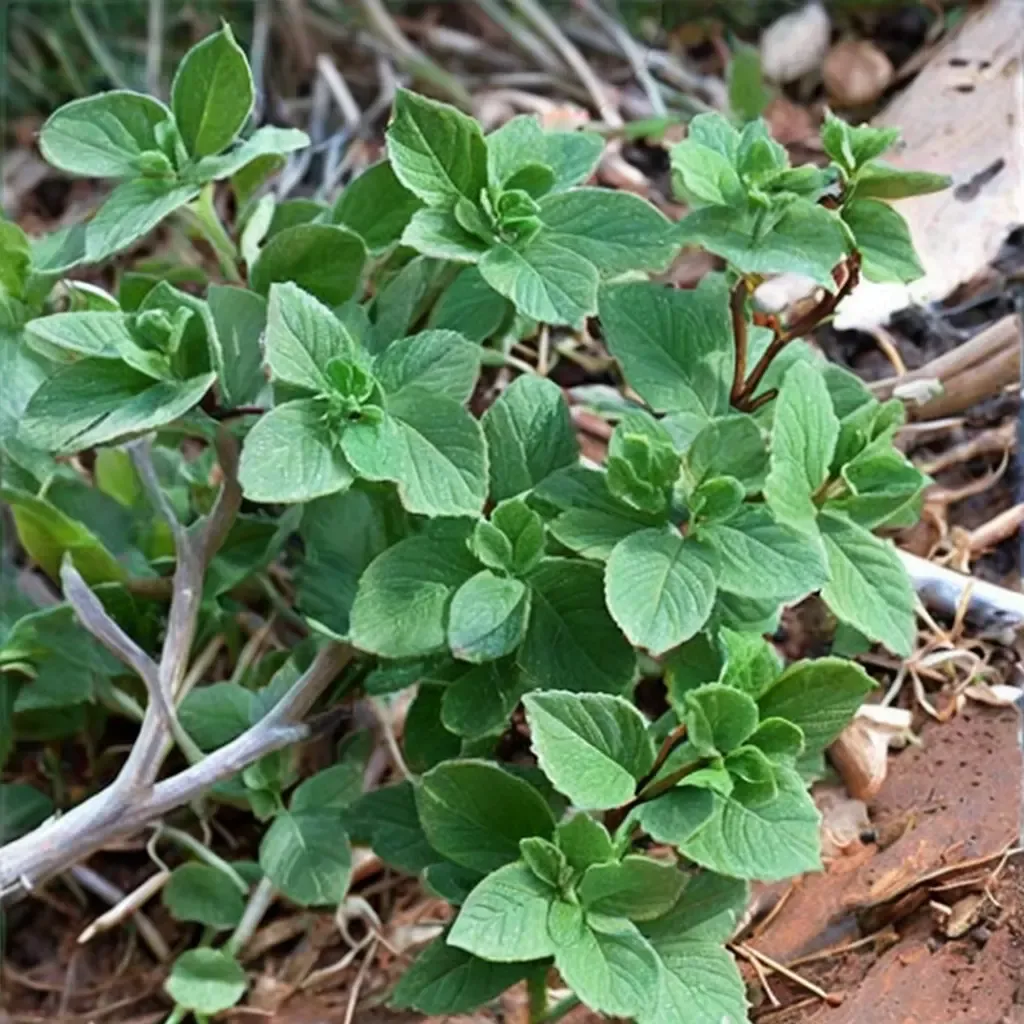
True Greek Oregano
Origanum vulgare 'True Greek'
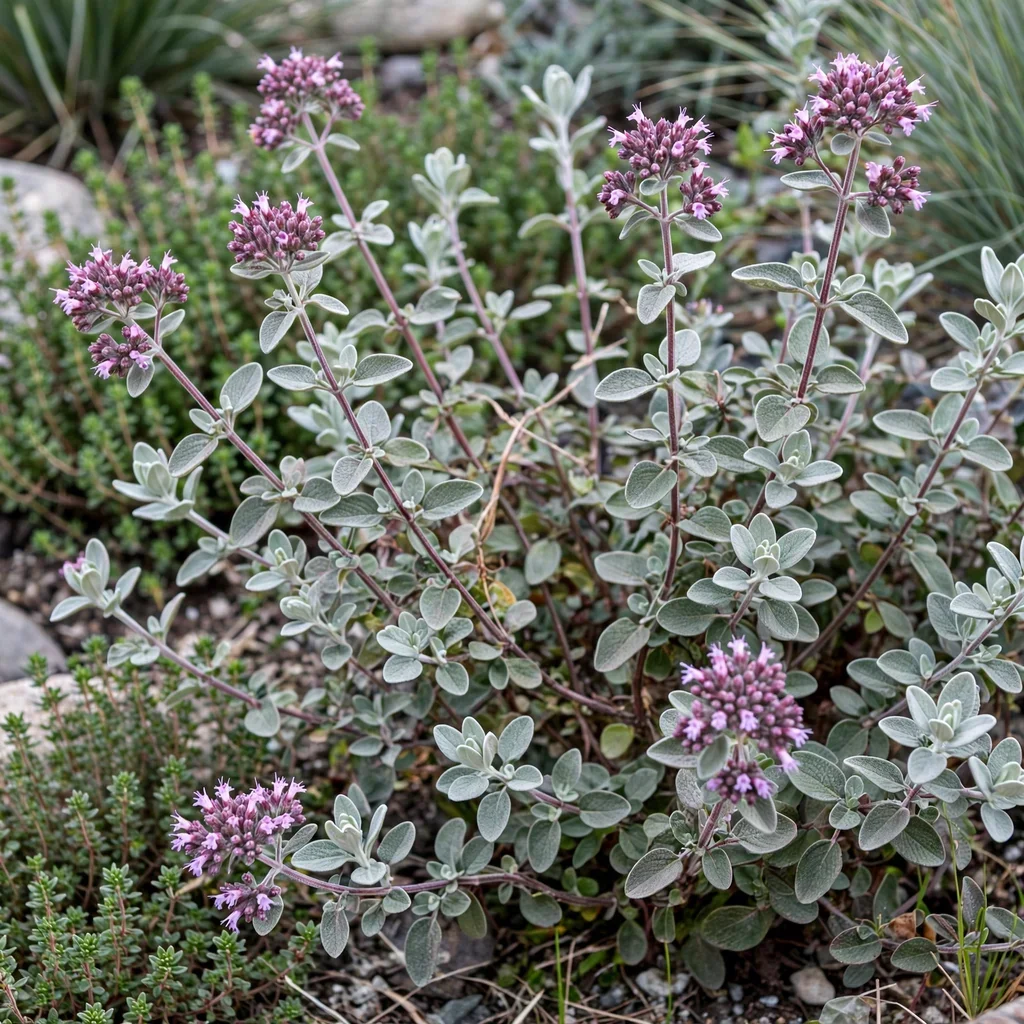
Ornamental Oregano
Origanum laevigatum
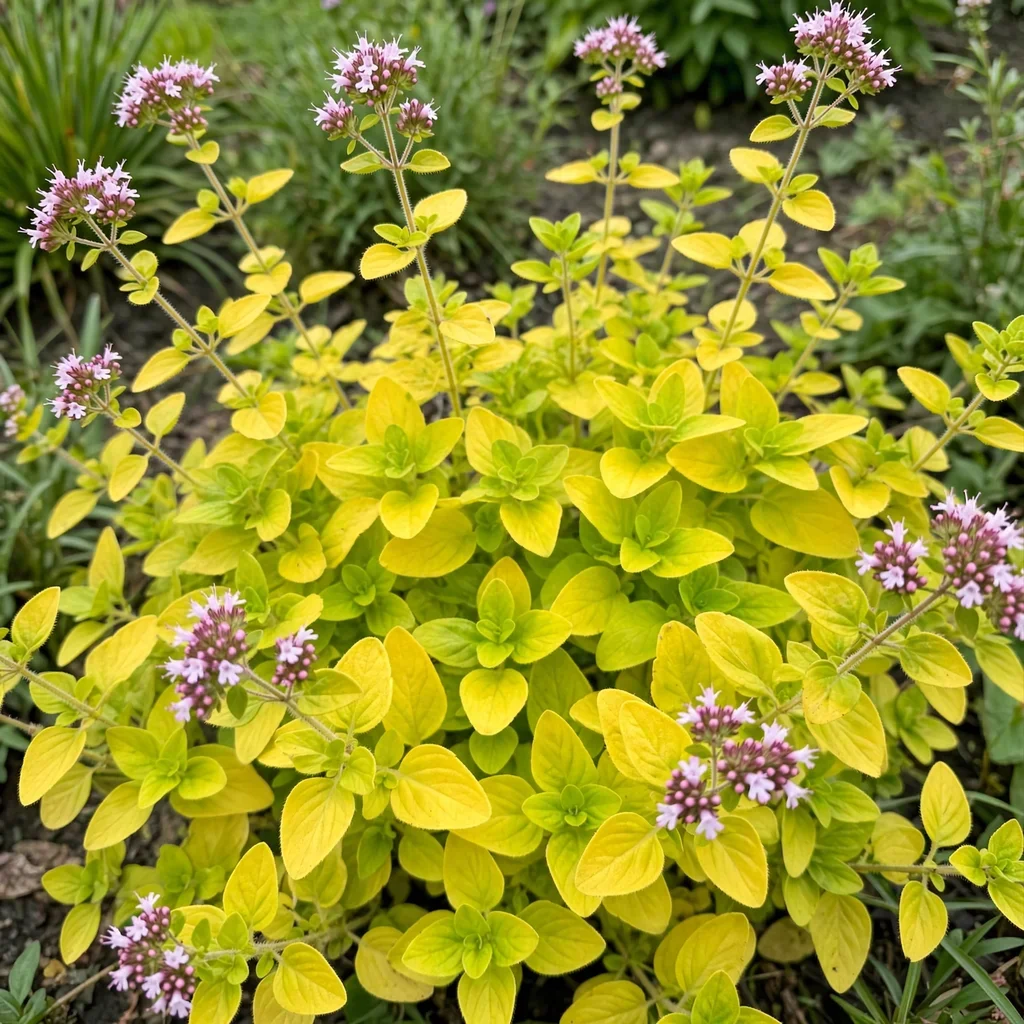
Golden Oregano
Origanum vulgare 'Aureum'
Keep exploring
Explore the genus
Hardy in your zone?
Grow Italian Oregano with confidence
See it in a design of your actual yard, get zone-matched care reminders, and track it season by season in your garden journal.