The Story
Plant Bio
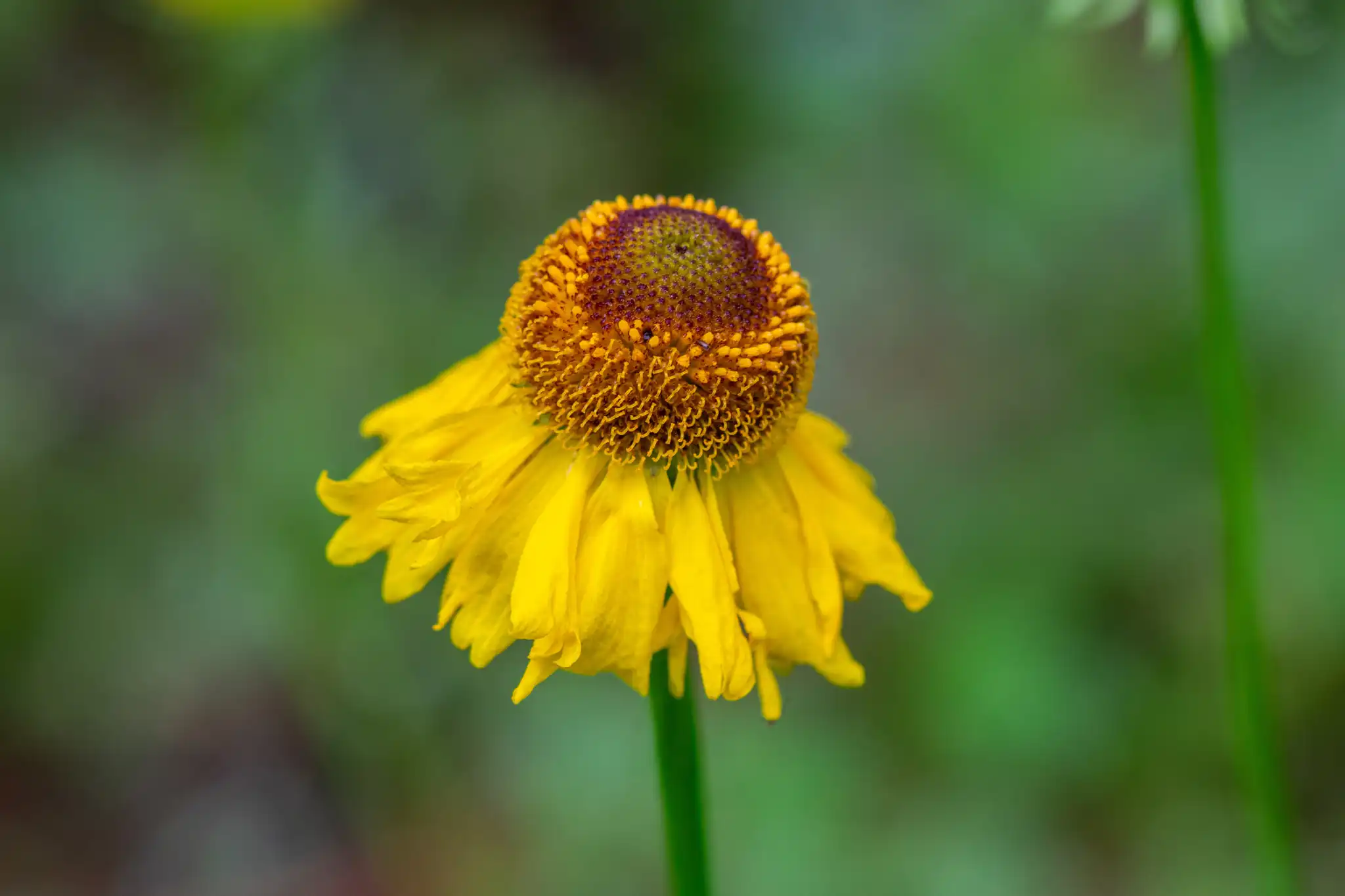
Helenium bigelovii is an upright, clump-forming herbaceous perennial reaching two to three feet tall and twelve to eighteen inches wide on mostly unbranched, self-supporting stems. The leaves are glossy, lance-shaped and decurrent, up to ten inches long at the base and progressively smaller up the stem.
Each stem carries a single two-inch head with fourteen to twenty reflexed, toothed bright yellow rays around a disc of 250 to 800 florets that opens yellow and matures brown to dark purple-brown. It blooms from summer into fall and requires rich, evenly moist but well-drained soil, collapsing quickly if the root zone dries out.
Uses & Benefits:
Essentials
At a Glance
Plant Type
Perennial
Height
36"
Width
18"
Light
Full Sun
Zones
4, 5, 6, 7, 8
Water
High - evenly moist
Humidity
Average
Lifespan
Perennial
Native To
California, Oregon
Toxicity
Toxic if ingested
Bloom period
Summer – Fall
In flower about 6 months of the year
Planting
How to Grow
- Plant in full sun in rich, fertile loam that stays evenly moist but drains, pH 6.0 to 7.5.
- Set crowns at soil level 12 to 18 inches apart and water deeply to settle the soil.
- Mulch thinly to hold moisture while keeping mulch back from the crown.
- Stake tall stems early and deadhead spent heads to extend bloom into fall.
Pro Tip
Keep the root zone evenly moist in full sun; drought kills it faster than cold, and tall stems flop if they dry out.
Keep It Thriving
Care Guide
Do
- Keep soil evenly moist through summer; do not let it dry out.
- Give full sun and open spacing for air circulation.
- Divide the clump every few years to maintain vigor.
Don't
- Do not plant in dry soil or dry shade.
- Do not use overhead watering in crowded plantings.
- Do not ingest any part; all parts are poisonous to people, livestock, dogs and cats.
Seasonal Care Calendar
| Task | Jan | Feb | Mar | Apr | May | Jun | Jul | Aug | Sep | Oct | Nov | Dec |
|---|---|---|---|---|---|---|---|---|---|---|---|---|
| Deadhead | ||||||||||||
| Divide | ||||||||||||
| Plant | ||||||||||||
| Prune | ||||||||||||
| Stake |
Watch Out For
Pests & Diseases
Common Pests
Common Diseases
In the Garden
Landscape Uses & Companions
Landscape Uses
Multiply
Propagation Methods
Good to Know
Common Questions
Bigelow's Sneezeweed questions
What zones can Bigelow's Sneezeweed grow in?
Bigelow's Sneezeweed is hardy in USDA Zones 4–8: in that range it survives winter in the ground. Warmer than Zone 8, winter isn't the problem: it prefers colder winters, and summer heat can shorten its life.
Is Bigelow's Sneezeweed deer resistant?
Yes — Bigelow's Sneezeweed is rated deer-resistant. Deer typically pass it over, though extreme hunger can override any plant's defenses.
When does Bigelow's Sneezeweed bloom?
Bigelow's Sneezeweed typically blooms from summer to fall. Exact timing shifts a week or two with your zone — Sow's bloom calendar maps it to your garden.
Does Bigelow's Sneezeweed need full sun?
Bigelow's Sneezeweed does best in full sun (6+ hours).
More Helenium to compare
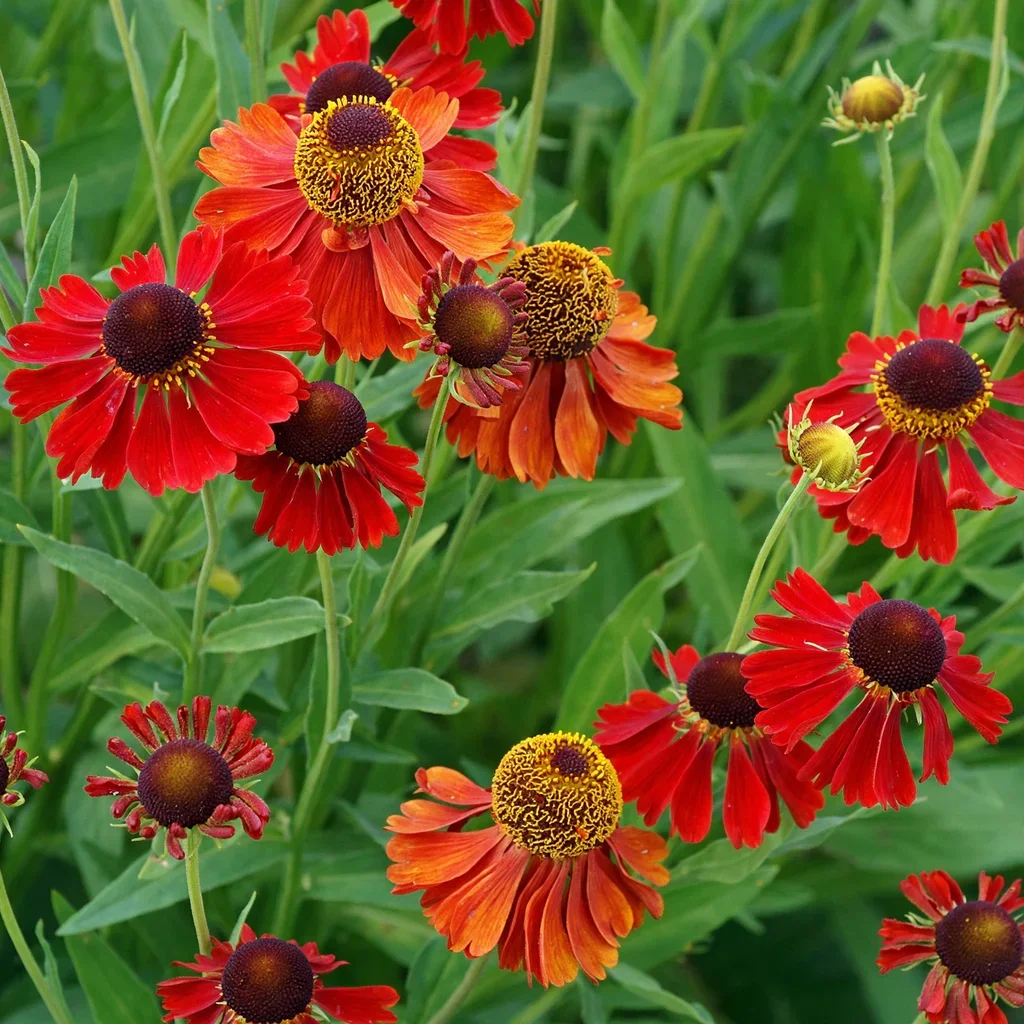
Sneezeweed 'Hot Lava'
Helenium autumnale 'Hot Lava'
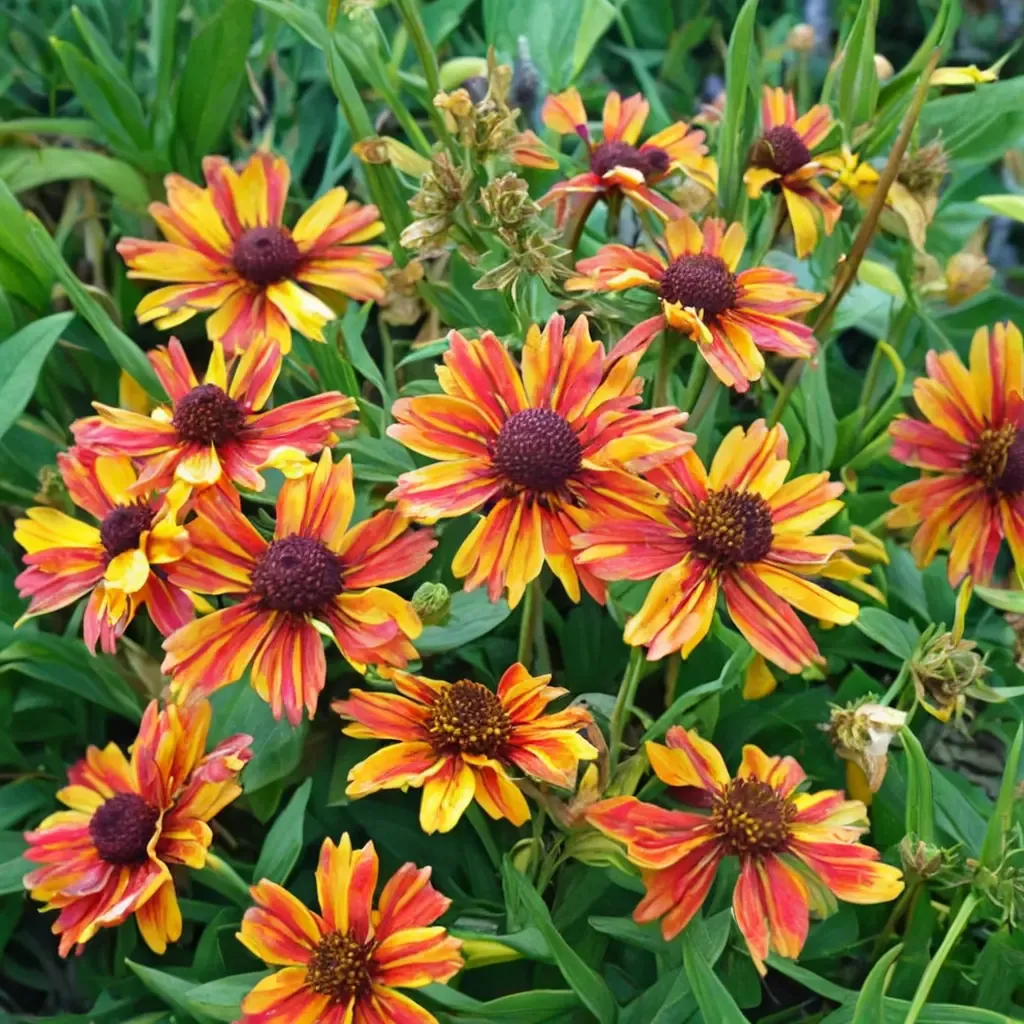
Waltraut Sneezeweed
Helenium amarum 'Waltraut'
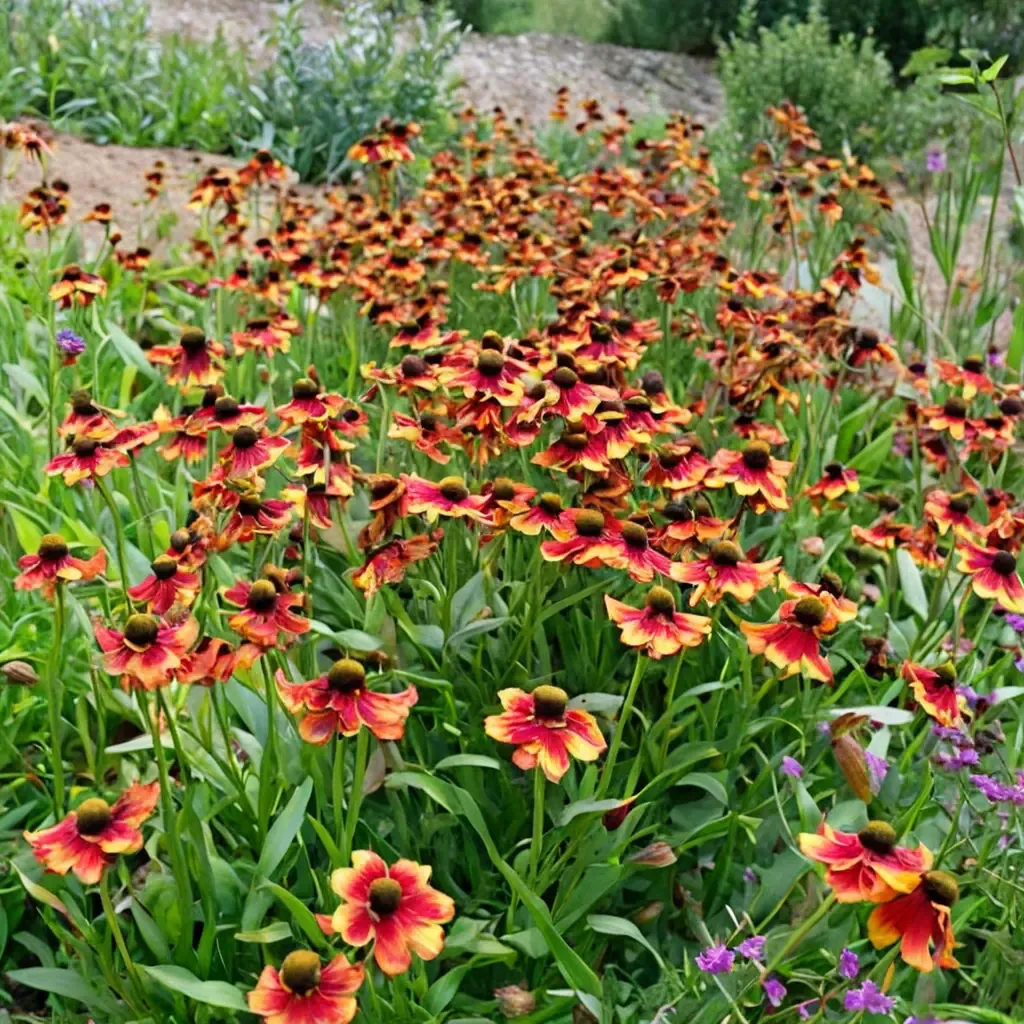
Moerheim Beauty Sneezeweed
Helenium autumnale 'Moerheim Beauty'
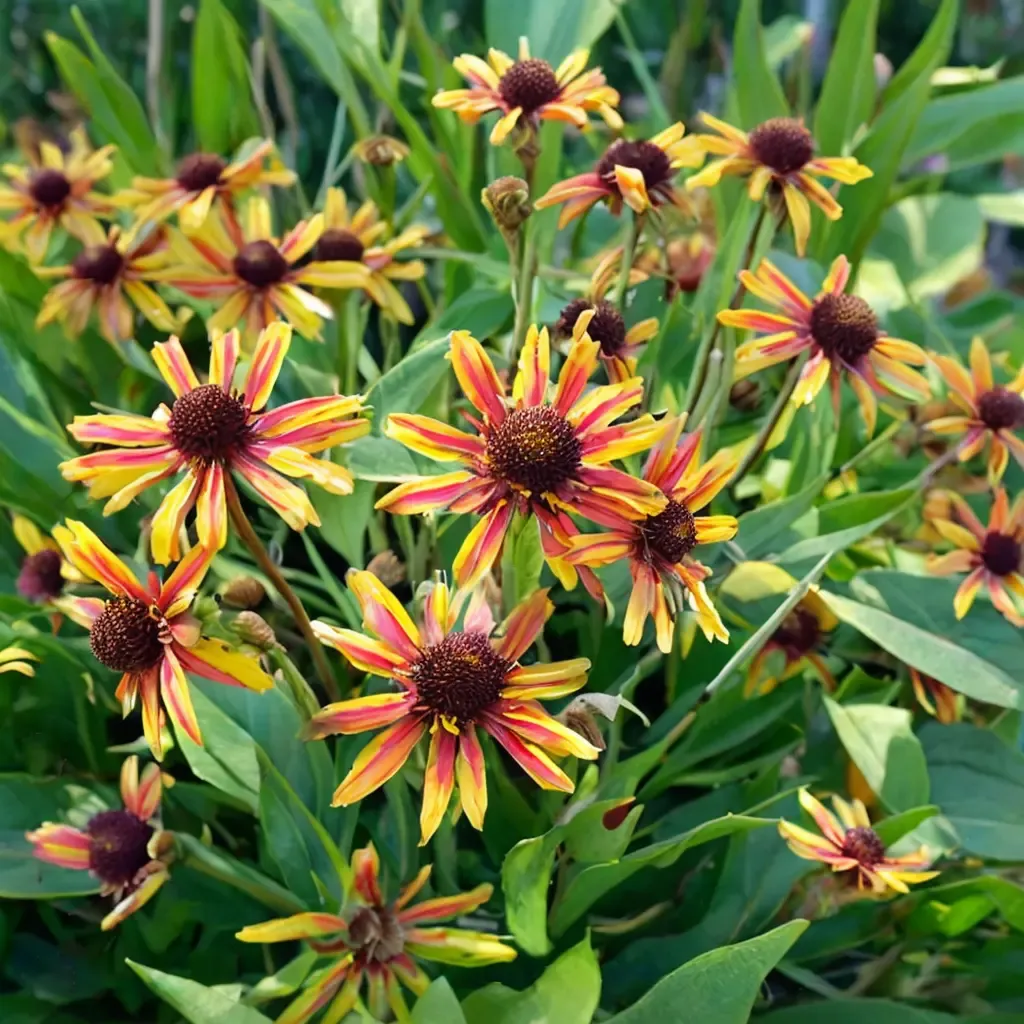
Loysder Wieck sneezeweed
Helenium autumnale 'Loysder Wieck'
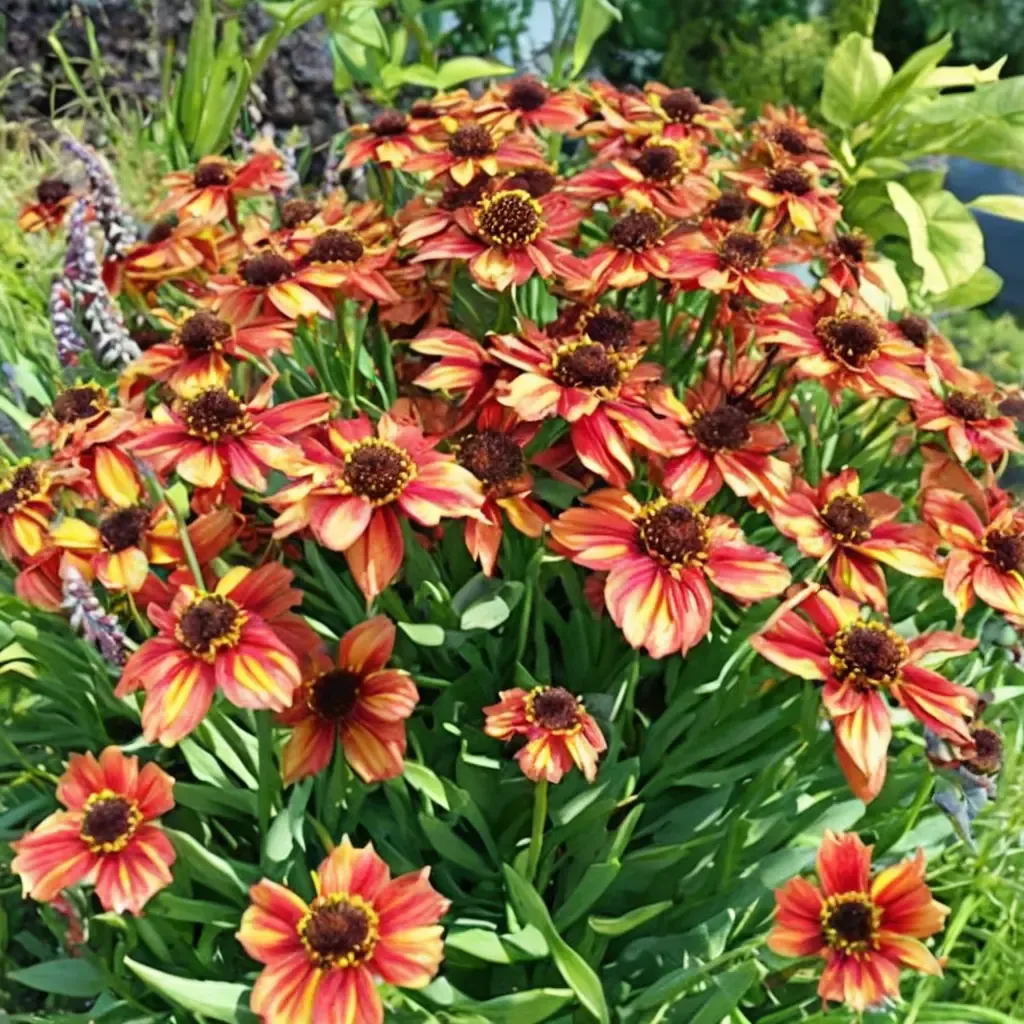
Rubyland Sneezeweed
Helenium autumnale 'Rubinzwerg'
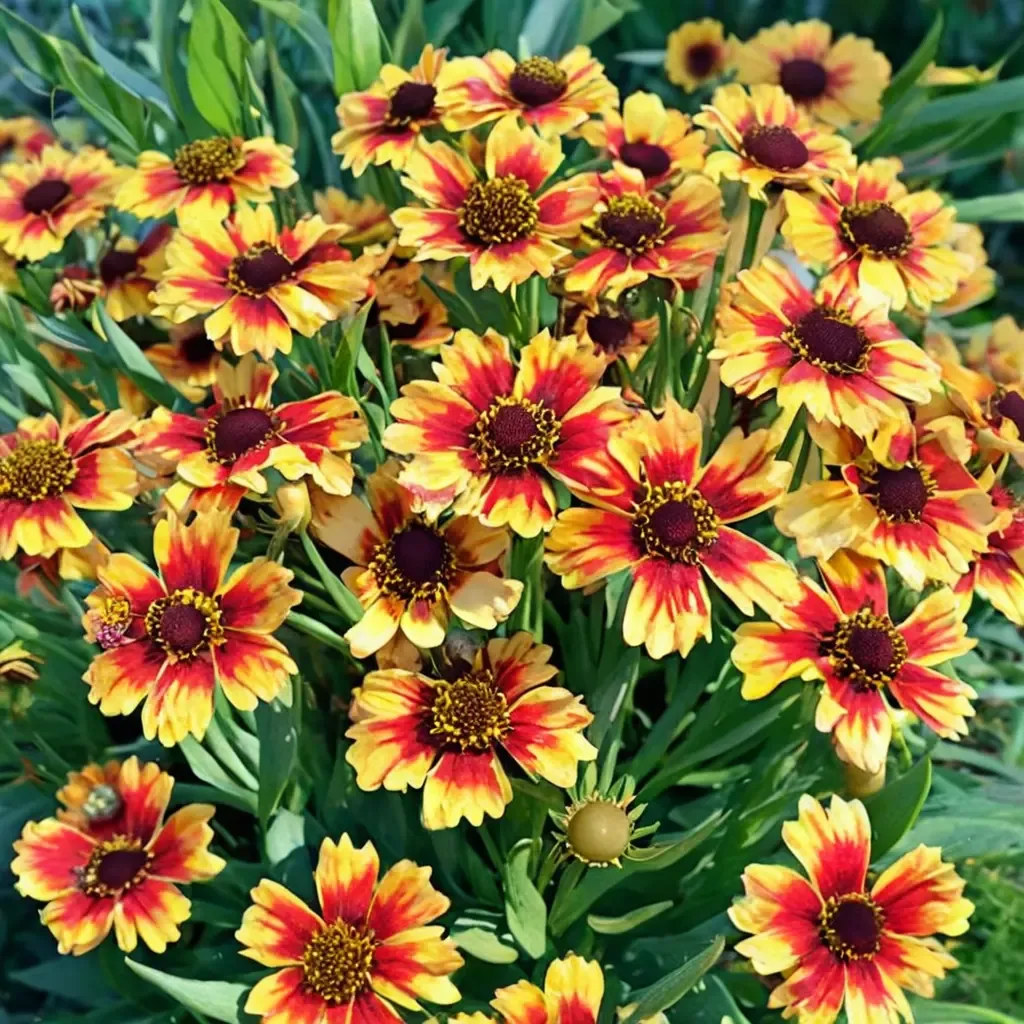
Sneezeweed 'Feuersiegel'
Helenium autumnale 'Feuersiegel'
Keep exploring
Explore the genus
Hardy in your zone?
Grow Bigelow's Sneezeweed with confidence
See it in a design of your actual yard, get zone-matched care reminders, and track it season by season in your garden journal.