The Story
Plant Bio
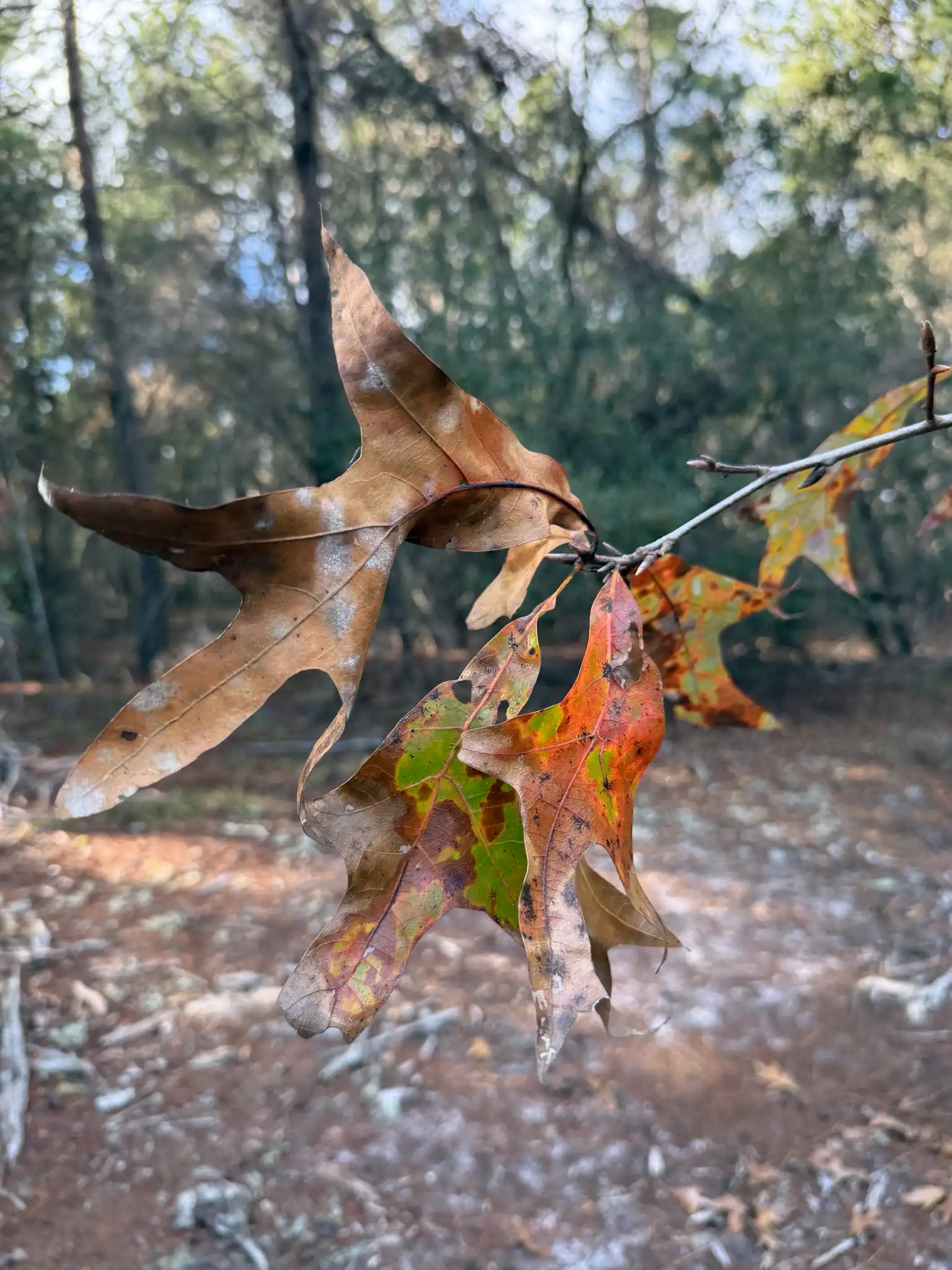
Quercus laevis, commonly known as the turkey oak, is a small deciduous tree native to the sandy, nutrient-poor soils of the southeastern United States coastal plain. It develops an irregular, open crown with crooked, spreading branches and deeply lobed leaves that resemble a turkey's foot.
This species is highly adapted to extreme xeric conditions, thriving in sterile sandhills where other trees fail. In spring, the emerging foliage opens in shades of pinkish-red and light yellow-green before maturing to a glossy light green.
Uses & Benefits:
Essentials
At a Glance
Plant Type
Tree
Height
354"
Width
275"
Light
Full Sun
Zones
7, 8, 9
Water
Low
Humidity
High
Lifespan
Long
Native To
Southeastern United States
Toxicity
Low
Bloom period
Spring
In flower about 3 months of the year
Planting
How to Grow
- Select a site in full sun with exceptionally well-drained, sandy, or rocky soil.
- Plant young container-grown specimens or bare-root whips in late fall or winter to allow root establishment before summer heat.
- Water sparingly during the first growing season only; once established, withhold all supplemental irrigation.
- Avoid applying any fertilizer or organic soil amendments, as this species requires nutrient-poor, sterile conditions.
Pro Tip
Plant in completely unamended, fast-draining sand; adding organic matter or fertilizer to the planting hole causes rapid root decline and structural failure.
Keep It Thriving
Care Guide
Do
- Plant in deep, sterile, sandy soils with excellent drainage.
- Sow fresh acorns immediately after collection to ensure viability.
- Allow ample space for underground root runners to spread naturally.
Don't
- Do not amend the soil with organic matter or compost at planting.
- Do not irrigate established trees, as wet conditions promote root rot.
- Do not prune during the spring to minimize the risk of oak wilt transmission.
Seasonal Care Calendar
| Task | Jan | Feb | Mar | Apr | May | Jun | Jul | Aug | Sep | Oct | Nov | Dec |
|---|---|---|---|---|---|---|---|---|---|---|---|---|
| Pest Check | ||||||||||||
| Propagate | ||||||||||||
| Prune | ||||||||||||
| Spring Cleanup |
Watch Out For
Pests & Diseases
Common Pests
Common Diseases
In the Garden
Landscape Uses & Companions
Landscape Uses
Multiply
Propagation Methods
Good to Know
Common Questions
Turkey Oak questions
What zones can Turkey Oak grow in?
Turkey Oak is hardy in USDA Zones 7–9. Inside that range it survives winter in the ground; outside it, grow it as an annual or a container plant you protect.
Is Turkey Oak deer resistant?
Not reliably. Deer may browse Turkey Oak, especially tender spring growth — plan on repellents or fencing where pressure is high.
When does Turkey Oak bloom?
Turkey Oak typically blooms in spring through spring. Exact timing shifts a week or two with your zone — Sow's bloom calendar maps it to your garden.
Does Turkey Oak need full sun?
Turkey Oak does best in full sun (6+ hours).
Is Turkey Oak drought tolerant?
Yes — once established (usually after the first full season), Turkey Oak handles dry spells with minimal watering. Water deeply its first year to build the root system that makes that possible.
More Quercus to compare
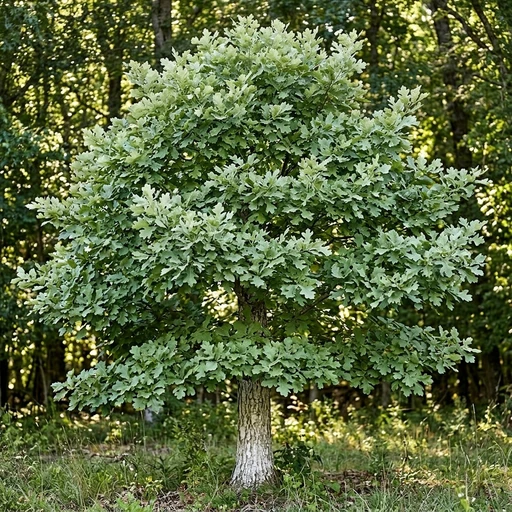
White Oak
Quercus alba
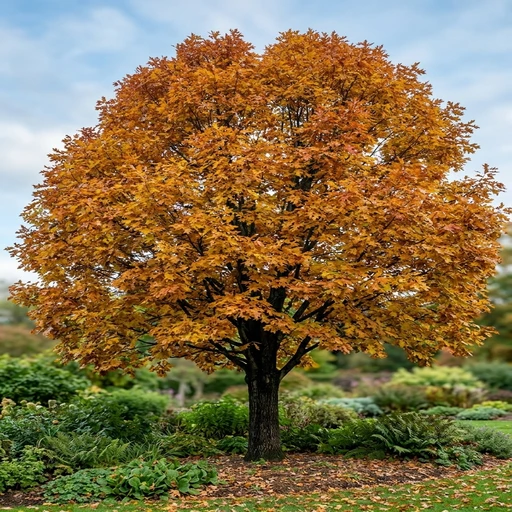
Black Oak
Quercus velutina
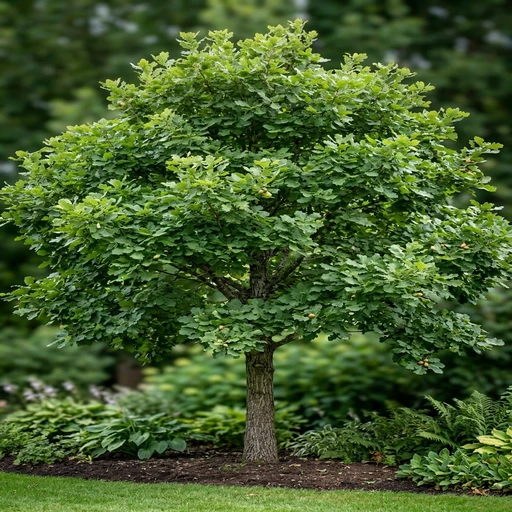
English Oak
Quercus robur
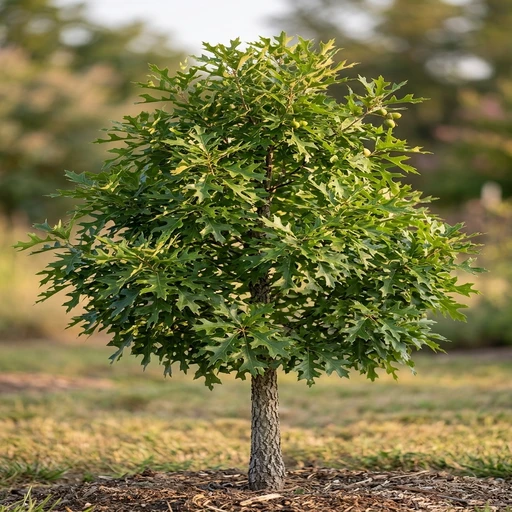
Nuttall Oak
Quercus texana
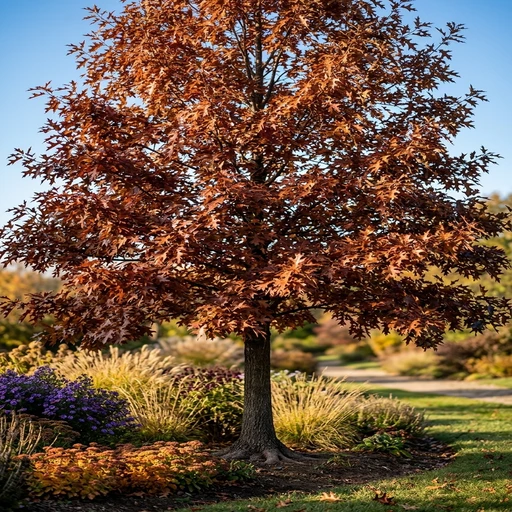
Pin Oak
Quercus palustris
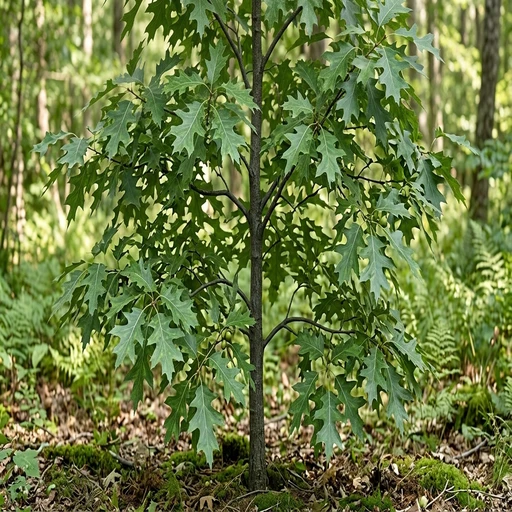
Scarlet Oak
Quercus coccinea
Keep exploring
Explore the genus
Hardy in your zone?
Grow Turkey Oak with confidence
See it in a design of your actual yard, get zone-matched care reminders, and track it season by season in your garden journal.