


The Story
Plant Bio
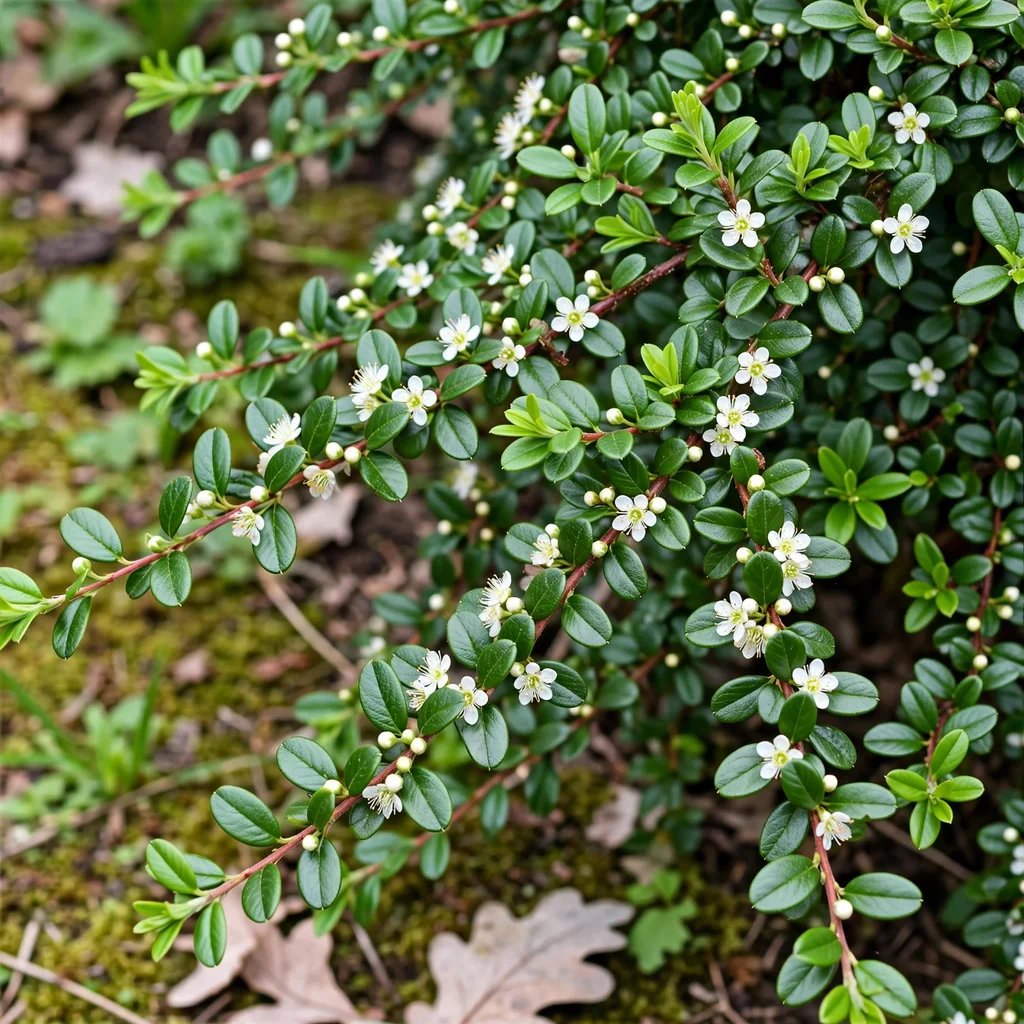
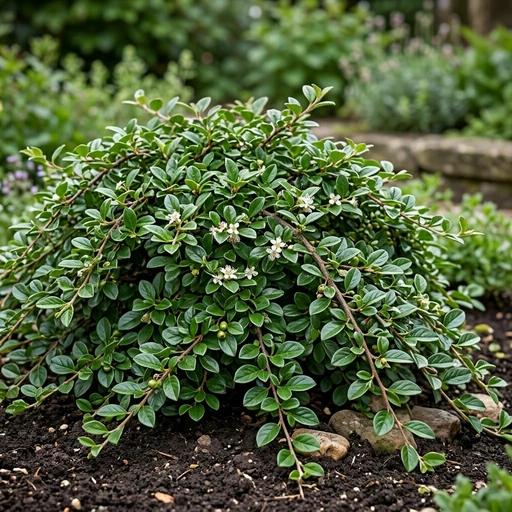
Cotoneaster dammeri is a prostrate, mat-forming evergreen shrub native to the rocky mountain regions and cliff sides of central and southern China. The species spreads via stiff, slender trailing branches that root at the nodes upon contact with the soil, creating a dense, soil-stabilizing ground cover.
'Radicans' is distinguished by its exceptionally low, flat growth habit, reaching only four to twelve inches in height with a spread up to eight feet. Its small, leathery, dark green leaves turn reddish-bronze to purple in winter, providing year-round color beneath solitary white flowers and persistent red winter berries.
Uses & Benefits:
Essentials
At a Glance
Plant Type
Groundcover
Height
12"
Width
96"
Light
Full Sun, Partial Sun
Zones
5, 6, 7, 8
Water
Low to moderate
Humidity
Low to moderate
Lifespan
Long-lived
Native To
China
Toxicity
Low risk (seeds contain cyanogenic glycosides)
Bloom period
Spring – Early summer
In flower about 4 months of the year
Planting
How to Grow
- Select a planting site in full sun to partial shade with sharply-drained loam or sandy soil.
- Space plants five to eight feet apart to allow the trailing stems room to spread and root at the nodes.
- Water regularly during the first growing season to establish a deep, drought-tolerant root system.
- Apply a light layer of organic mulch around young plants to suppress weeds until the dense mat forms.
Pro Tip
Never shear this ground cover into tight, formal shapes; constant shearing ruins the natural layered branch architecture and leaves bare, woody patches that fail to regenerate.
Keep It Thriving
Care Guide
Do
- Prune selectively in late winter to remove dead wood or control stray trailing stems.
- Plant on slopes or embankments where high drainage prevents waterlogging.
- Monitor foliage in hot, dry summers for spider mites and lace bugs.
Don't
- Do not plant in low-lying areas or heavy clay soils that retain standing water.
- Do not over-fertilize, as excess nitrogen triggers soft, lush growth vulnerable to fire blight.
- Do not shear into old, leafless interior wood, which lacks active buds to regrow.
Seasonal Care Calendar
| Task | Jan | Feb | Mar | Apr | May | Jun | Jul | Aug | Sep | Oct | Nov | Dec |
|---|---|---|---|---|---|---|---|---|---|---|---|---|
| Fertilize | ||||||||||||
| Pest Check | ||||||||||||
| Prune | ||||||||||||
| Spring Cleanup |
Watch Out For
Pests & Diseases
Common Pests
Common Diseases
In the Garden
Landscape Uses & Companions
Landscape Uses
Companion Plants
Multiply
Propagation Methods
Good to Know
Common Questions
Bearberry Cotoneaster questions
What zones can Bearberry Cotoneaster grow in?
Bearberry Cotoneaster is hardy in USDA Zones 5–8. Inside that range it survives winter in the ground; outside it, grow it as an annual or a container plant you protect.
When does Bearberry Cotoneaster bloom?
Bearberry Cotoneaster typically blooms in spring through early summer. Exact timing shifts a week or two with your zone — Sow's bloom calendar maps it to your garden.
Does Bearberry Cotoneaster need full sun?
Bearberry Cotoneaster does best in full sun to part shade. In hot climates, afternoon shade keeps blooms fresher longer.
Is Bearberry Cotoneaster drought tolerant?
Yes — once established (usually after the first full season), Bearberry Cotoneaster handles dry spells with minimal watering. Water deeply its first year to build the root system that makes that possible.
More Cotoneaster to compare
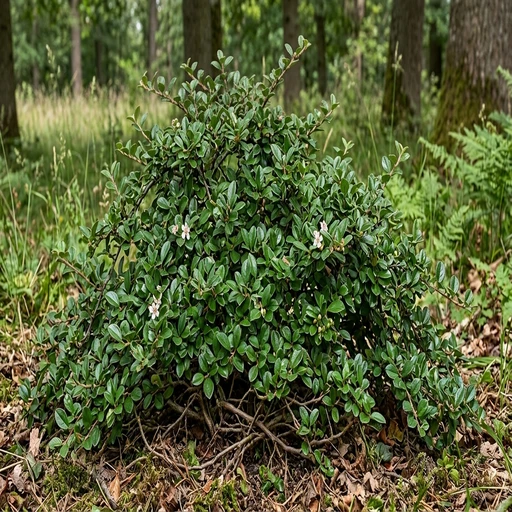
Streibs Findling Cotoneaster
Cotoneaster dammeri 'Streibs Findling'
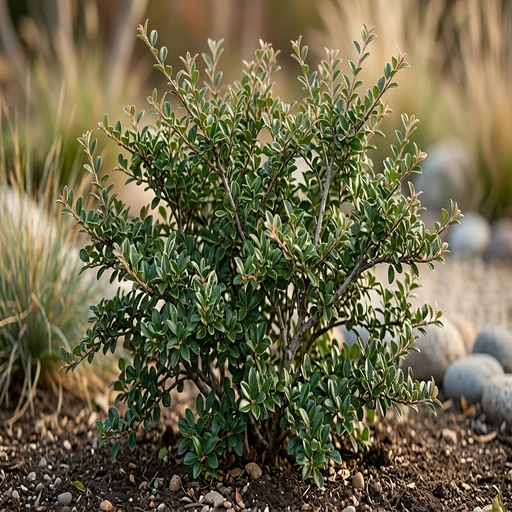
Autumn Inferno Cotoneaster
Cotoneaster salicifolius 'Autumn Inferno'
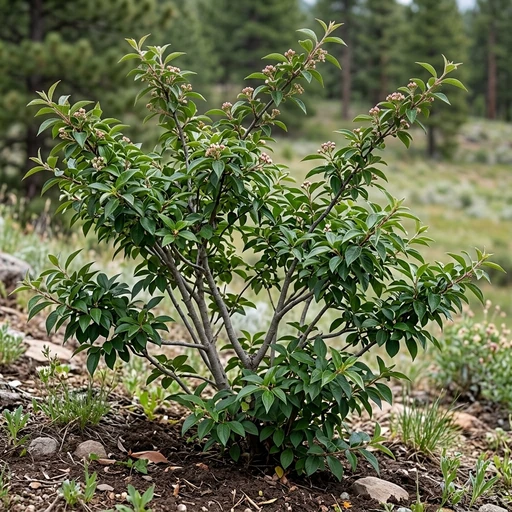
Peking Cotoneaster
Cotoneaster acutifolius
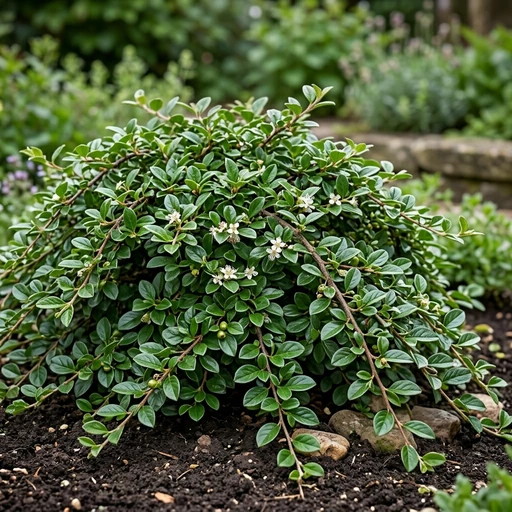
Lowfast Bearberry Cotoneaster
Cotoneaster dammeri 'Lowfast'
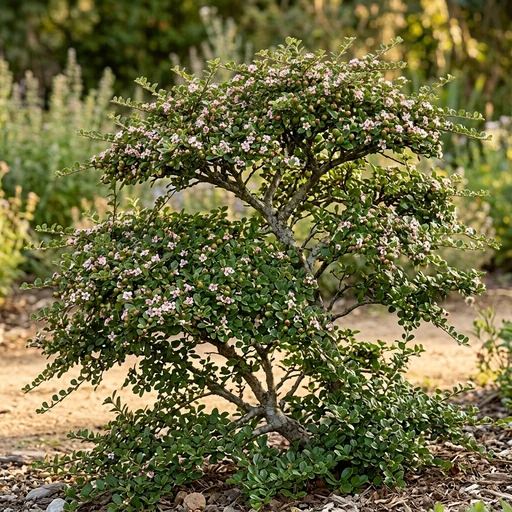
Rockspray Cotoneaster
Cotoneaster horizontalis
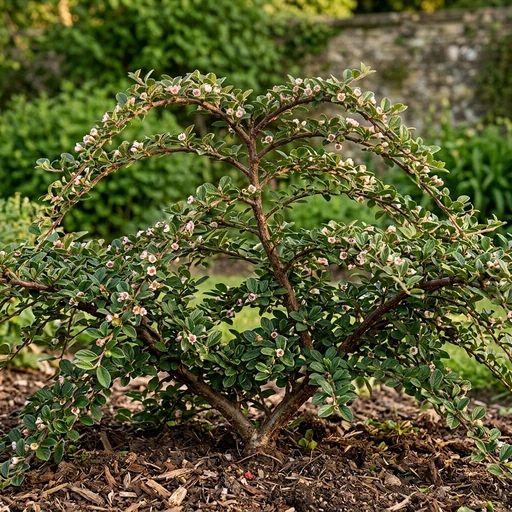
Hessei Rockspray Cotoneaster
Cotoneaster horizontalis 'Hessei'
Keep exploring
Explore the genus
Hardy in your zone?
Grow Bearberry Cotoneaster with confidence
See it in a design of your actual yard, get zone-matched care reminders, and track it season by season in your garden journal.