


The Story
Plant Bio
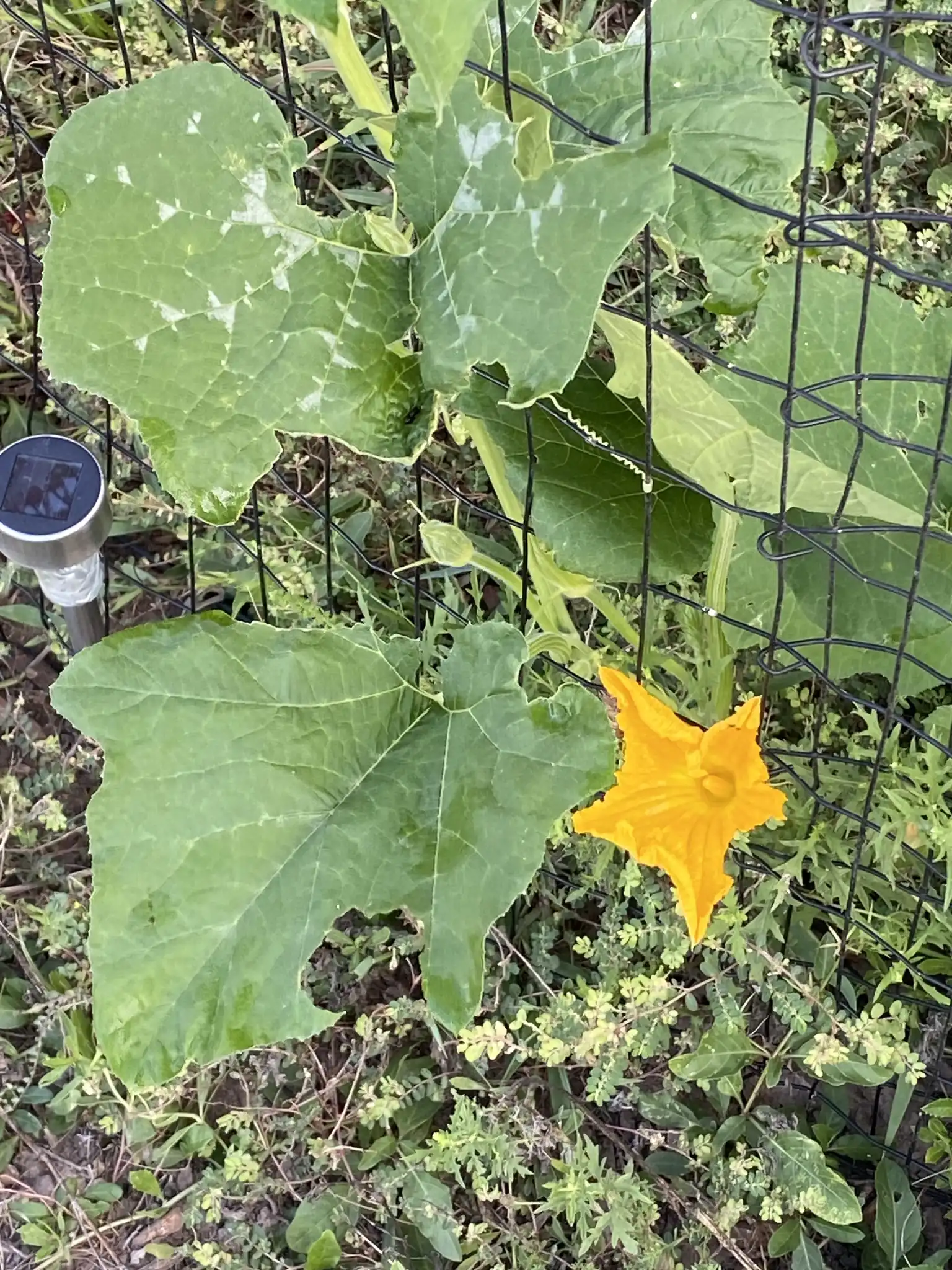
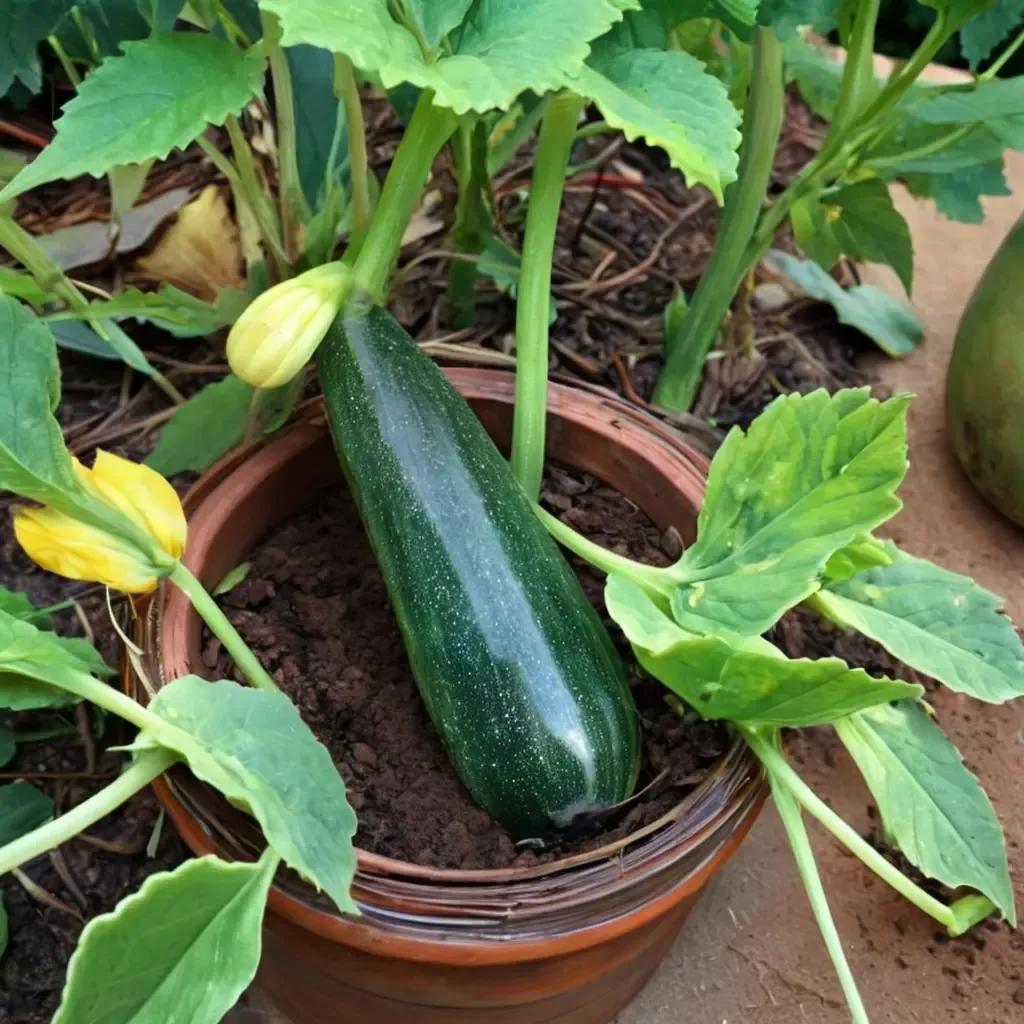
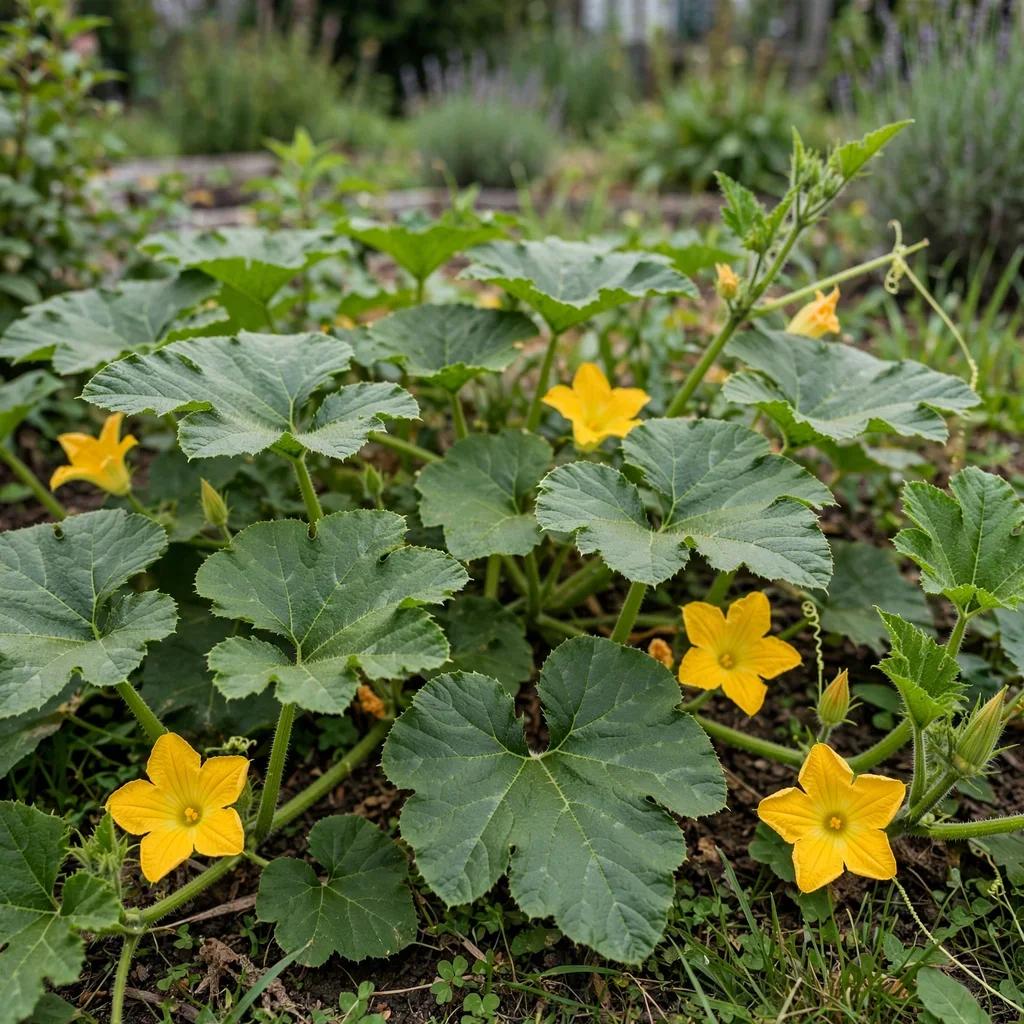
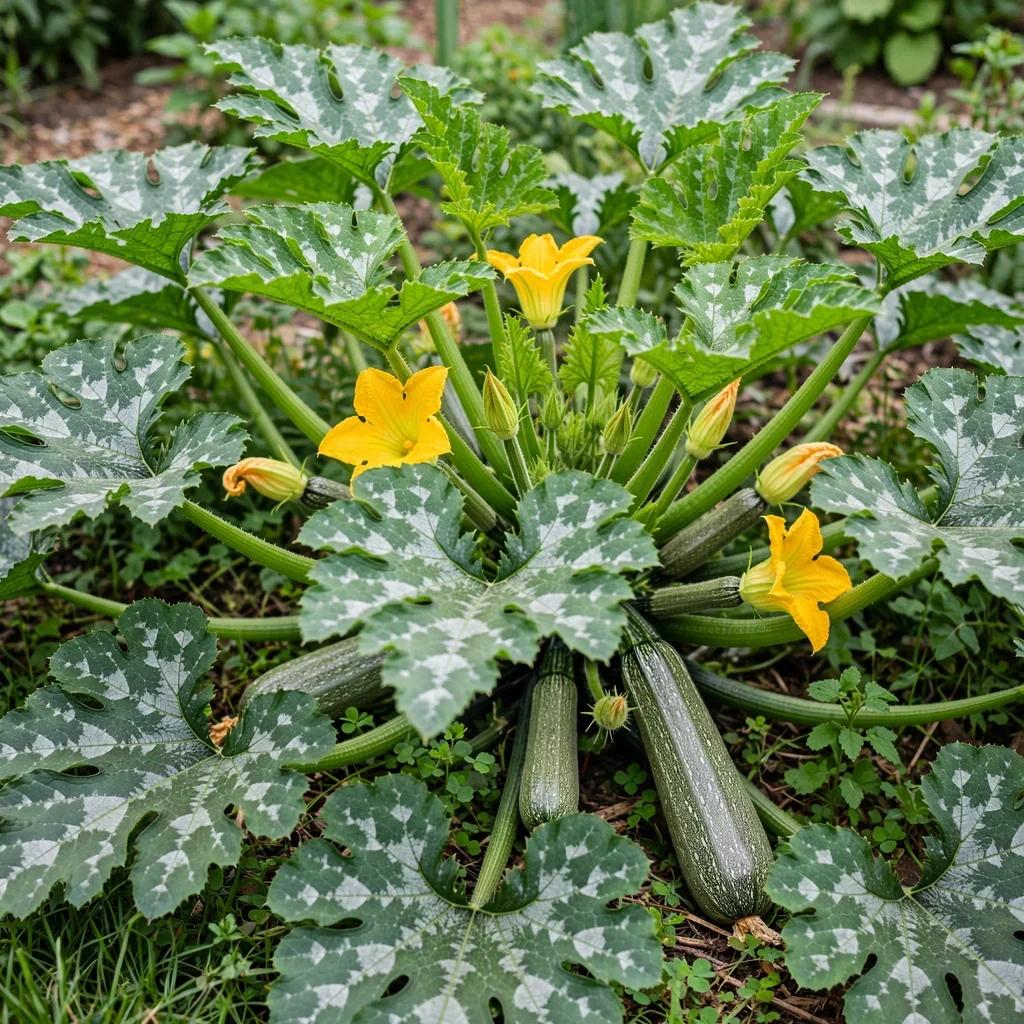
Cucurbita pepo is the annual squash species behind courgettes, summer squash, acorn squash, most pumpkins and ornamental gourds, native to North America and cultivated here for thousands of years. Large lobed leaves rise on prickly trailing or bushy stems, and separate male and female yellow funnel-shaped flowers three to six inches across open on the same plant.
Bush forms stay around three feet across while vining pumpkins run to twenty-five, so read the packet before you space them. Home-saved seed can cross with ornamental gourds and revert to producing bitter cucurbitacins; if a squash tastes bitter, spit it out and discard the whole fruit, because it can cause severe stomach upset.
Uses & Benefits:
Essentials
At a Glance
Plant Type
Fruit Vegetable
Height
24"
Width
96"
Light
Full Sun
Zones
4, 5, 6, 7, 8, 9, 10
Water
High
Humidity
Moderate
Lifespan
Annual
Native To
North America
Toxicity
Edible; discard any bitter fruit
Planting
How to Grow
- Sow into warm soil after all frost has passed.
- Give full sun and rich, moisture-retentive ground.
- Space bush types 3 ft apart, vining types 6 ft or more.
- Water deeply at the base, not over the leaves.
- Mulch to keep the soil evenly moist.
- Pick summer squash small and often to keep it cropping.
Pro Tip
The first few flowers on a plant are usually male and set nothing; wait for the ones with a small fruit already behind the petals.
Keep It Thriving
Care Guide
Do
- Sow into soil that has properly warmed 🌱
- Water deeply at the base of the plant 💧
- Pick courgettes at finger length 🥒
- Check stem bases weekly for borer frass 🔍
Don't
- Water overhead — it spreads mildew ❌
- Let a courgette turn into a marrow on the plant ❌
- Eat a squash that tastes bitter ❌
Seasonal Care Calendar
| Task | Jan | Feb | Mar | Apr | May | Jun | Jul | Aug | Sep | Oct | Nov | Dec |
|---|---|---|---|---|---|---|---|---|---|---|---|---|
| Harvest | ||||||||||||
| Sow |
Watch Out For
Pests & Diseases
Common Pests
Common Diseases
In the Garden
Landscape Uses & Companions
Landscape Uses
Multiply
Propagation Methods
Good to Know
Common Questions
Summer Squash questions
What zones can Summer Squash grow in?
Summer Squash is hardy in USDA Zones 4–10. Inside that range it survives winter in the ground; outside it, grow it as an annual or a container plant you protect.
Is Summer Squash deer resistant?
Not reliably. Deer may browse Summer Squash, especially tender spring growth — plan on repellents or fencing where pressure is high.
When does Summer Squash bloom?
Summer Squash typically blooms in summer through late summer. Exact timing shifts a week or two with your zone — Sow's bloom calendar maps it to your garden.
Does Summer Squash need full sun?
Summer Squash does best in full sun (6+ hours).
More Cucurbita to compare
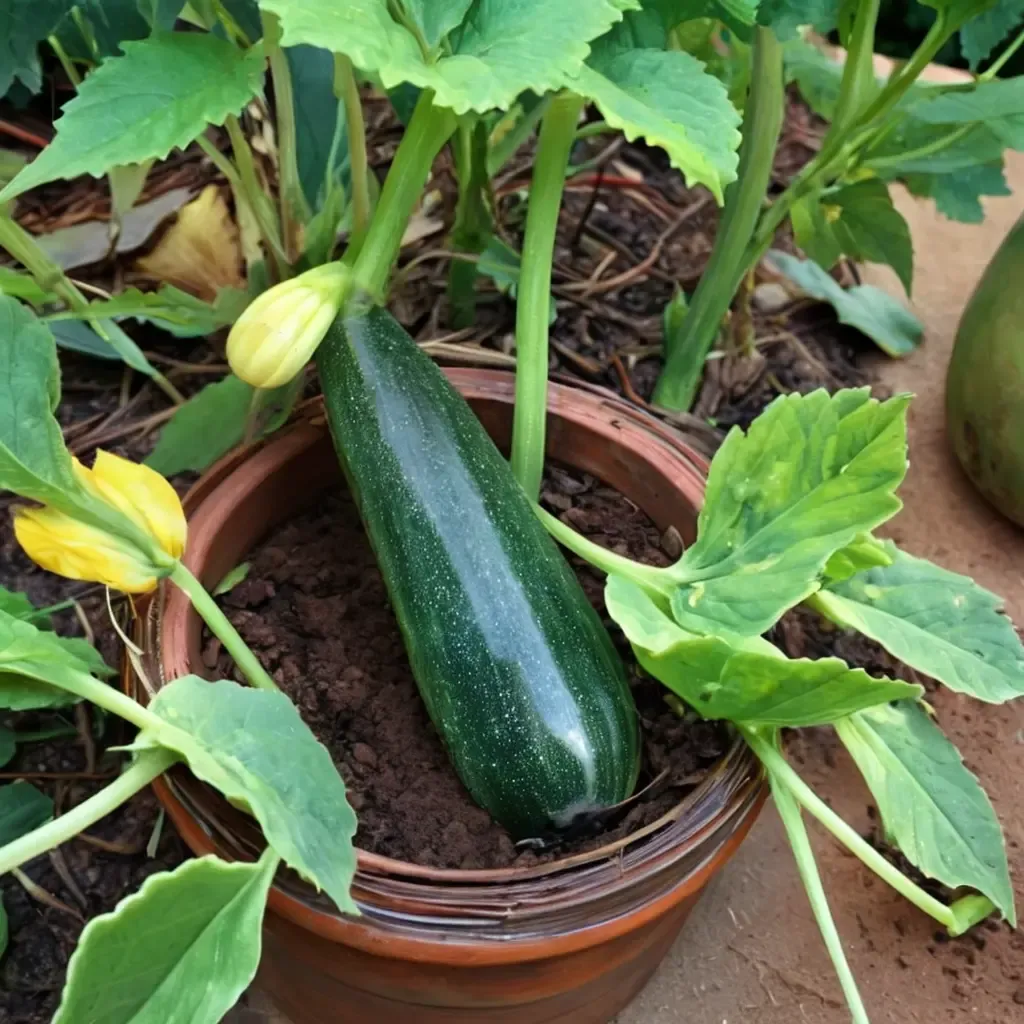
Astia Zucchini
Cucurbita pepo 'Astia'
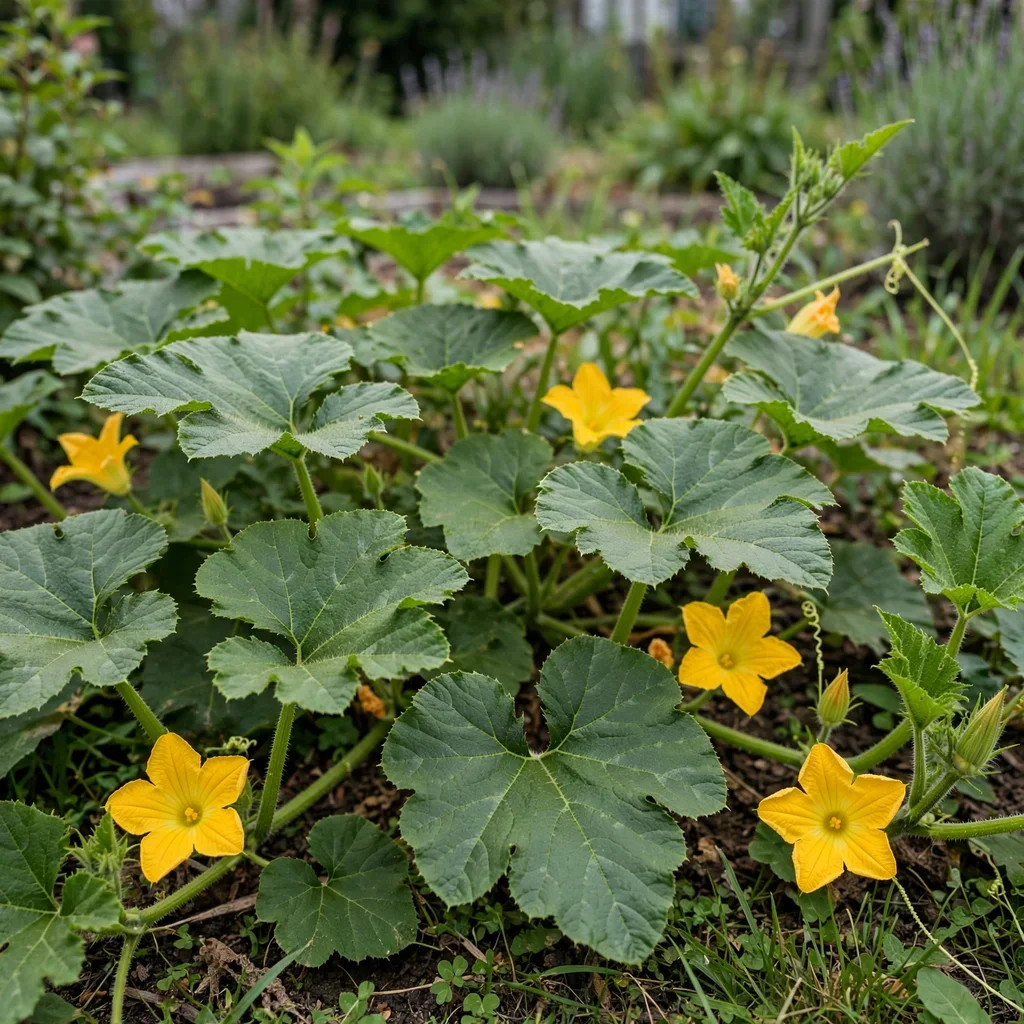
Baby Bear Pumpkin
Cucurbita pepo 'Baby Bear'
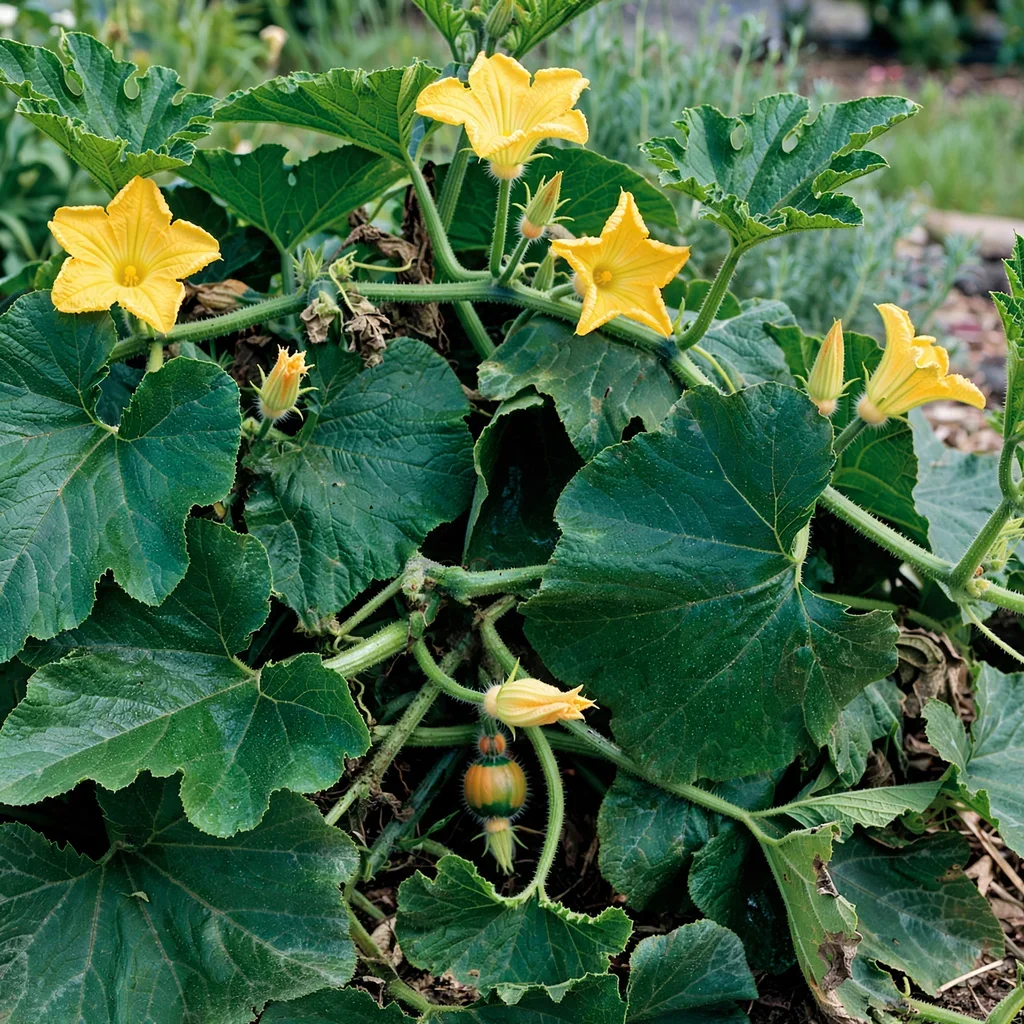
Potimarron Squash
Cucurbita maxima 'Potimarron'
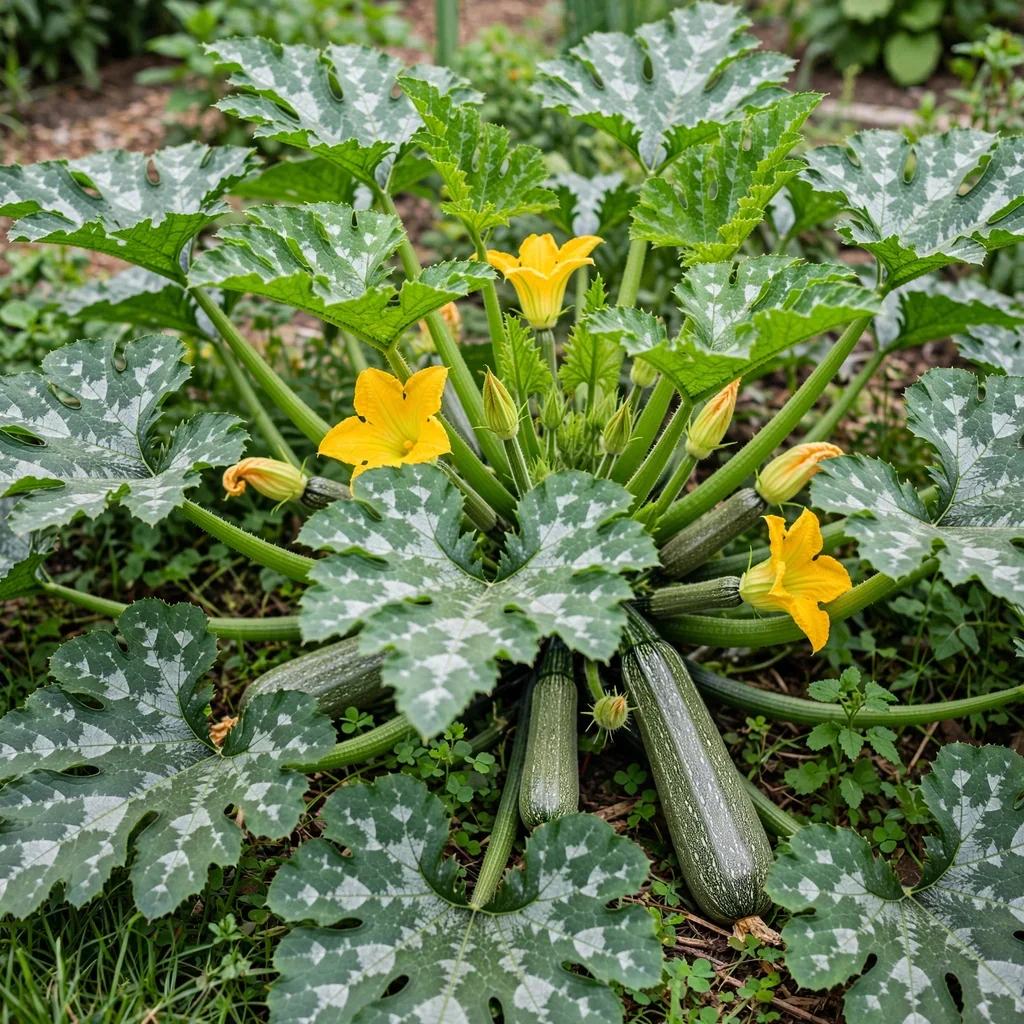
Reno zucchini
Cucurbita pepo 'Reno'
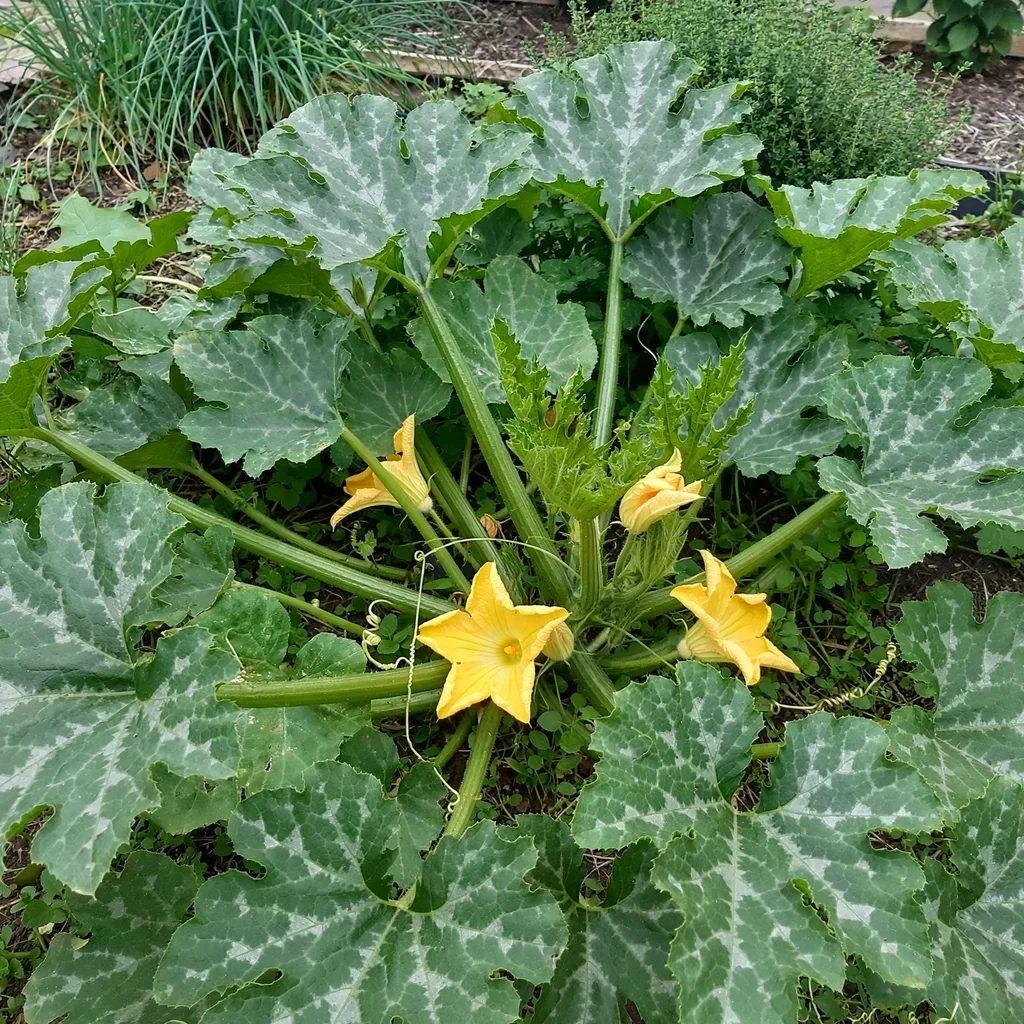
Ronde de Nice Squash
Cucurbita pepo 'Ronde de Nice'
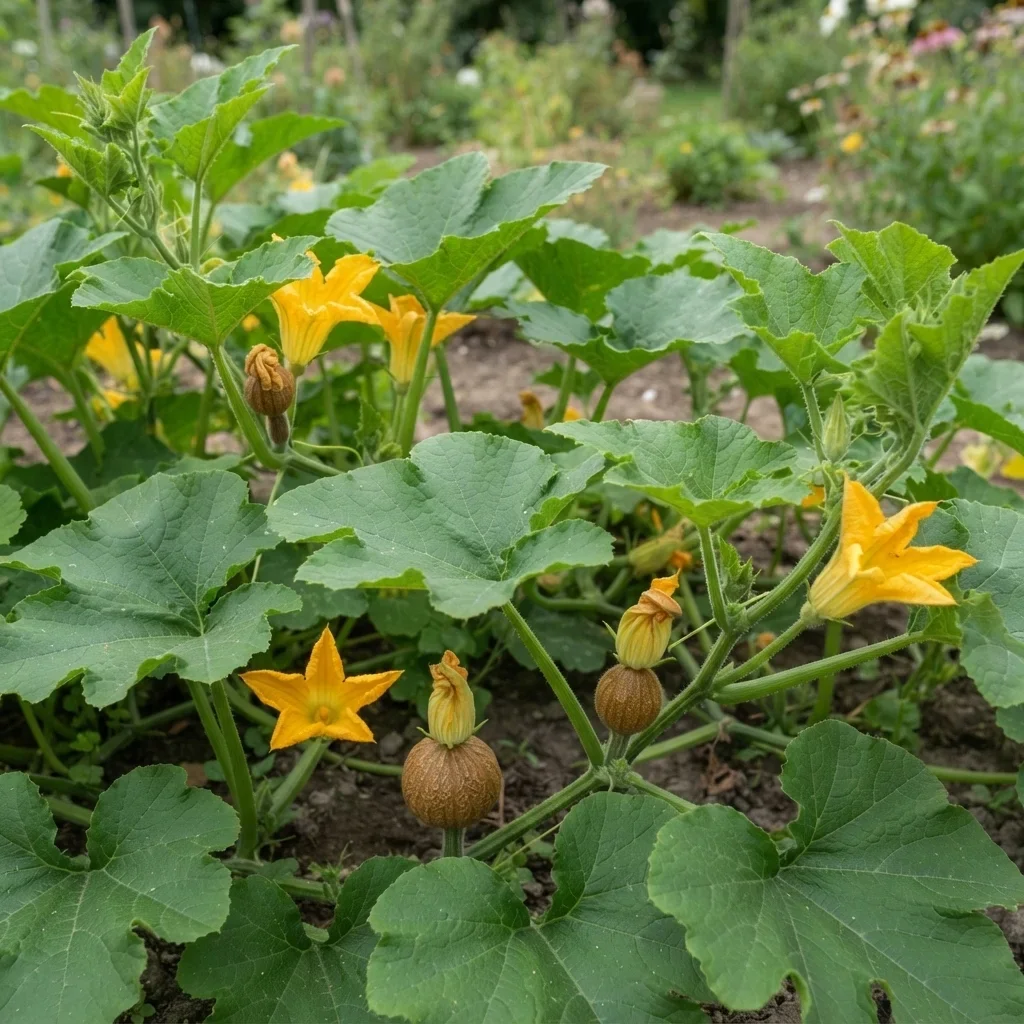
Winter Luxury Pie Pumpkin
Cucurbita pepo 'Winter Luxury Pie'
Keep exploring
Explore the genus
Grow Summer Squash with confidence
See it in a design of your actual yard, get zone-matched care reminders, and track it season by season in your garden journal.