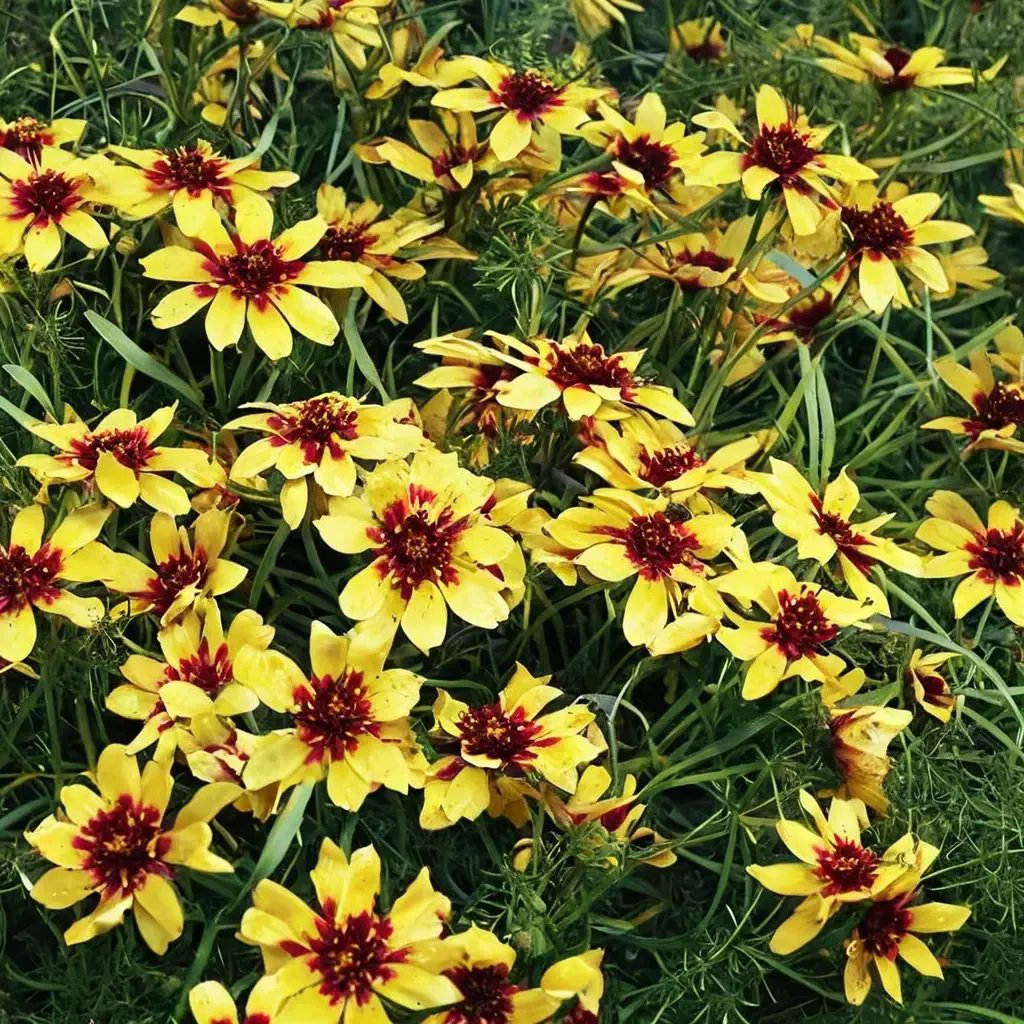
Species
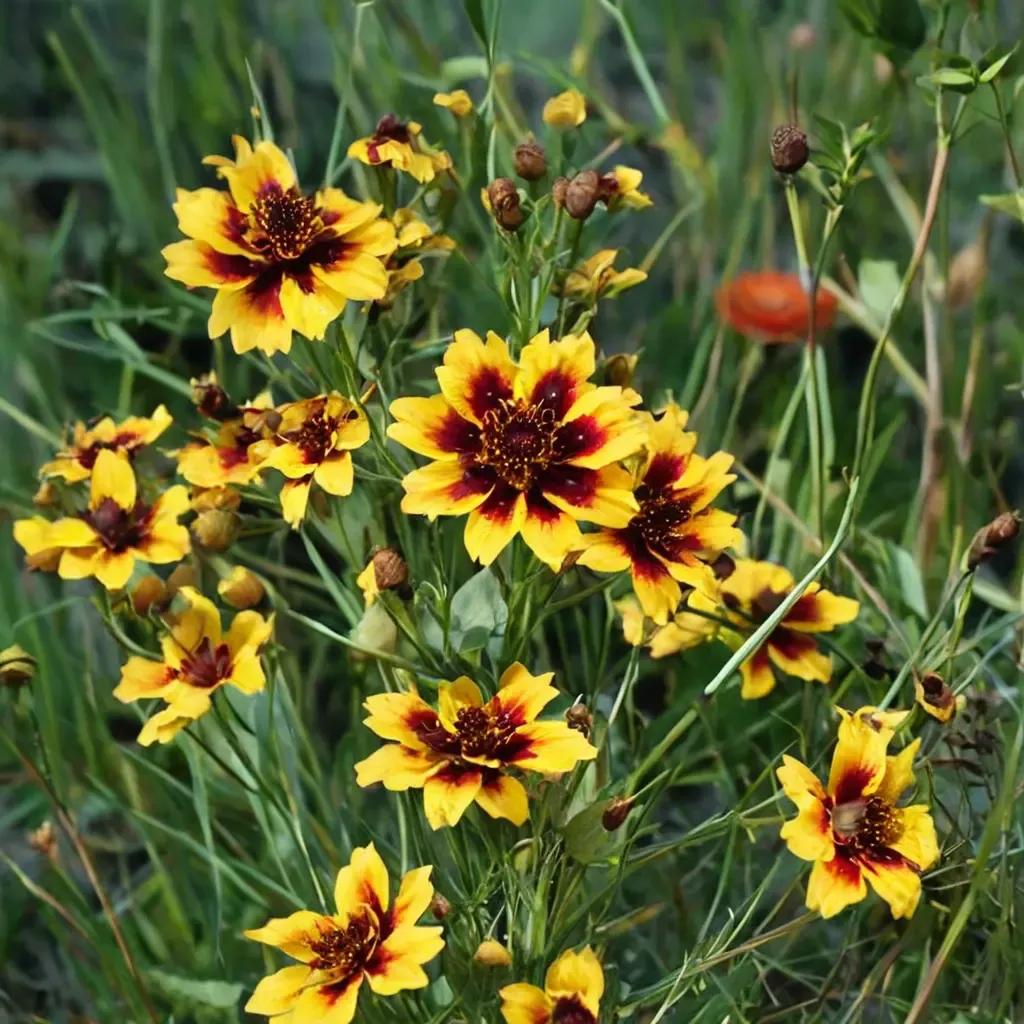 Coreopsis tinctoriaPlains Coreopsis Tickseed
19 other cultivars
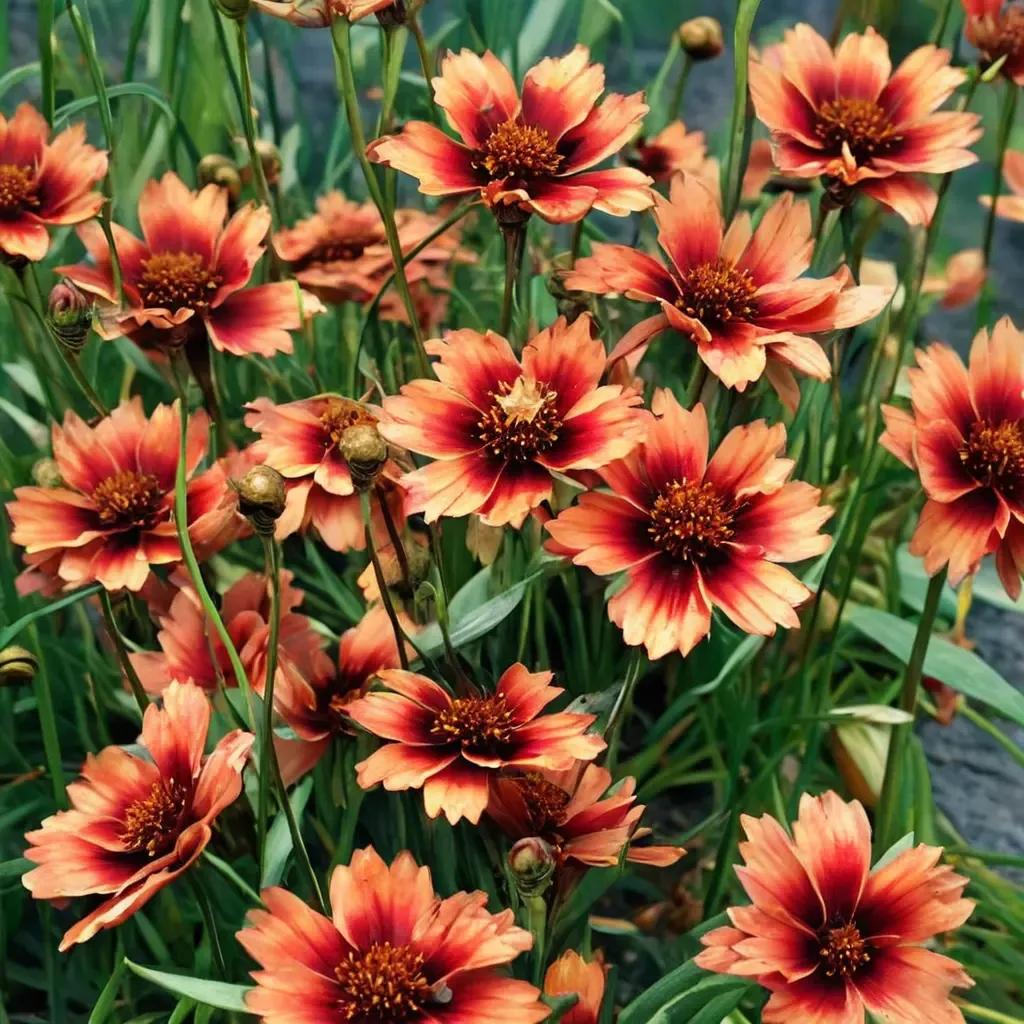 ‘Desert Coral’Plains Coreopsis
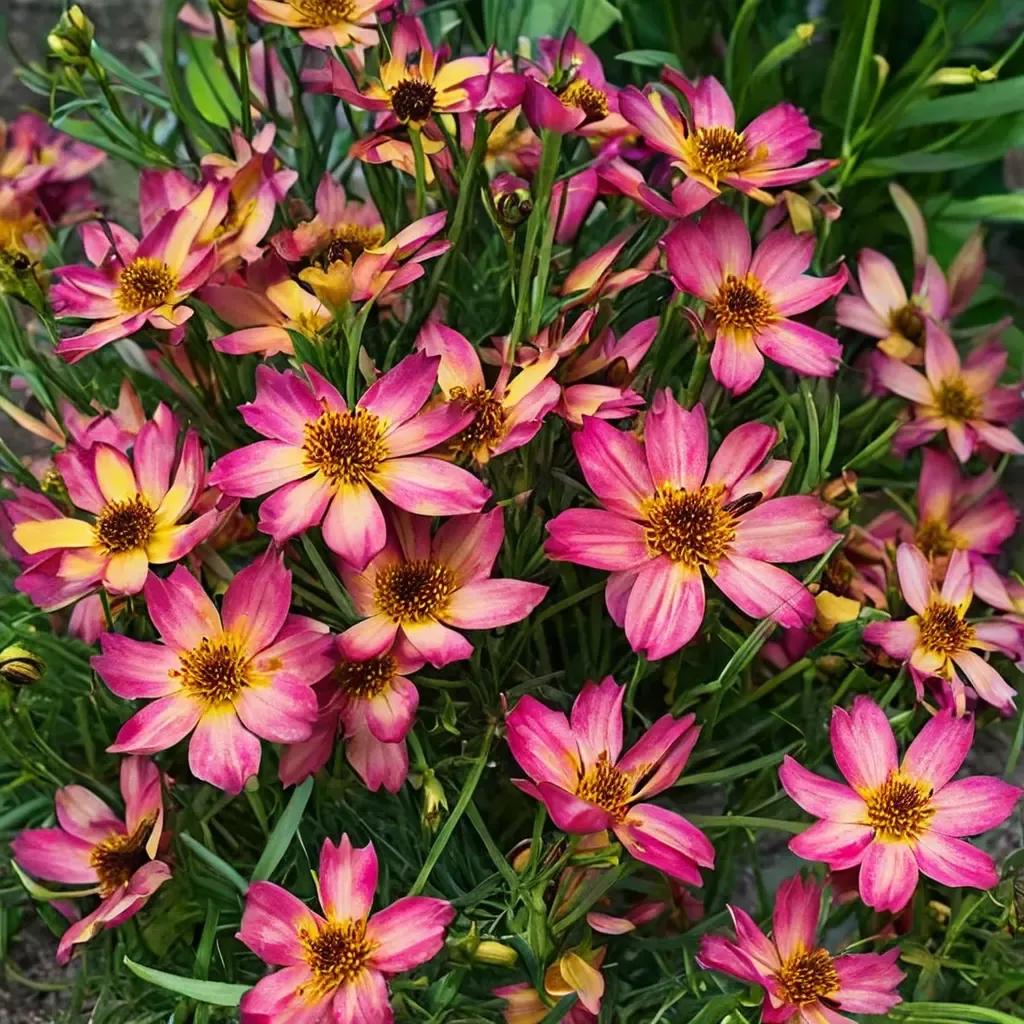 ‘Sweet Tart’Tickseed 'Sweet Tart'
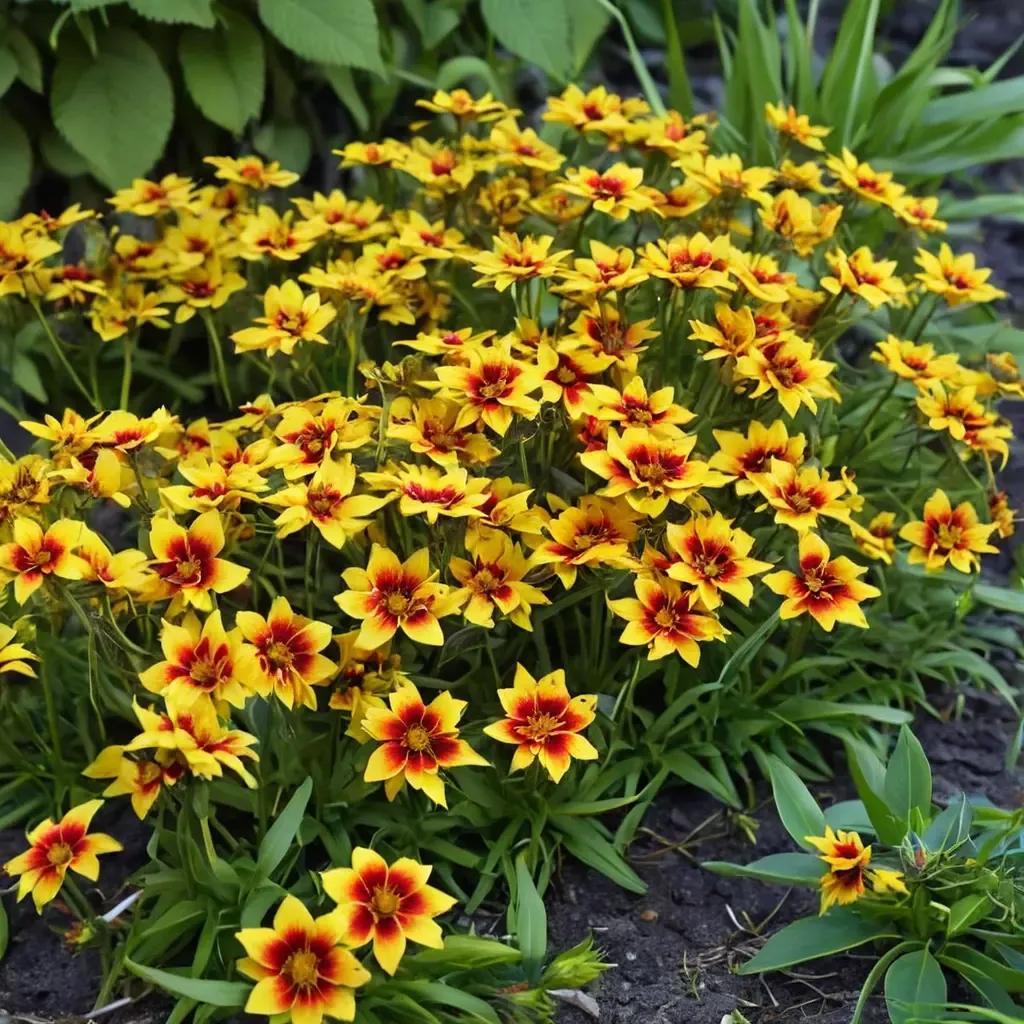 ‘UPTICK Gold Bronze’Tickseed UPTICK Gold Bronze
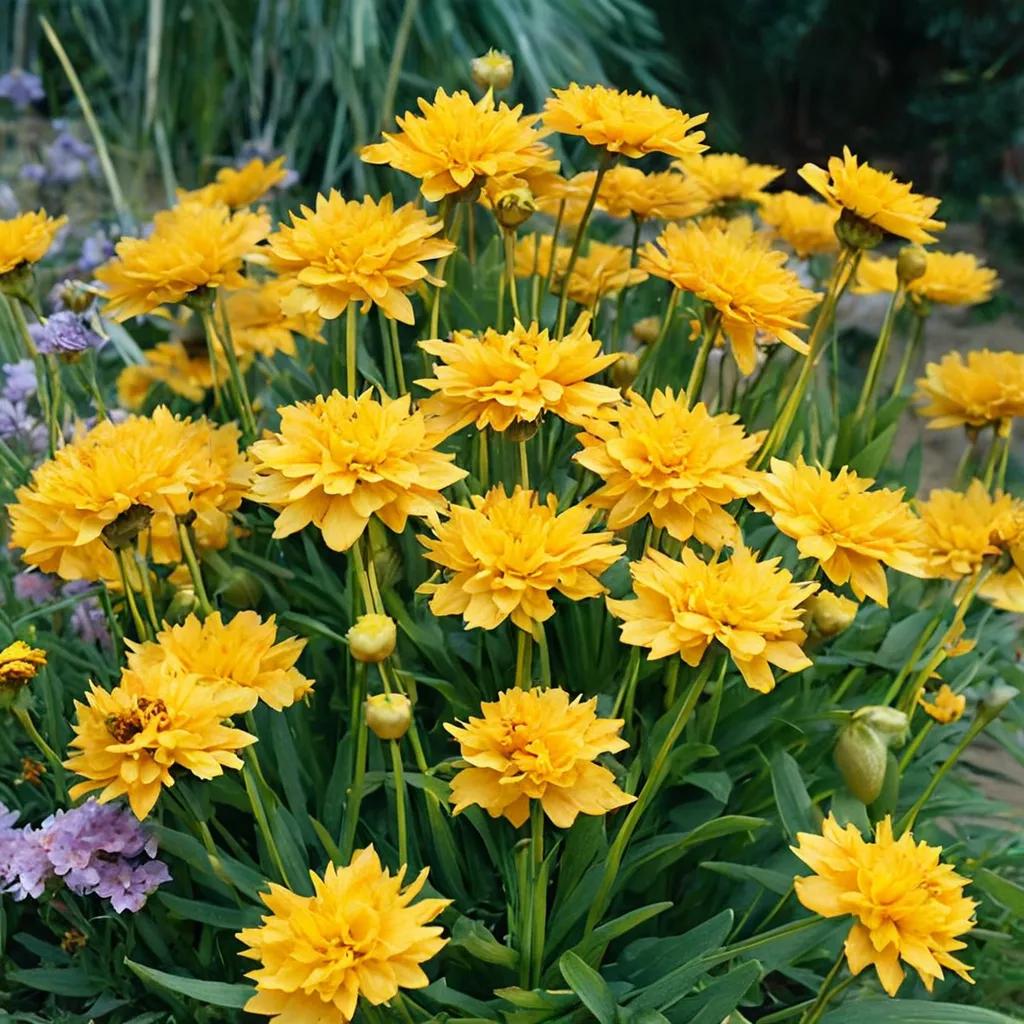 ‘Early Sunrise’Tickseed 'Early Sunrise'
 ‘Crazy Cayenne’Crazy Cayenne Tickseed
 ‘Mercury Rising’Mercury Rising Tickseed
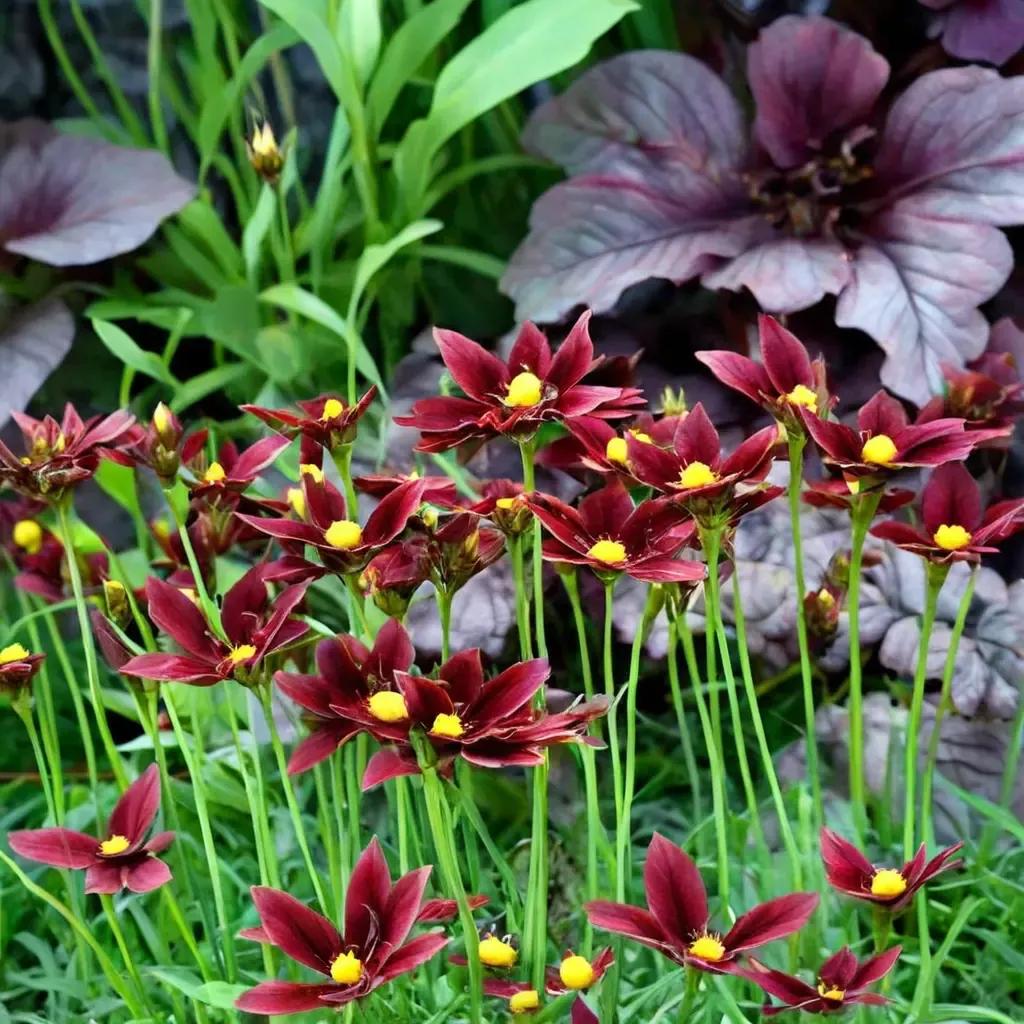 ‘Red Elf’Red Elf Tickseed
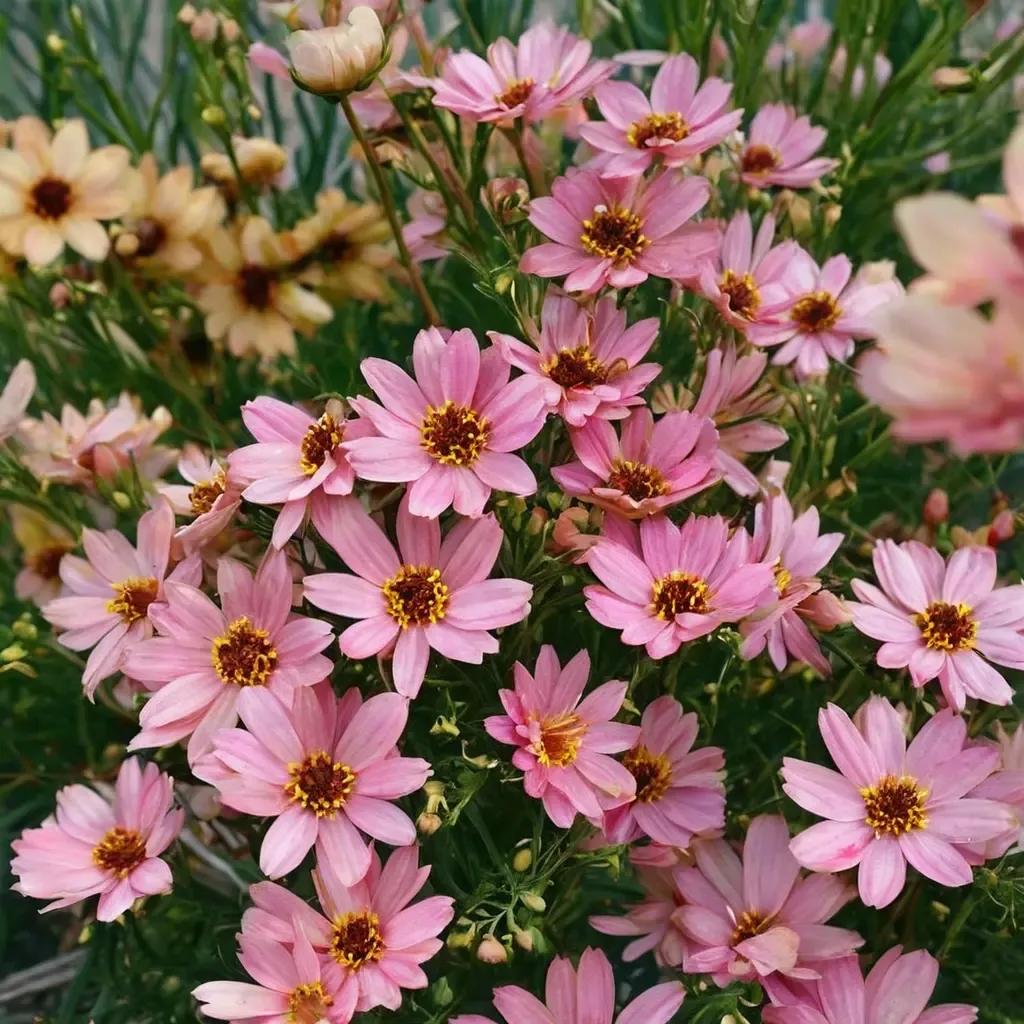 ‘Shades Of Rose’Shades of Rose Tickseed
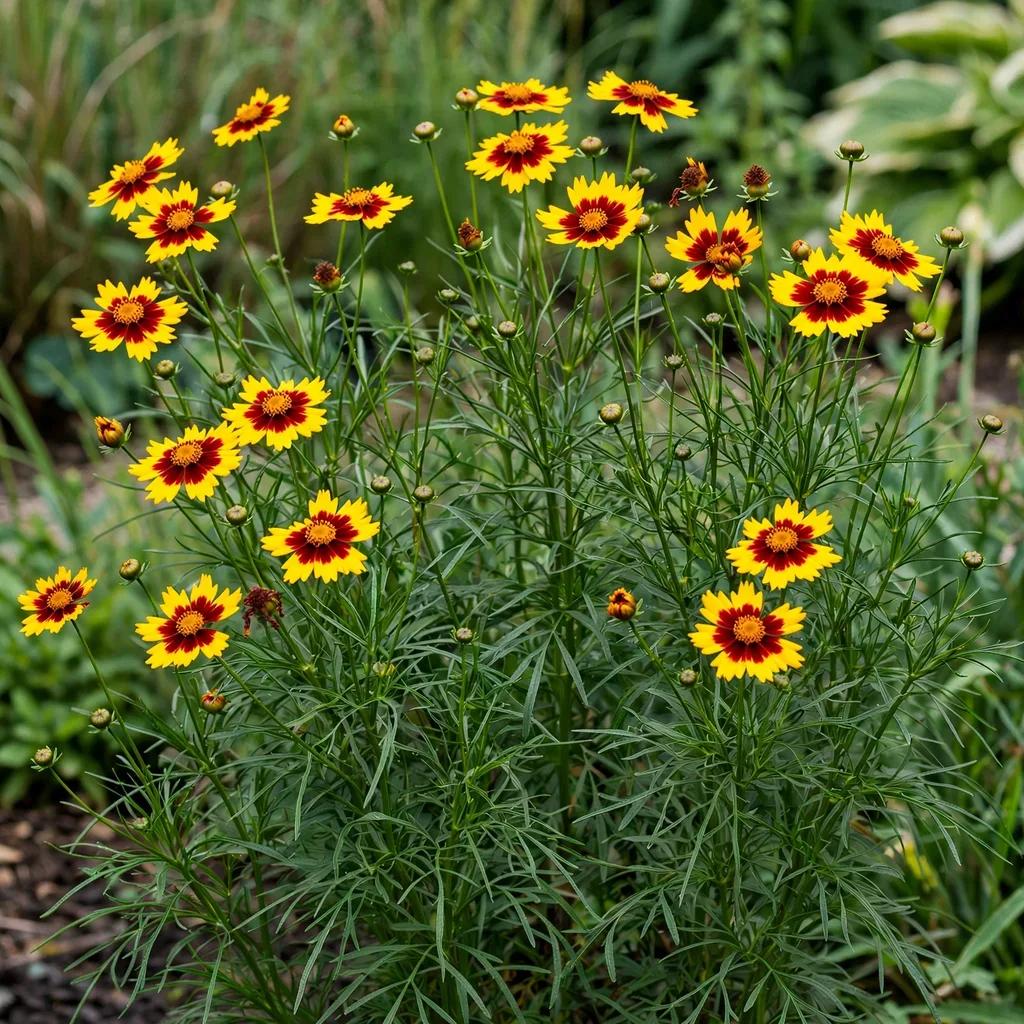 ‘Lightning Bug’Lightning Bug Plains Coreopsis
 ‘Full Moon’Full Moon Tickseed
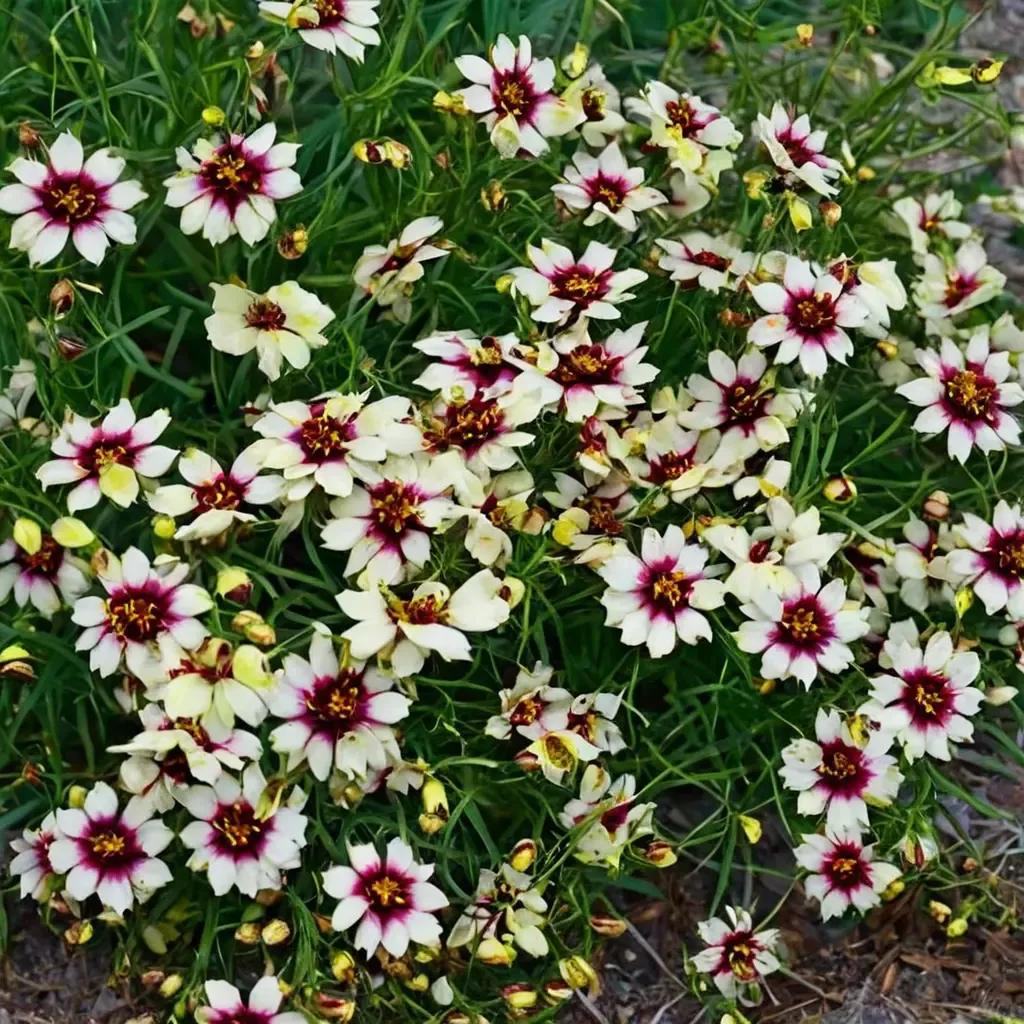 ‘Red Hot Vanilla’Red Hot Vanilla Tickseed
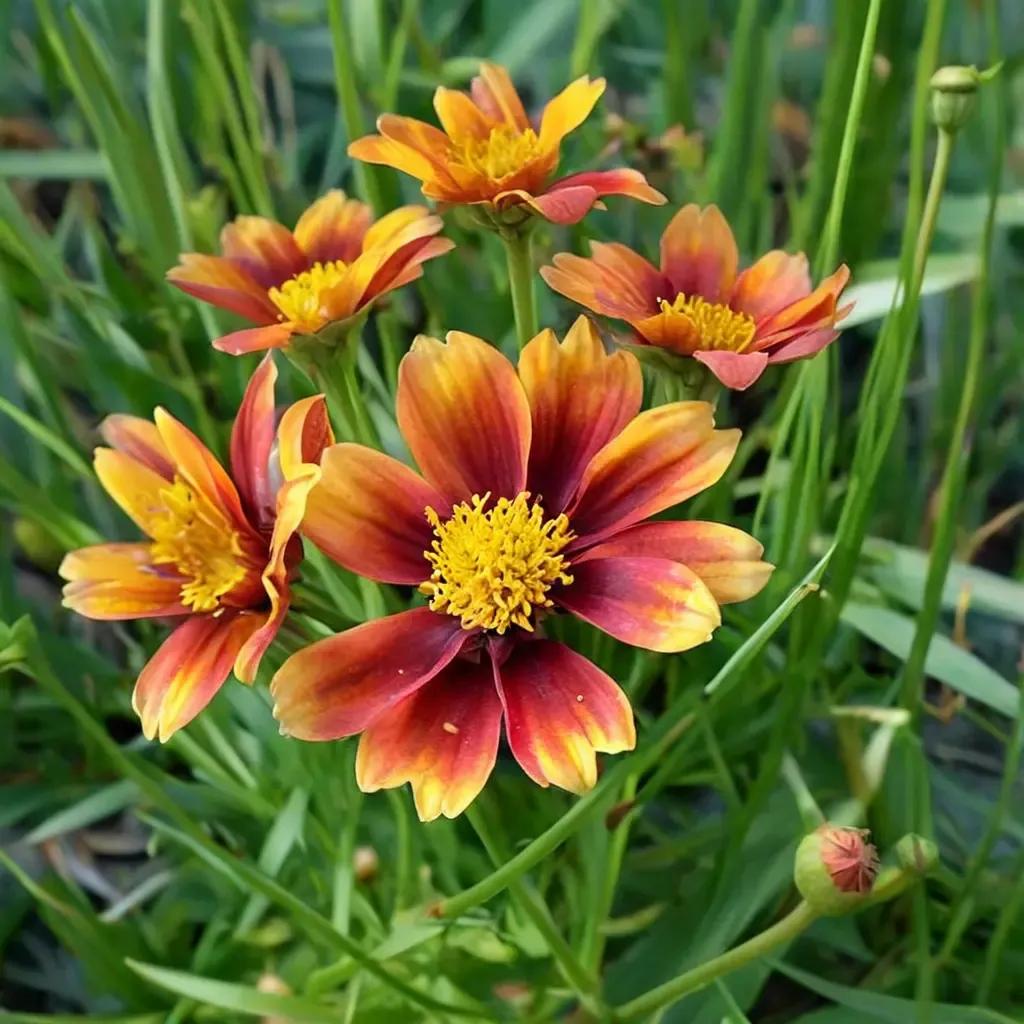 ‘Li'l Bang Orange Elf’Li'l Bang Orange Elf Tickseed
 ‘Hot Paprika’Hot Paprika Tickseed
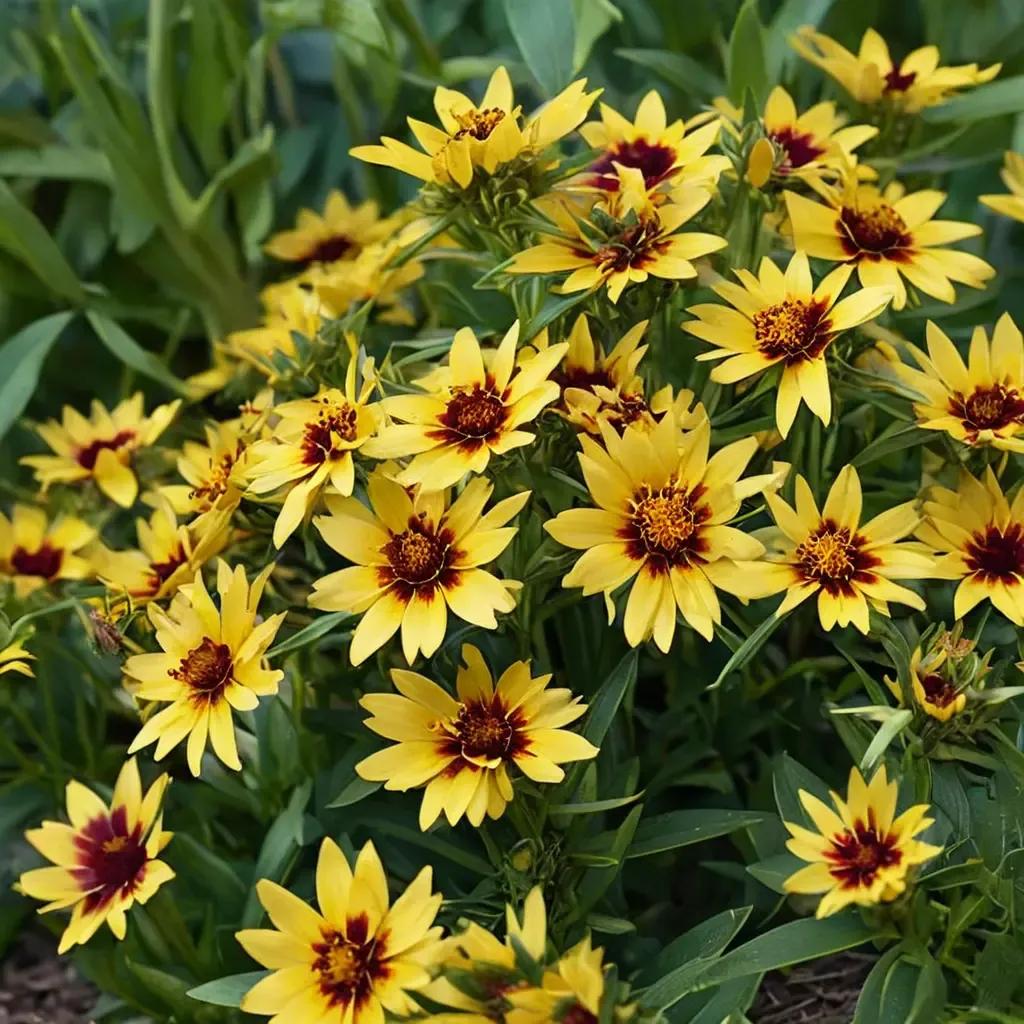 ‘UPTICK Yellow Red’Uptick Yellow Red Tickseed
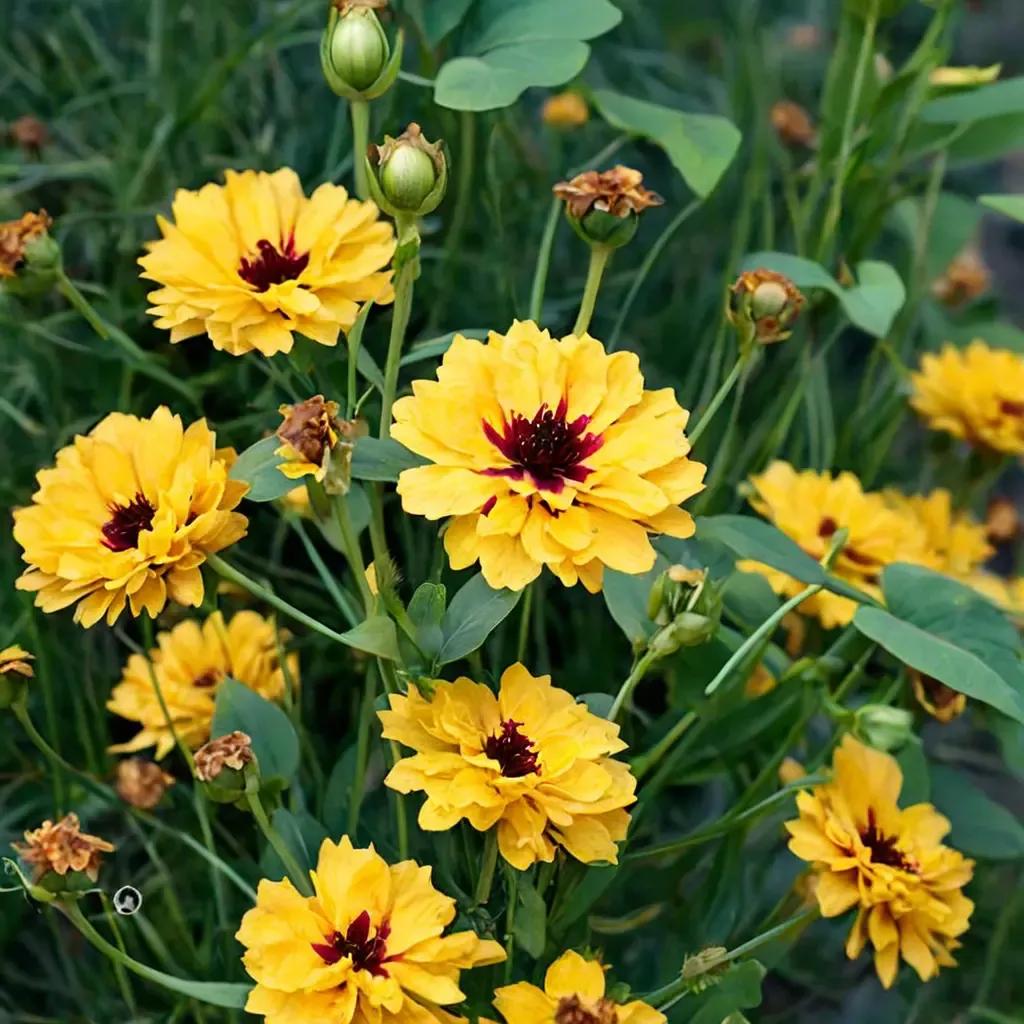 ‘Golden Ball’Golden Ball Tickseed
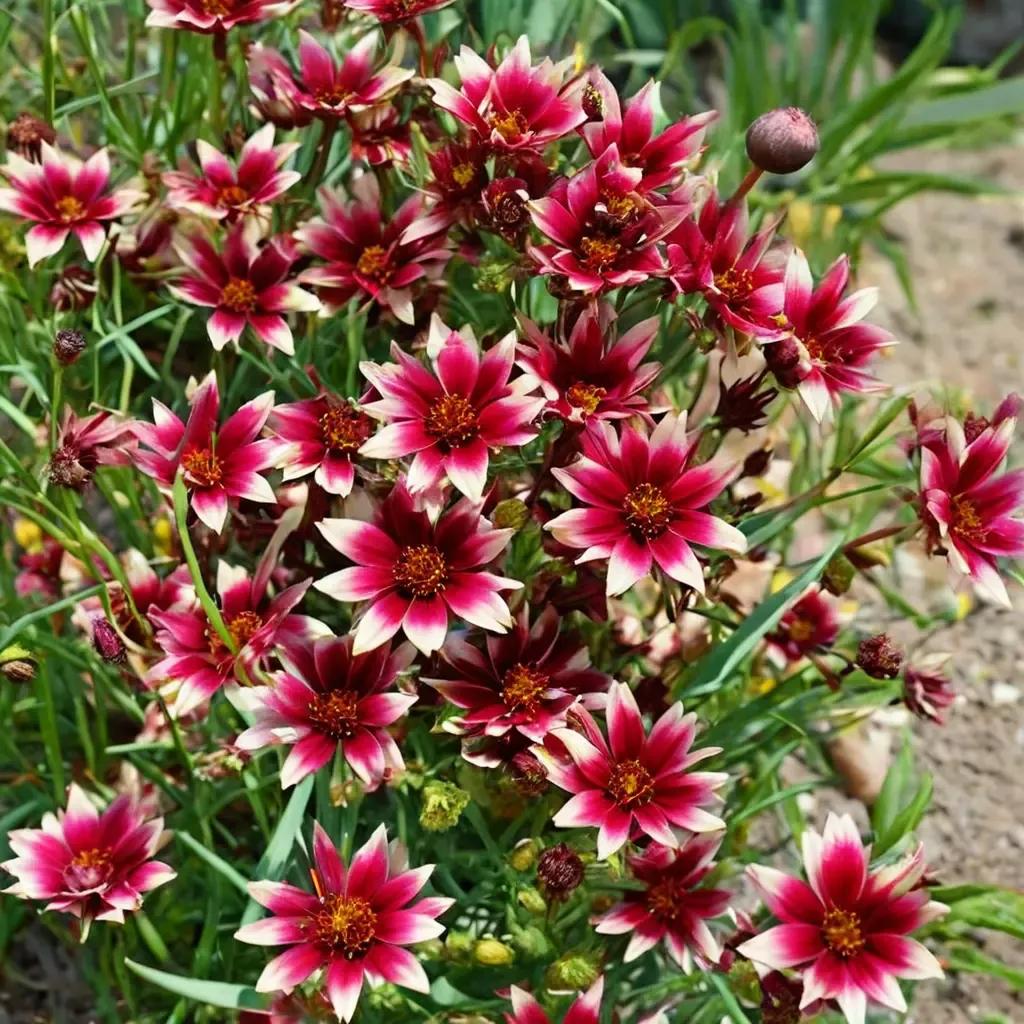 ‘Red Chiffon’Red Chiffon Tickseed
 ‘Tahitian Sunset’Tahitian Sunset Tickseed
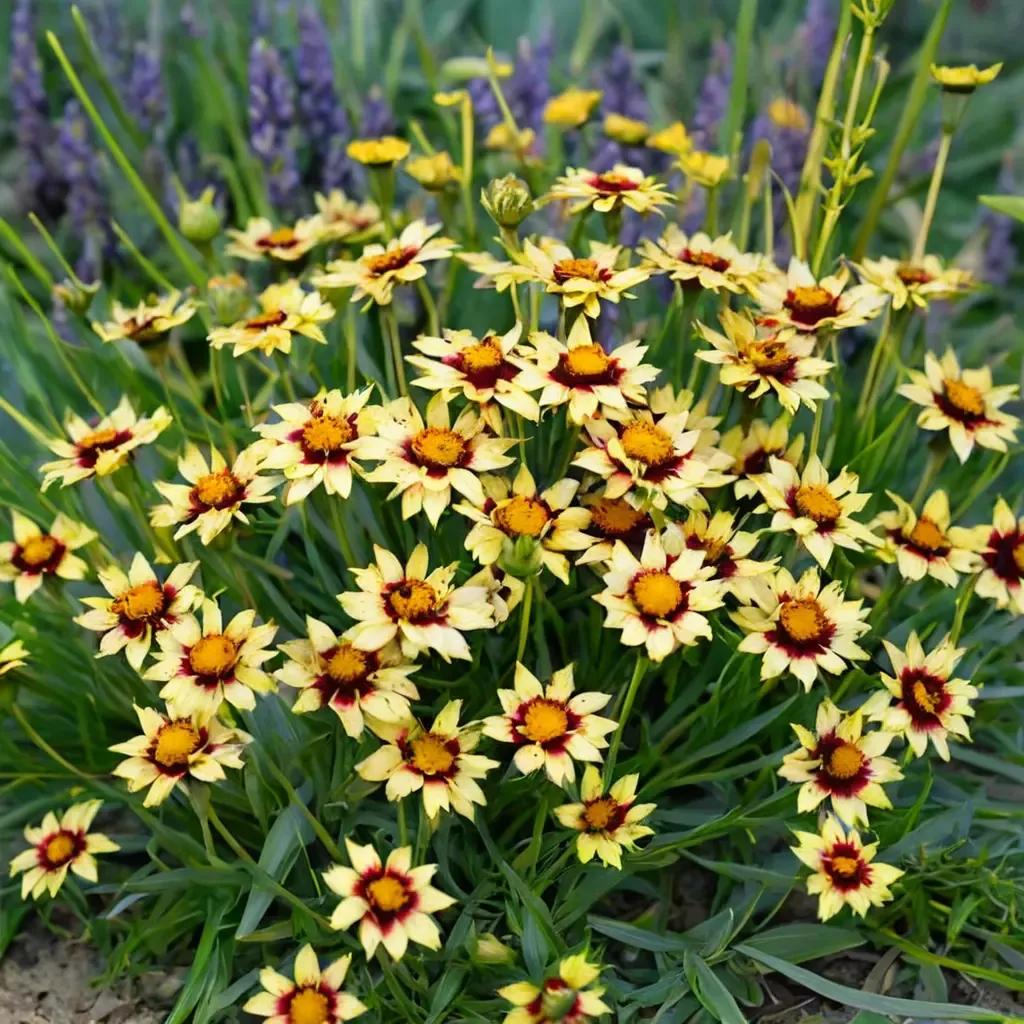 ‘Cosmic Eye’Cosmic Eye Tickseed
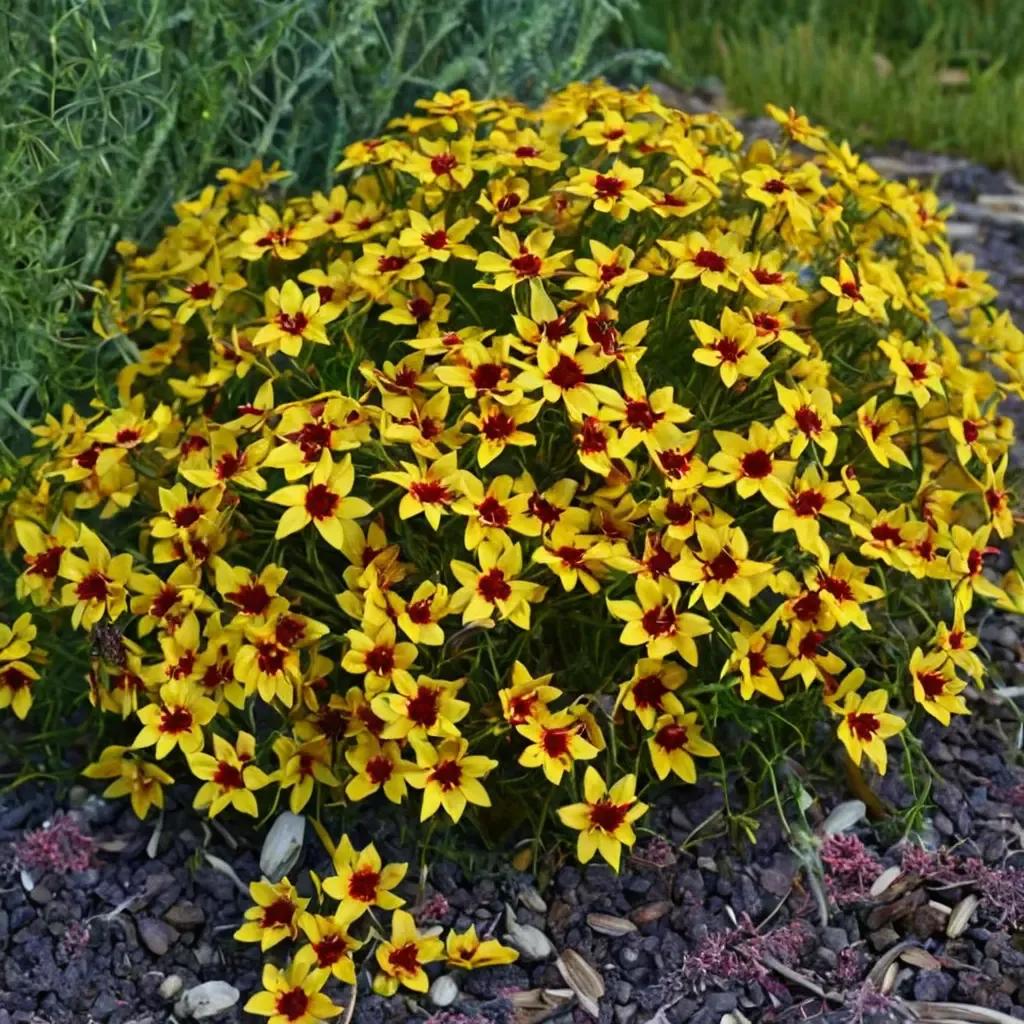 ‘Curry Up’Curry Up Coreopsis Yellow Coreopsis
The Story
Plant Bio
Coreopsis tinctoria, or Plains Coreopsis, is a fast-growing annual with fine, feathery foliage. It produces masses of daisy-like flowers throughout the summer.
The 'Firefly' cultivar is noted for its compact, bushy habit and its profusion of small, bicolored flowers featuring deep mahogany-red centers and bright yellow tips.
Uses & Benefits:
Essentials
At a Glance
Plant Type
Perennial
Height
9"
Width
9"
Light
Full Sun, Partial Sun
Zones
4, 5, 6, 7, 8, 10
Water
Low to moderate
Humidity
Prefers dry to moderate humidity
Lifespan
Annual
Native To
North America
Toxicity
Non-toxic to humans and pets
Bloom period
Mid-summer – Late summer
In flower about 2 months of the year
Marketplace
Where to Buy
Shipping costs Year-round shipping Free shipping
Planting
How to Grow
- Tuck seeds into well-draining soil in early spring for best germination.
- Water regularly to keep soil moist but not waterlogged during initial growth.
- Mist cuttings or division in spring to propagate new plants.
- Thin seedlings to prevent overcrowding, maintaining 12-18 inches apart.
- Mulch around plants to retain moisture and suppress weeds during summer.
- Deadhead spent flowers to encourage more blooms throughout summer.
Pro Tip
Plant in full sun with well-draining soil for vibrant, long-lasting flowers.
Keep It Thriving
Care Guide
Do
- Water deeply once a week during dry spells 🌱
- Prune back after flowering to promote bushier growth
- Apply a balanced fertilizer in early spring
Don't
- Avoid overwatering to prevent root rot ❌
- Do not fertilize in late fall
- Refrain from heavy pruning in late summer
Seasonal Care Calendar
| Task | Jan | Feb | Mar | Apr | May | Jun | Jul | Aug | Sep | Oct | Nov | Dec |
|---|---|---|---|---|---|---|---|---|---|---|---|---|
| Deadhead | ||||||||||||
| Plant |
Watch Out For
Pests & Diseases
Common Pests
Common Diseases
In the Garden
Landscape Uses & Companions
Landscape Uses
Multiply
Propagation Methods
Good to Know
Common Questions
Plains Coreopsis 'Firefly' questions
What zones can Plains Coreopsis 'Firefly' grow in?
Plains Coreopsis 'Firefly' is hardy in USDA Zones 4, 5, 6, 7, 8, 10. Inside that range it survives winter in the ground; outside it, grow it as an annual or a container plant you protect.
Is Plains Coreopsis 'Firefly' deer resistant?
Yes — Plains Coreopsis 'Firefly' is rated deer-resistant. Deer typically pass it over, though extreme hunger can override any plant's defenses.
When does Plains Coreopsis 'Firefly' bloom?
Plains Coreopsis 'Firefly' typically blooms in mid-summer through late summer. Exact timing shifts a week or two with your zone — Sow's bloom calendar maps it to your garden.
Does Plains Coreopsis 'Firefly' need full sun?
Plains Coreopsis 'Firefly' does best in full sun to part shade. In hot climates, afternoon shade keeps blooms fresher longer.
Is Plains Coreopsis 'Firefly' drought tolerant?
Yes — once established (usually after the first full season), Plains Coreopsis 'Firefly' handles dry spells with minimal watering. Water deeply its first year to build the root system that makes that possible.
More Coreopsis to compare
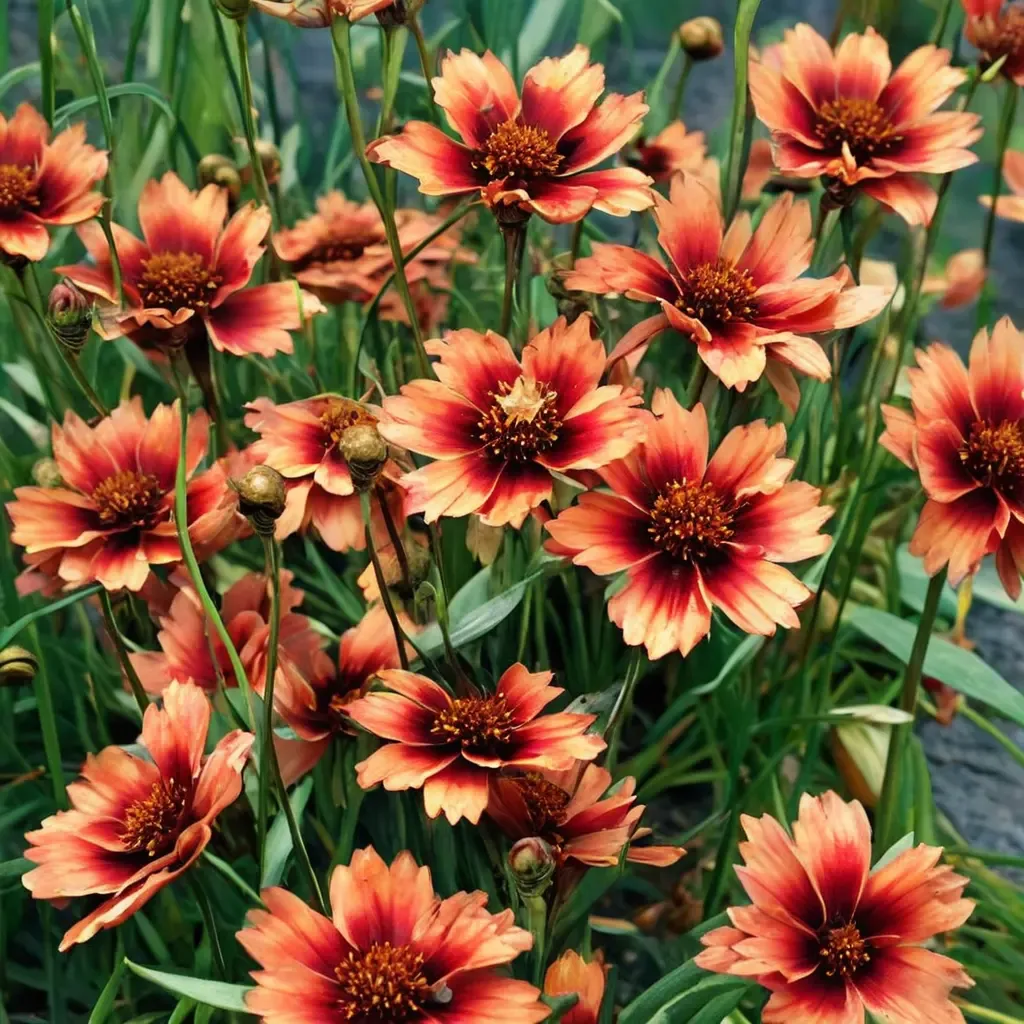
Plains Coreopsis
Coreopsis tinctoria 'Desert Coral'
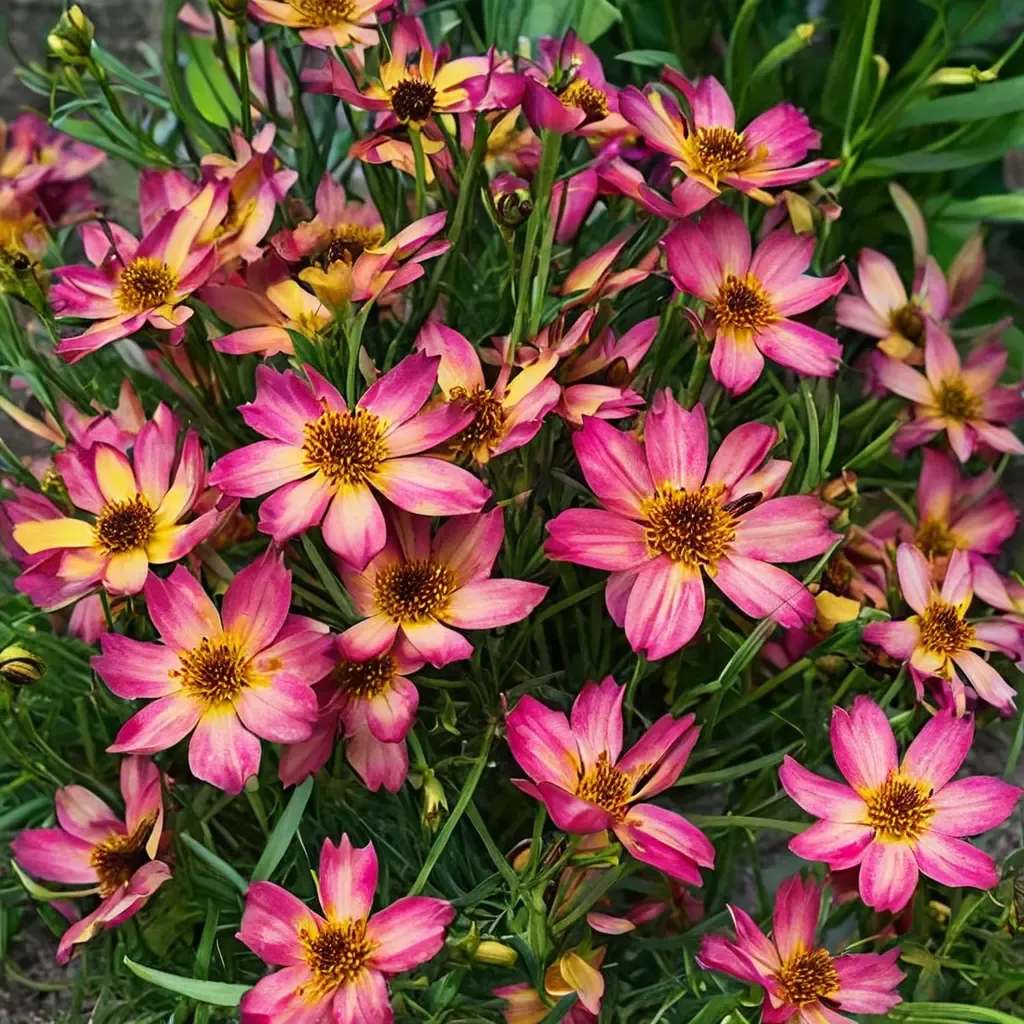
Tickseed 'Sweet Tart'
Coreopsis tinctoria 'Sweet Tart'
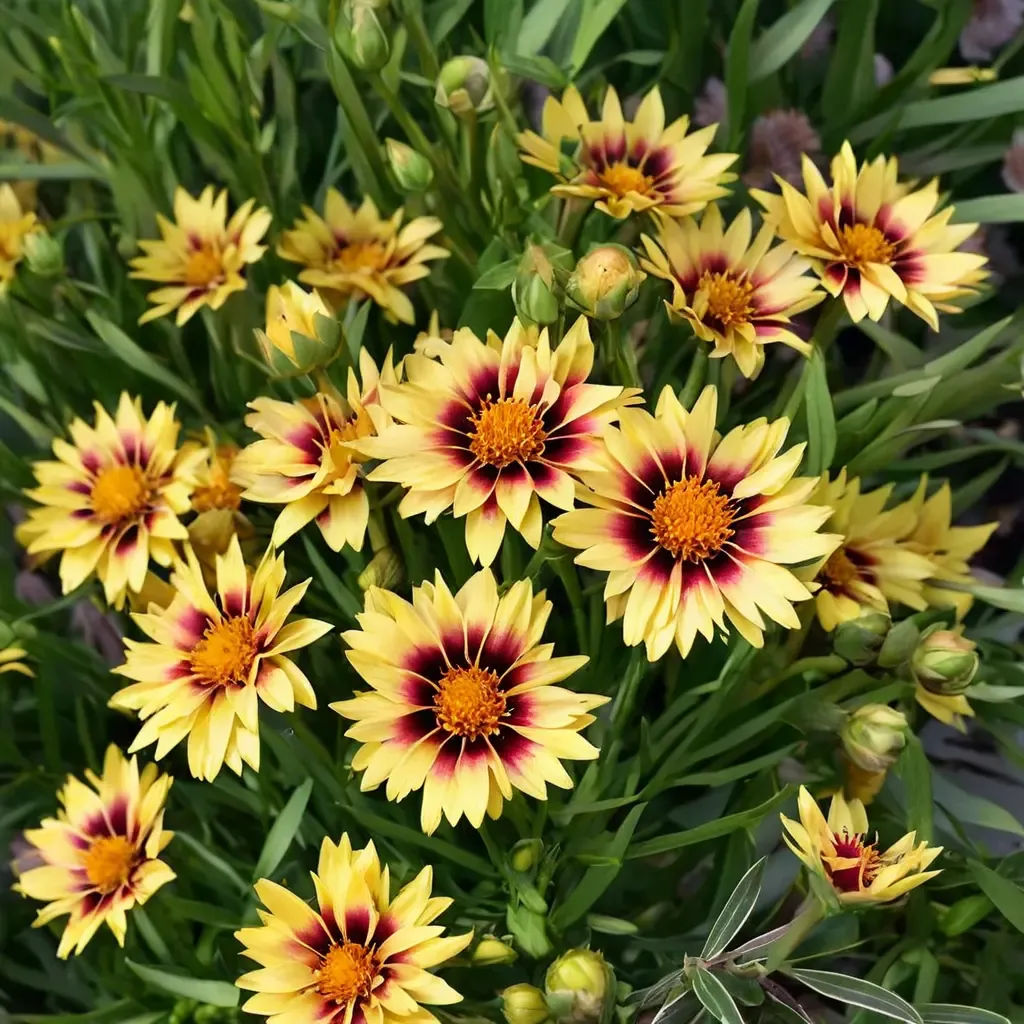
Enchanted Eve Li'l Bang Tickseed
Coreopsis grandiflora 'Enchanted Eve Li'l Bang'
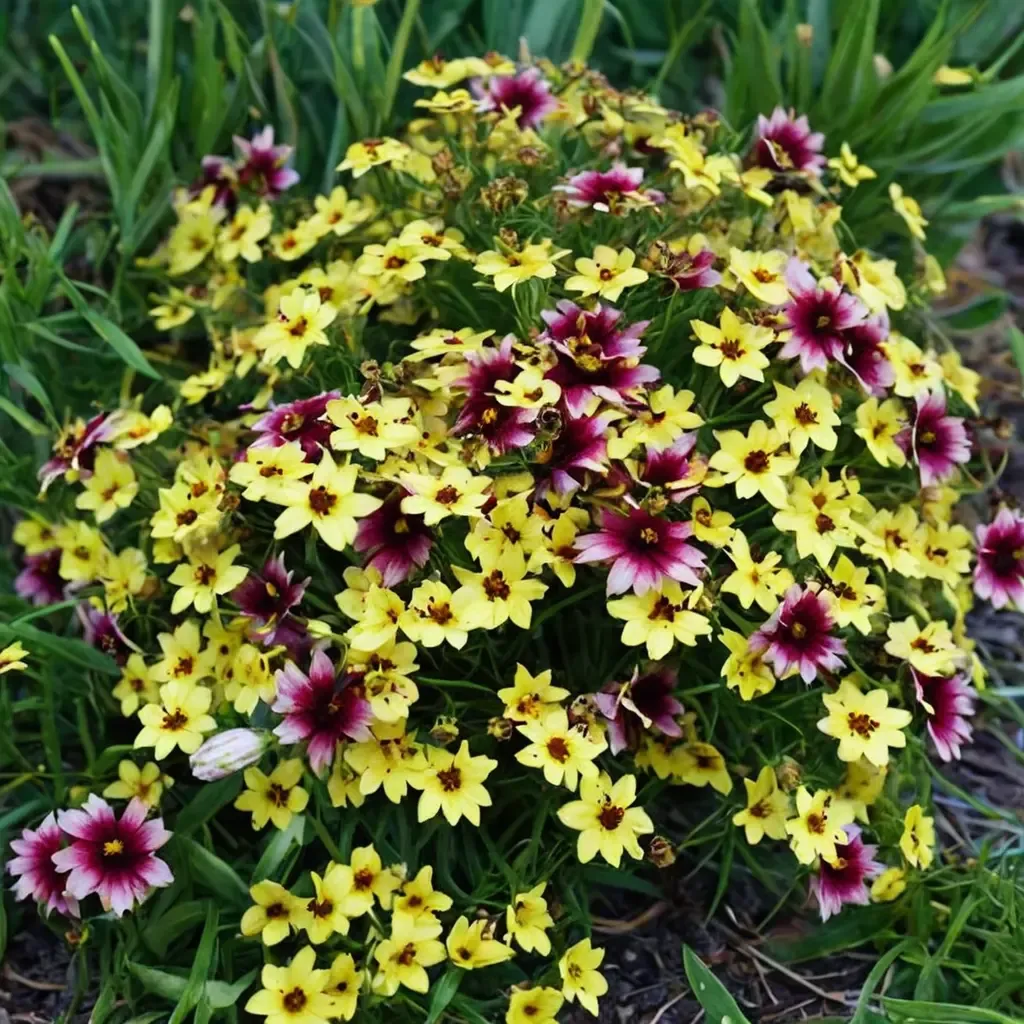
Sassy Saffron Tickseed
Coreopsis grandiflora 'Sassy Saffron'
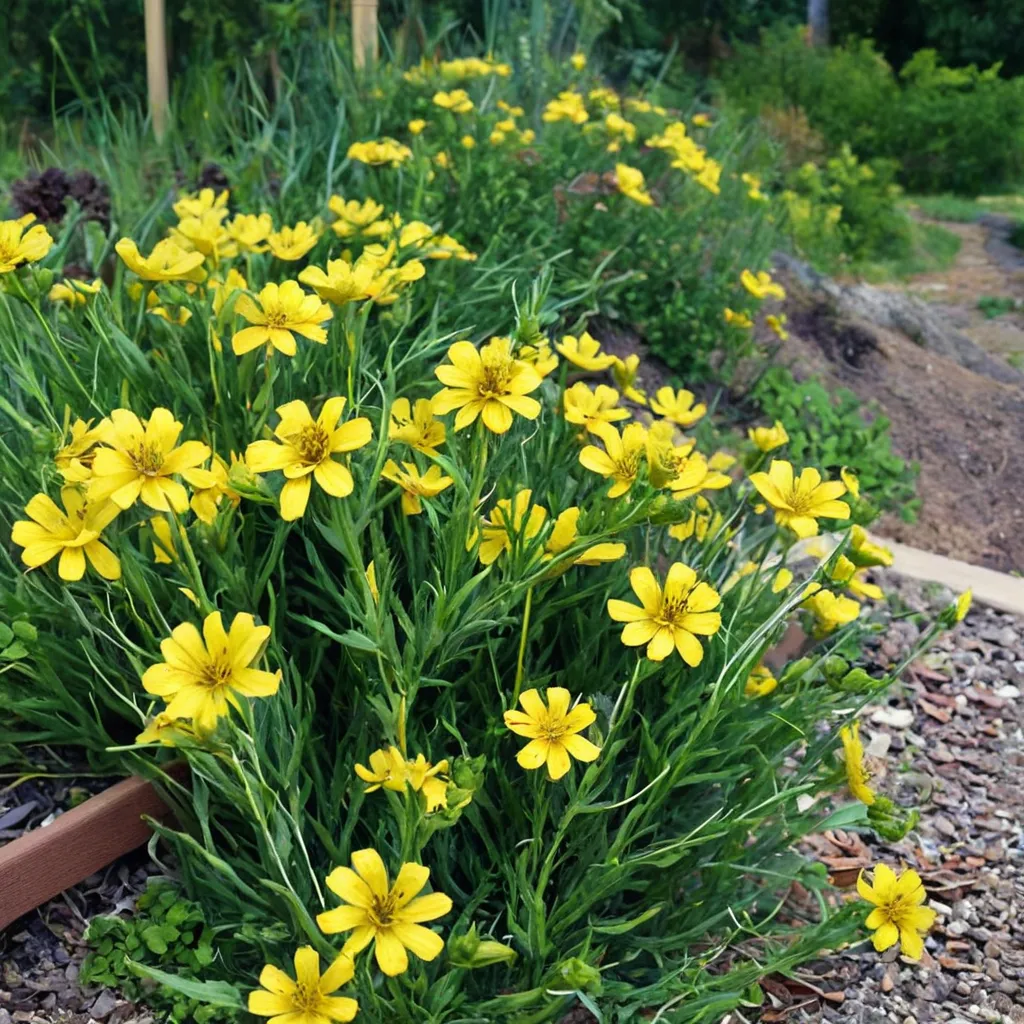
Prairie Coreopsis
Coreopsis palmata
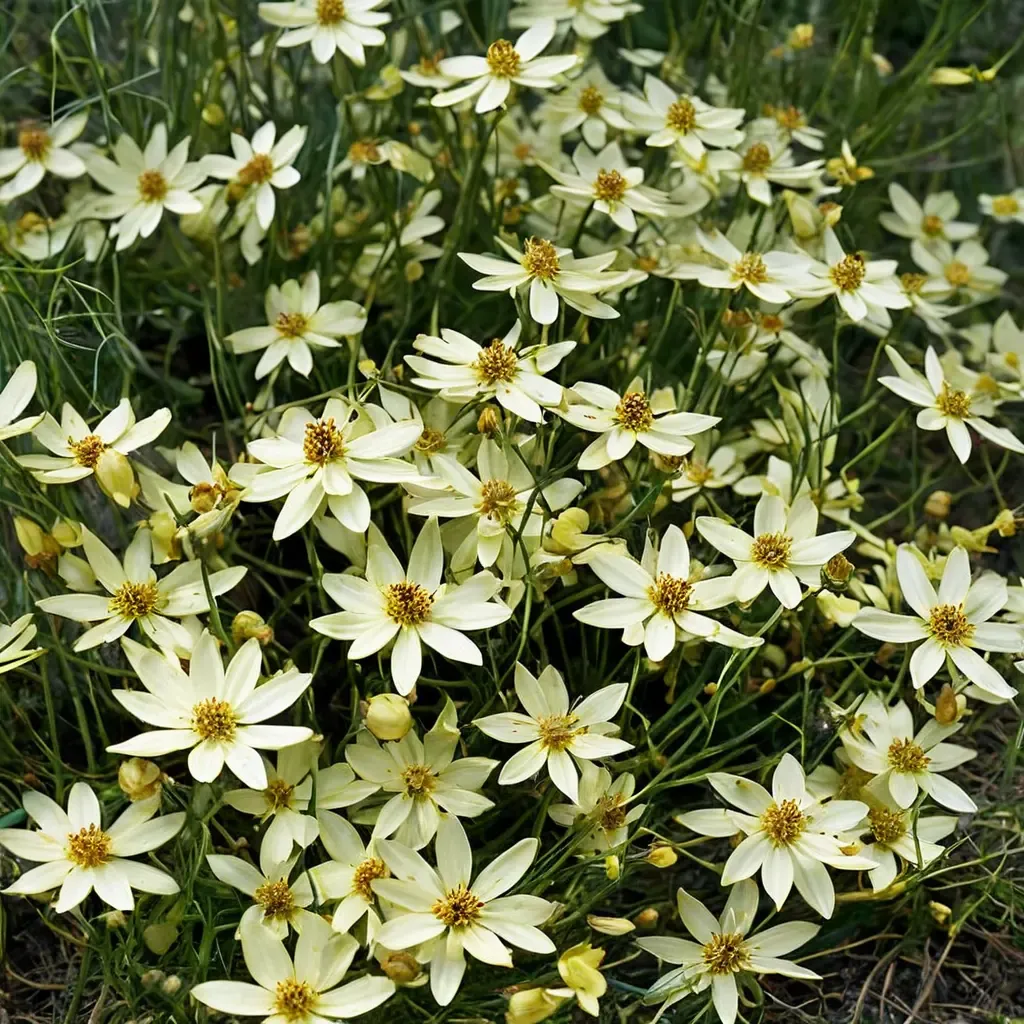
Moonbeam Tickseed
Coreopsis verticillata 'Moonbeam'
Keep exploring
Explore the genus
Grow Plains Coreopsis 'Firefly' with confidence
See it in a design of your actual yard, get zone-matched care reminders, and track it season by season in your garden journal.