
The Story
Plant Bio
Verbena lasiostachys, commonly known as western vervain, is an upright to sprawling native perennial reaching two to three feet tall with square, hairy stems and gray-green leaves. Small tubular violet to purple flowers open sequentially from bottom to top along dense terminal spikes from late spring into fall.
This species exhibits remarkable adaptability to soil moisture, enduring winter wet and seasonal flooding as well as severe summer drought. The continuous floral display serves as a primary nectar resource for native bees, butterflies, and hummingbirds, followed by seed nutlets that feed songbirds.
Uses & Benefits:
Essentials
At a Glance
Plant Type
Perennial
Height
36"
Width
36"
Light
Full Sun, Partial Sun
Zones
8, 9, 10
Water
Low to moderate
Humidity
Moderate
Lifespan
Perennial
Native To
Western North America (Oregon to Baja California)
Toxicity
Non-toxic ( foliage hairs may irritate skin)
Bloom period
Late spring – Autumn
In flower about 7 months of the year
Planting
How to Grow
- Select a site in full sun to light shade with average to lean, well-draining soil.
- Plant root balls level with the surrounding soil surface and water thoroughly to settle.
- Irrigate occasionally during the first growing season until the root system is established.
- Deadhead spent flower spikes through late summer to prolong bloom duration and limit self-seeding if desired.
Pro Tip
Cut stems hard down to the basal growth in late winter to remove dead wood and encourage vigorous new flowering shoots.
Keep It Thriving
Care Guide
Do
- Prune old, leafless stems back to basal shoots in late winter.
- Allow soil to dry between waterings once established.
- Wear gloves when handling mature stems, as rough foliage hairs can cause mild skin irritation.
Don't
- Do not over-fertilize, which leads to weak, floppy growth and fewer flowers.
- Do not cut into old wood that lacks visible live buds.
- Do not overwater during hot summer months in heavy soils.
Seasonal Care Calendar
| Task | Jan | Feb | Mar | Apr | May | Jun | Jul | Aug | Sep | Oct | Nov | Dec |
|---|---|---|---|---|---|---|---|---|---|---|---|---|
| Deadhead | ||||||||||||
| Pest Check | ||||||||||||
| Propagate | ||||||||||||
| Prune | ||||||||||||
| Spring Cleanup |
Watch Out For
Pests & Diseases
Common Pests
Common Diseases
In the Garden
Landscape Uses & Companions
Landscape Uses
Multiply
Propagation Methods
Good to Know
Common Questions
Western Vervain questions
What zones can Western Vervain grow in?
Western Vervain is hardy in USDA Zones 8–10: in that range it survives winter in the ground. Colder than Zone 8, grow it in a container you can move to shelter for the winter, or as an annual.
Is Western Vervain deer resistant?
Yes — Western Vervain is rated deer-resistant. Deer typically pass it over, though extreme hunger can override any plant's defenses.
When does Western Vervain bloom?
Western Vervain typically blooms from late spring to late fall. Exact timing shifts a week or two with your zone — Sow's bloom calendar maps it to your garden.
Does Western Vervain need full sun?
Western Vervain does best in full sun to part shade. In hot climates, afternoon shade keeps blooms fresher longer.
Is Western Vervain drought tolerant?
Yes — once established (usually after the first full season), Western Vervain handles dry spells with minimal watering. Water deeply its first year to build the root system that makes that possible.
More Verbena to compare
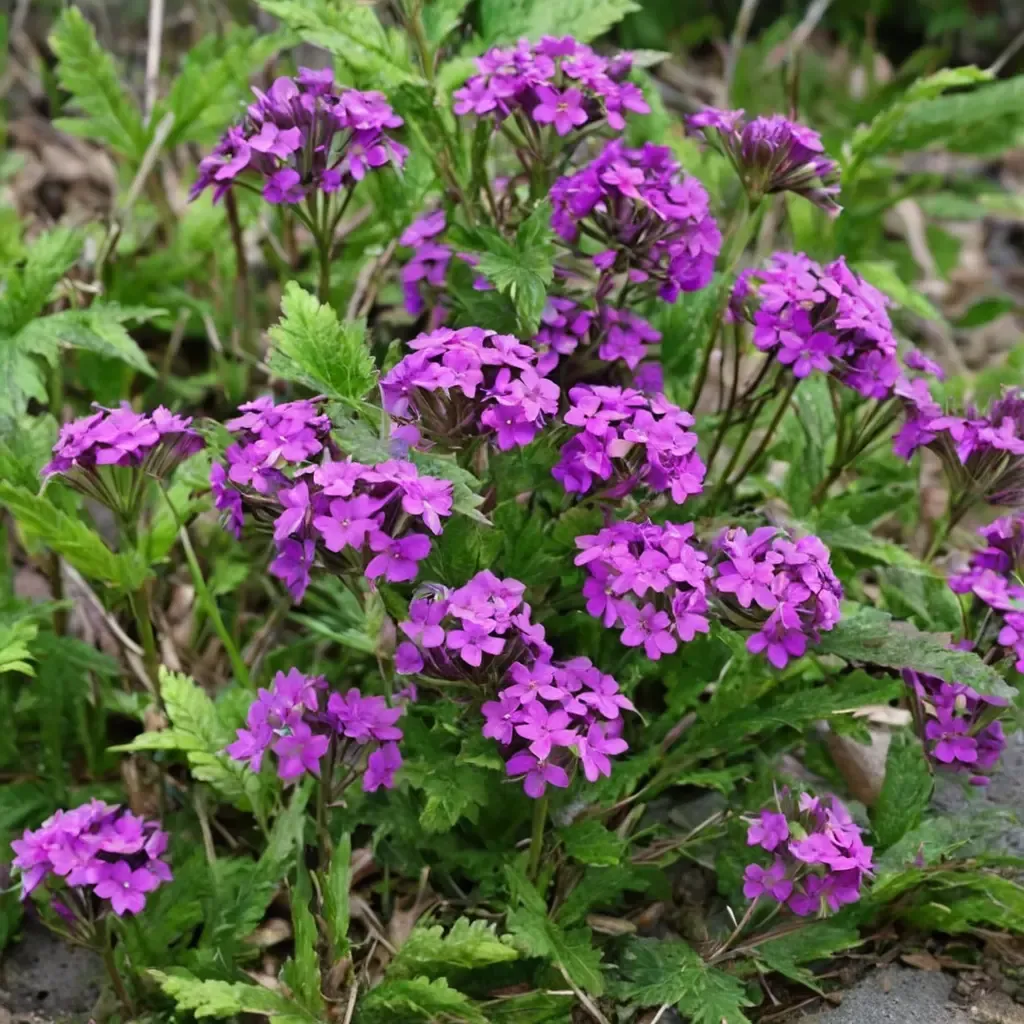
Rose Verbena
Verbena canadensis
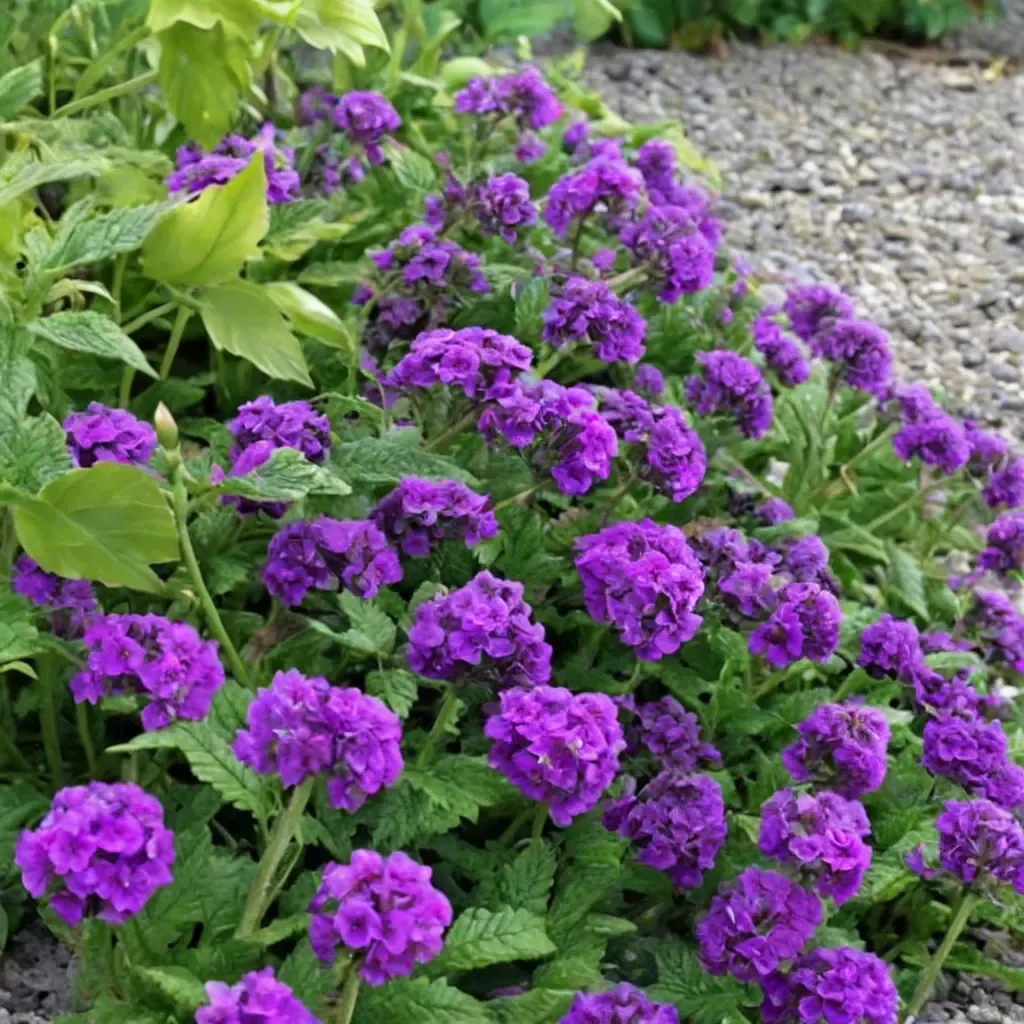
Homestead Purple Verbena
Verbena canadensis 'Homestead Purple'
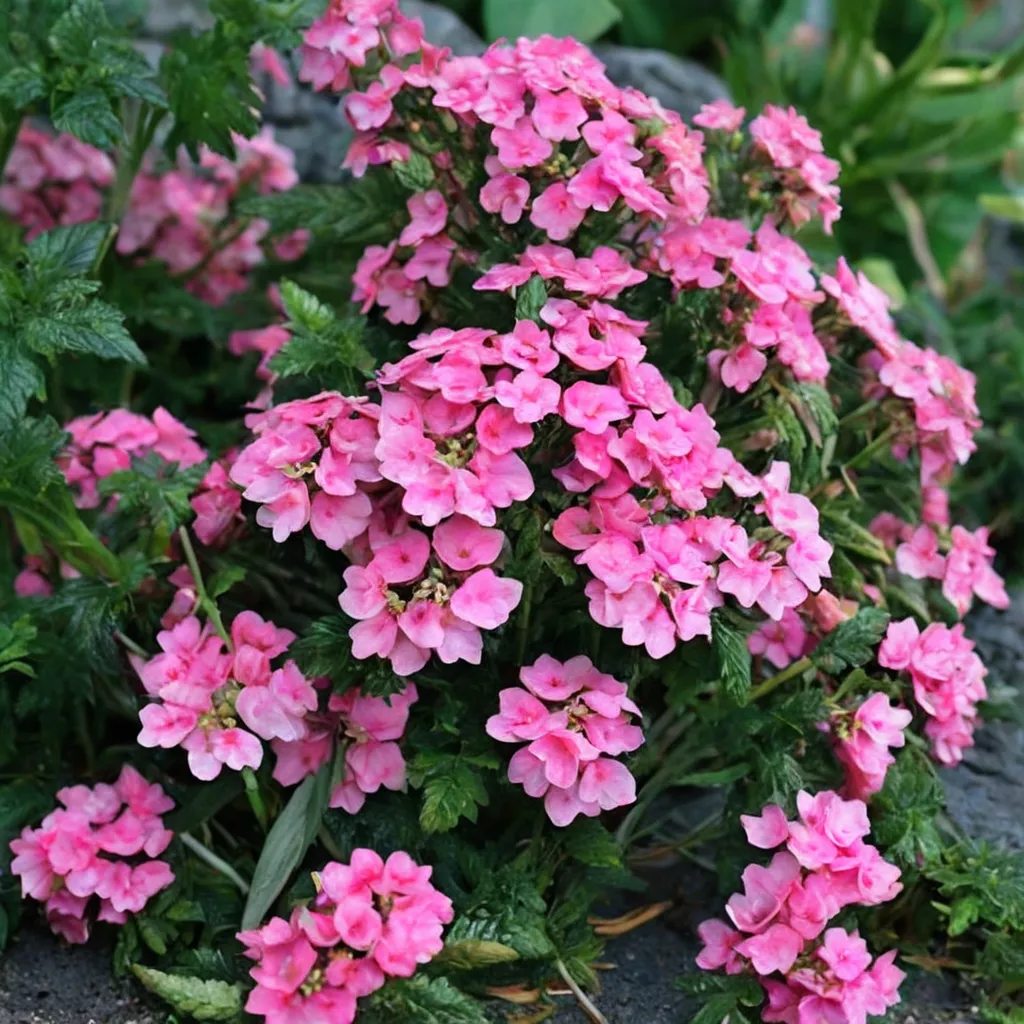
Pink Sunrise Verbena
Verbena x hybrida 'Pink Sunrise'
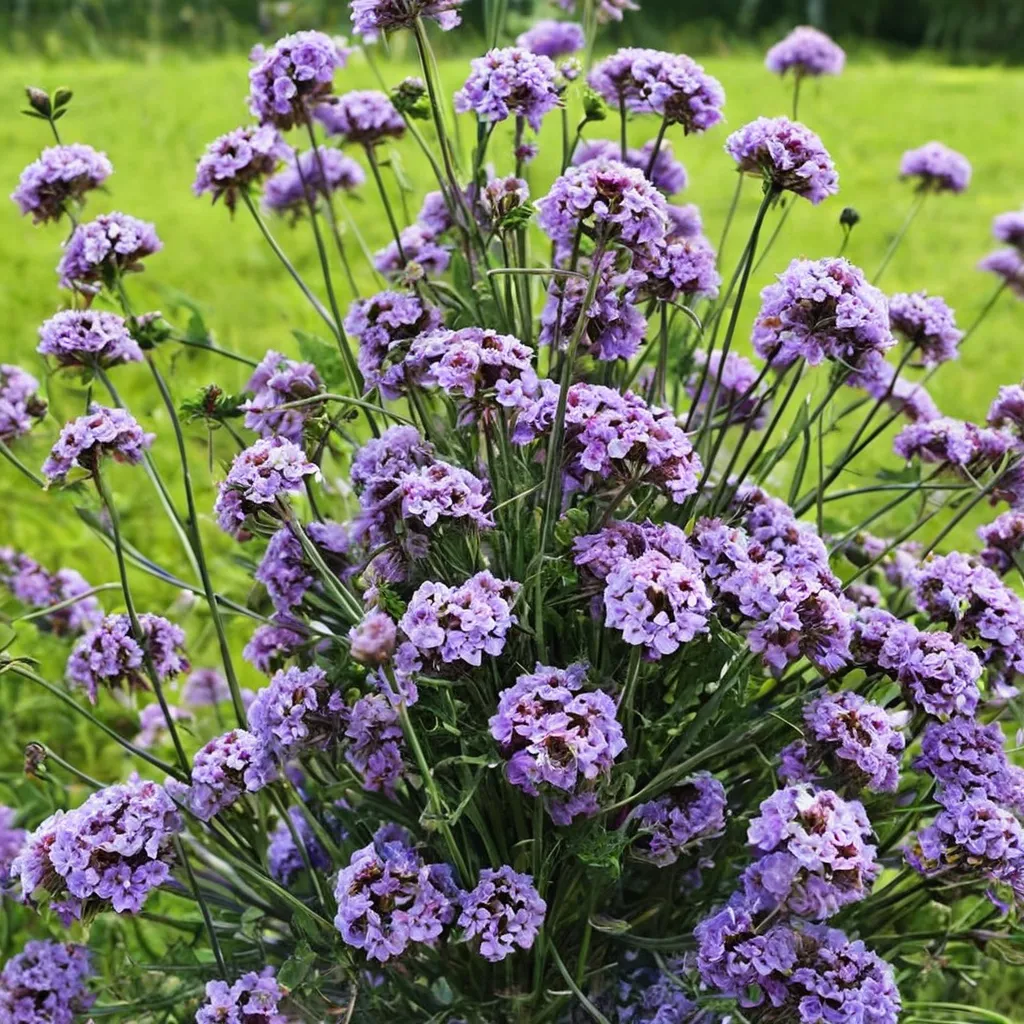
Meteor Shower Tall Verbena
Verbena bonariensis 'Meteor Shower'
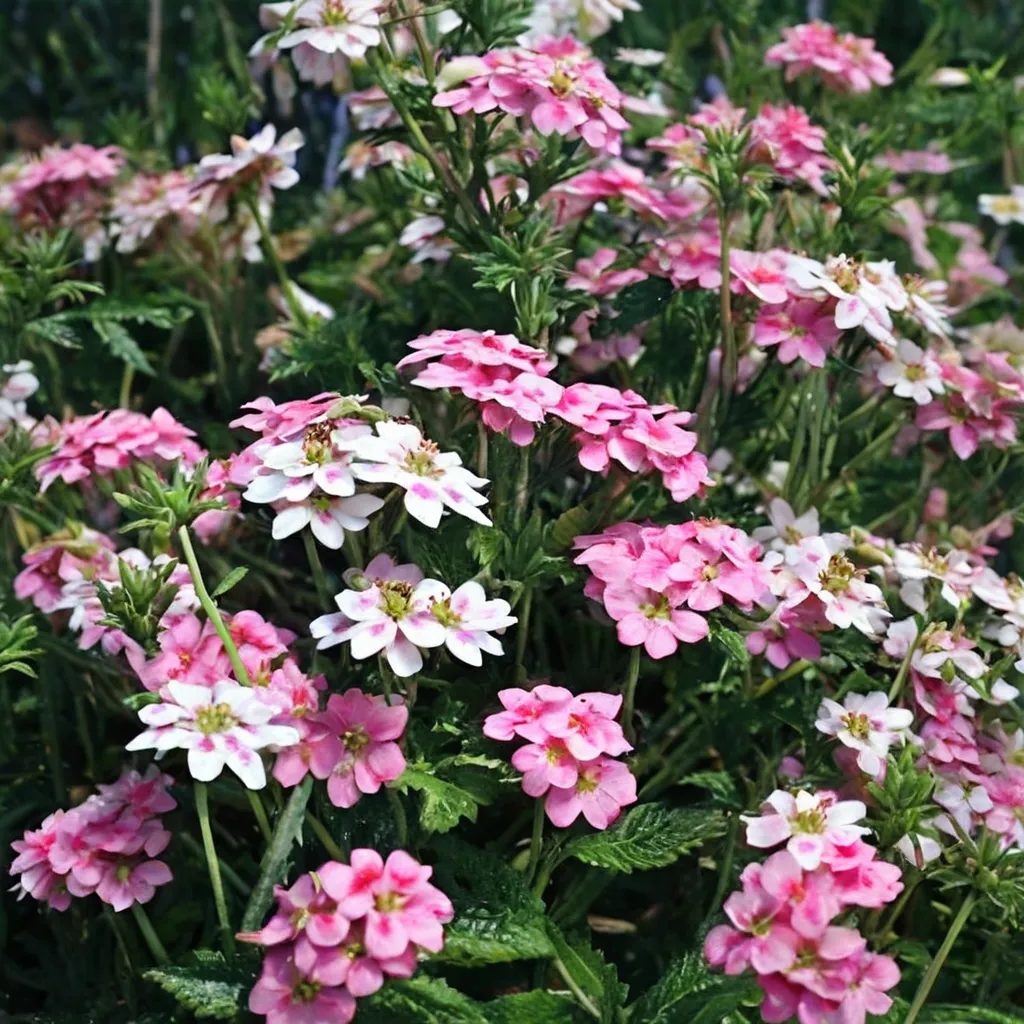
Apple Blossom Verbena
Verbena x hybrida 'Apple Blossom'
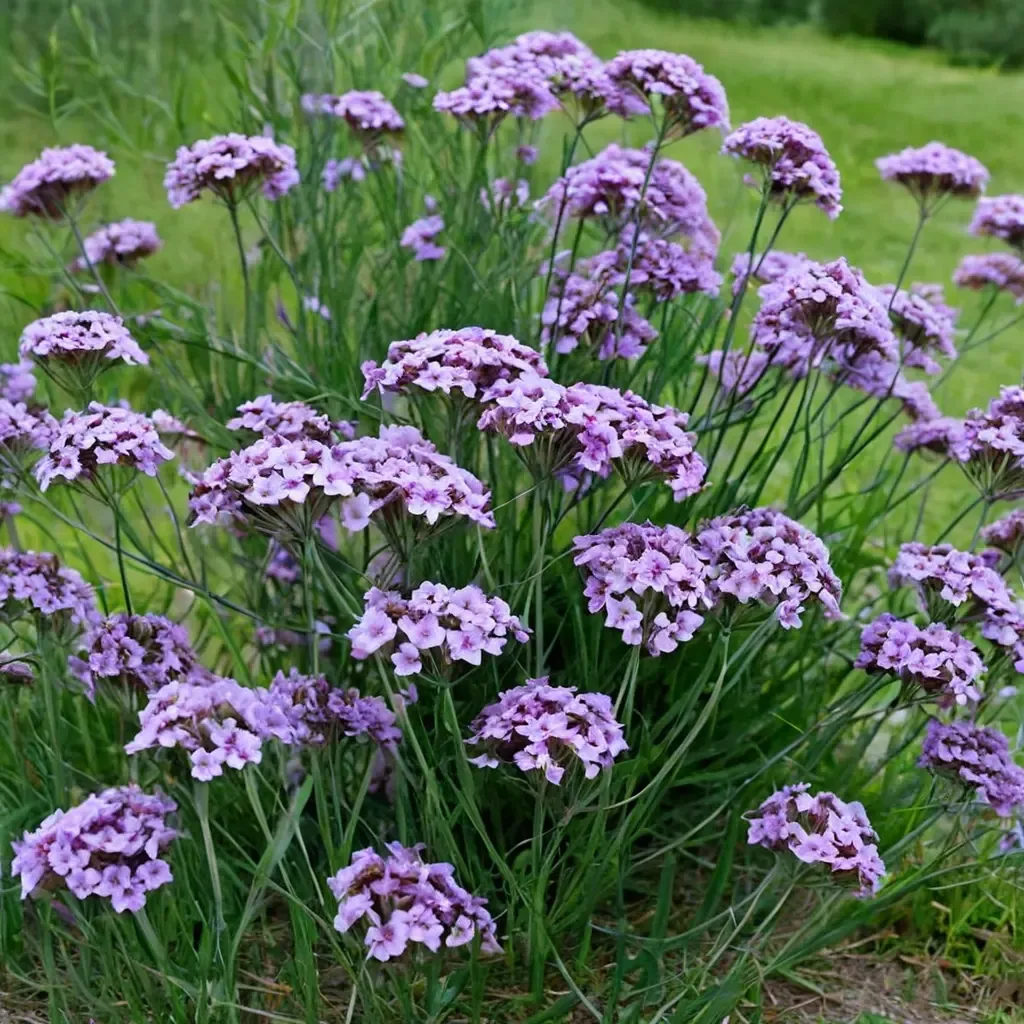
Purpletop Vervain
Verbena bonariensis
Keep exploring
Explore the genus
Hardy in your zone?
Grow Western Vervain with confidence
See it in a design of your actual yard, get zone-matched care reminders, and track it season by season in your garden journal.