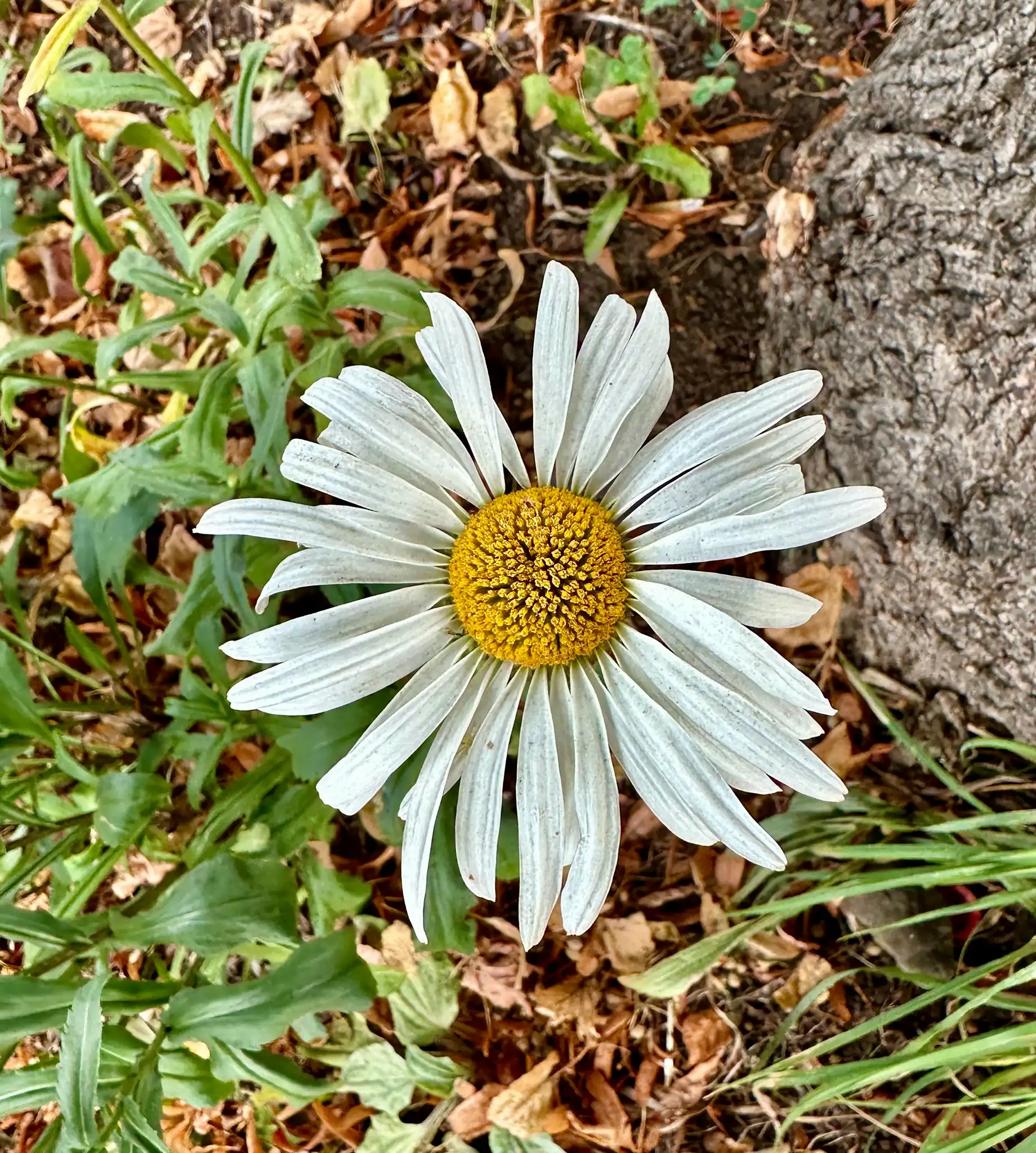
19 named cultivars
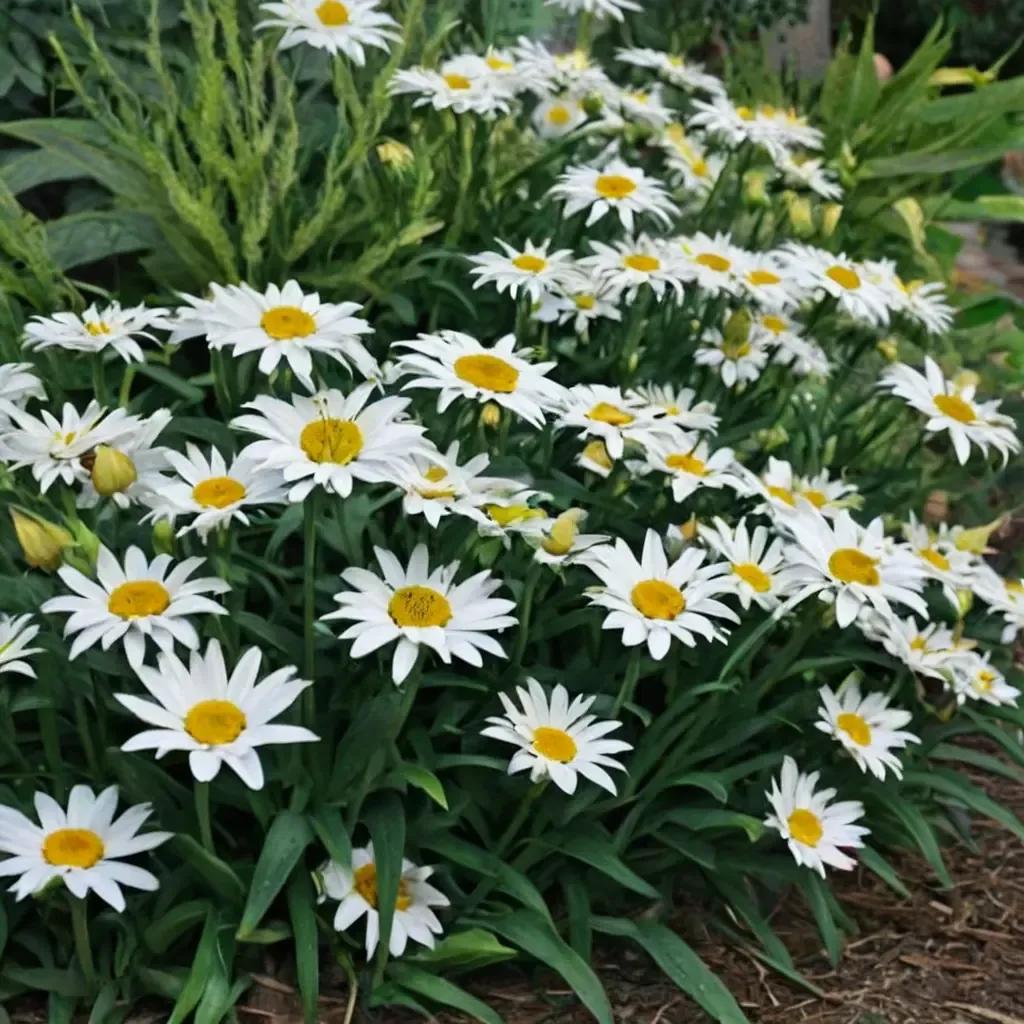 ‘Snowcap’Snowcap Shasta Daisy
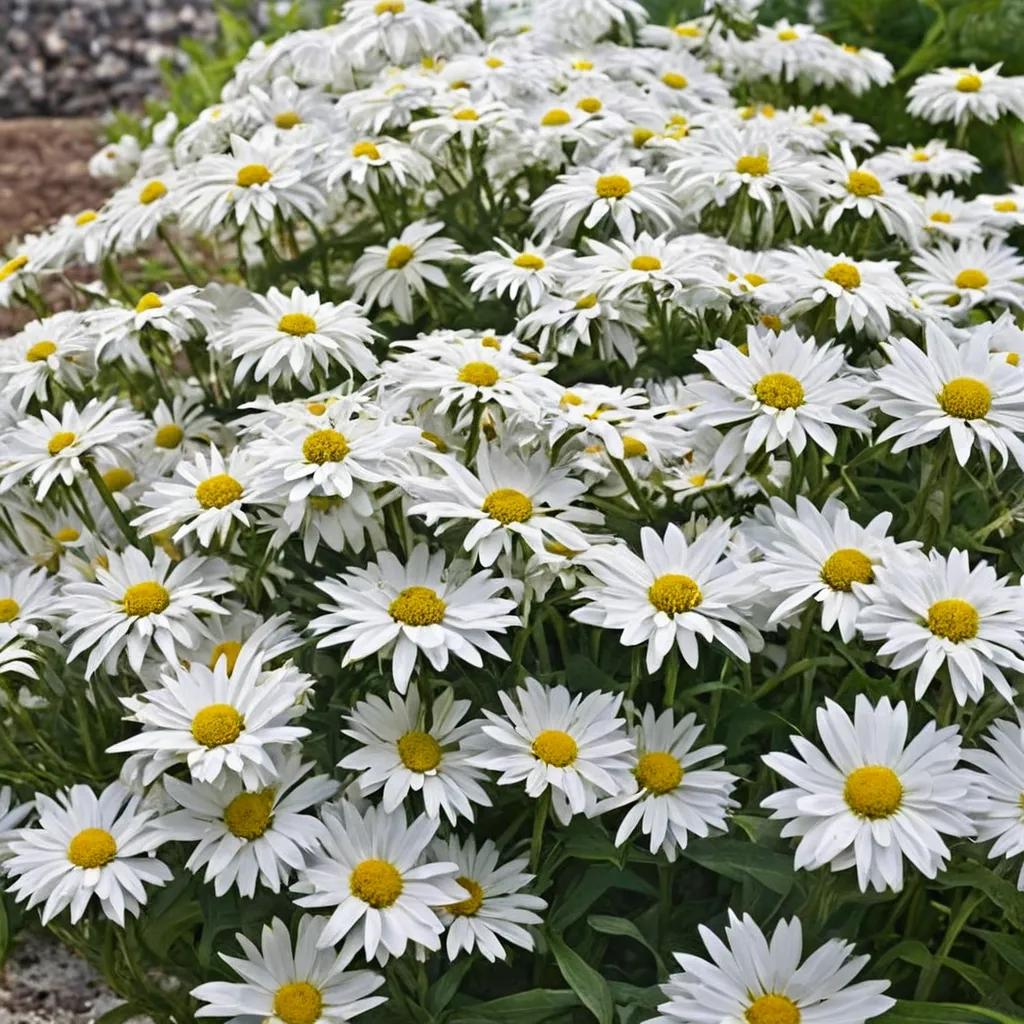 ‘Daisy May’Shasta Daisy Daisy May
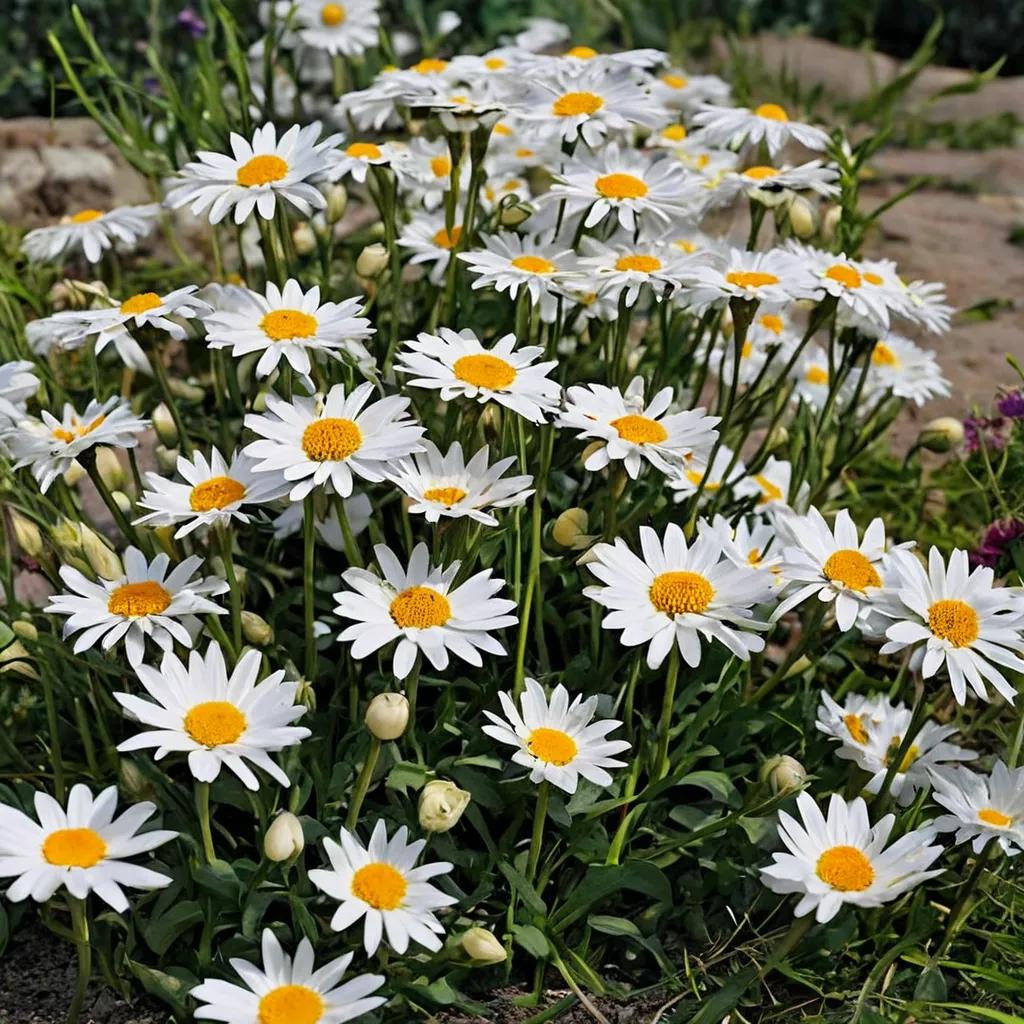 ‘Becky’Becky Shasta Daisy
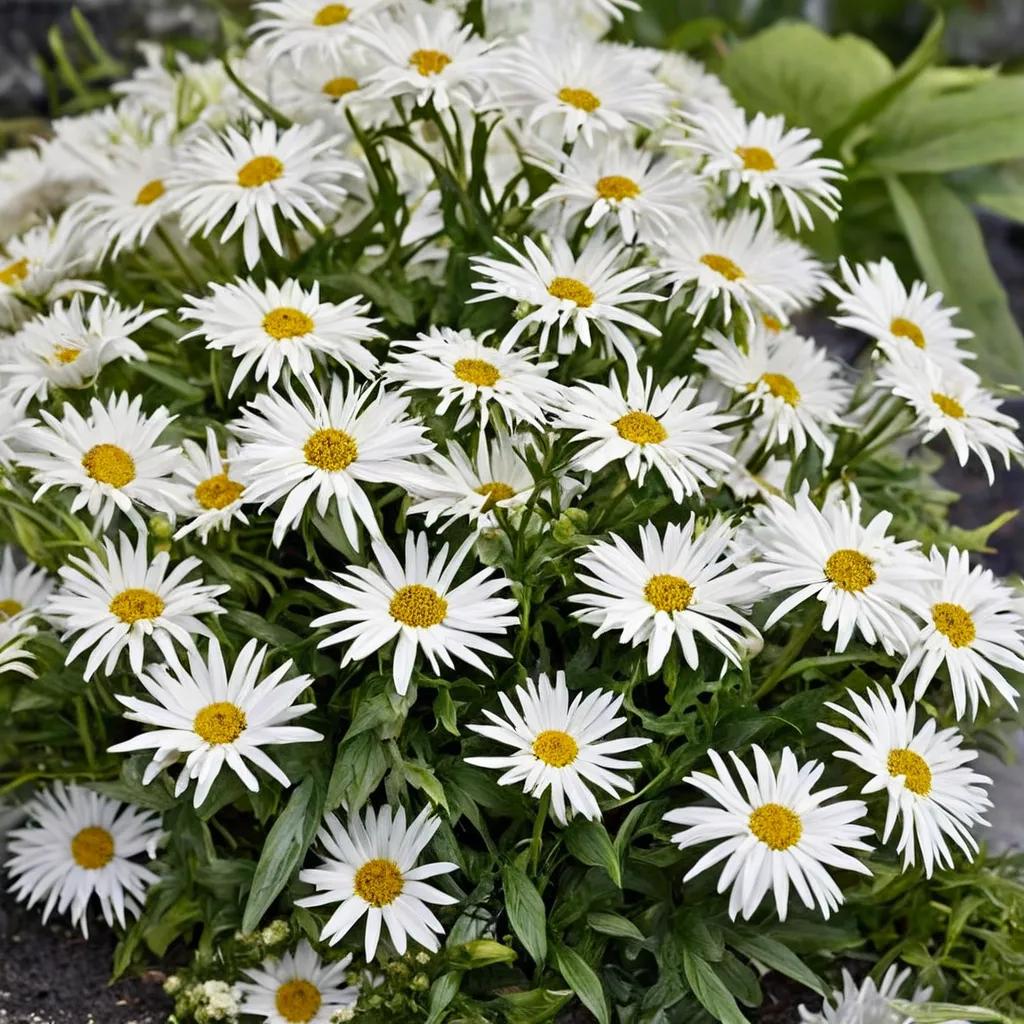 ‘Spun Silk’Spun Silk Shasta Daisy
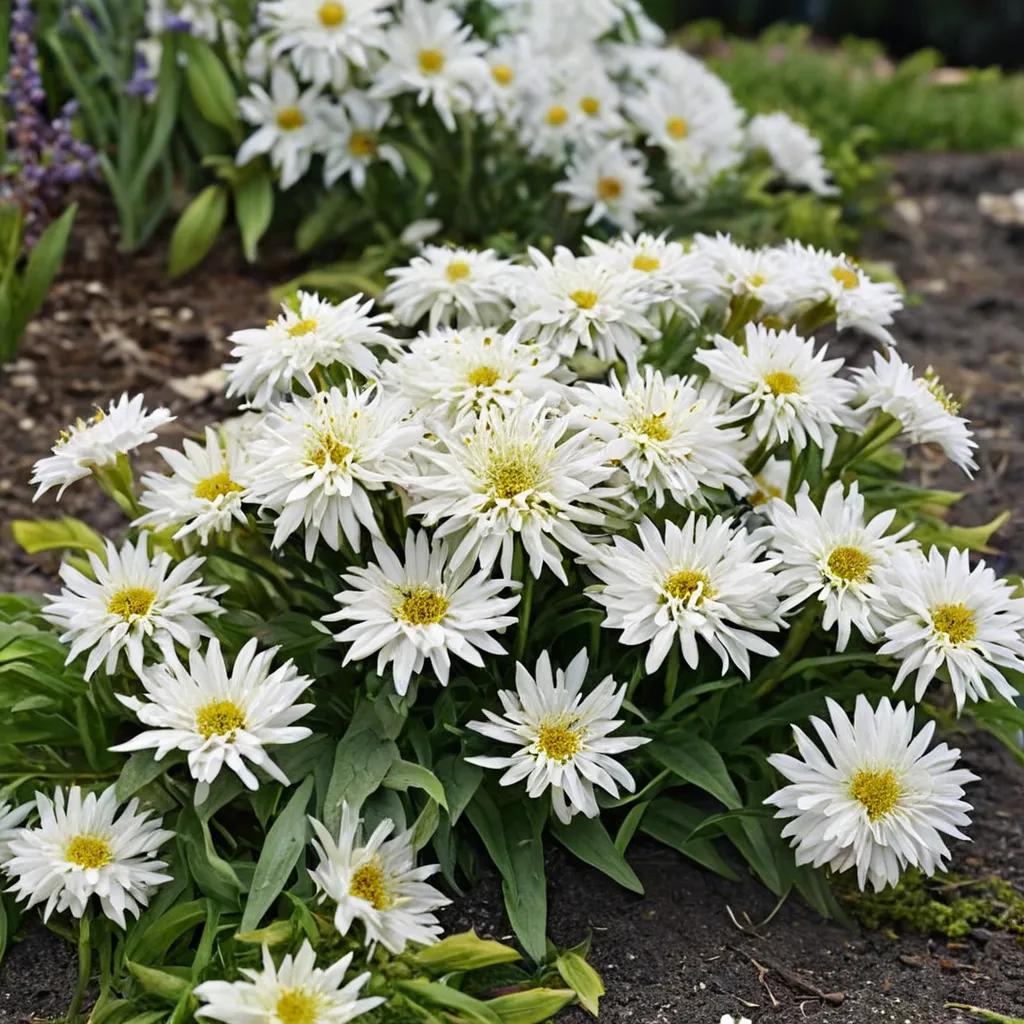 ‘Marshmallow’Shasta Daisy 'Marshmallow'
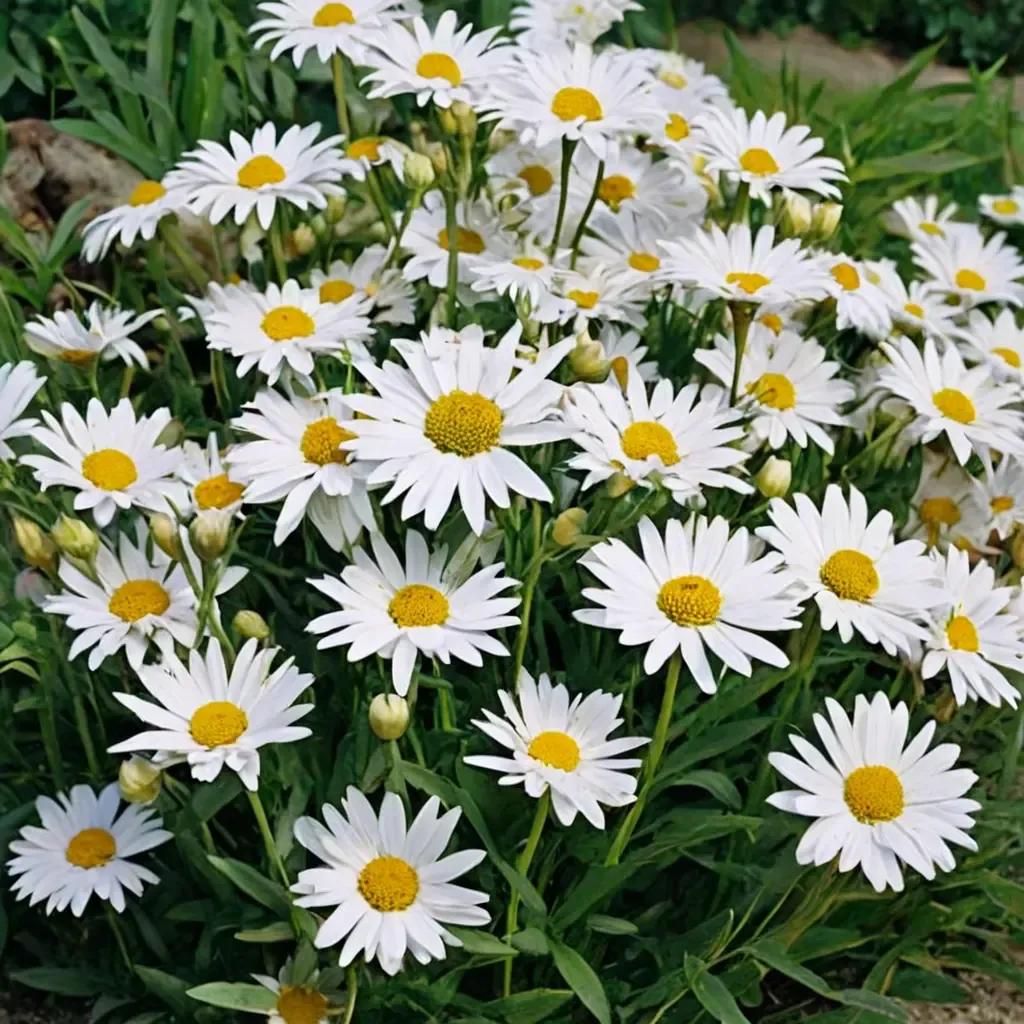 ‘Alaska’Alaska Shasta Daisy
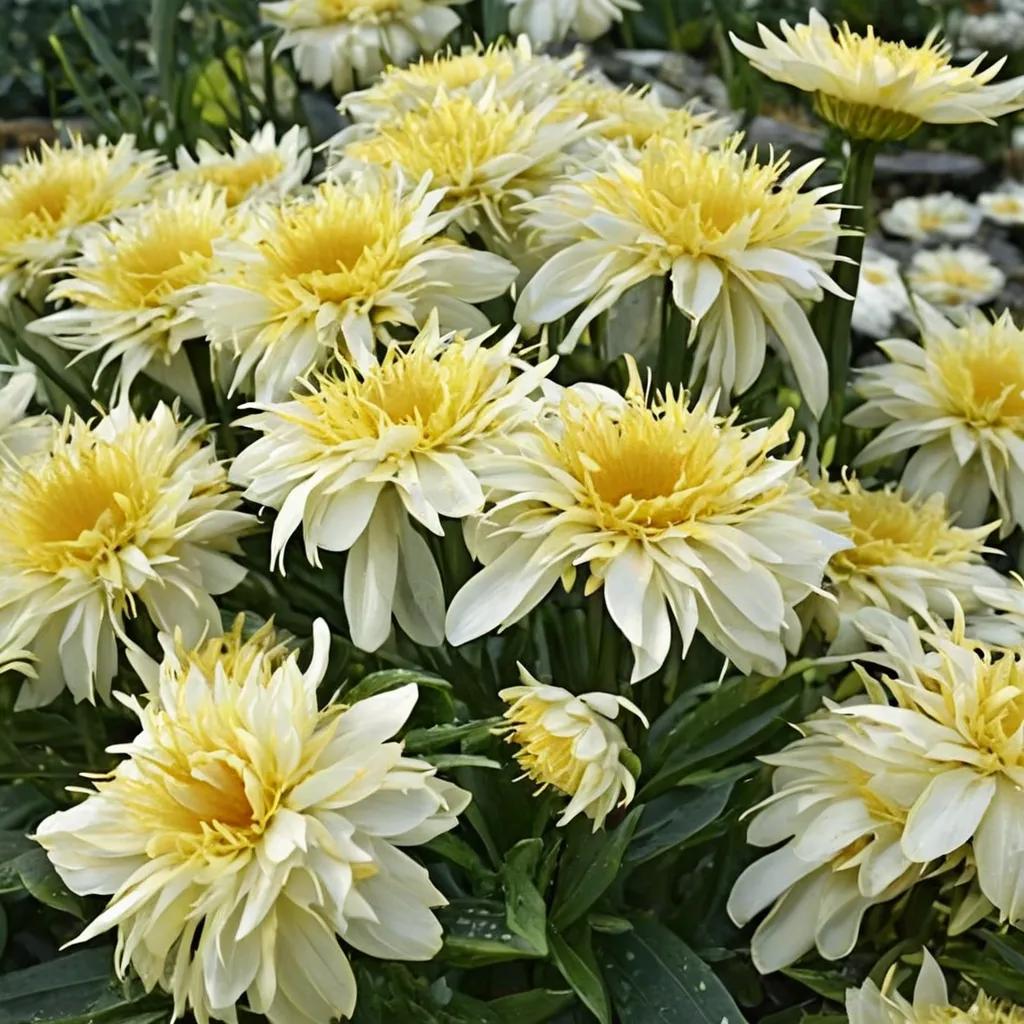 ‘Real Charmer’Real Charmer Shasta Daisy
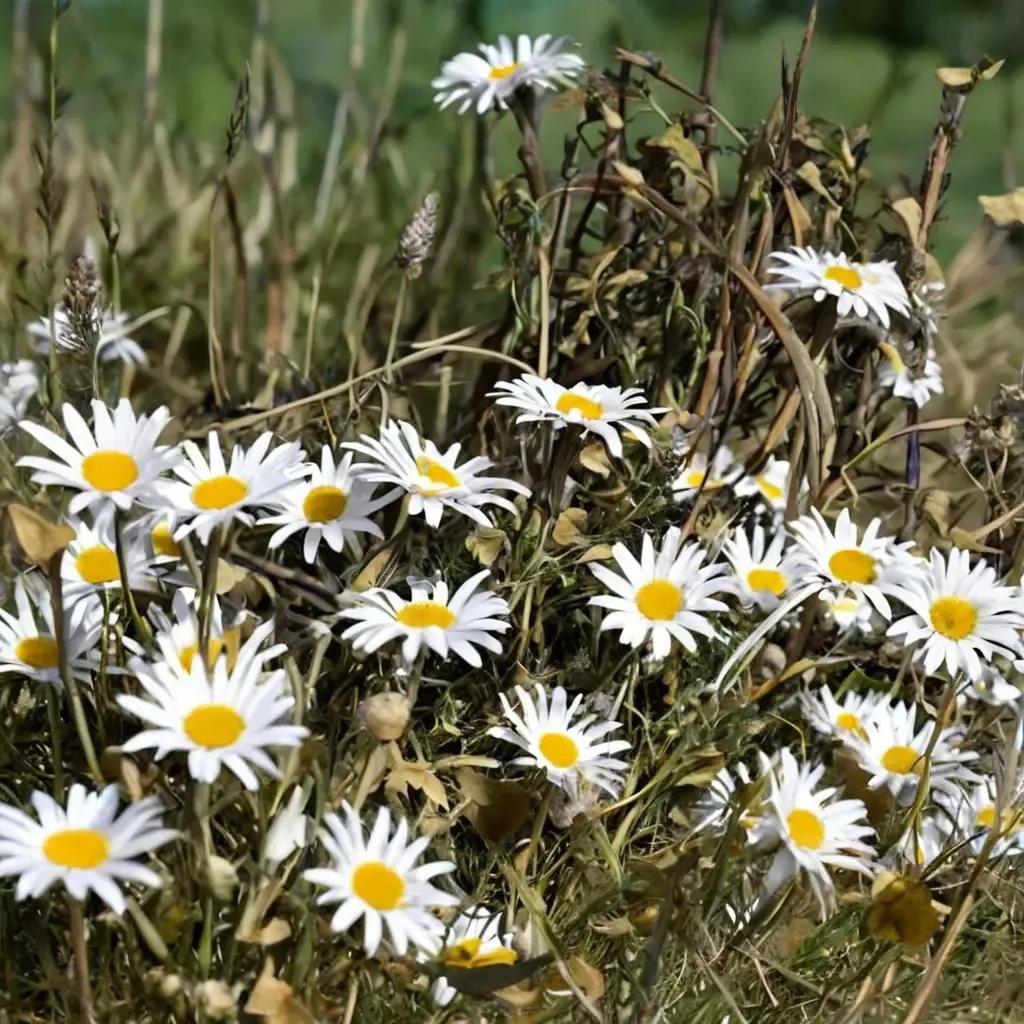 ‘Coconut’Coconut Shasta Daisy
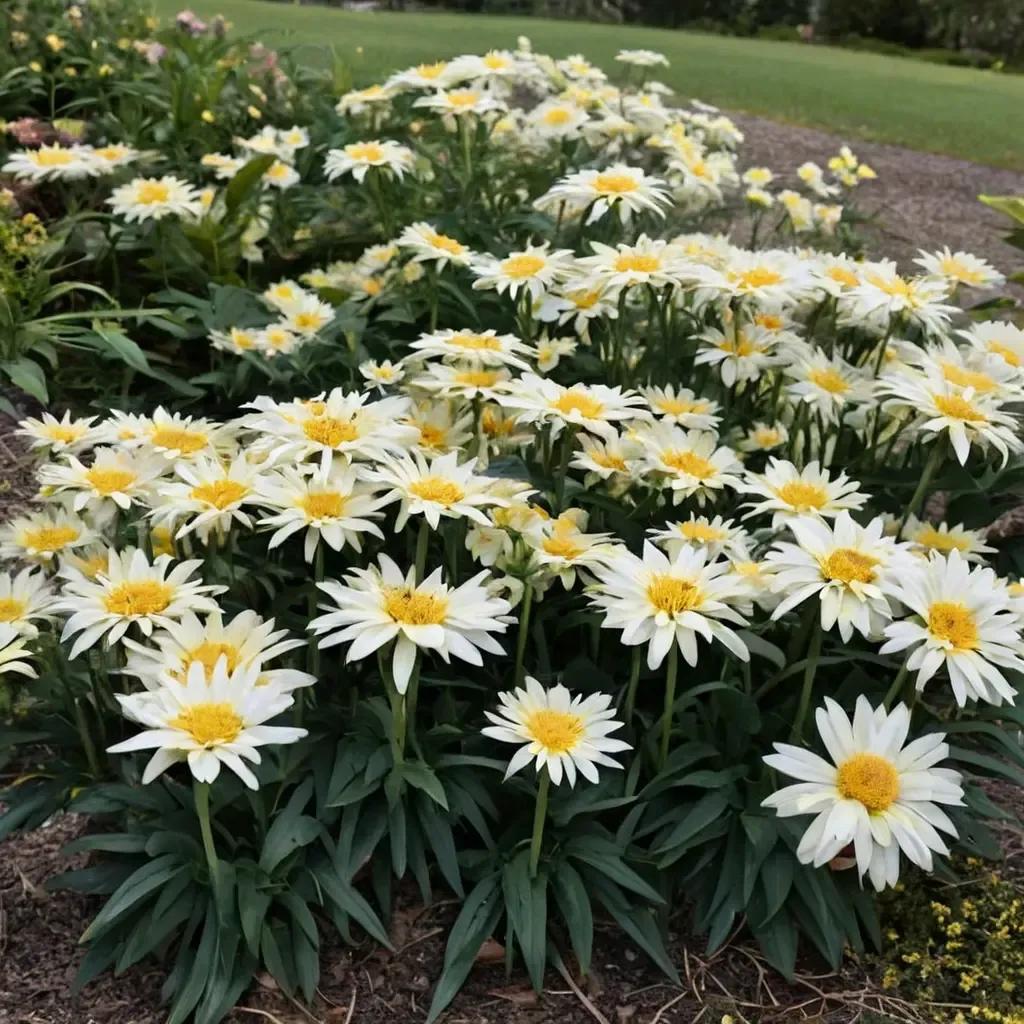 ‘Banana Cream II’Banana Cream II Shasta Daisy
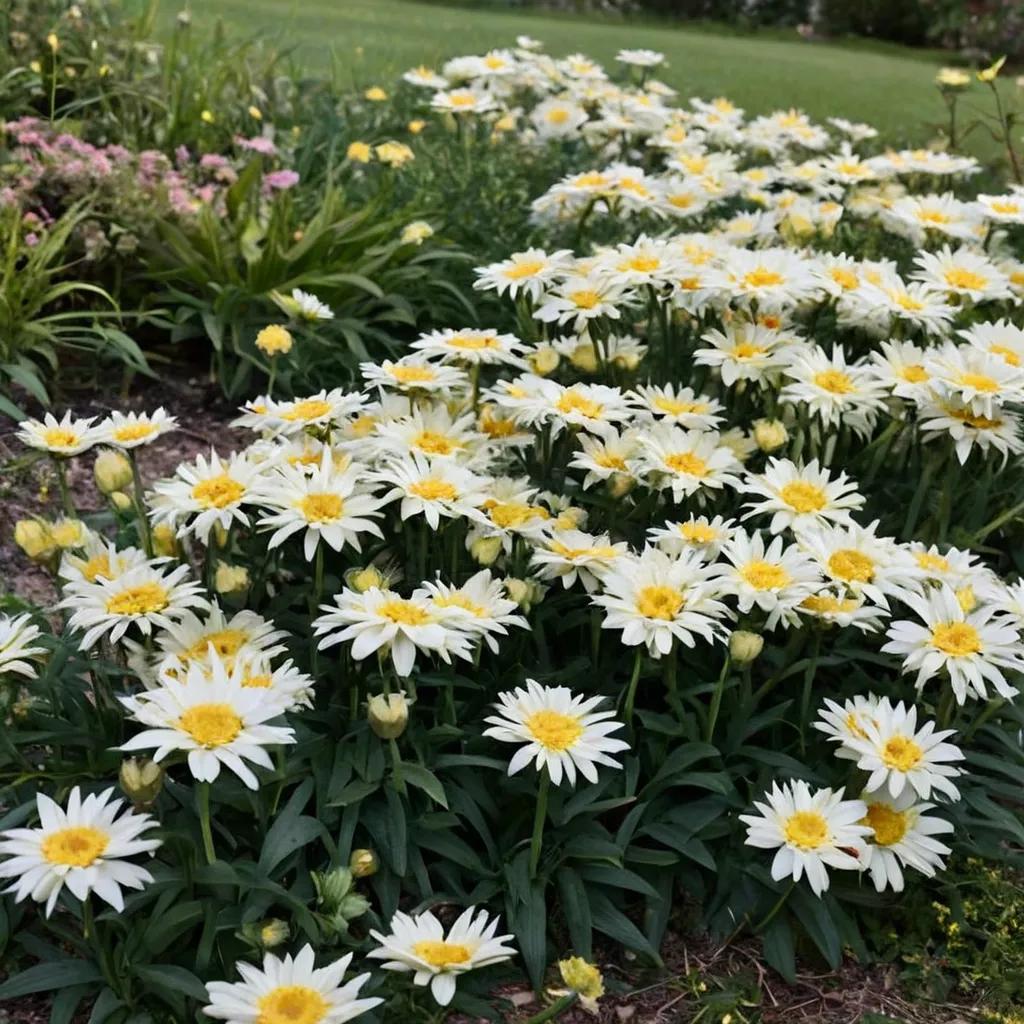 ‘Banana Cream’Shasta Daisy Banana Cream
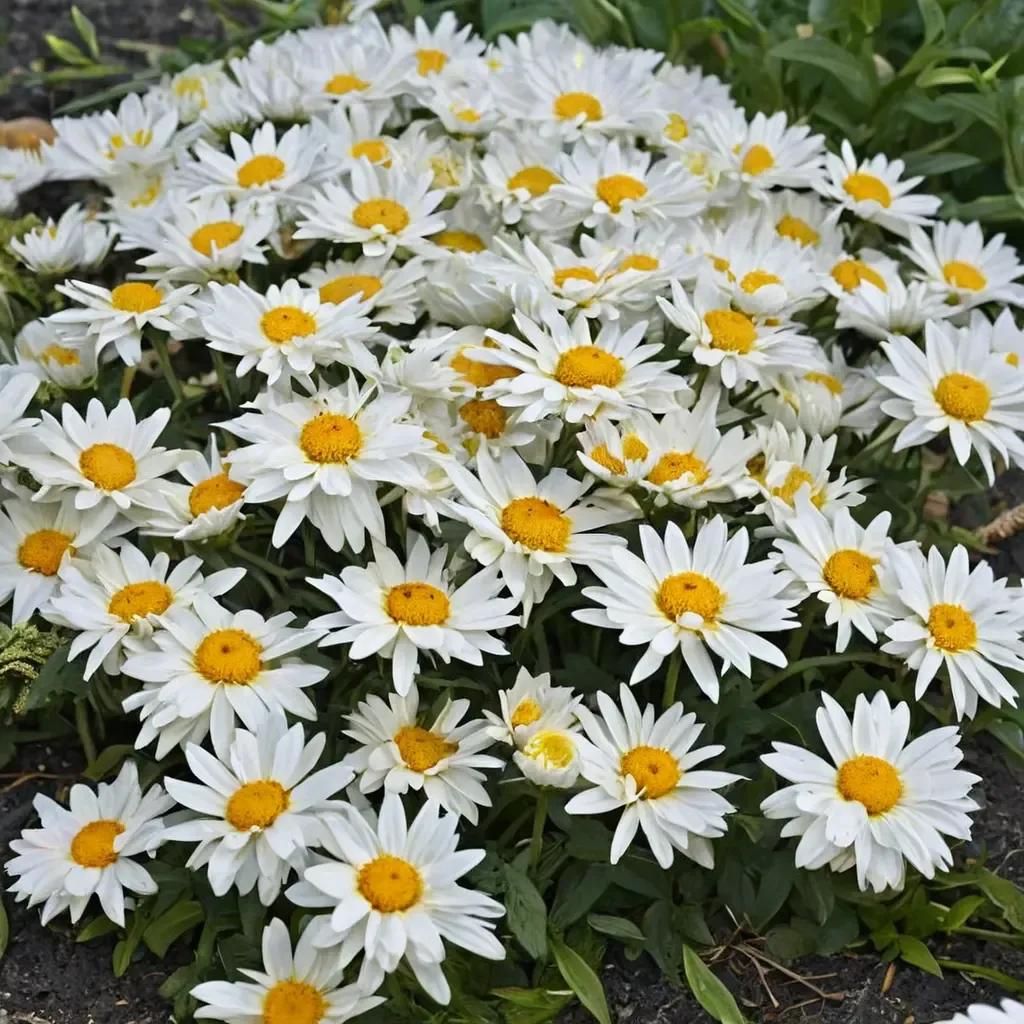 ‘Cream Puff’Cream Puff Shasta Daisy
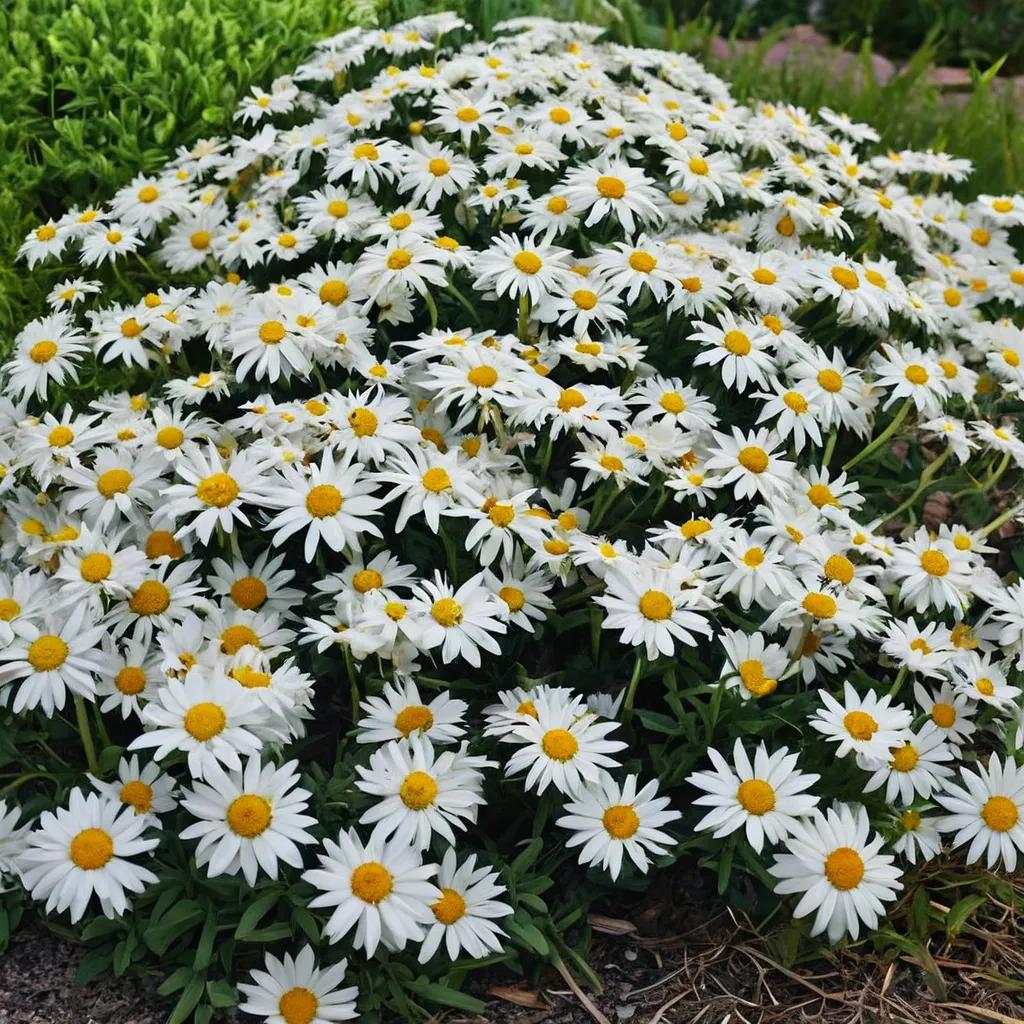 ‘Whoops-a-Daisy’Whoops-a-Daisy
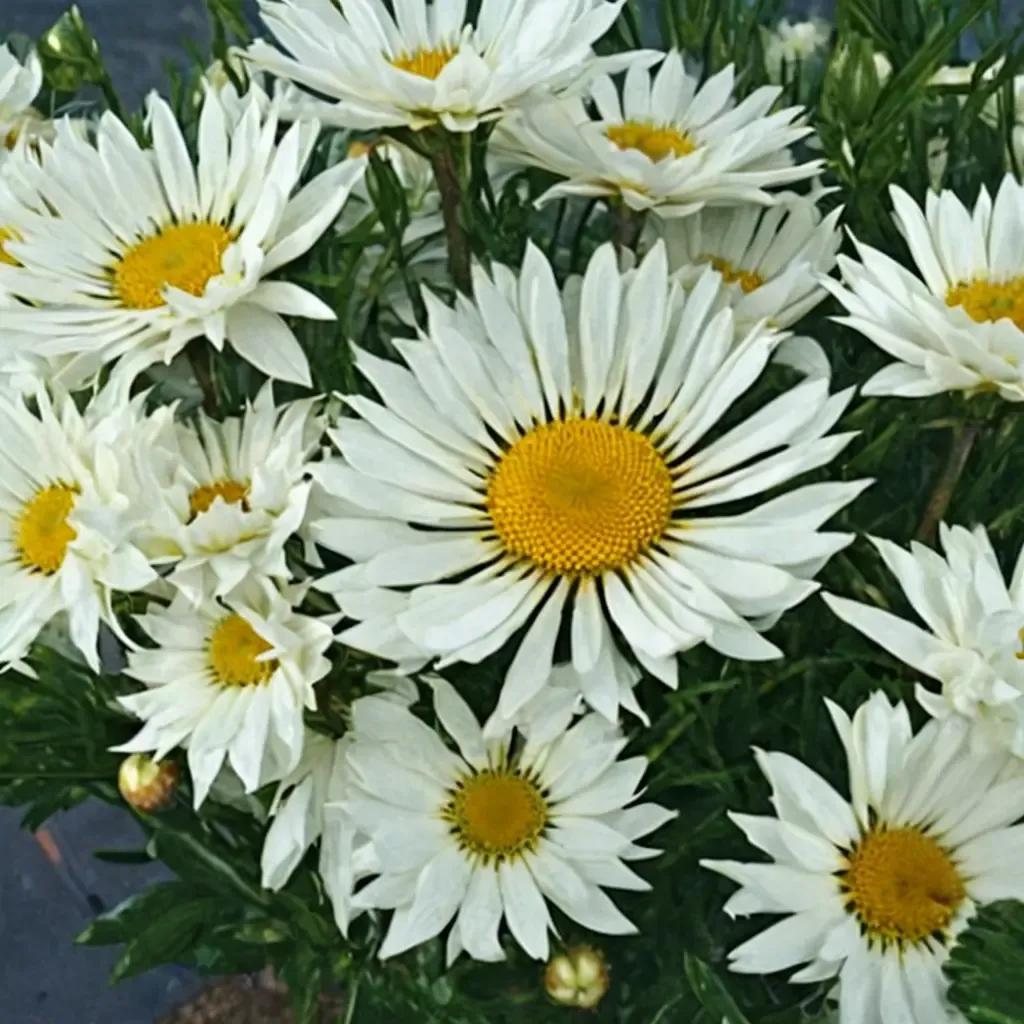 ‘Real Neat’Real Neat Daisy
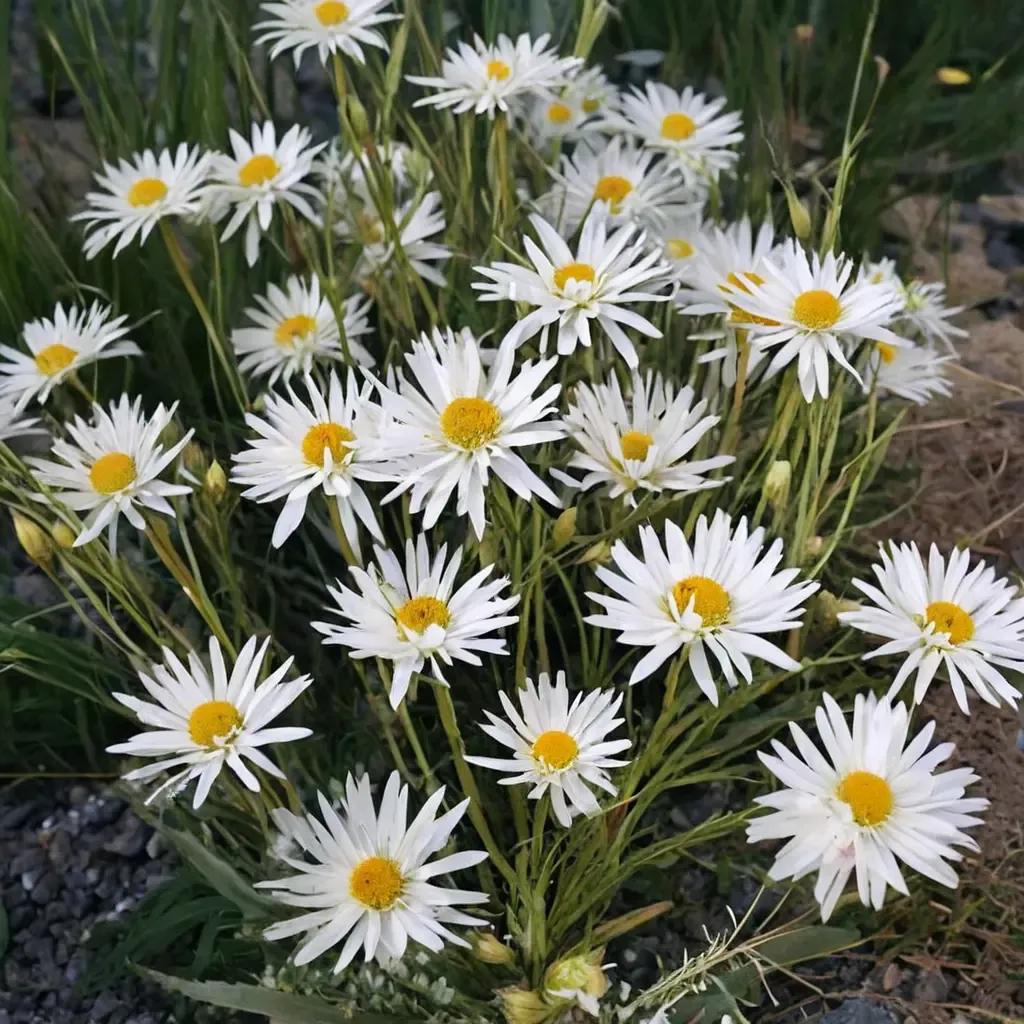 ‘Crazy Daisy’Crazy Daisy Shasta Daisy
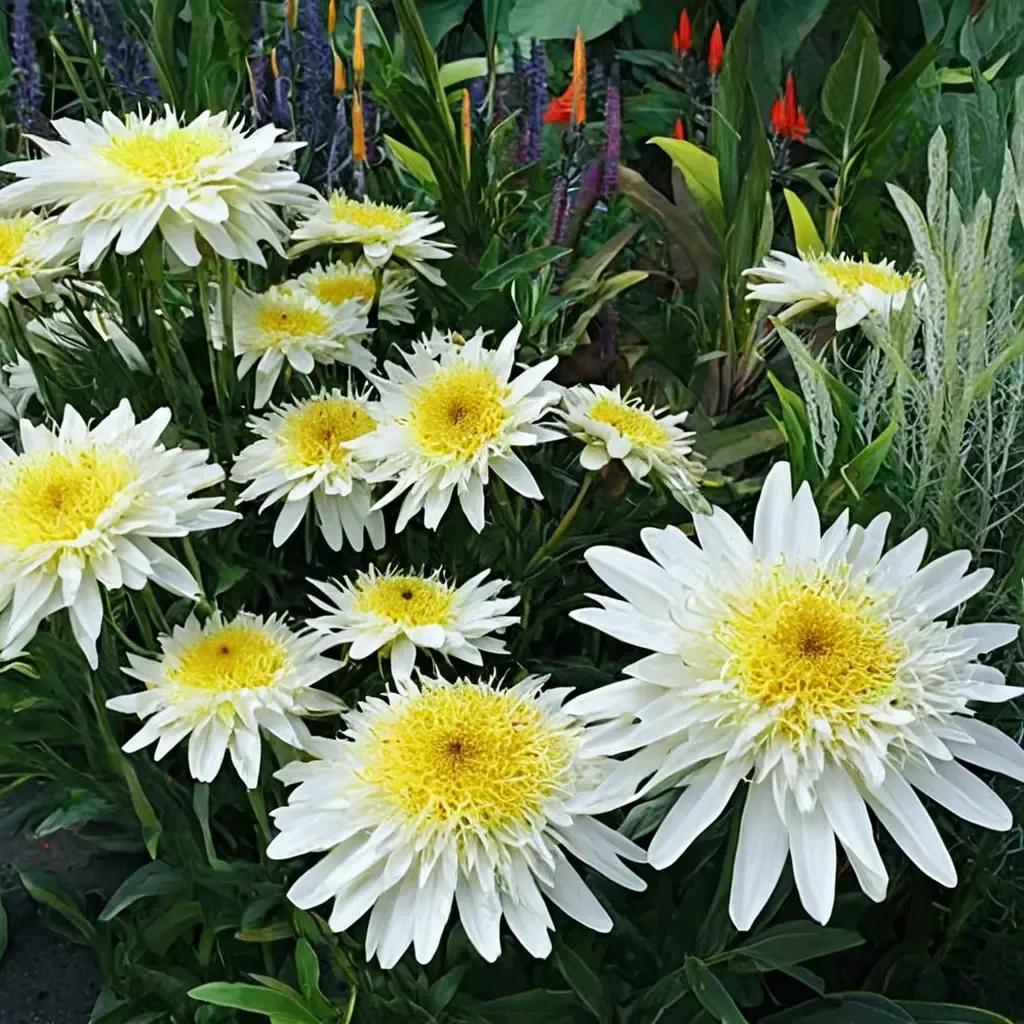 ‘Real Glory’Real Glory Shasta Daisy
 ‘Daisy Duke’Daisy Duke Shasta Daisy
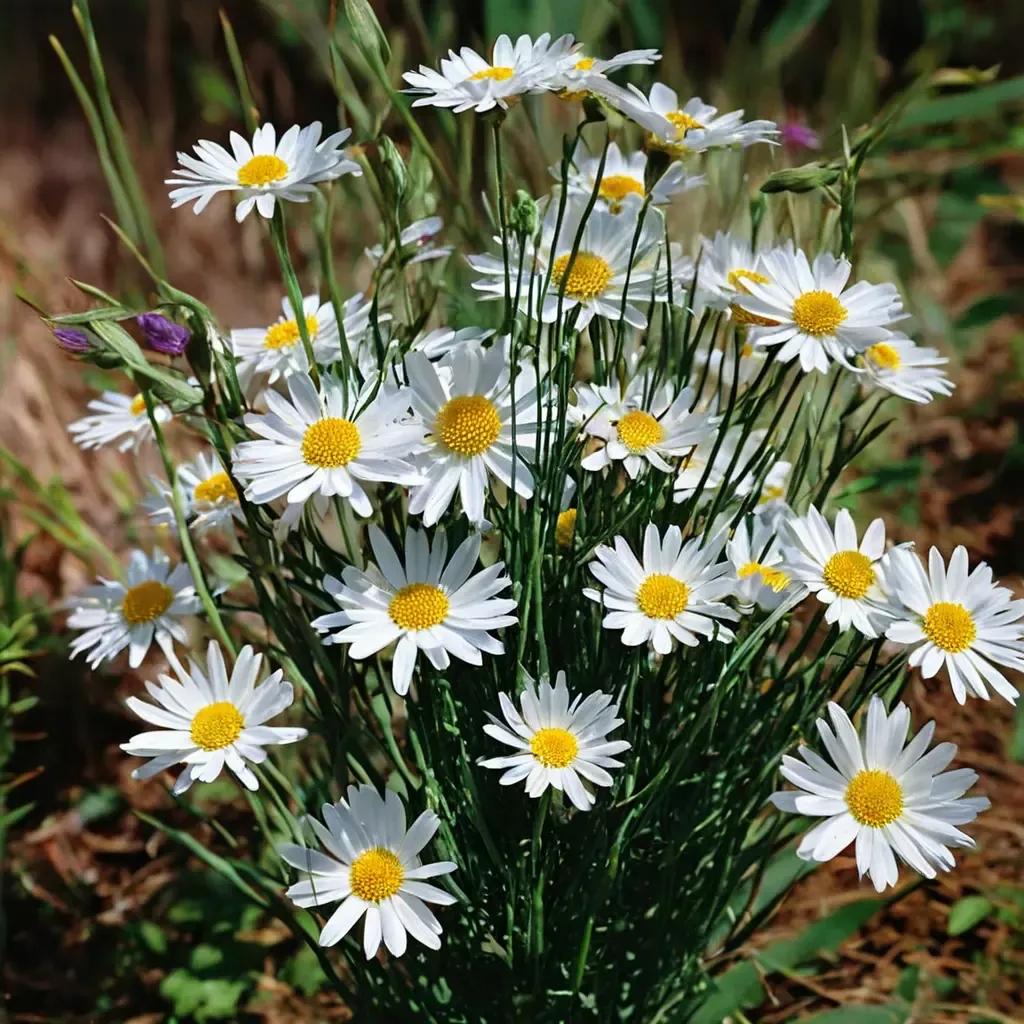 ‘Filigran’Filigran Daisy Shasta Daisy
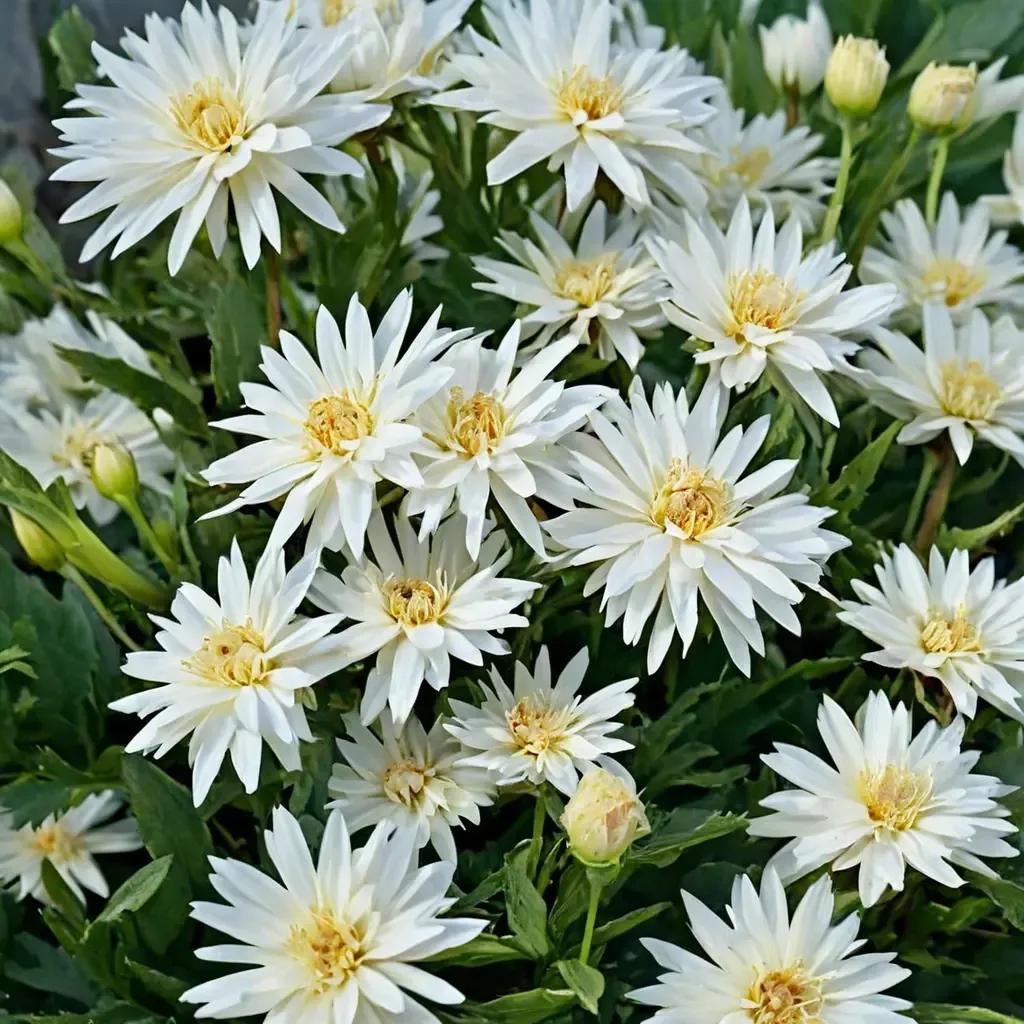 ‘Mt Hood’Mt. Hood Shasta Daisy
 ‘Snow Lady’Snow Lady Shasta Daisy
The Story
Plant Bio
Leucanthemum x superbum, the shasta daisy, is a clumping perennial hybrid grown for its classic white daisies with golden centres. Glossy dark green toothed leaves form a low basal rosette, from which rigid stems carry the flowers through summer. Height runs from one to four feet depending entirely on the cultivar chosen.
It is short-lived by perennial standards and dies out from the middle of the clump after three or four years, which is usually mistaken for the plant failing. Lift and divide it every second or third spring, discarding the woody centre and replanting the vigorous outer pieces, and a single plant will keep going indefinitely.
Uses & Benefits:
Essentials
At a Glance
Plant Type
Perennial
Height
24"
Width
18"
Light
Full Sun, Partial Sun
Zones
5, 6, 7, 8, 9
Water
Moderate
Humidity
Moderate
Lifespan
Short-lived perennial
Native To
Garden hybrid
Toxicity
Non-toxic
Marketplace
Where to Buy
Shipping costs Year-round shipping Free shipping
Planting
How to Grow
- Plant in full sun in well-drained soil.
- Avoid winter-wet ground, which rots the crown.
- Deadhead through summer to prolong flowering.
- Support the taller cultivars before they flop.
- Divide the clump every second or third spring.
- Discard the woody centre when dividing.
Pro Tip
Divide every second or third spring and throw the woody middle away — that single habit is what keeps a shasta daisy alive long term.
Keep It Thriving
Care Guide
Do
- Give it full sun and free drainage ☀️
- Deadhead regularly through summer ✂️
- Divide every two or three springs 🔁
- Stake the taller cultivars early 🪝
Don't
- Leave it in wet winter soil ❌
- Let a clump go five years without dividing ❌
- Replant the woody centre of an old clump ❌
Seasonal Care Calendar
| Task | Jan | Feb | Mar | Apr | May | Jun | Jul | Aug | Sep | Oct | Nov | Dec |
|---|---|---|---|---|---|---|---|---|---|---|---|---|
| Deadhead | ||||||||||||
| Divide |
Watch Out For
Pests & Diseases
Common Pests
Common Diseases
In the Garden
Landscape Uses & Companions
Landscape Uses
Multiply
Propagation Methods
Good to Know
Common Questions
Shasta Daisy questions
What zones can Shasta Daisy grow in?
Shasta Daisy is hardy in USDA Zones 5–9. Inside that range it survives winter in the ground; outside it, grow it as an annual or a container plant you protect.
Is Shasta Daisy deer resistant?
Yes — Shasta Daisy is rated deer-resistant. Deer typically pass it over, though extreme hunger can override any plant's defenses.
When does Shasta Daisy bloom?
Shasta Daisy typically blooms in summer through late summer. Exact timing shifts a week or two with your zone — Sow's bloom calendar maps it to your garden.
Does Shasta Daisy need full sun?
Shasta Daisy does best in full sun to part shade. In hot climates, afternoon shade keeps blooms fresher longer.
Is Shasta Daisy drought tolerant?
Yes — once established (usually after the first full season), Shasta Daisy handles dry spells with minimal watering. Water deeply its first year to build the root system that makes that possible.
More Leucanthemum to compare
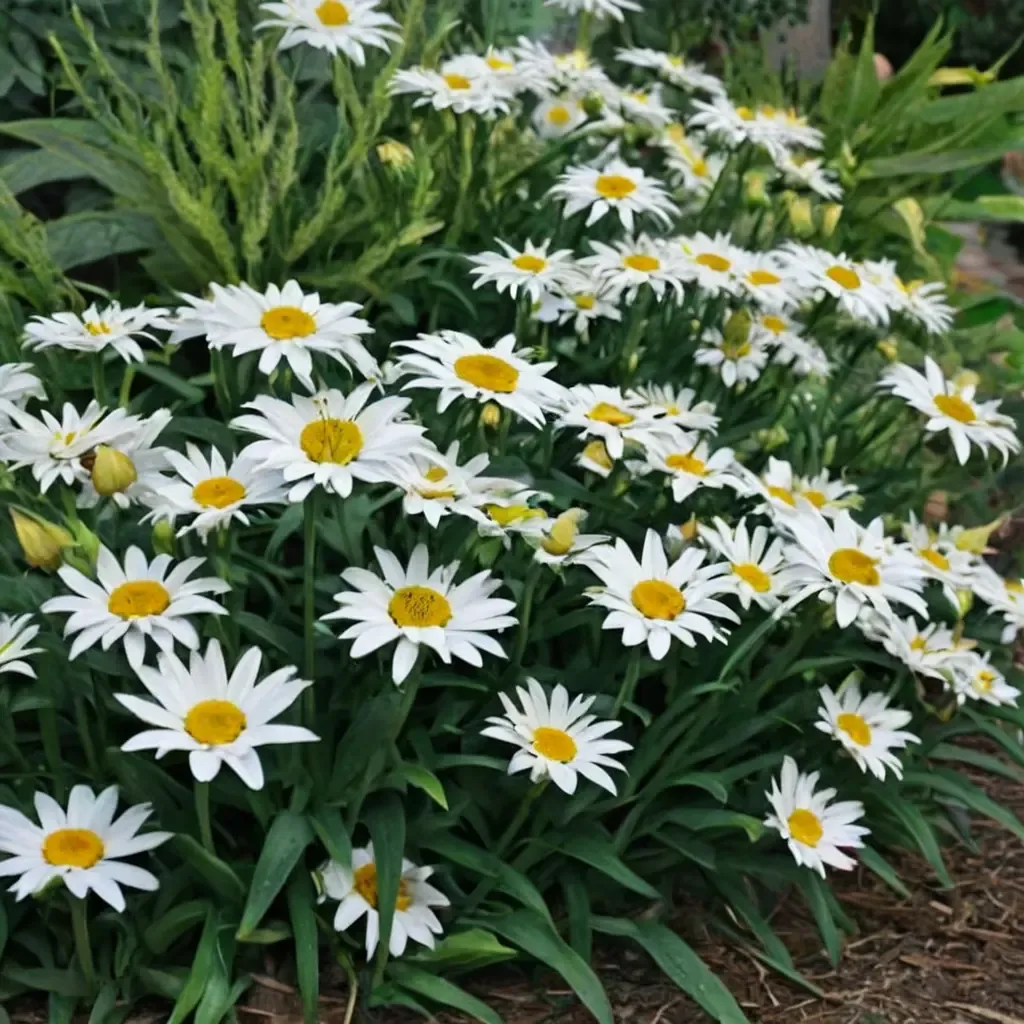
Snowcap Shasta Daisy
Leucanthemum x superbum 'Snowcap'
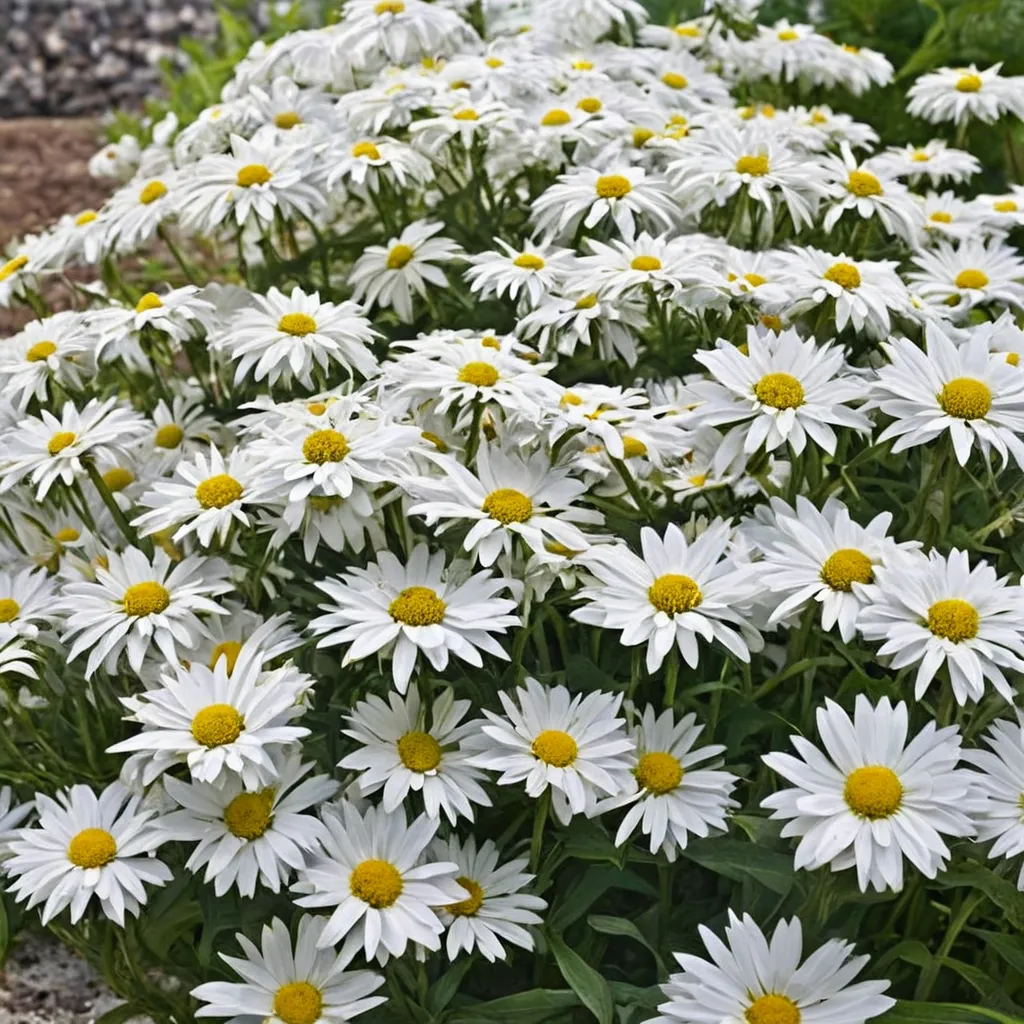
Shasta Daisy Daisy May
Leucanthemum x superbum 'Daisy May'
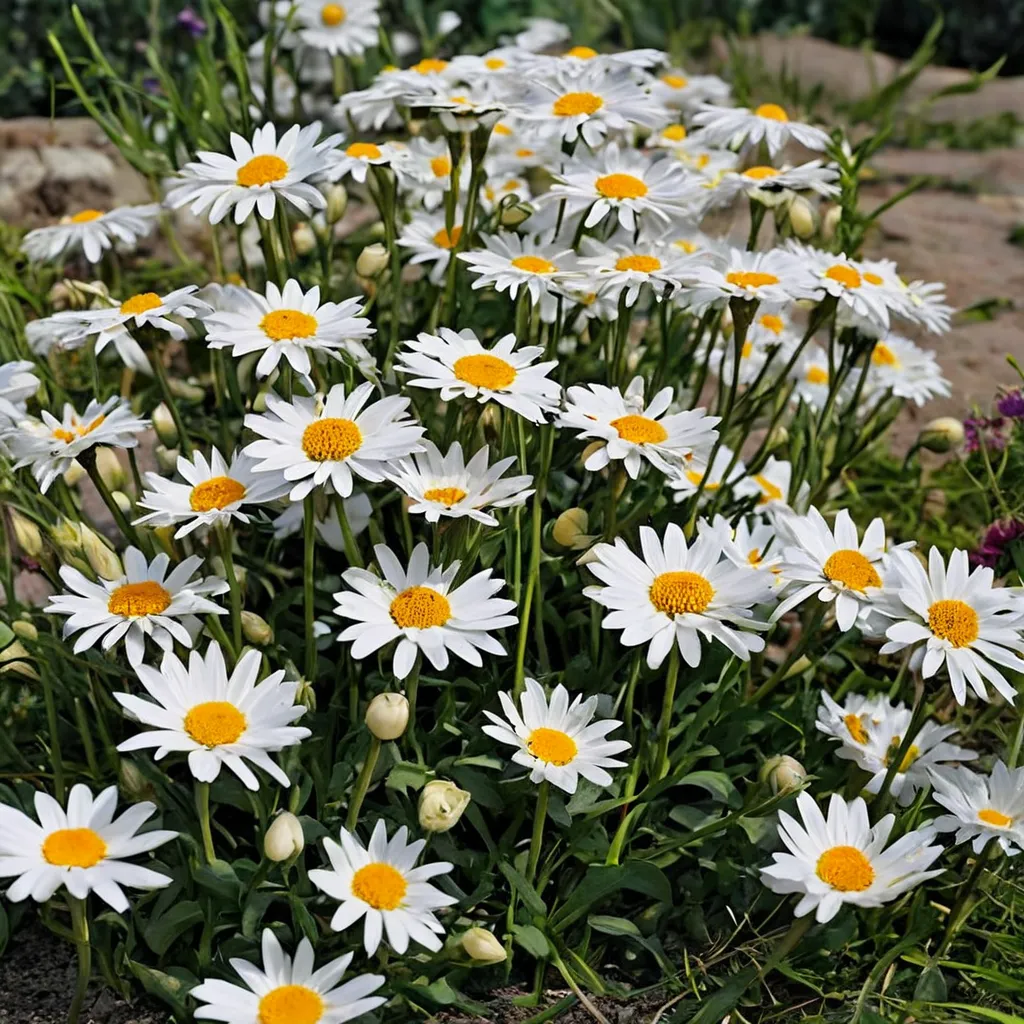
Becky Shasta Daisy
Leucanthemum x superbum 'Becky'
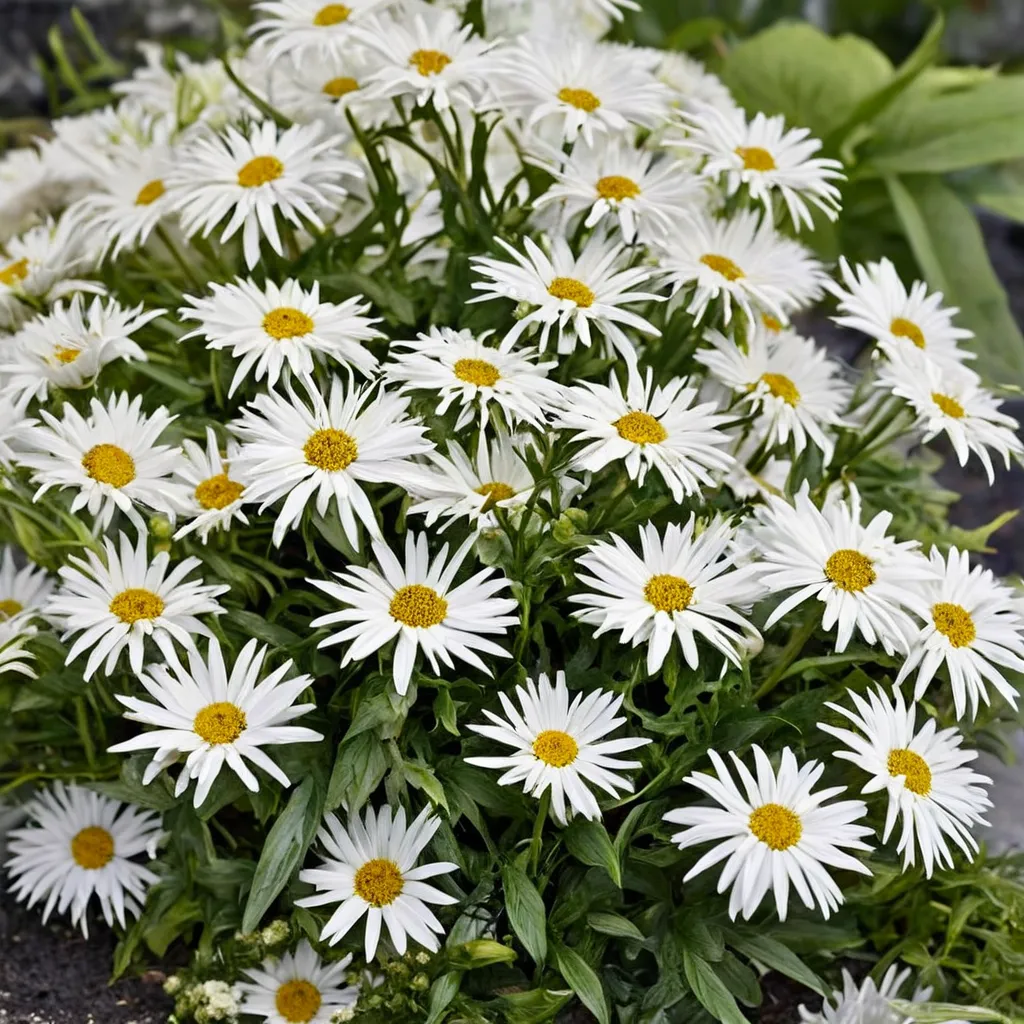
Spun Silk Shasta Daisy
Leucanthemum x superbum 'Spun Silk'
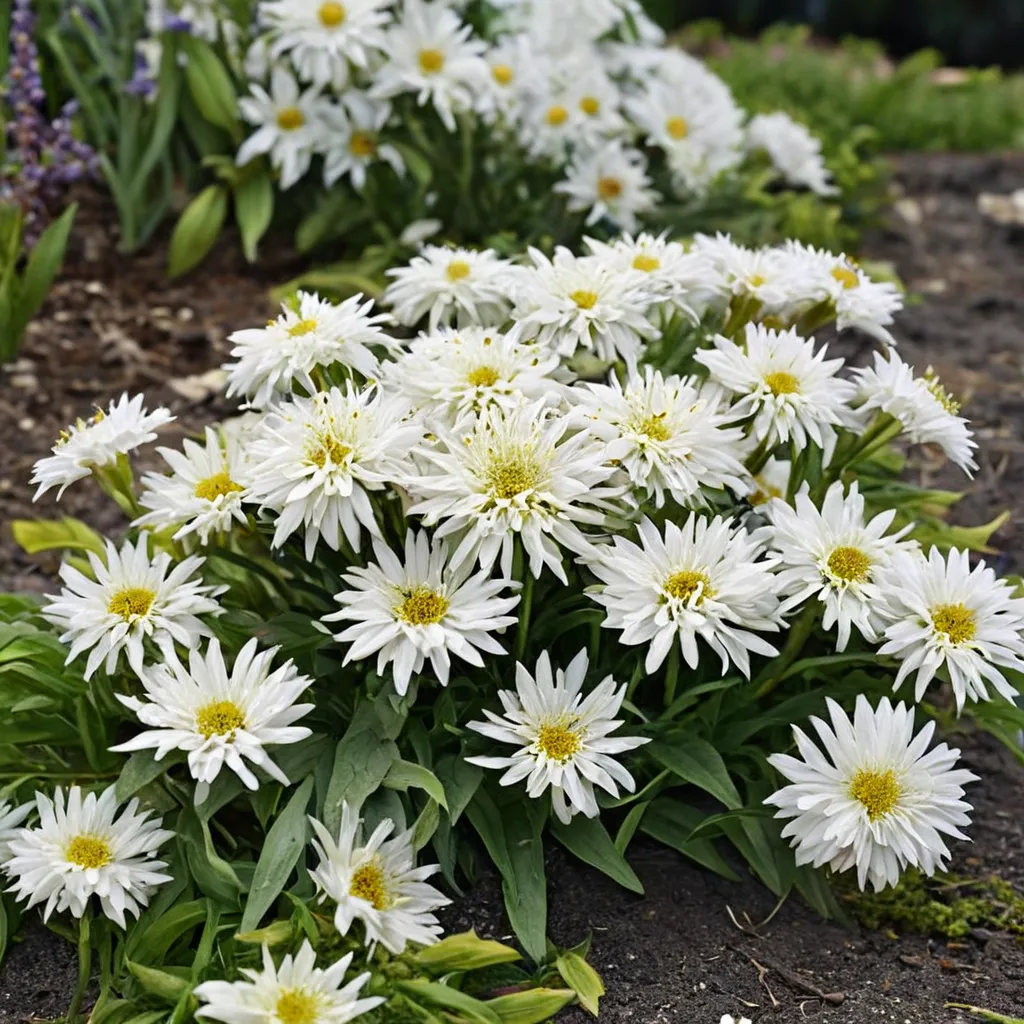
Shasta Daisy 'Marshmallow'
Leucanthemum x superbum 'Marshmallow'
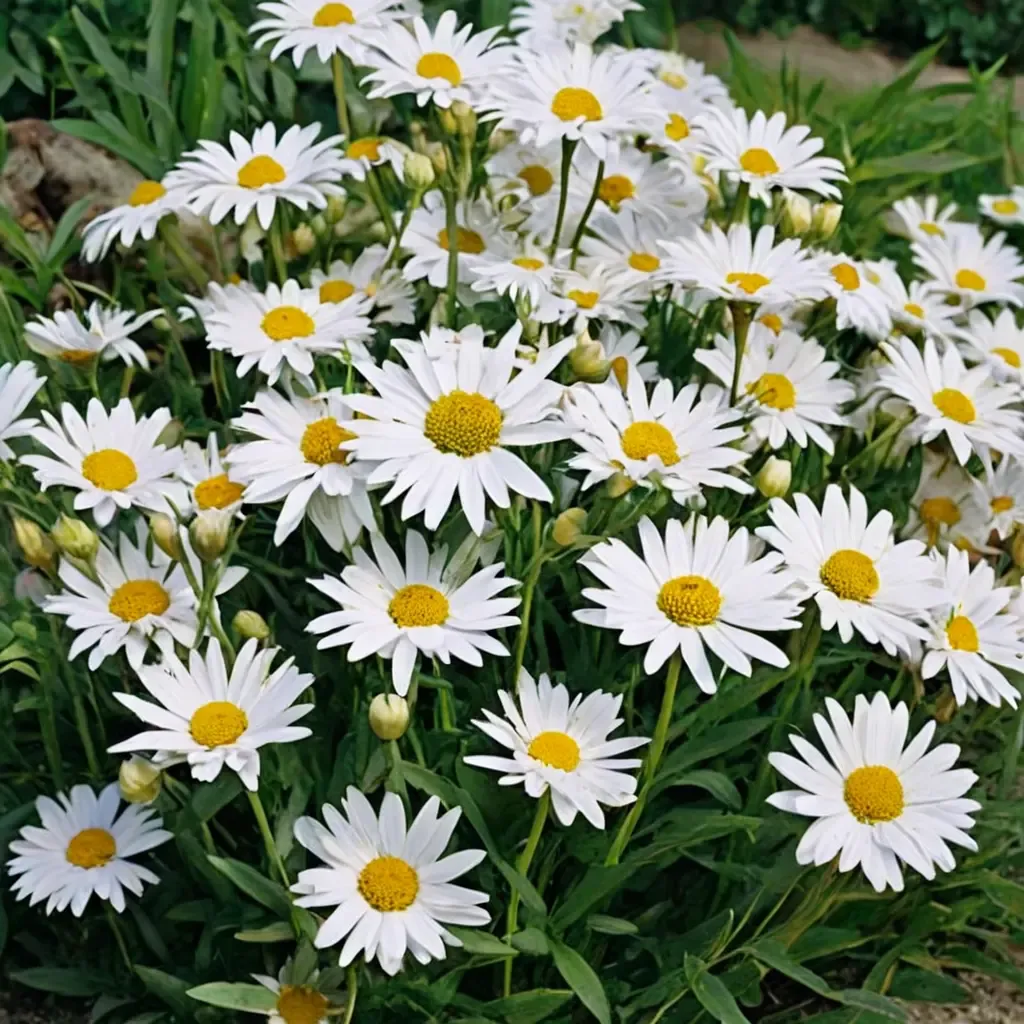
Alaska Shasta Daisy
Leucanthemum x superbum 'Alaska'
Keep exploring
Explore the genus
Hardy in your zone?
Grow Shasta Daisy with confidence
See it in a design of your actual yard, get zone-matched care reminders, and track it season by season in your garden journal.