
Species
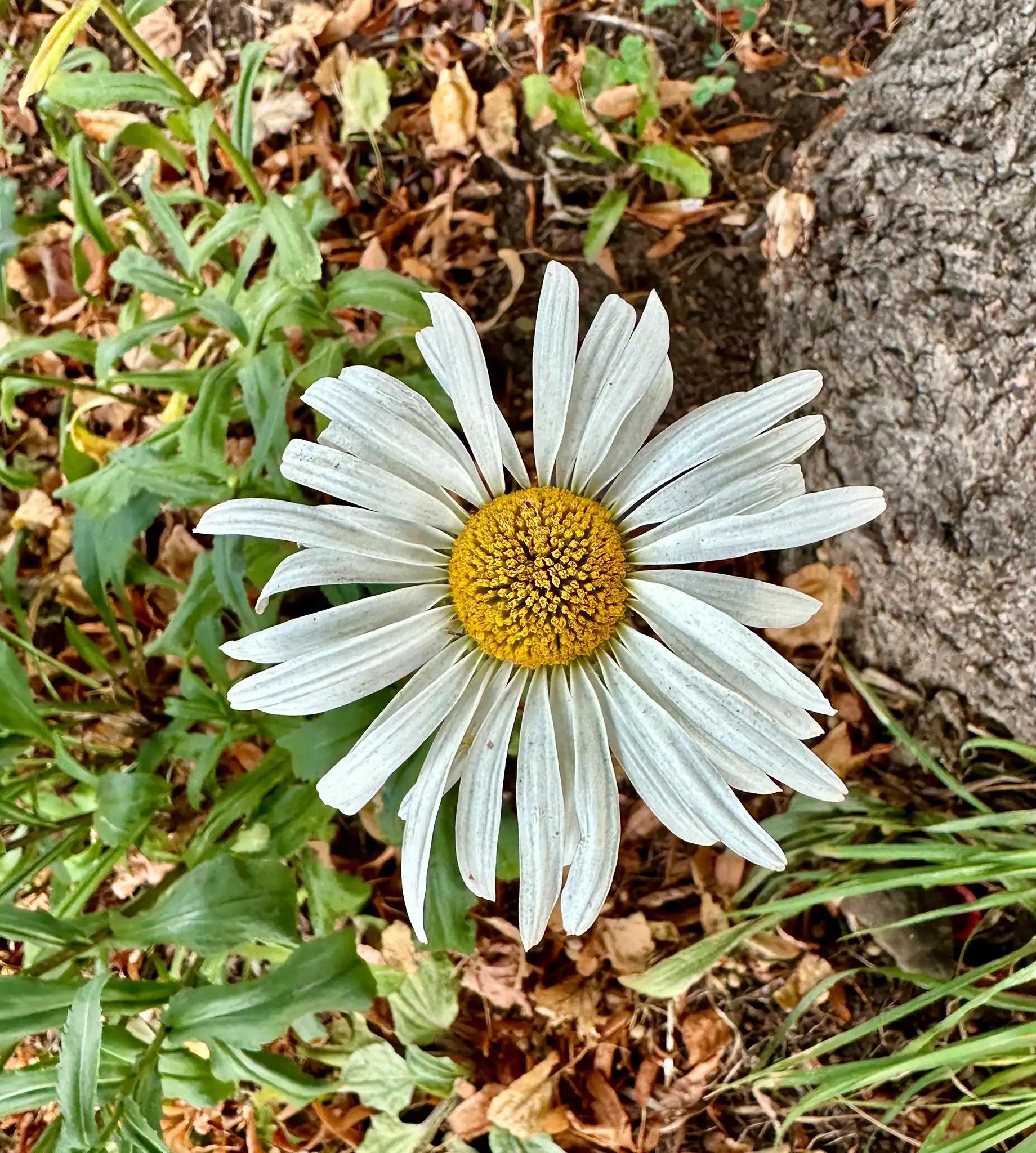 Leucanthemum x superbumShasta Daisy
9 other cultivars
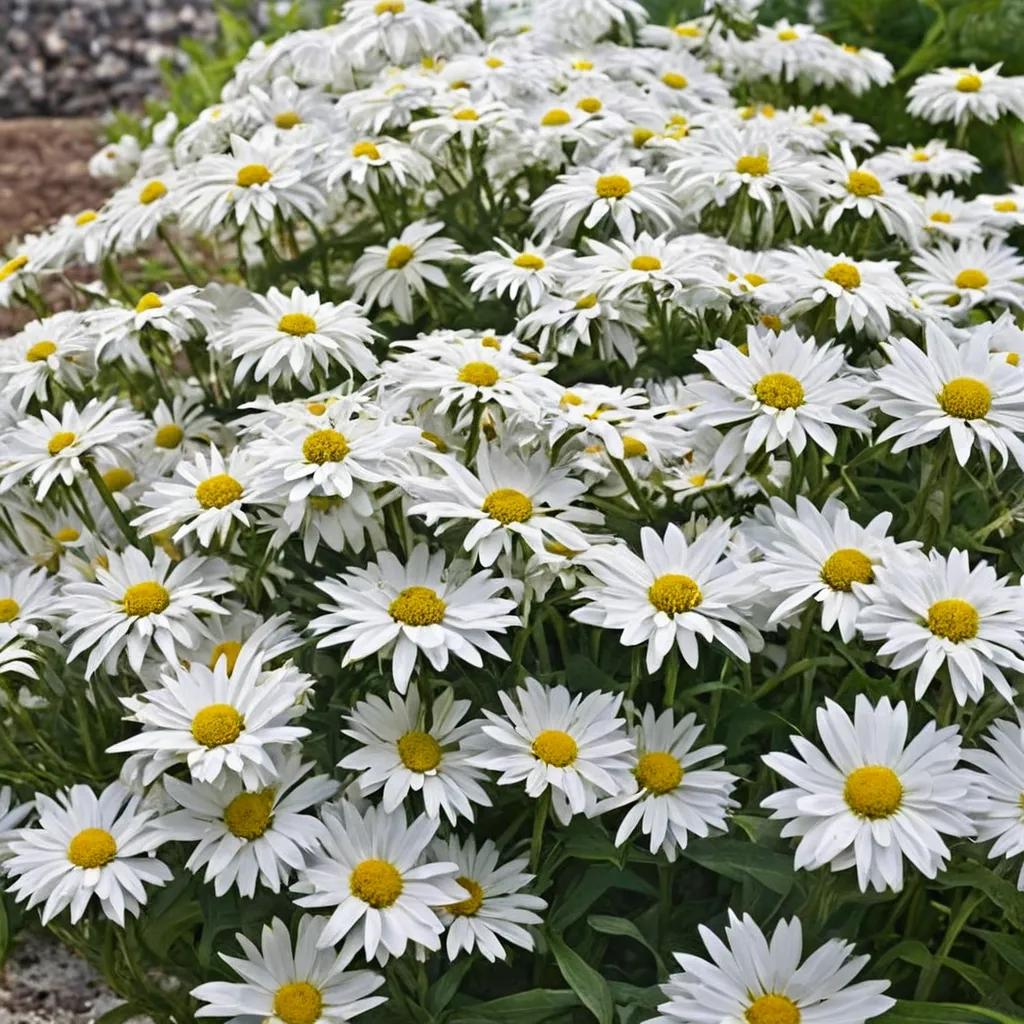 ‘Daisy May’Shasta Daisy Daisy May
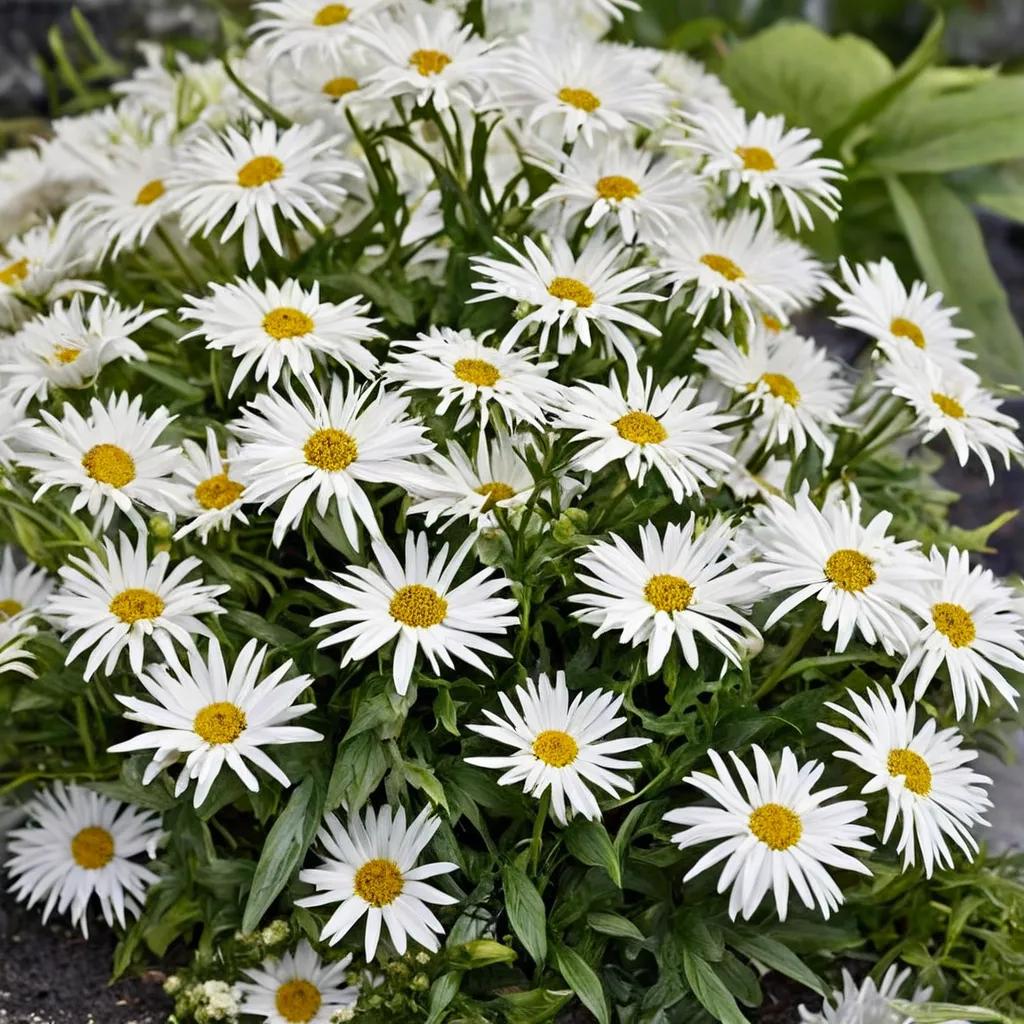 ‘Spun Silk’Spun Silk Shasta Daisy
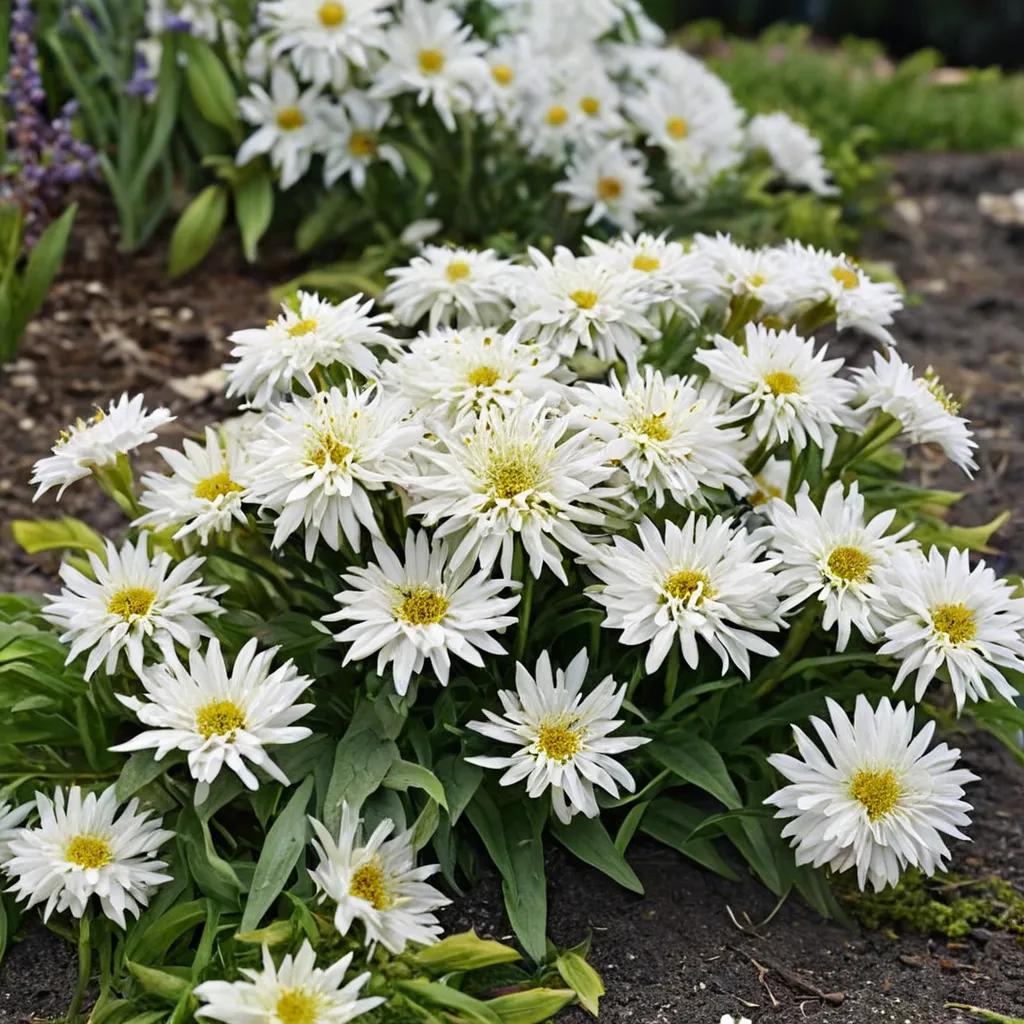 ‘Marshmallow’Shasta Daisy 'Marshmallow'
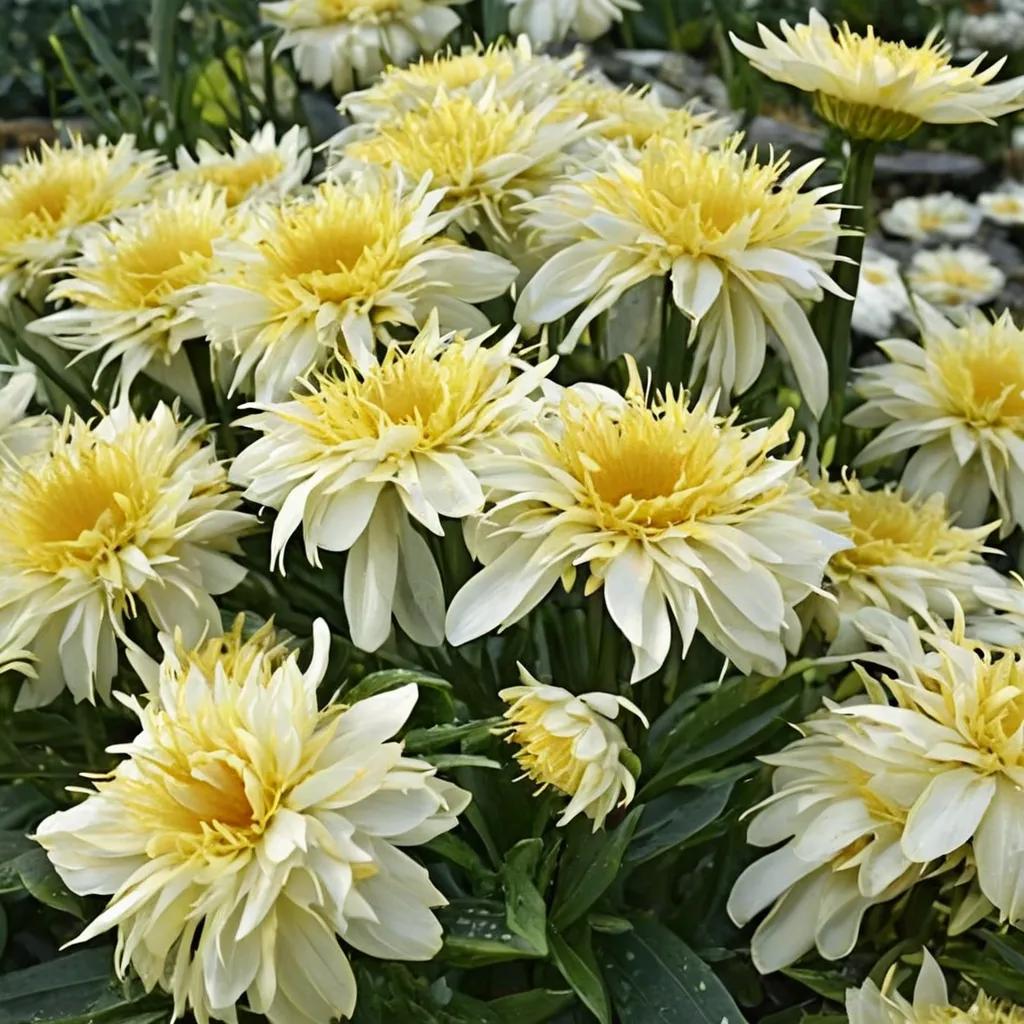 ‘Real Charmer’Real Charmer Shasta Daisy
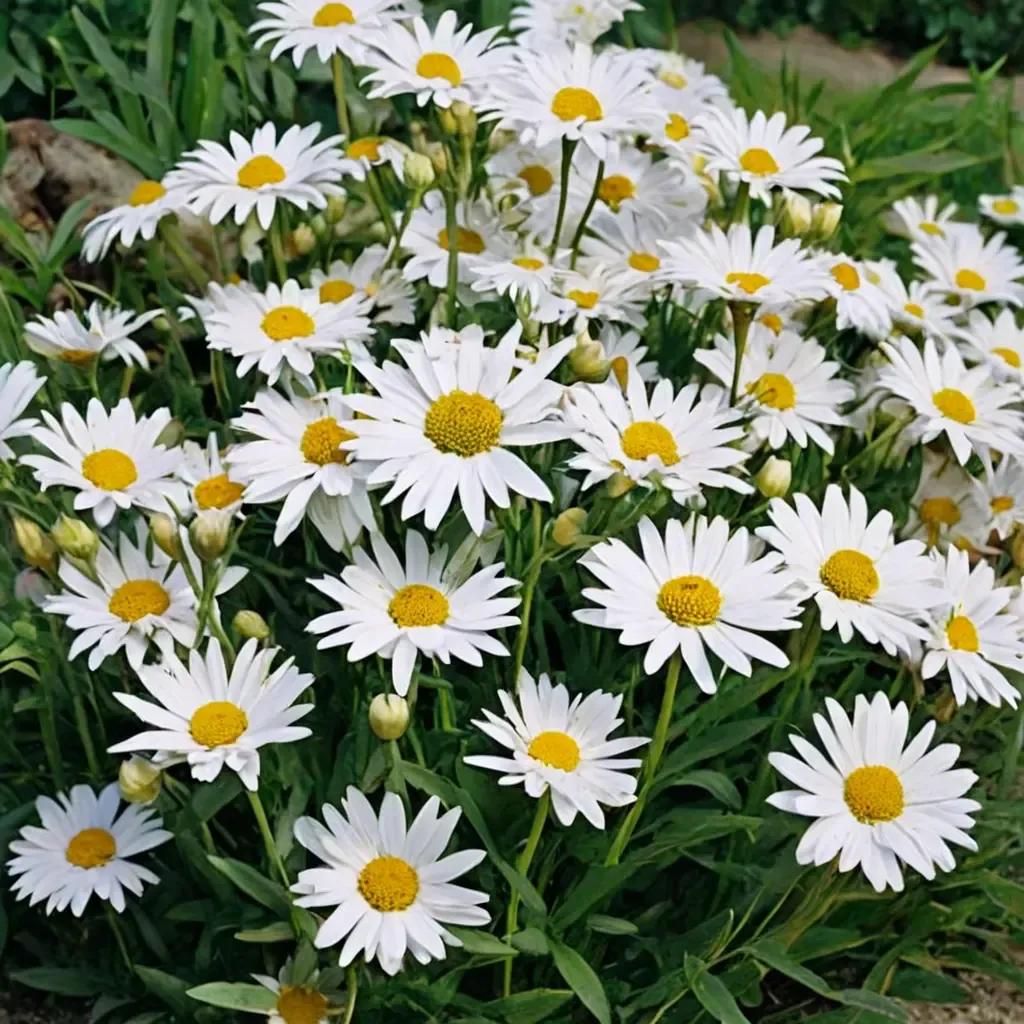 ‘Alaska’Alaska Shasta Daisy
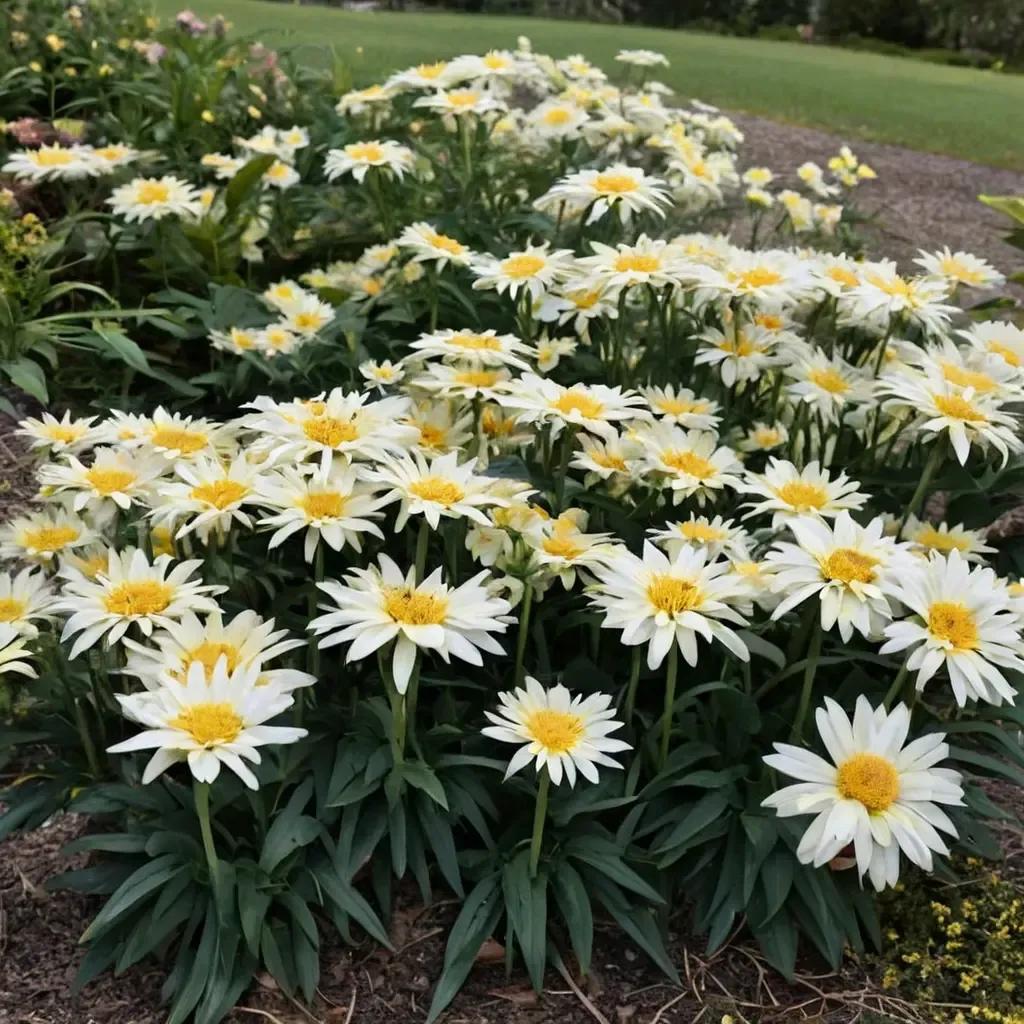 ‘Banana Cream II’Banana Cream II Shasta Daisy
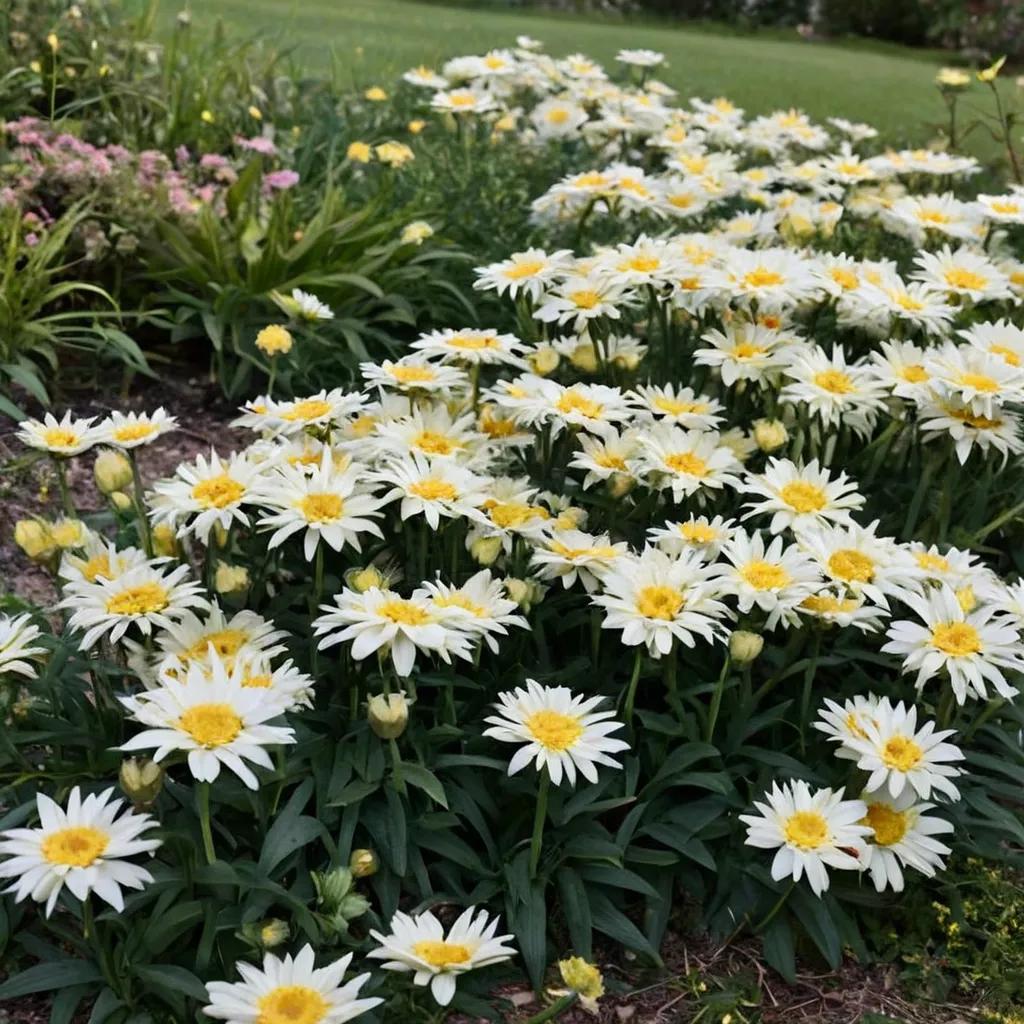 ‘Banana Cream’Shasta Daisy Banana Cream
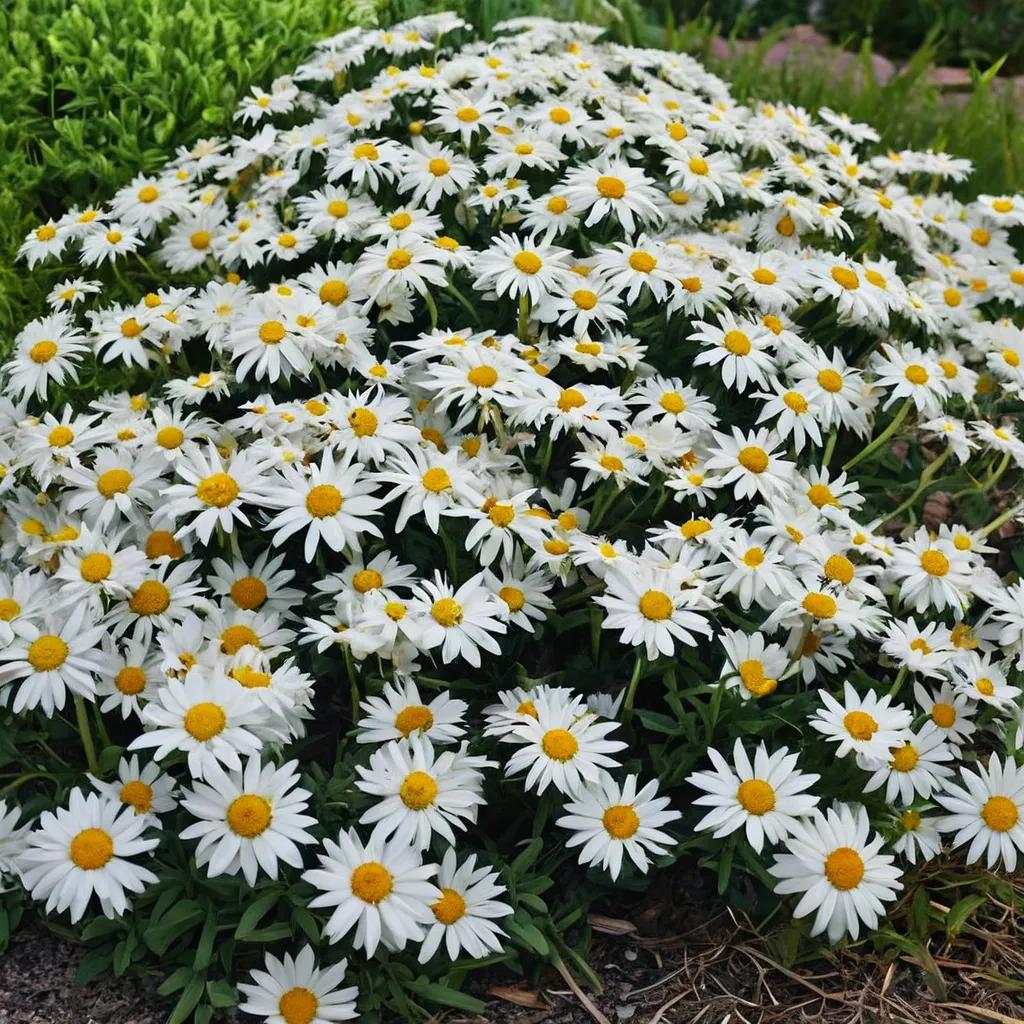 ‘Whoops-a-Daisy’Whoops-a-Daisy
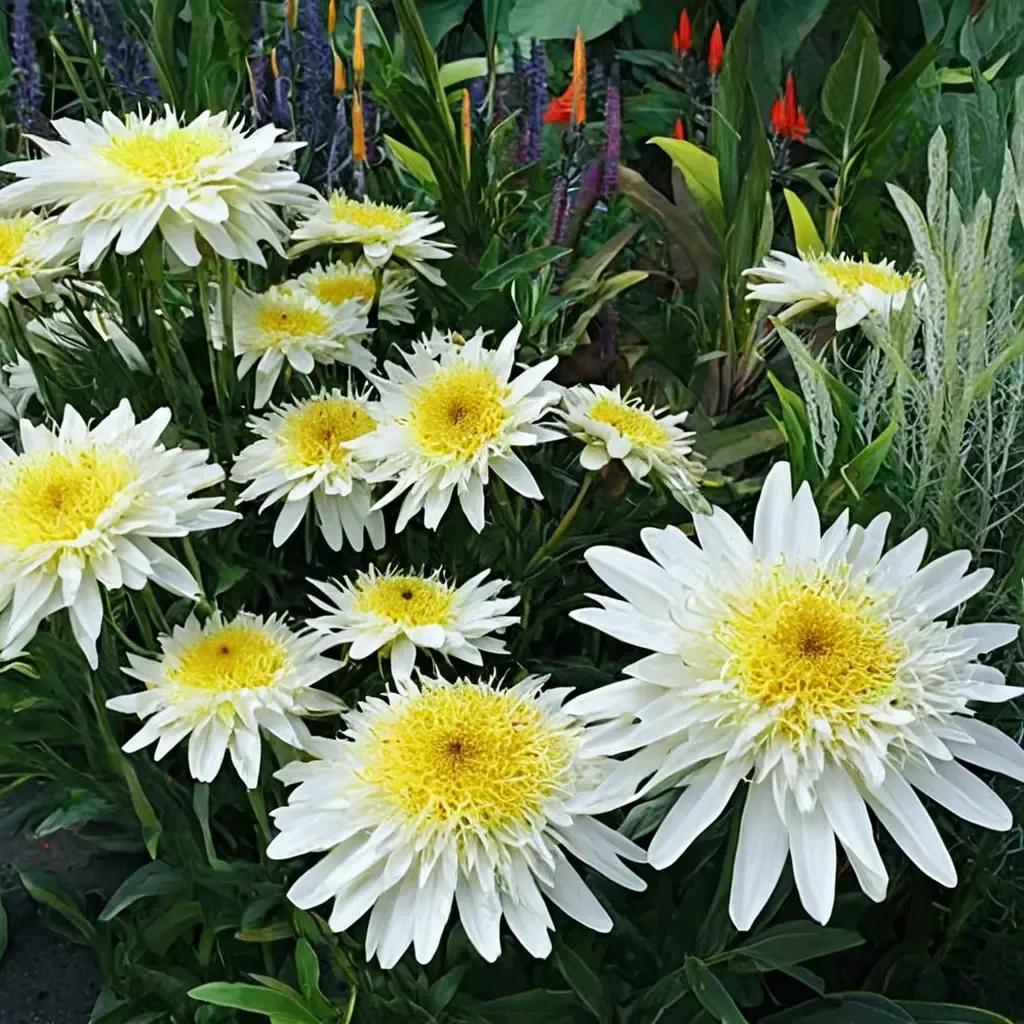 ‘Real Glory’Real Glory Shasta Daisy
The Story
Plant Bio
Leucanthemum x superbum, the Shasta Daisy, is a classic garden perennial developed by Luther Burbank. It is known for its cheerful, white-petaled, yellow-centered flowers and robust, clump-forming habit.
'Daisy Duke' is a particularly compact and early-blooming variety. It produces a profusion of classic daisy flowers on a tidy, mounding plant and reblooms well if deadheaded promptly.
Uses & Benefits:
Essentials
At a Glance
Plant Type
Perennial
Height
12"
Width
14"
Light
Full Sun
Zones
5, 6, 7, 8, 9
Water
Low to medium
Humidity
Adaptable
Lifespan
Short-lived perennial (3-5 years)
Native To
Hybrid
Toxicity
Mildly toxic to cats and dogs, can cause vomiting or dermatitis.
Bloom period
Early summer – Mid-summer
In flower about 2 months of the year
Marketplace
Where to Buy
Shipping costs Year-round shipping Free shipping
Planting
How to Grow
- Select a location that receives at least 6 hours of direct sun.
- Ensure the soil is well-drained; amend with compost if needed.
- Dig a hole slightly larger than the plant's container.
- Place the plant in the hole so the crown is at soil level.
- Backfill, firm the soil gently, and water thoroughly.
- Water regularly until established, then only during dry spells.
Pro Tip
Deadhead spent flowers regularly by cutting the stem back to the next lateral bud or leaf to promote continuous blooming all summer.
Keep It Thriving
Care Guide
Do
- Provide full sun for the sturdiest stems and most flowers.
- Deadhead faithfully to prolong the bloom season.
- Divide every 2-3 years to rejuvenate the plant and control its spread.
- Provide good air circulation to prevent fungal diseases.
Don't
- Do not overwater or plant in soggy, poorly drained soil.
- Avoid heavy fertilization, which can lead to weak, floppy growth.
- Do not let clumps become too dense and woody in the center.
- Avoid planting in shady locations, which will result in few flowers.
Seasonal Care Calendar
| Task | Jan | Feb | Mar | Apr | May | Jun | Jul | Aug | Sep | Oct | Nov | Dec |
|---|---|---|---|---|---|---|---|---|---|---|---|---|
| Deadhead | ||||||||||||
| Divide | ||||||||||||
| Fertilize | ||||||||||||
| Plant |
Watch Out For
Pests & Diseases
Common Pests
Common Diseases
In the Garden
Landscape Uses & Companions
Landscape Uses
Good to Know
Common Questions
Daisy Duke Shasta Daisy questions
What zones can Daisy Duke Shasta Daisy grow in?
Daisy Duke Shasta Daisy is hardy in USDA Zones 5–9. Inside that range it survives winter in the ground; outside it, grow it as an annual or a container plant you protect.
Is Daisy Duke Shasta Daisy deer resistant?
Yes — Daisy Duke Shasta Daisy is rated deer-resistant. Deer typically pass it over, though extreme hunger can override any plant's defenses.
When does Daisy Duke Shasta Daisy bloom?
Daisy Duke Shasta Daisy typically blooms in early summer through mid-summer. Exact timing shifts a week or two with your zone — Sow's bloom calendar maps it to your garden.
Does Daisy Duke Shasta Daisy need full sun?
Daisy Duke Shasta Daisy does best in full sun (6+ hours).
Is Daisy Duke Shasta Daisy drought tolerant?
Yes — once established (usually after the first full season), Daisy Duke Shasta Daisy handles dry spells with minimal watering. Water deeply its first year to build the root system that makes that possible.
More Leucanthemum to compare
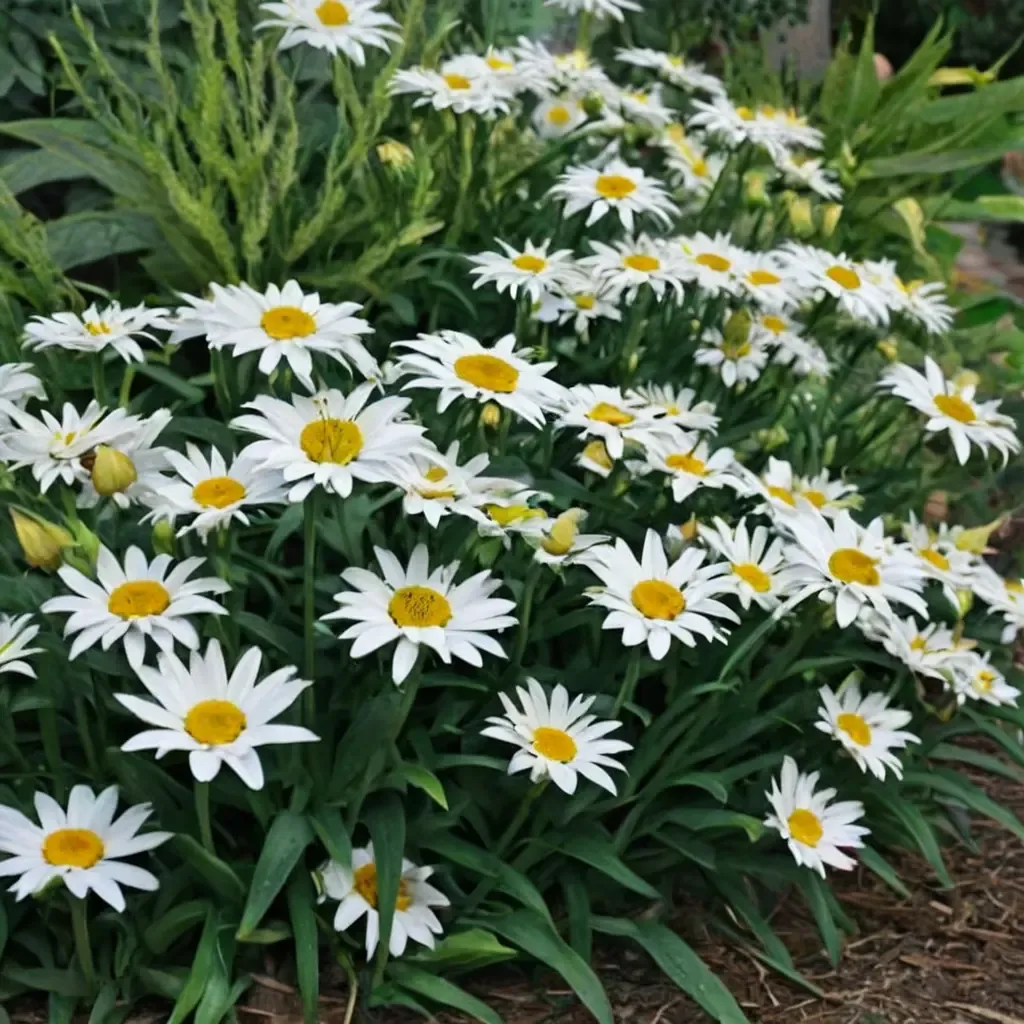
Snowcap Shasta Daisy
Leucanthemum x hybrida 'Snowcap'
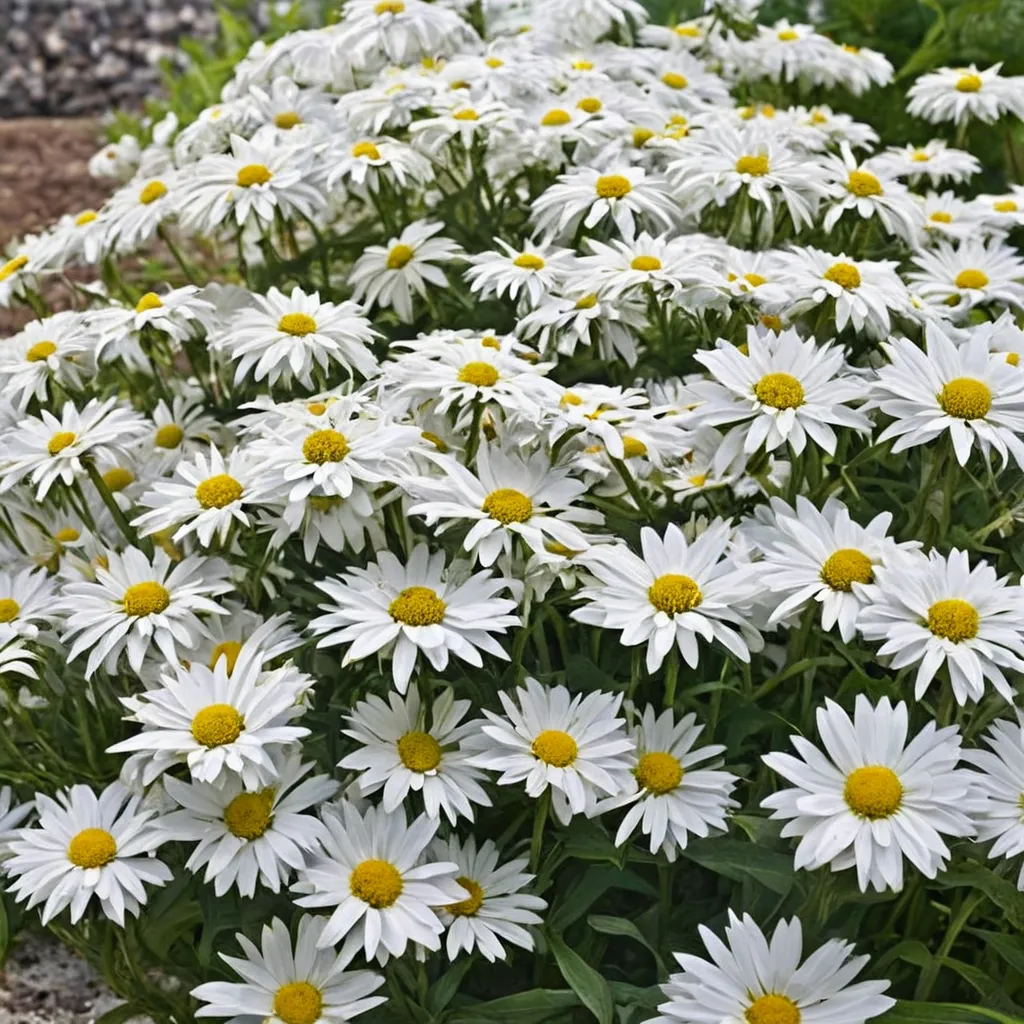
Shasta Daisy Daisy May
Leucanthemum x superbum 'Daisy May'
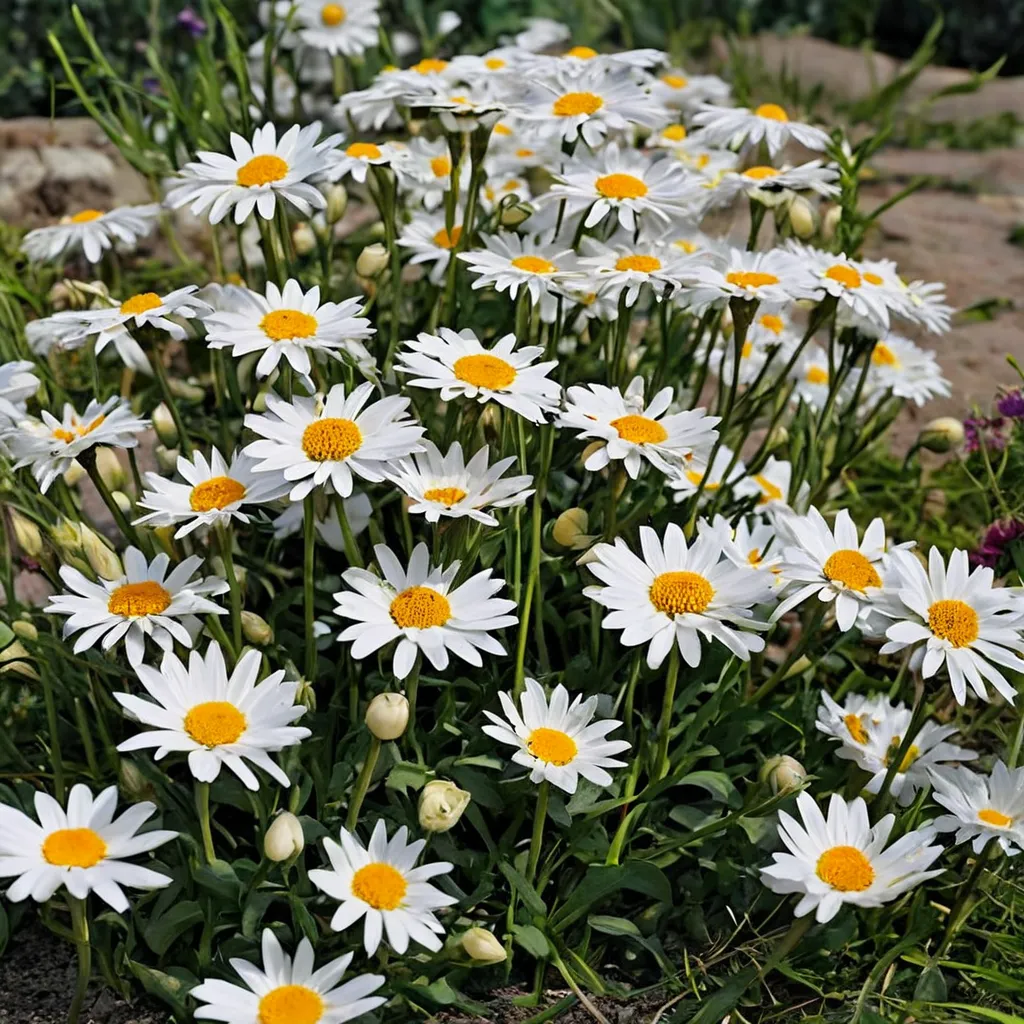
Becky Shasta Daisy
Leucanthemum vulgare 'Becky'
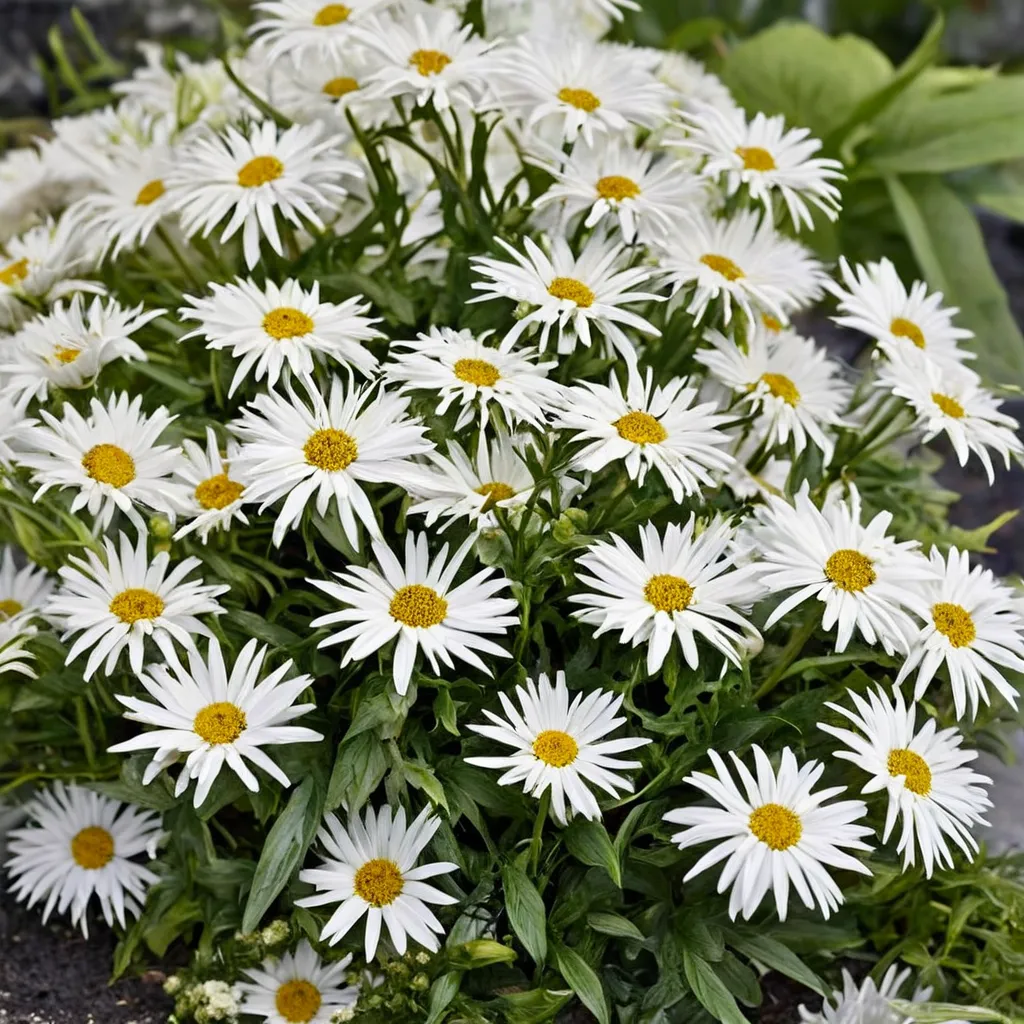
Spun Silk Shasta Daisy
Leucanthemum x superbum 'Spun Silk'
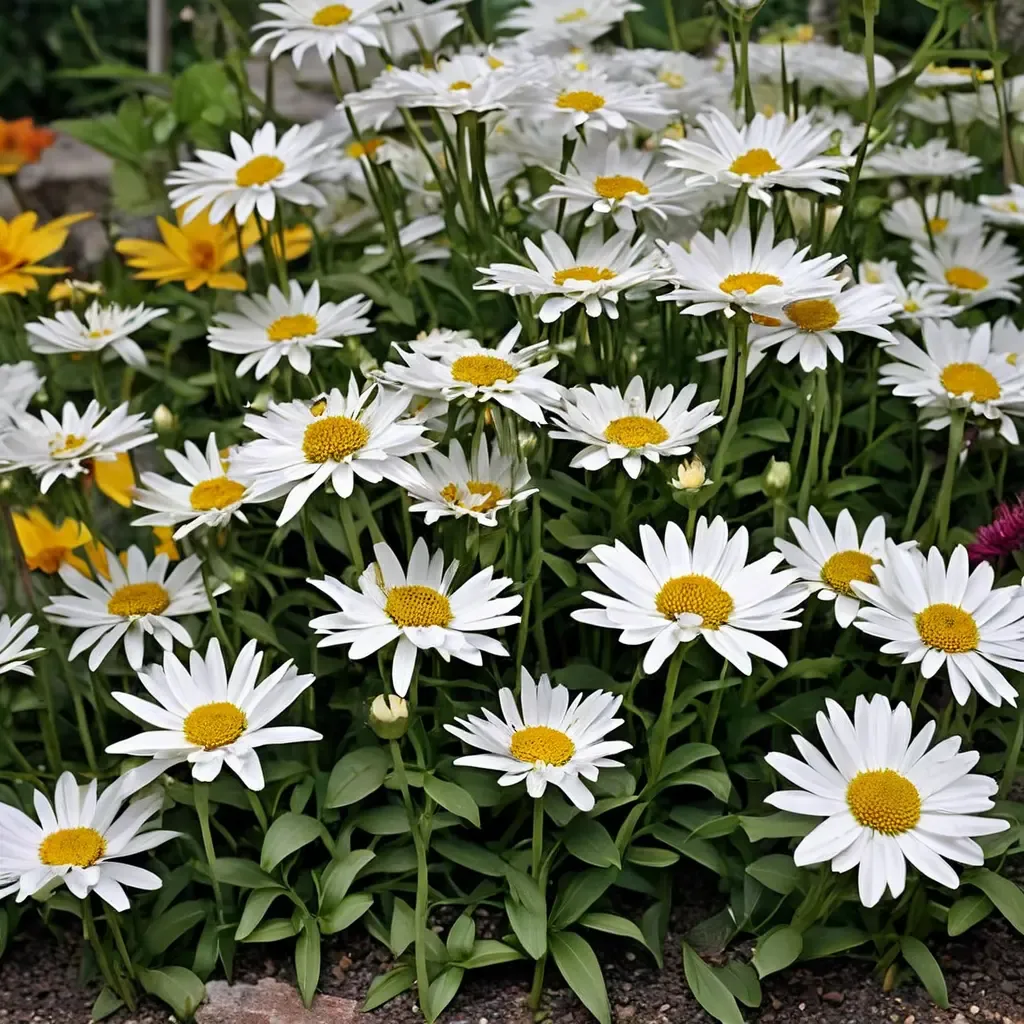
Shasta Daisy
Leucanthemum x hybrida
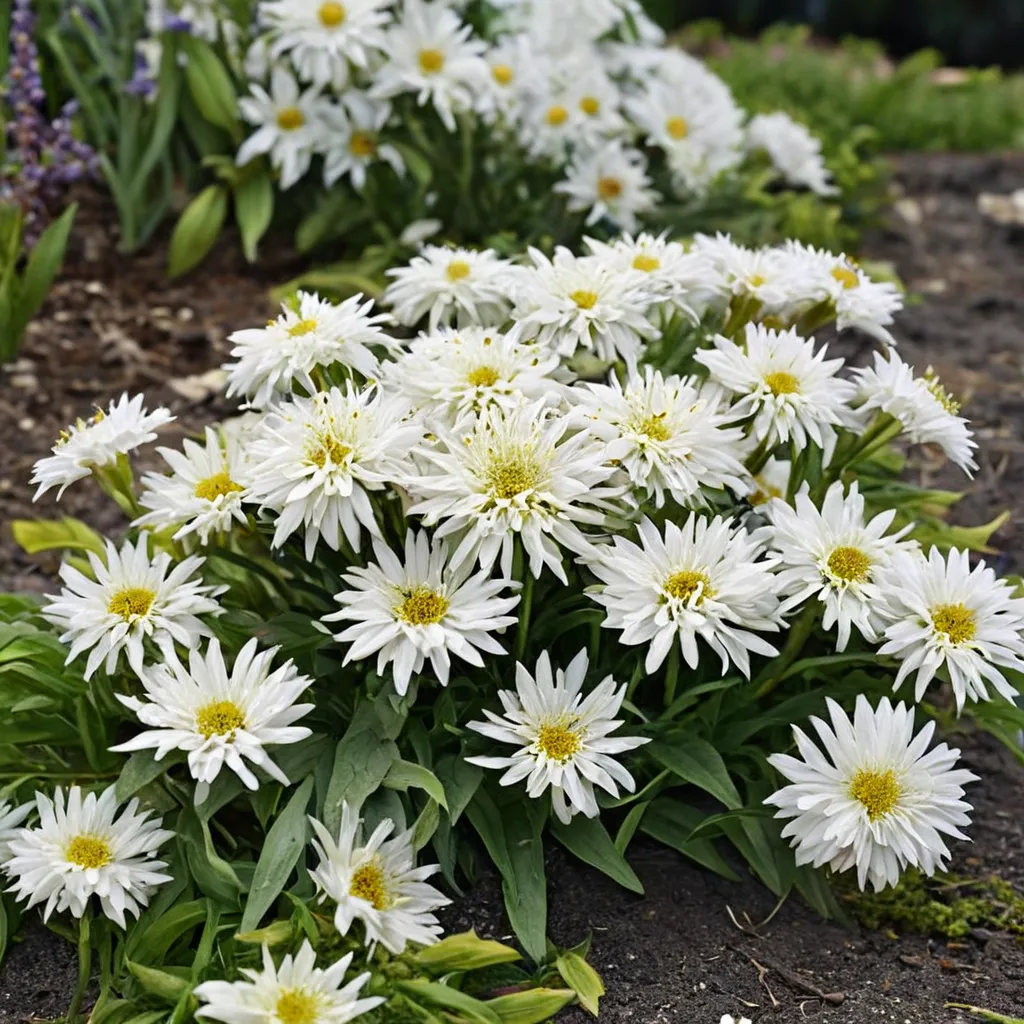
Shasta Daisy 'Marshmallow'
Leucanthemum x superbum 'Marshmallow'
Keep exploring
Explore the genus
Hardy in your zone?
Grow Daisy Duke Shasta Daisy with confidence
See it in a design of your actual yard, get zone-matched care reminders, and track it season by season in your garden journal.