
The Story
Plant Bio
Knautia arvensis, commonly called field scabious, is an upright, clump-forming perennial with stiff, downward-hairy stems rising from a basal leaf rosette. Flat, hemispherical purple flower heads composed of tiny florets bloom continuously from early summer into autumn.
A deep taproot provides exceptional drought tolerance once the plant is anchored in dry, lean soil. The composite flower heads act as powerful nectar magnets for native bees and butterflies throughout the season.
Uses & Benefits:
Essentials
At a Glance
Plant Type
Perennial
Height
36"
Width
24"
Light
Full Sun
Zones
4, 5, 6, 7, 8
Water
Low
Humidity
Low to Moderate
Lifespan
Perennial
Native To
Europe, Western Asia, Northwest Africa
Toxicity
Non-toxic ( stem hairs can cause mild contact irritation)
Bloom period
Summer – Early autumn
In flower about 4 months of the year
Planting
How to Grow
- Select a site in full sun with lean, sharply draining neutral to alkaline soil.
- Dig a hole deep enough to hold the taproot straight down without bending.
- Set the crown level with the soil line, backfilling with native soil mixed with grit.
- Water lightly to settle the soil, then withhold extra irrigation once established.
Pro Tip
Thrives best on neglect in poor, alkaline soil with full sun exposure; rich fertilizers or overwatering cause long stems to flop.
Keep It Thriving
Care Guide
Do
- Plant in full sun and well-drained, gritty, or chalky soils.
- Deadhead spent blooms regularly to extend the flowering display.
- Wear gloves when handling to protect sensitive skin from irritating stem hairs.
Don't
- Do not apply heavy fertilizer, which leads to weak, floppy stems.
- Do not plant in heavy, waterlogged clay soil.
- Avoid disturbing established plants due to their deep taproot.
Seasonal Care Calendar
| Task | Jan | Feb | Mar | Apr | May | Jun | Jul | Aug | Sep | Oct | Nov | Dec |
|---|---|---|---|---|---|---|---|---|---|---|---|---|
| Deadhead | ||||||||||||
| Pest Check | ||||||||||||
| Spring Cleanup | ||||||||||||
| Winter Prep |
Watch Out For
Pests & Diseases
Common Pests
Common Diseases
In the Garden
Landscape Uses & Companions
Landscape Uses
Multiply
Propagation Methods
Good to Know
Common Questions
Field Scabious questions
What zones can Field Scabious grow in?
Field Scabious is hardy in USDA Zones 4–8: in that range it survives winter in the ground. Warmer than Zone 8, winter isn't the problem: it prefers colder winters, and summer heat can shorten its life.
Is Field Scabious deer resistant?
Not reliably. Deer may browse Field Scabious, especially tender spring growth — plan on repellents or fencing where pressure is high.
When does Field Scabious bloom?
Field Scabious typically blooms from early summer to early fall. Exact timing shifts a week or two with your zone — Sow's bloom calendar maps it to your garden.
Does Field Scabious need full sun?
Field Scabious does best in full sun (6+ hours).
Is Field Scabious drought tolerant?
Yes — once established (usually after the first full season), Field Scabious handles dry spells with minimal watering. Water deeply its first year to build the root system that makes that possible.
More Knautia to compare
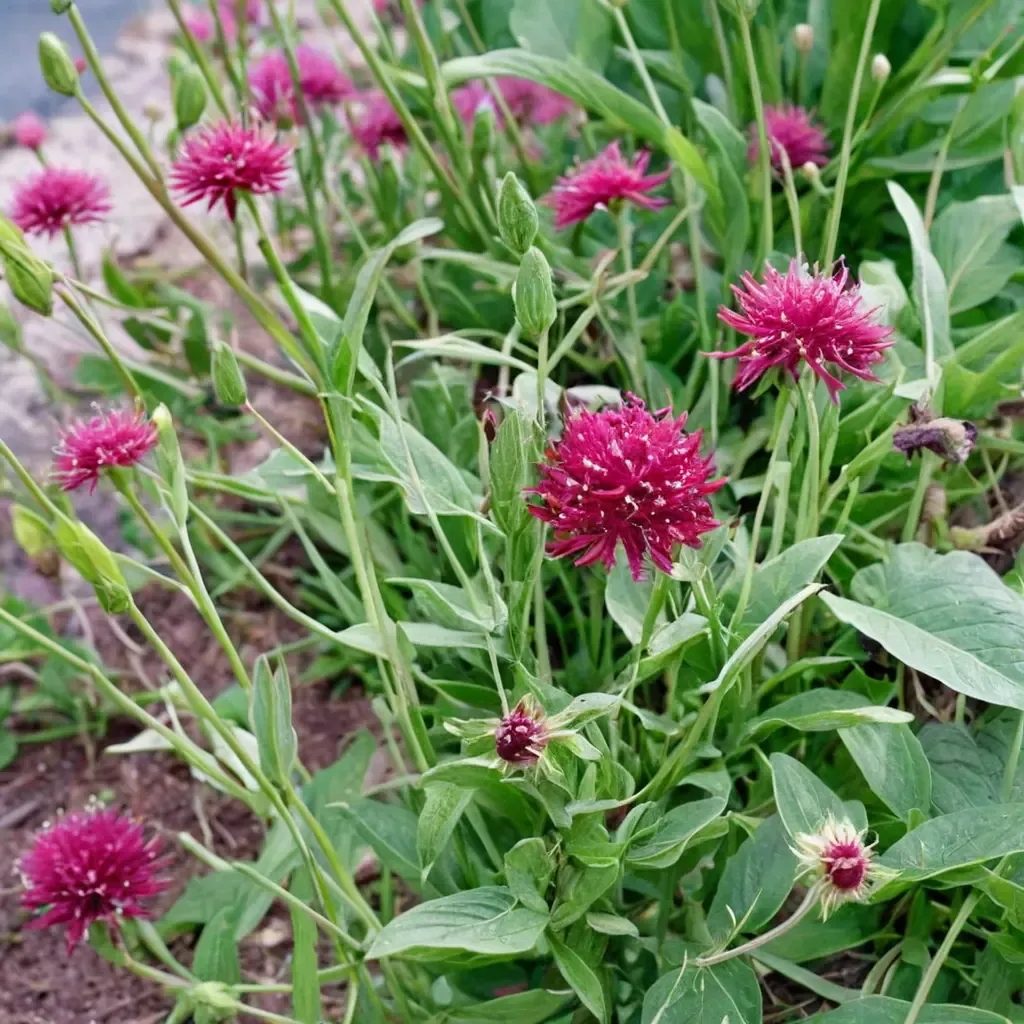
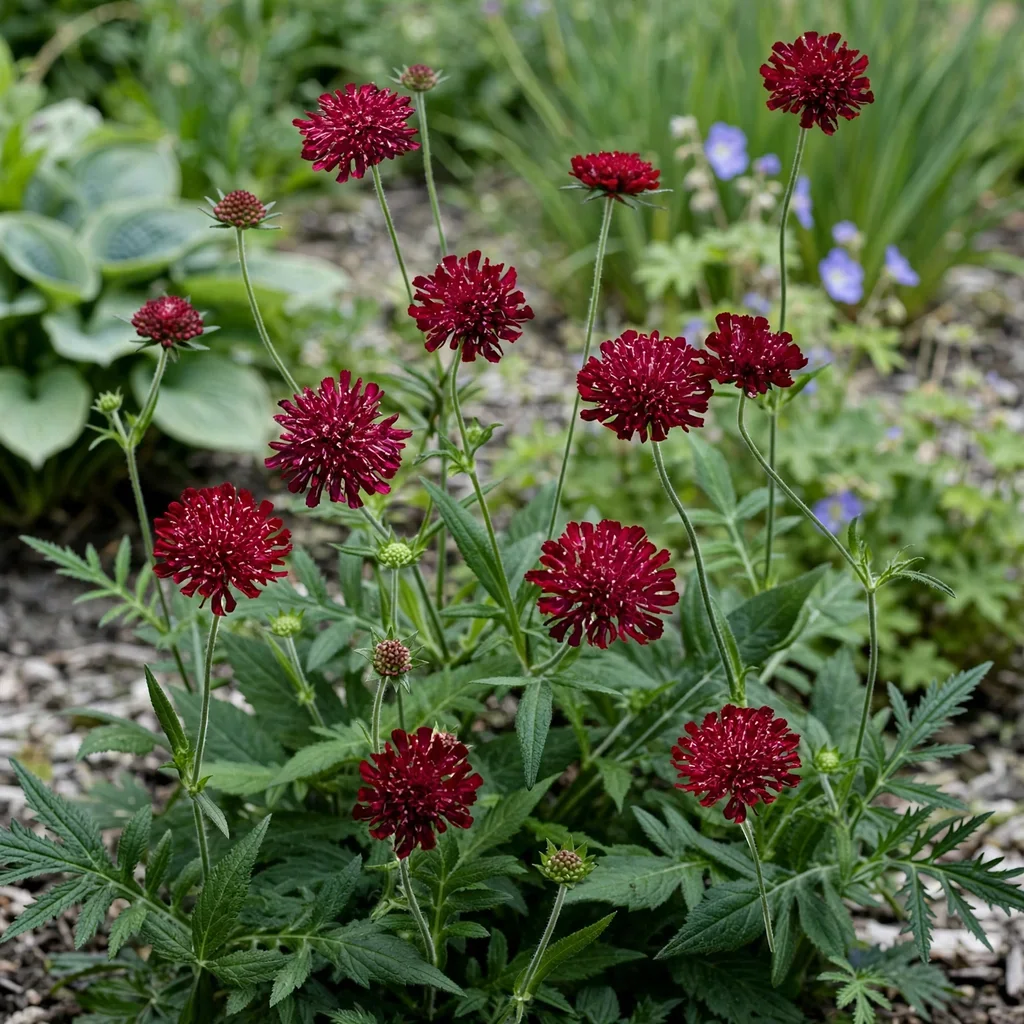
Keep exploring
Explore the genus
Hardy in your zone?
Grow Field Scabious with confidence
See it in a design of your actual yard, get zone-matched care reminders, and track it season by season in your garden journal.