The Story
Plant Bio
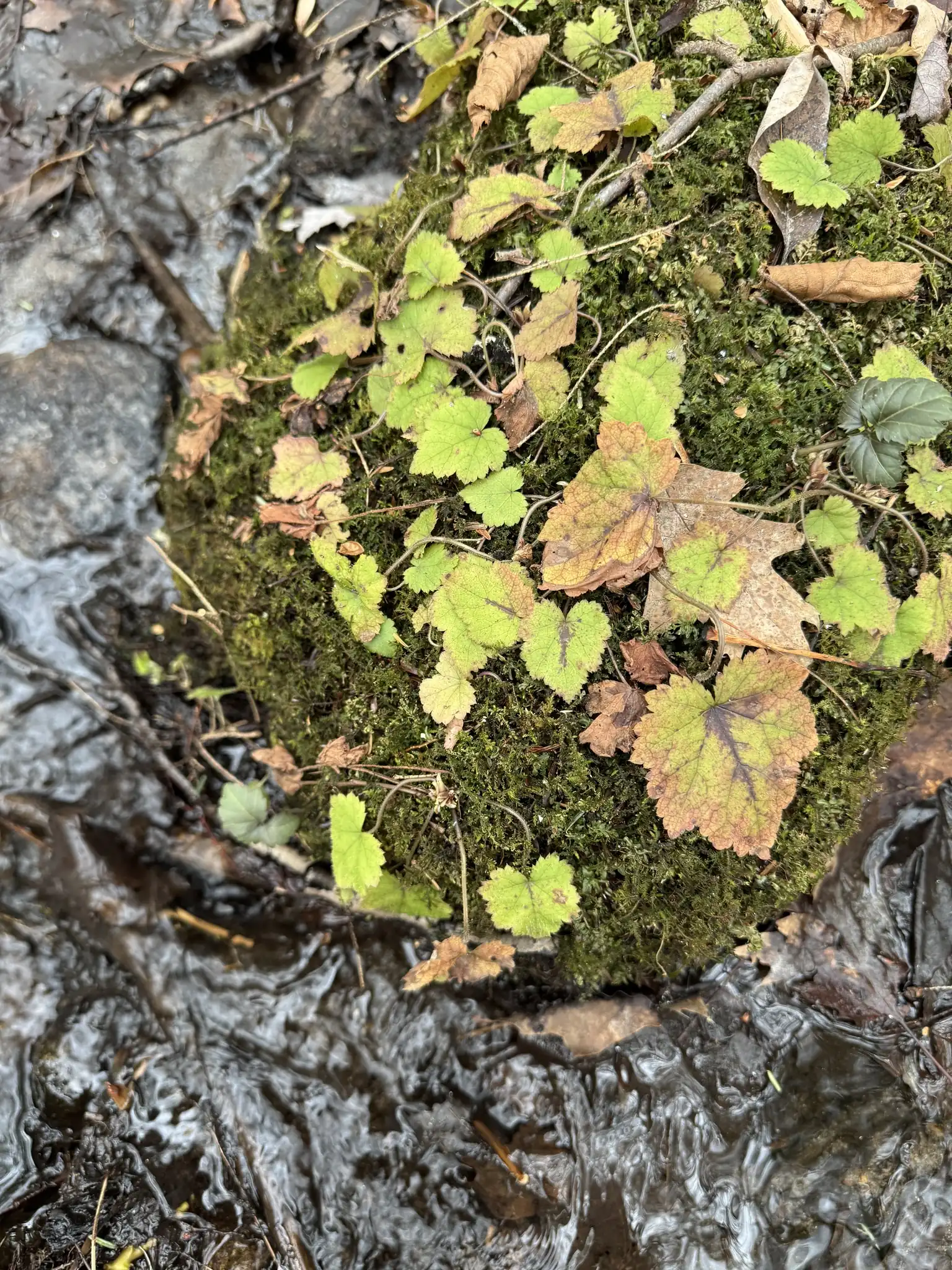
Tiarella stolonifera is a low-growing, herbaceous perennial native to rich, damp deciduous forests across eastern North America. It spreads via above-ground stolons to form a dense foliage groundcover topped with delicate floral spikes in spring.
The semi-glossy, heart-shaped leaves feature dark reddish-purple vein patterns that provide leaf contrast outside the flowering period. Airy, upright racemes hold star-shaped white to pale blush flowers with fine feathery stamens that resemble bottlebrushes.
Uses & Benefits:
Essentials
At a Glance
Plant Type
Perennial
Height
12"
Width
24"
Light
Partial Sun, Shade
Zones
4, 5, 6, 7, 8, 9
Water
Moderate to High
Humidity
High
Lifespan
Perennial
Native To
Eastern North America
Toxicity
Non-toxic
Bloom period
Spring – Early summer
In flower about 4 months of the year
Planting
How to Grow
- Select a site in partial to deep shade with humus-rich, well-draining soil.
- Work organic compost or leaf mold into the top six inches of soil prior to planting.
- Set plants so the crown sits level with the surrounding soil surface, spacing them 12 to 18 inches apart.
- Water thoroughly after planting and apply a light layer of leaf mulch to preserve soil moisture.
Pro Tip
Cut back spent flower spikes down to the leaf rosette after blooming finishes, and never cut hard into old leafless wood.
Keep It Thriving
Care Guide
Do
- Maintain consistent soil moisture throughout the hot summer months.
- Top-dress beds annually with rich organic compost.
- Divide overcrowded patches every three to four years in spring or early fall.
Don't
- Do not plant in waterlogged soil where water sits stagnant.
- Do not cut back into old leafless crown tissue.
- Do not expose plants to direct, hot afternoon sun.
Seasonal Care Calendar
| Task | Jan | Feb | Mar | Apr | May | Jun | Jul | Aug | Sep | Oct | Nov | Dec |
|---|---|---|---|---|---|---|---|---|---|---|---|---|
| Deadhead | ||||||||||||
| Divide | ||||||||||||
| Pest Check | ||||||||||||
| Spring Cleanup |
Watch Out For
Pests & Diseases
Common Pests
Common Diseases
In the Garden
Landscape Uses & Companions
Landscape Uses
Companion Plants
Multiply
Propagation Methods
Good to Know
Common Questions
Creeping Foamflower questions
What zones can Creeping Foamflower grow in?
Creeping Foamflower is hardy in USDA Zones 4–9: in that range it survives winter in the ground. Warmer than Zone 9, winter isn't the problem: it prefers colder winters, and summer heat can shorten its life.
Is Creeping Foamflower deer resistant?
Not reliably. Deer may browse Creeping Foamflower, especially tender spring growth — plan on repellents or fencing where pressure is high.
When does Creeping Foamflower bloom?
Creeping Foamflower typically blooms from early spring to early summer. Exact timing shifts a week or two with your zone — Sow's bloom calendar maps it to your garden.
Does Creeping Foamflower need full sun?
Creeping Foamflower does best in part shade.
More Tiarella to compare
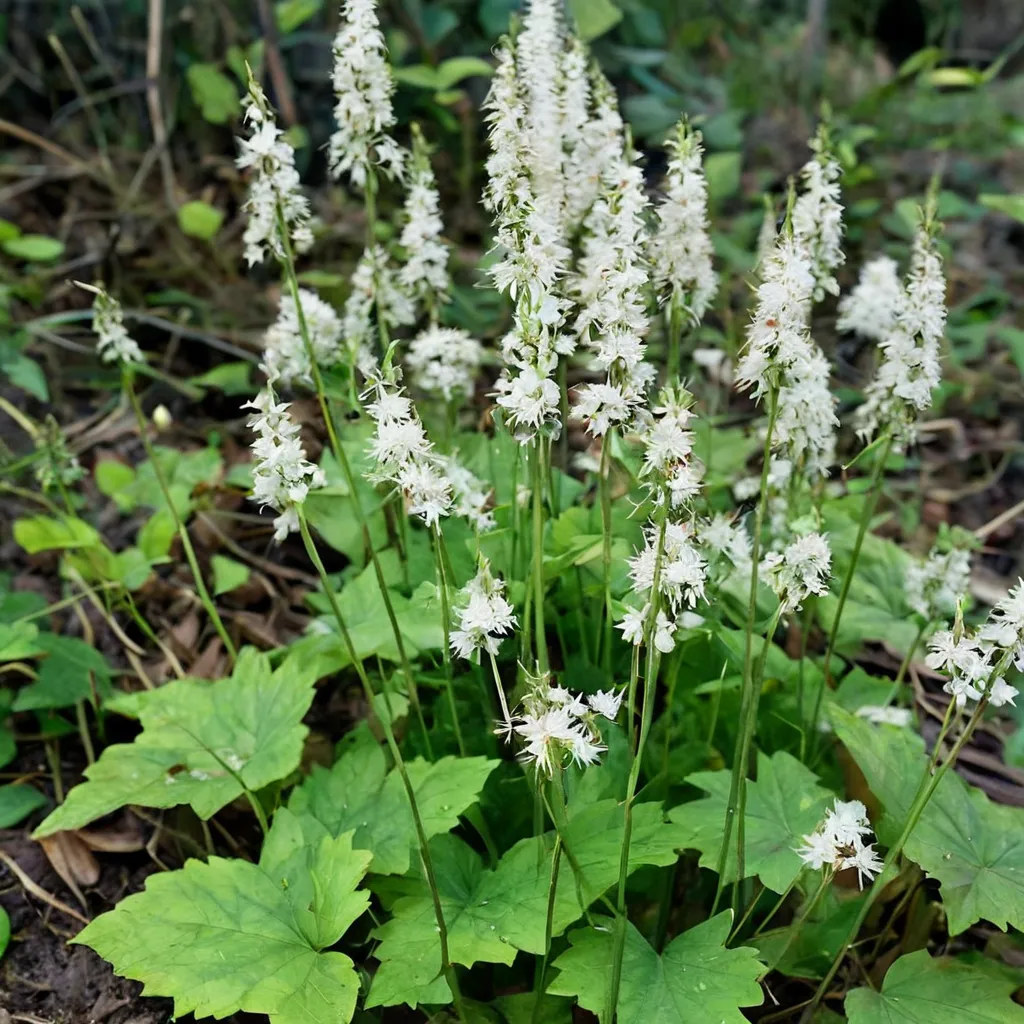
Foamflower
Tiarella cordifolia
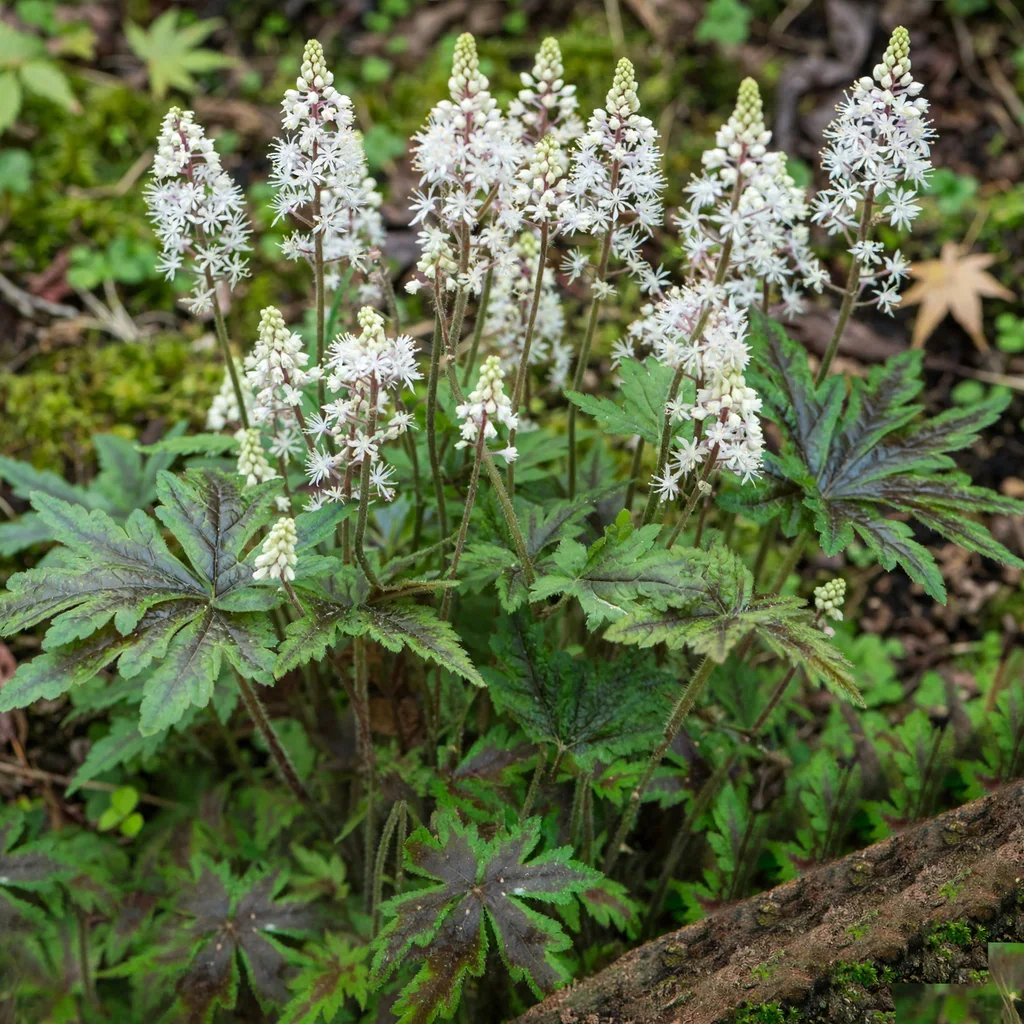
Angel Wings Foamflower
Tiarella cordifolia 'Angel Wings'
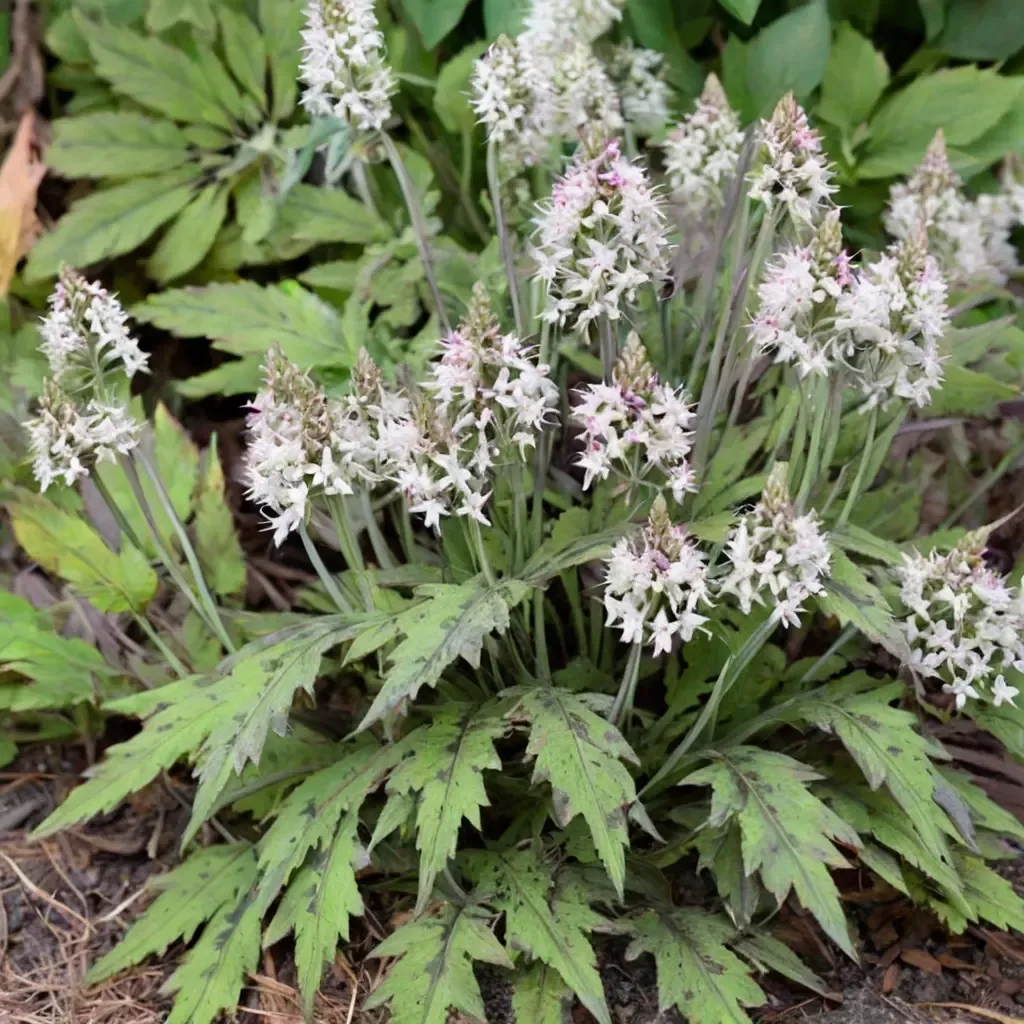
Cutting Edge Foamflower
Tiarella cordifolia 'Cutting Edge'
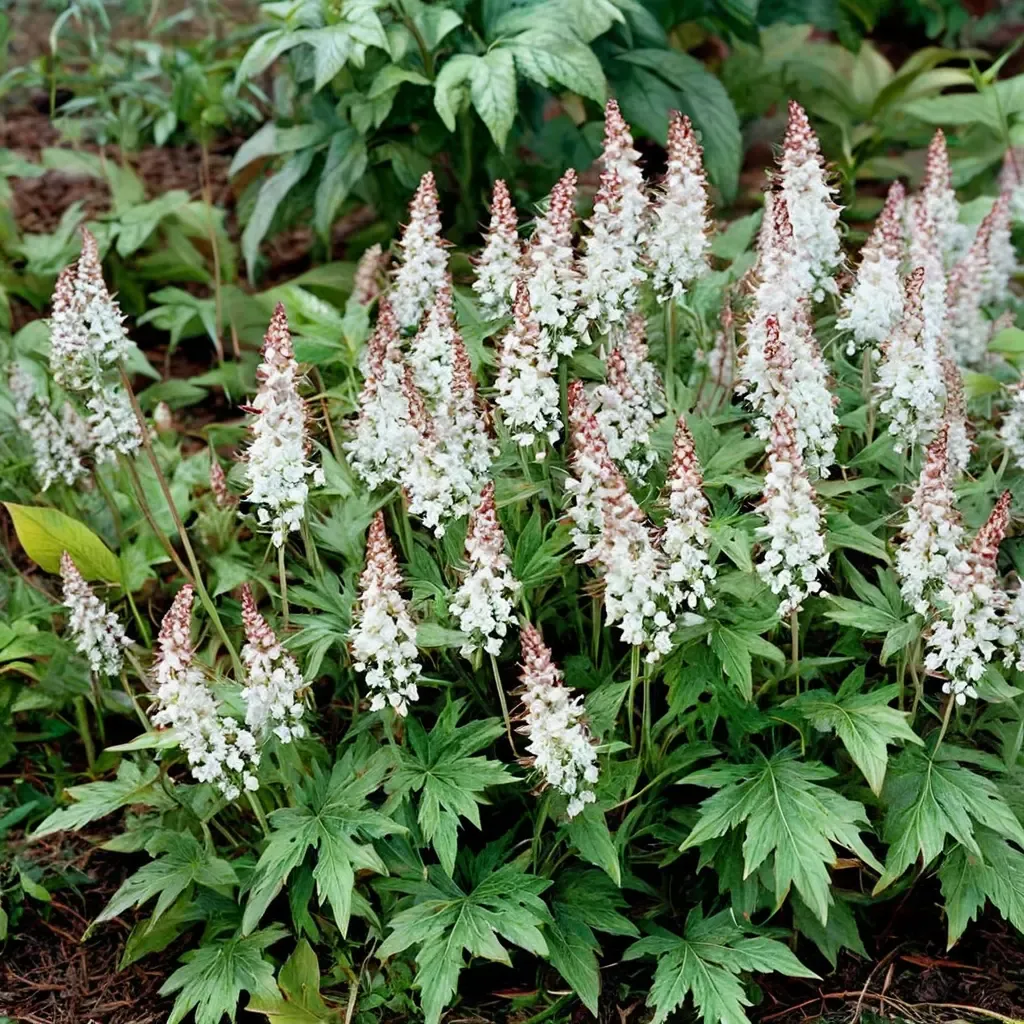
Sugar and Spice Foamflower
Tiarella wherryi 'Sugar And Spice'
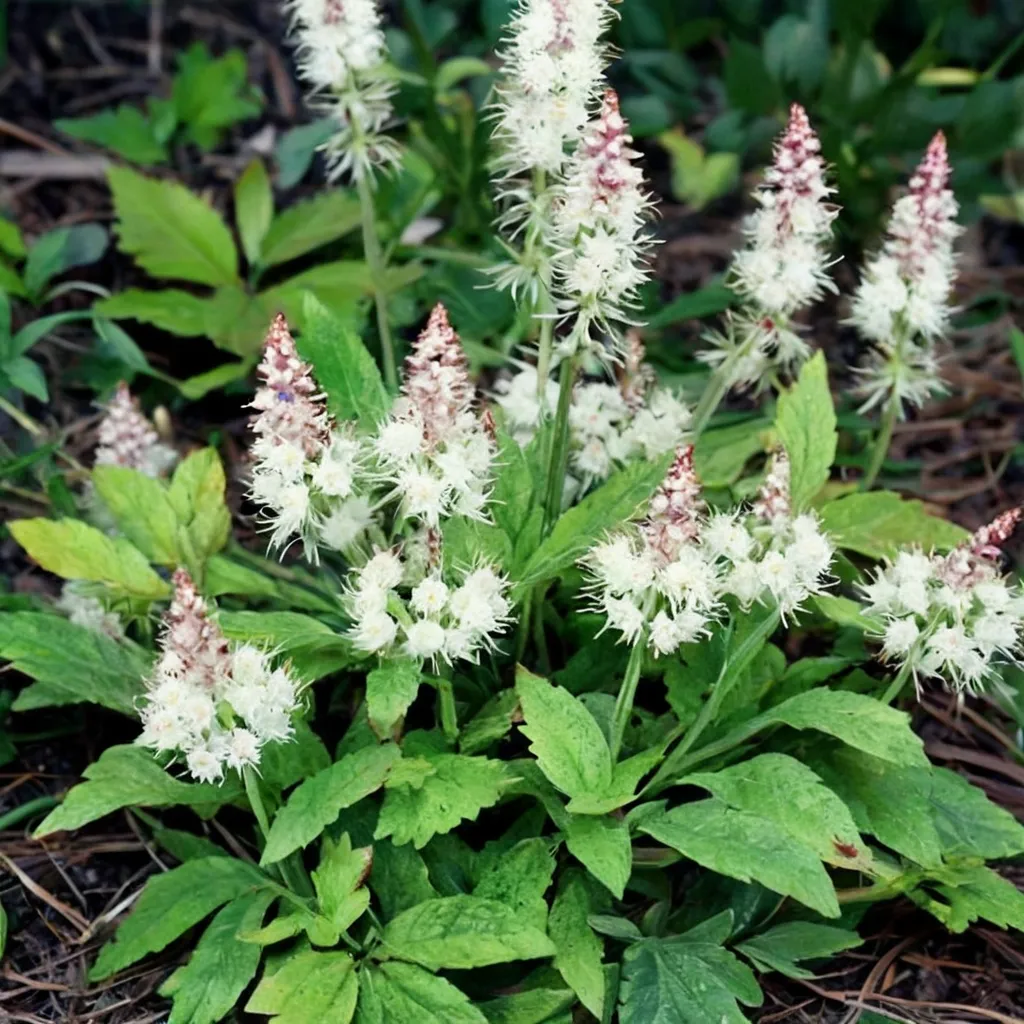
George Shenk Pink Foamflower
Tiarella cordifolia 'George Shenk Pink'
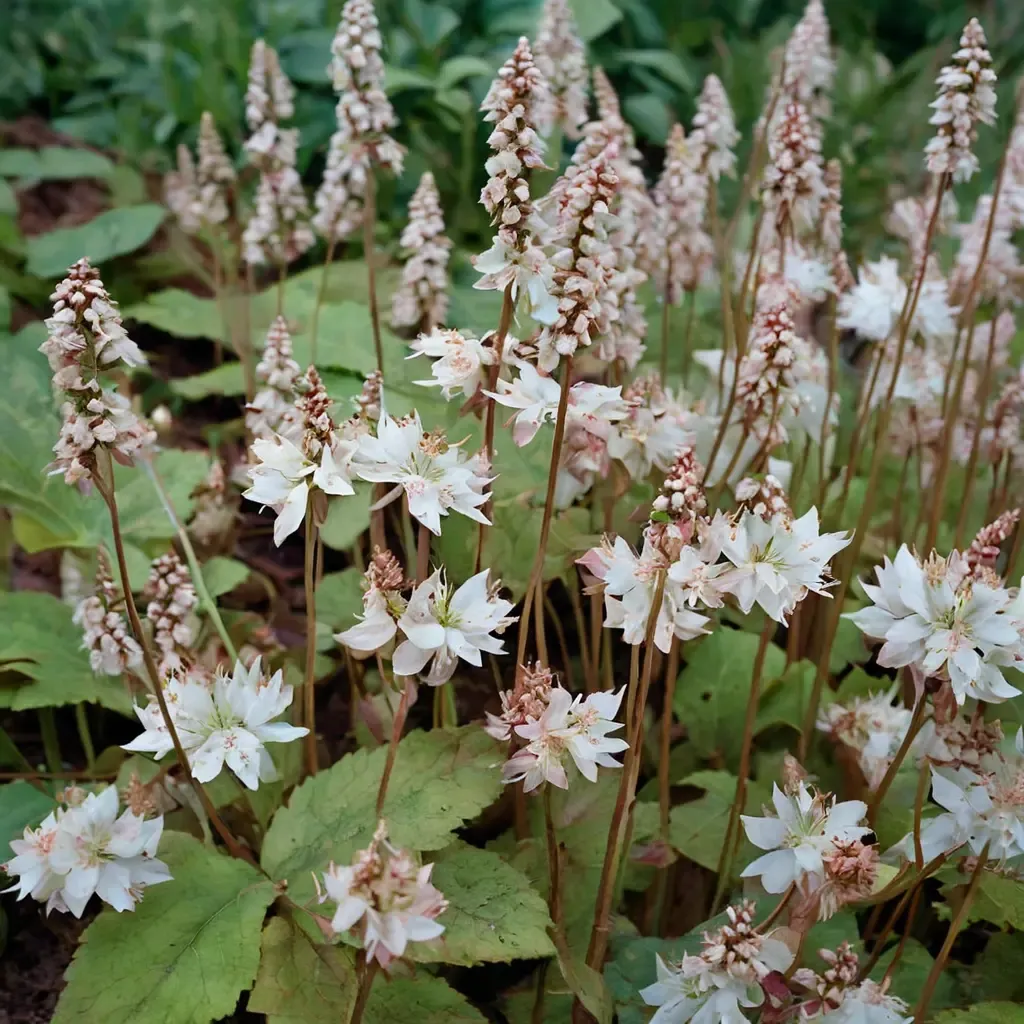
Copper King Foamflower
Tiarella wherryi 'Copper King'
Keep exploring
Explore the genus
Grow Creeping Foamflower with confidence
See it in a design of your actual yard, get zone-matched care reminders, and track it season by season in your garden journal.