The Story
Plant Bio
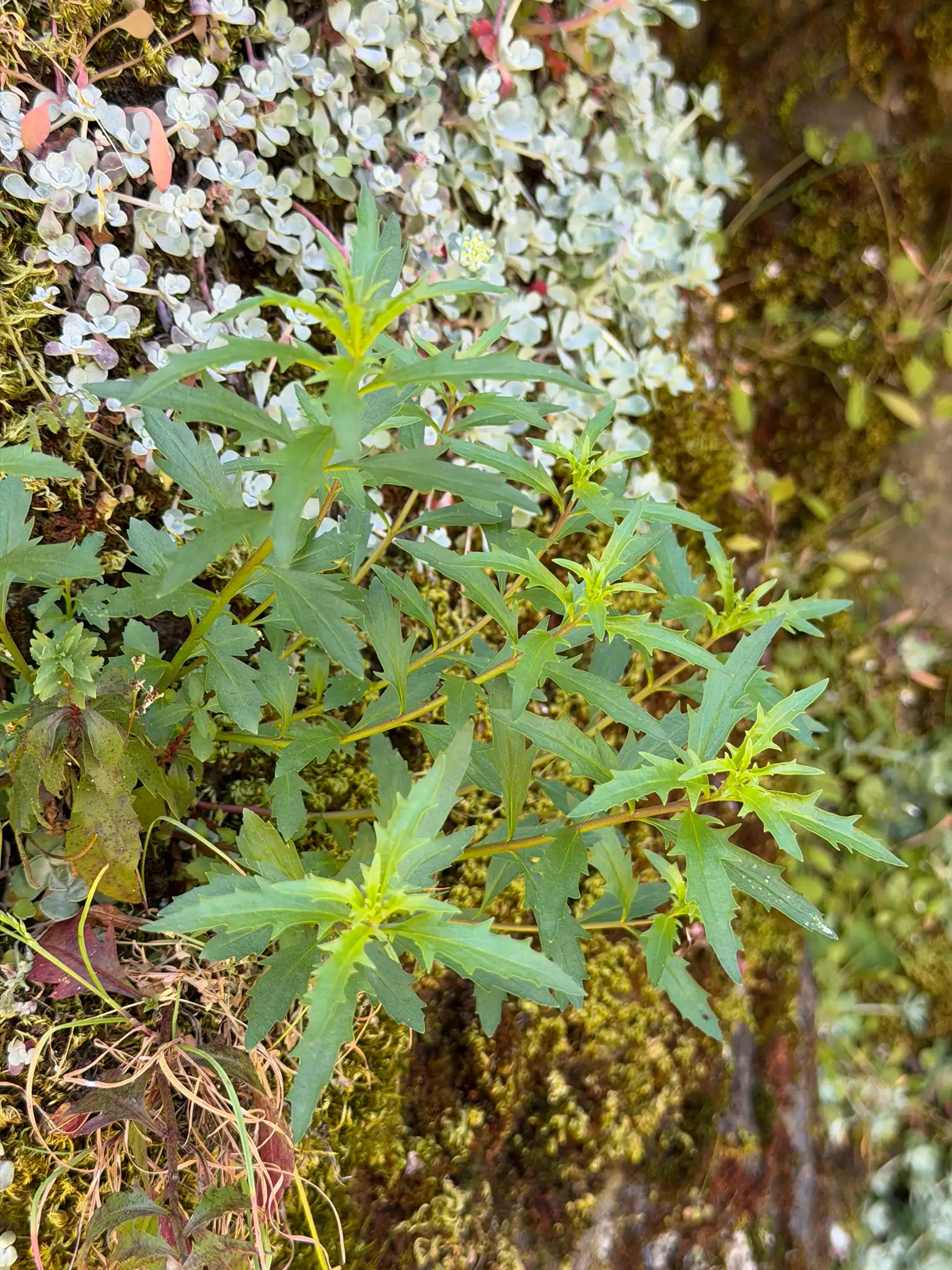
Penstemon richardsonii is a brittle-stemmed, woody-based perennial subshrub native to rocky cliffs and talus slopes across the Pacific Northwest. It forms upright to spreading clumps of deeply cut, saw-toothed foliage that flushes red in cool weather, topped by dense clusters of tubular pink to pinkish-red flowers from summer into early fall.
Unlike many soft-stemmed garden beardtongues, its sharply cut, lobed leaves and woody root crown reflect adaptation to lean, mineral-heavy soils. The throat of each flower features white nectar guide lines and a yellow-bearded staminode that attracts specialized native pollinators.
Uses & Benefits:
Essentials
At a Glance
Plant Type
Perennial
Height
36"
Width
24"
Light
Full Sun, Partial Sun
Zones
4, 5, 6, 7, 8
Water
Low
Humidity
Low
Lifespan
Perennial
Native To
North America (Pacific Northwest)
Toxicity
Non-toxic
Bloom period
Summer – Early autumn
In flower about 4 months of the year
Planting
How to Grow
- Choose a site in full sun or light afternoon shade with sharply drained, sandy or gravelly soil.
- Set the plant into a lean soil mix without organic amendments, ensuring the crown rests level with the surface.
- Water thoroughly at planting, then restrict irrigation once roots establish to prevent root decay.
- Trim spent floral racemes back after blooming to direct energy back into the root system.
Pro Tip
Never prune old woody stems down to ground level; cut back lightly above visible live buds in late winter to prevent destroying the crown.
Keep It Thriving
Care Guide
Do
- Provide gritty, fast-draining soil mixes.
- Plant in locations receiving at least six hours of direct daily sunlight.
- Deadhead spent flower spikes to encourage prolonged blooming.
Don't
- Do not apply rich organic compost or heavy nitrogen fertilizers.
- Do not overwater or plant in heavy clay soils that hold winter moisture.
- Do not cut back deeply into old, leafless woody stems.
Seasonal Care Calendar
| Task | Jan | Feb | Mar | Apr | May | Jun | Jul | Aug | Sep | Oct | Nov | Dec |
|---|---|---|---|---|---|---|---|---|---|---|---|---|
| Deadhead | ||||||||||||
| Pest Check | ||||||||||||
| Propagate | ||||||||||||
| Prune |
Watch Out For
Pests & Diseases
Common Pests
Common Diseases
In the Garden
Landscape Uses & Companions
Landscape Uses
Multiply
Propagation Methods
Good to Know
Common Questions
Cutleaf Beardtongue questions
What zones can Cutleaf Beardtongue grow in?
Cutleaf Beardtongue is hardy in USDA Zones 4–8: in that range it survives winter in the ground. Warmer than Zone 8, winter isn't the problem: it prefers colder winters, and summer heat can shorten its life.
Is Cutleaf Beardtongue deer resistant?
Not reliably. Deer may browse Cutleaf Beardtongue, especially tender spring growth — plan on repellents or fencing where pressure is high.
When does Cutleaf Beardtongue bloom?
Cutleaf Beardtongue typically blooms from early summer to early fall. Exact timing shifts a week or two with your zone — Sow's bloom calendar maps it to your garden.
Does Cutleaf Beardtongue need full sun?
Cutleaf Beardtongue does best in full sun to part shade. In hot climates, afternoon shade keeps blooms fresher longer.
Is Cutleaf Beardtongue drought tolerant?
Yes — once established (usually after the first full season), Cutleaf Beardtongue handles dry spells with minimal watering. Water deeply its first year to build the root system that makes that possible.
More Penstemon to compare
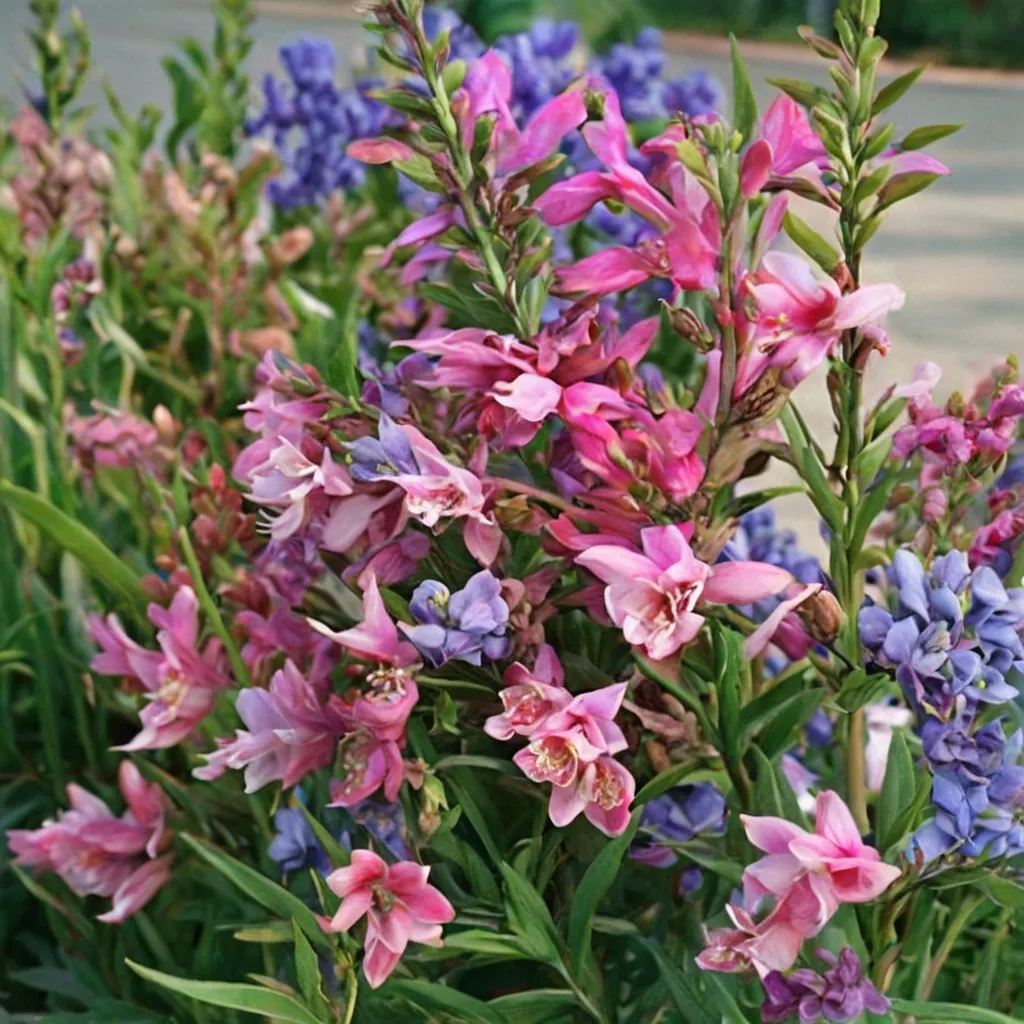
Beardtongue Rondo
Penstemon barbatus 'Rondo'
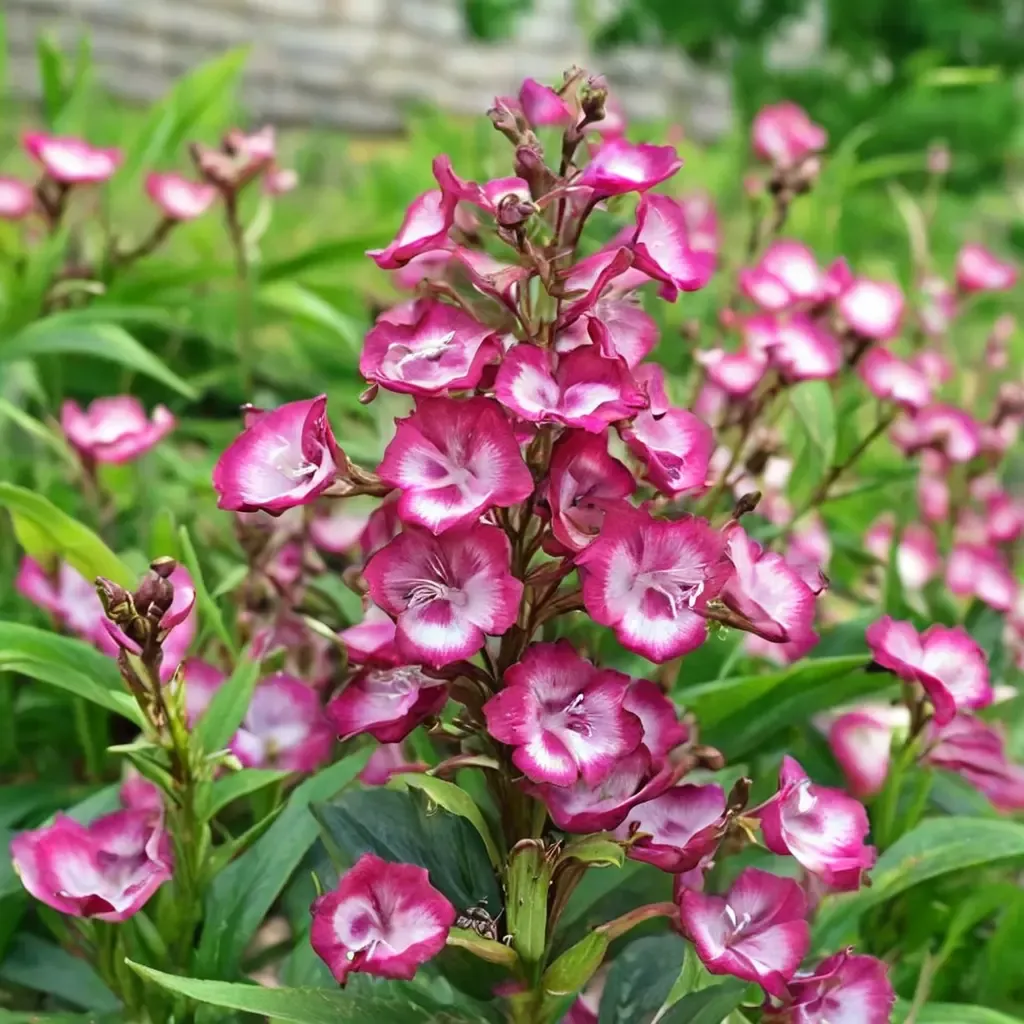
George Home Penstemon
Penstemon digitalis 'George Home'
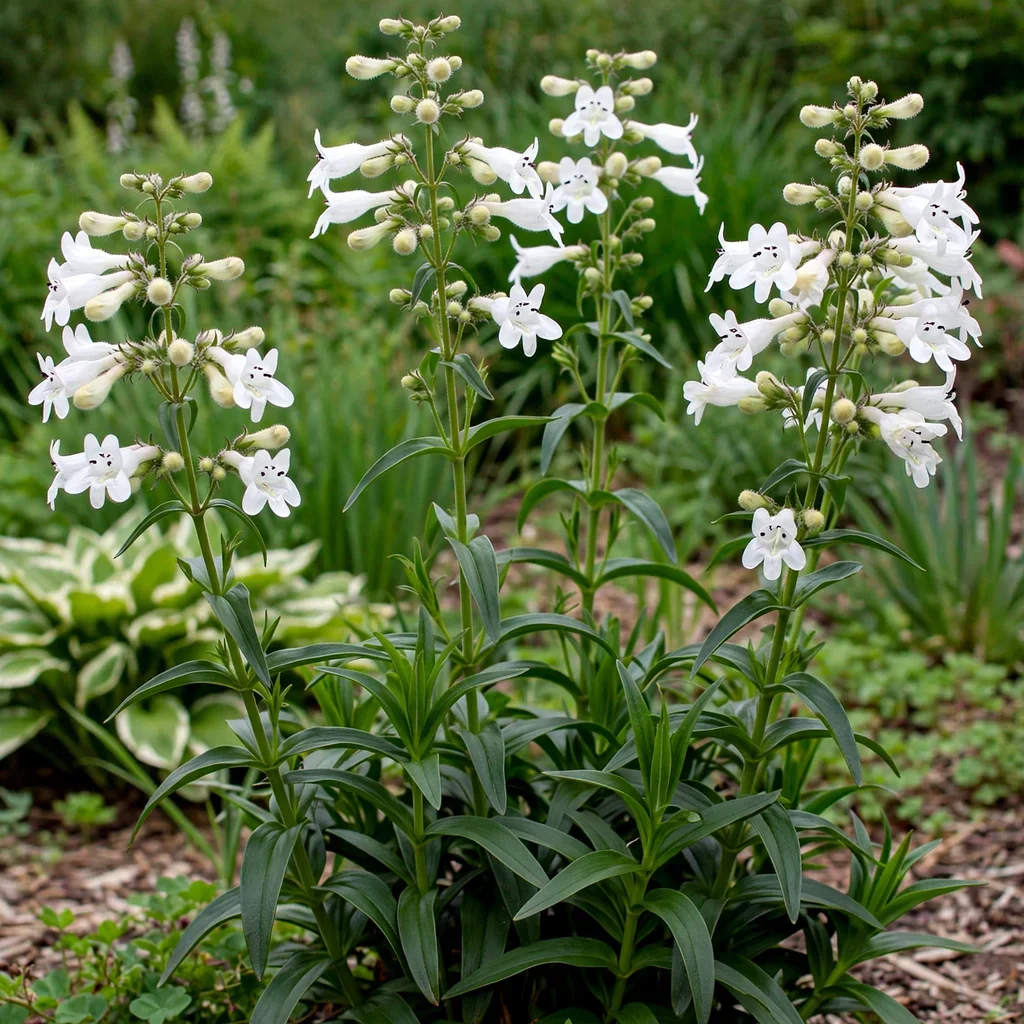
Foxglove Beardtongue
Penstemon digitalis
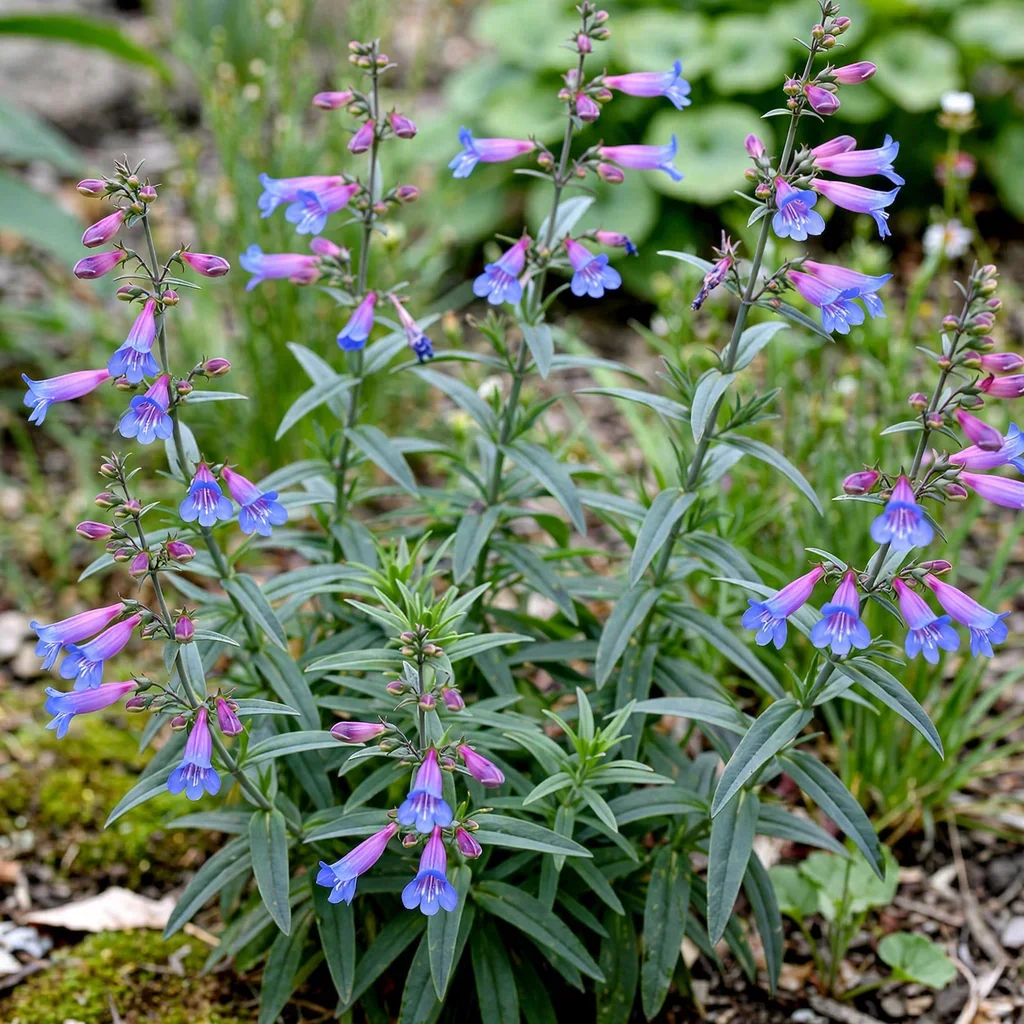
Blue Springs Penstemon
Penstemon heterophyllus 'Blue Springs'
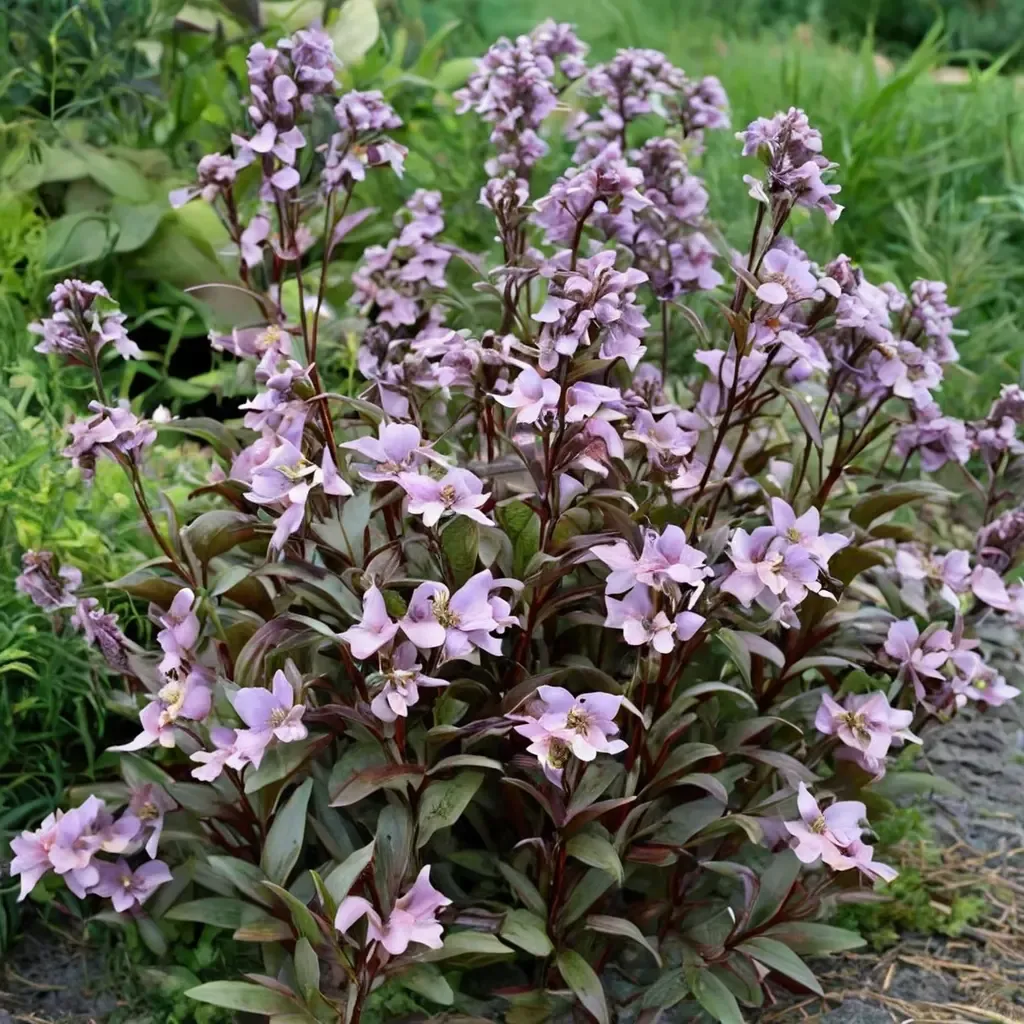
Blackbeard Beardtongue
Penstemon digitalis 'Blackbeard'
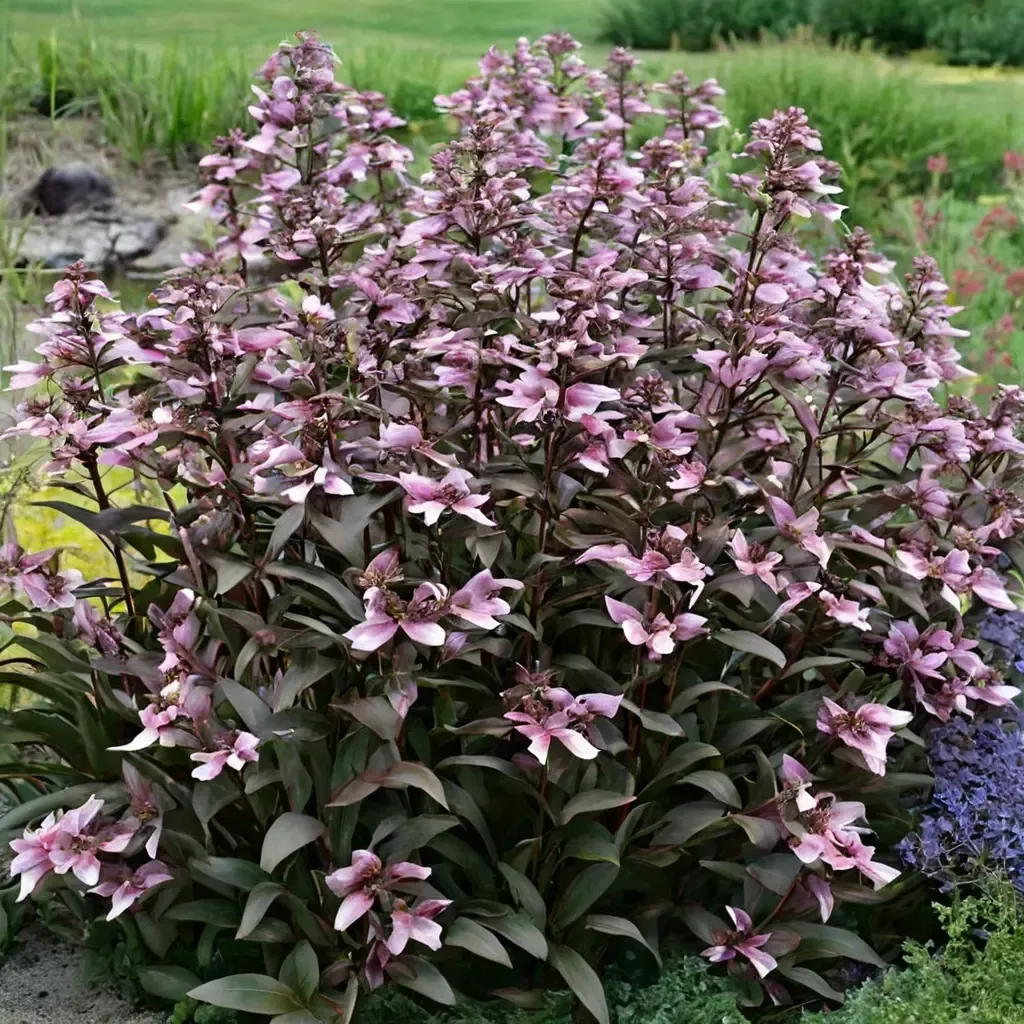
Dark Towers Penstemon
Penstemon digitalis 'Dark Towers'
Keep exploring
Explore the genus
Hardy in your zone?
Grow Cutleaf Beardtongue with confidence
See it in a design of your actual yard, get zone-matched care reminders, and track it season by season in your garden journal.