
The Story
Plant Bio
Betula pumila, commonly known as bog birch, is a deciduous multi-stemmed shrub native to wet boreal and northern temperate regions of North America. It forms an erect to spreading habit with dark, hairy or glandular twigs and small, rounded to obovate leaves with coarsely serrated edges.
As an obligate wetland species, this hardy dwarf birch thrives in continuously saturated soils, including acidic peaty bogs and high-pH calcareous fens. In spring, it produces separate male and female catkins on the same plant alongside fresh green foliage that is lighter or whitish underneath.
Uses & Benefits:
Essentials
At a Glance
Plant Type
Shrub
Height
120"
Width
72"
Light
Full Sun, Partial Sun
Zones
4, 5, 6, 7
Water
High (consistently wet)
Humidity
High
Lifespan
Perennial
Native To
North America
Toxicity
Non-toxic
Bloom period
Spring – Late spring
In flower about 3 months of the year
Planting
How to Grow
- Select a site in full sun or partial shade with consistently wet, organic, or peaty soil.
- Dig a hole matching the depth of the root ball and twice as wide, keeping root disturbance to a minimum.
- Position the plant so the crown rests level with the surrounding saturated soil line.
- Backfill with soil rich in organic matter and water thoroughly to settle roots without compacting air pockets.
Pro Tip
Plant in permanently wet, organic soil or along saturated pond margins, as allowing the root zone to dry out causes leaf scorching and severe stem dieback.
Keep It Thriving
Care Guide
Do
- Keep soil continuously wet or saturated at all times.
- Plant in organic, peaty, or mucky soils near pond margins or bog beds.
- Prune sparingly, removing only dead or damaged branches.
Don't
- Do not allow the soil to dry out or plant in well-drained garden loams.
- Do not apply heavy chemical fertilizers.
- Do not hard-prune into mature woody stems unless clearing dead wood.
Seasonal Care Calendar
| Task | Jan | Feb | Mar | Apr | May | Jun | Jul | Aug | Sep | Oct | Nov | Dec |
|---|---|---|---|---|---|---|---|---|---|---|---|---|
| Mulch | ||||||||||||
| Pest Check | ||||||||||||
| Spring Cleanup | ||||||||||||
| Winter Prep |
Watch Out For
Pests & Diseases
Common Pests
Common Diseases
In the Garden
Landscape Uses & Companions
Landscape Uses
Companion Plants
Multiply
Propagation Methods
Good to Know
Common Questions
Bog Birch questions
What zones can Bog Birch grow in?
Bog Birch is hardy in USDA Zones 4–7. Inside that range it survives winter in the ground; outside it, grow it as an annual or a container plant you protect.
Is Bog Birch deer resistant?
Not reliably. Deer may browse Bog Birch, especially tender spring growth — plan on repellents or fencing where pressure is high.
When does Bog Birch bloom?
Bog Birch typically blooms in spring through late spring. Exact timing shifts a week or two with your zone — Sow's bloom calendar maps it to your garden.
Does Bog Birch need full sun?
Bog Birch does best in full sun to part shade. In hot climates, afternoon shade keeps blooms fresher longer.
More Betula to compare
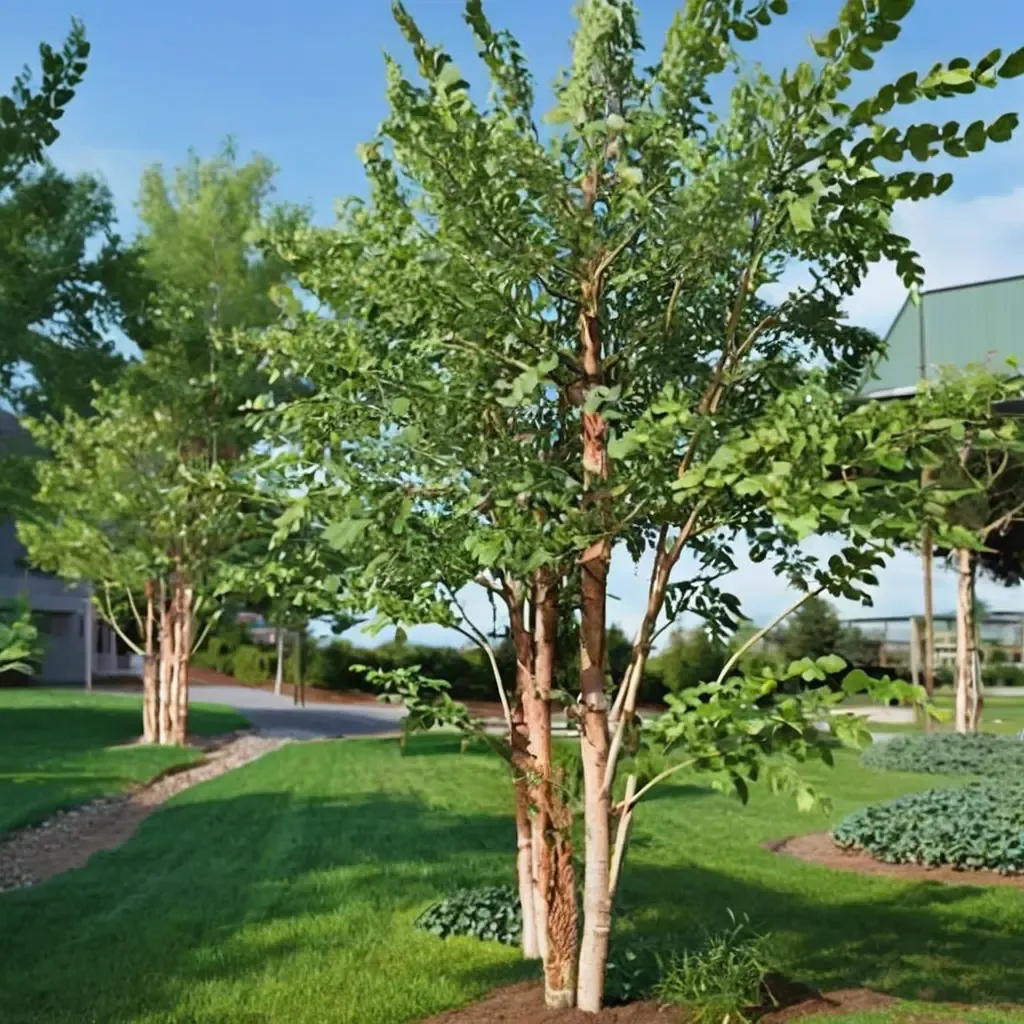
River Birch
Betula nigra
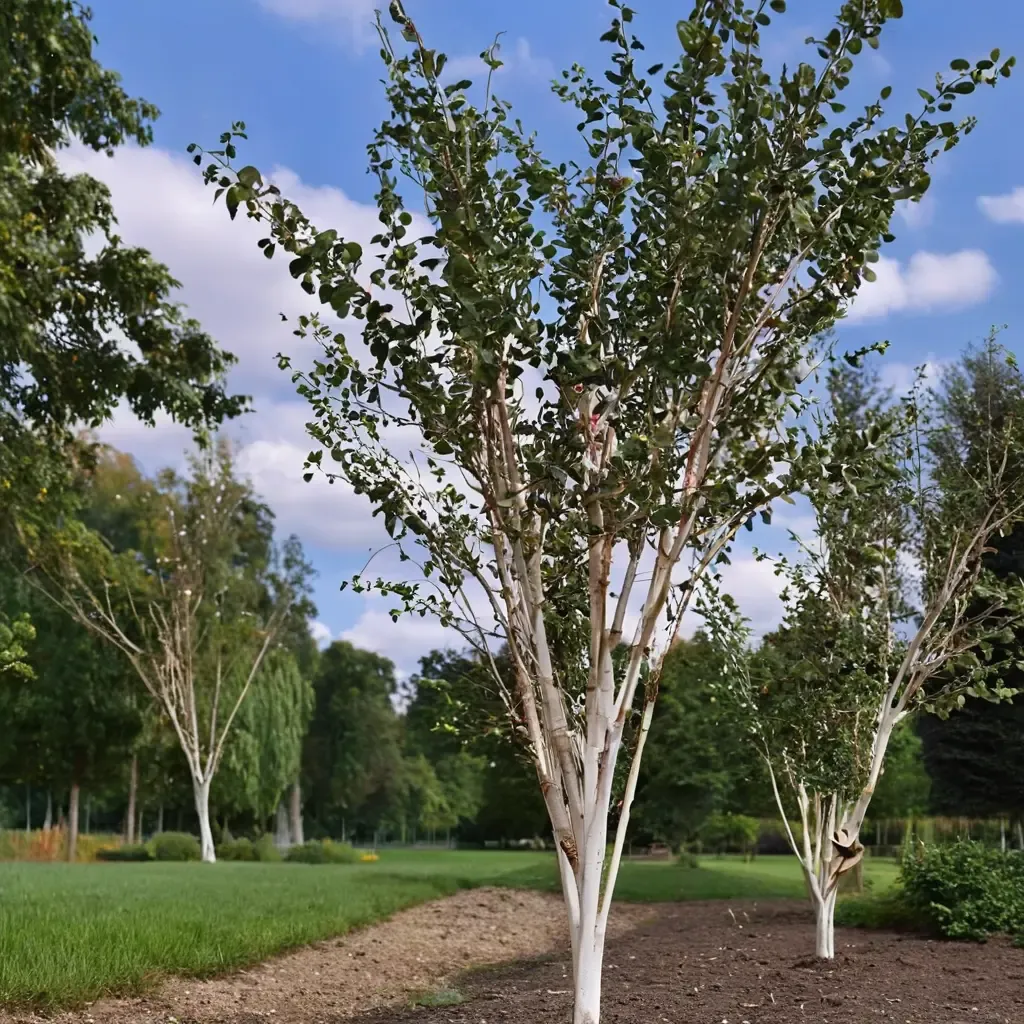
Himalayan Birch
Betula utilis
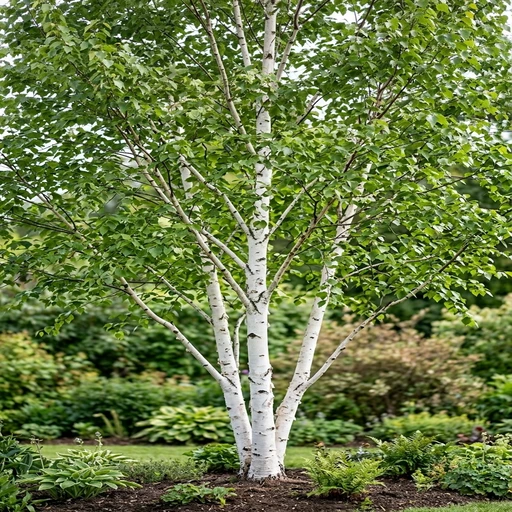
Paper Birch
Betula papyrifera
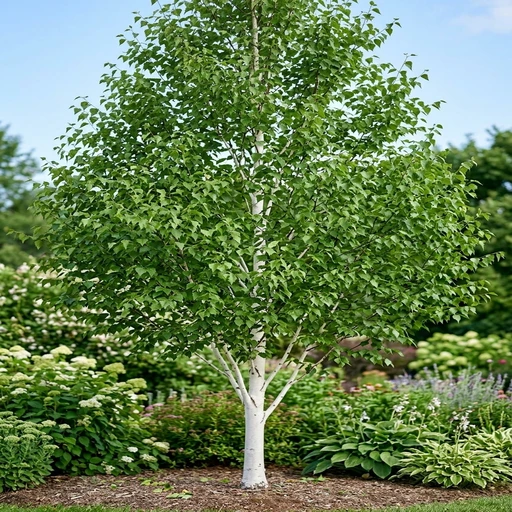
Whitespire Birch
Betula platyphylla 'Whitespire'
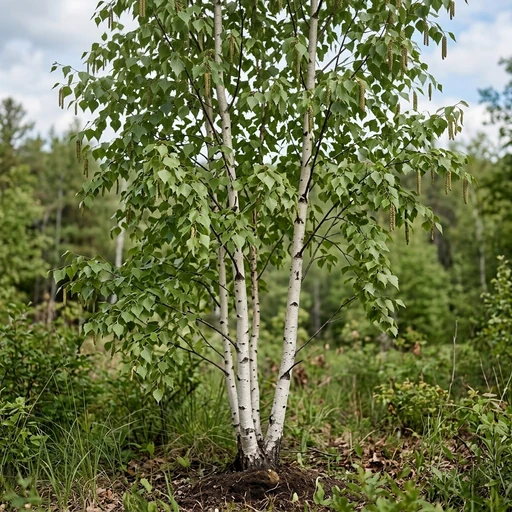
Gray Birch
Betula populifolia
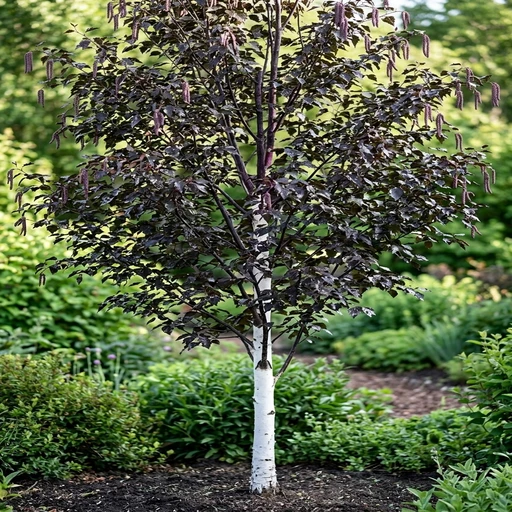
Birch
Betula x hybrida 'Royal Frost'
Keep exploring
Explore the genus
Hardy in your zone?
Grow Bog Birch with confidence
See it in a design of your actual yard, get zone-matched care reminders, and track it season by season in your garden journal.