The Story
Plant Bio
Ruellia are soft-stemmed evergreen subshrubs and perennials with opposite leaves and tubular funnel flowers borne singly in the leaf axils. Each thin-textured flower lasts a day or two, with new buds opening in succession to extend the display.
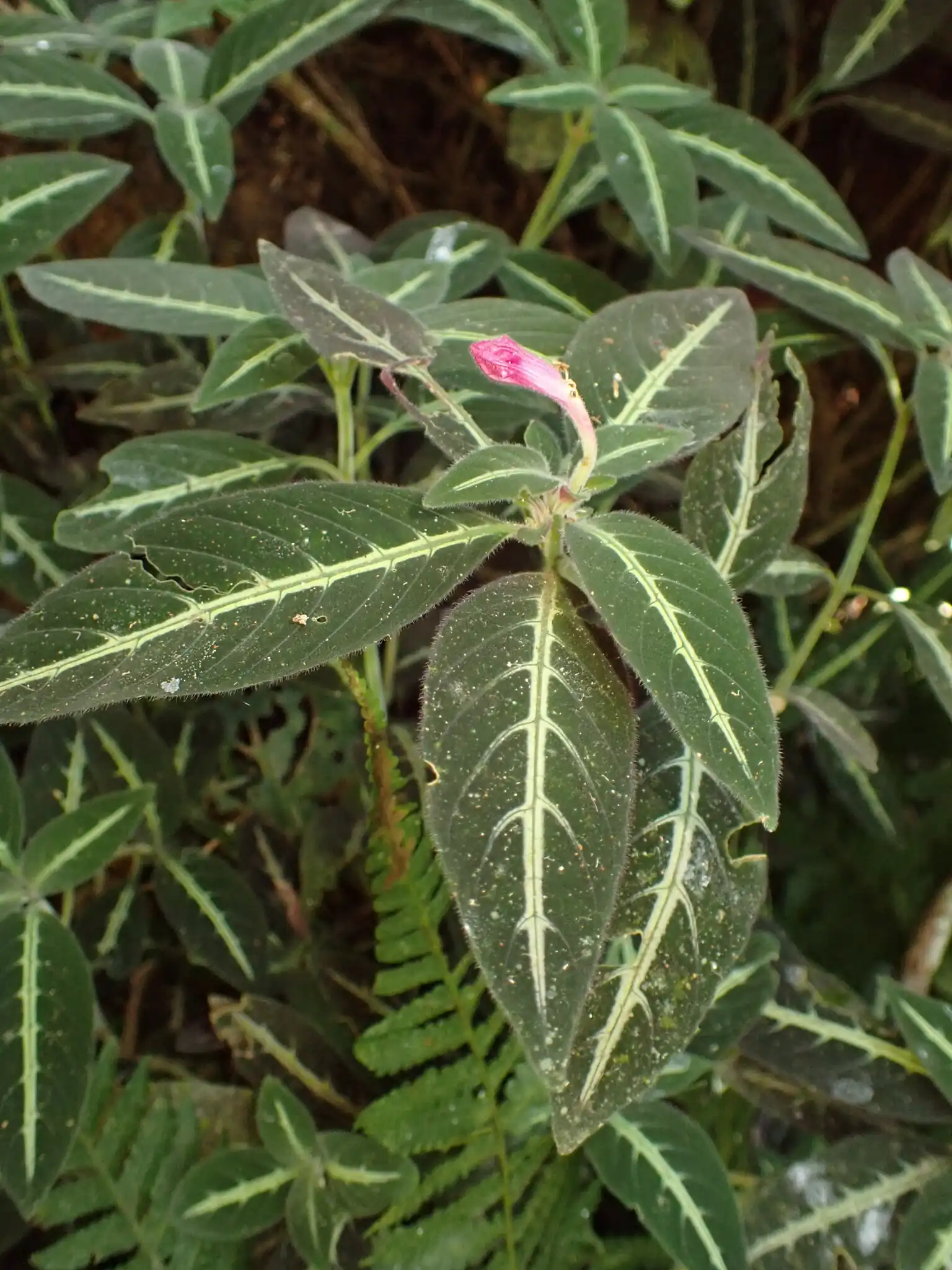
Ruellia makoyana grows as a compact bushy-trailing mound to two feet, with oval velvety leaves that are dark green with silver-white veins above and violet-purple beneath. Its solitary two-inch trumpets open pink to magenta-purple from summer into fall, held just above the foliage.
Uses & Benefits:
Essentials
At a Glance
Plant Type
Tropical
Height
24"
Width
18"
Light
Partial Sun, Shade
Zones
10
Water
Evenly moist
Humidity
High
Lifespan
Evergreen perennial
Native To
Southeastern Brazil
Toxicity
Non-toxic
Bloom period
Summer – Fall
In flower about 6 months of the year
Planting
How to Grow
- Grow in bright indirect light or part shade in a warm room or conservatory above 55F; move outside to sheltered shade only after nights stay above 50F.
- Pot in rich, humusy sandy loam to clay loam that drains freely yet holds moisture, mildly acid to mildly alkaline.
- Water freely in summer to keep the mix evenly moist, then water moderately in winter and maintain high humidity around the leaves.
- Feed monthly in spring and summer with a balanced liquid fertilizer; feed sparingly or not at all in winter.
- Bring indoors well before first fall frost; it is hardy outdoors only in zones 10-11.
Pro Tip
Pinch shoot tips after flowering to force branching, and keep the mix evenly moist but never saturated to protect the fine roots from rot.
Keep It Thriving
Care Guide
Do
- Give bright shade to part shade with shelter and high humidity
- Keep the mix evenly moist in active growth
- Pinch or lightly prune after flowering to keep plants dense
- Repot in fresh enriched mix when roots fill the pot
Don't
- Do not expose to freezing temperatures
- Do not let pots sit in water or stay soggy
- Do not cut hard into old bare wood
- Do not let plants dry out completely
Seasonal Care Calendar
| Task | Jan | Feb | Mar | Apr | May | Jun | Jul | Aug | Sep | Oct | Nov | Dec |
|---|---|---|---|---|---|---|---|---|---|---|---|---|
| Fertilize | ||||||||||||
| Pest Check | ||||||||||||
| Propagate | ||||||||||||
| Prune | ||||||||||||
| Winter Prep |
Watch Out For
Pests & Diseases
Common Pests
Common Diseases
In the Garden
Landscape Uses & Companions
Landscape Uses
Companion Plants
Multiply
Propagation Methods
Good to Know
Common Questions
Monkey Plant questions
What zones can Monkey Plant grow in?
Monkey Plant is hardy in USDA Zone 10: in that range it survives winter in the ground. Colder than Zone 10, grow it in a container you can move to shelter for the winter, or as an annual.
When does Monkey Plant bloom?
Monkey Plant typically blooms from summer to fall. Exact timing shifts a week or two with your zone — Sow's bloom calendar maps it to your garden.
Does Monkey Plant need full sun?
Monkey Plant does best in part shade.
More Ruellia to compare
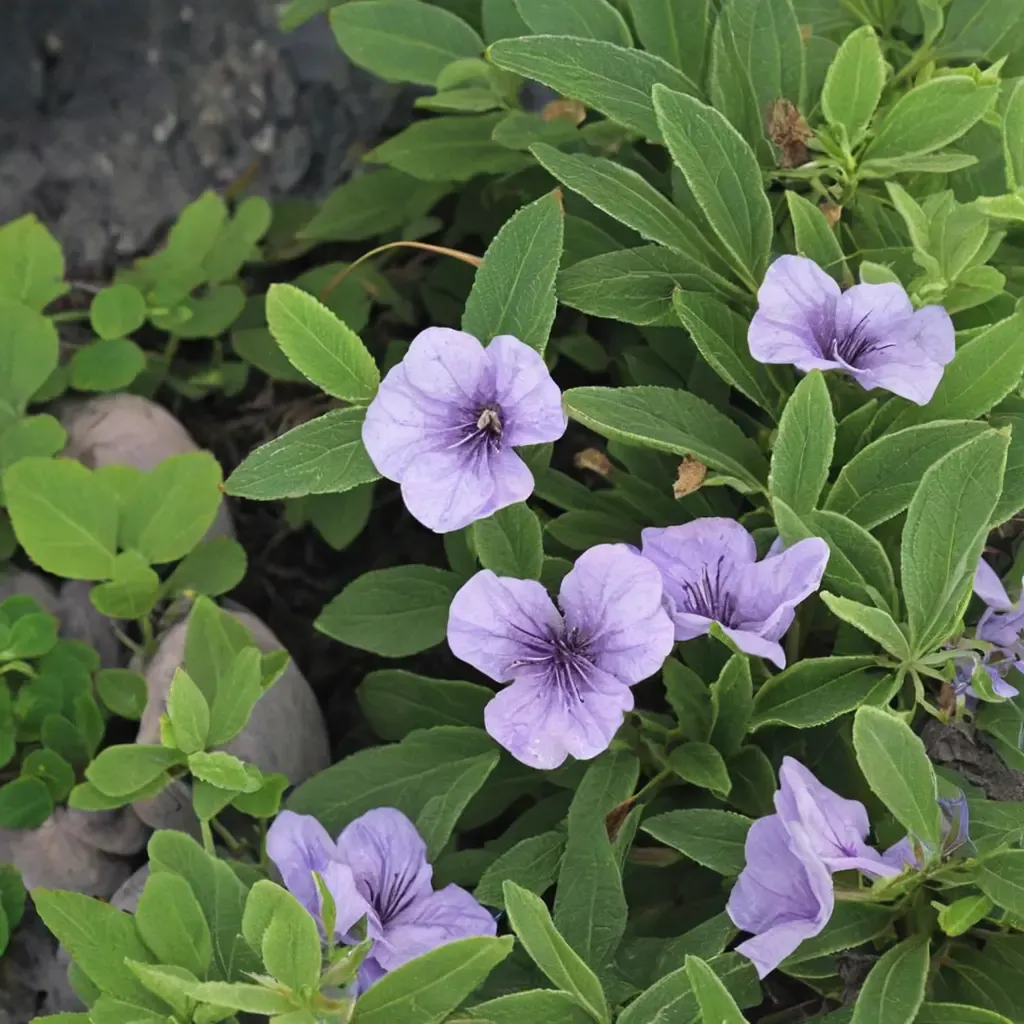
Wild Petunia
Ruellia humilis
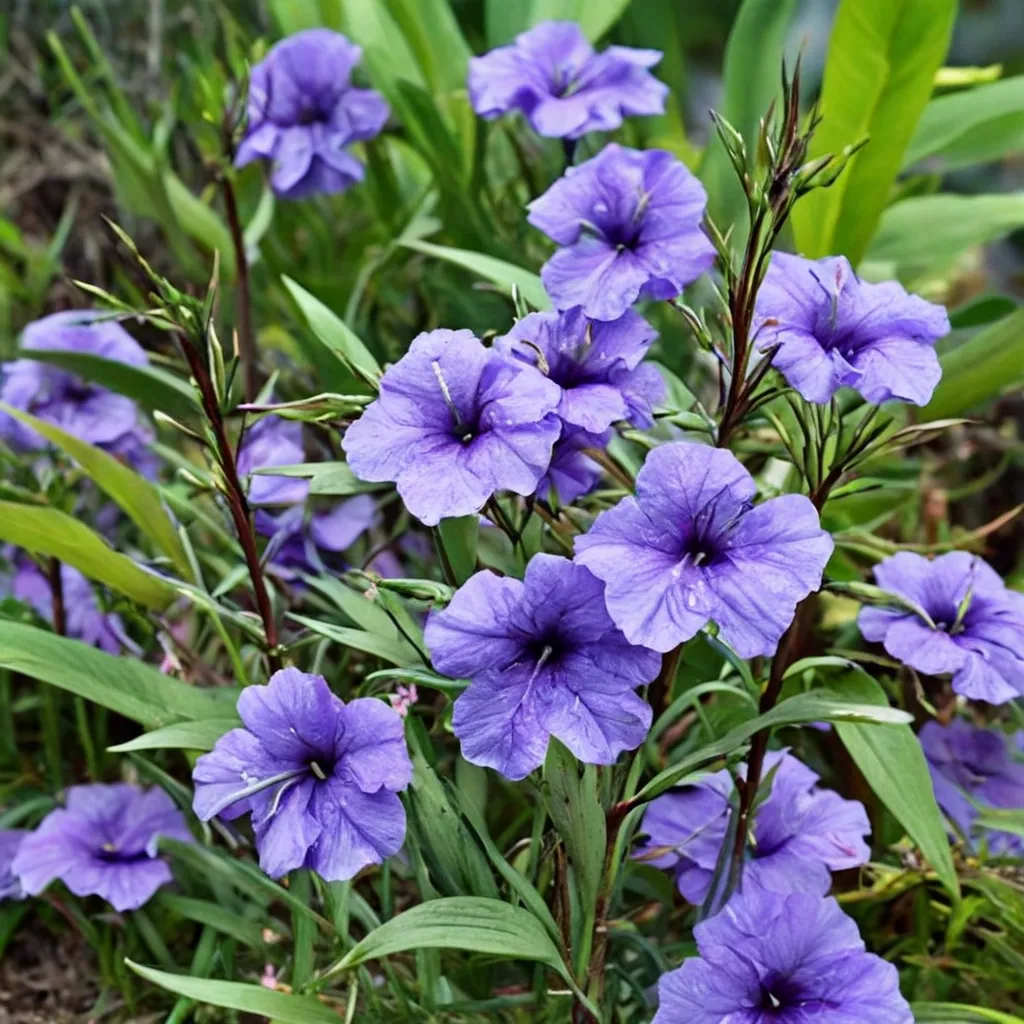
Tall Purple Ruellia
Ruellia brittoniana 'Tall Purple Form'
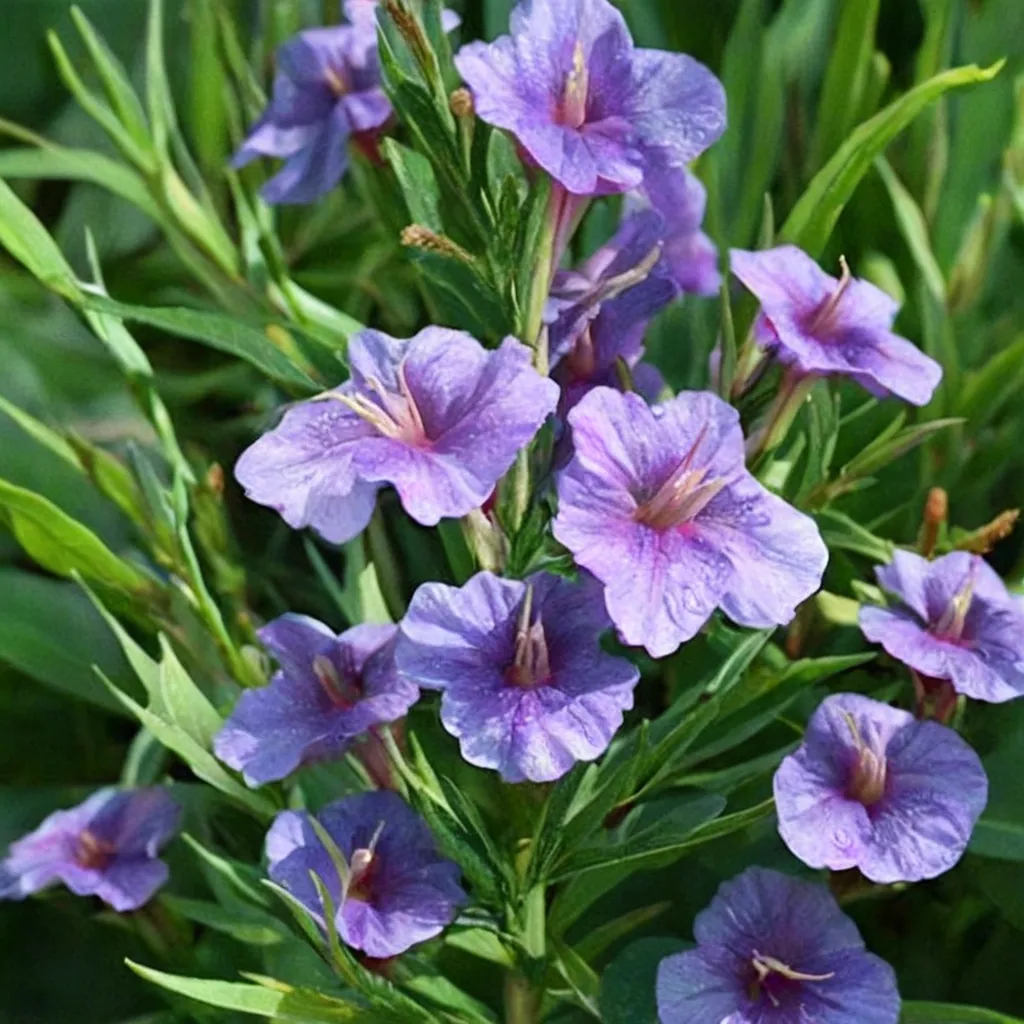
Ruellia Strawberries and Cream
Ruellia brittoniana 'Strawberries and Cream'
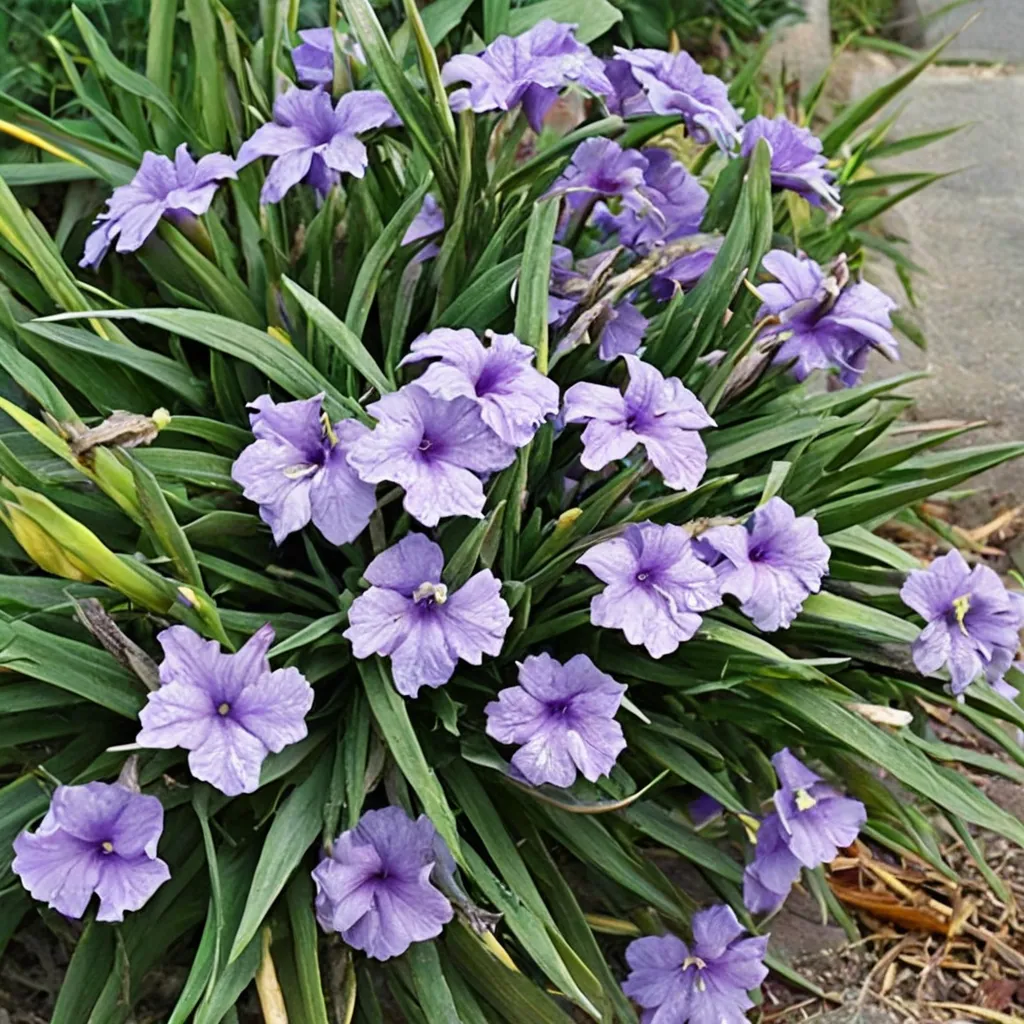
Katie Ruellia
Ruellia brittoniana 'Katie'
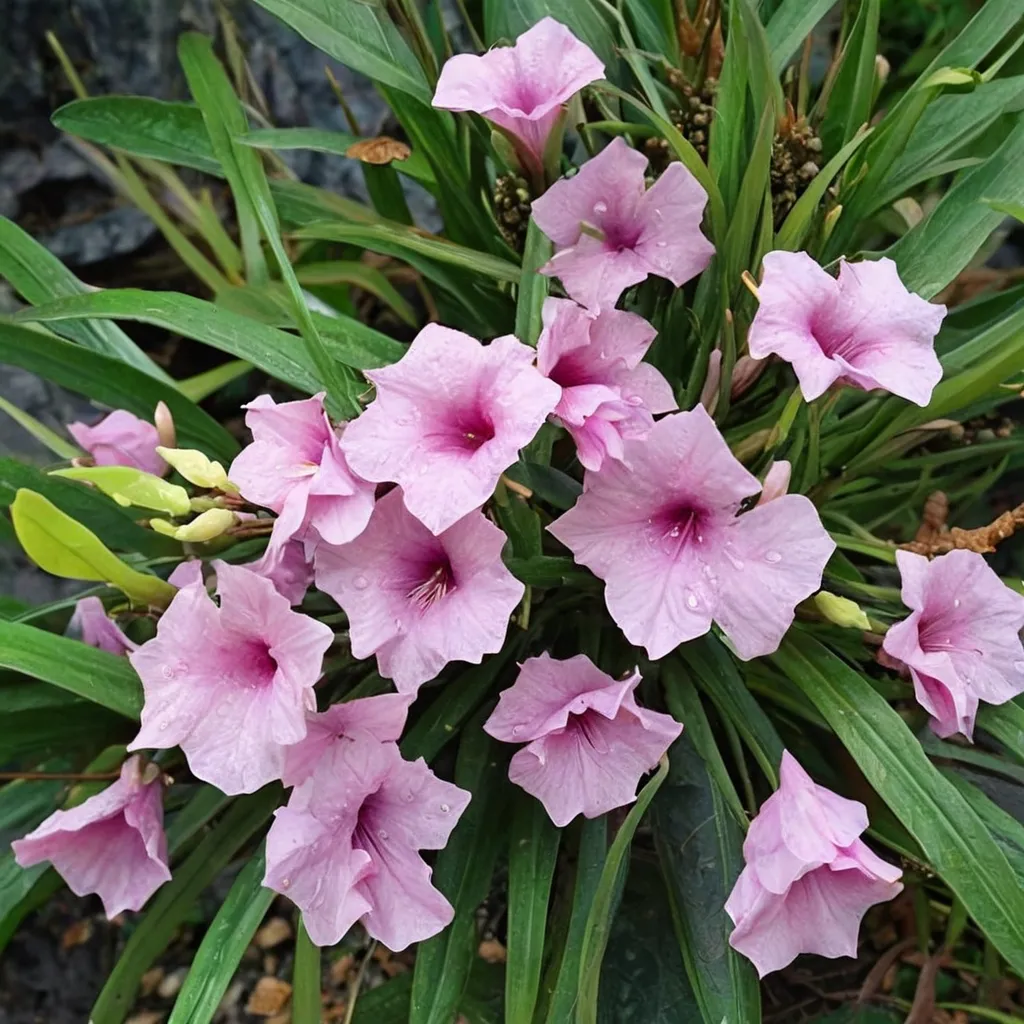
Pink Mexican Petunia
Ruellia brittoniana 'Colobe Pink'
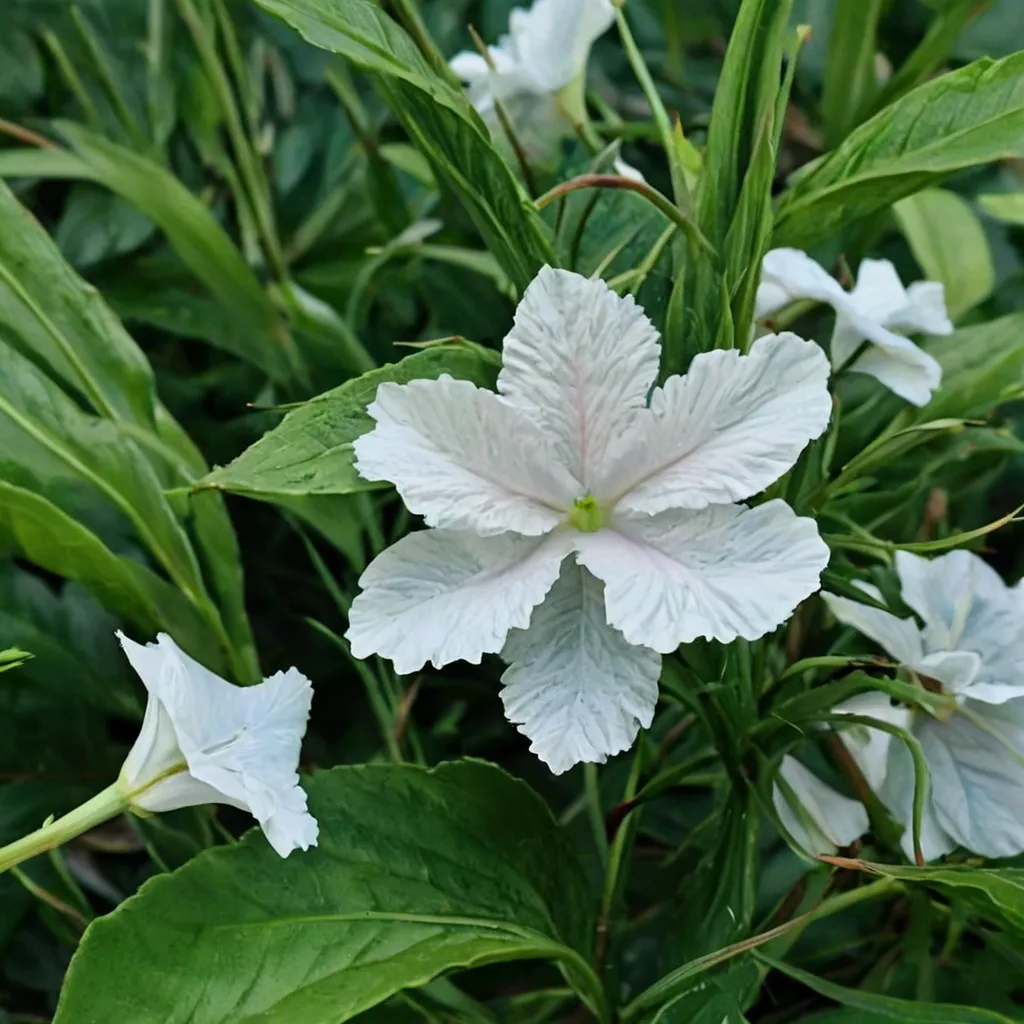
White Wild Petunia
Ruellia malacosperma 'White Flower Form'
Keep exploring
Explore the genus
Hardy in your zone?
Grow Monkey Plant with confidence
See it in a design of your actual yard, get zone-matched care reminders, and track it season by season in your garden journal.