The Story
Plant Bio
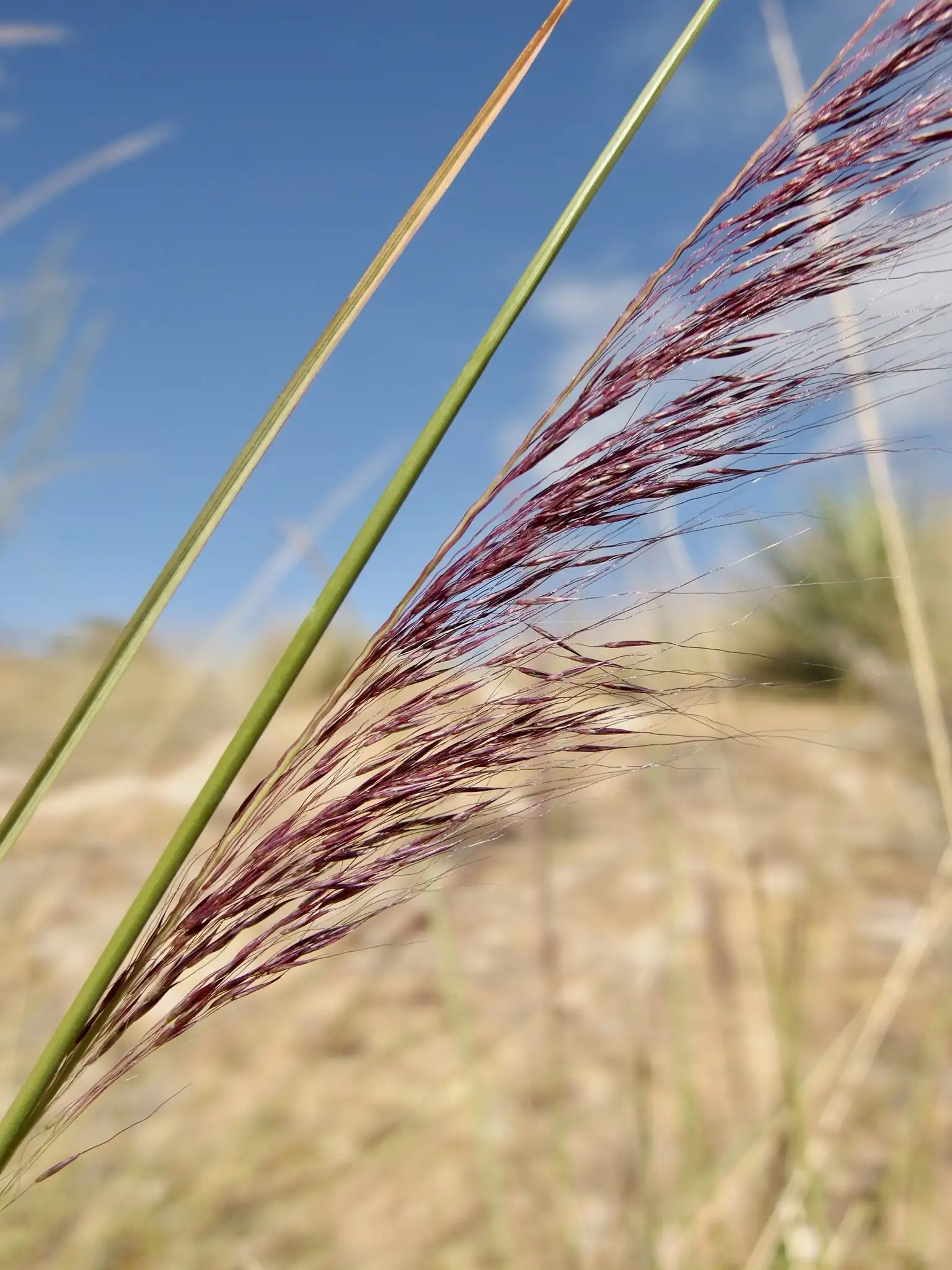
Muhlenbergia rigida is a densely tufted warm-season grass that forms an erect mound 2 to 3 feet tall and wide, with narrow stiff green leaves crowded at the base among persistent old sheaths. In late summer stems rise above the foliage bearing loose open panicles 6 to 12 inches long that open dark purple and dry to wheat-tan.
It stays smaller and more upright than pink muhly and deer grass, the two grasses it is most often confused with, and its foliage takes on purple tones in full sun. The narrow-based panicle holds its purple to brown-purple color best in sun and lean, well-drained soil, and its seed feeds granivorous birds and small mammals.
Uses & Benefits:
Essentials
At a Glance
Plant Type
Grass
Height
36"
Width
36"
Light
Full Sun, Partial Sun
Zones
6, 7, 8, 9, 10
Water
Low to moderate
Humidity
Unknown
Lifespan
Perennial
Native To
Southwestern USA to South America
Toxicity
Unknown
Bloom period
Late summer – Fall
In flower about 4 months of the year
Planting
How to Grow
- Plant in full sun in rocky, gravelly, sandy or loam soil with sharp drainage.
- Set the crown at soil level and water in deep, then water regularly until rooted.
- Cut back to low summer water once established; it tolerates drought and dry soil.
- Leave seed heads through fall for birds and cut dormant foliage back in late winter.
Pro Tip
Give it full sun and lean, sharply drained soil and keep summer water low once established; rich soil and shade make the clump flop and dull the fall color.
Keep It Thriving
Care Guide
Do
- Plant in 6 to 8 hours of sun for upright growth and strong purple color.
- Provide sharp drainage and lean native soil.
- Divide congested clumps in spring to renew vigor.
Don't
- Do not plant in wet ground or heavy soil that stays saturated.
- Do not overwater or fertilize heavily to force growth.
- Do not confuse it with pink muhly or deer grass when siting for size.
Seasonal Care Calendar
| Task | Jan | Feb | Mar | Apr | May | Jun | Jul | Aug | Sep | Oct | Nov | Dec |
|---|---|---|---|---|---|---|---|---|---|---|---|---|
| Divide | ||||||||||||
| Pest Check | ||||||||||||
| Plant | ||||||||||||
| Spring Cleanup |
Watch Out For
Pests & Diseases
Common Pests
Common Diseases
In the Garden
Landscape Uses & Companions
Landscape Uses
Multiply
Propagation Methods
Good to Know
Common Questions
Purple Muhly questions
What zones can Purple Muhly grow in?
Purple Muhly is hardy in USDA Zones 6–10: in that range it survives winter in the ground. Colder than Zone 6, grow it in a container you can move to shelter for the winter, or as an annual.
When does Purple Muhly bloom?
Purple Muhly typically blooms from late summer to late fall. Exact timing shifts a week or two with your zone — Sow's bloom calendar maps it to your garden.
Does Purple Muhly need full sun?
Purple Muhly does best in full sun to part shade. In hot climates, afternoon shade keeps blooms fresher longer.
Is Purple Muhly drought tolerant?
Yes — once established (usually after the first full season), Purple Muhly handles dry spells with minimal watering. Water deeply its first year to build the root system that makes that possible.
More Muhlenbergia to compare
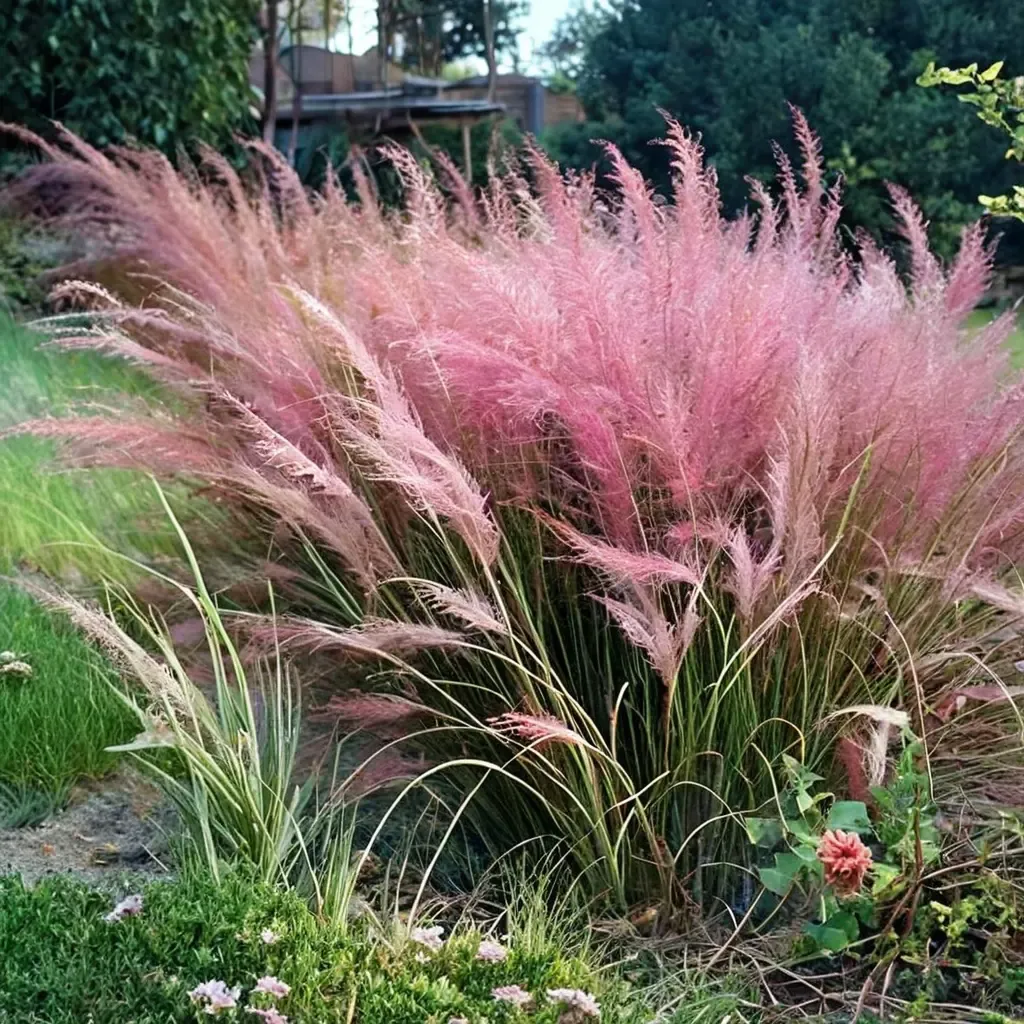
Pink Muhly Grass
Muhlenbergia capillaris
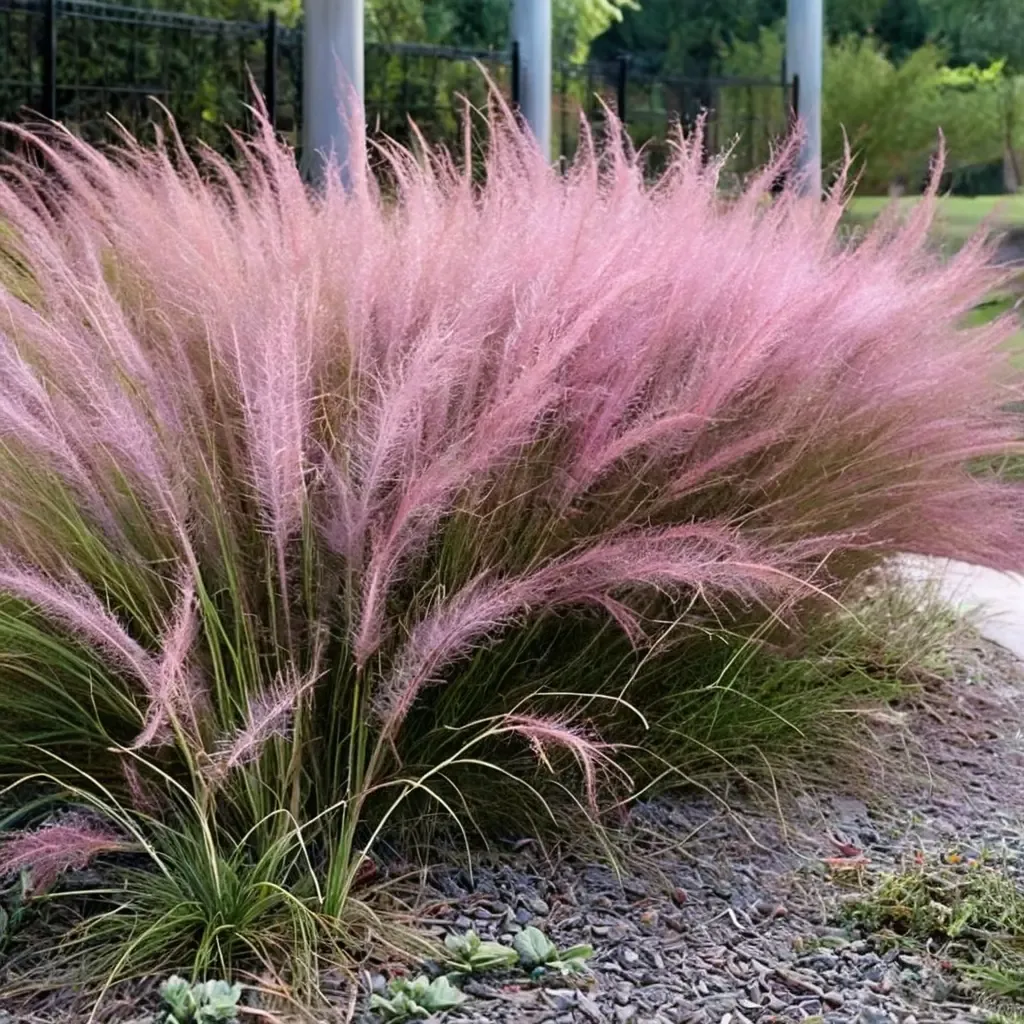
Pink Cloud Muhly Grass
Muhlenbergia capillaris 'Pink Cloud'
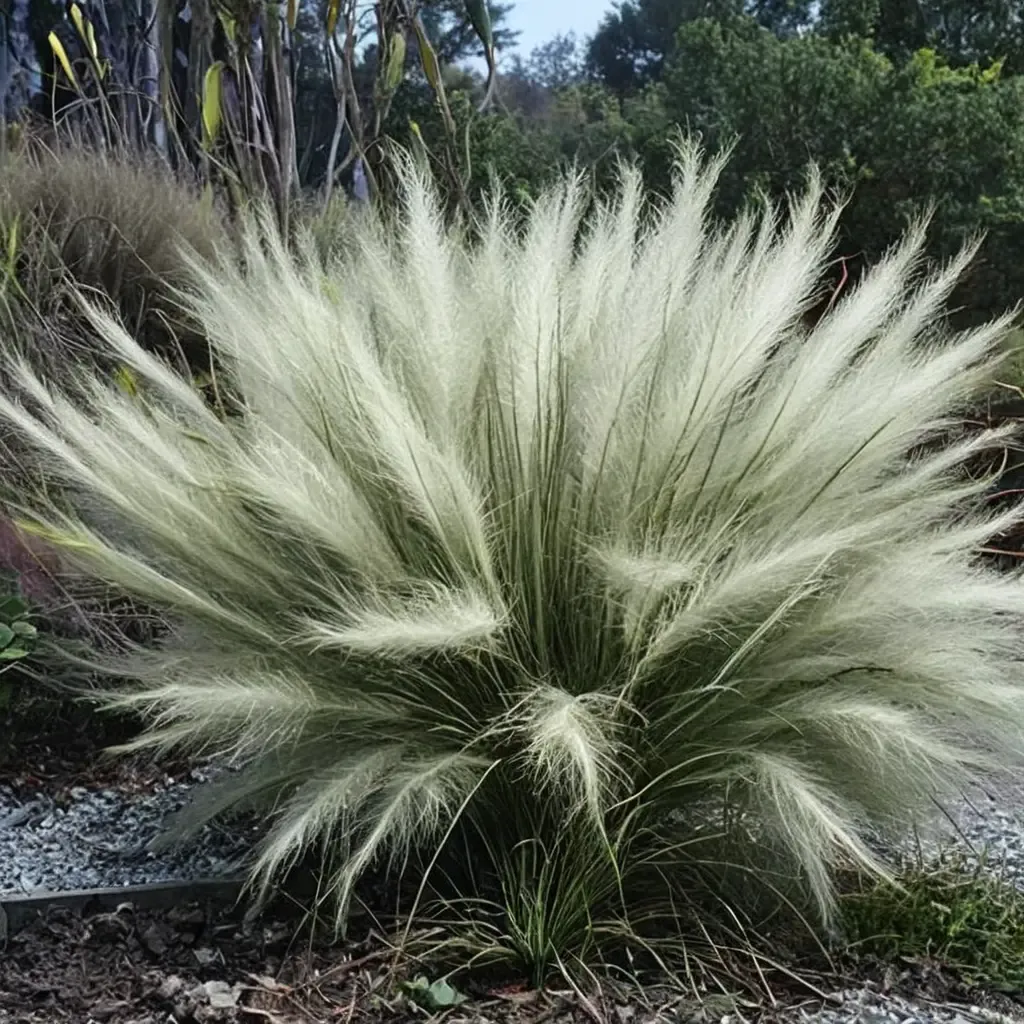
White Cloud Muhly
Muhlenbergia sericea 'White Cloud'
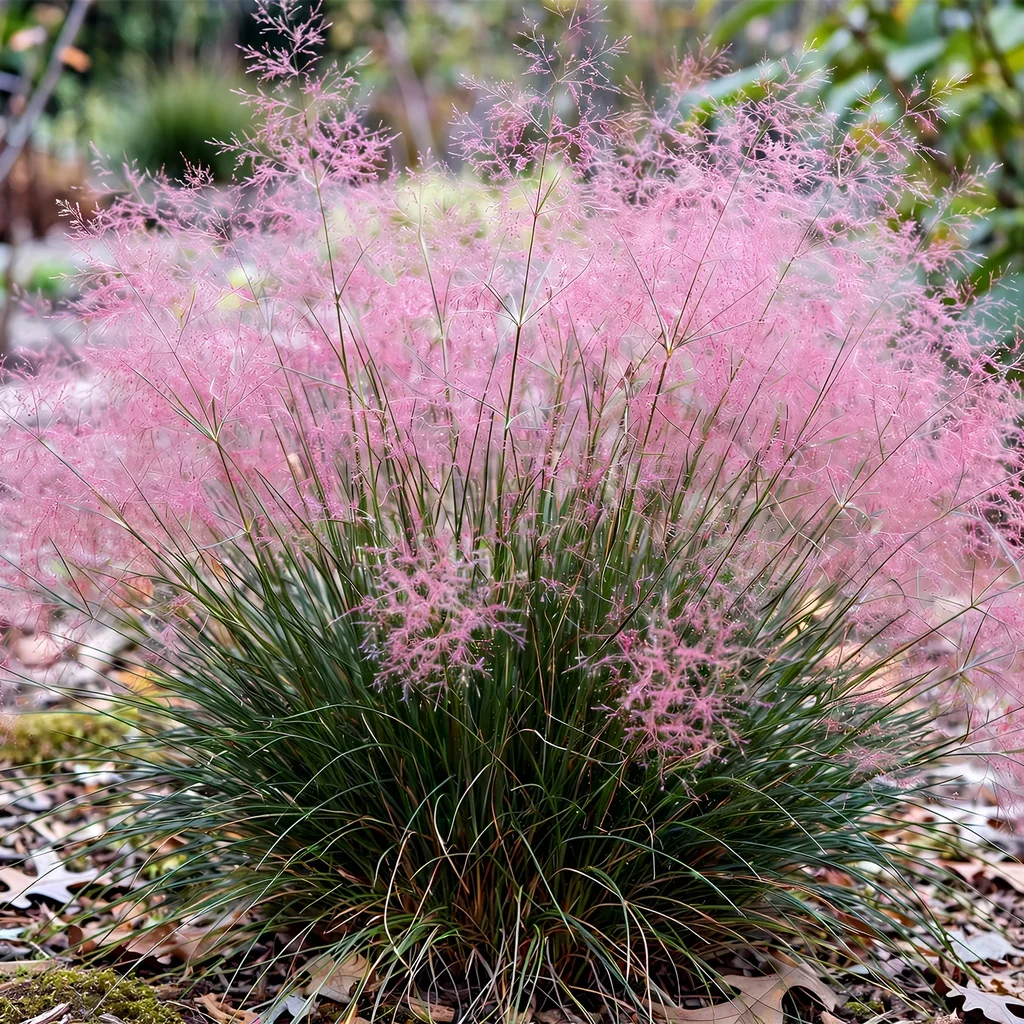
Pink Hairgrass
Muhlenbergia capillaris 'Pink Hairgrass'
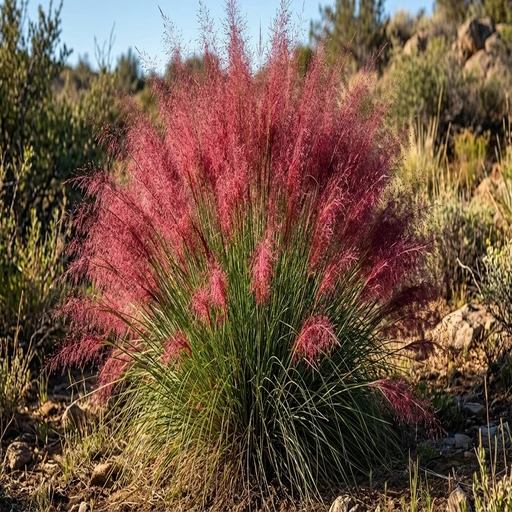
Undaunted Ruby Muhly Grass
Muhlenbergia reverchonii 'Undaunted Ruby'
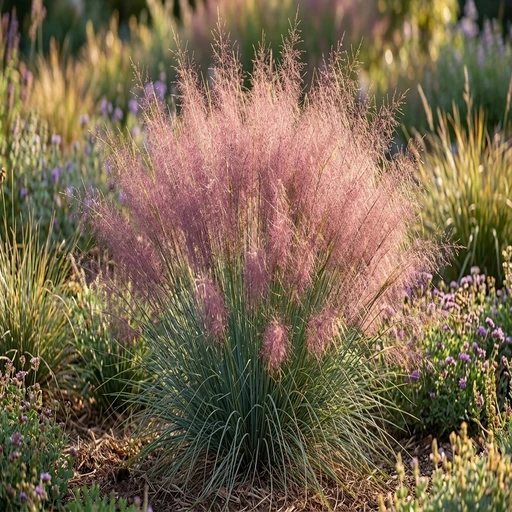
Ruby Muhly Grass
Muhlenbergia reverchonii
Keep exploring
Explore the genus
Hardy in your zone?
Grow Purple Muhly with confidence
See it in a design of your actual yard, get zone-matched care reminders, and track it season by season in your garden journal.