
The Story
Plant Bio
Origanum vulgare, the oregano-marjoram group, is a hardy bushy herbaceous perennial with upright spreading stems and strongly aromatic leaves rich in carvacrol and thymol oils. It carries small tubular flowers in compact terminal and axillary spikelets that open from midsummer into fall and seed freely where adapted.
Sold as Origanum heracleoticum, the Greek culinary type forms a compact 9-inch mound of dark green fuzzy leaves with far stronger flavor than common oregano just before flowering. It bears small white flowers in tight spikelets, tolerates heat and drought once established, and spreads less aggressively than common oregano but still roots where stems touch moist soil.
Uses & Benefits:
Essentials
At a Glance
Plant Type
Perennial
Height
9"
Width
12"
Light
Full Sun, Partial Sun
Zones
5, 6, 7, 8
Water
Low to moderate
Humidity
Unknown
Lifespan
Herbaceous perennial
Native To
Mediterranean Europe to western and central Asia
Toxicity
Toxic to cats, dogs and horses if ingested
Bloom period
Summer – Fall
In flower about 6 months of the year
Planting
How to Grow
- Plant in full sun in sharply drained, lean soil with sand or fine gravel mixed in.
- Set plants 12 inches apart with the crown level with the soil surface.
- Water deeply after planting, then allow soil to dry between waterings.
- Shear back by one-third before flowering to keep plants dense and leafy.
- Clip leaves fresh as needed, and cut stems for drying just before flowers open.
Pro Tip
Shear stems back by one-third before flowers open for best leaf flavor; plants die from winter wet far more often than from cold, so keep the crown in sharp drainage.
Keep It Thriving
Care Guide
Do
- Plant in full sun to light shade with excellent drainage.
- Shear regularly before flowering to force fresh leaves.
- Allow soil to dry between waterings once established.
Don't
- Do not overwater or leave the crown wet over winter; wet soil rots the roots.
- Do not plant in soggy clay without added grit and a raised crown.
- Do not let plants flower unchecked if growing for leaf flavor.
Seasonal Care Calendar
| Task | Jan | Feb | Mar | Apr | May | Jun | Jul | Aug | Sep | Oct | Nov | Dec |
|---|---|---|---|---|---|---|---|---|---|---|---|---|
| Harvest | ||||||||||||
| Pest Check | ||||||||||||
| Plant | ||||||||||||
| Prune | ||||||||||||
| Winter Prep |
Watch Out For
Pests & Diseases
Common Pests
Common Diseases
In the Garden
Landscape Uses & Companions
Landscape Uses
Multiply
Propagation Methods
Good to Know
Common Questions
Greek Oregano questions
What zones can Greek Oregano grow in?
Greek Oregano is hardy in USDA Zones 5–8: in that range it survives winter in the ground. Colder than Zone 5, grow it in a container you can move to shelter for the winter, or as an annual. Warmer than Zone 8, winter isn't the problem: it prefers colder winters, and summer heat can shorten its life.
Is Greek Oregano deer resistant?
Yes — Greek Oregano is rated deer-resistant. Deer typically pass it over, though extreme hunger can override any plant's defenses.
When does Greek Oregano bloom?
Greek Oregano typically blooms from summer to fall. Exact timing shifts a week or two with your zone — Sow's bloom calendar maps it to your garden.
Does Greek Oregano need full sun?
Greek Oregano does best in full sun to part shade. In hot climates, afternoon shade keeps blooms fresher longer.
Is Greek Oregano drought tolerant?
Yes — once established (usually after the first full season), Greek Oregano handles dry spells with minimal watering. Water deeply its first year to build the root system that makes that possible.
More Origanum to compare
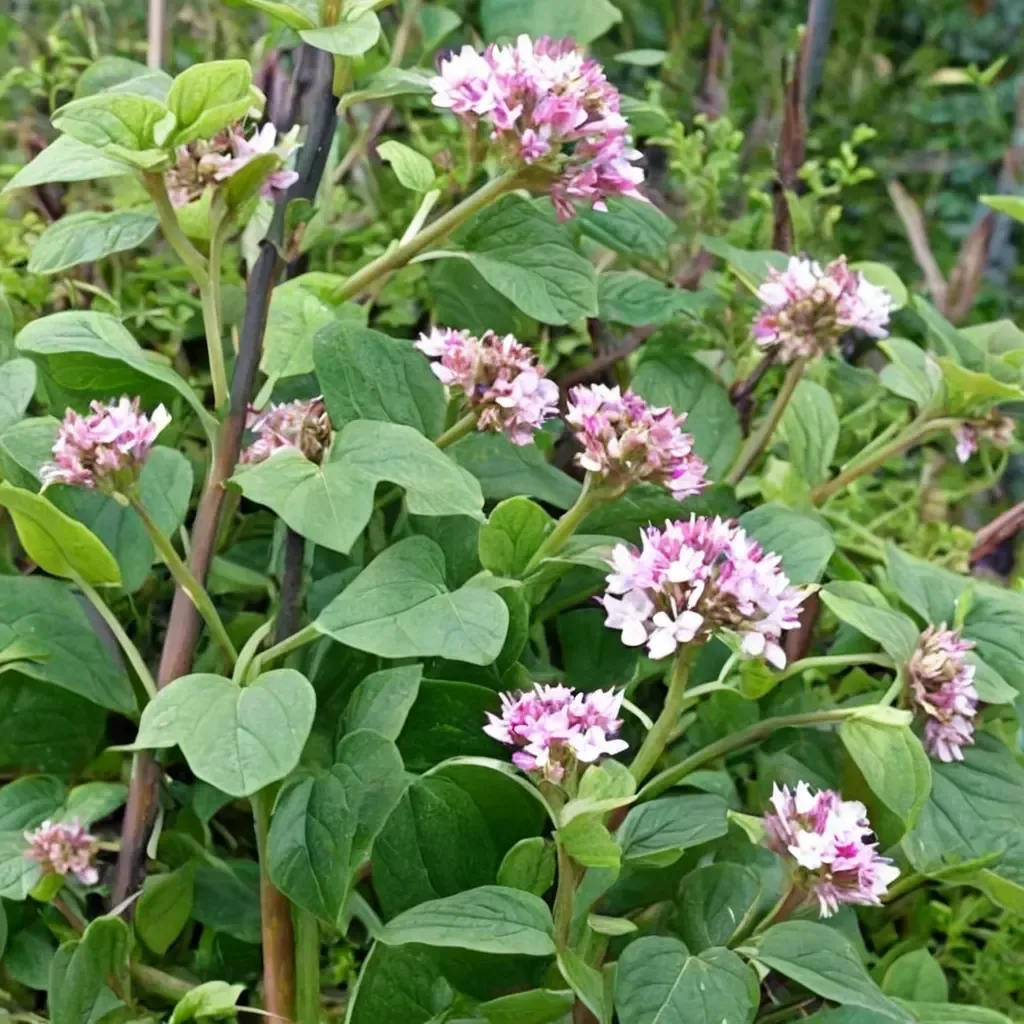
Italian Oregano
Origanum vulgare 'Italian'
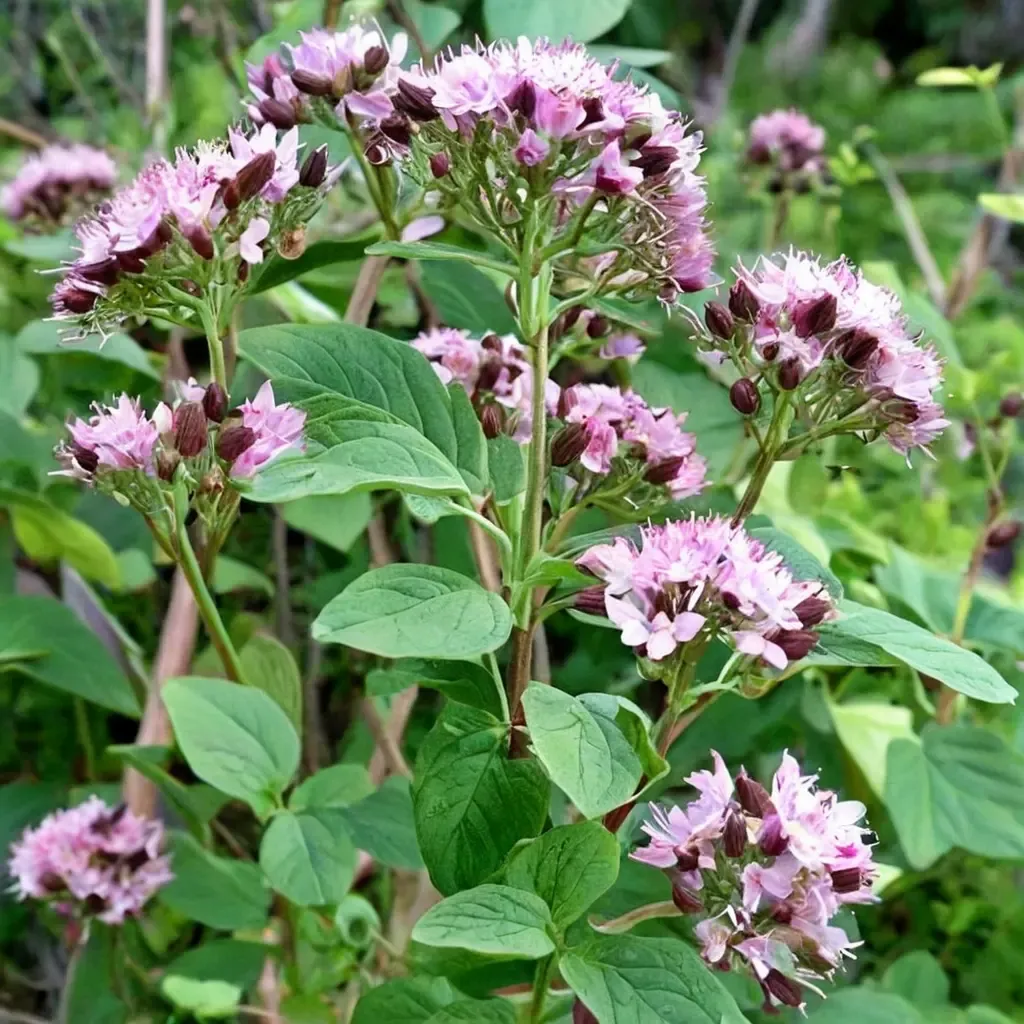
Oregano
Origanum vulgare
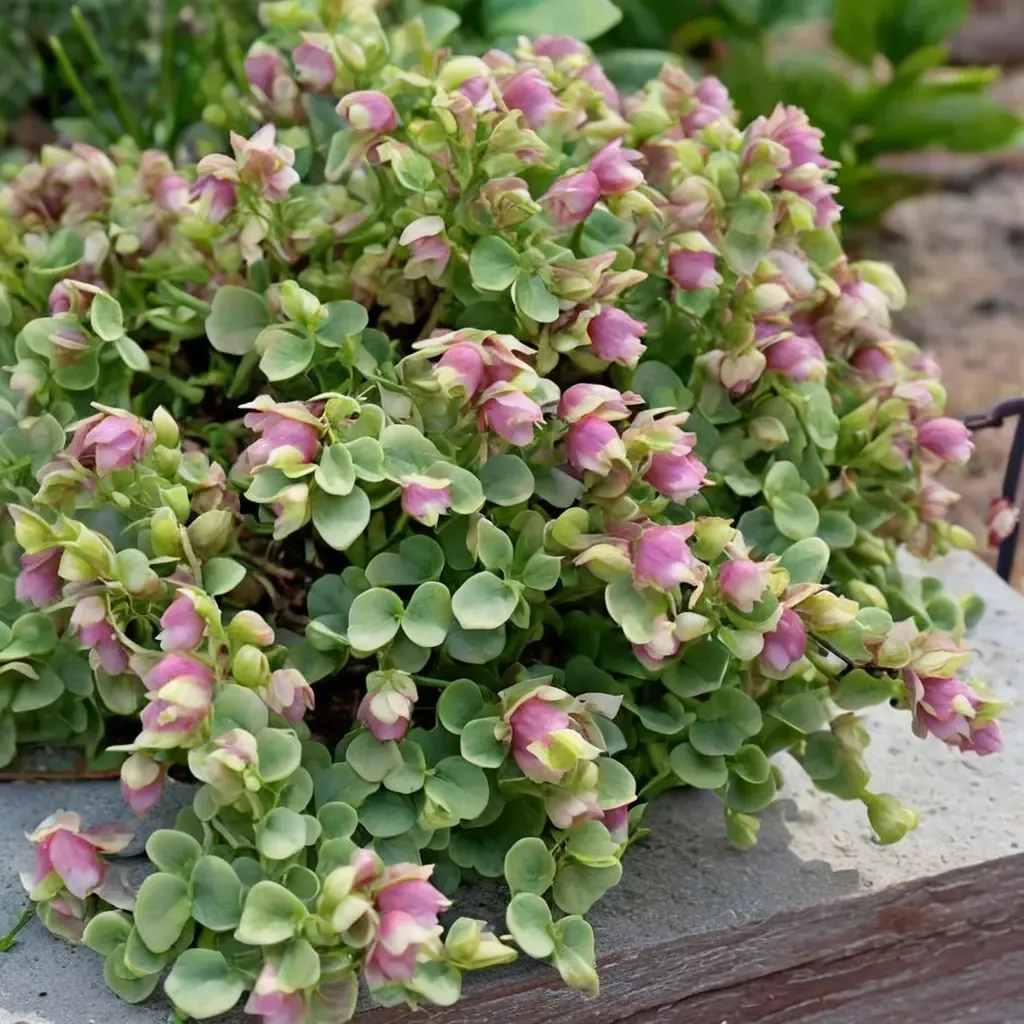
Kirigami Oregano
Origanum vulgare 'Kirigami'
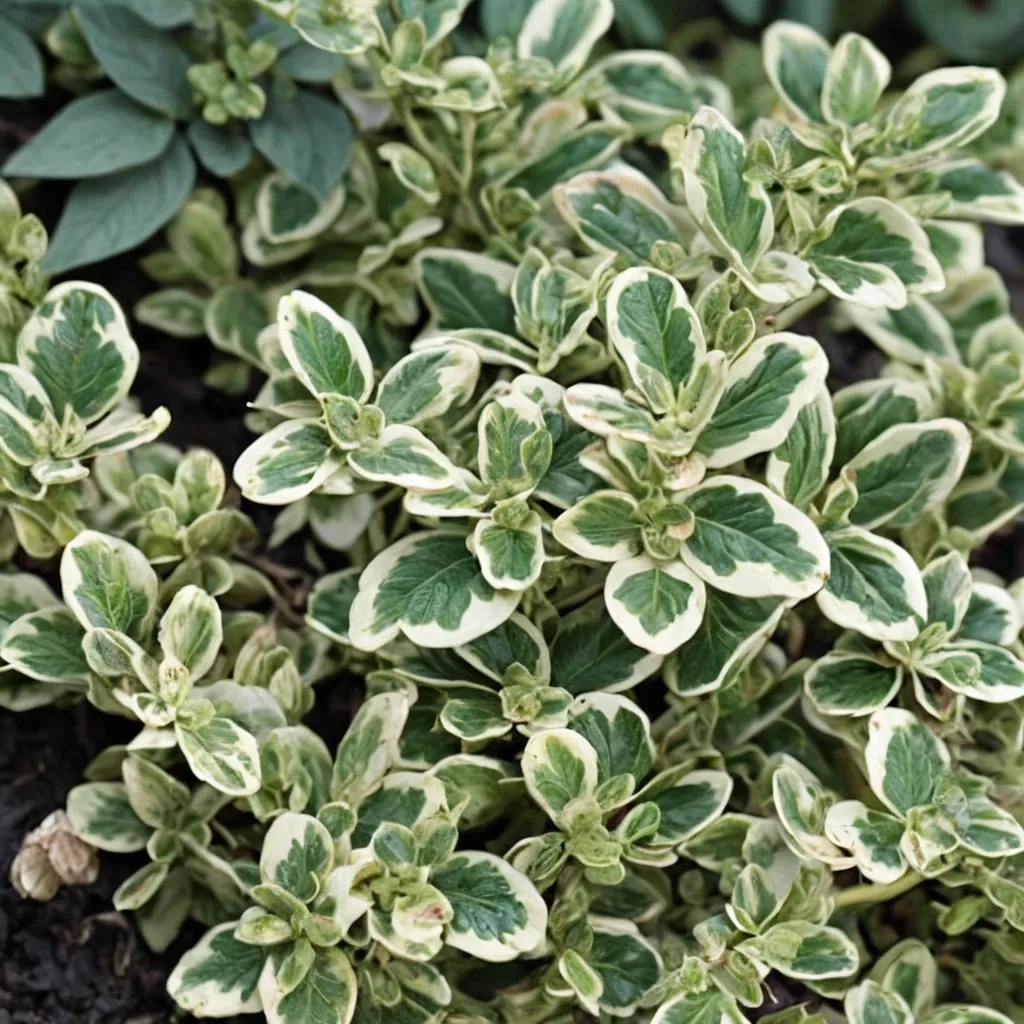
Variegated Oregano
Origanum vulgare 'Variegata'
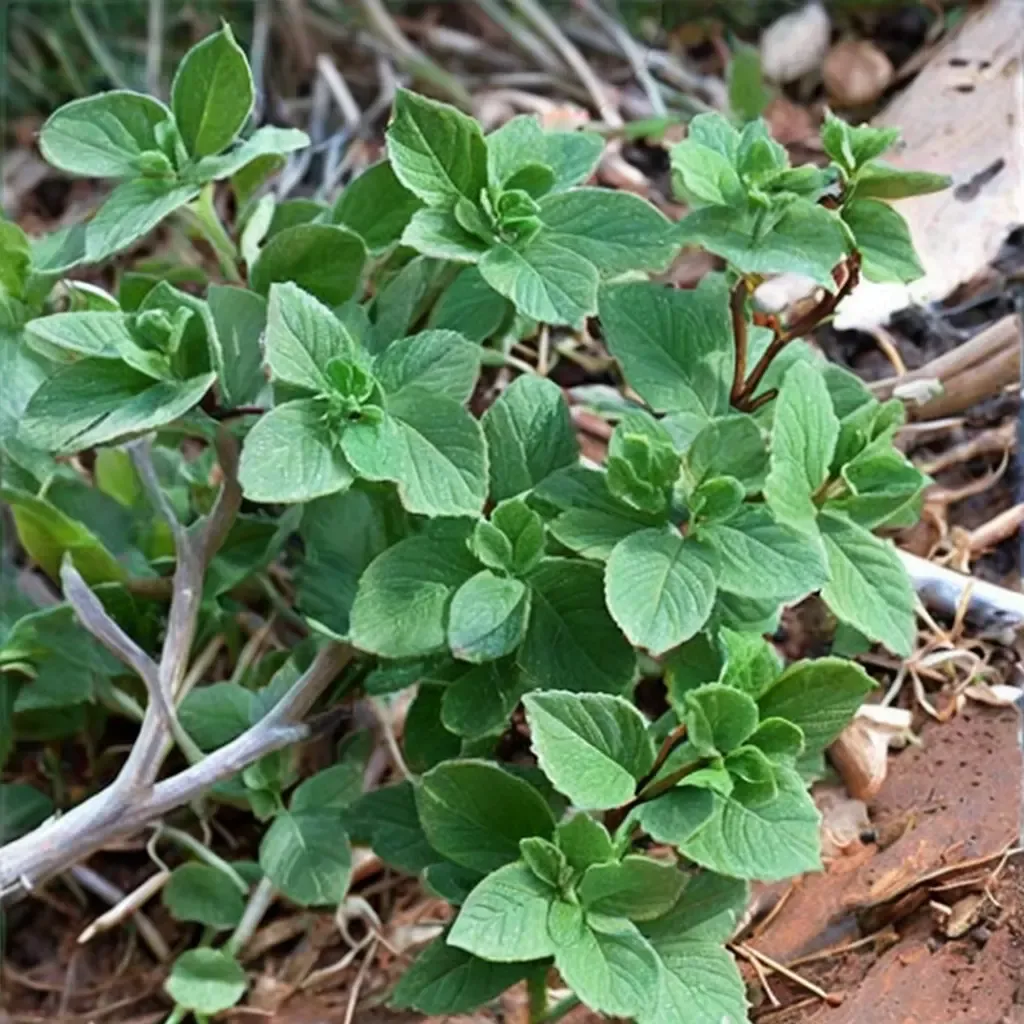
True Greek Oregano
Origanum vulgare 'True Greek'
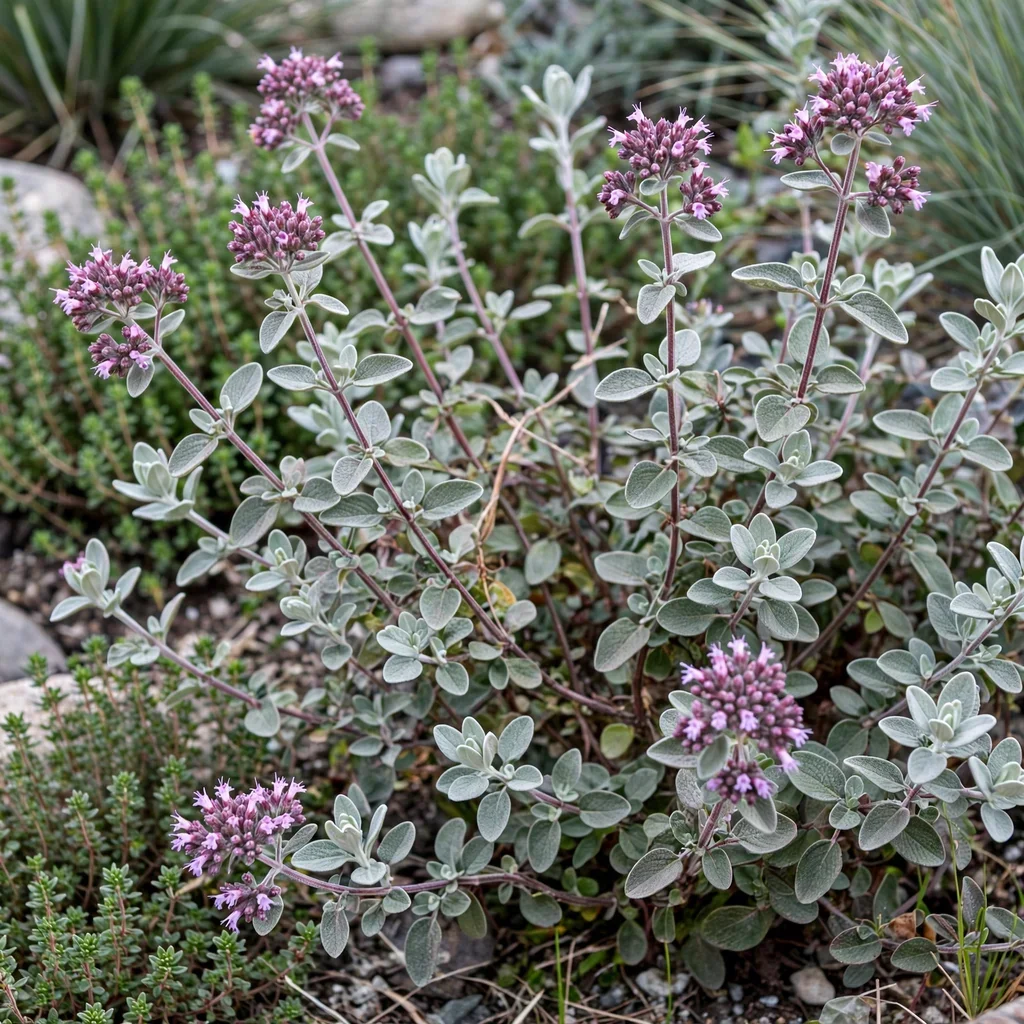
Ornamental Oregano
Origanum laevigatum
Keep exploring
Explore the genus
Hardy in your zone?
Grow Greek Oregano with confidence
See it in a design of your actual yard, get zone-matched care reminders, and track it season by season in your garden journal.