
The Story
Plant Bio
Veronica chamaedrys, commonly known as germander speedwell, is a low-growing herbaceous perennial native to Eurasia that forms loose, spreading mats via creeping stems that root at the nodes. In spring and early summer, axillary racemes produce saucer-shaped, bright sky-blue flowers with white centers and distinctive darker veining above ovate, coarsely serrated foliage.
The hairy stems feature two distinct opposite lines of dense white hairs running along their lengths between adjacent leaf pairs. Its capacity to root wherever nodes touch moist ground allows it to form a dense, low carpet across garden beds and rockeries.
Uses & Benefits:
Essentials
At a Glance
Plant Type
Perennial
Height
12"
Width
24"
Light
Full Sun, Partial Sun
Zones
4, 5, 6, 7, 8
Water
Moderate
Humidity
Moderate
Lifespan
Perennial
Native To
Eurasia
Toxicity
Non-toxic
Bloom period
Spring – Summer
In flower about 6 months of the year
Planting
How to Grow
- Select a planting site in full sun to partial shade with well-drained soil.
- Space plants 18 to 24 inches apart to allow room for creeping stems to spread.
- Water deeply after planting until established, keeping soil evenly moist but not waterlogged.
- Apply a thin layer of compost in early spring to maintain soil fertility without over-stimulating leafy growth.
Pro Tip
Shear the planting lightly with hedge shears immediately after the spring flowering flush to prevent unwanted self-seeding and keep the foliage mat compact.
Keep It Thriving
Care Guide
Do
- Shear plants back after peak spring blooming to encourage tidy foliage.
- Ensure soil drains freely to prevent root rot during wet conditions.
- Divide spreading mats every few years to keep plantings within designated borders.
Don't
- Do not over-fertilize, as excess nitrogen creates leggy stems with fewer flowers.
- Do not allow soil to remain constantly waterlogged in heavy clay.
- Do not cut back into old leafless stems where green growth buds are absent.
Seasonal Care Calendar
| Task | Jan | Feb | Mar | Apr | May | Jun | Jul | Aug | Sep | Oct | Nov | Dec |
|---|---|---|---|---|---|---|---|---|---|---|---|---|
| Divide | ||||||||||||
| Pest Check | ||||||||||||
| Prune | ||||||||||||
| Spring Cleanup |
Watch Out For
Pests & Diseases
Common Pests
Common Diseases
In the Garden
Landscape Uses & Companions
Landscape Uses
Multiply
Propagation Methods
Good to Know
Common Questions
Germander Speedwell questions
What zones can Germander Speedwell grow in?
Germander Speedwell is hardy in USDA Zones 4–8: in that range it survives winter in the ground. Warmer than Zone 8, winter isn't the problem: it prefers colder winters, and summer heat can shorten its life.
Is Germander Speedwell deer resistant?
Not reliably. Deer may browse Germander Speedwell, especially tender spring growth — plan on repellents or fencing where pressure is high.
When does Germander Speedwell bloom?
Germander Speedwell typically blooms from spring to summer. Exact timing shifts a week or two with your zone — Sow's bloom calendar maps it to your garden.
Does Germander Speedwell need full sun?
Germander Speedwell does best in full sun to part shade. In hot climates, afternoon shade keeps blooms fresher longer.
Is Germander Speedwell drought tolerant?
Yes — once established (usually after the first full season), Germander Speedwell handles dry spells with minimal watering. Water deeply its first year to build the root system that makes that possible.
More Veronica to compare
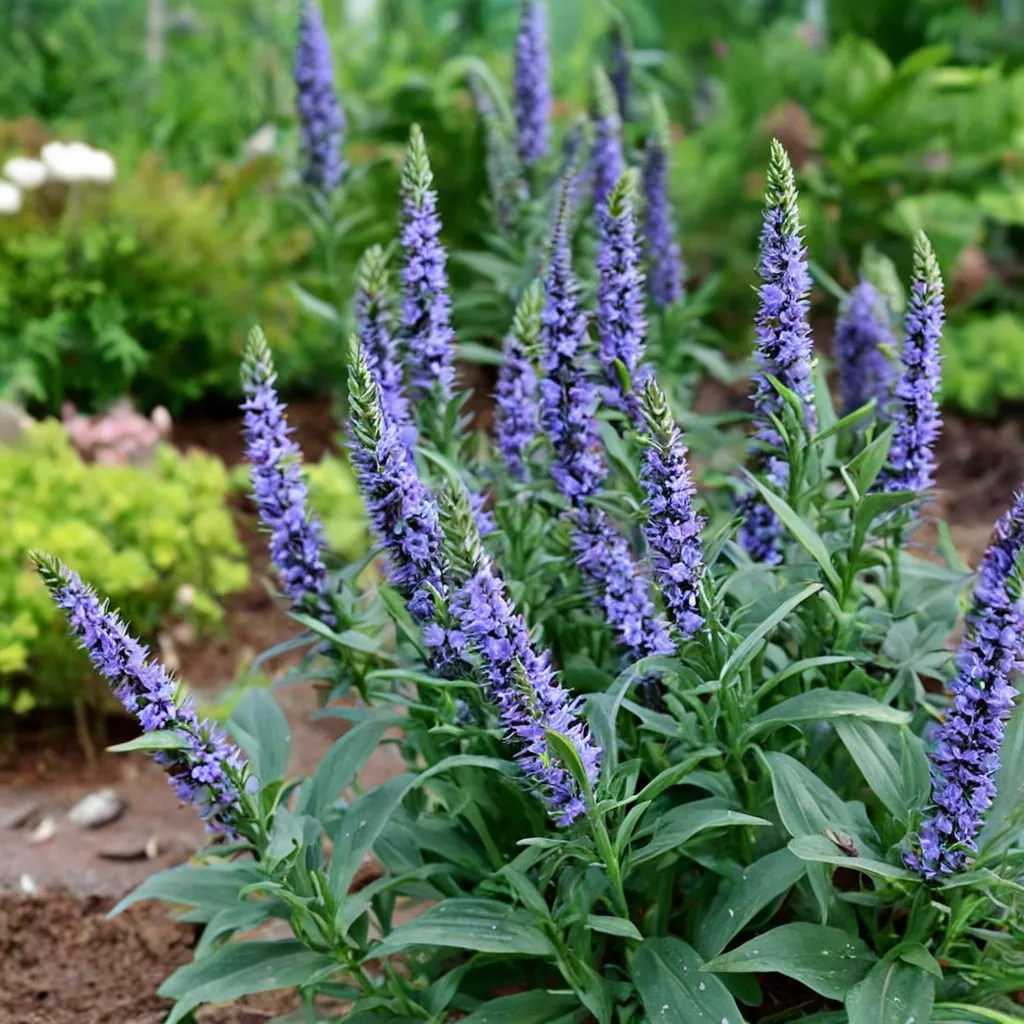
Moody Blues Sky Blue Veronica
Veronica spicata 'Moody Blues Sky Blue'
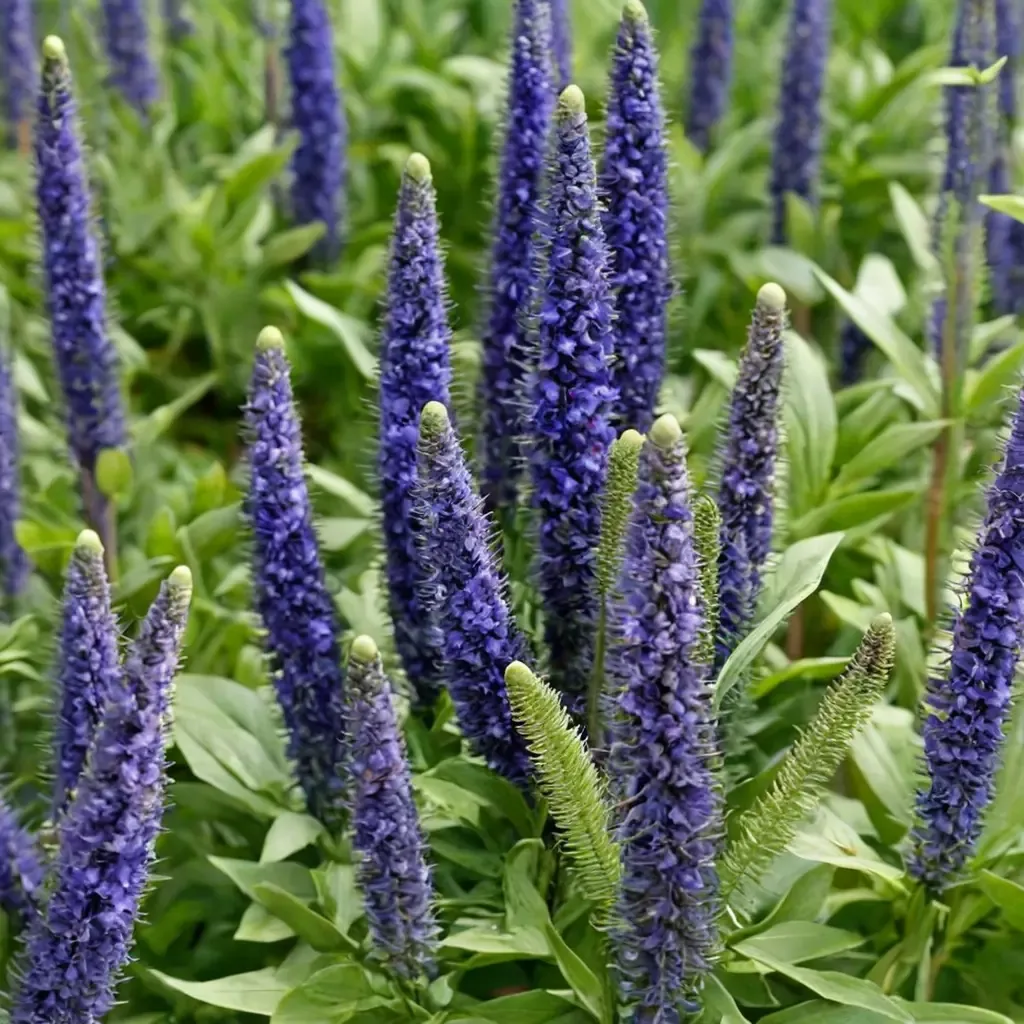
Royal Candles Speedwell
Veronica spicata 'Royal Candles'
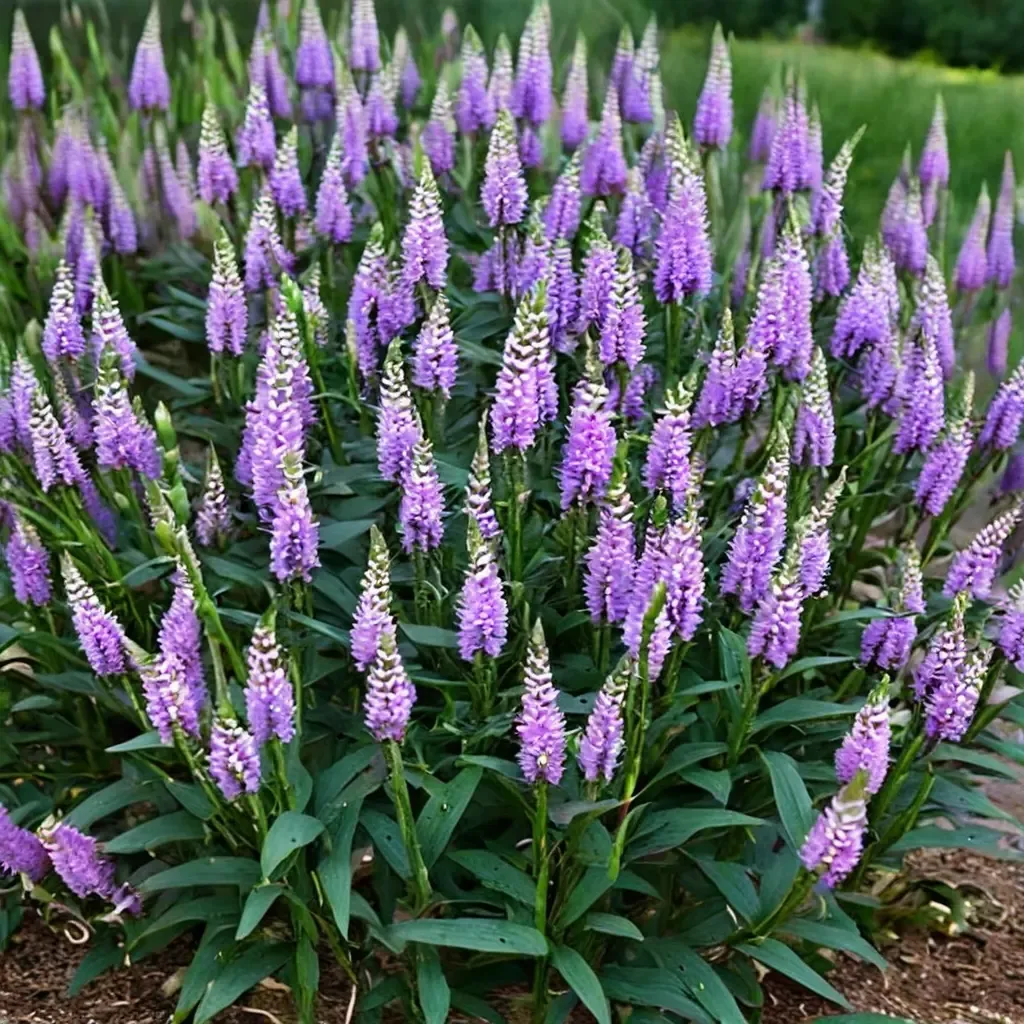
Lavender Lightsaber Speedwell
Veronica spicata 'Lavender Lightsaber'
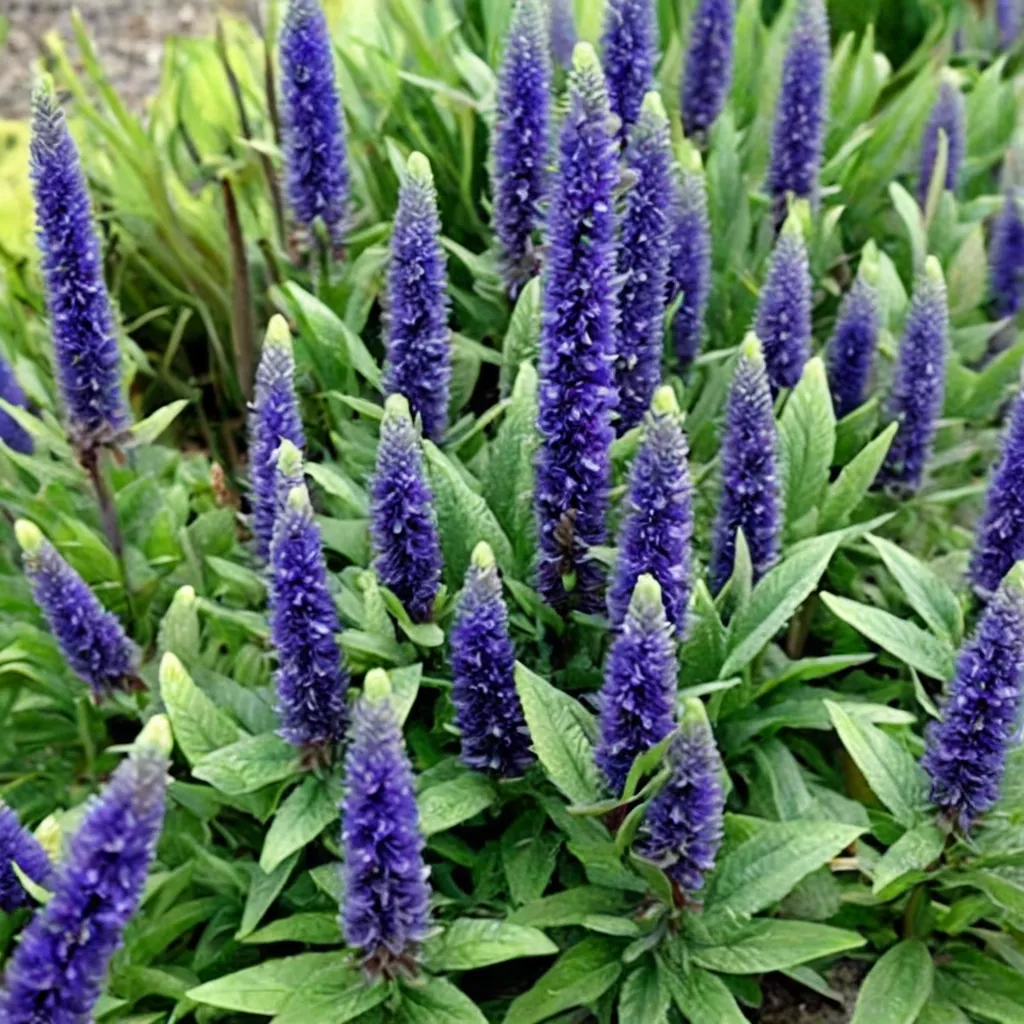
Royal Candles Spike Speedwell
Veronica spicata 'Glory'
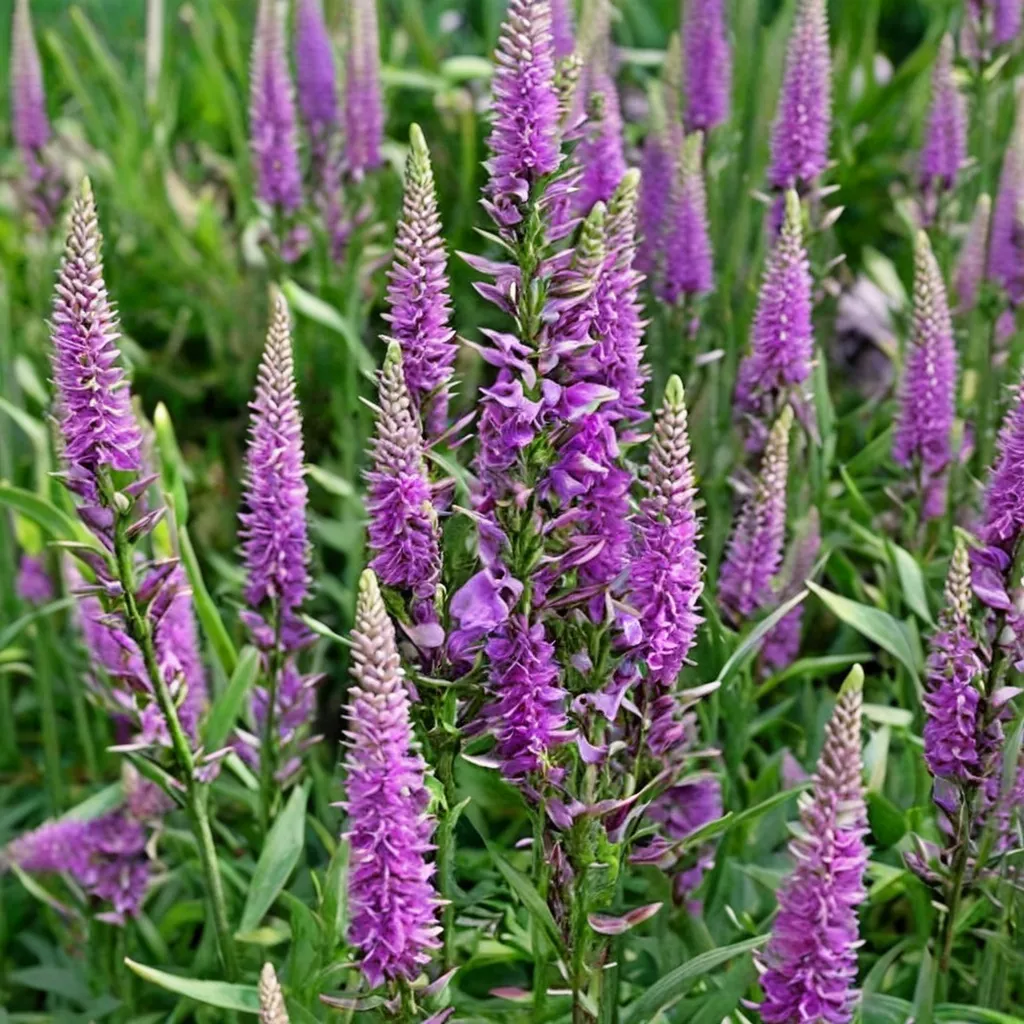
Longifolia Veronica Eveline
Veronica longifolia 'Eveline'
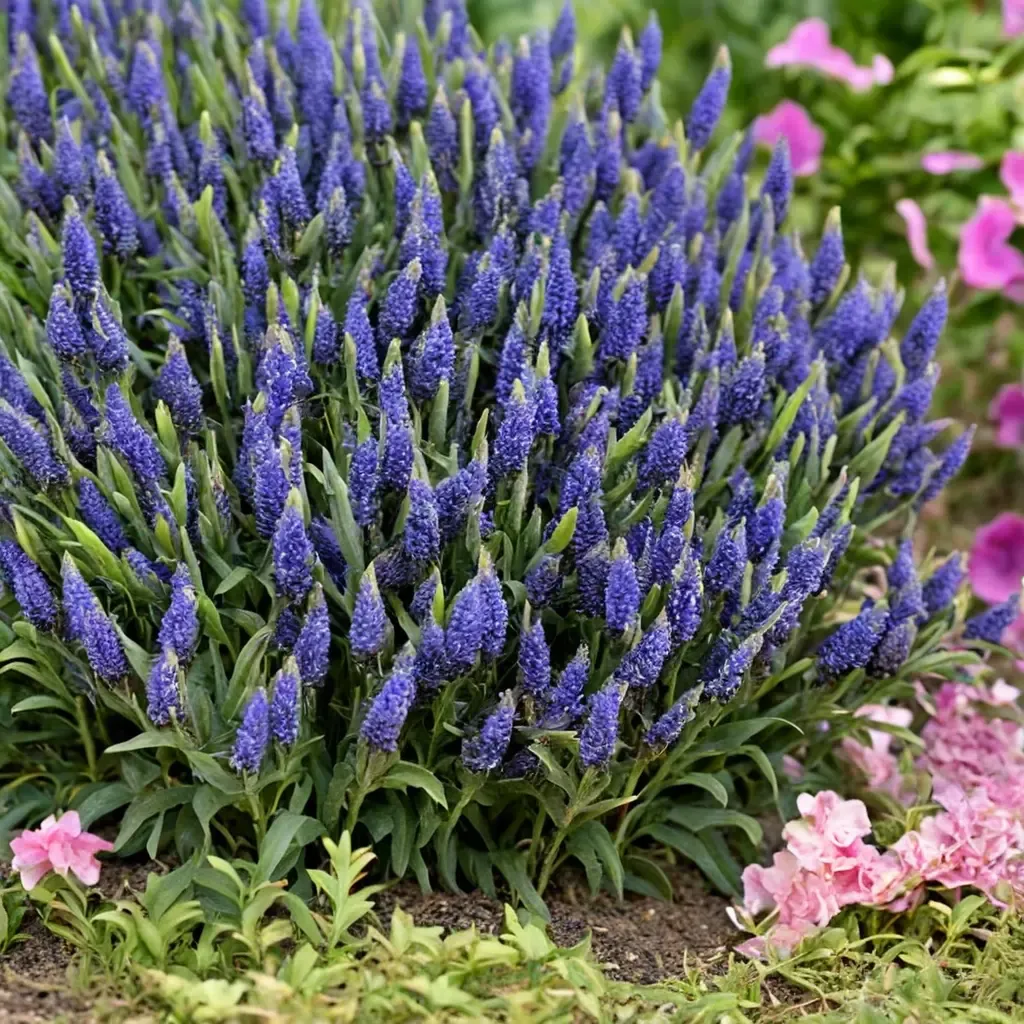
Wizard of Ahhs Speedwell
Veronica spicata 'Wizard Of Ahhs'
Keep exploring
Hardy in your zone?
Grow Germander Speedwell with confidence
See it in a design of your actual yard, get zone-matched care reminders, and track it season by season in your garden journal.