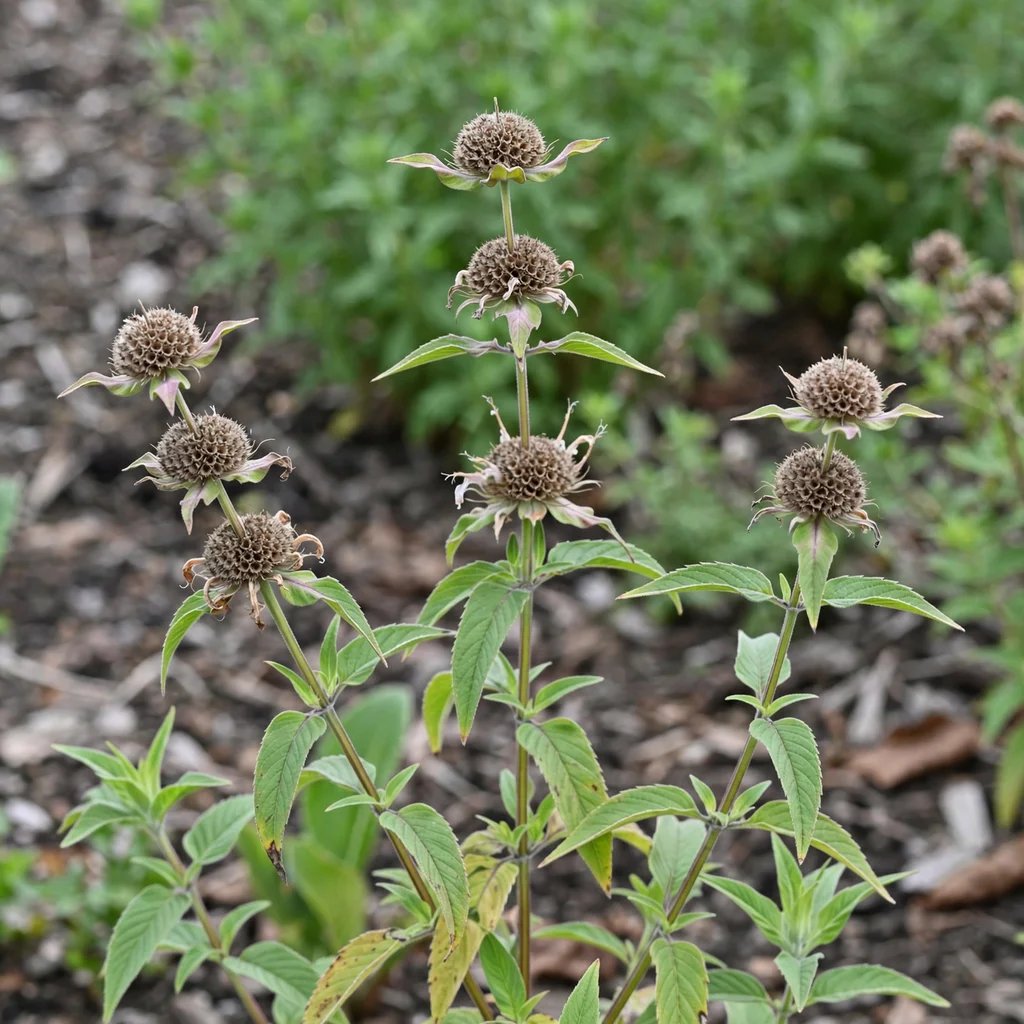
The Story
Plant Bio
Monarda citriodora is an upright North American annual or short-lived perennial featuring square stems and scented, lance-shaped leaves. Tiered, whorled clusters of pale purple to pink tubular flowers emerge along the upper stems from late spring into mid-summer, set against showy leaf-like bracts.
Crushed foliage releases a distinctive lemon-mint fragrance caused by essential oils that naturally deter browsing deer and rabbits. The species thrives in dry, lean, well-drained soils and easily maintains its presence across seasons by self-seeding.
Uses & Benefits:
Essentials
At a Glance
Plant Type
Annual
Height
35"
Width
18"
Light
Full Sun, Partial Sun
Zones
5, 6, 7, 8, 9
Water
Low
Humidity
Moderate
Lifespan
Annual / Short-lived perennial
Native To
North America
Toxicity
Non-toxic
Bloom period
Late spring – Mid summer
In flower about 3 months of the year
Planting
How to Grow
- Select a planting location in full sun with gritty, sandy, or well-drained rocky soil.
- Sow seeds directly on the soil surface in early spring or fall, pressing lightly without covering them as light aids germination.
- Water gently until seedlings establish, then reduce frequency to allow the soil surface to dry out between waterings.
- Thin emerging seedlings to roughly 12 to 18 inches apart to ensure adequate air circulation.
- Deadhead spent bloom spikes mid-season to prolong flowering and control unwanted self-seeding.
Pro Tip
Plant in lean, sharply drained soil and avoid heavy feeding; excessive nutrients or soil moisture cause weak, leggy stems and fatal root rot.
Keep It Thriving
Care Guide
Do
- Provide full sun to keep stems strong and upright.
- Ensure high soil drainage to protect roots from winter moisture.
- Allow seed heads to remain in late summer if naturalizing is desired.
Don't
- Do not plant in heavy, poorly drained clay soils that hold standing water.
- Do not over-fertilize, which leads to floppy, weak foliage.
- Do not crowd plants closely in humid climates.
Seasonal Care Calendar
| Task | Jan | Feb | Mar | Apr | May | Jun | Jul | Aug | Sep | Oct | Nov | Dec |
|---|---|---|---|---|---|---|---|---|---|---|---|---|
| Deadhead | ||||||||||||
| Pest Check | ||||||||||||
| Propagate | ||||||||||||
| Prune |
Watch Out For
Pests & Diseases
Common Pests
Common Diseases
In the Garden
Landscape Uses & Companions
Landscape Uses
Multiply
Propagation Methods
Good to Know
Common Questions
Lemon Beebalm questions
What zones can Lemon Beebalm grow in?
Lemon Beebalm is hardy in USDA Zones 5–9. Inside that range it survives winter in the ground; outside it, grow it as an annual or a container plant you protect.
Is Lemon Beebalm deer resistant?
Yes — Lemon Beebalm is rated deer-resistant. Deer typically pass it over, though extreme hunger can override any plant's defenses.
When does Lemon Beebalm bloom?
Lemon Beebalm typically blooms in late spring through mid summer. Exact timing shifts a week or two with your zone — Sow's bloom calendar maps it to your garden.
Does Lemon Beebalm need full sun?
Lemon Beebalm does best in full sun to part shade. In hot climates, afternoon shade keeps blooms fresher longer.
Is Lemon Beebalm drought tolerant?
Yes — once established (usually after the first full season), Lemon Beebalm handles dry spells with minimal watering. Water deeply its first year to build the root system that makes that possible.
More Monarda to compare
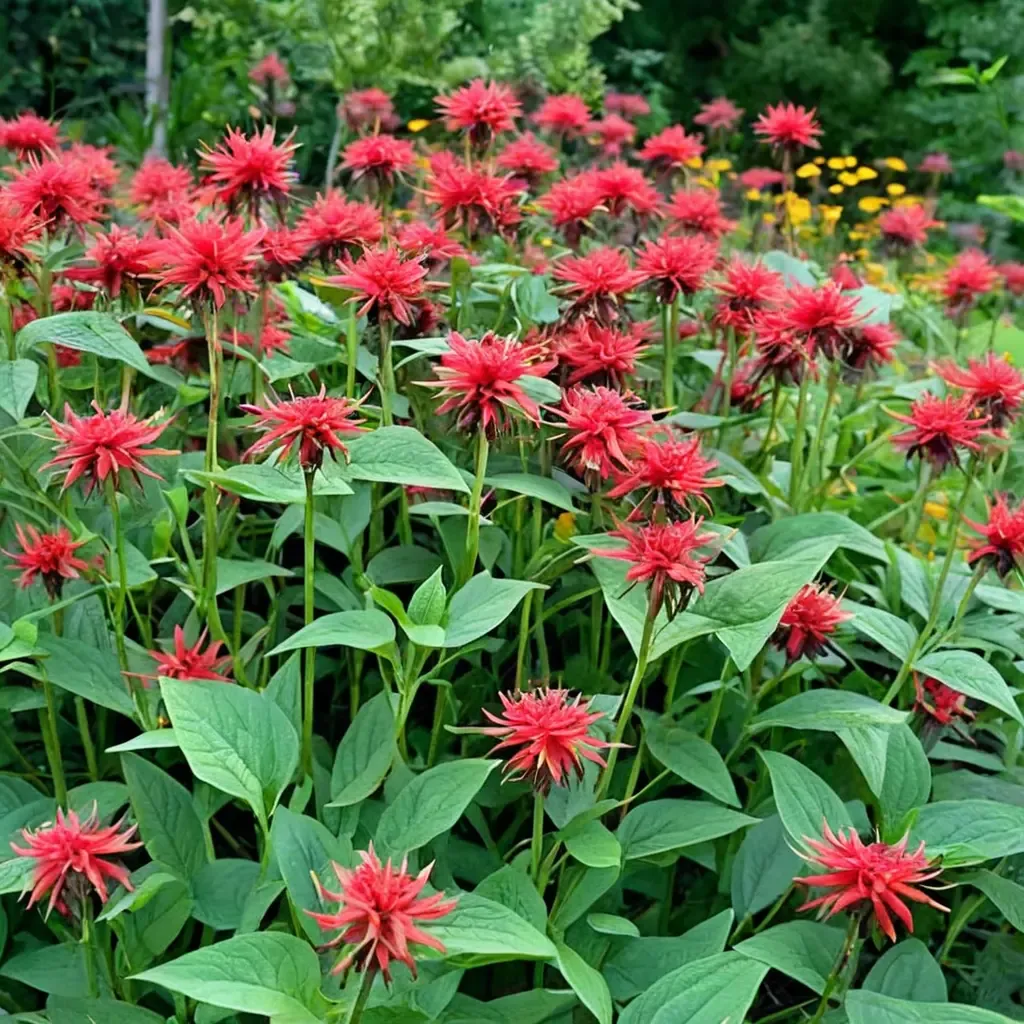
'Jacob Cline' Bee Balm
Monarda didyma 'Jacob Cline'
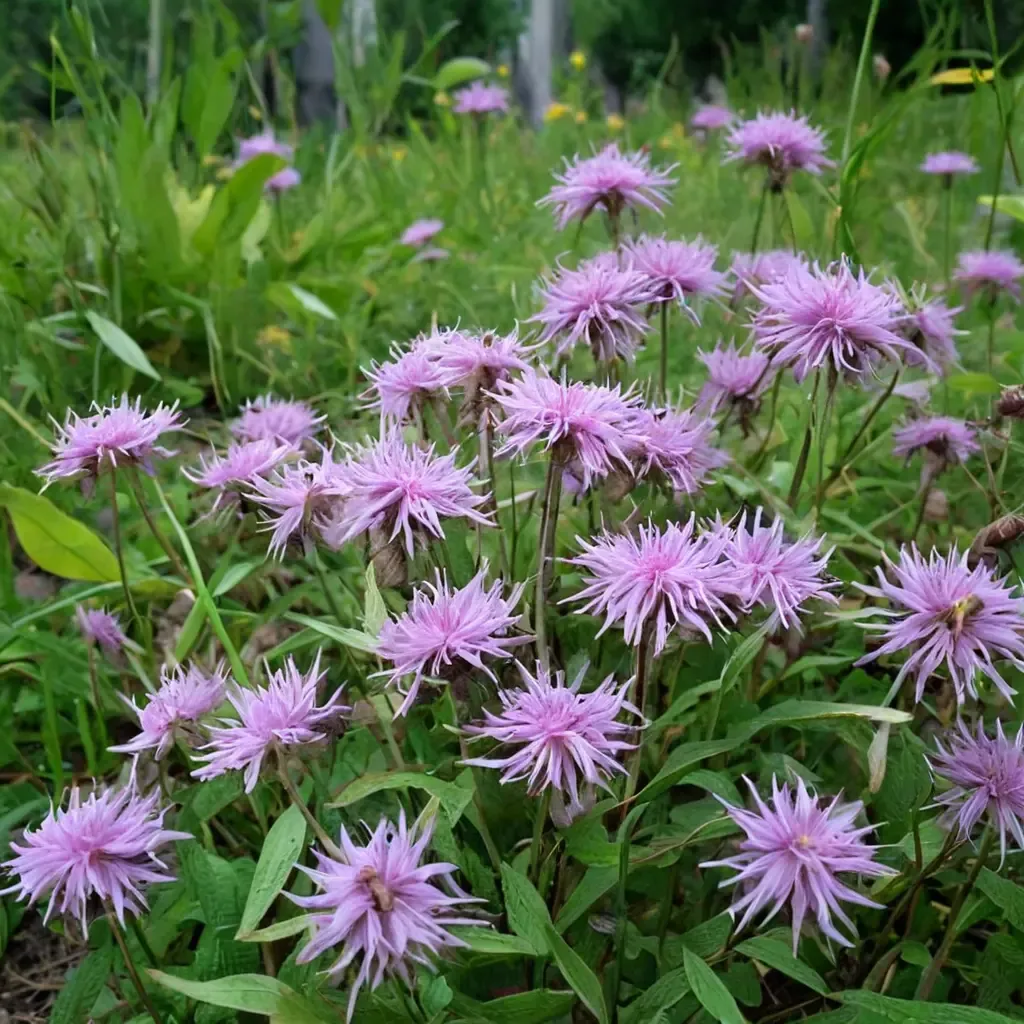
Wild Bergamot
Monarda fistulosa
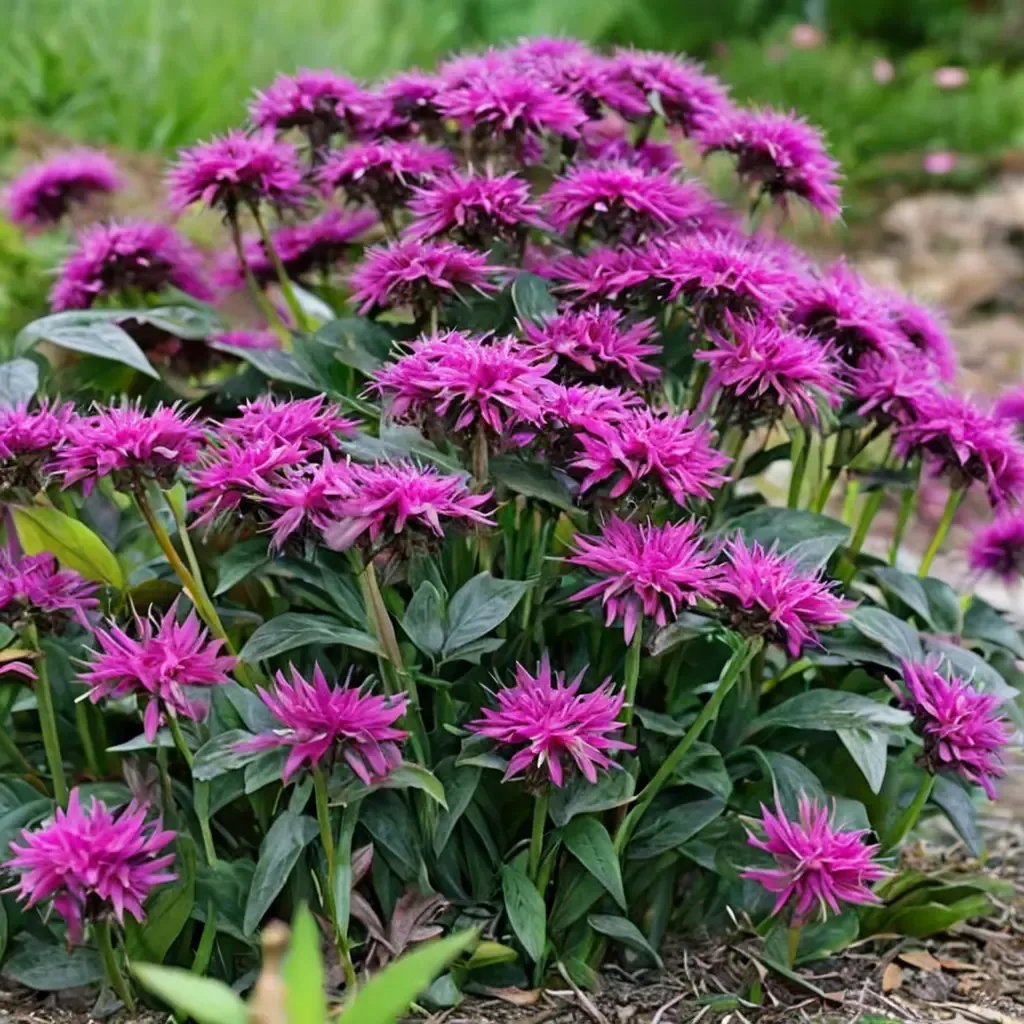
Rockin' Raspberry Bee Balm
Monarda didyma 'Rockin' Raspberry'
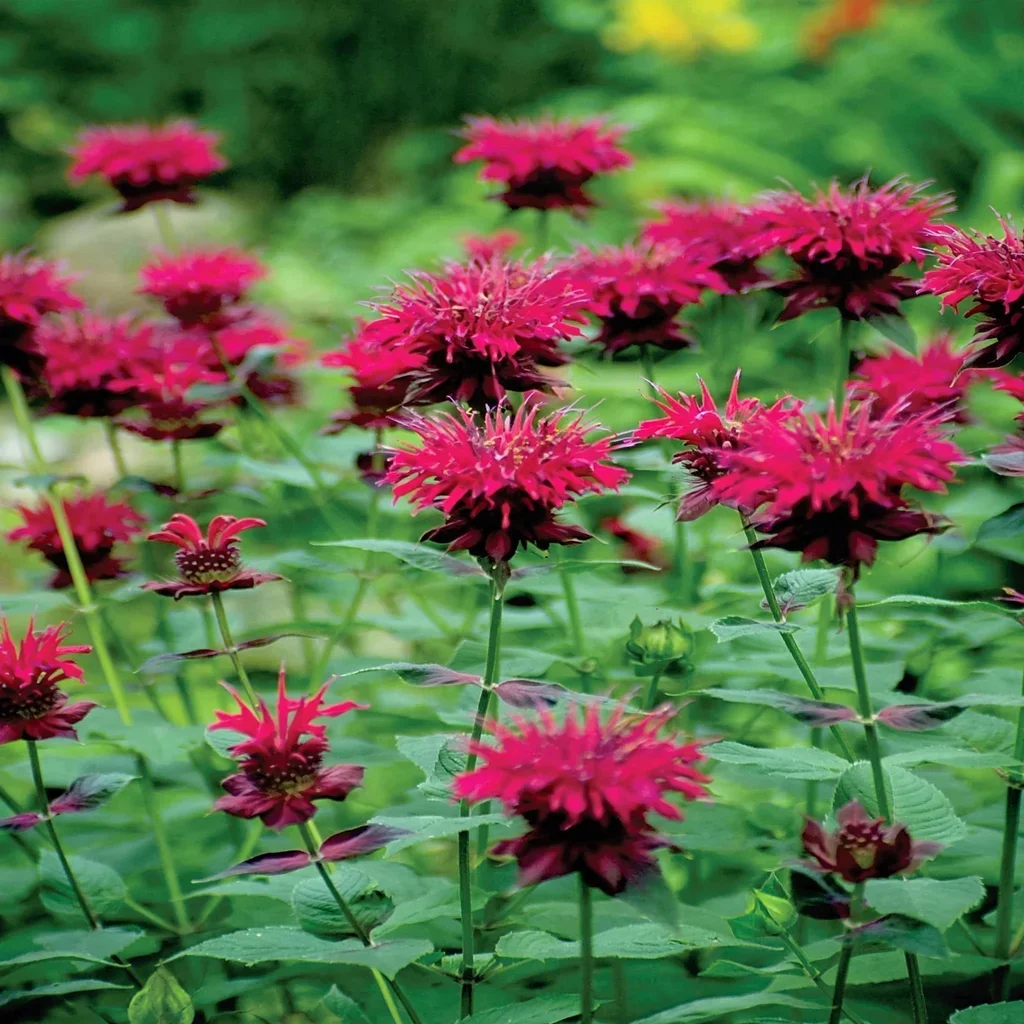
Raspberry Mint Bee Balm
Monarda didyma 'Raspberry Wine'
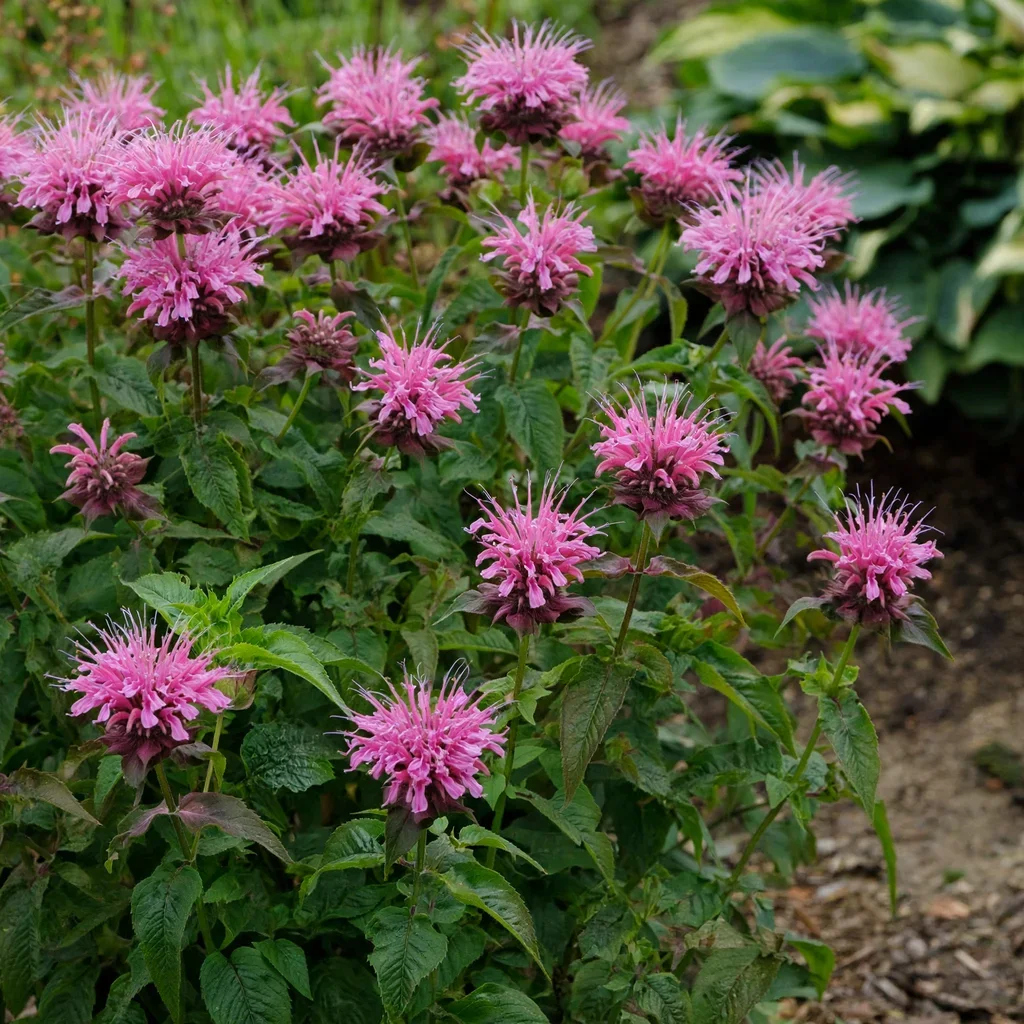
Marshall's Bee Balm
Monarda didyma 'Marshall'
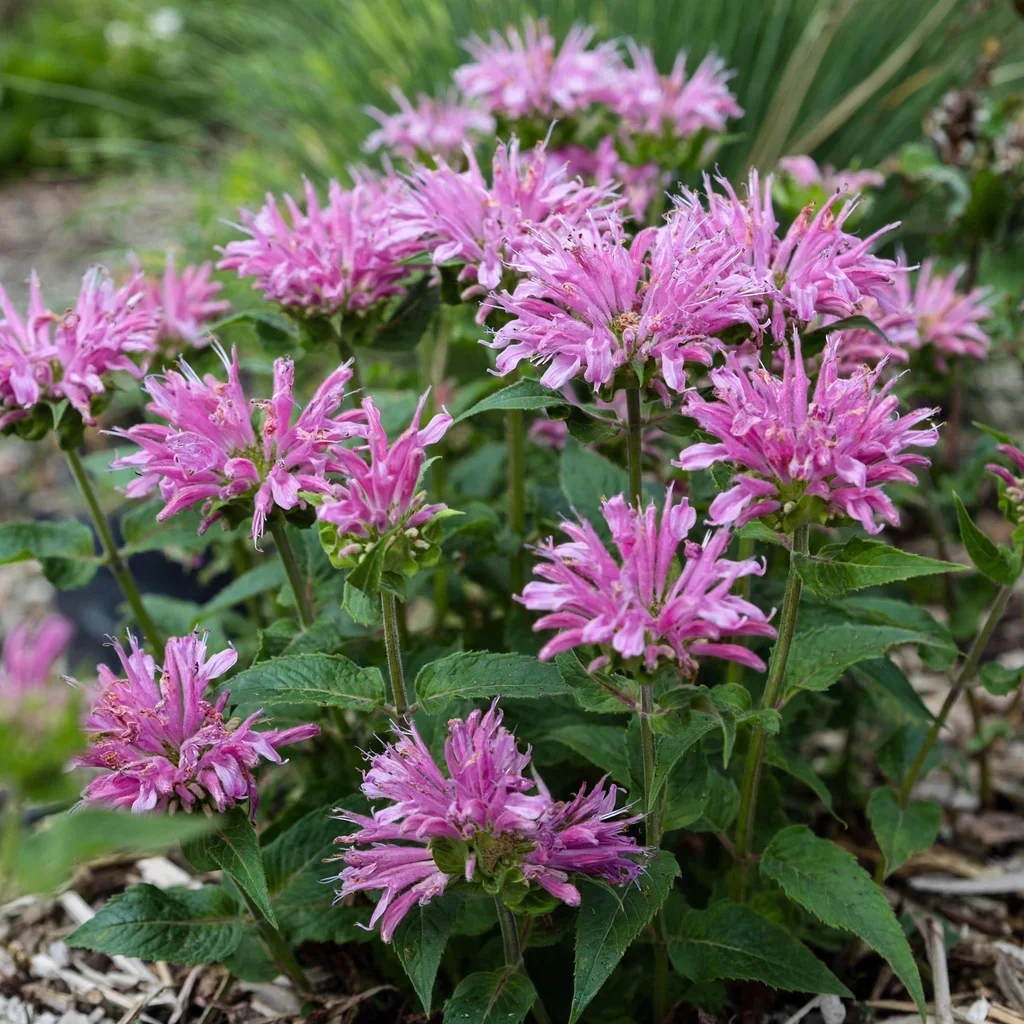
Petite Delight Bee Balm
Monarda didyma 'Petite Delight'
Keep exploring
Explore the genus
Hardy in your zone?
Grow Lemon Beebalm with confidence
See it in a design of your actual yard, get zone-matched care reminders, and track it season by season in your garden journal.