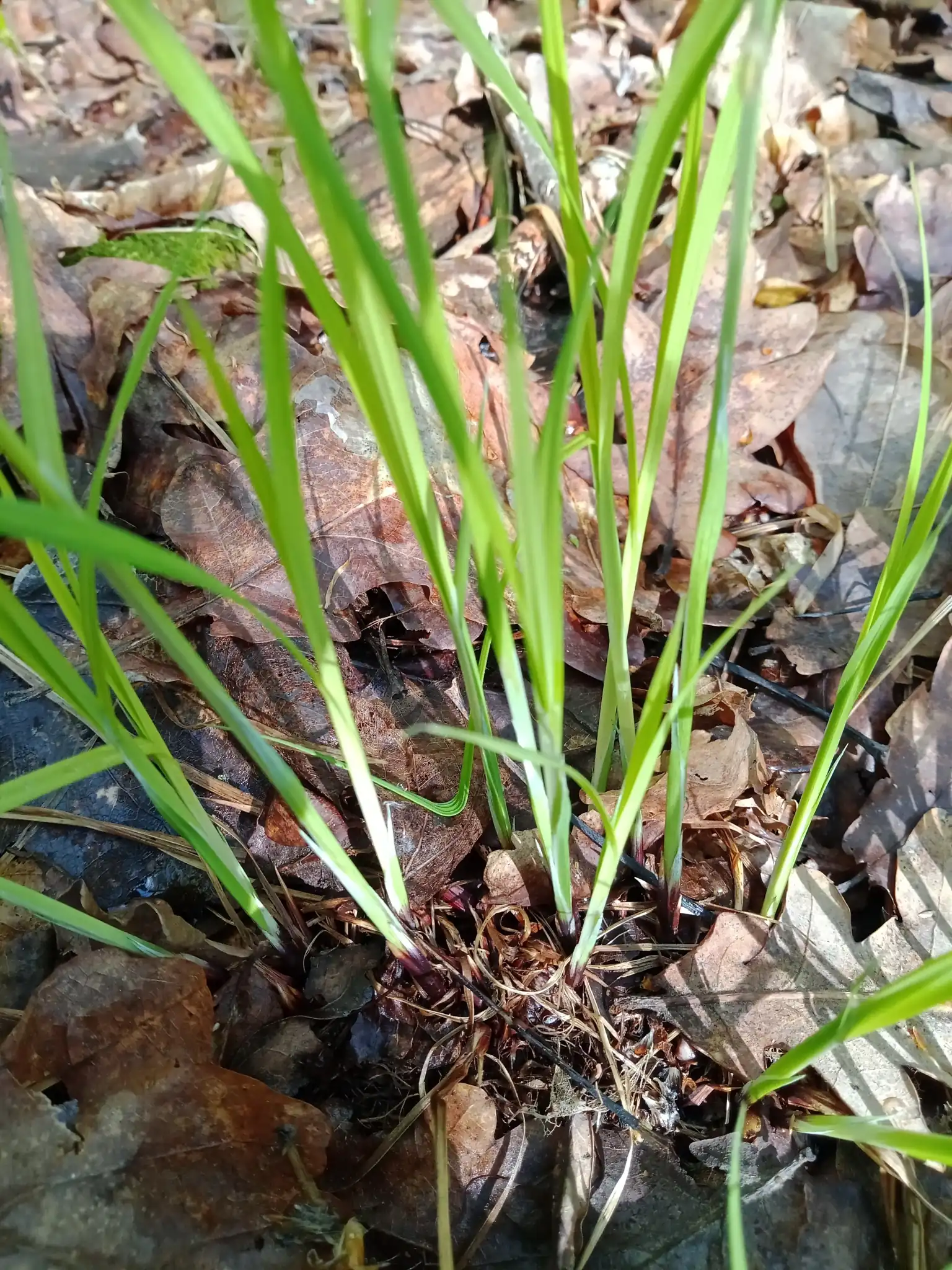
1 named cultivar
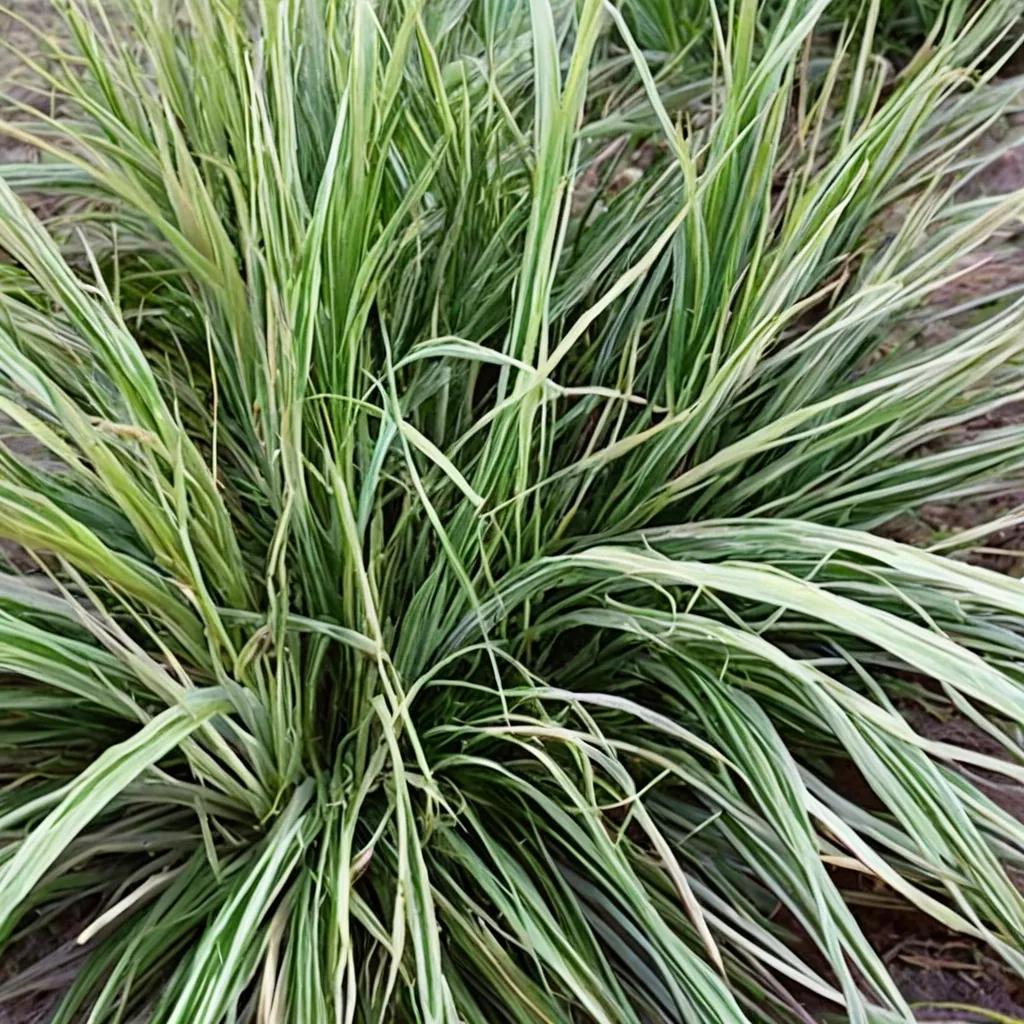
The Story
Plant Bio
Carex nigra, black sedge, is a low spreading sedge found across Europe and northern North America, forming tufts six to nine inches high that run by rhizomes to one to three feet across. The narrow foliage is dark blue-green to blue-grey with a powdery white underside, and stays evergreen except in the coldest gardens. Black flower spikes appear in April.
It is one of the few sedges that will grow in shallow standing water as readily as in wet ground, taking three or four inches over the crown without complaint. The dark, almost black flower and seed heads over blue-grey foliage are a genuinely unusual combination and read best when the plant is massed rather than dotted.
Uses & Benefits:
Essentials
At a Glance
Plant Type
Perennial
Height
8"
Width
24"
Light
Partial Sun, Shade
Zones
4, 5, 6, 7, 8, 9
Water
High
Humidity
High
Lifespan
Perennial
Native To
Europe and northern North America
Toxicity
Non-toxic
Planting
How to Grow
- Plant in spring in part to full shade.
- Choose wet soil, or a pond margin in shallow water.
- Space plants about a foot apart to knit into cover.
- Never allow the soil to dry out.
- Comb out dead foliage in late winter rather than shearing.
- Divide congested clumps every few years.
Pro Tip
In hot climates it needs constant moisture rather than more shade; drying out is what ruins the blue-grey foliage colour.
Keep It Thriving
Care Guide
Do
- Keep the soil wet at all times 💧
- Grow it in part to full shade 🌳
- Mass it for the black flower heads to register 🌾
- Comb out dead growth in late winter 🧹
Don't
- Let the soil dry out, especially in heat ❌
- Shear it hard like an ornamental grass ❌
- Plant it in dry, sunny ground ❌
Seasonal Care Calendar
| Task | Jan | Feb | Mar | Apr | May | Jun | Jul | Aug | Sep | Oct | Nov | Dec |
|---|---|---|---|---|---|---|---|---|---|---|---|---|
| Divide | ||||||||||||
| Tidy |
Watch Out For
Pests & Diseases
Common Pests
Common Diseases
In the Garden
Landscape Uses & Companions
Landscape Uses
Companion Plants
Multiply
Propagation Methods
Good to Know
Common Questions
Variegated Black Sedge questions
What zones can Variegated Black Sedge grow in?
Variegated Black Sedge is hardy in USDA Zones 4–9. Inside that range it survives winter in the ground; outside it, grow it as an annual or a container plant you protect.
Is Variegated Black Sedge deer resistant?
Not reliably. Deer may browse Variegated Black Sedge, especially tender spring growth — plan on repellents or fencing where pressure is high.
When does Variegated Black Sedge bloom?
Variegated Black Sedge typically blooms in mid-spring; flowers dark and inconspicuous through late fall. Exact timing shifts a week or two with your zone — Sow's bloom calendar maps it to your garden.
Does Variegated Black Sedge need full sun?
Variegated Black Sedge does best in part shade.
More Carex to compare
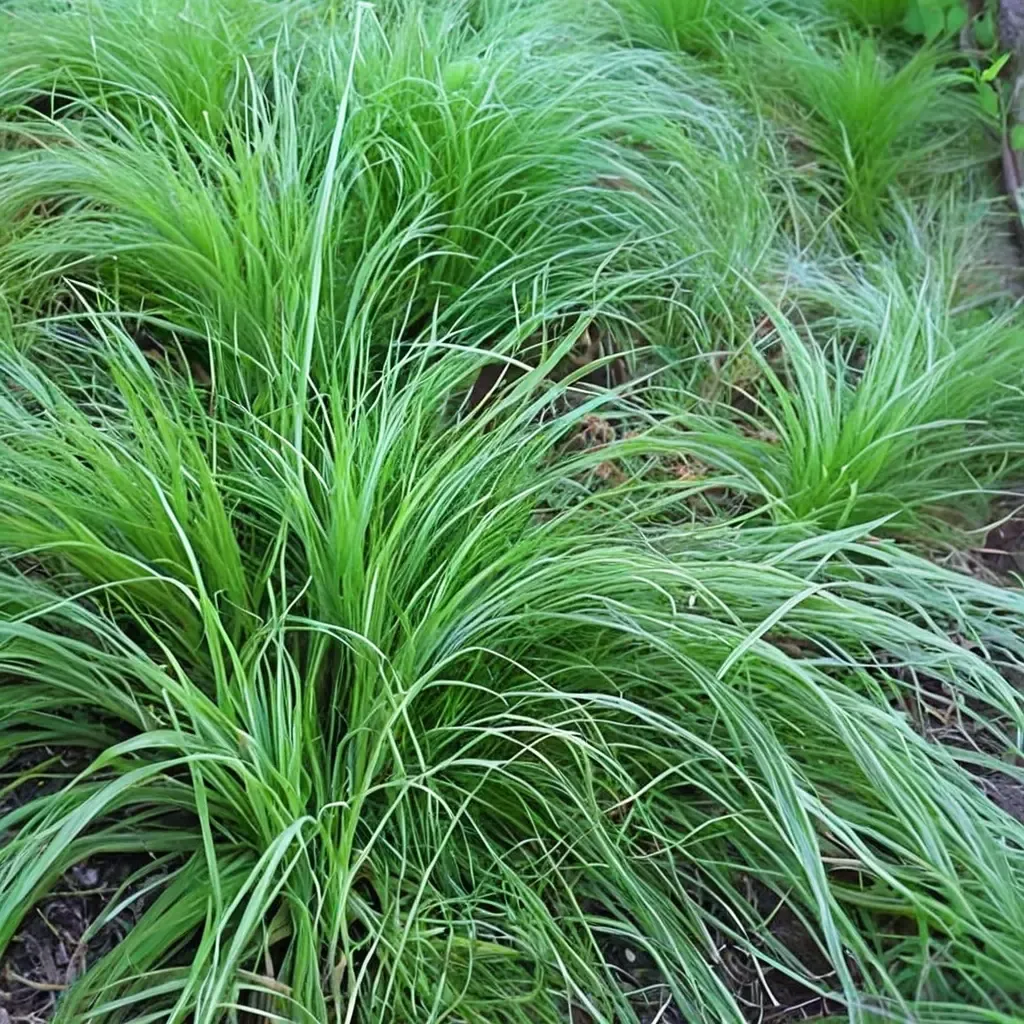
Pennsylvania Sedge
Carex pensylvanica
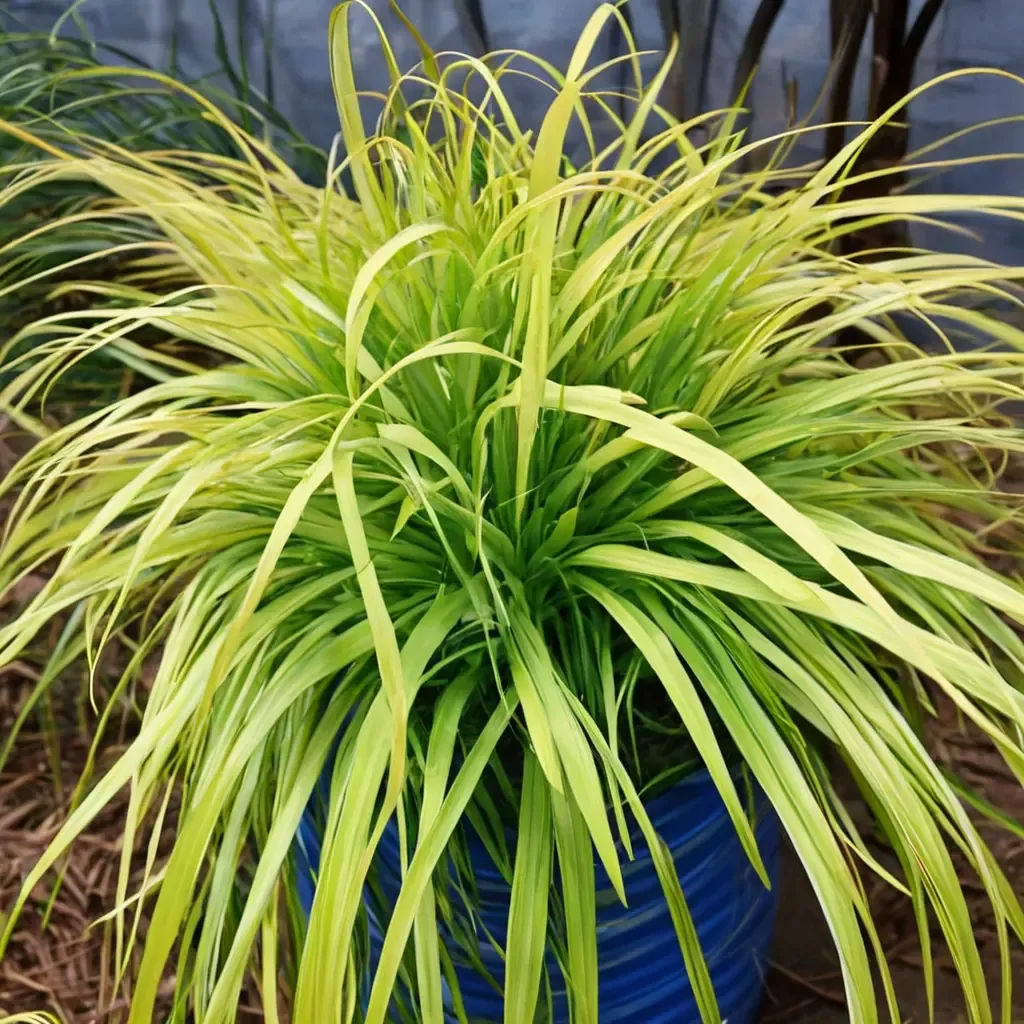
Everillo Sedge
Carex oshimensis 'Everillo'
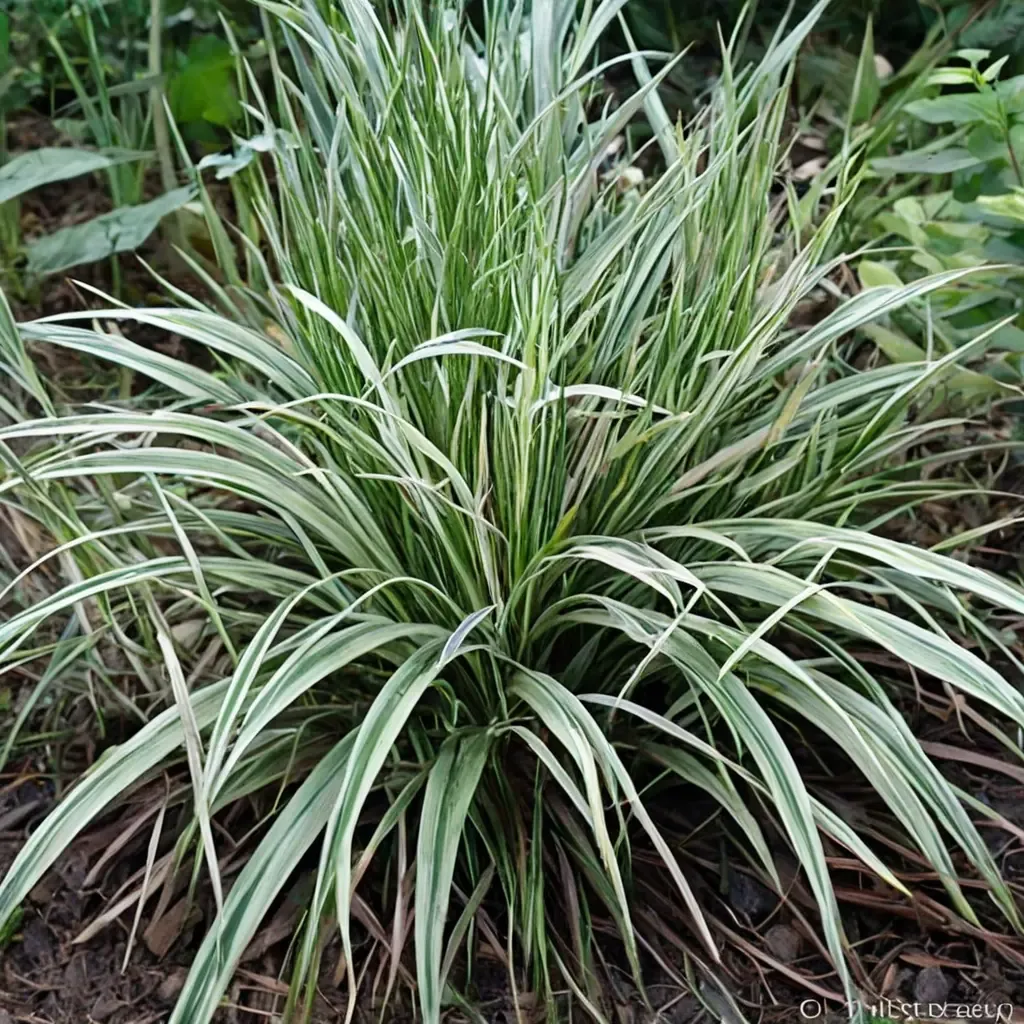
Japanese Sedge
Carex morrowii
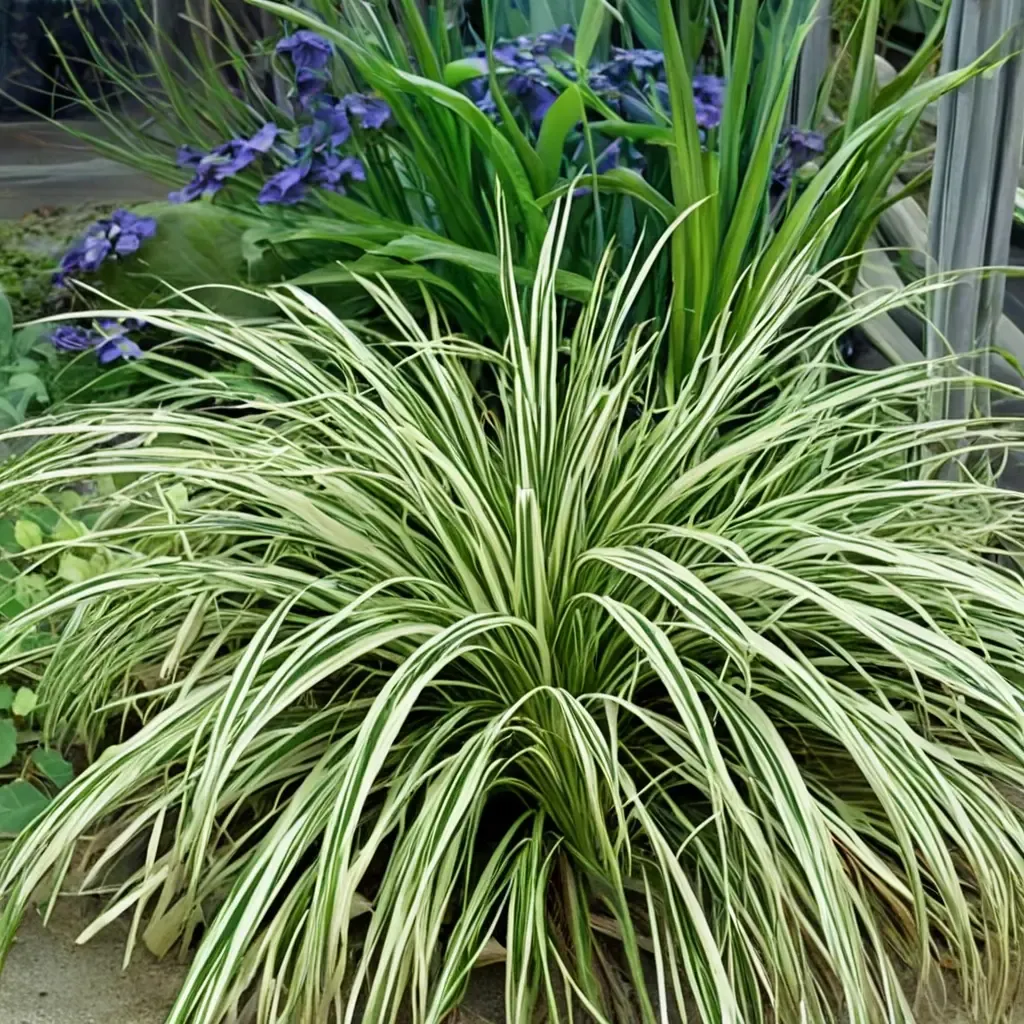
Evergold Japanese Sedge
Carex oshimensis 'Evergold'
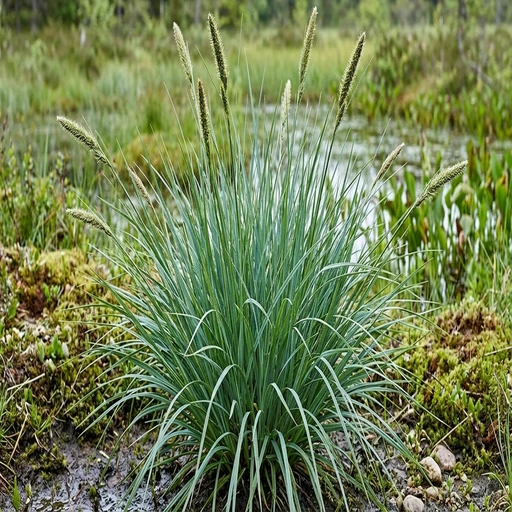
Comosa Sedge
Carex comosa
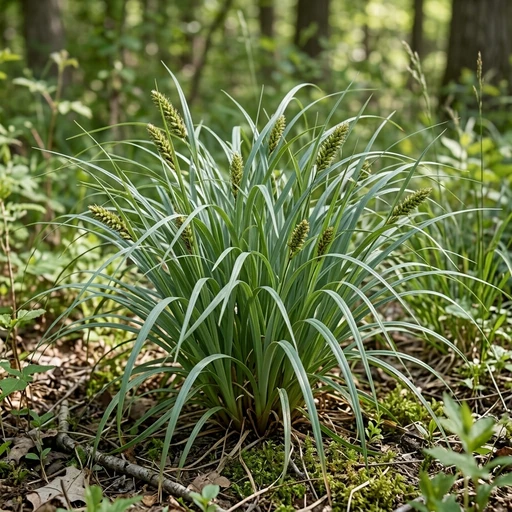
Shortbeak Sedge
Carex brevior
Keep exploring
Explore the genus
Grow Variegated Black Sedge with confidence
See it in a design of your actual yard, get zone-matched care reminders, and track it season by season in your garden journal.