The Story
Plant Bio
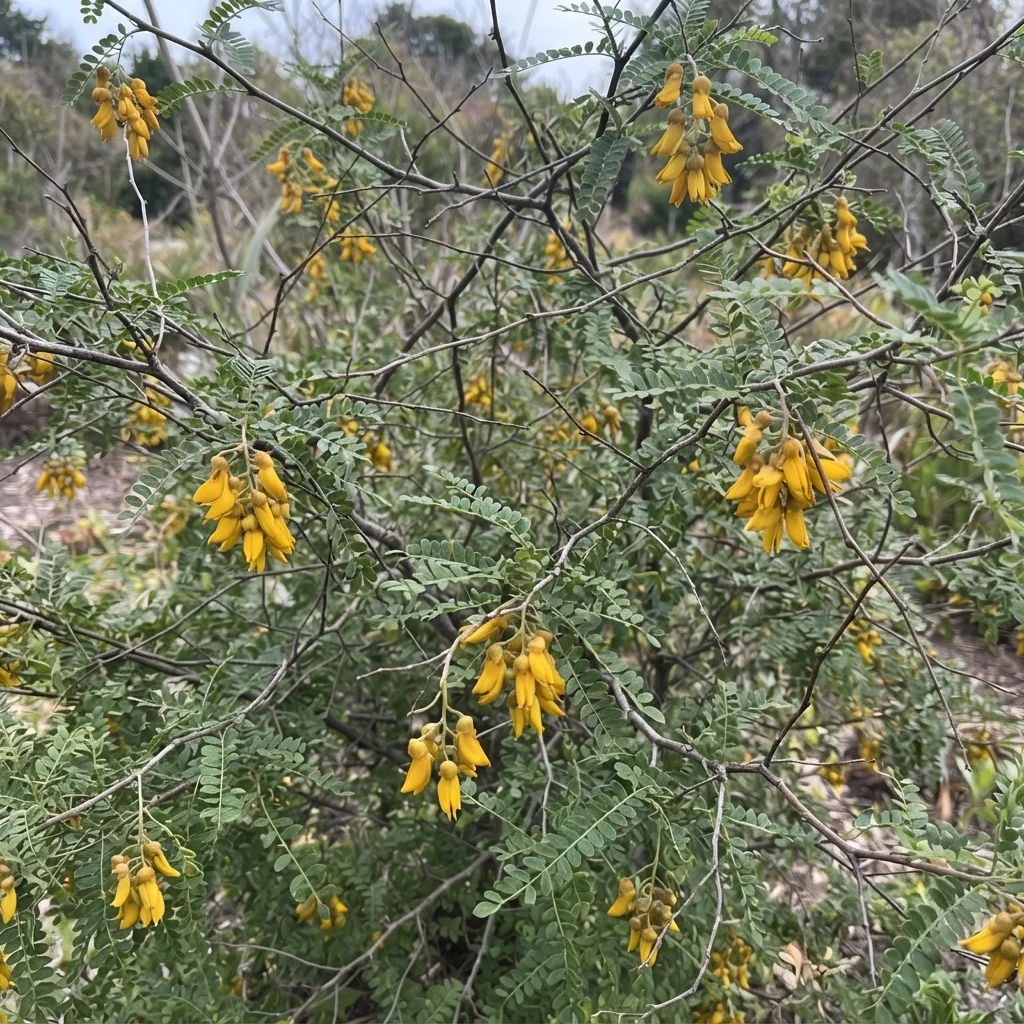
Sophora tomentosa, the yellow necklacepod, is an evergreen coastal shrub of the pea family with a pantropical distribution on dunes and hammock edges just above the tide line. It forms an open multi-stemmed framework with chartreuse young branches and pinnate leaves coated in fine hairs that give the whole crown a silvery-green cast.
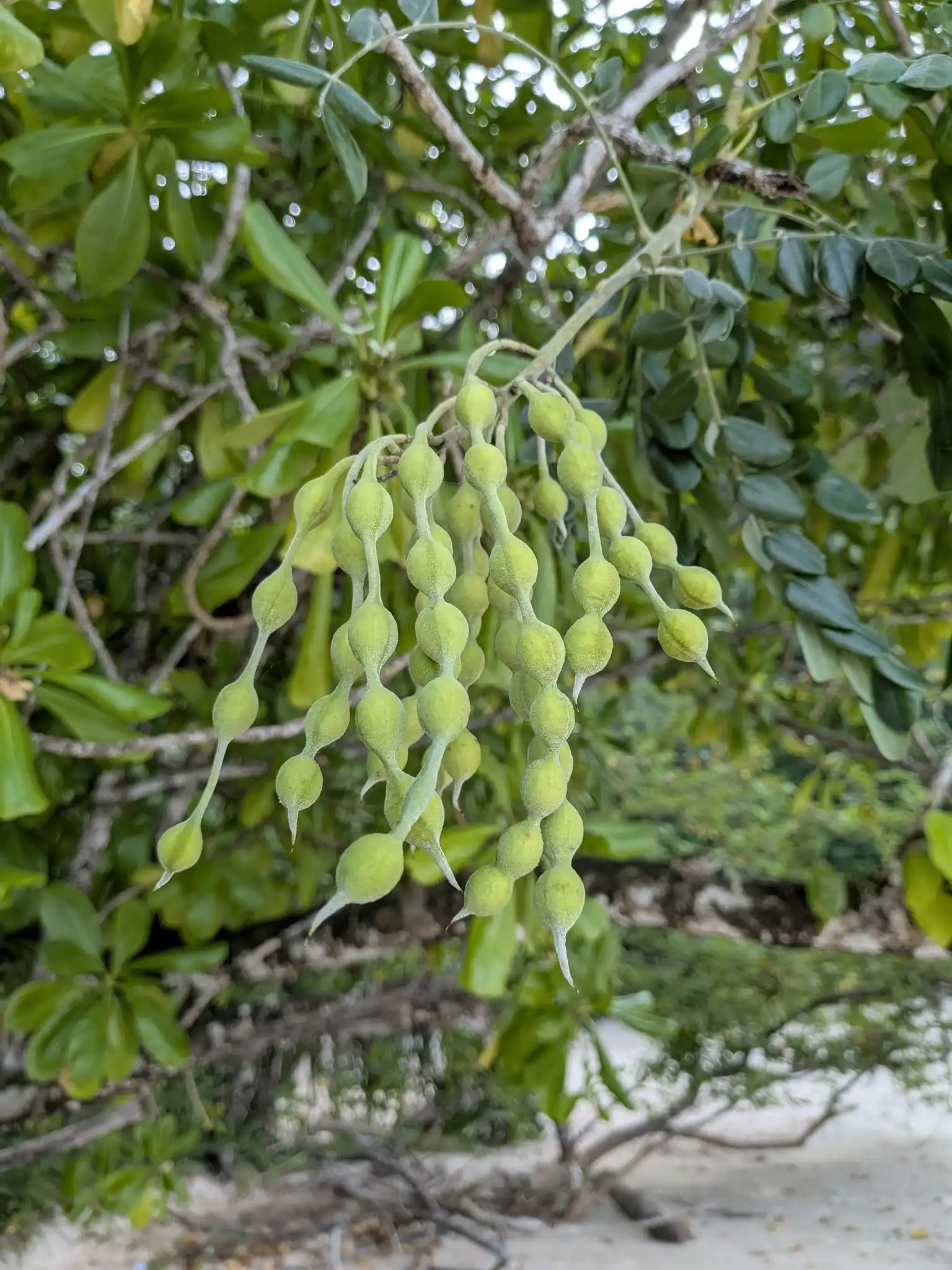
The display comes from upright terminal spikes of bright yellow pea flowers borne from spring to fall, followed by velvety pods pinched between each seed like beads on a string. The hard-coated seeds carry cytisine-like alkaloids and are poisonous if eaten, and germination depends on scarifying the coat.
Uses & Benefits:
Essentials
At a Glance
Plant Type
Shrub
Height
72"
Width
96"
Light
Full Sun, Partial Sun
Zones
9, 10
Water
Low
Humidity
Tolerant of coastal humidity
Lifespan
Long-lived shrub
Native To
S. Florida, S. Texas, Puerto Rico
Toxicity
Toxic seeds if ingested
Bloom period
Spring – Fall
In flower about 9 months of the year
Planting
How to Grow
- Plant in full sun in deep sandy or sandy-loam soil with sharp drainage and neutral to slightly alkaline pH.
- Set the root ball level with the sand surface and water in once, then withhold water except in extended drought.
- Leave unfertilized or feed very lightly; low nutrition suits it.
- Protect from hard freeze north of zone 9b; frozen stems resprout from roots where winters are brief.
- Site clear of saltwater inundation while allowing full salt spray and wind.
Pro Tip
Give it full sun and deep sand that drains instantly; excess water in heavy or peaty soil rots the crown where drought never will.
Keep It Thriving
Care Guide
Do
- Plant in full sun with sharp drainage
- Water sparingly once established
- Leave pods for seed texture and bird cover
Don't
- Do not plant in peat, clay, or soggy brackish soil
- Do not overwater to force growth
- Do not eat seeds; they are poisonous
Seasonal Care Calendar
| Task | Jan | Feb | Mar | Apr | May | Jun | Jul | Aug | Sep | Oct | Nov | Dec |
|---|---|---|---|---|---|---|---|---|---|---|---|---|
| Mulch | ||||||||||||
| Pest Check | ||||||||||||
| Plant | ||||||||||||
| Propagate | ||||||||||||
| Winter Prep |
Watch Out For
Pests & Diseases
Common Pests
Common Diseases
In the Garden
Landscape Uses & Companions
Landscape Uses
Multiply
Propagation Methods
Good to Know
Common Questions
Yellow Necklacepod questions
What zones can Yellow Necklacepod grow in?
Yellow Necklacepod is hardy in USDA Zones 9–10: in that range it survives winter in the ground. Colder than Zone 9, grow it in a container you can move to shelter for the winter.
When does Yellow Necklacepod bloom?
Yellow Necklacepod typically blooms from spring to fall. Exact timing shifts a week or two with your zone — Sow's bloom calendar maps it to your garden.
Does Yellow Necklacepod need full sun?
Yellow Necklacepod does best in full sun to part shade. In hot climates, afternoon shade keeps blooms fresher longer.
Is Yellow Necklacepod drought tolerant?
Yes — once established (usually after the first full season), Yellow Necklacepod handles dry spells with minimal watering. Water deeply its first year to build the root system that makes that possible.
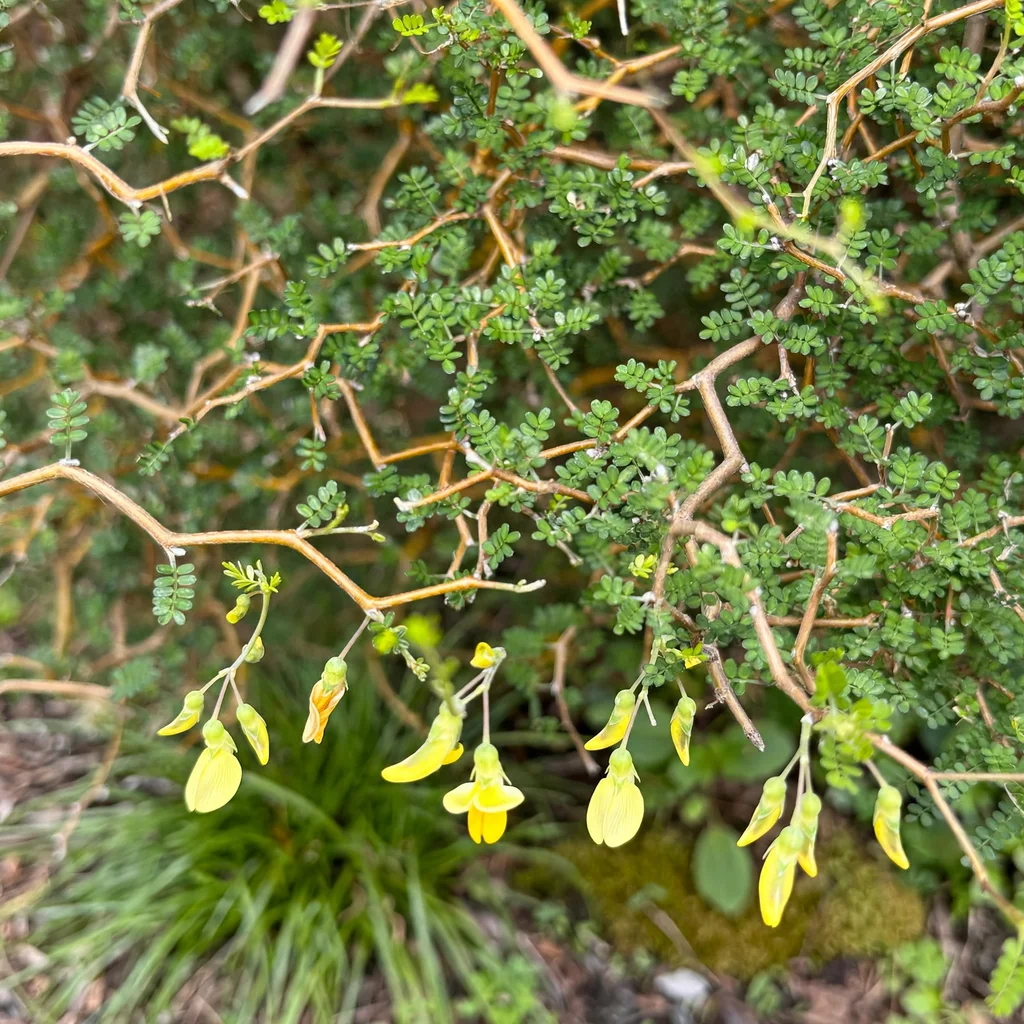
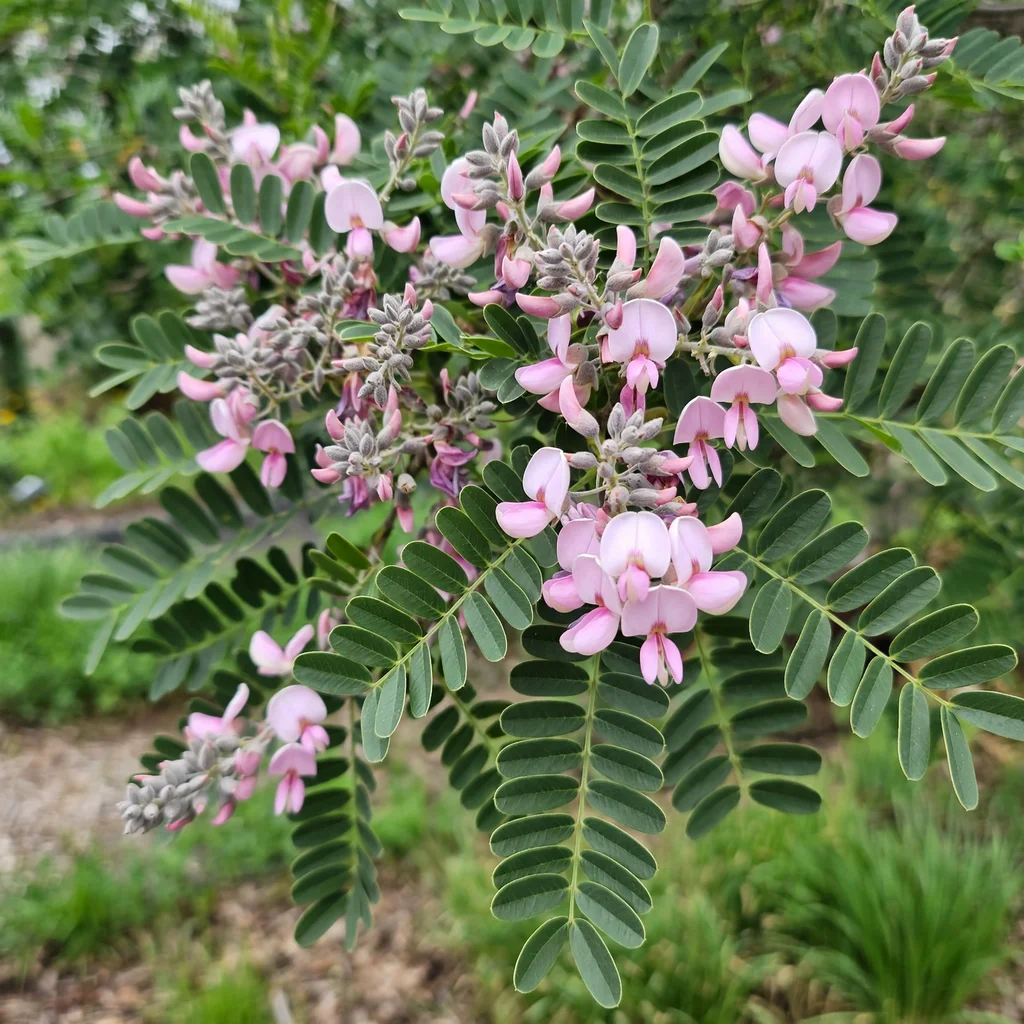
More Sophora to compare
Keep exploring
Explore the genus
Hardy in your zone?
Grow Yellow Necklacepod with confidence
See it in a design of your actual yard, get zone-matched care reminders, and track it season by season in your garden journal.