The Story
Plant Bio
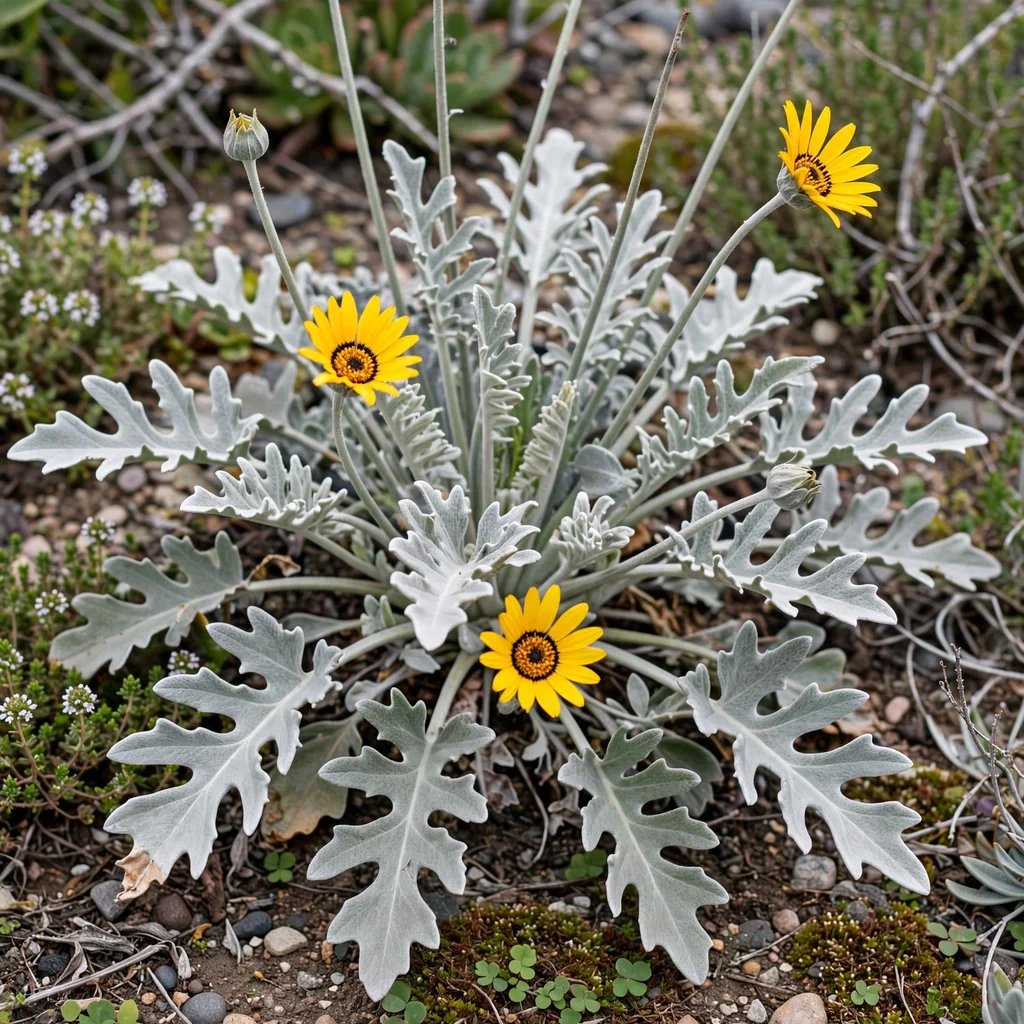
Arctotis adpressa is a low spreading perennial from a woody base, with basal grey-felted leaves and solitary daisy heads on leafless stalks. The heads carry yellow rays backed in dark red around a yellow disk, opening over a long season in full sun.
It is set apart by lyrate-pinnatifid grey-felted foliage and outer bracts pressed flat against the involucre without a tail. This is the rare Cederberg sandstone endemic, not the vigorous hybrid African daisies sold for bedding.
Uses & Benefits:
Essentials
At a Glance
Plant Type
Perennial
Height
16"
Width
16"
Light
Full Sun
Zones
9, 10
Water
Low
Humidity
Low
Lifespan
Perennial
Native To
South Africa (Cape Provinces)
Toxicity
Unknown
Bloom period
Spring – Summer
In flower about 6 months of the year
Planting
How to Grow
- Plant in full sun in sharply drained sandy loam with the crown slightly above grade.
- Water in once, then water sparingly and let the soil dry between waterings.
- Deadhead spent stalks at the base to prolong bloom.
- Leave the woody base undisturbed through winter and provide no heavy mulch.
Pro Tip
Give it full sun and sharp drainage in lean sand and keep winter water off the woody crown.
Keep It Thriving
Care Guide
Do
- Do plant in sand or grit-amended soil that drains fast.
- Do give full sun and open air.
- Do verify the leaf and bract characters at purchase.
Don't
- Do not plant in heavy clay or low spots that stay wet.
- Do not overwater or fertilize heavily.
- Do not confuse it with hybrid Arctotis bedding types.
Seasonal Care Calendar
| Task | Jan | Feb | Mar | Apr | May | Jun | Jul | Aug | Sep | Oct | Nov | Dec |
|---|---|---|---|---|---|---|---|---|---|---|---|---|
| Deadhead | ||||||||||||
| Pest Check | ||||||||||||
| Plant | ||||||||||||
| Winter Prep |
Watch Out For
Pests & Diseases
Common Pests
Common Diseases
In the Garden
Landscape Uses & Companions
Landscape Uses
Multiply
Propagation Methods
Good to Know
Common Questions
African Daisy questions
What zones can African Daisy grow in?
African Daisy is hardy in USDA Zones 9–10: in that range it survives winter in the ground. Colder than Zone 9, grow it in a container you can move to shelter for the winter, or as an annual.
When does African Daisy bloom?
African Daisy typically blooms from spring to summer. Exact timing shifts a week or two with your zone — Sow's bloom calendar maps it to your garden.
Does African Daisy need full sun?
African Daisy does best in full sun (6+ hours).
Is African Daisy drought tolerant?
Yes — once established (usually after the first full season), African Daisy handles dry spells with minimal watering. Water deeply its first year to build the root system that makes that possible.
More Arctotis to compare
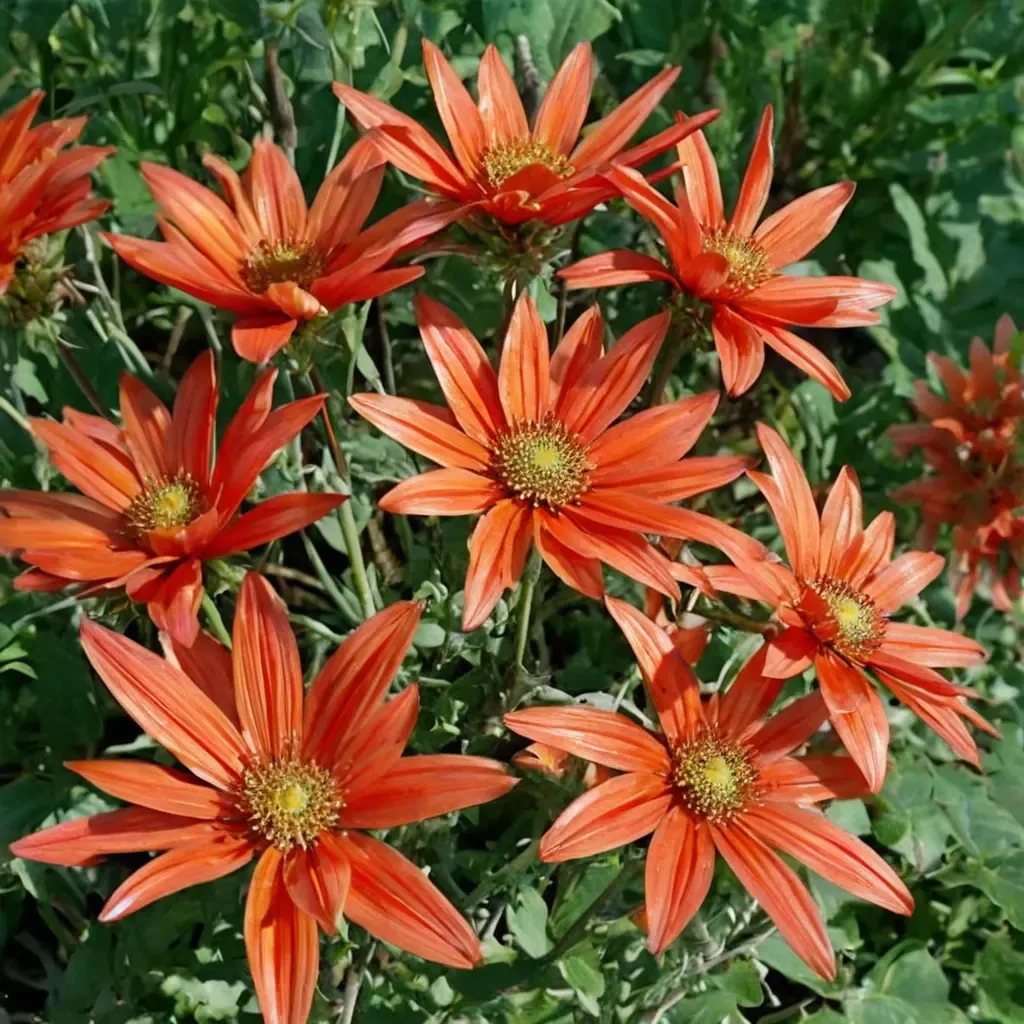
Flame African Daisy
Arctotis x hybrida 'Flame'
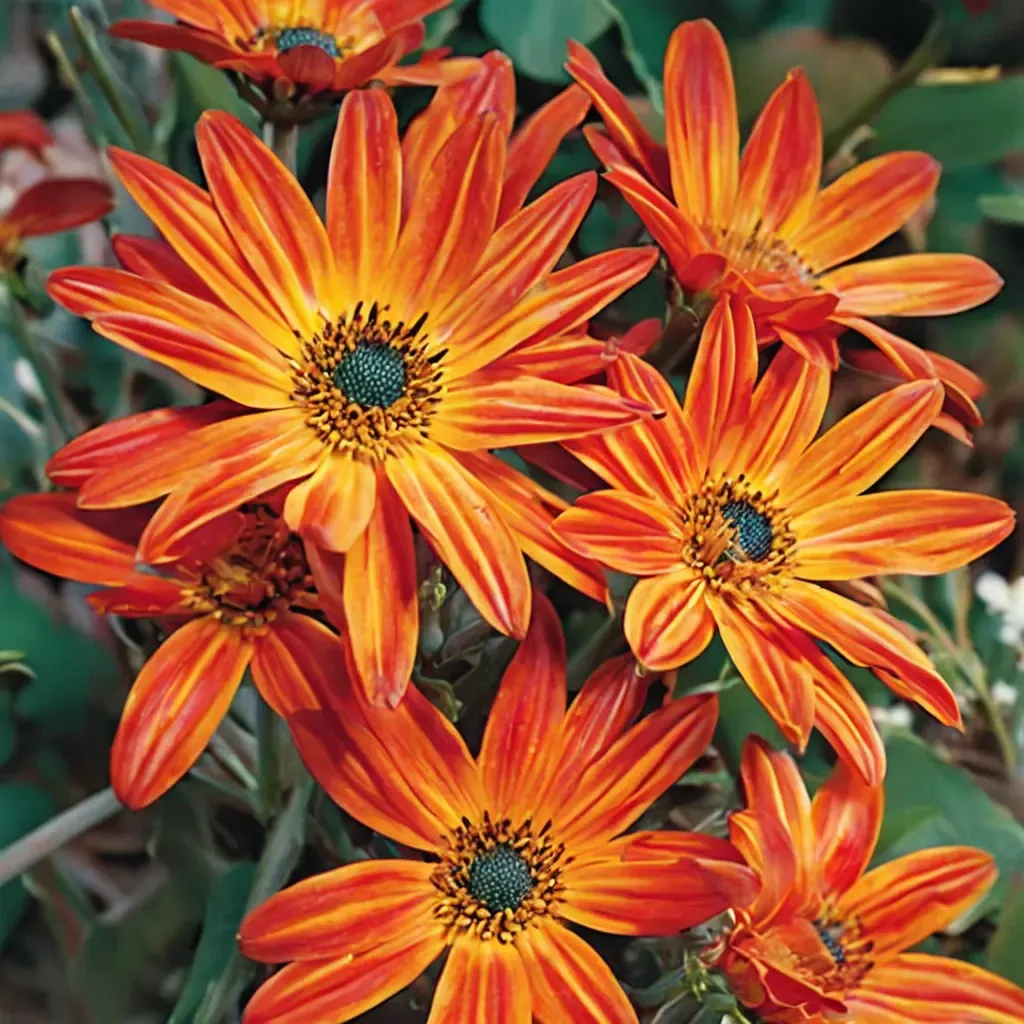
Sunset African Daisy
Arctotis x hybrida 'Sunset'
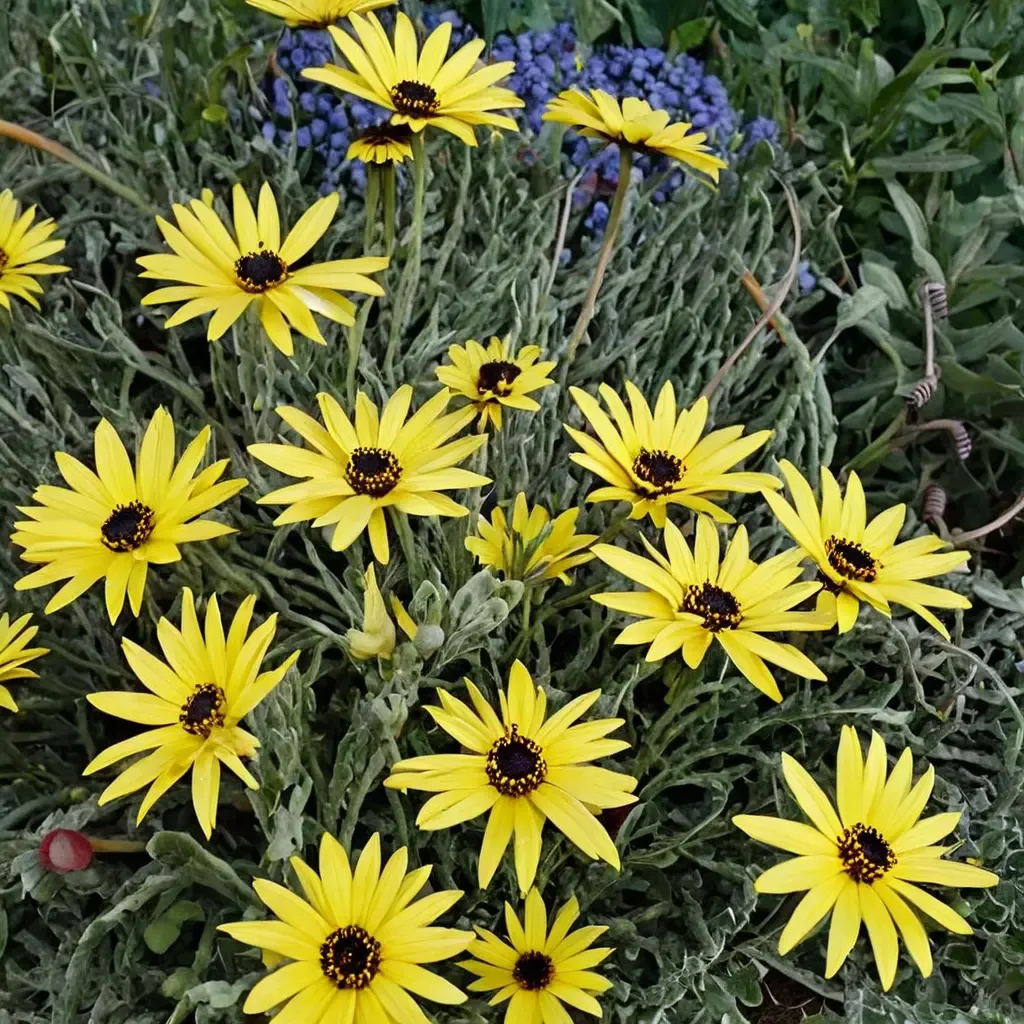
Large Marge Arctotis
Arctotis stoechadifolia 'Large Marge'
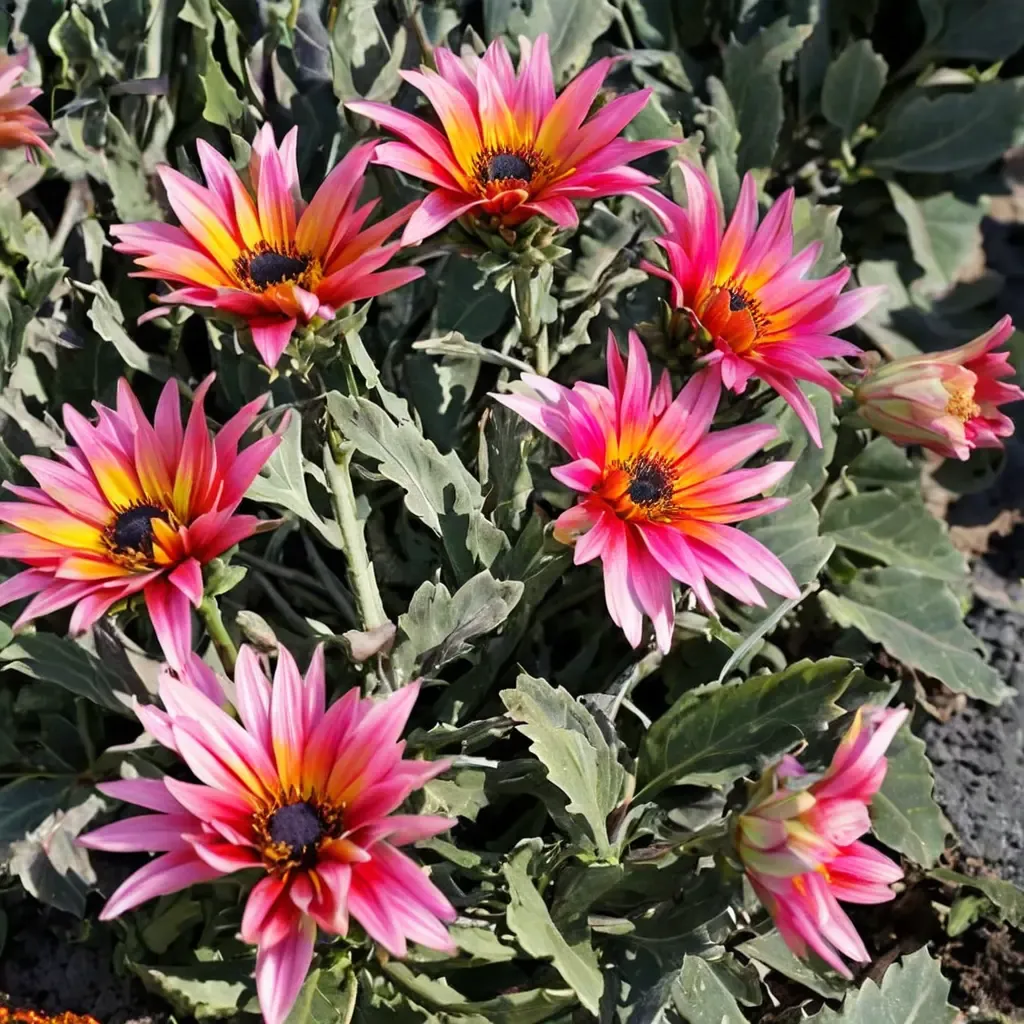
Pink Sugar African Daisy
Arctotis x hybrida 'Pink Sugar'
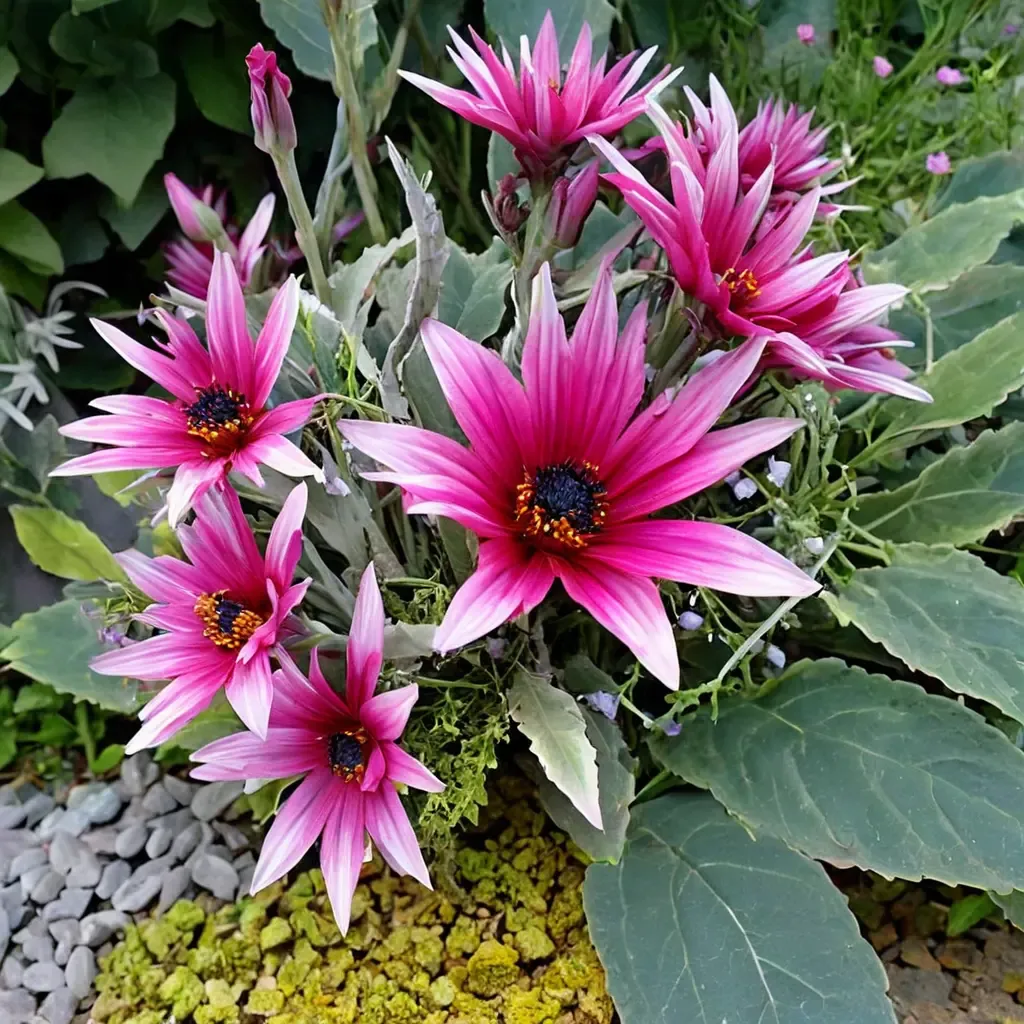
Ultra Violet African Daisy
Arctotis x hybrida 'Ultra Violet'
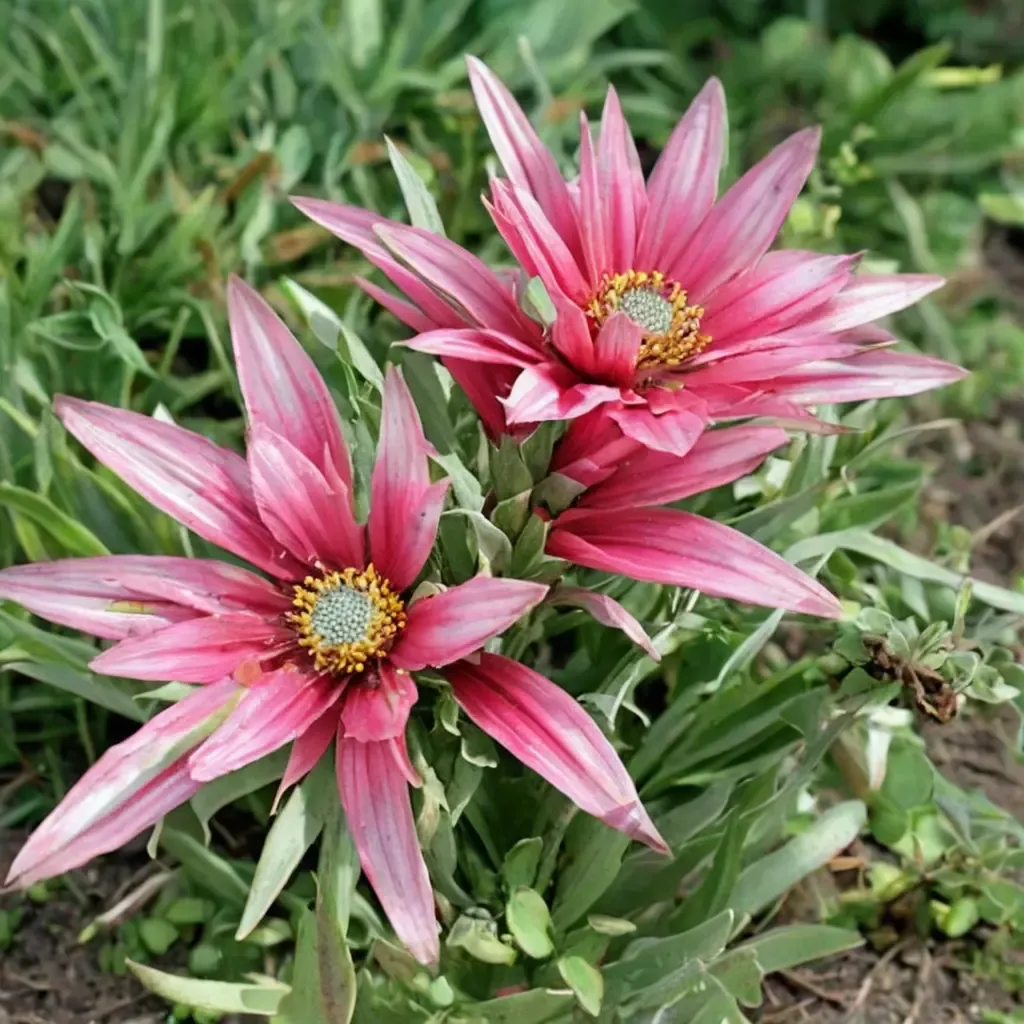
Wine African Daisy
Arctotis x hybrida 'Wine'
Keep exploring
Explore the genus
Hardy in your zone?
Grow African Daisy with confidence
See it in a design of your actual yard, get zone-matched care reminders, and track it season by season in your garden journal.