



The Story
Plant Bio
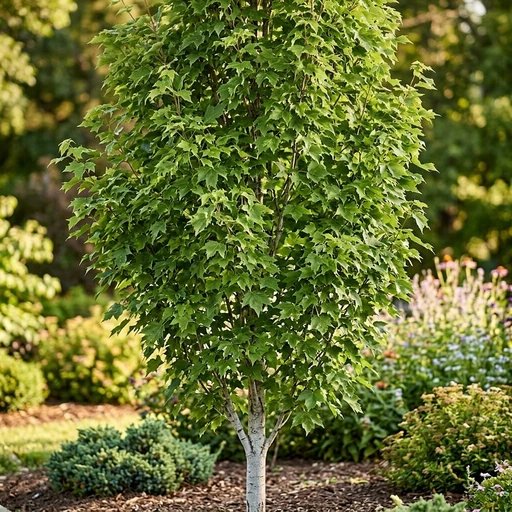
Acer saccharum, the Sugar Maple, is a large, deciduous tree native to eastern North America, famous for its brilliant fall foliage and for being the primary source of maple syrup. It is a slow-growing, long-lived tree with a dense, rounded crown.
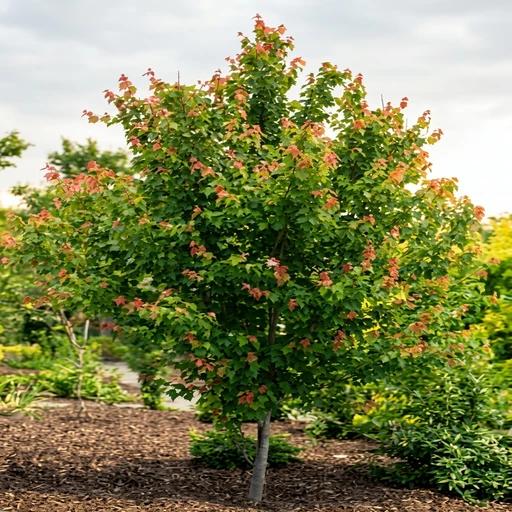
'Apollo' is a cultivar selected for its narrow, columnar growth habit. It maintains a tight, upright form, making it suitable for smaller spaces where a full-sized sugar maple would not fit. Its fall color is a classic mix of yellow, orange, and red.
Uses & Benefits:
Essentials
At a Glance
Plant Type
Tree
Height
336"
Width
132"
Light
Full Sun, Partial Sun
Zones
4, 5, 6, 7, 8
Water
Medium
Humidity
Average
Lifespan
Long-lived tree
Native To
Eastern North America
Toxicity
Non-toxic to humans, toxic to horses
Bloom period
Early spring – Mid-spring
In flower about 2 months of the year
Planting
How to Grow
- Choose a site with well-drained soil, away from compacted areas.
- Dig a hole two to three times the width of the root ball.
- Set the tree so the root flare is at or just above ground level.
- Backfill with native soil, watering to settle.
- Water regularly for the first few years, especially during drought.
- Mulch to keep the root zone cool and moist.
Pro Tip
Protect the thin bark from sunscald in winter and mechanical damage from mowers or string trimmers.
Keep It Thriving
Care Guide
Do
- Provide consistent moisture.
- Protect the root zone from compaction.
- Allow space for roots to spread.
Don't
- Don't plant in poorly drained or heavily compacted soil.
- Don't use de-icing salts nearby.
- Don't plant too close to pavement.
Seasonal Care Calendar
| Task | Jan | Feb | Mar | Apr | May | Jun | Jul | Aug | Sep | Oct | Nov | Dec |
|---|---|---|---|---|---|---|---|---|---|---|---|---|
| Mulch | ||||||||||||
| Prune |
Watch Out For
Pests & Diseases
Common Pests
Common Diseases
In the Garden
Landscape Uses & Companions
Landscape Uses
Multiply
Propagation Methods
Good to Know
Common Questions
Apollo Maple questions
What zones can Apollo Maple grow in?
Apollo Maple is hardy in USDA Zones 4–8. Inside that range it survives winter in the ground; outside it, grow it as an annual or a container plant you protect.
Is Apollo Maple deer resistant?
Not reliably. Deer may browse Apollo Maple, especially tender spring growth — plan on repellents or fencing where pressure is high.
When does Apollo Maple bloom?
Apollo Maple typically blooms in early spring through mid-spring. Exact timing shifts a week or two with your zone — Sow's bloom calendar maps it to your garden.
Does Apollo Maple need full sun?
Apollo Maple does best in full sun to part shade. In hot climates, afternoon shade keeps blooms fresher longer.
More Acer to compare
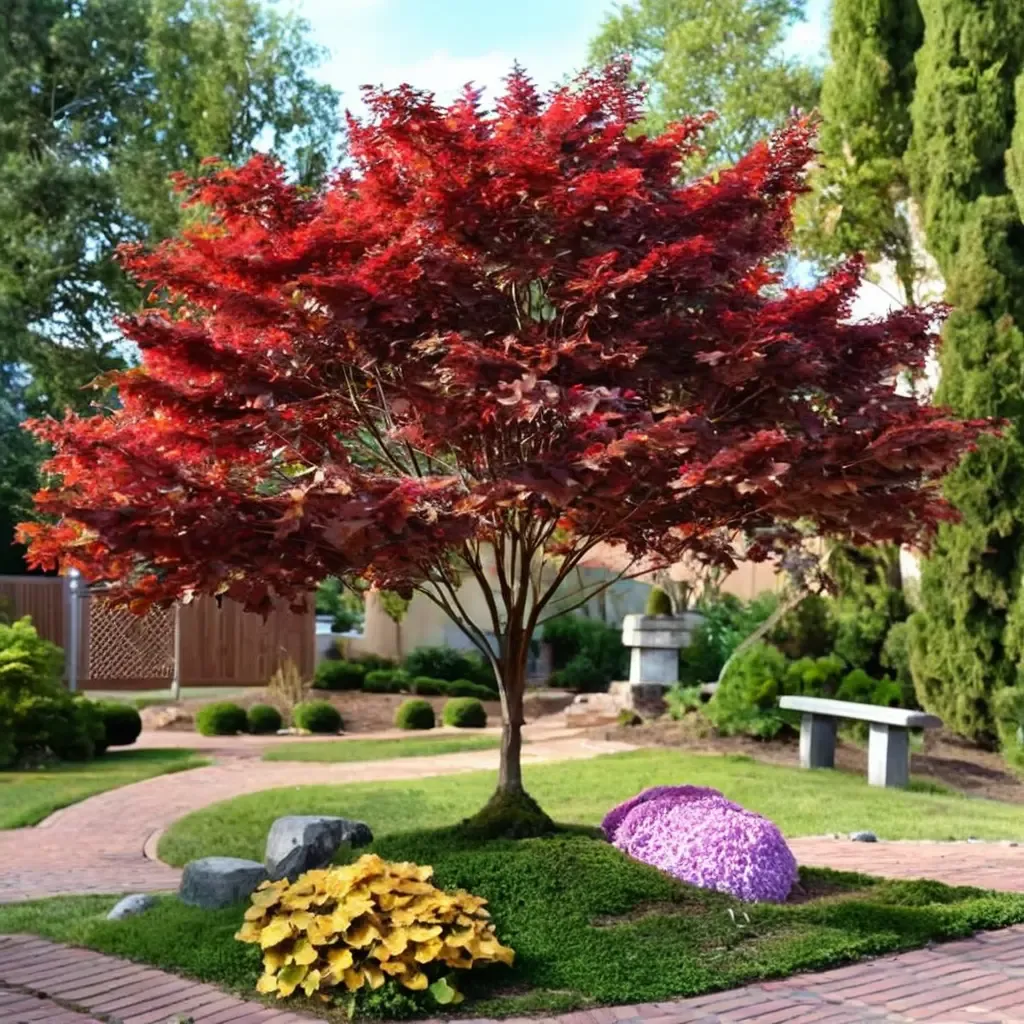
Bloodgood Japanese Maple
Acer palmatum 'Bloodgood'
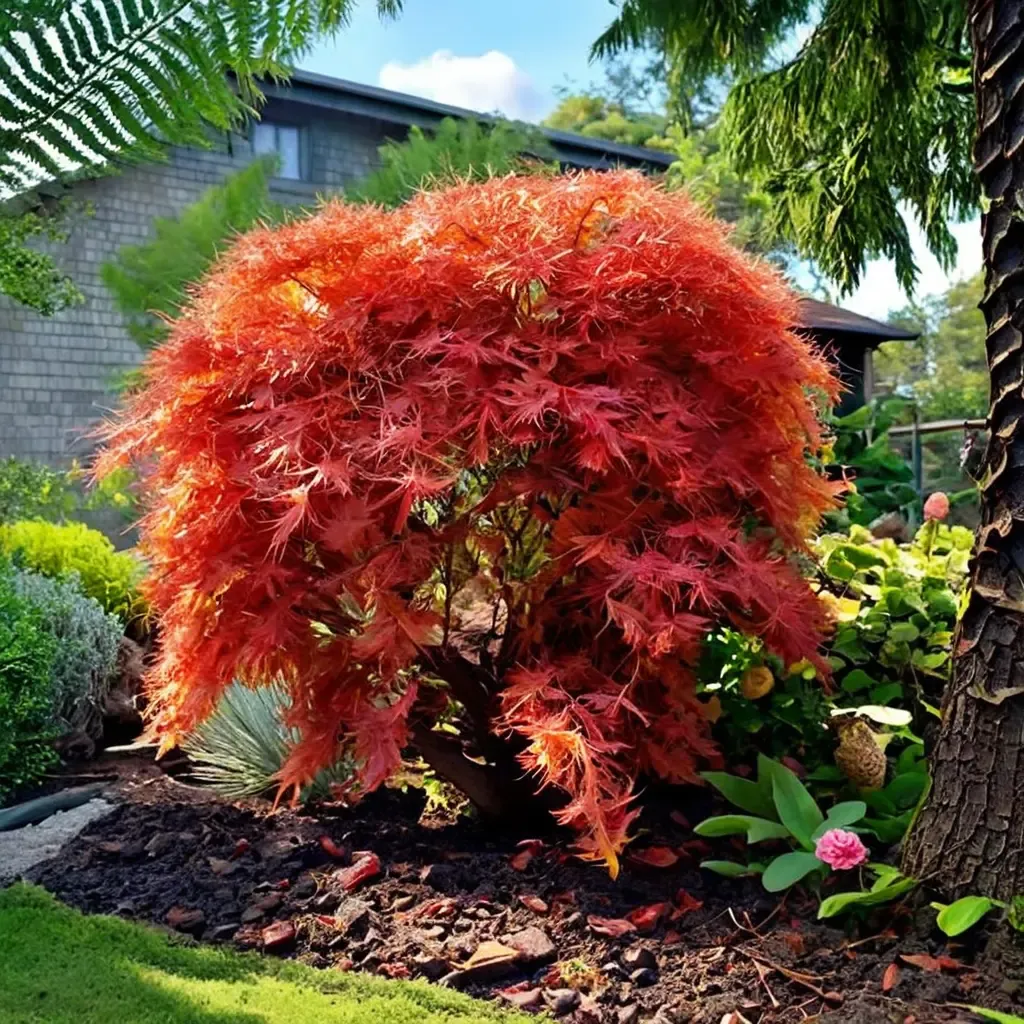
Orangeola Japanese Maple
Acer palmatum 'Orangeola'
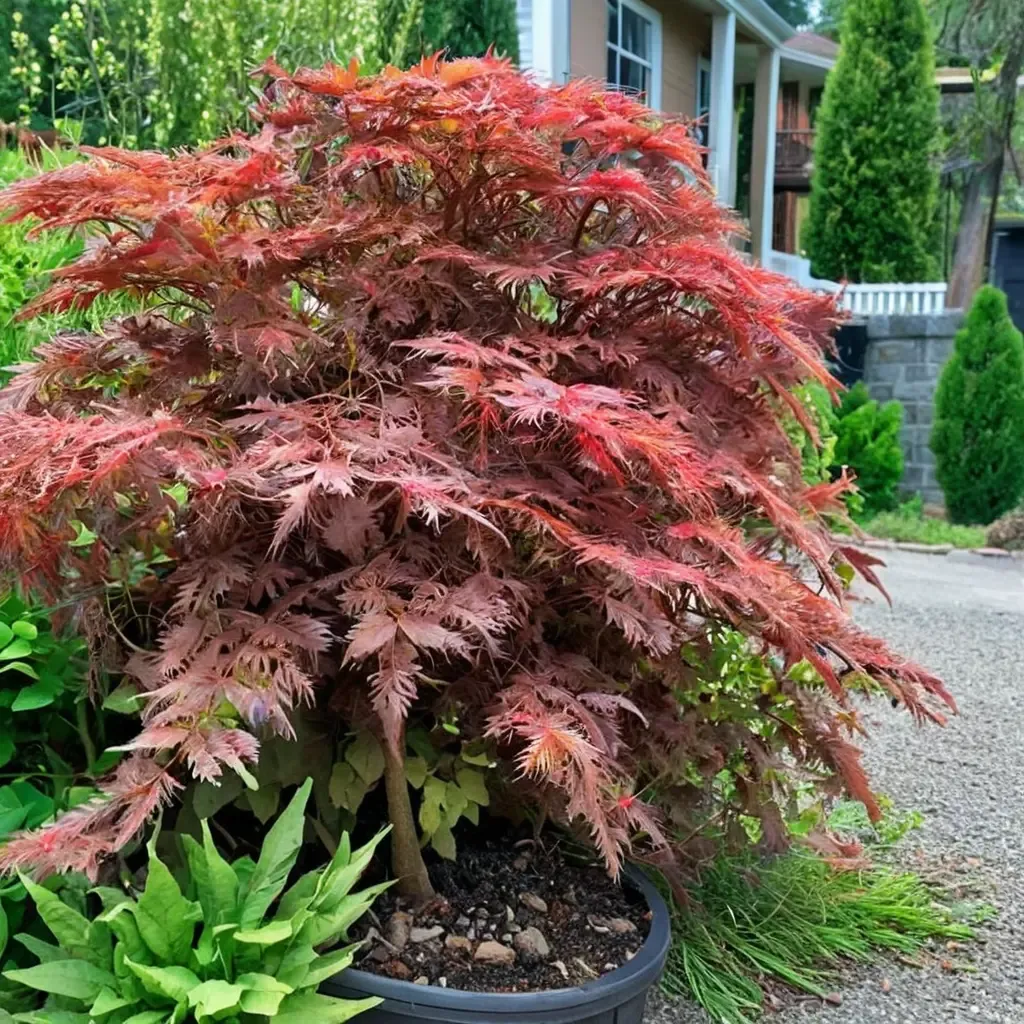
Crimson Queen Japanese Maple
Acer palmatum 'Crimson Queen'
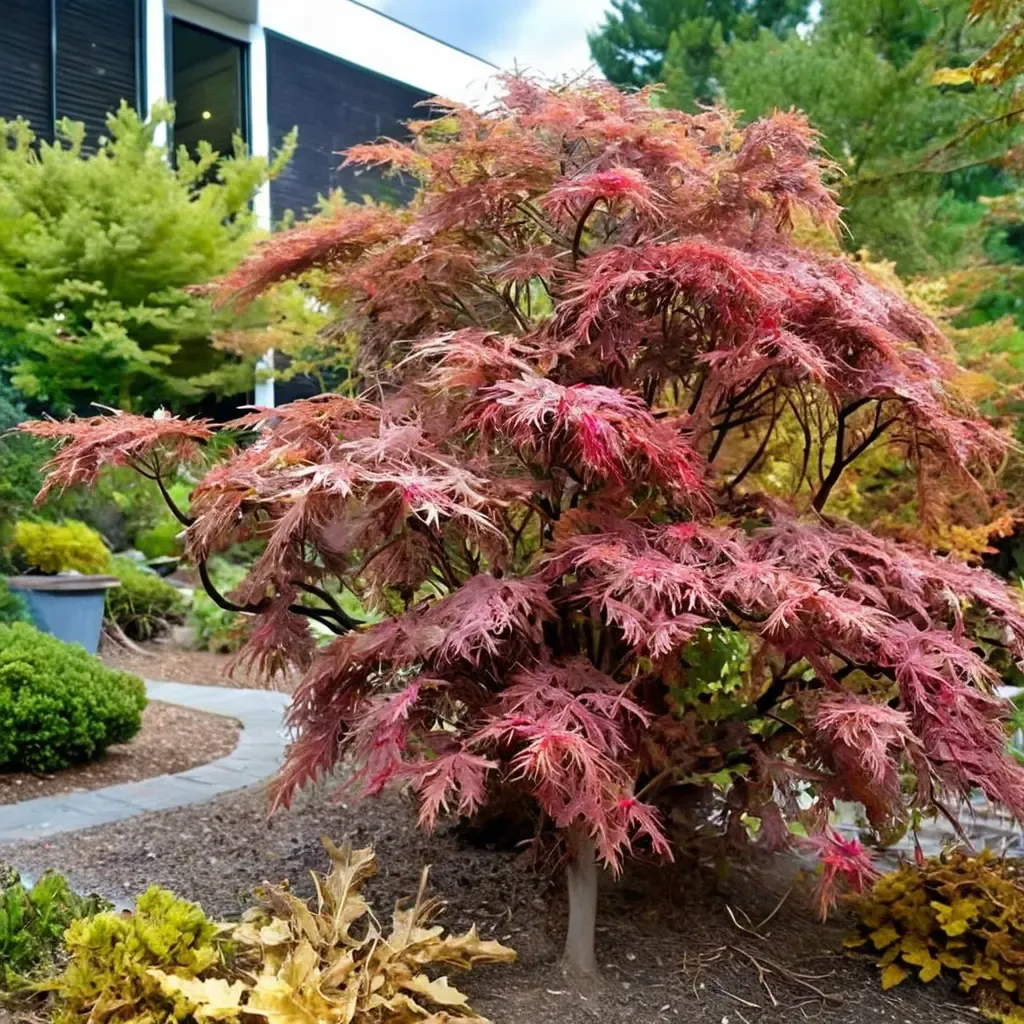
Weeping Japanese Maple
Acer palmatum 'Shidare'
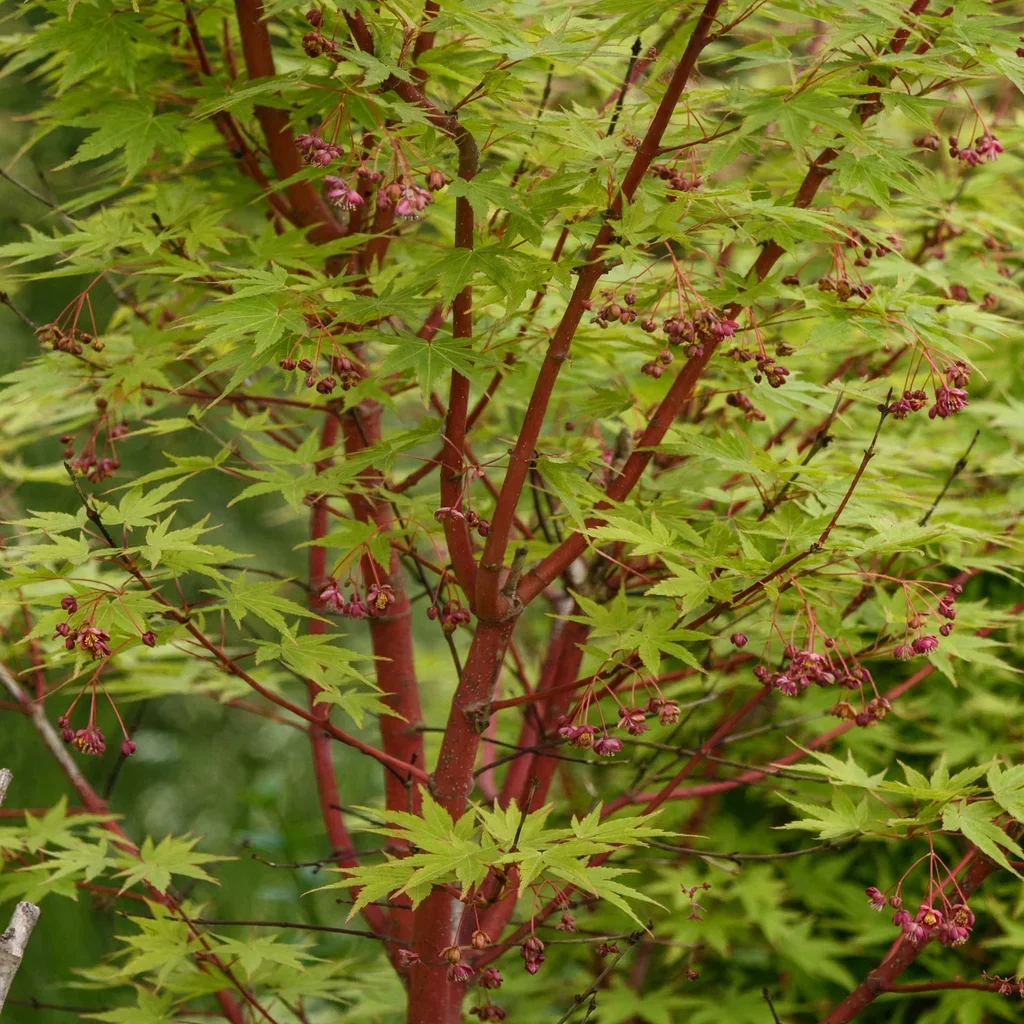
Coral Bark Maple
Acer palmatum 'Sango-Kaku'
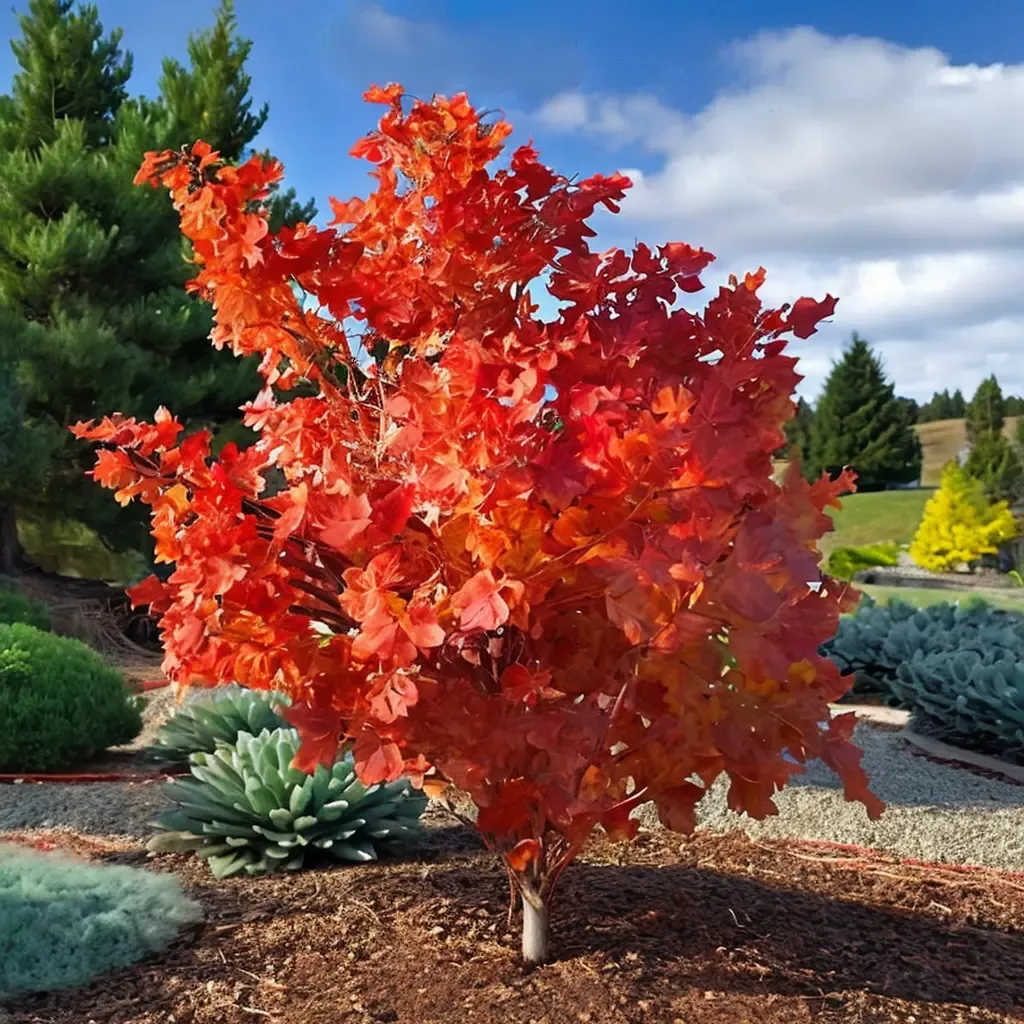
Final Fire Japanese Maple
Acer palmatum 'Final Fire'
Keep exploring
Explore the genus
Hardy in your zone?
Grow Apollo Maple with confidence
See it in a design of your actual yard, get zone-matched care reminders, and track it season by season in your garden journal.