The Story
Plant Bio
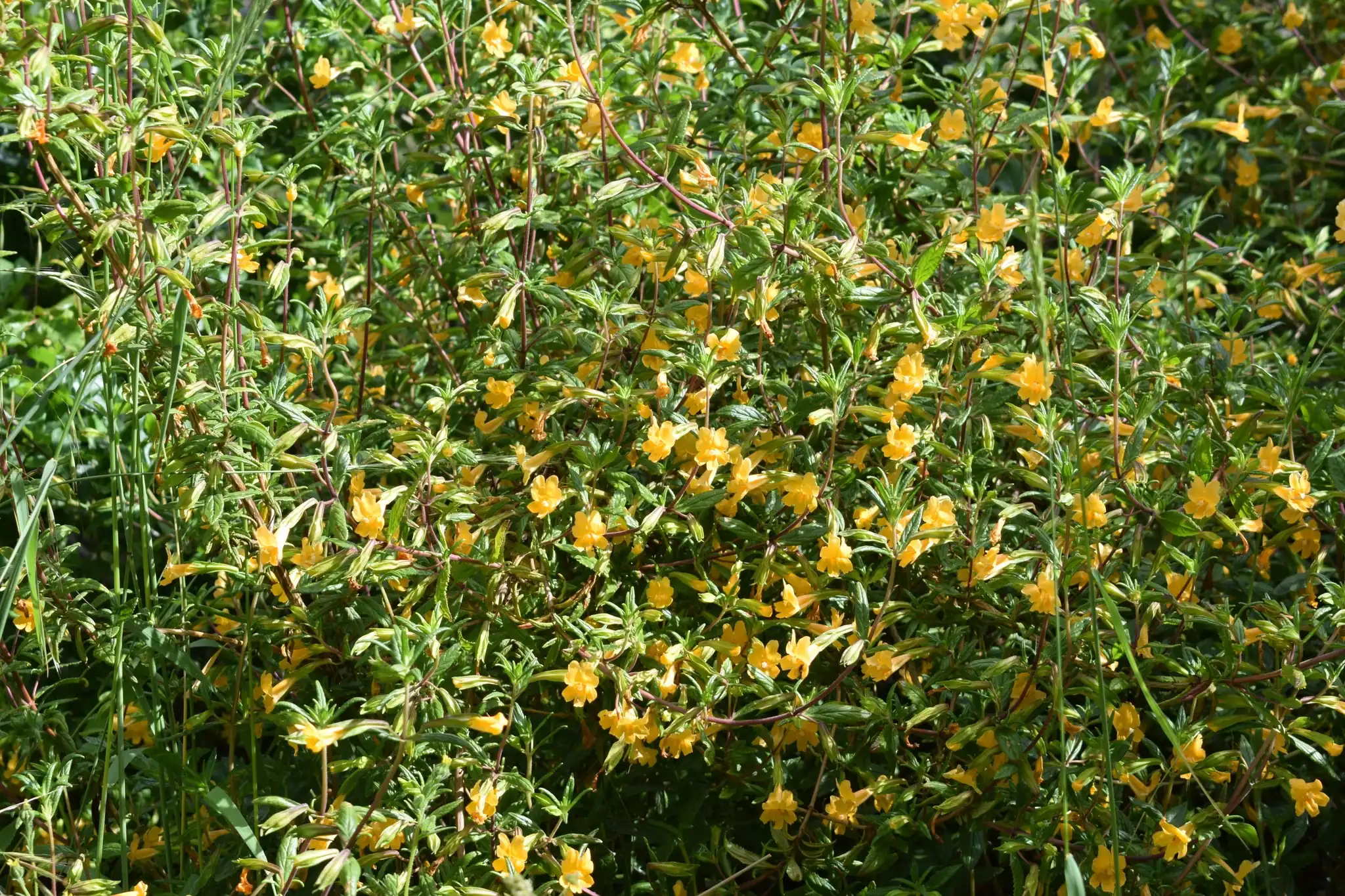
Mimulus aurantiacus, sticky monkeyflower, is an evergreen subshrub of California and southwestern Oregon, two to four feet high and about three feet across. Narrow dark green leaves are noticeably tacky to the touch, and tubular two-lipped flowers in salmon, orange or orange-red open from spring through summer. It is also placed in the genus Diplacus.
It is adapted to a rainless Californian summer and goes partly dormant in the heat, dropping leaves and looking sparse until the rains return. Plant it among evergreen shrubs so the gap is covered rather than watering it to stay green, which rots the roots. Bees and hummingbirds both work the flowers heavily.
Uses & Benefits:
Essentials
At a Glance
Plant Type
Shrub
Height
36"
Width
36"
Light
Full Sun, Partial Sun
Zones
8, 9, 10
Water
Low
Humidity
Low
Lifespan
Perennial
Native To
California and southwestern Oregon
Toxicity
No significant toxicity reported
Planting
How to Grow
- Plant in autumn or winter in full sun to partial shade.
- Use well-drained soil; avoid heavy irrigated ground.
- Water through the first winter and spring to establish.
- Stop summer watering once the plant is settled.
- Pinch young growth to keep it bushy rather than leggy.
- Cut back by a third after flowering to renew the plant.
Pro Tip
Summer water is what kills it, not summer drought; let it look sparse in August and it will come back with the rains.
Keep It Thriving
Care Guide
Do
- Plant it in autumn for winter root growth 🍂
- Give it fast-draining soil 🪨
- Site it among evergreens to cover its dormant spell 🌿
- Cut it back after flowering to renew growth ✂️
Don't
- Irrigate it through summer ❌
- Plant it in heavy, poorly drained soil ❌
- Feed it; lean soil suits it better ❌
Seasonal Care Calendar
| Task | Jan | Feb | Mar | Apr | May | Jun | Jul | Aug | Sep | Oct | Nov | Dec |
|---|---|---|---|---|---|---|---|---|---|---|---|---|
| Cut Back | ||||||||||||
| Plant |
Watch Out For
Pests & Diseases
Common Pests
Common Diseases
In the Garden
Landscape Uses & Companions
Landscape Uses
Multiply
Propagation Methods
Good to Know
Common Questions
Sticky Monkeyflower questions
What zones can Sticky Monkeyflower grow in?
Sticky Monkeyflower is hardy in USDA Zones 8–10. Inside that range it survives winter in the ground; outside it, grow it as an annual or a container plant you protect.
Is Sticky Monkeyflower deer resistant?
Yes — Sticky Monkeyflower is rated deer-resistant. Deer typically pass it over, though extreme hunger can override any plant's defenses.
When does Sticky Monkeyflower bloom?
Sticky Monkeyflower typically blooms in spring through summer through late summer. Exact timing shifts a week or two with your zone — Sow's bloom calendar maps it to your garden.
Does Sticky Monkeyflower need full sun?
Sticky Monkeyflower does best in full sun to part shade. In hot climates, afternoon shade keeps blooms fresher longer.
Is Sticky Monkeyflower drought tolerant?
Yes — once established (usually after the first full season), Sticky Monkeyflower handles dry spells with minimal watering. Water deeply its first year to build the root system that makes that possible.
More Mimulus to compare
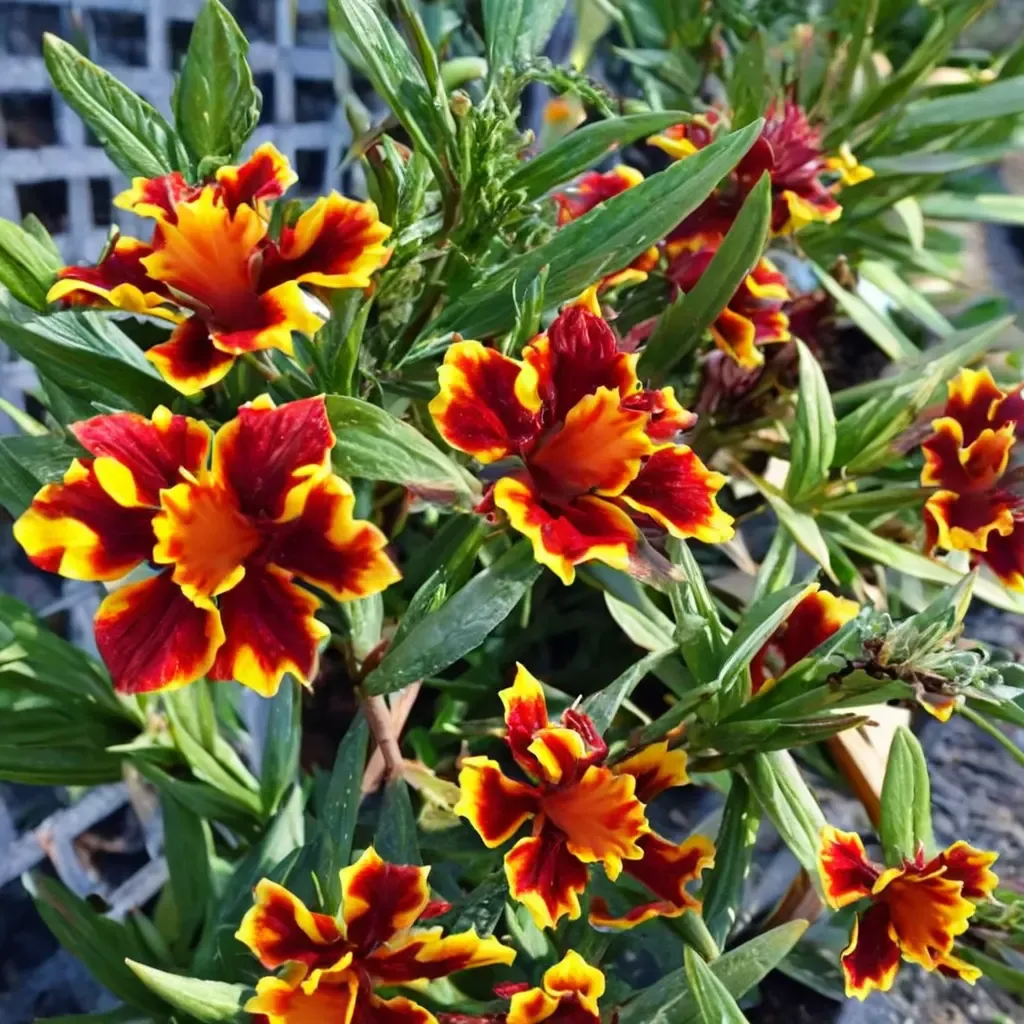
Roundleaf Monkeyflower
Mimulus aurantiacus 'Jelly Bean Fiesta Marigold'
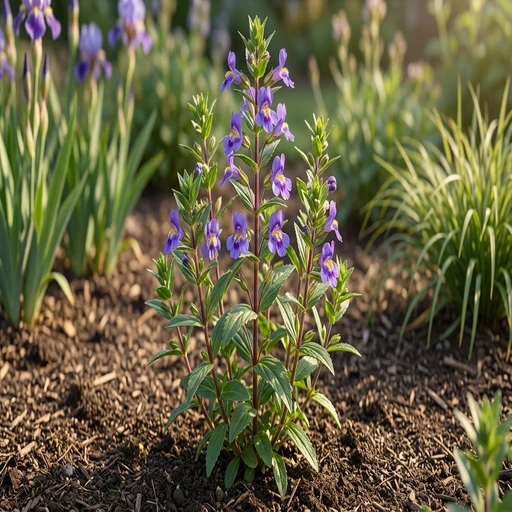
Allegheny Monkey Flower
Mimulus ringens
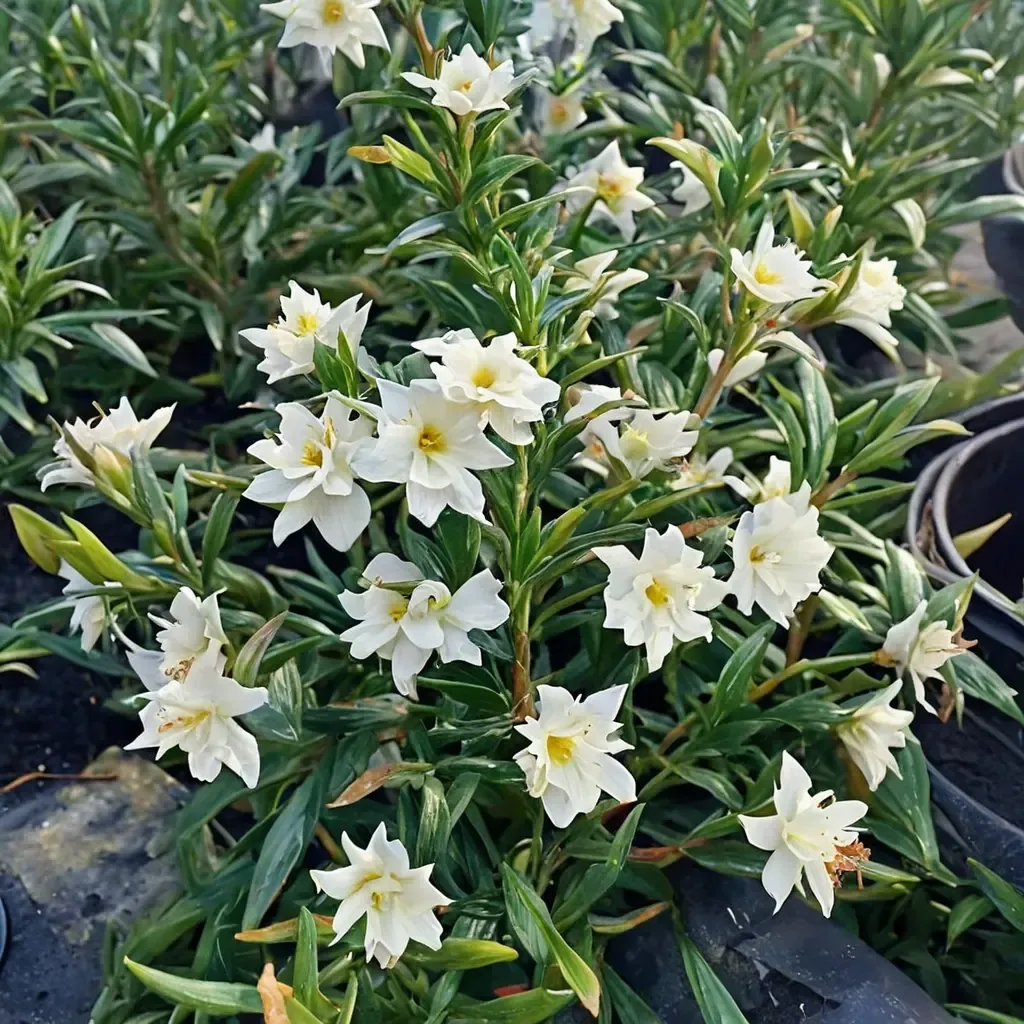
White Monkey Flower
Mimulus bifidus 'White'
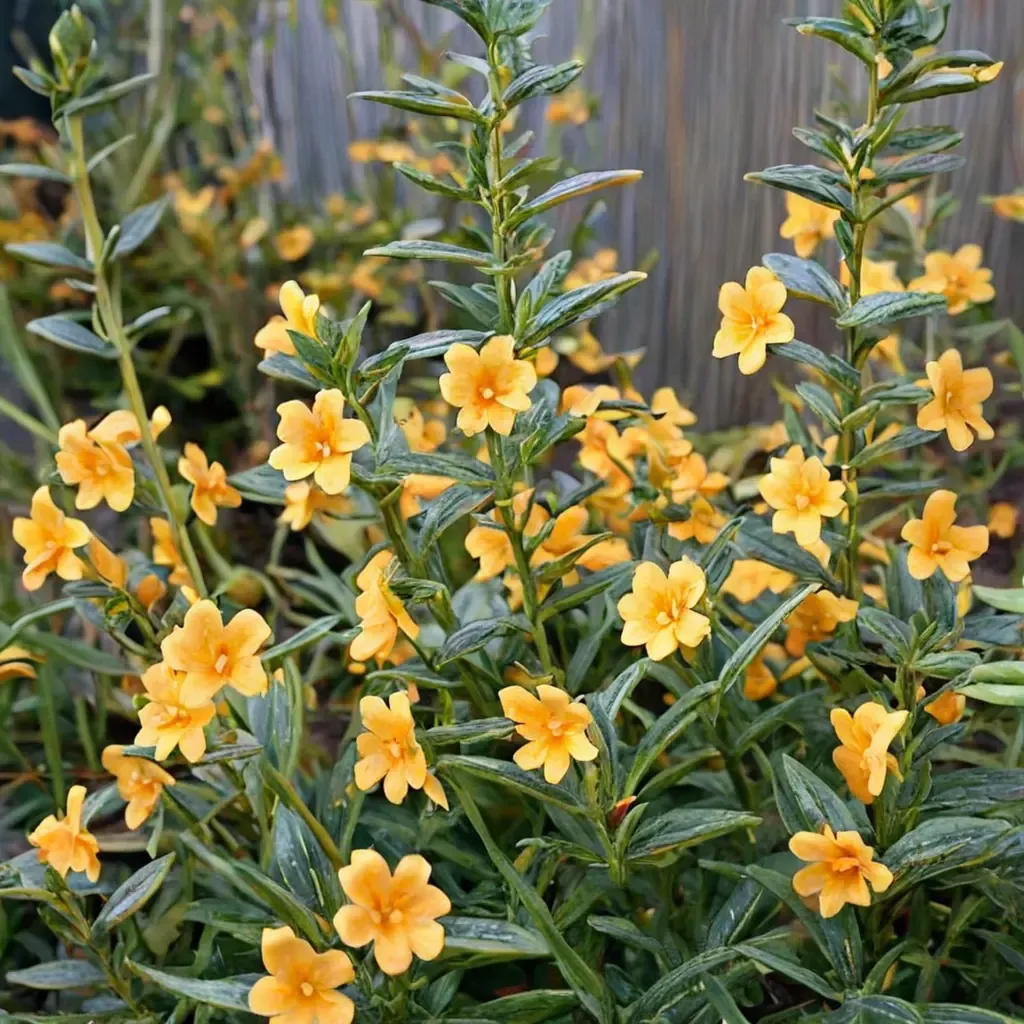
Point Molate Monkeyflower
Mimulus aurantiacus 'Point Molate'
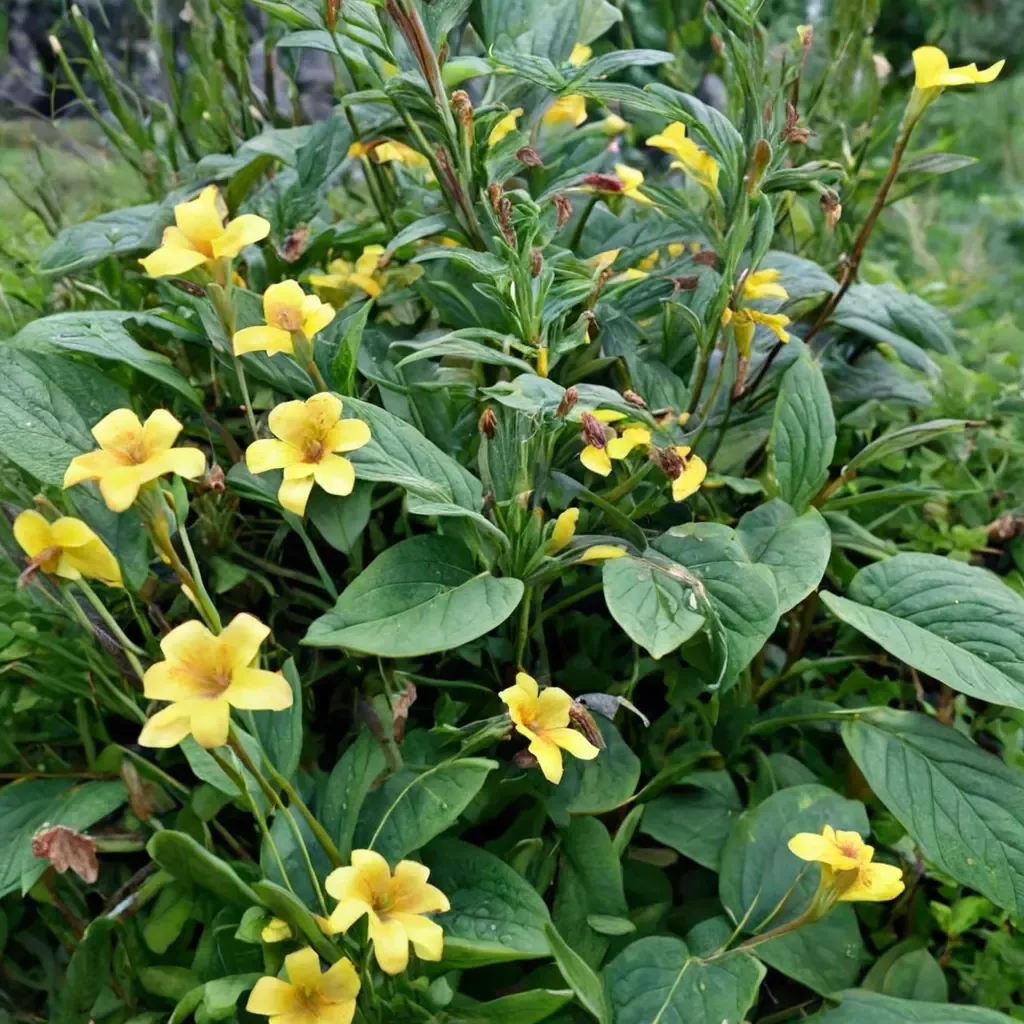
Bush Monkey Flower
Mimulus fruticosus
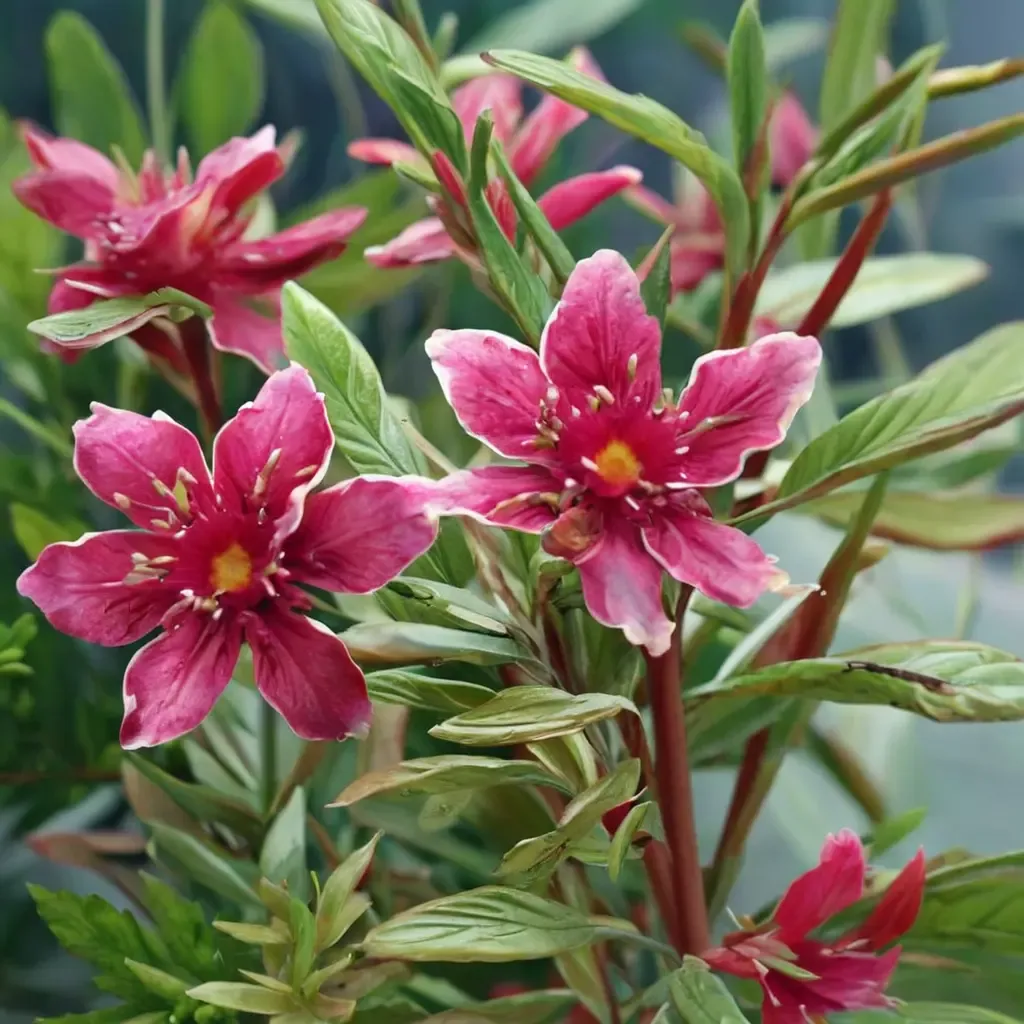
Cherry Monkey Flower
Mimulus aurantiacus 'Cherry'
Keep exploring
Explore the genus
Hardy in your zone?
Grow Sticky Monkeyflower with confidence
See it in a design of your actual yard, get zone-matched care reminders, and track it season by season in your garden journal.