Also known as Coyote Mint · 7 saves
Monardella
Monardella, the genus most gardeners know as coyote mint. We track 3 varieties; the ones most used by real gardeners.
The 3 most-saved Monardella varieties
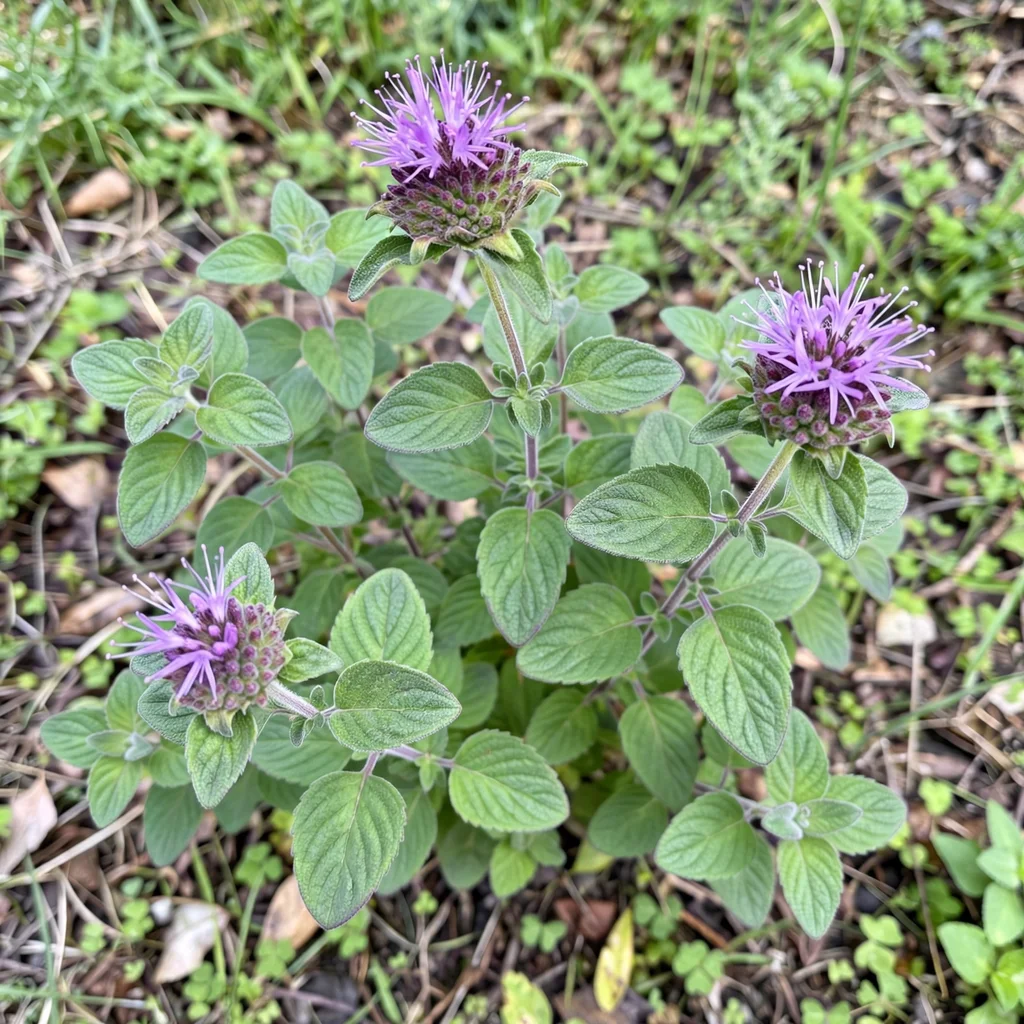
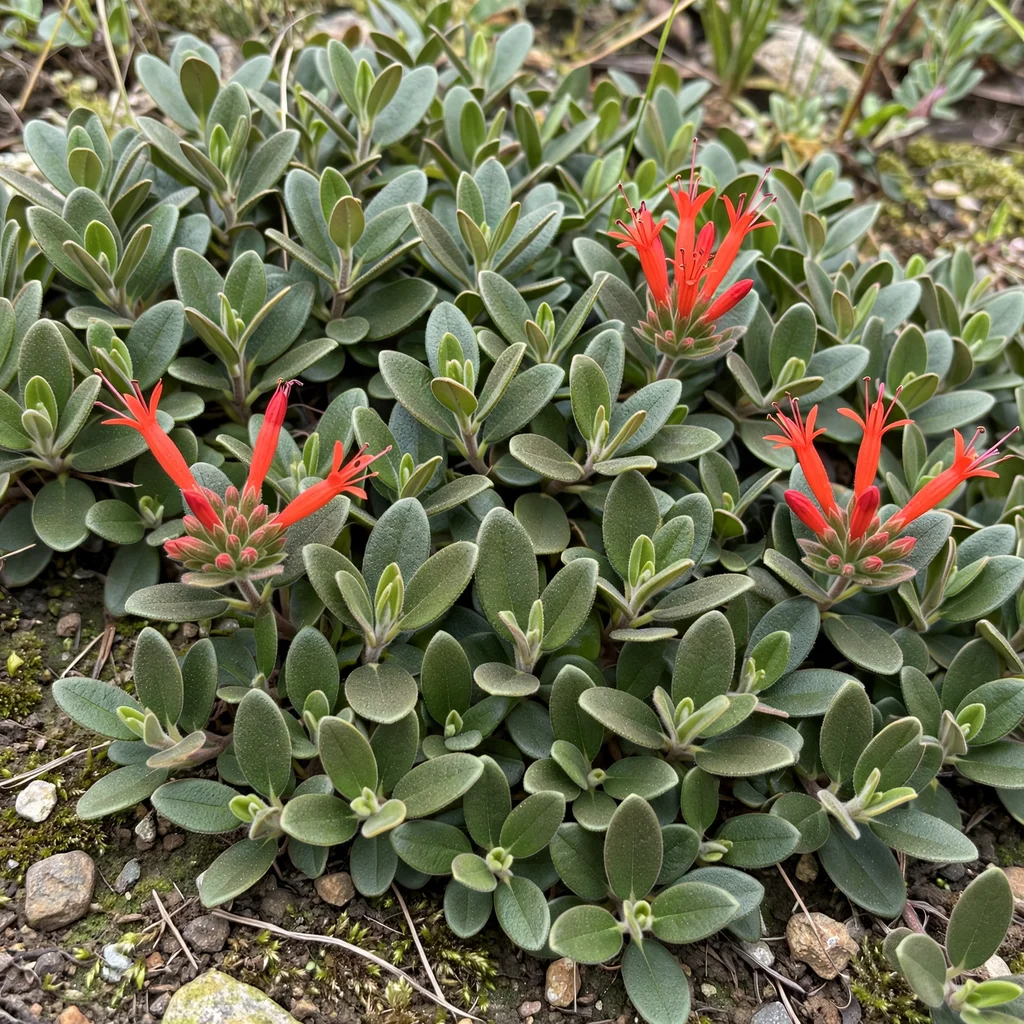
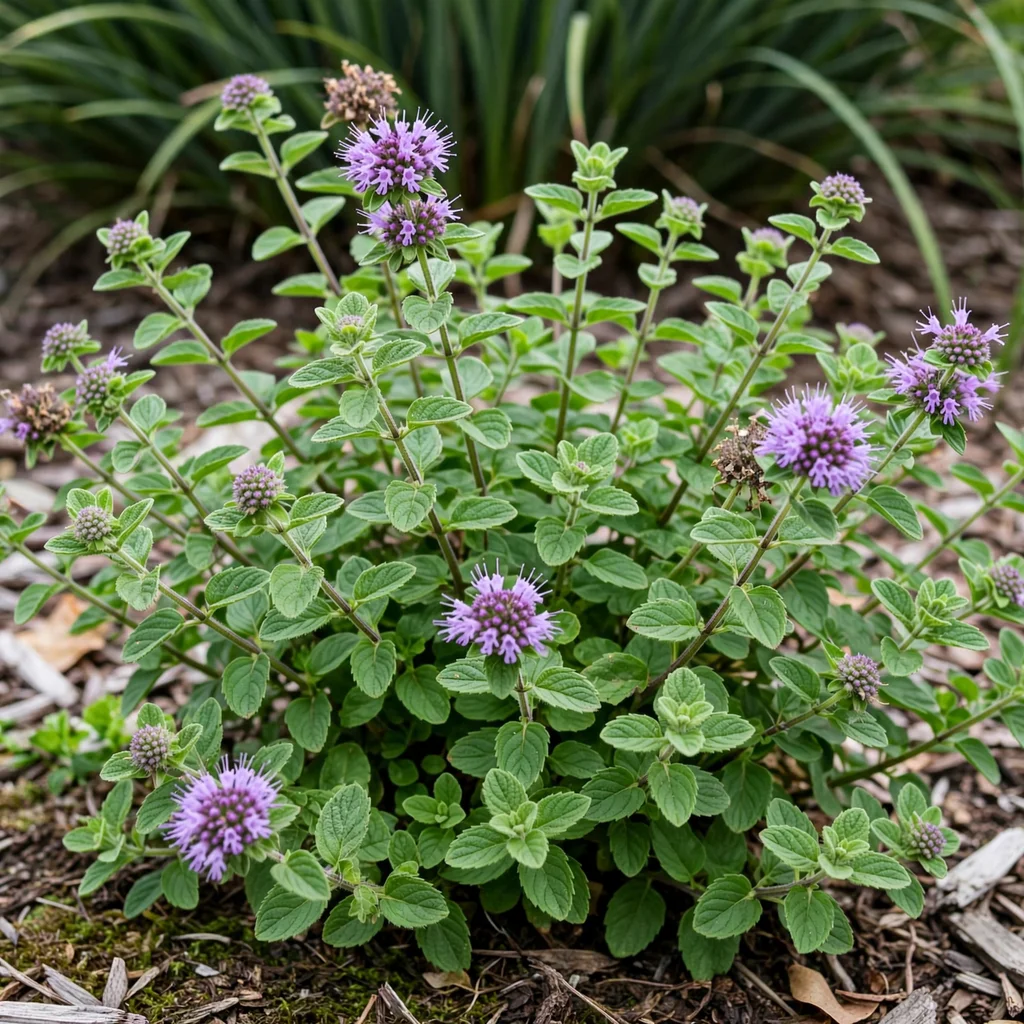
3 species of Monardella
Each one is a parent of the varieties above.
Track your Monardella in Sow
Save the Monardella you grow and get care reminders timed to your zone.
How to grow Monardella
Whats common across all Monardella varieties in our catalog — drawn from the care records of the 3 most-grown of them.
The Monardella year
- Check for PestsJune and July100% of varieties
Check foliage undersides for signs of mint rust or leaf spot.
- PropagateJune67% of varieties
Take softwood stem cuttings from non-flowering shoots.
- PlantMarch and April67% of varieties
Set out nursery pots in well-drained soil after last frost.


Do
- Provide sharp mineral soil drainage.
- Trim dead or twiggy stems lightly in early spring.
- Protect plants from intense mid-day heat in hot interior regions.
- Give part sun and sharp drainage.
- Allow air circulation around the crown.
Avoid
- Do not plant in heavy clay or waterlogged soils.
- Do not cut hard into old, leafless, woody stems.
- Do not apply thick organic bark mulch directly against the crown.
- Do not plant in soggy or rich soil.
What goes wrong with Monardella
| Problem | What you'll see | What to do |
|---|---|---|
| General sap-suckers | Minor leaf distortion or sticky residue on new shoots. | Rinse foliage gently with water or apply insecticidal soap if severe. |
| Twospotted spider mite | Stippled pale leaves with fine webbing on the undersides in hot dry weather. | Spray leaf undersides with water, thin for airflow, and use insecticidal soap if numbers build. |
| Aphids | Small insects clustering on new shoots under stressed conditions. | Dislodge with a sharp spray of water. |
| Spider mites | Fine webbing and stippling on foliage in hot, dry, dusty conditions. | Increase air circulation and mist the foliage occasionally to deter them. |
| Powdery mildew | White powdery coating on leaves in crowded, still air. | Space for air circulation, avoid overhead watering, and remove affected leaves. |
| Mint rust | Orange or rusty-brown pustules on the undersides of leaves. | Remove infected leaves promptly, clean up foliage litter, and avoid overhead watering. |
| Root and stem rot | Wilting foliage, stem collapse, and darkening at the crown base. | Ensure sharp drainage, reduce watering, and avoid placing organic mulches close to the stem base. |
Making more Monardella
Stem Cuttings
- Take softwood cuttings from active, non-flowering shoots in late spring.
- Remove lower foliage and insert cuttings into a porous mix of coarse sand and perlite.
- Maintain high humidity and bright indirect light until roots form.
- Pot up root system into fast-draining soil mix once established.
Stem cuttings
- Take softwood or semi-hardwood cuttings in spring or early summer.
- Insert the cuttings into a sharply draining, sandy propagation mix.
- Keep the medium lightly moist but not wet under indirect light.
- Pot up once roots have established, usually within a few weeks.
Monardella questions
How many types of Monardella are there?
The Sow catalog tracks 3 distinct Monardella varieties. The most popular — ranked by 7 real gardeners — are shown first above.
What zones does Monardella grow in?
Across its varieties, Monardella covers USDA Zones 5–10. Individual varieties differ — each plant page lists its exact range, and Sow filters the catalog to your zone automatically.
When does Monardella bloom?
Most Monardella varieties bloom in summer.
Which Monardella should I choose?
Start from the most-saved varieties above — popularity across thousands of gardens is a strong signal of reliability — then filter by your zone and sun. In the Sow app you can preview any of them in a photo of your actual yard before you buy.