The Story
Plant Bio
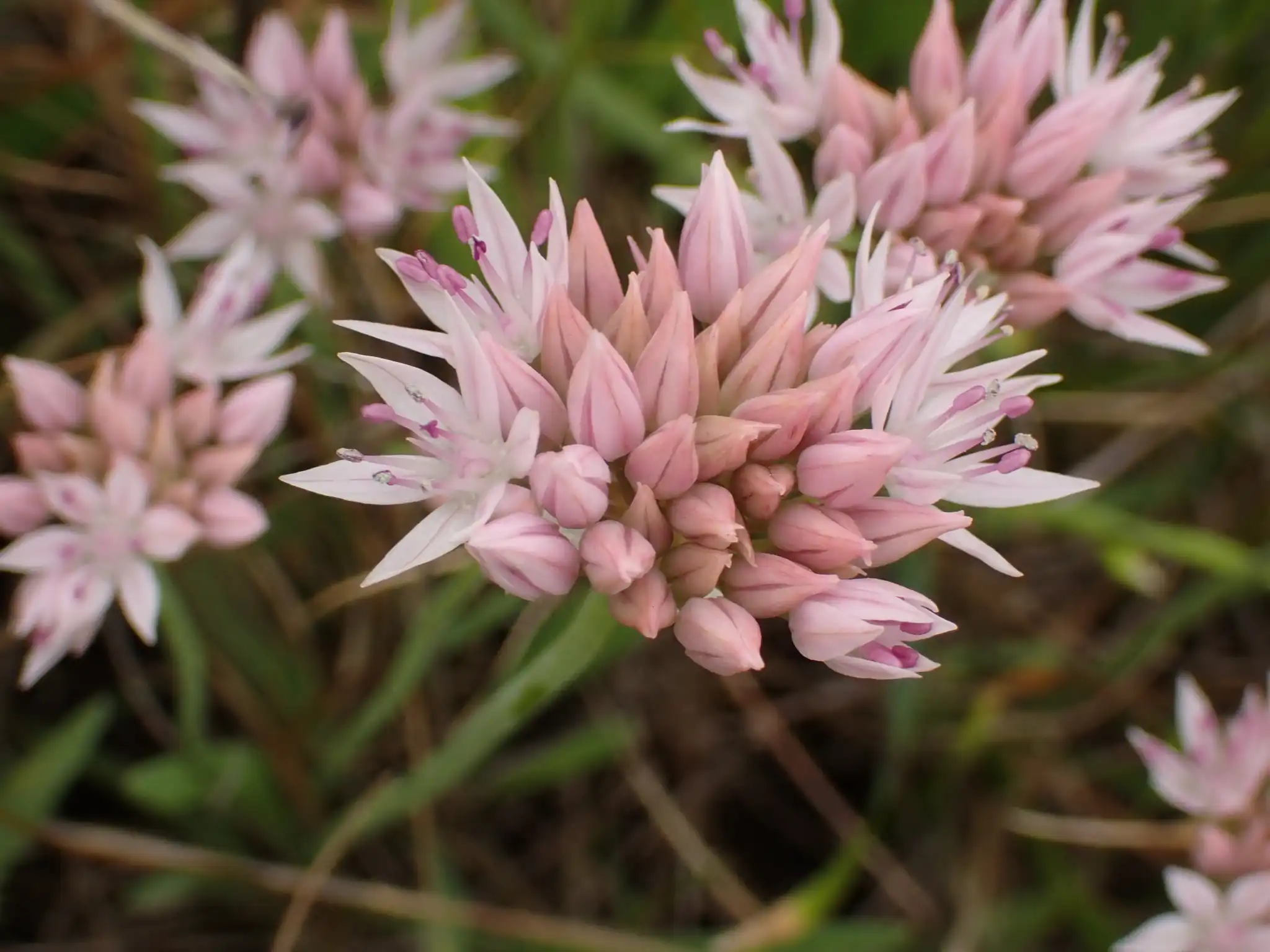
Allium amplectens, known as narrow-leaf onion, is a bulbous geophyte native to western North America from British Columbia south through California. It produces two to four slender, grass-like leaves and an erect, smooth stem topped with a rounded umbel of white to light rose flowers that bloom in late spring.
Distinctive pinkish-magenta papery bracts enclose the flower buds before opening into delicate six-petaled blooms. The narrow foliage routinely withers and dies back right before or during peak bloom as the plant prepares for summer dormancy.
Uses & Benefits:
Essentials
At a Glance
Plant Type
Bulb Corm Tuber
Height
20"
Width
10"
Light
Full Sun
Zones
4, 5, 6, 7, 8
Water
Low
Humidity
Low to Moderate
Lifespan
Perennial
Native To
Western North America
Toxicity
Toxic to dogs and cats
Bloom period
Late spring – Early summer
In flower about 2 months of the year
Planting
How to Grow
- Plant bulbs in fall roughly 3 to 4 inches deep in lean, mineral-rich, well-draining soil.
- Select a planting site in full sun to support sturdy flowering stems.
- Provide moderate moisture through winter and spring during active foliage growth and flowering.
- Cease watering entirely after bloom as leaves dry up to allow safe summer dormancy.
Pro Tip
Withhold all summer irrigation once foliage yellows; standing moisture in warm soil rapidly causes fatal fungal bulb rot.
Keep It Thriving
Care Guide
Do
- Do allow leaves to turn yellow and dry naturally to renourish the bulb.
- Do ensure sharp mineral drainage in clay or heavy soils.
- Do withhold summer watering completely during bulb dormancy.
Don't
- Don't apply rich compost or high-nitrogen fertilizers.
- Don't irrigate soil during summer dormancy.
- Don't cut foliage back while it remains green.
Seasonal Care Calendar
| Task | Jan | Feb | Mar | Apr | May | Jun | Jul | Aug | Sep | Oct | Nov | Dec |
|---|---|---|---|---|---|---|---|---|---|---|---|---|
| Divide | ||||||||||||
| Plant | ||||||||||||
| Prune | ||||||||||||
| Spring Cleanup |
Watch Out For
Pests & Diseases
Common Pests
Common Diseases
In the Garden
Landscape Uses & Companions
Landscape Uses
Multiply
Propagation Methods
Good to Know
Common Questions
Narrow-leaf onion questions
What zones can Narrow-leaf onion grow in?
Narrow-leaf onion is hardy in USDA Zones 4–8: in that range it survives winter in the ground. Warmer than Zone 8, winter isn't the problem: it prefers colder winters, and summer heat can shorten its life.
Is Narrow-leaf onion deer resistant?
Yes — Narrow-leaf onion is rated deer-resistant. Deer typically pass it over, though extreme hunger can override any plant's defenses.
When does Narrow-leaf onion bloom?
Narrow-leaf onion typically blooms from late spring to early summer. Exact timing shifts a week or two with your zone — Sow's bloom calendar maps it to your garden.
Does Narrow-leaf onion need full sun?
Narrow-leaf onion does best in full sun (6+ hours).
Is Narrow-leaf onion drought tolerant?
Yes — once established (usually after the first full season), Narrow-leaf onion handles dry spells with minimal watering. Water deeply its first year to build the root system that makes that possible.
More Allium to compare
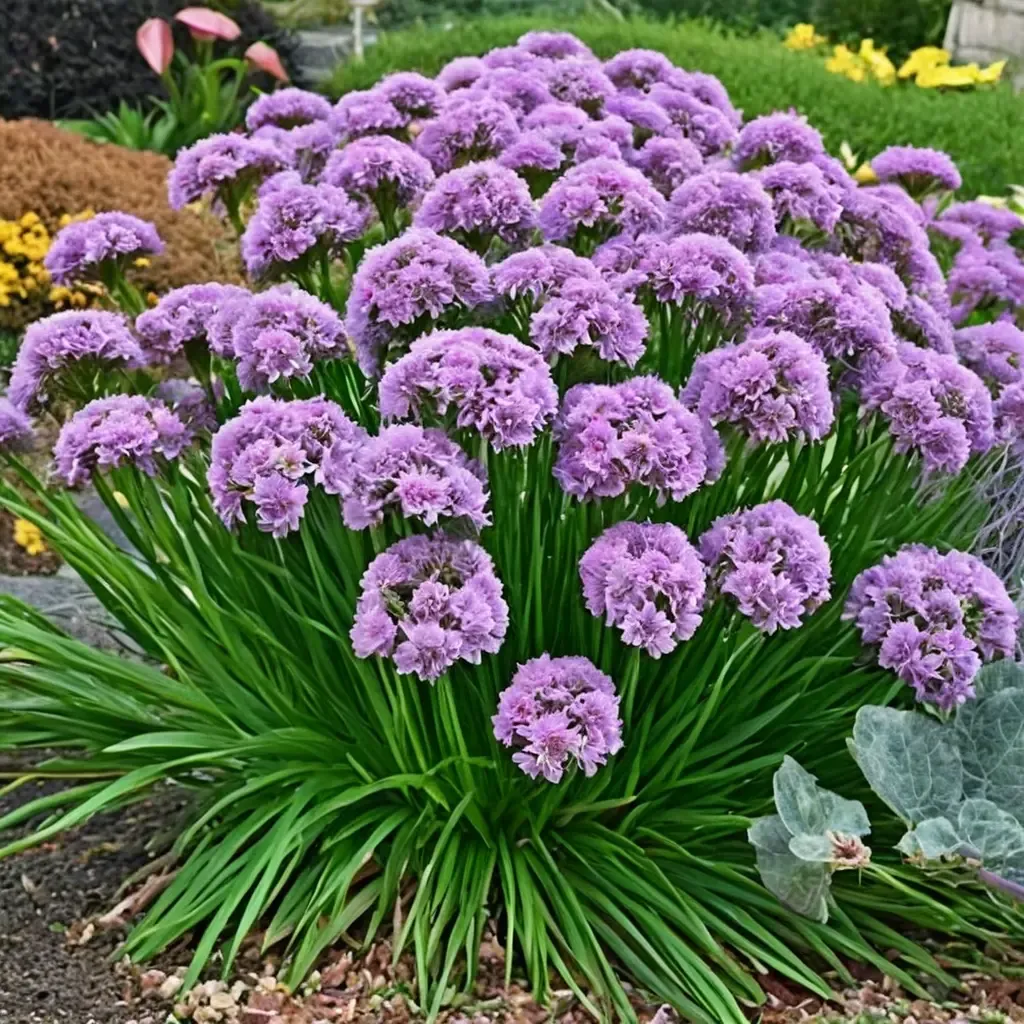
Millennium Gold Onion Moly Onion
Allium x moly 'Millenium'
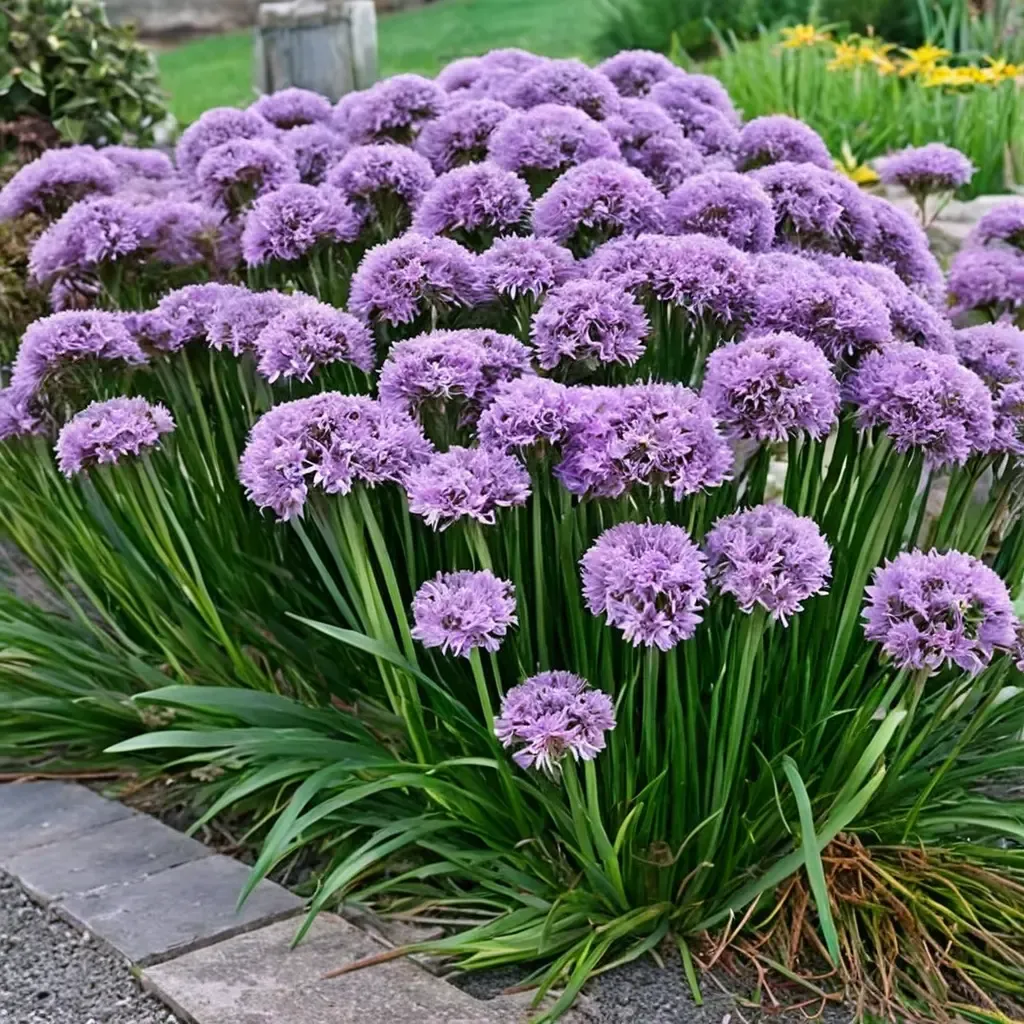
Millennium Ornamental Onion
Allium x hybrida 'Millenium'
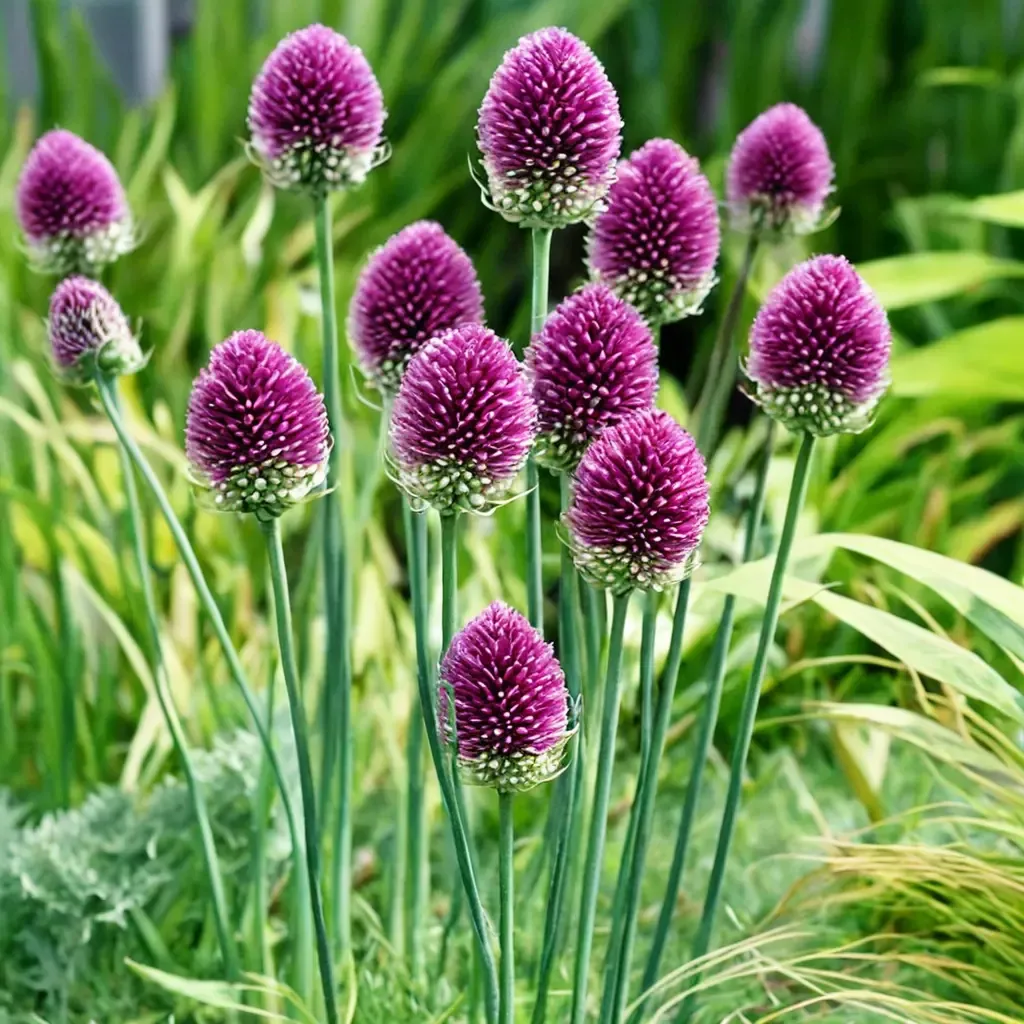
Drumstick Allium
Allium sphaerocephalon
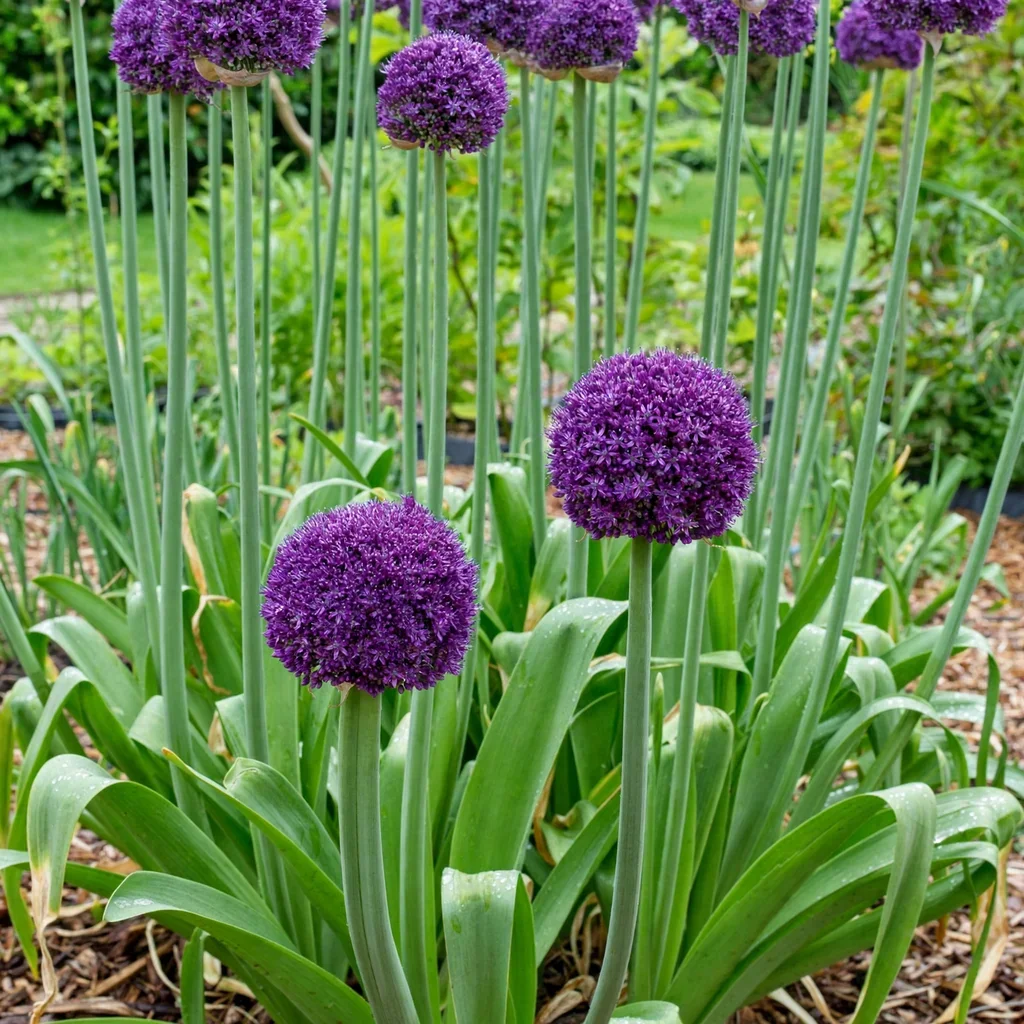
Ornamental Onion 'Ambassador'
Allium x hybrida 'Ambassador'
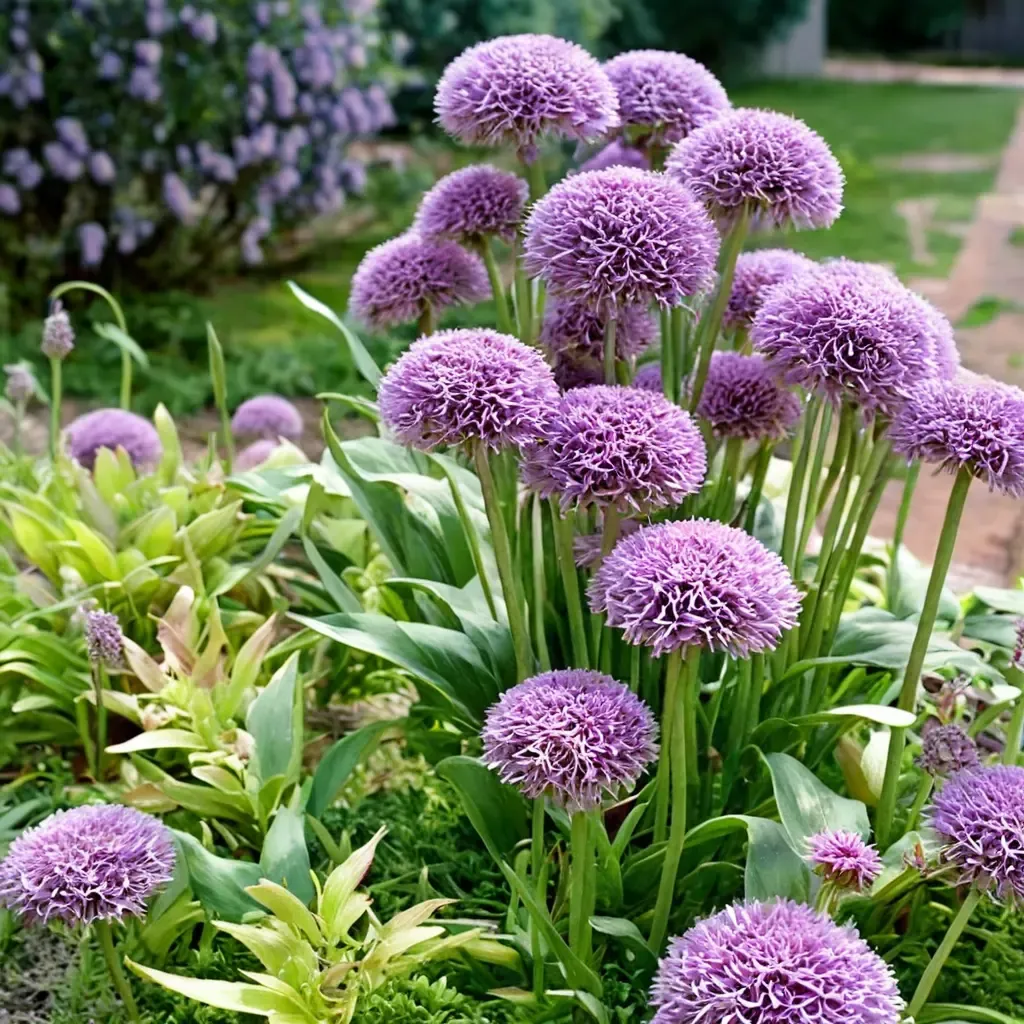
Globemaster Allium
Allium giganteum 'Globemaster'
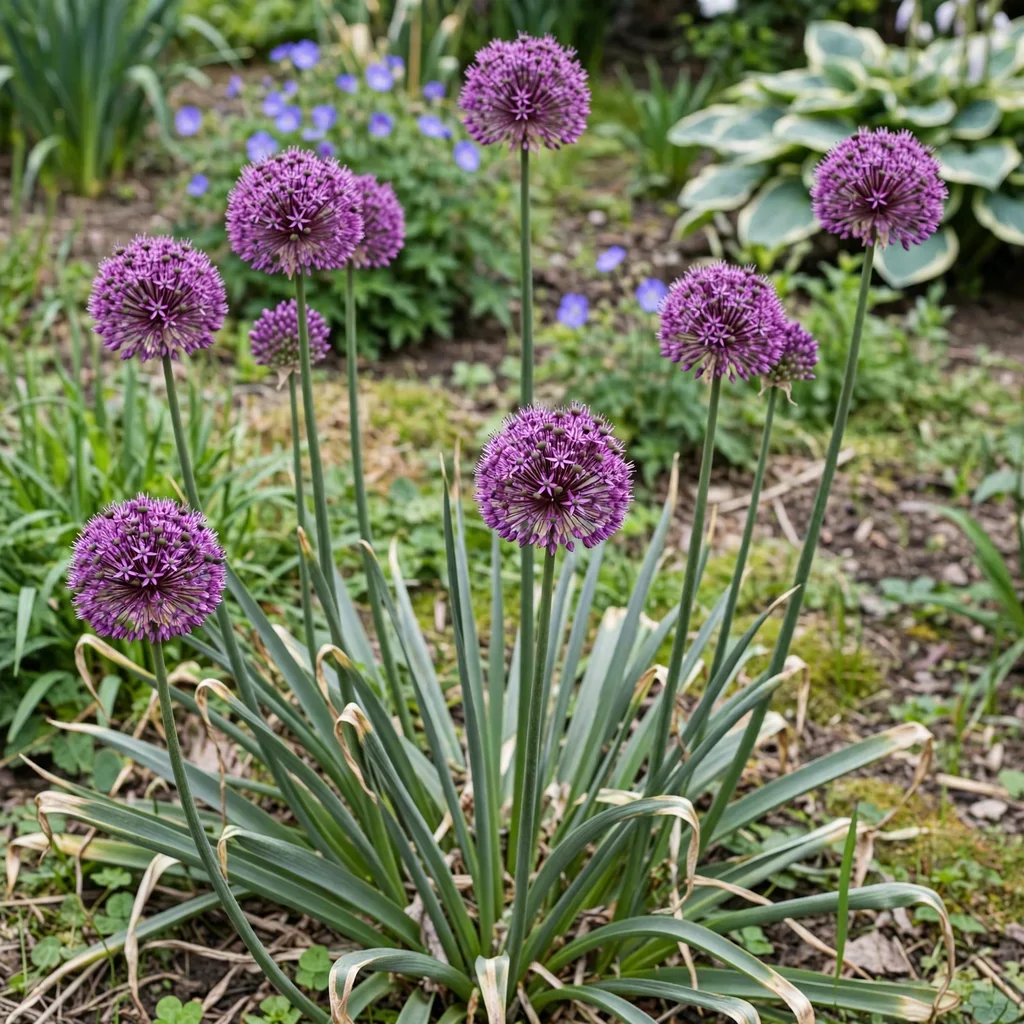
Purple Sensation Allium
Allium hollandicum 'Purple Sensation'
Keep exploring
Explore the genus
Hardy in your zone?
Grow Narrow-leaf onion with confidence
See it in a design of your actual yard, get zone-matched care reminders, and track it season by season in your garden journal.