1 named cultivar
The Story
Plant Bio
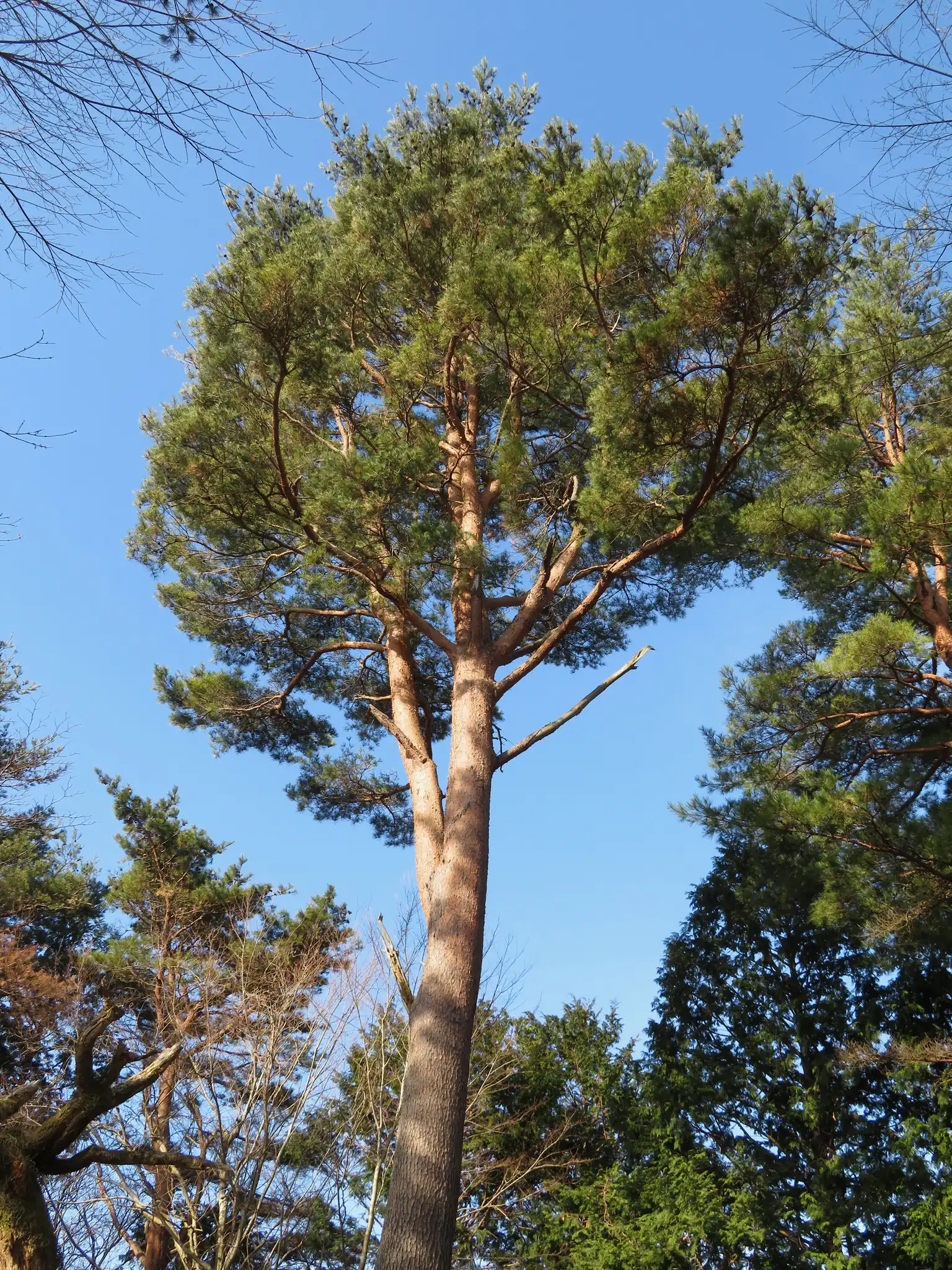
Pinus densiflora, Japanese red pine, is a needled evergreen tree from eastern temperate Asia reaching forty to sixty feet in both directions, often with an irregular, picturesquely leaning habit. Bright to dark green needles three to five inches long are carried in bundles of two, and the flaking orange-red bark of the upper trunk is its most striking feature.
The orange-red bark is what it is grown for, and it shows best on an open-grown tree where the upper trunk is visible — crowded among other trees, the feature is lost. Its naturally irregular form is why it is a mainstay of Japanese gardens and a classic bonsai subject. Give it full sun and free drainage; it will not tolerate wet ground.
Uses & Benefits:
Essentials
At a Glance
Plant Type
Tree
Height
600"
Width
600"
Light
Full Sun, Partial Sun
Zones
4, 5, 6, 7, 8
Water
Low
Humidity
Moderate
Lifespan
Perennial
Native To
Eastern temperate Asia
Toxicity
Non-toxic
Planting
How to Grow
- Allow forty to sixty feet in both directions.
- Plant in full sun; it will not thrive in shade.
- Give it well-drained soil and avoid wet sites.
- Site it where the upper trunk stays visible.
- Water through the first few summers only.
- Prune candles in spring if shaping is wanted.
Pro Tip
The orange bark only reads on an open-grown tree — crowd it among others and you lose the single reason to plant it.
Keep It Thriving
Care Guide
Do
- Give it full sun and free drainage ☀️
- Site it so the trunk is visible 👀
- Allow it fifty feet of spread 📏
- Pinch candles in spring to shape ✂️
Don't
- Plant it in wet or heavy soil ❌
- Crowd it among other trees ❌
- Assume the dwarf forms reach full size ❌
Seasonal Care Calendar
| Task | Jan | Feb | Mar | Apr | May | Jun | Jul | Aug | Sep | Oct | Nov | Dec |
|---|---|---|---|---|---|---|---|---|---|---|---|---|
| Inspect | ||||||||||||
| Prune |
Watch Out For
Pests & Diseases
Common Pests
Common Diseases
In the Garden
Landscape Uses & Companions
Landscape Uses
Companion Plants
Multiply
Propagation Methods
Good to Know
Common Questions
Pine questions
What zones can Pine grow in?
Pine is hardy in USDA Zones 4–8. Inside that range it survives winter in the ground; outside it, grow it as an annual or a container plant you protect.
Is Pine deer resistant?
Yes — Pine is rated deer-resistant. Deer typically pass it over, though extreme hunger can override any plant's defenses.
When does Pine bloom?
Pine typically blooms in spring. Exact timing shifts a week or two with your zone — Sow's bloom calendar maps it to your garden.
Does Pine need full sun?
Pine does best in full sun to part shade. In hot climates, afternoon shade keeps blooms fresher longer.
Is Pine drought tolerant?
Yes — once established (usually after the first full season), Pine handles dry spells with minimal watering. Water deeply its first year to build the root system that makes that possible.
More Pinus to compare
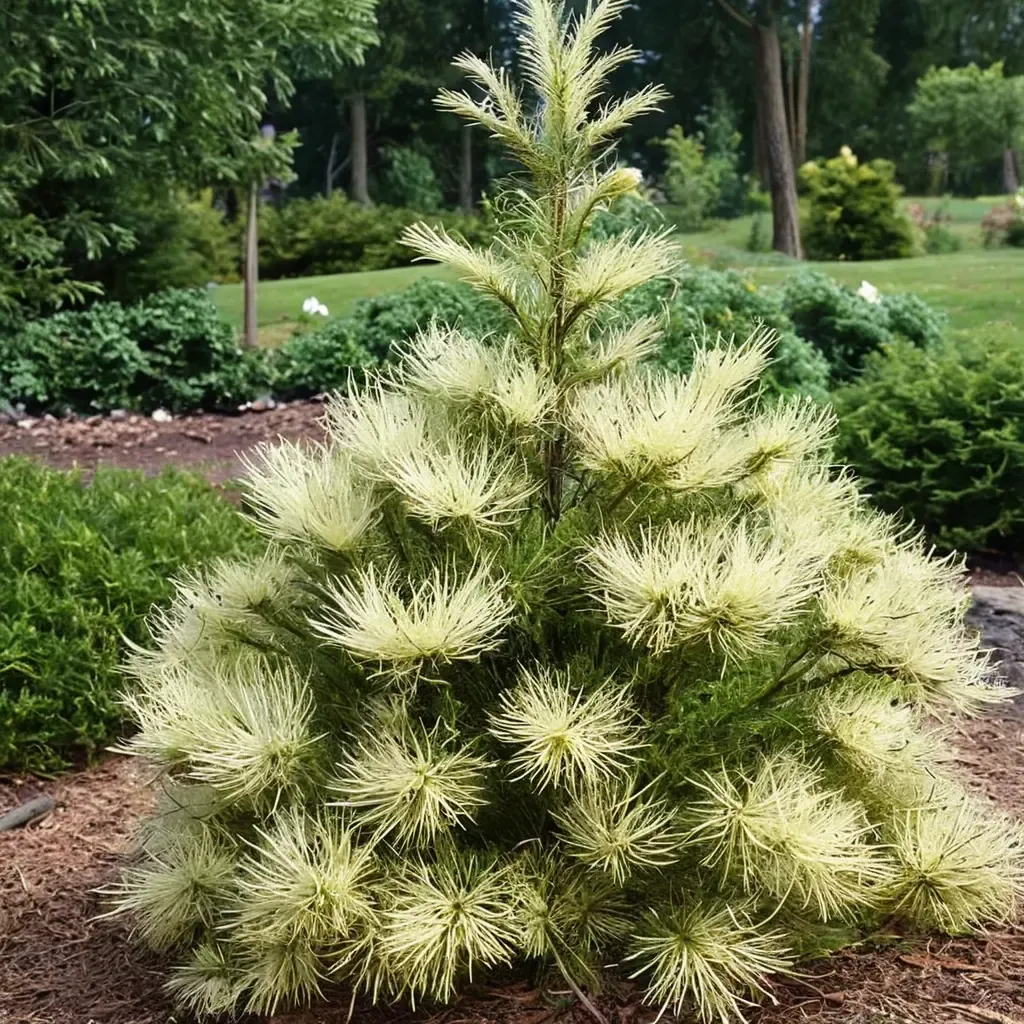
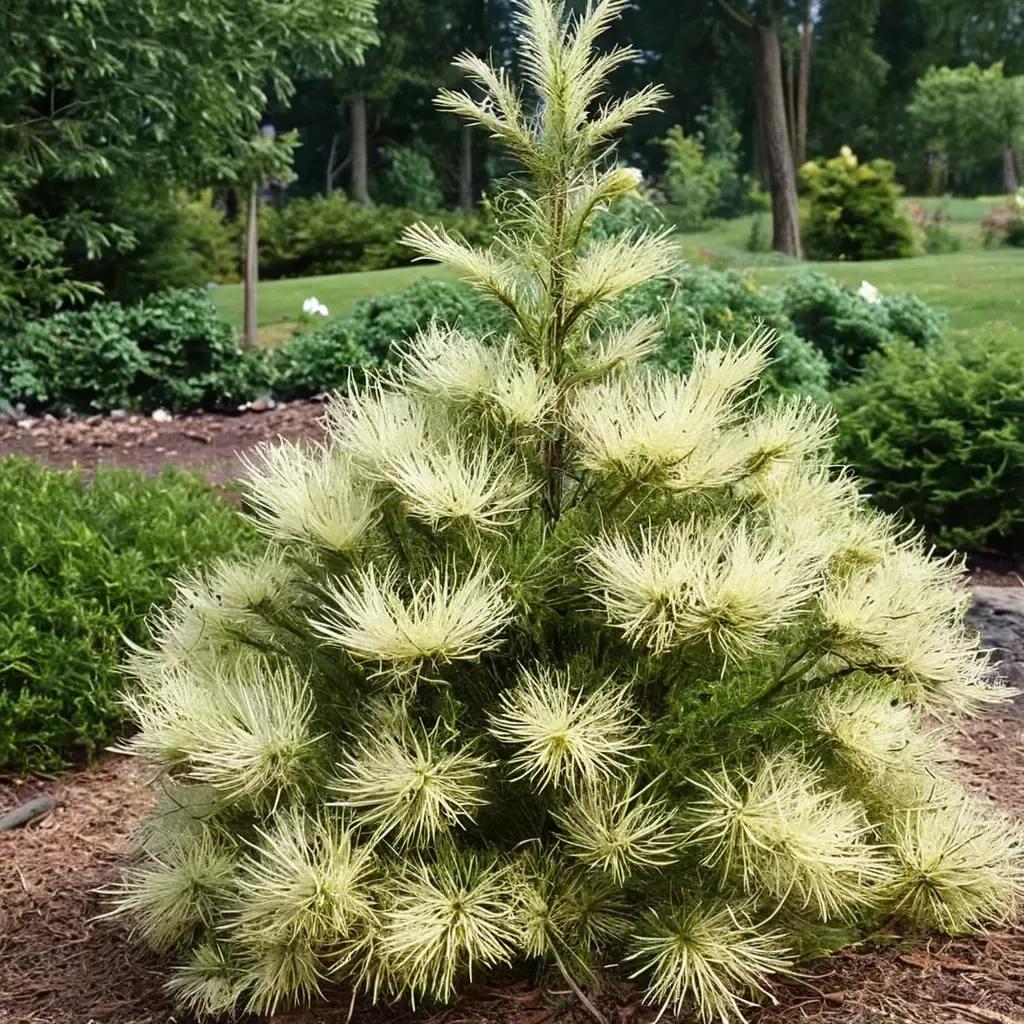
Golden Ghost Pine
Pinus densiflora 'Golden Ghost'
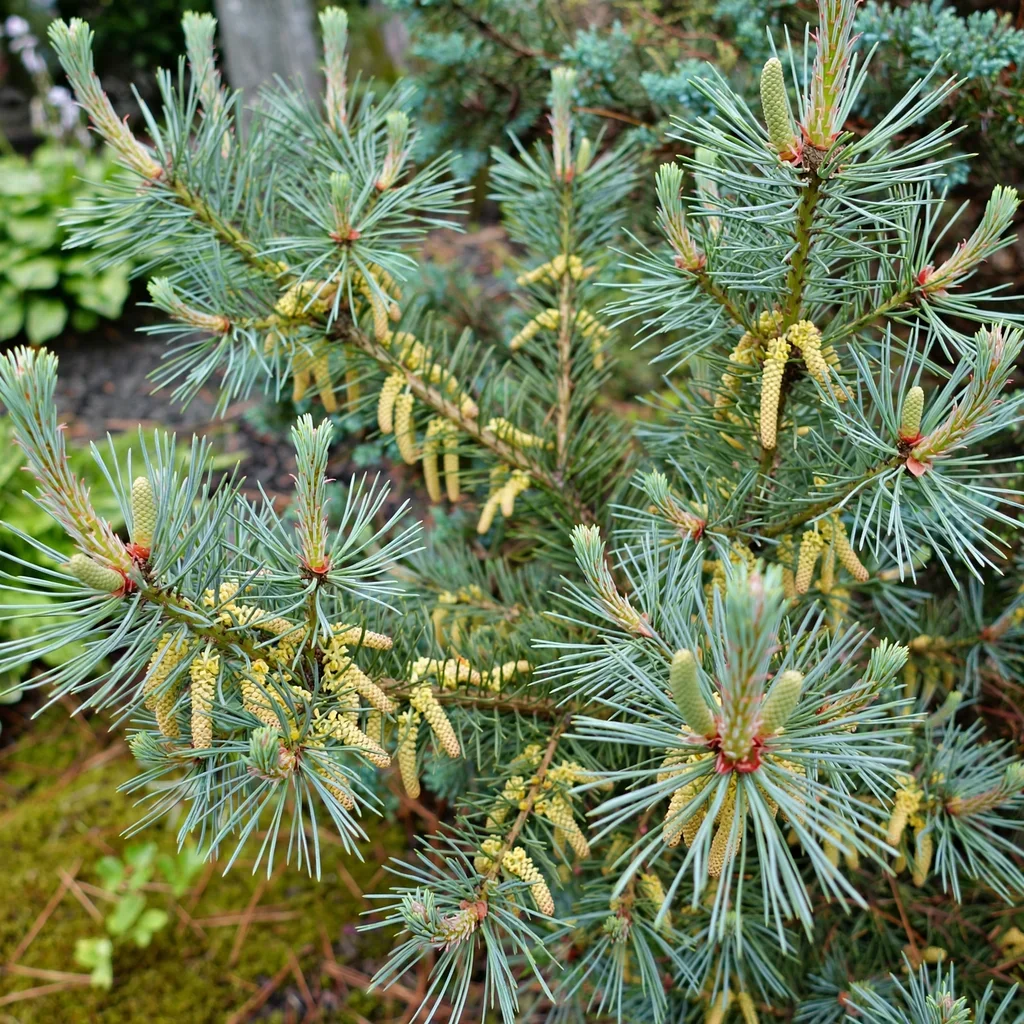
Eastern White Pine
Pinus strobus
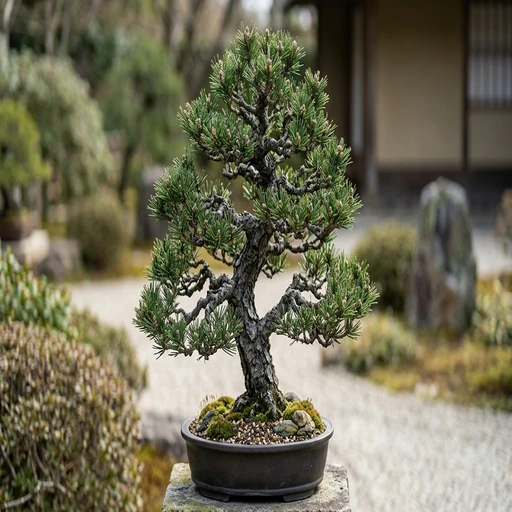
Thunderhead Japanese Black Pine
Pinus thunbergii 'Thunderhead'
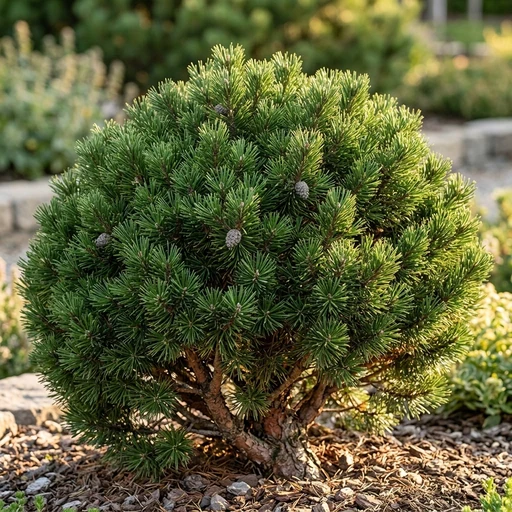
Slowmound Mugo Pine
Pinus mugo 'Slowmound'
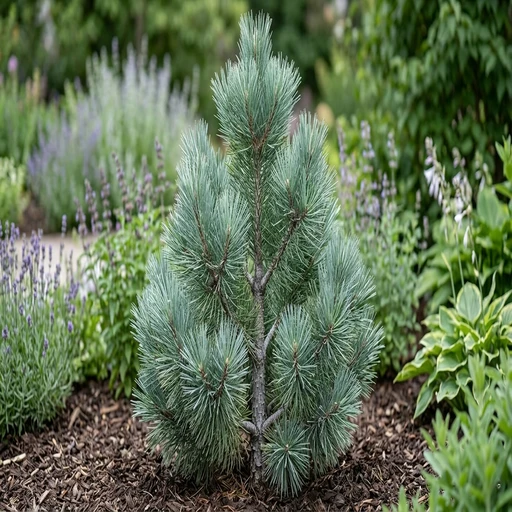
Vanderwolf's Pyramid Limber Pine
Pinus flexilis 'Vanderwolf'
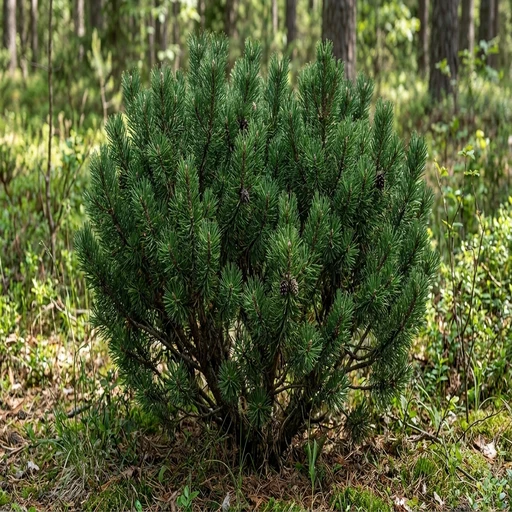
Mugo Pine
Pinus mugo
Keep exploring
Explore the genus
Hardy in your zone?
Grow Pine with confidence
See it in a design of your actual yard, get zone-matched care reminders, and track it season by season in your garden journal.